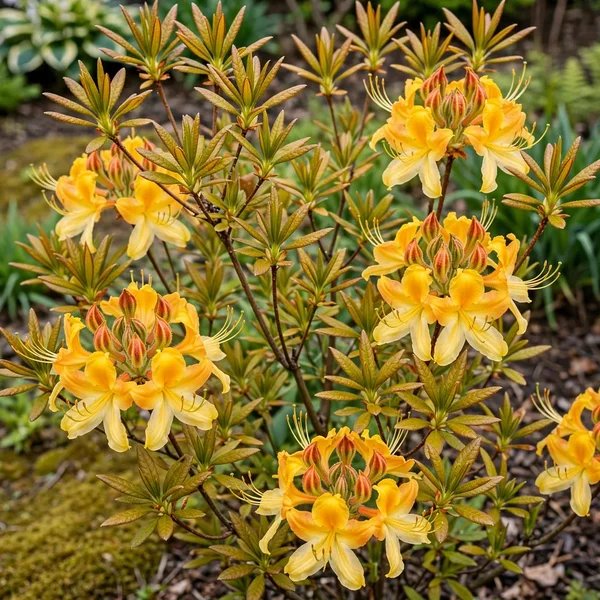
Garden hybrid
This is a garden hybrid, bred from more than one wild species, so it has no single species page of its own.
95 other cultivars
 ‘Double White’Double White Rhododendron
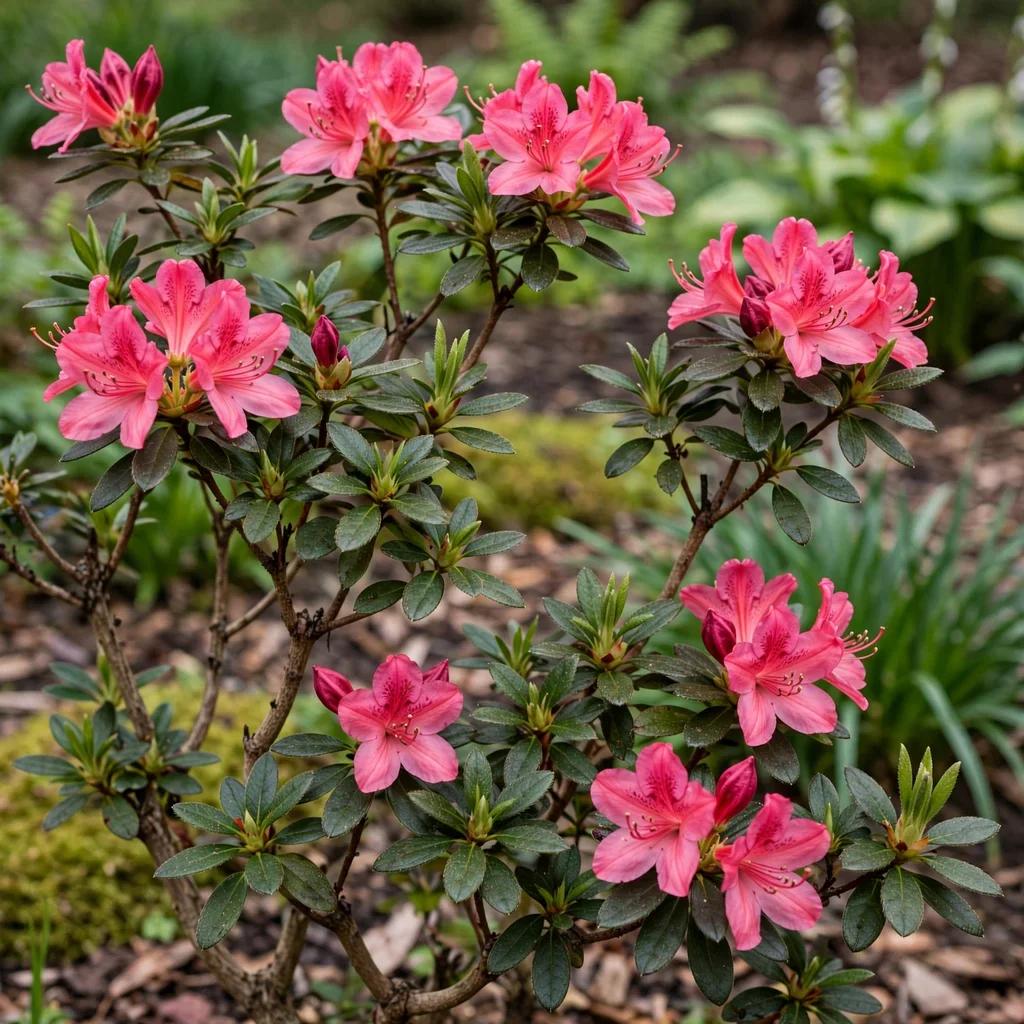 ‘Bone Hardy Azalea Sampler’Bone Hardy Azalea
 ‘Double Pink’Rhododendron x hybrida Double Pink
 ‘Double Dark Pink’Double Dark Pink Rhododendron
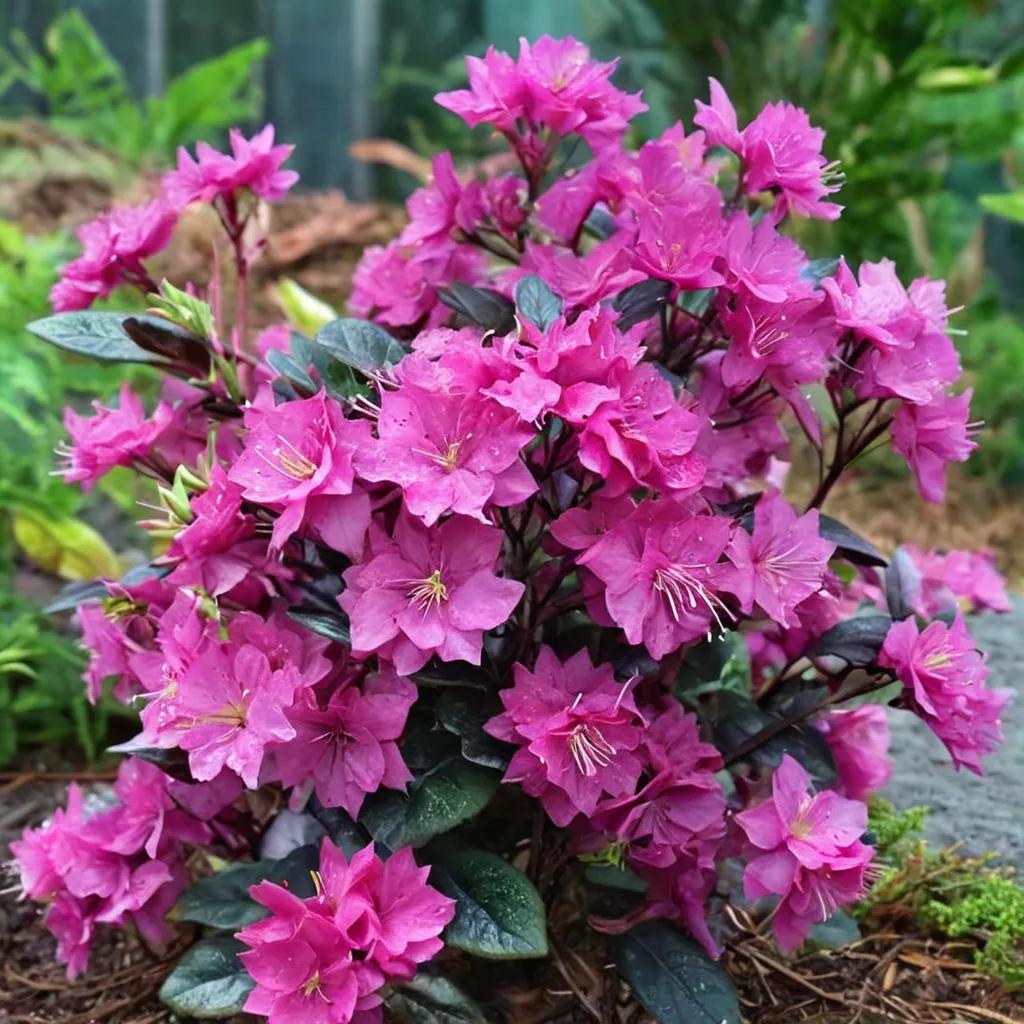 ‘Elite Star’Elite Star Rhododendron
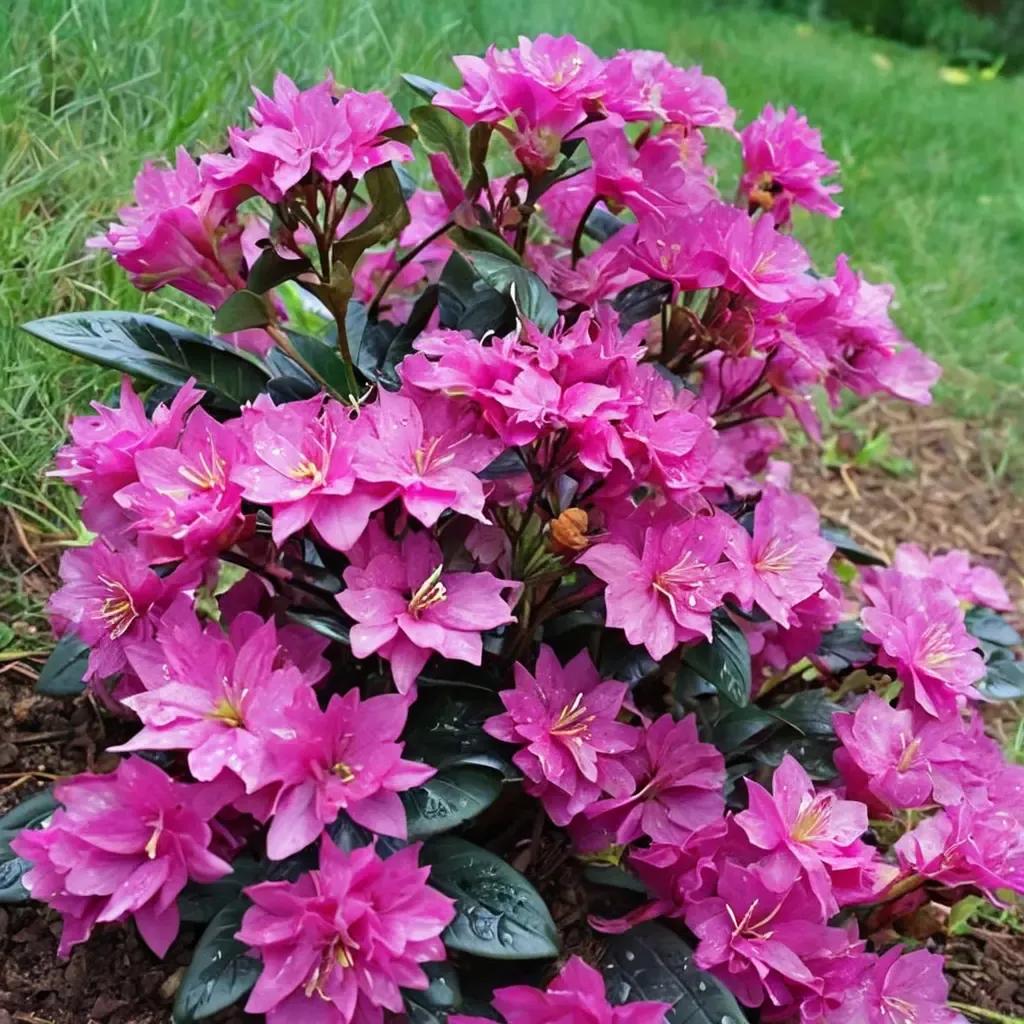 ‘Mezitt Elite Star’Mezitt Elite Star Rhododendron
 ‘Daviesii’Daviesii Azalea
 ‘Golden Lights’Golden Lights Rhododendron
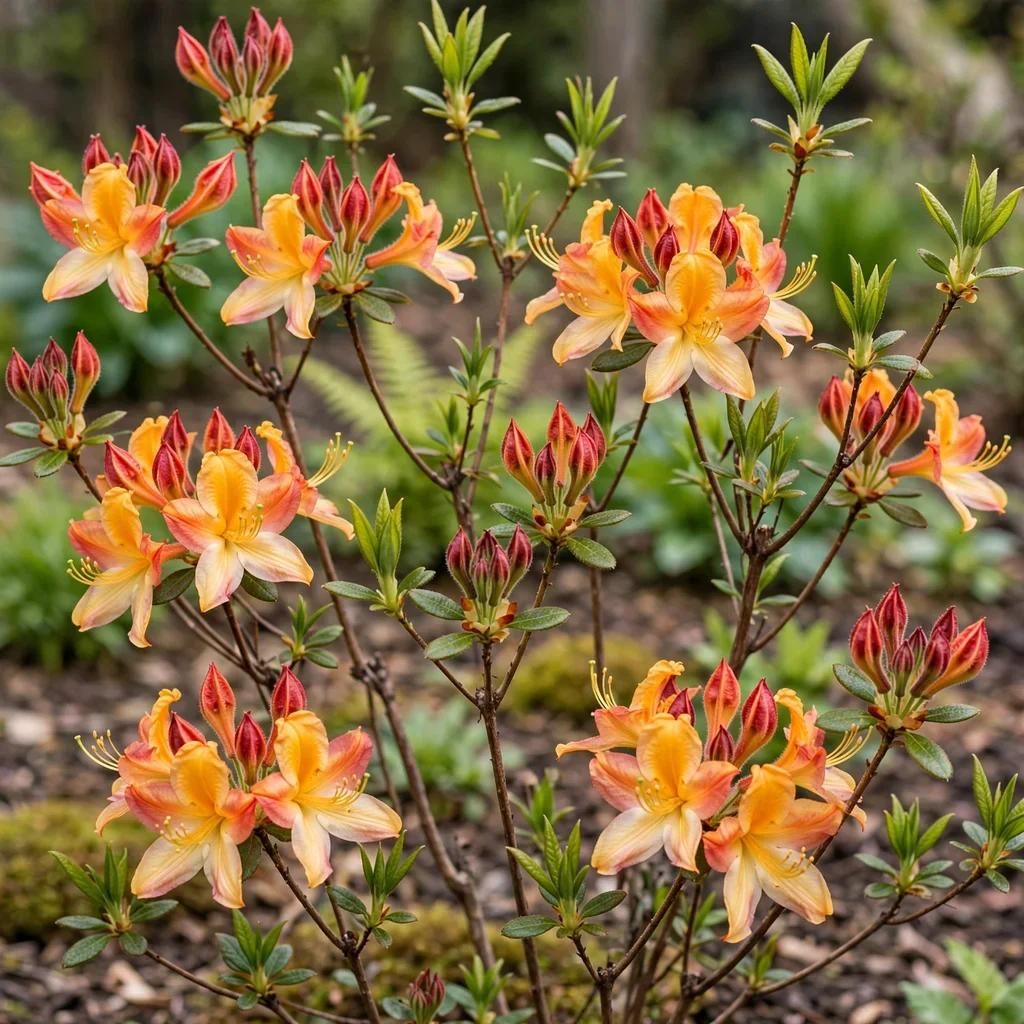 ‘Arneson Gem’Arneson Gem Azalea
 ‘Narcissiflorum’Narcissiflorum Azalea
 ‘Holden’Holden Rhododendron
 ‘NCRX8’Perfecto Mundo Red Azalea
 ‘Inkarho’Inkarho Rhododendron
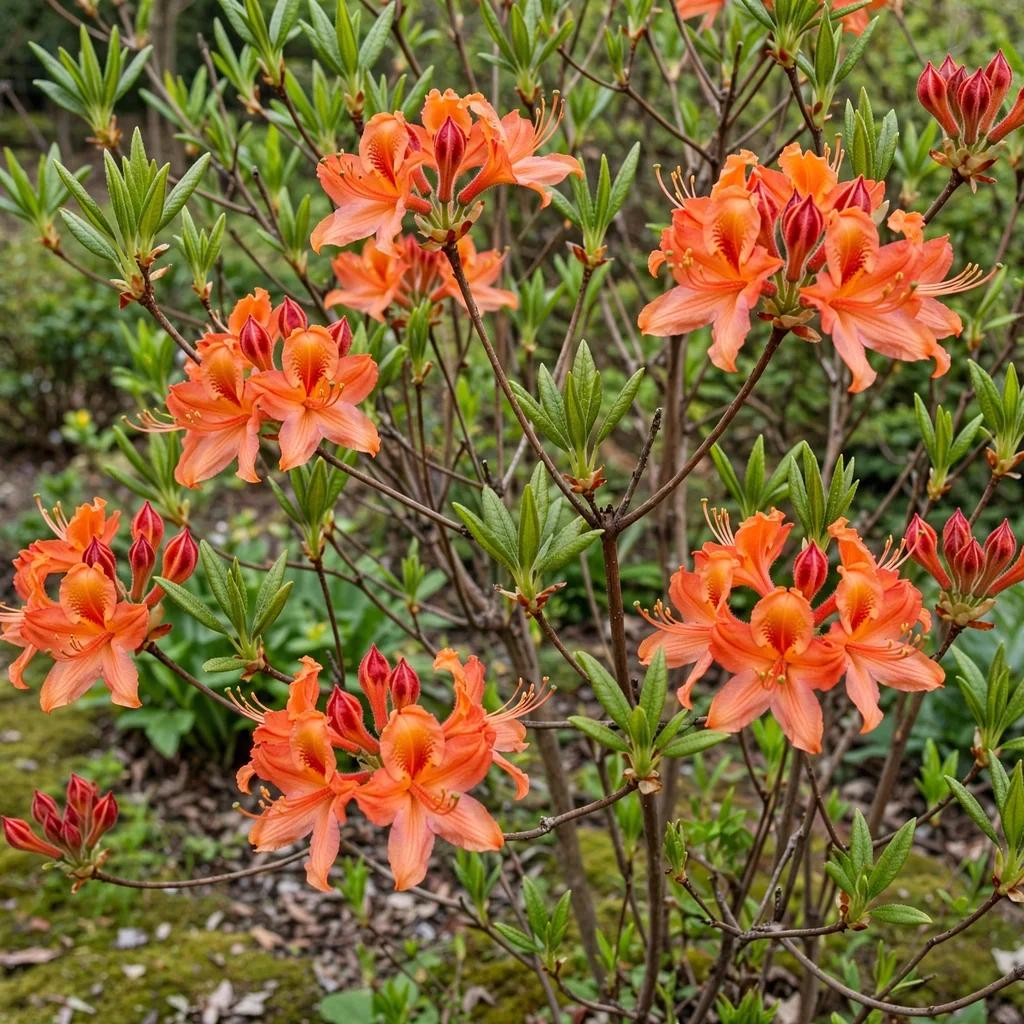 ‘Mandarin Lights’Mandarin Lights Azalea
 ‘Pjm Elite’PJM Elite Rhododendron
 ‘Delaware Valley White’Delaware Valley White Azalea
 ‘Girard Fuchsia’Girard's Fuchsia Azalea
 ‘Girard's Crimson’Girard's Crimson Azalea
 ‘Karens’Karens Azalea
 ‘Stewartstonian’Stewartstonian Azalea
 ‘Scintillation’Scintillation Rhododendron
 ‘Hinode-Giri’Hinode-giri Azalea
 ‘Black Hat’Black Hat Rhododendron
 ‘Rosebud’Rosebud Azalea
 ‘Cascade’Cascade Evergreen Azalea
 ‘Blaauw's Pink’Blaauw's Pink Azalea
 ‘Admiral Semmes’Admiral Semmes Deciduous Azalea
 ‘Minnetonka’Minnetonka Rhododendron
 ‘Hino Crimson’Hino Crimson Azalea
 ‘Rosy Lights’Rosy Lights Azalea
 ‘Roblet’Encore Autumn Sunburst Azalea
 ‘Pjm Compacta’PJM Compact Rhododendron
 ‘Yaku Prince’Yaku Prince Rhododendron
 ‘RLH1-2P8’Bloom-A-Thon Pink Double Azalea
 ‘Encore Autumn Jewel’Encore Autumn Jewel Azalea
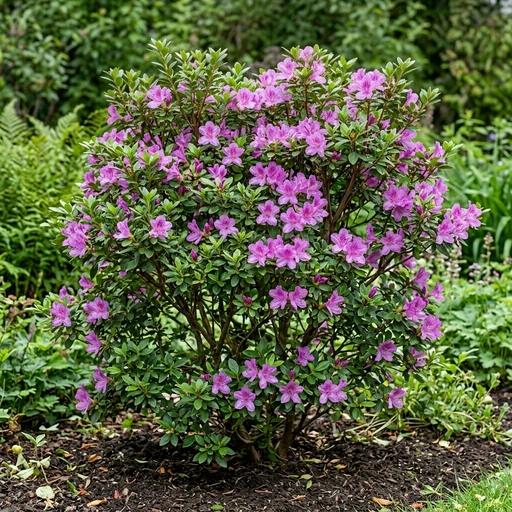 ‘Herbert’Herbert Azalea
 ‘Girard Rose’Girard's Rose Azalea
 ‘Pjm’PJM Rhododendron
 ‘Farrow’Bollywood Azalea
 ‘Girard Hot Shot’Girard's Hot Shot Azalea
 ‘Robled’Encore Autumn Chiffon Azalea
 ‘Purple Passion’Purple Passion Rhododendron
 ‘Anah Kruschke’Anah Kruschke Rhododendron
 ‘Encore Autumn Lilac’Encore Autumn Lilac Azalea
 ‘Aglo’Aglo Rhododendron
 ‘Roblen’Encore Autumn Sunset Azalea
 ‘Yaku Princess’Yaku Princess Rhododendron
 ‘Roblez’Encore Autumn Fire Azalea
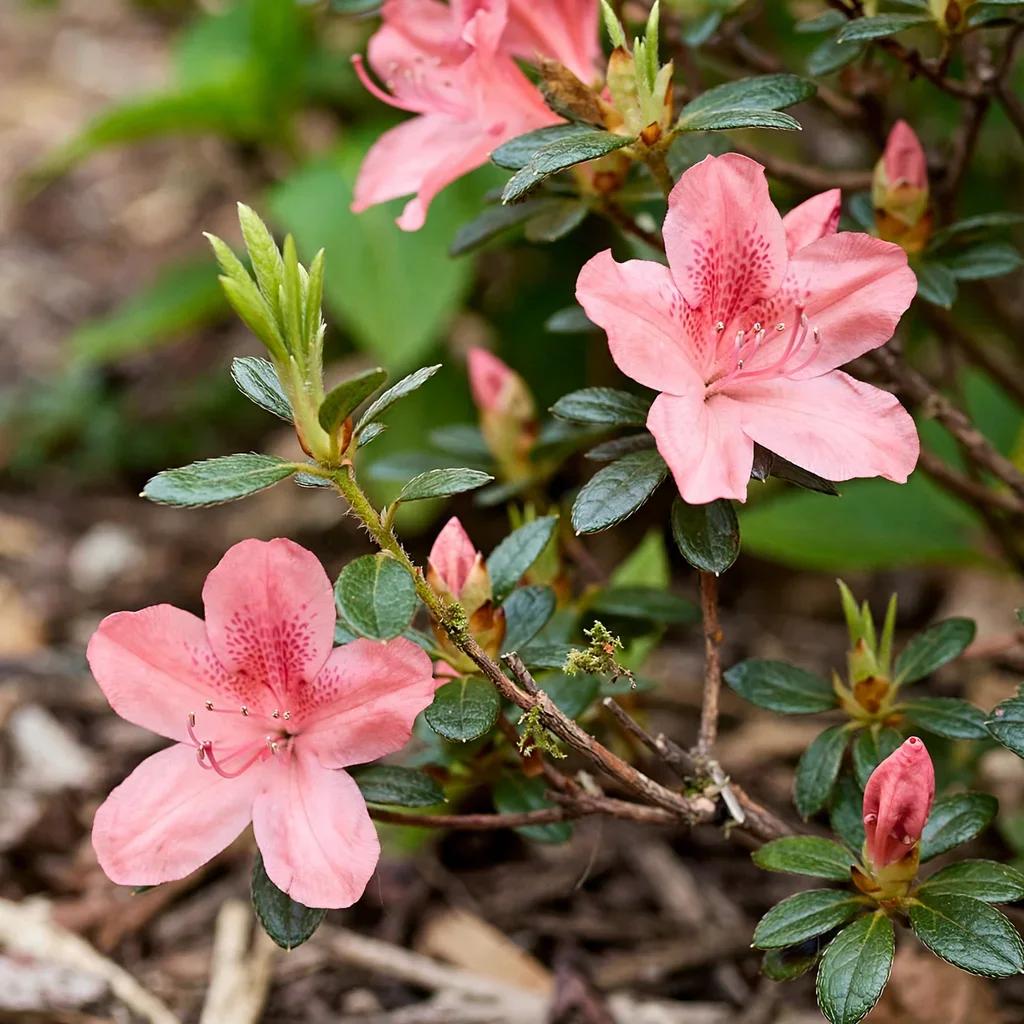 ‘Conled’Encore Autumn Coral Azalea
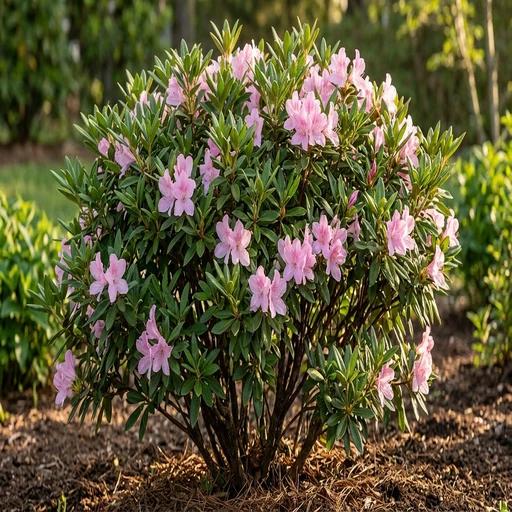 ‘Encore Autumn Debutante’Encore Autumn Debutante Azalea
 ‘Hardy Gardenia’Hardy Gardenia Azalea
 ‘Roblec’Encore Autumn Carnation Azalea
 ‘NCRX3’Perfecto Mundo Double Pink Azalea
 ‘Conlea’Encore Autumn Rouge Azalea
 ‘Bixby’Bixby Evergreen Azalea
 ‘Midnight Flare’Midnight Flare Evergreen Azalea
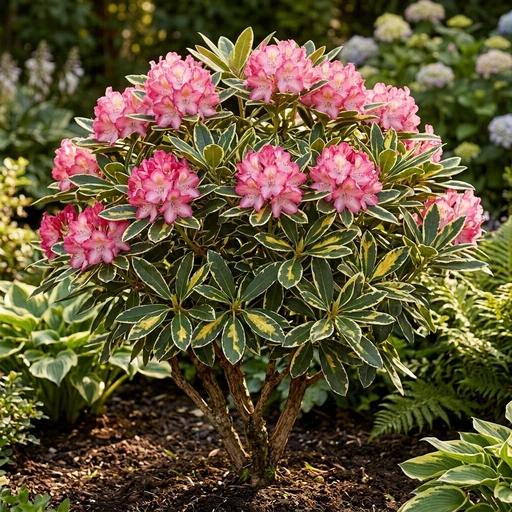 ‘Capistrano David Leach’Capistrano Rhododendron
 ‘Roblezd’Encore Autumn Majesty Azalea
 ‘Elsie Lee’Elsie Lee Azalea
 ‘Roblee’Encore Autumn Sangria Azalea
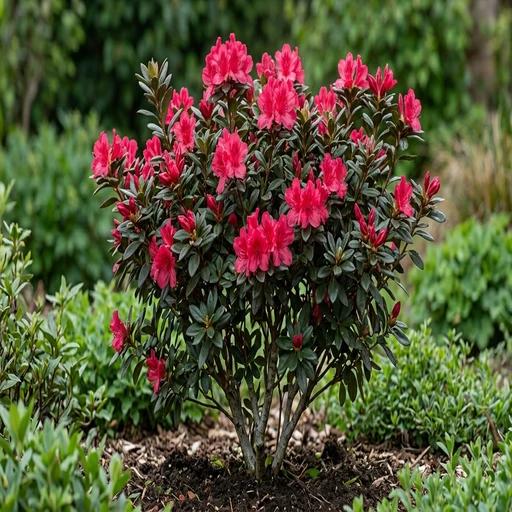 ‘Encore Autumn Sundance’Encore Autumn Sundance Azalea
 ‘Robleza’Encore Autumn Bonfire Azalea
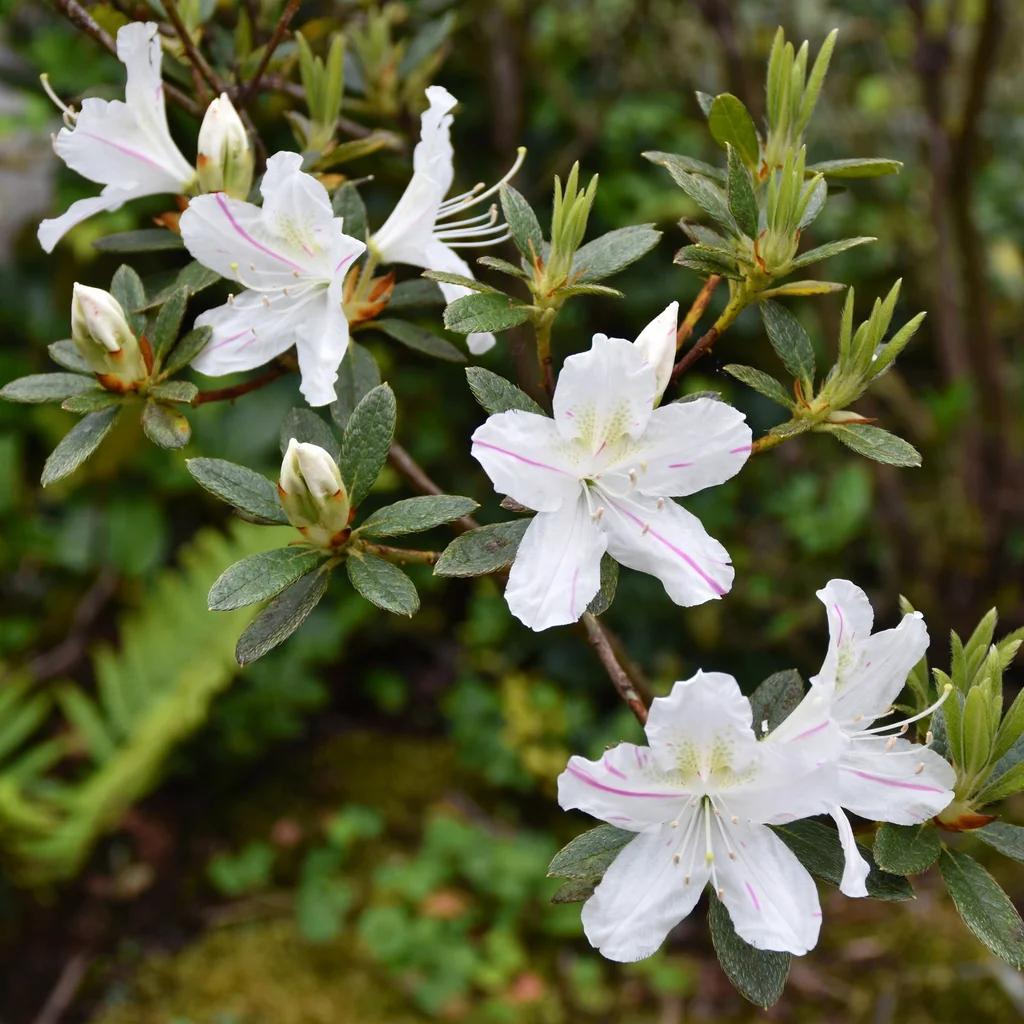 ‘Roblex’Encore Autumn Lily Azalea
 ‘Robleze’Encore Autumn Starburst Azalea
 ‘Robleg’Autumn Angel Azalea
 ‘Conlee’Conlee Autumn Amethyst Azalea
 ‘Roblev’Encore Autumn Ivory Azalea
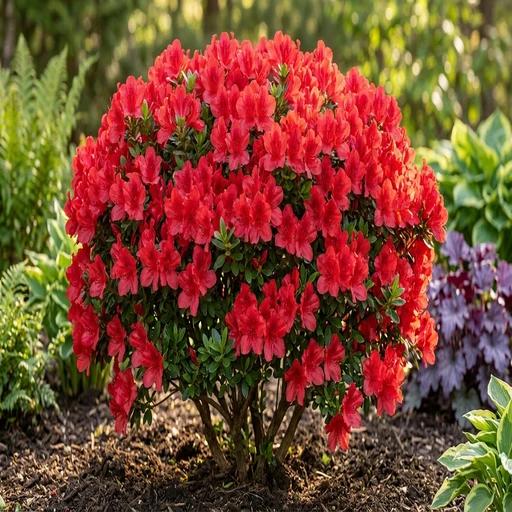 ‘Hershey's Red’Hershey's Red Evergreen Azalea
 ‘Encore Autumn Bravo’Encore Autumn Bravo Azalea
 ‘Gumpo Pink’Gumpo Pink Azalea
 ‘Roblea’Encore Autumn Princess Azalea
 ‘Tradition’Tradition Rhododendron
 ‘Gumpo White’Gumpo White Azalea
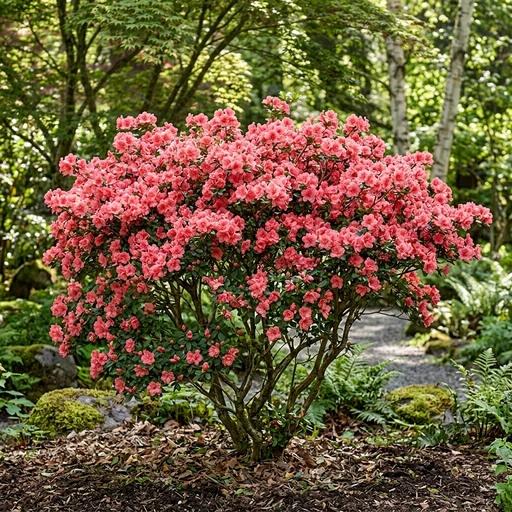 ‘Coral Bells’Coral Bells Azalea
 ‘Chinzan’Chinzan Azalea
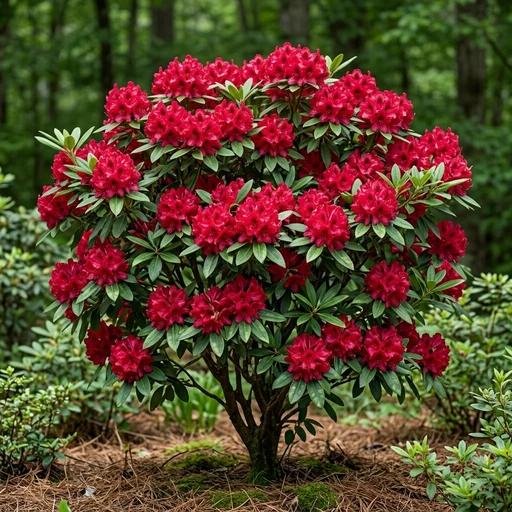 ‘Formosa Red’Formosa Azalea
 ‘Conversation Piece’Conversation Piece Azalea
 ‘Percy Wiseman’Percy Wiseman Rhododendron
 ‘Mootum’Encore Autumn Moonlight Azalea
 ‘George Lindley Taber’George L. Taber Azalea
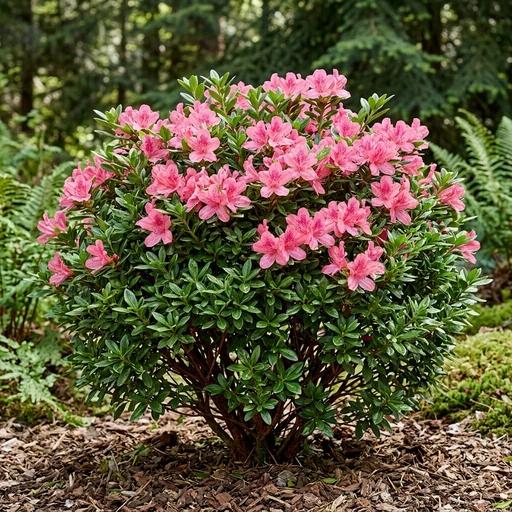 ‘Hilda Niblett’Hilda Niblett Azalea
 ‘Pink Ruffles’Pink Ruffles Azalea
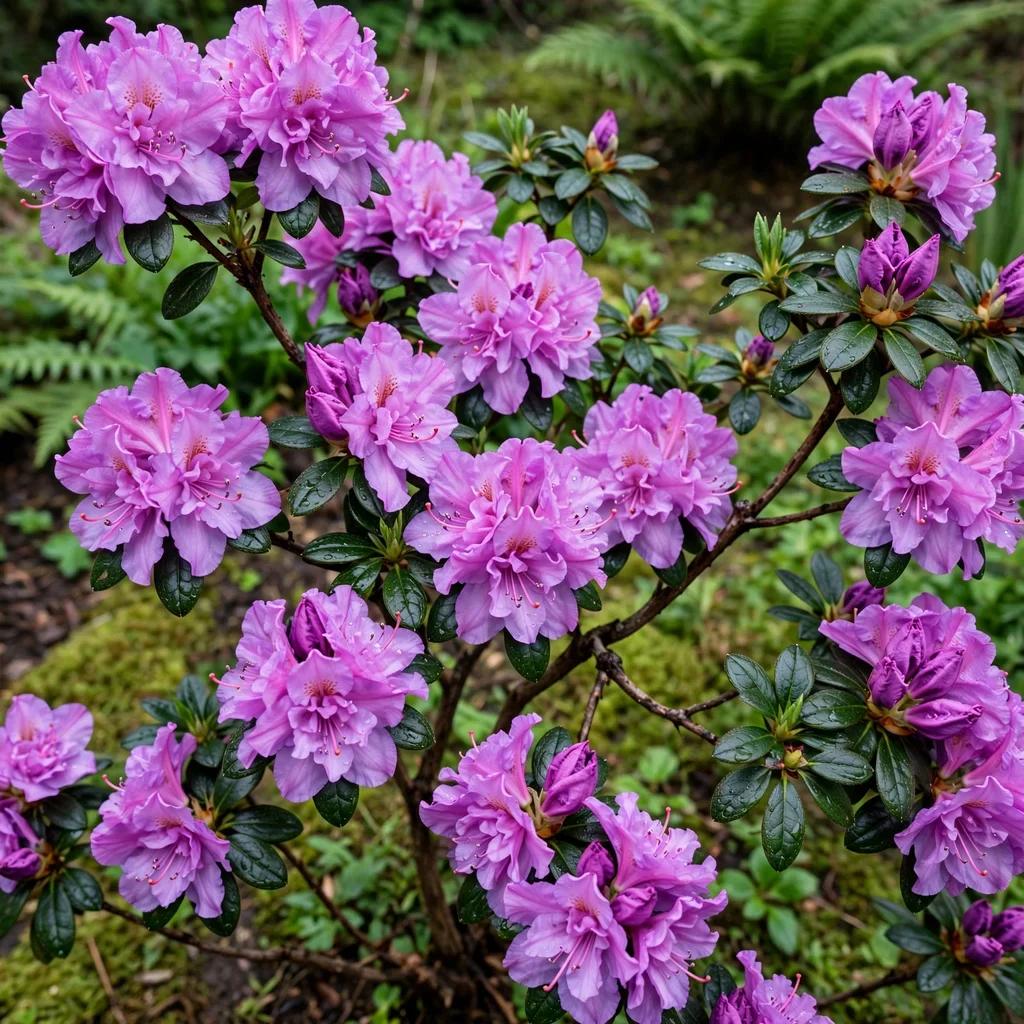 ‘NCRX4’Perfecto Mundo Double Purple Azalea
 ‘Robleja’Autumn Sweetheart Azalea
 ‘Robles’Autumn Lilac Azalea
 ‘Autumn Kiss’Autumn Kiss Azalea
 ‘Conles’Autumn Empress Azalea
 ‘Conleb’Autumn Embers Azalea
 ‘Conlep’Autumn Twist Azalea
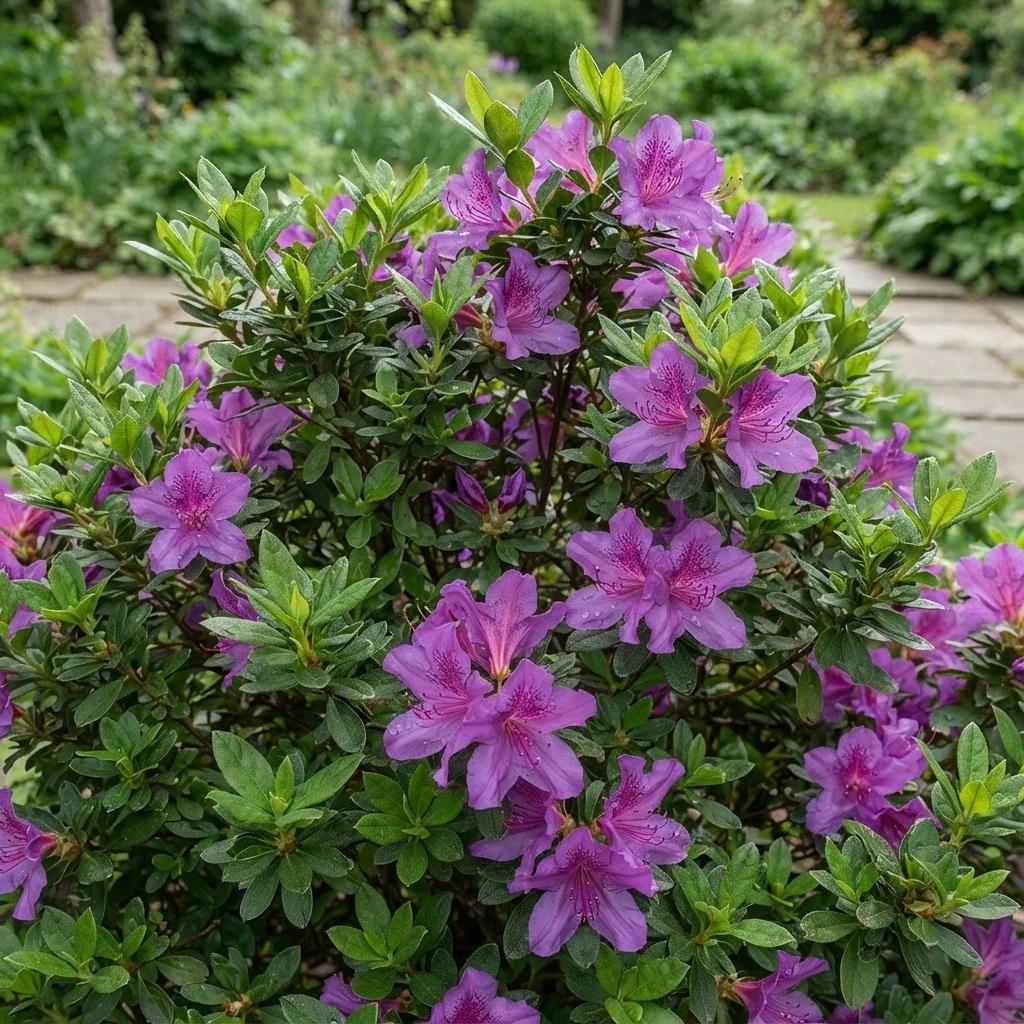 ‘Conlec’Autumn Royalty Azalea
 ‘Mother's Day’Mother's Day Azalea
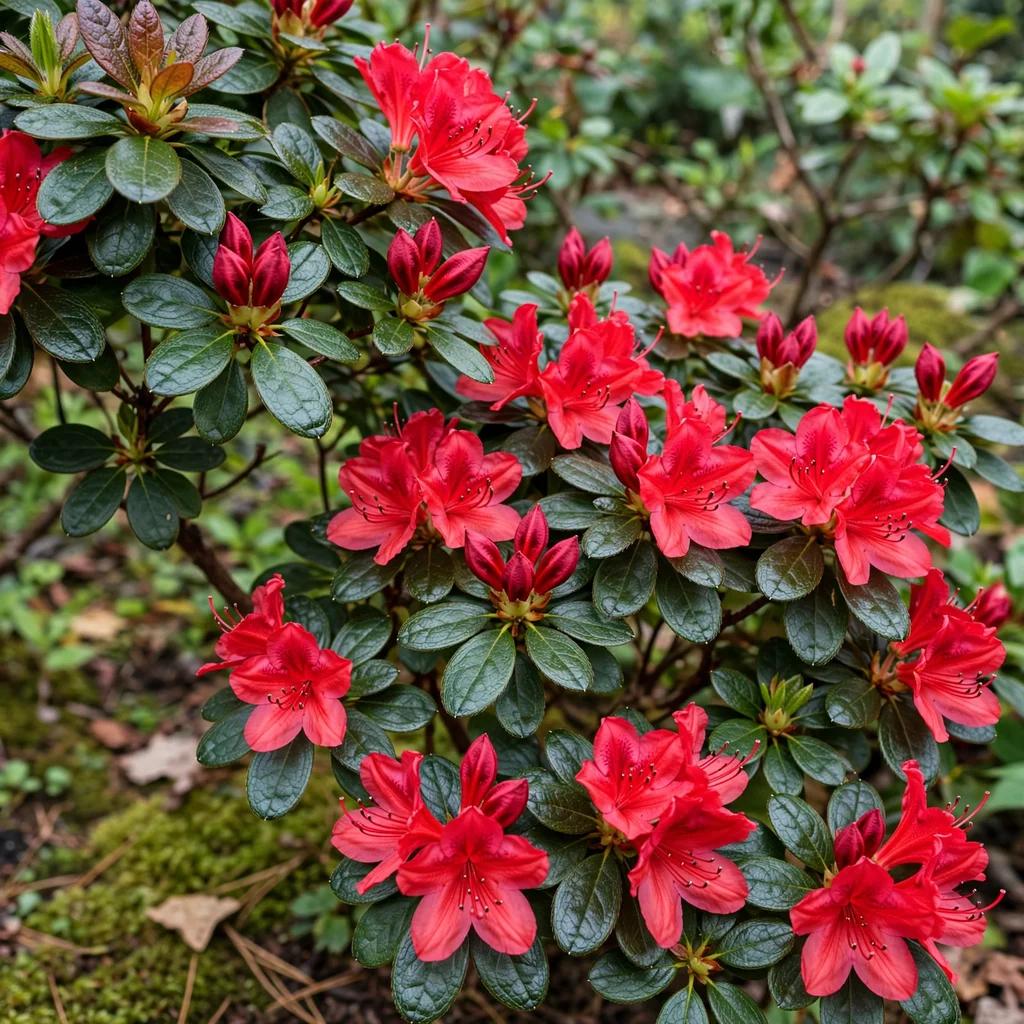 ‘Wolfpack Red’Wolfpack Red Azalea
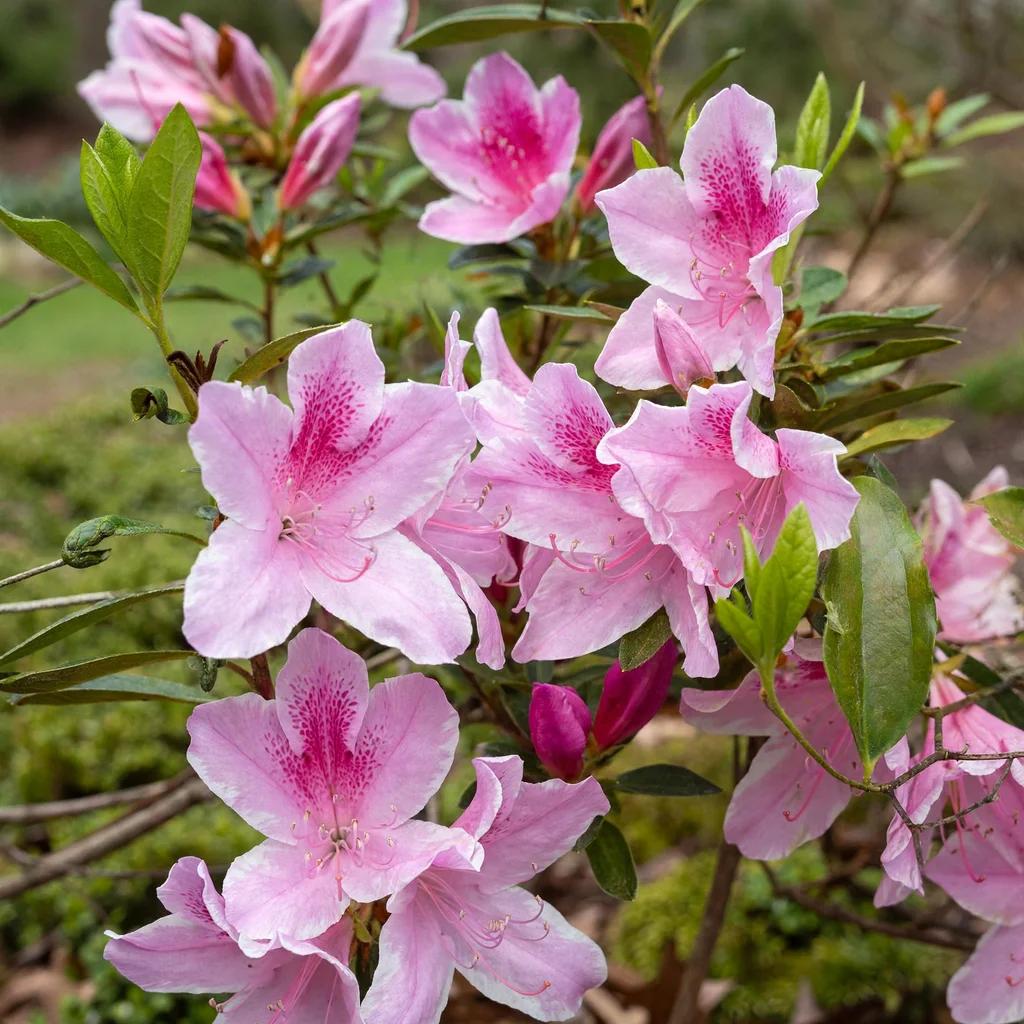 ‘George Tabor’George Tabor Azalea
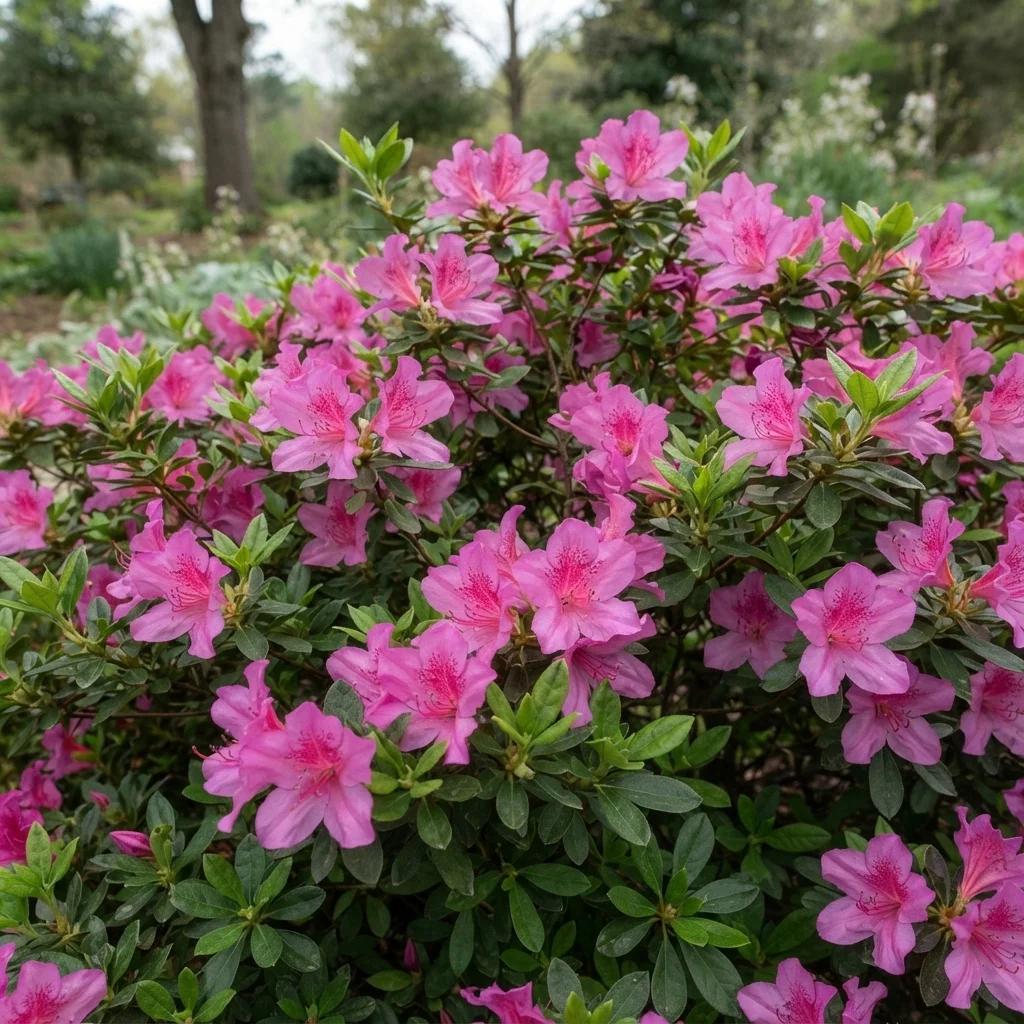 ‘Formosa’Formosa Azalea
 ‘Roblezf’Autumn Moonstruck Azalea
The Story
Plant Bio
Rhododendron 'Klondyke' is a vigorous, upright, deciduous azalea from the Exbury group, prized for its large trusses of golden-yellow flowers with a deeper yellow flare. The foliage emerges with bronze tints, turns green in summer, and develops good fall color.
This cultivar is celebrated for its large, golden-yellow flowers that appear in late spring. It has a strong, upright habit and its foliage provides multi-season interest.
Uses & Benefits:
Bred from more than one wild species, so it has no species page of its own.
Essentials
At a Glance
Plant Type
Shrub
Height
72"
Width
60"
Light
Partial Sun, Shade
Zones
5, 6, 7, 8
Water
Moderate
Humidity
High
Lifespan
20+ years
Native To
Hybrid
Toxicity
All parts are highly toxic if ingested
Bloom period
Mid-spring – Late spring
In flower about 2 months of the year
Planting
How to Grow
- Select a well-drained, acidic soil with organic matter.
- Tuck seeds or cuttings in early spring for best rooting.
- Mist cuttings regularly to maintain humidity.
- Plant in partial shade to protect from harsh midday sun.
- Water consistently, especially during dry spells, for 6 weeks.
- Mulch around the base to retain moisture and regulate soil temperature.
Pro Tip
Use a layered mulch to keep roots cool and moist, promoting healthy growth.
Keep It Thriving
Care Guide
Do
- Water regularly to keep soil moist but not waterlogged 🌱
- Apply acidic fertilizer in early spring and mid-summer
- Prune after flowering to shape and remove deadwood
- Mulch annually to conserve moisture and suppress weeds
Don't
- Avoid overwatering which can cause root rot ❌
- Do not fertilize with alkaline fertilizers
- Refrain from heavy pruning in late fall or winter
- Never plant in alkaline or poorly drained soils
Seasonal Care Calendar
| Task | Jan | Feb | Mar | Apr | May | Jun | Jul | Aug | Sep | Oct | Nov | Dec |
|---|---|---|---|---|---|---|---|---|---|---|---|---|
| Fertilize | ||||||||||||
| Mulch | ||||||||||||
| Plant | ||||||||||||
| Prune | ||||||||||||
| Spring Cleanup |
Watch Out For
Pests & Diseases
Common Pests
Common Diseases
In the Garden
Landscape Uses & Companions
Landscape Uses
Companion Plants
Multiply
Propagation Methods
Good to Know
Common Questions
Klondyke azalea questions
What zones can Klondyke azalea grow in?
Klondyke azalea is hardy in USDA Zones 5–8. Inside that range it survives winter in the ground; outside it, grow it as an annual or a container plant you protect.
Is Klondyke azalea deer resistant?
Not reliably. Deer may browse Klondyke azalea, especially tender spring growth — plan on repellents or fencing where pressure is high.
When does Klondyke azalea bloom?
Klondyke azalea typically blooms in mid-spring through late spring. Exact timing shifts a week or two with your zone — Sow's bloom calendar maps it to your garden.
Does Klondyke azalea need full sun?
Klondyke azalea does best in part shade.
More Rhododendron to compare
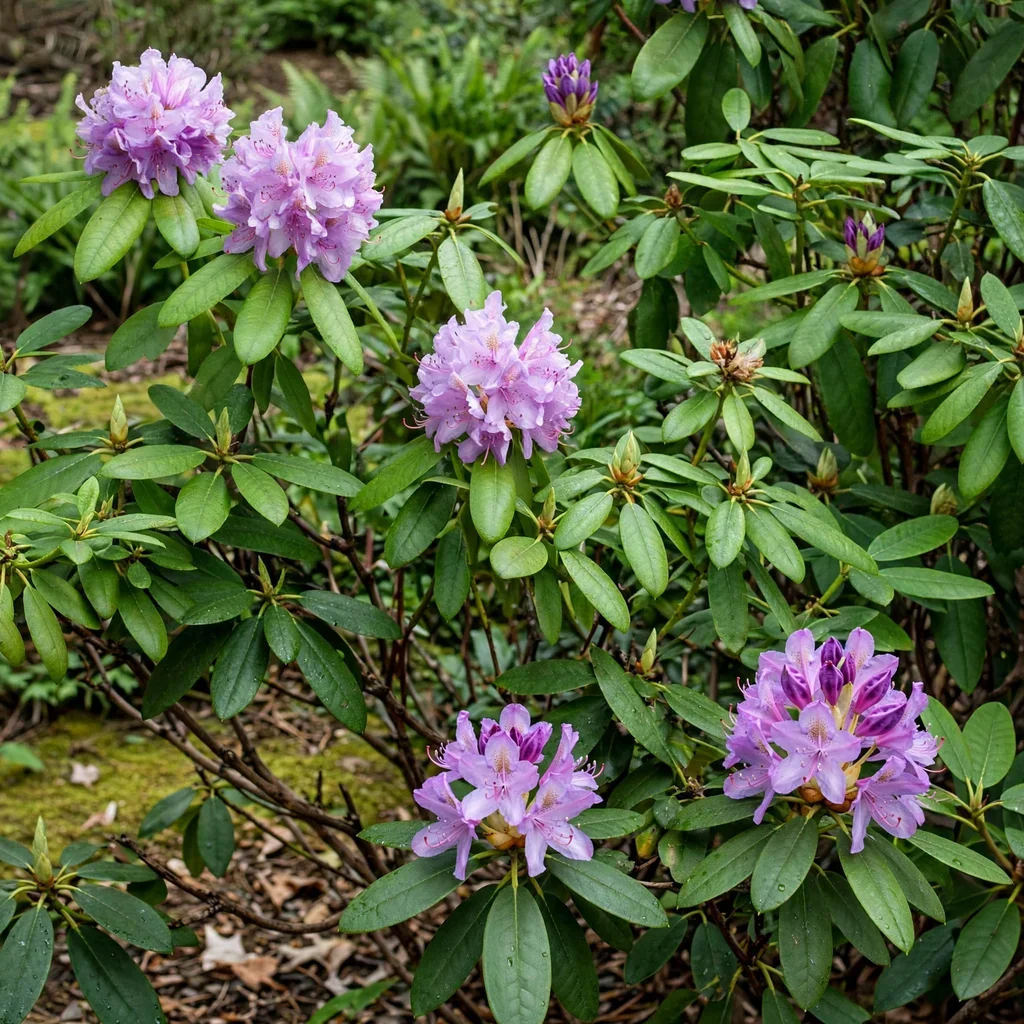
Catawba Rhododendron
Rhododendron catawbiense
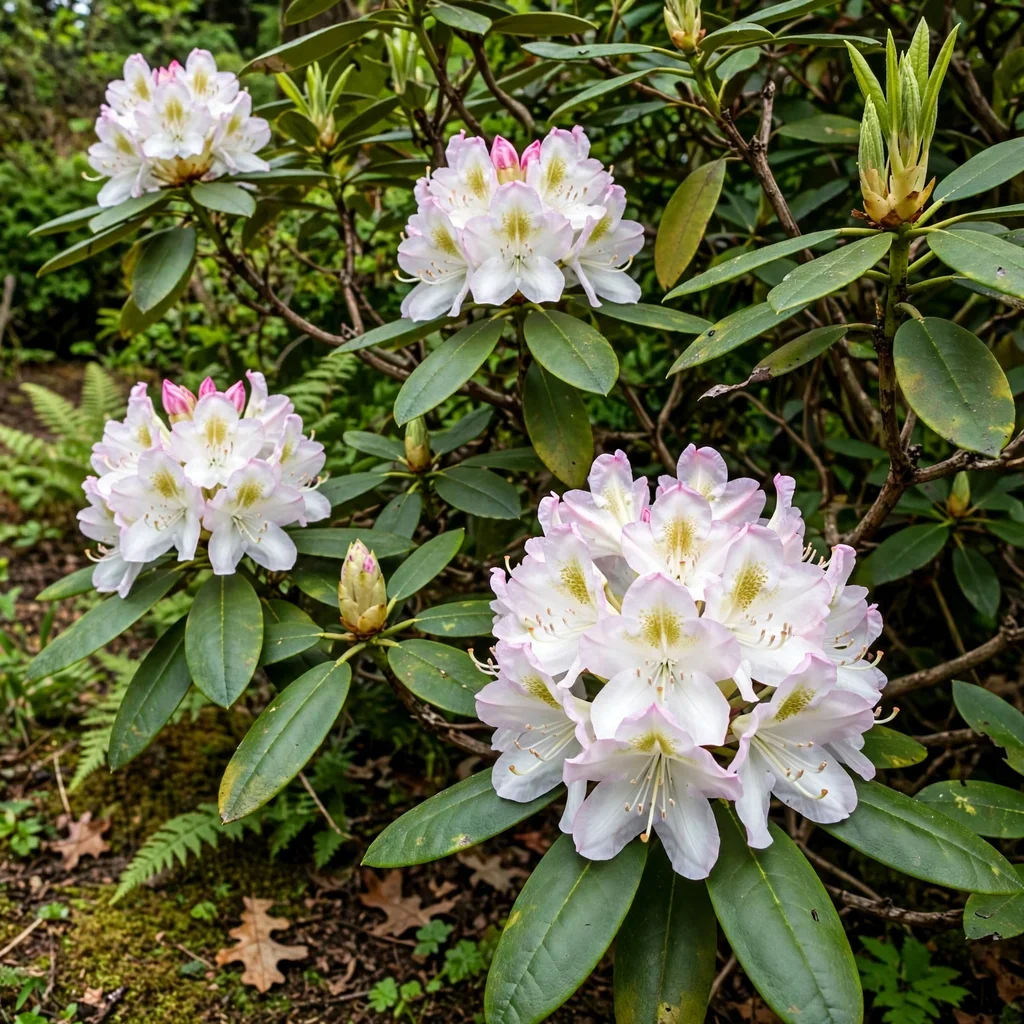
Great Laurel Rhododendron
Rhododendron maximum
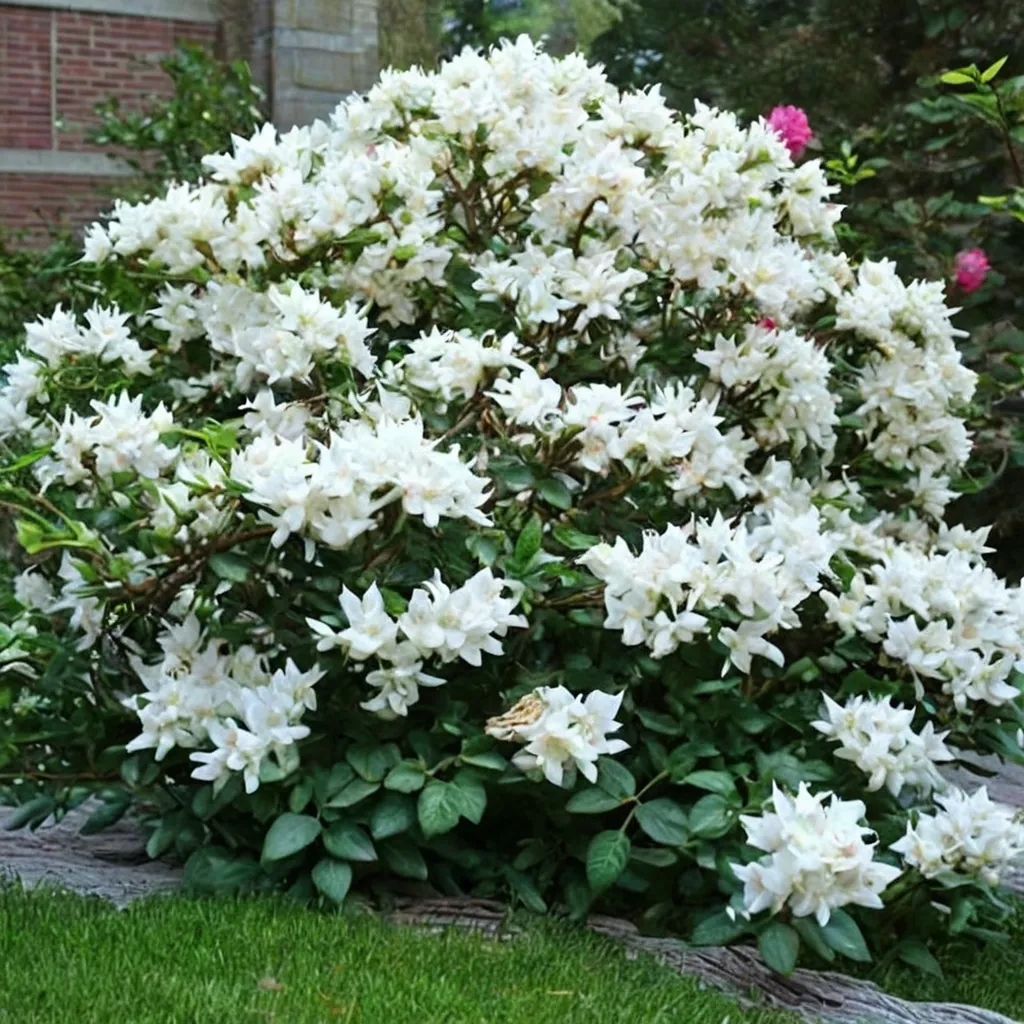
Double White Rhododendron
Rhododendron x hybrida 'Double White'
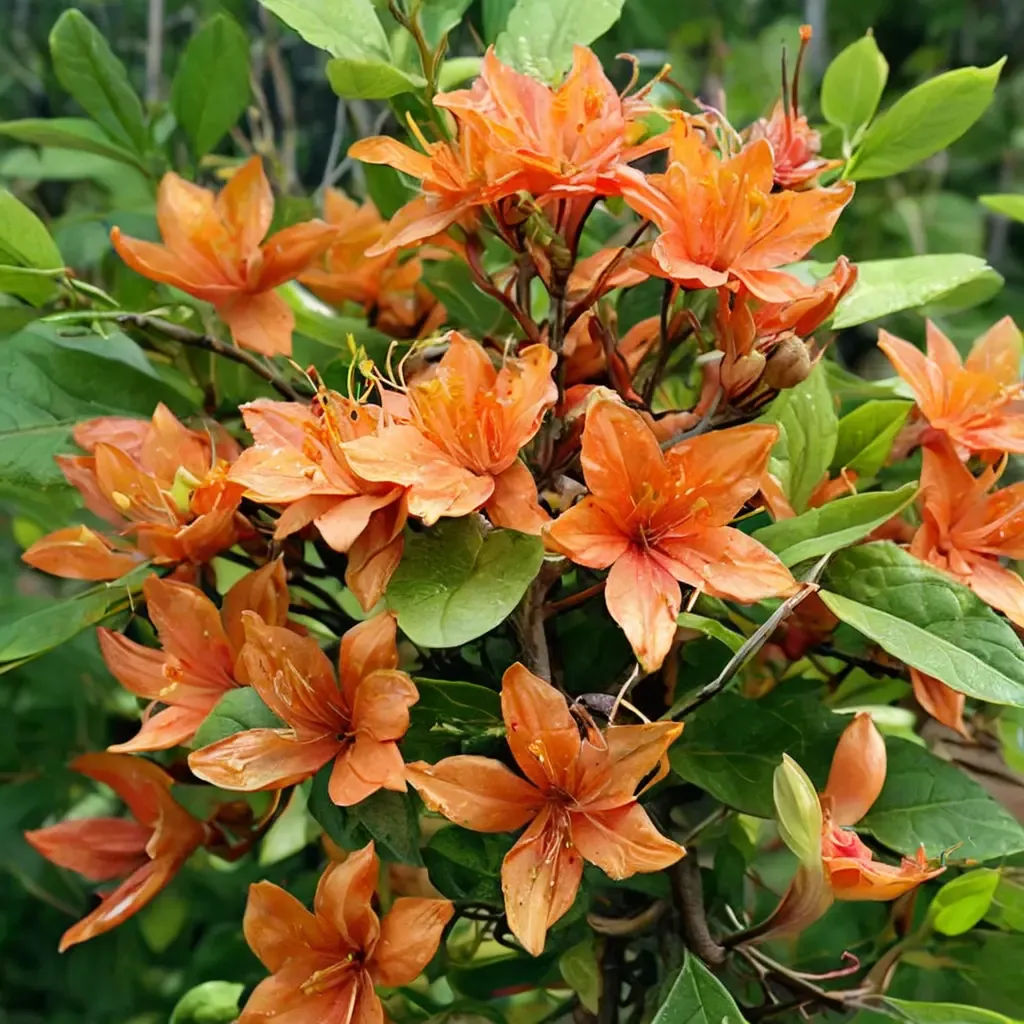
Flame Azalea
Rhododendron calendulaceum
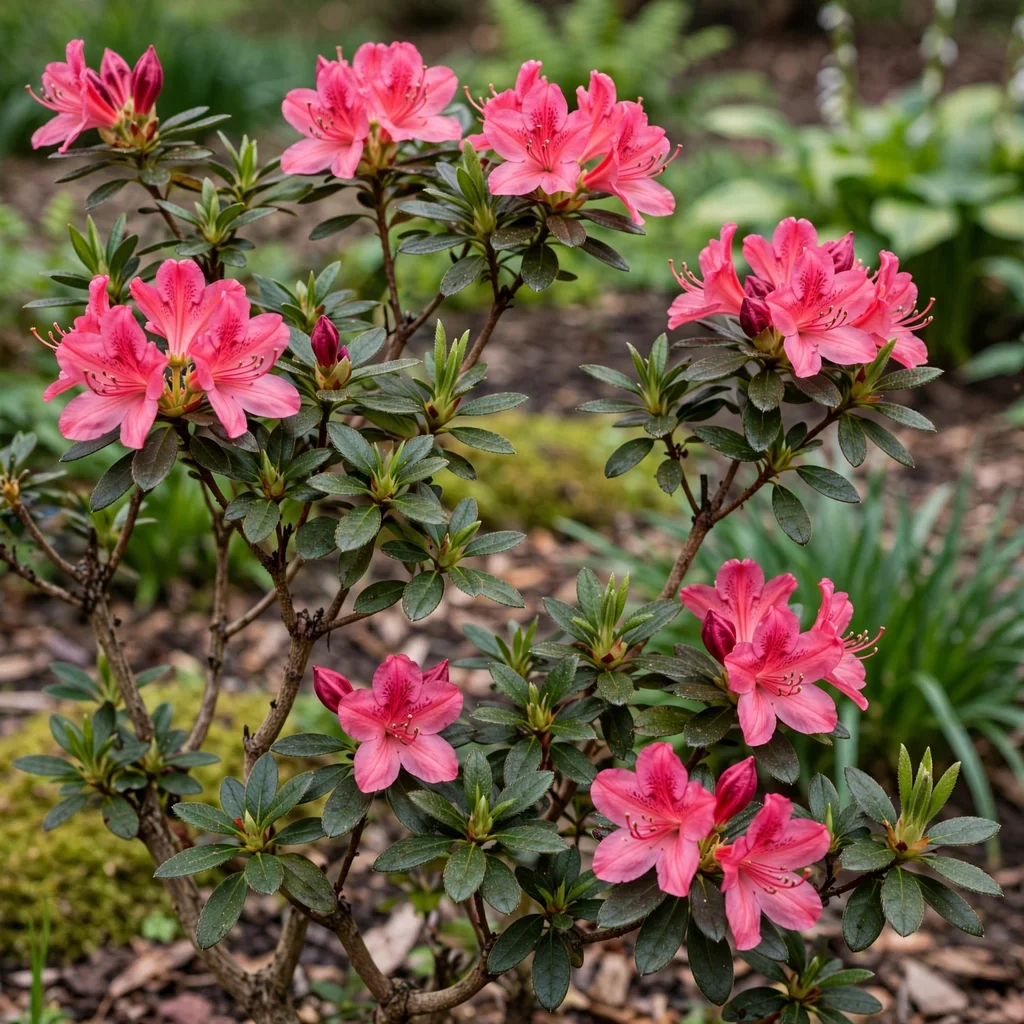
Bone Hardy Azalea
Rhododendron x hybrida 'Bone Hardy Azalea Sampler'
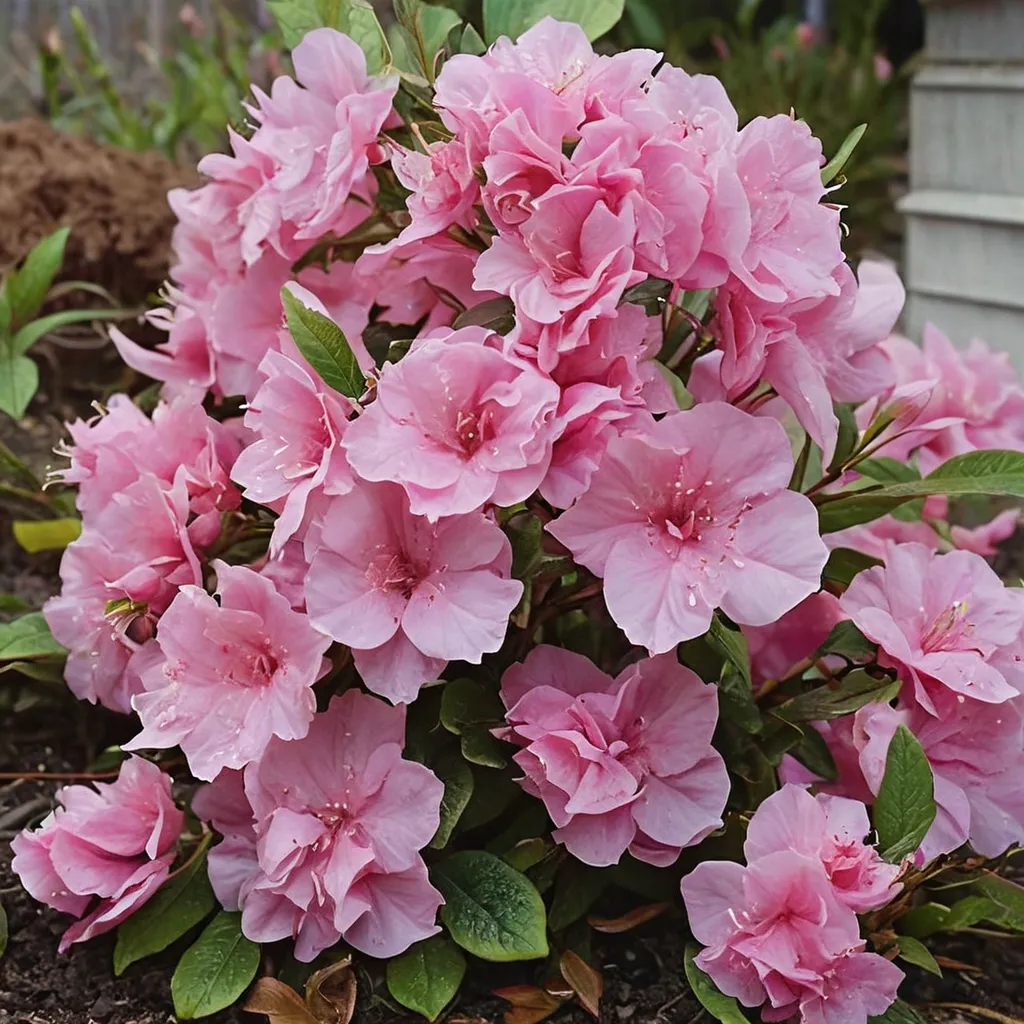
Rhododendron x hybrida Double Pink
Rhododendron x hybrida 'Double Pink'
Keep exploring
Explore the genus
Hardy in your zone?
Grow Klondyke azalea with confidence
See it in a design of your actual yard, get zone-matched care reminders, and track it season by season in your garden journal.