The Story
Plant Bio
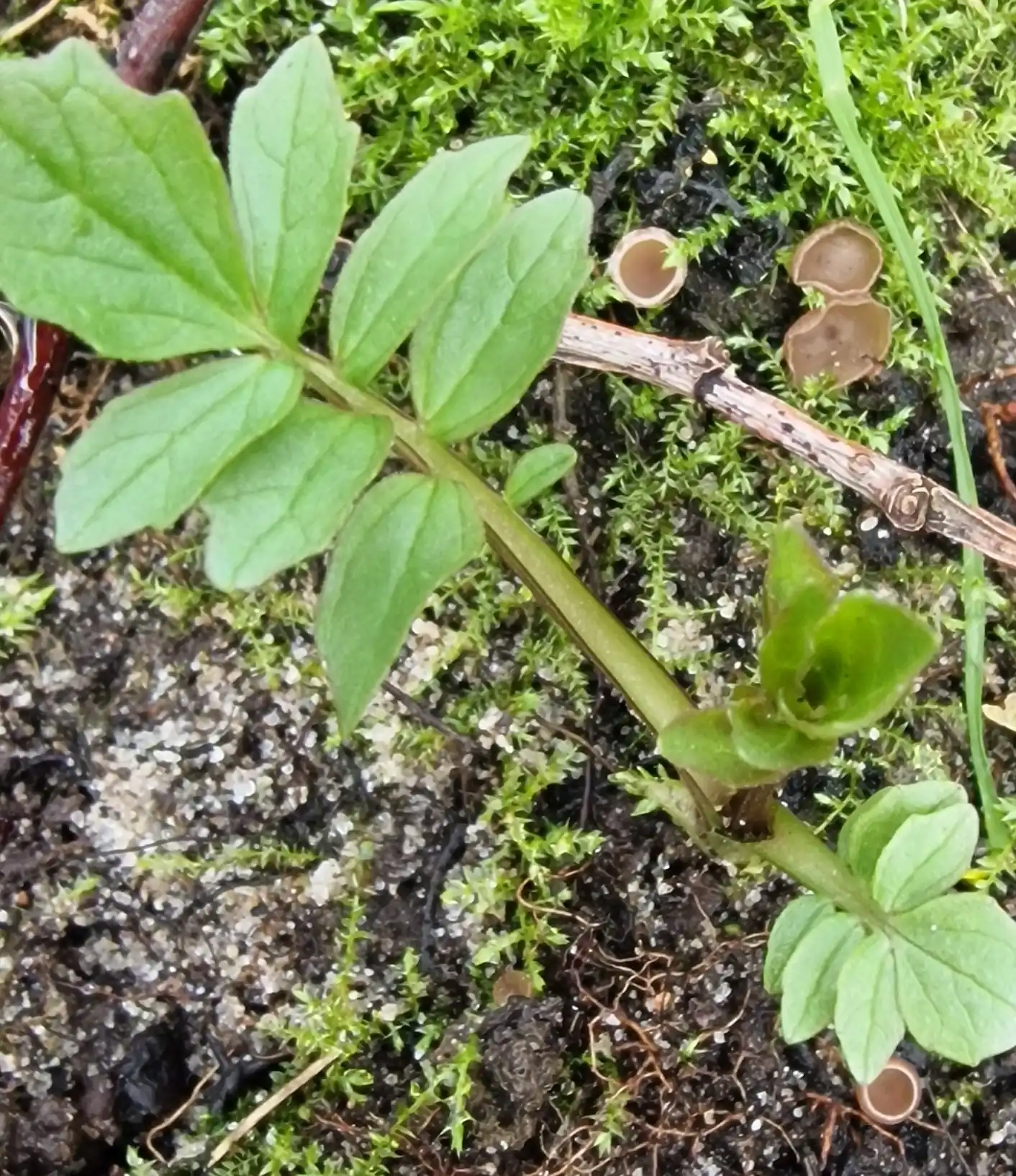
Valeriana officinalis, commonly known as valerian, is an upright, clumping herbaceous perennial native to Eurasia, reaching heights of three to five feet. The pinnately compound leaves feature lance-shaped, toothed leaflets that emit a strong, musky scent when bruised, while dense terminal clusters of tiny, sweetly fragrant white to pale pink flowers open in summer.
This baseline species spreads via short rhizomes and stolons to form robust, leafy clumps that bring a wild, naturalistic texture to moist borders. While selected medicinal strains may yield higher root biomass, the standard species provides the classic garden form with reliable flowering and vigorous growth.
Uses & Benefits:
Essentials
At a Glance
Plant Type
Perennial
Height
60"
Width
48"
Light
Full Sun, Partial Sun
Zones
4, 5, 6, 7, 8
Water
Medium to Wet
Humidity
Moderate
Lifespan
Perennial
Native To
Europe, Western Asia
Toxicity
Mildly toxic if ingested in large quantities; can cause contact dermatitis.
Bloom period
Summer
In flower about 3 months of the year
Planting
How to Grow
- Plant in a full sun position with rich, moist, well-drained soil to encourage strong, upright stems.
- Water regularly during dry spells to maintain consistent soil moisture, as the shallow root system suffers quickly in dry conditions.
- Cut the entire plant back to ground level in late fall or early spring before new shoots emerge.
- Divide overcrowded clumps every three to four years in early spring to maintain vigor and control spread.
Pro Tip
Deadhead the spent flower spikes immediately after blooming to prevent aggressive self-seeding, and avoid over-fertilizing, which causes the tall stems to become weak and flop.
Keep It Thriving
Care Guide
Do
- Deadhead spent flowers promptly to control self-seeding.
- Provide light afternoon shade in hot-summer regions to prevent leaf scorch.
- Wear gloves when handling roots or foliage if you have sensitive skin.
Don't
- Do not apply heavy nitrogen fertilizers, which stimulate weak, floppy growth.
- Do not allow the soil to dry out completely during the active growing season.
- Do not plant in poorly drained, stagnant sites where water pools.
Seasonal Care Calendar
| Task | Jan | Feb | Mar | Apr | May | Jun | Jul | Aug | Sep | Oct | Nov | Dec |
|---|---|---|---|---|---|---|---|---|---|---|---|---|
| Deadhead | ||||||||||||
| Divide | ||||||||||||
| Pest Check | ||||||||||||
| Spring Cleanup | ||||||||||||
| Winter Prep |
Watch Out For
Pests & Diseases
Common Pests
Common Diseases
In the Garden
Landscape Uses & Companions
Landscape Uses
Multiply
Propagation Methods
Good to Know
Common Questions
Common Valerian questions
What zones can Common Valerian grow in?
Common Valerian is hardy in USDA Zones 4–8. Inside that range it survives winter in the ground; outside it, grow it as an annual or a container plant you protect.
When does Common Valerian bloom?
Common Valerian typically blooms in summer through summer. Exact timing shifts a week or two with your zone — Sow's bloom calendar maps it to your garden.
Does Common Valerian need full sun?
Common Valerian does best in full sun to part shade. In hot climates, afternoon shade keeps blooms fresher longer.
Keep exploring
Explore the genus
Hardy in your zone?
Grow Common Valerian with confidence
See it in a design of your actual yard, get zone-matched care reminders, and track it season by season in your garden journal.