


The Story
Plant Bio
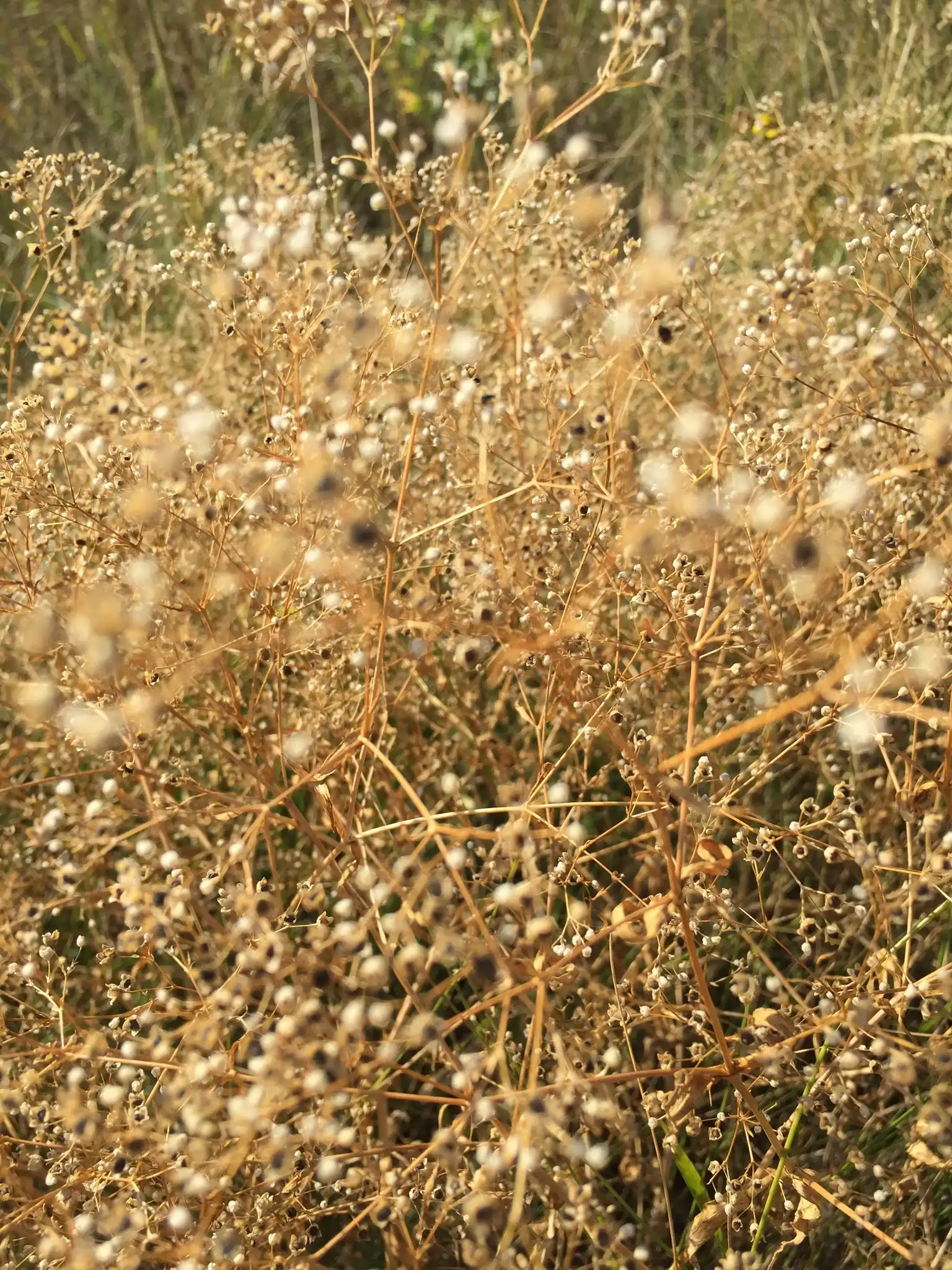
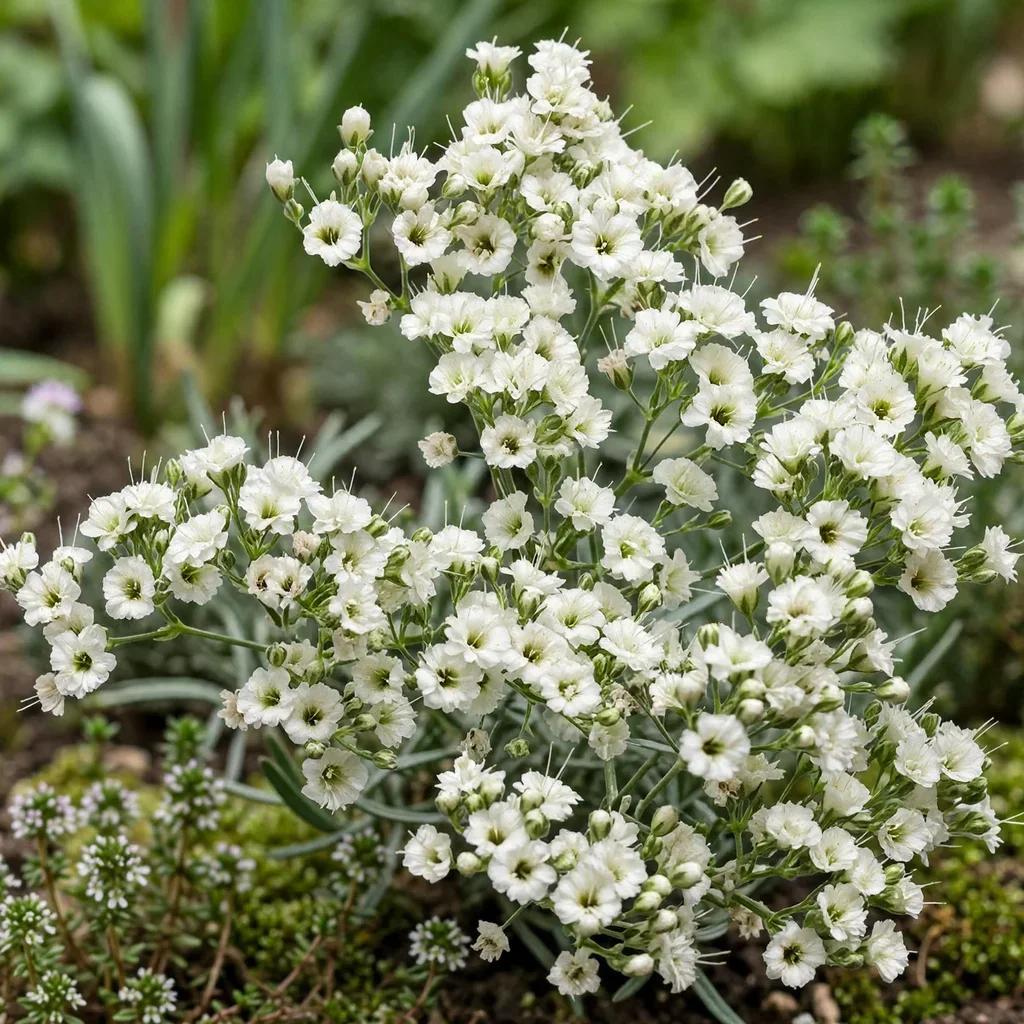
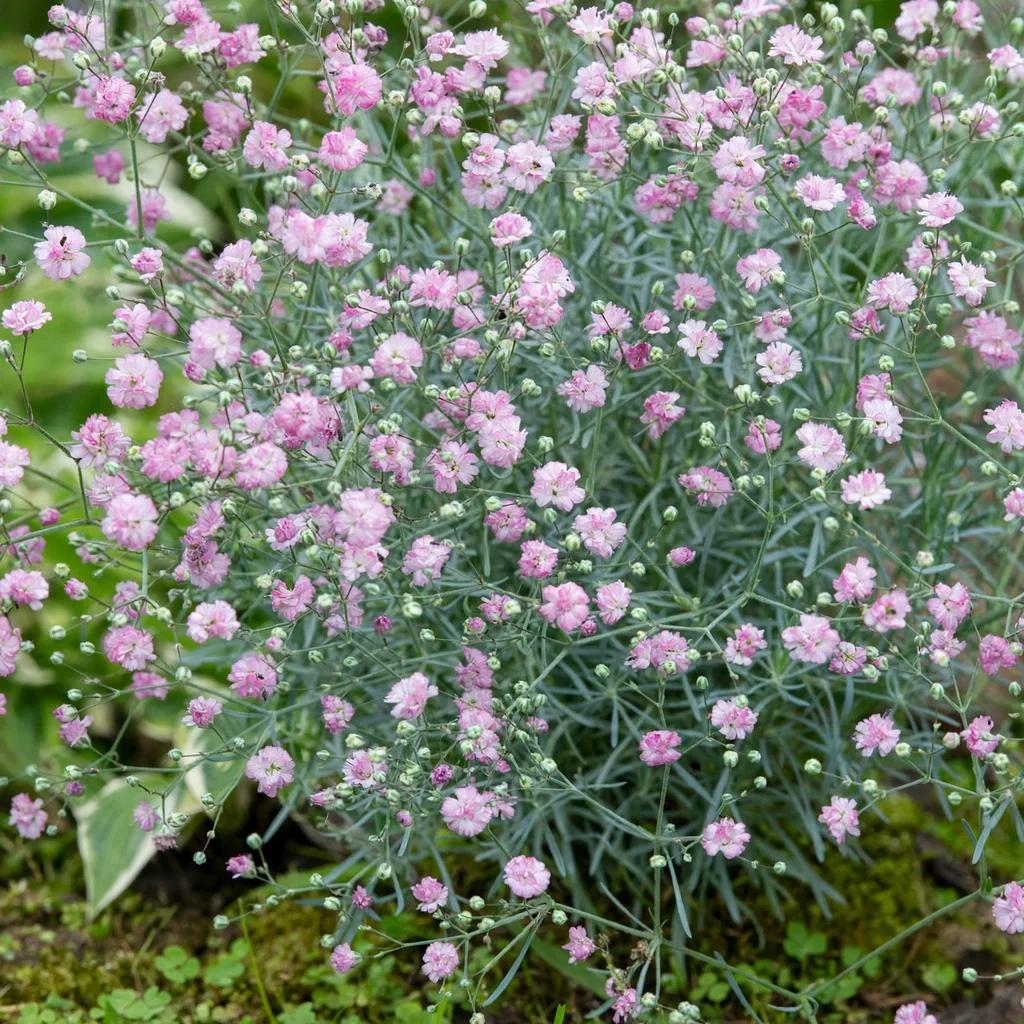
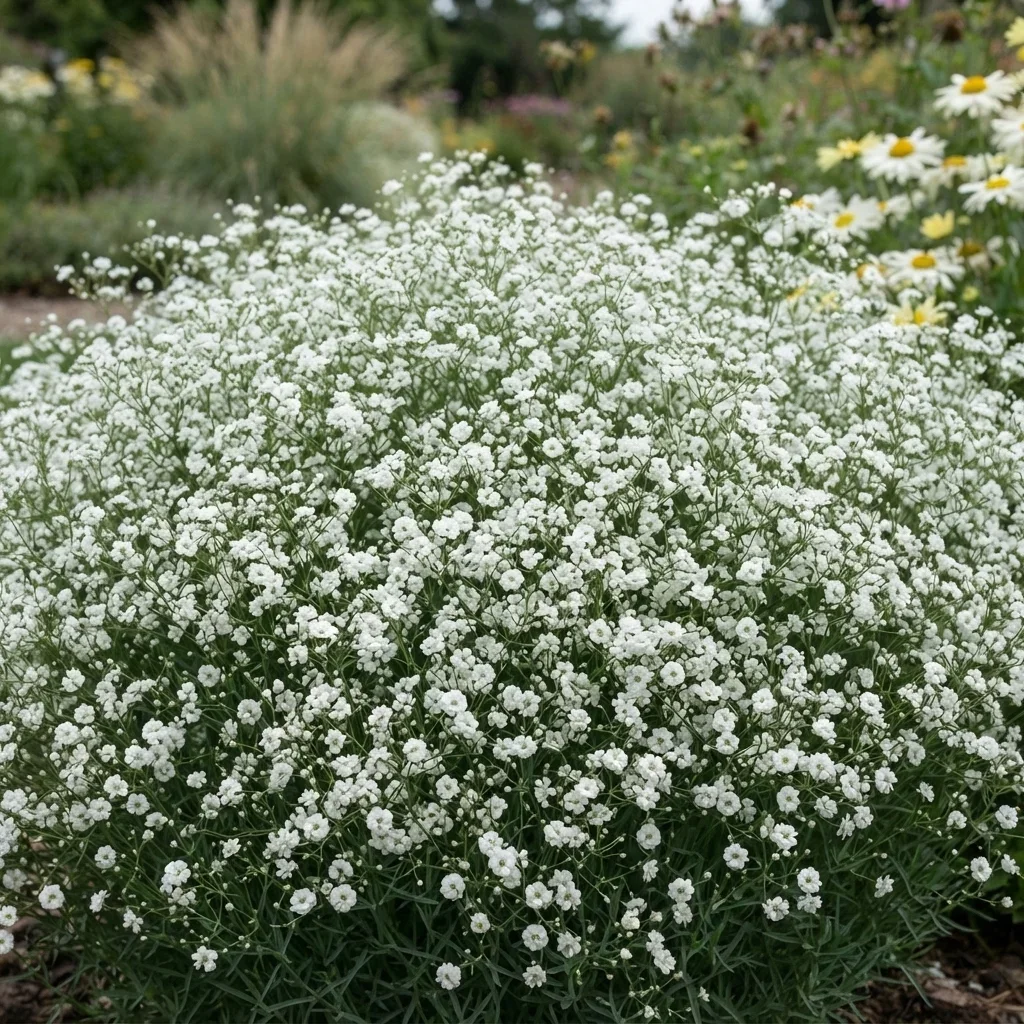
Gypsophila paniculata, baby's breath, is a mounding perennial from central and eastern Europe east into Siberia, forming a two- to three-foot dome of fine blue-green foliage. From early summer it throws up a haze of hundreds of tiny white or pink flowers on wiry branched stems, and it is the standard airy filler of cut-flower bouquets.
It is a listed noxious weed in Washington, California and Michigan, where a single plant sheds thousands of seeds and it displaces native dune vegetation around the Great Lakes. If you garden in those regions, grow a sterile double cultivar such as 'Bristol Fairy', cut the stems before seed sets, or use the annual Gypsophila elegans instead.
Uses & Benefits:
Essentials
At a Glance
Plant Type
Perennial
Height
24"
Width
24"
Light
Full Sun
Zones
4, 5, 6, 7, 8, 9
Water
Low
Humidity
Low
Lifespan
Perennial
Native To
Central and eastern Europe to Siberia
Toxicity
Saponins can irritate skin and airways
Planting
How to Grow
- Choose full sun and sharply drained, alkaline soil.
- Work in lime and grit if your soil is acid or heavy.
- Plant it where it will not need moving later.
- Support the mound with twiggy sticks or a grow-through ring.
- Cut stems for the vase before the seed sets.
- Leave the deep taproot undisturbed once established.
Pro Tip
It is named for its love of lime — in acid soil work in garden lime and grit, or it will simply rot over the winter.
Keep It Thriving
Care Guide
Do
- Give it sun and sharply drained soil ☀️
- Sweeten acid soil with garden lime 🧪
- Support the stems before they flop 🪝
- Cut flowers before seed forms ✂️
Don't
- Plant it in wet or acid ground ❌
- Move an established plant — the taproot resents it ❌
- Let it seed near dunes or open western land ❌
Seasonal Care Calendar
| Task | Jan | Feb | Mar | Apr | May | Jun | Jul | Aug | Sep | Oct | Nov | Dec |
|---|---|---|---|---|---|---|---|---|---|---|---|---|
| Cut | ||||||||||||
| Support |
Watch Out For
Pests & Diseases
Common Pests
Common Diseases
In the Garden
Landscape Uses & Companions
Landscape Uses
Multiply
Propagation Methods
Good to Know
Common Questions
Baby's Breath questions
What zones can Baby's Breath grow in?
Baby's Breath is hardy in USDA Zones 4–9. Inside that range it survives winter in the ground; outside it, grow it as an annual or a container plant you protect.
Is Baby's Breath deer resistant?
Yes — Baby's Breath is rated deer-resistant. Deer typically pass it over, though extreme hunger can override any plant's defenses.
When does Baby's Breath bloom?
Baby's Breath typically blooms in summer through late summer. Exact timing shifts a week or two with your zone — Sow's bloom calendar maps it to your garden.
Does Baby's Breath need full sun?
Baby's Breath does best in full sun (6+ hours).
Is Baby's Breath drought tolerant?
Yes — once established (usually after the first full season), Baby's Breath handles dry spells with minimal watering. Water deeply its first year to build the root system that makes that possible.
More Gypsophila to compare
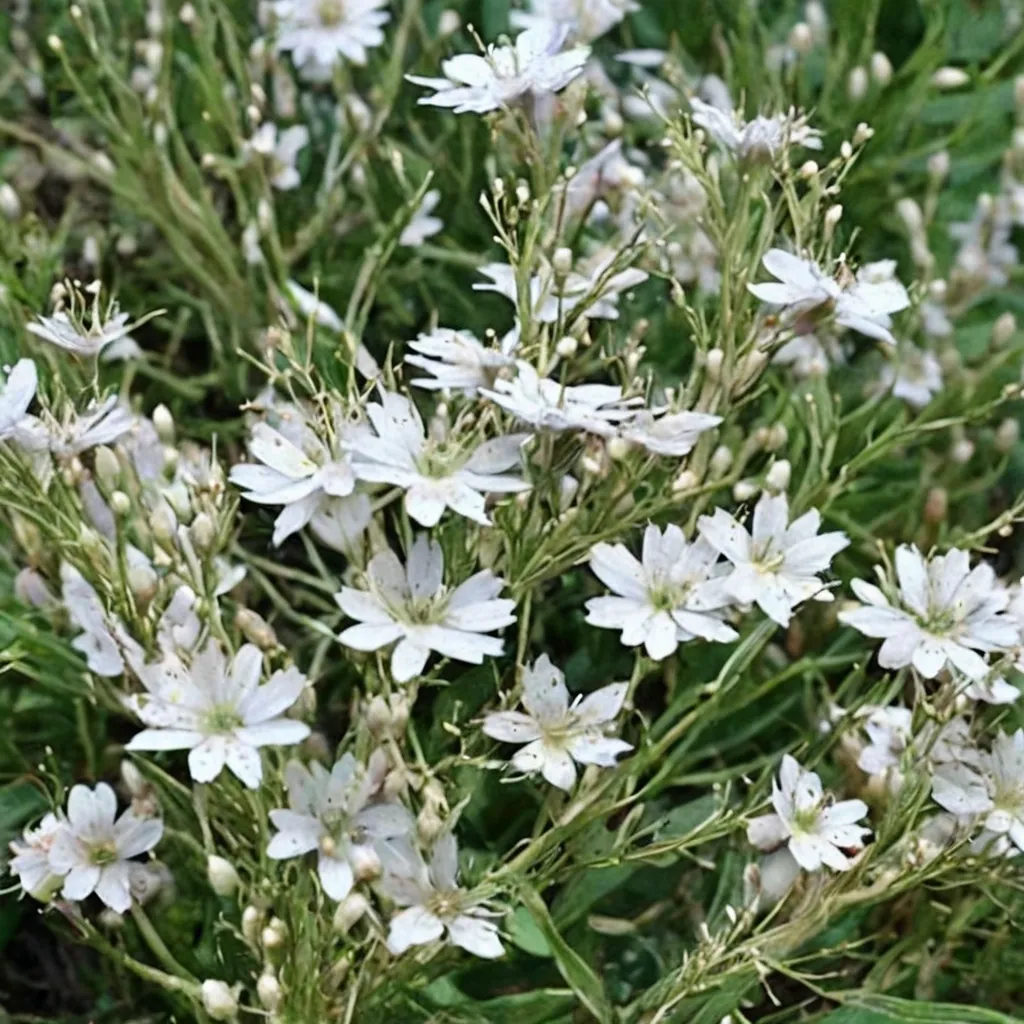
Creeping Baby's Breath 'Silver Carpet'
Gypsophila repens 'Silver Carpet'
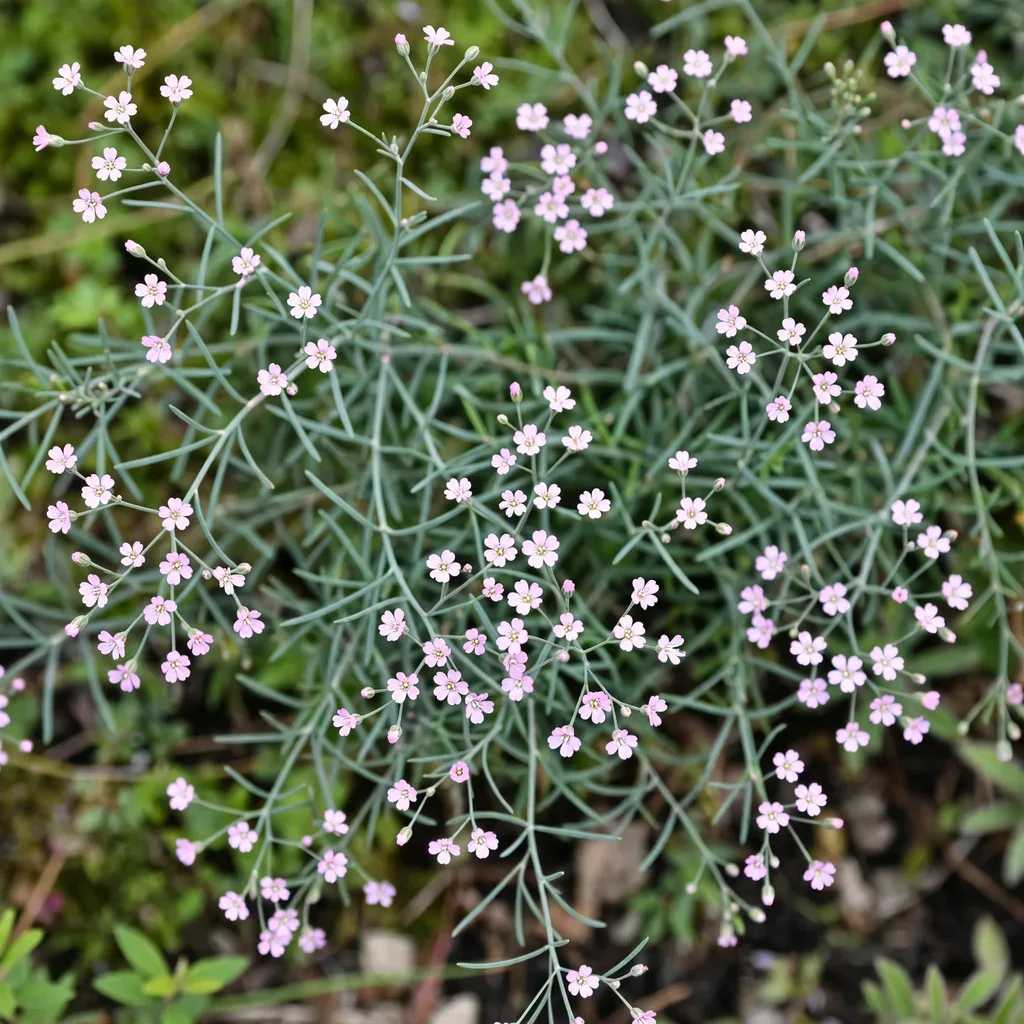
Creeping Baby's Breath
Gypsophila repens 'Rosea'
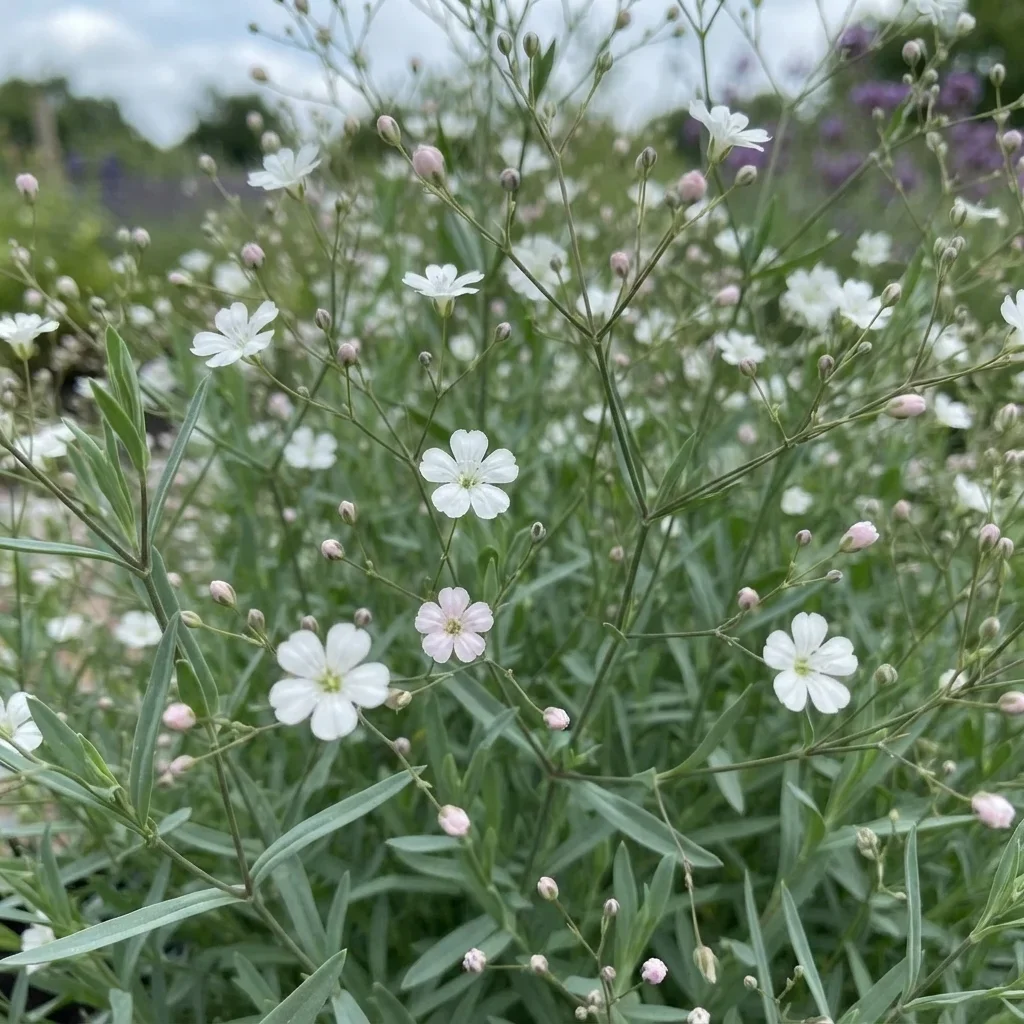
Snowflake Baby's Breath
Gypsophila paniculata 'Snow Flake'
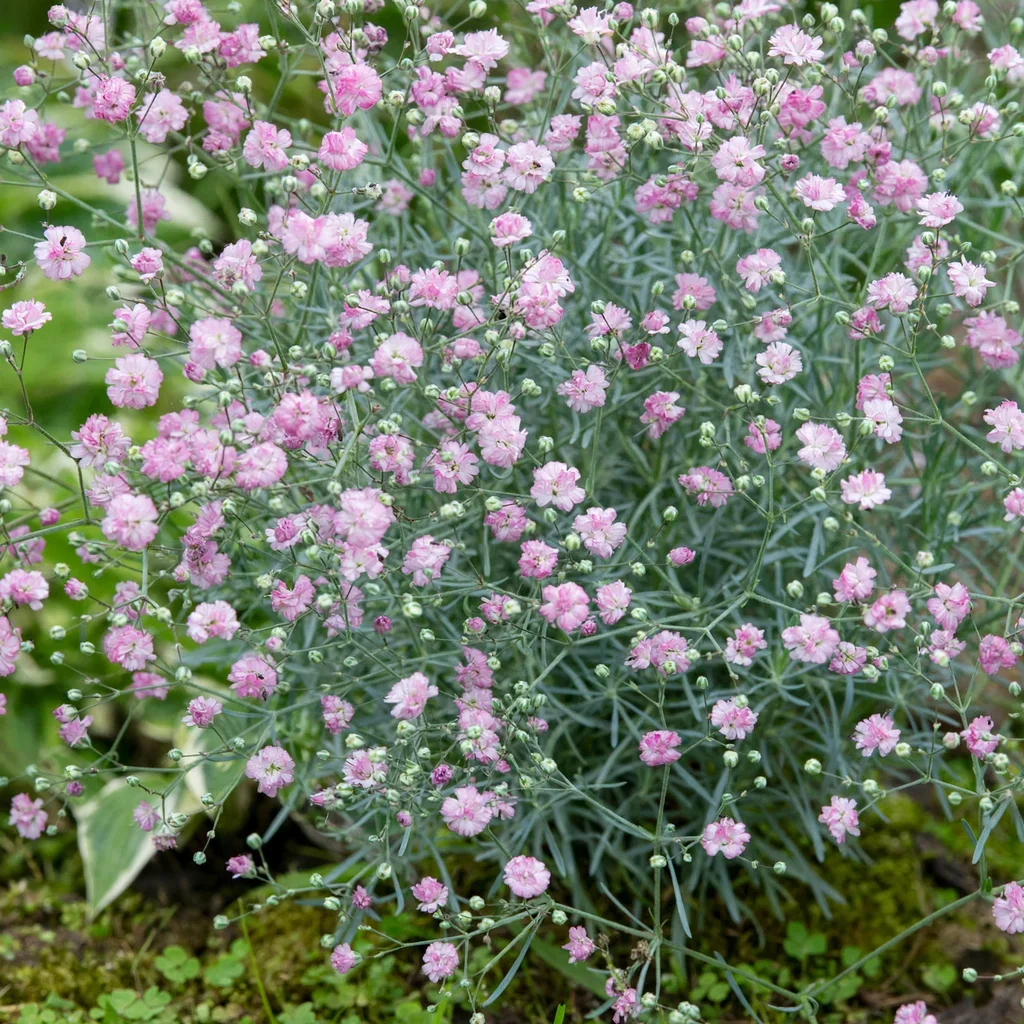
Pink Fairy Gypsophila
Gypsophila paniculata 'Pink Fairy'
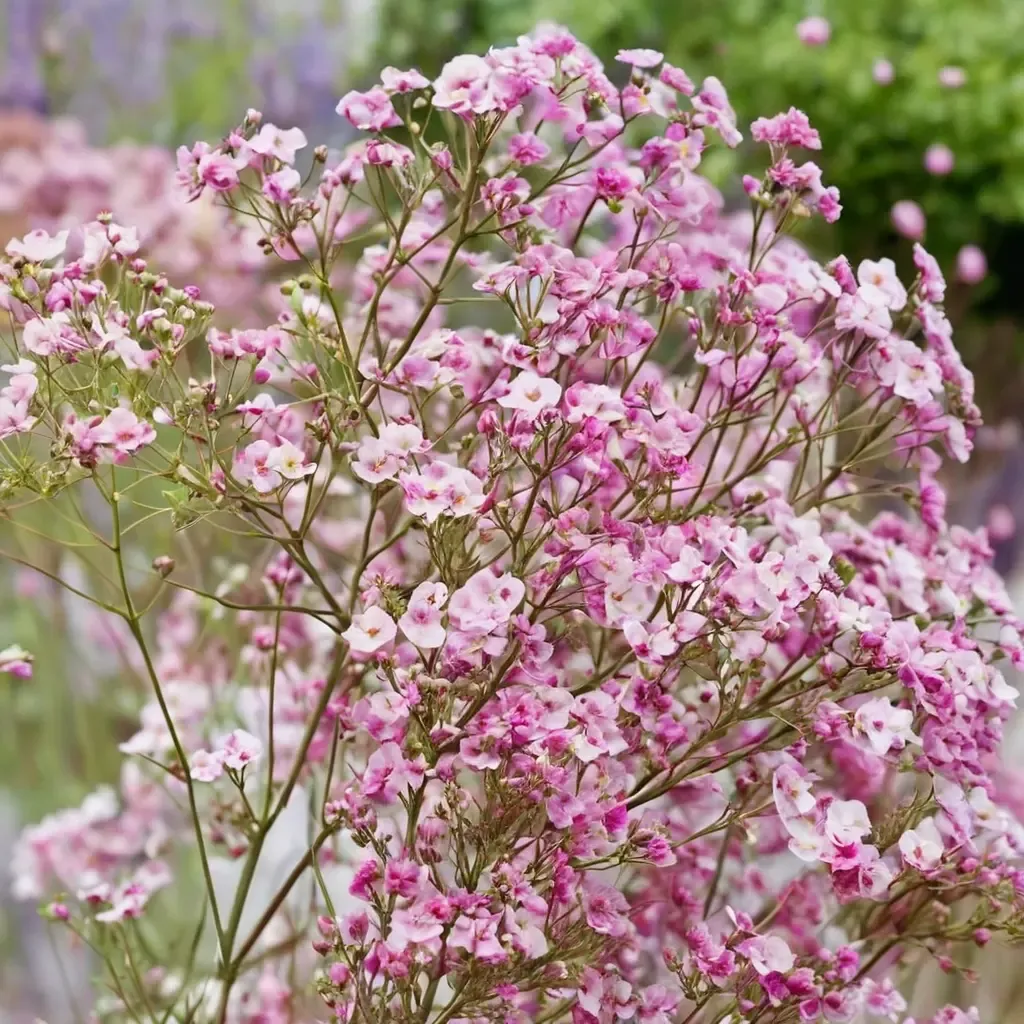
Pink Baby's Breath
Gypsophila paniculata 'Pink'
Summer Sparkles Baby's Breath
Gypsophila paniculata 'Summer Sparkles'
Keep exploring
Explore the genus
Grow Baby's Breath with confidence
See it in a design of your actual yard, get zone-matched care reminders, and track it season by season in your garden journal.