The Story
Plant Bio
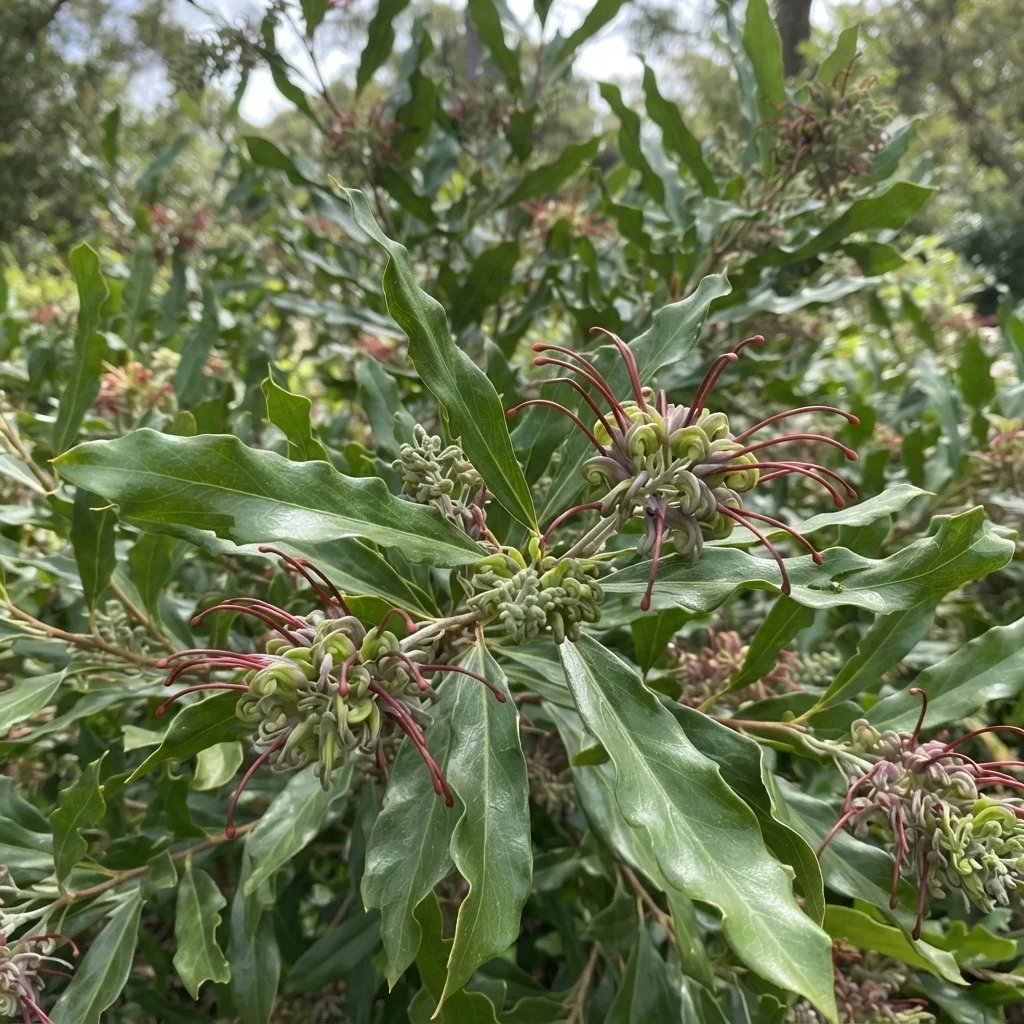
Grevillea shiressii, commonly known as Shiress's Grevillea, is an open, erect to sprawling evergreen shrub native to a highly restricted sandstone creek region north of Sydney, Australia. It features long, lanceolate leaves with distinctive wavy margins and produces unusual saccate flowers that transition from green to translucent cream, offset by prominent red-brown to mauve styles.
Unlike many members of its genus that demand intense baking sun, this species adapts remarkably well to protected, partially shaded positions. The older, larger stems develop a highly textured, deeply fissured grey-to-black bark that provides structural interest beneath the soft, undulating foliage.
Uses & Benefits:
Essentials
At a Glance
Plant Type
Shrub
Height
196"
Width
157"
Light
Full Sun, Partial Sun
Zones
9, 10
Water
Medium
Humidity
Moderate
Lifespan
Moderate
Native To
Australia
Toxicity
Mild Skin Irritant
Bloom period
Winter – Spring
In flower about 6 months of the year
Planting
How to Grow
- Select a planting site with excellent drainage, such as a raised bed, sandy slope, or mound of decomposed sandstone.
- Incorporate coarse sand or gravel into the planting hole to ensure water never pools around the root crown.
- Position the plant in full sun to partial shade, ensuring protection from cold, drying winter winds.
- Water deeply but infrequently during the first summer to establish a deep root system, then reduce watering.
Pro Tip
Never prune back into old, leafless wood, as this species lacks the epicormic buds required to regenerate from bare branches.
Keep It Thriving
Care Guide
Do
- Use exclusively low-phosphorus or native-formulated slow-release fertilizers to avoid phosphate toxicity.
- Plant in highly permeable, acidic sandy loam or alluvial soil mixes.
- Provide light, regular tip-pruning immediately after the spring flowering flush to maintain a bushy habit.
Don't
- Do not apply standard garden fertilizers, composts, or manures containing high phosphorus levels.
- Do not plant in heavy clay or low-lying areas prone to standing water.
- Do not cut back into old, bare wood when pruning.
Seasonal Care Calendar
| Task | Jan | Feb | Mar | Apr | May | Jun | Jul | Aug | Sep | Oct | Nov | Dec |
|---|---|---|---|---|---|---|---|---|---|---|---|---|
| Fertilize | ||||||||||||
| Pest Check | ||||||||||||
| Prune | ||||||||||||
| Winter Prep |
Watch Out For
Pests & Diseases
Common Pests
Common Diseases
In the Garden
Landscape Uses & Companions
Landscape Uses
Companion Plants
Multiply
Propagation Methods
Good to Know
Common Questions
Shiress's Grevillea questions
What zones can Shiress's Grevillea grow in?
Shiress's Grevillea is hardy in USDA Zones 9–10. Inside that range it survives winter in the ground; outside it, grow it as an annual or a container plant you protect.
Is Shiress's Grevillea deer resistant?
Not reliably. Deer may browse Shiress's Grevillea, especially tender spring growth — plan on repellents or fencing where pressure is high.
When does Shiress's Grevillea bloom?
Shiress's Grevillea typically blooms in winter through spring. Exact timing shifts a week or two with your zone — Sow's bloom calendar maps it to your garden.
Does Shiress's Grevillea need full sun?
Shiress's Grevillea does best in full sun to part shade. In hot climates, afternoon shade keeps blooms fresher longer.
More Grevillea to compare
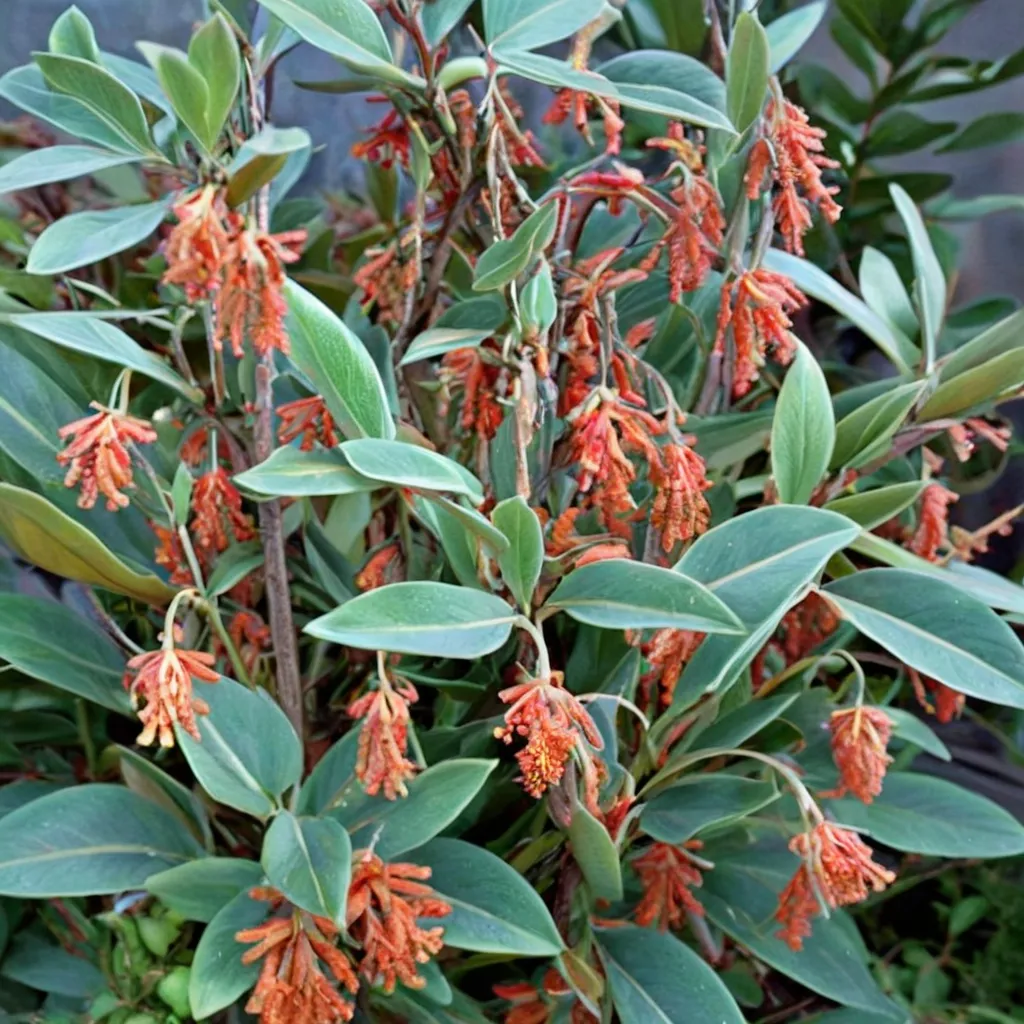
Murray Queen Grevillea
Grevillea victoriae 'Murray Queen'
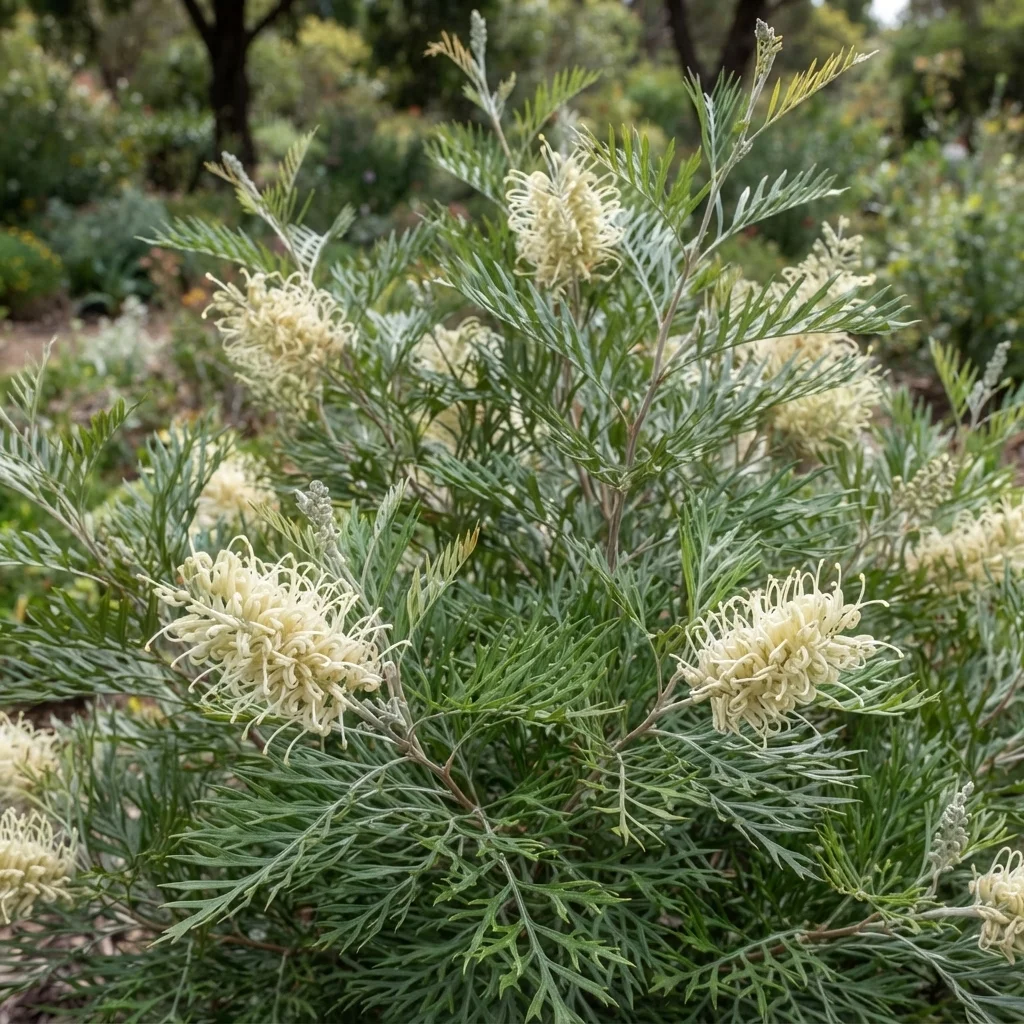
Moonlight Grevillea
Grevillea x hybrida 'Moonlight'
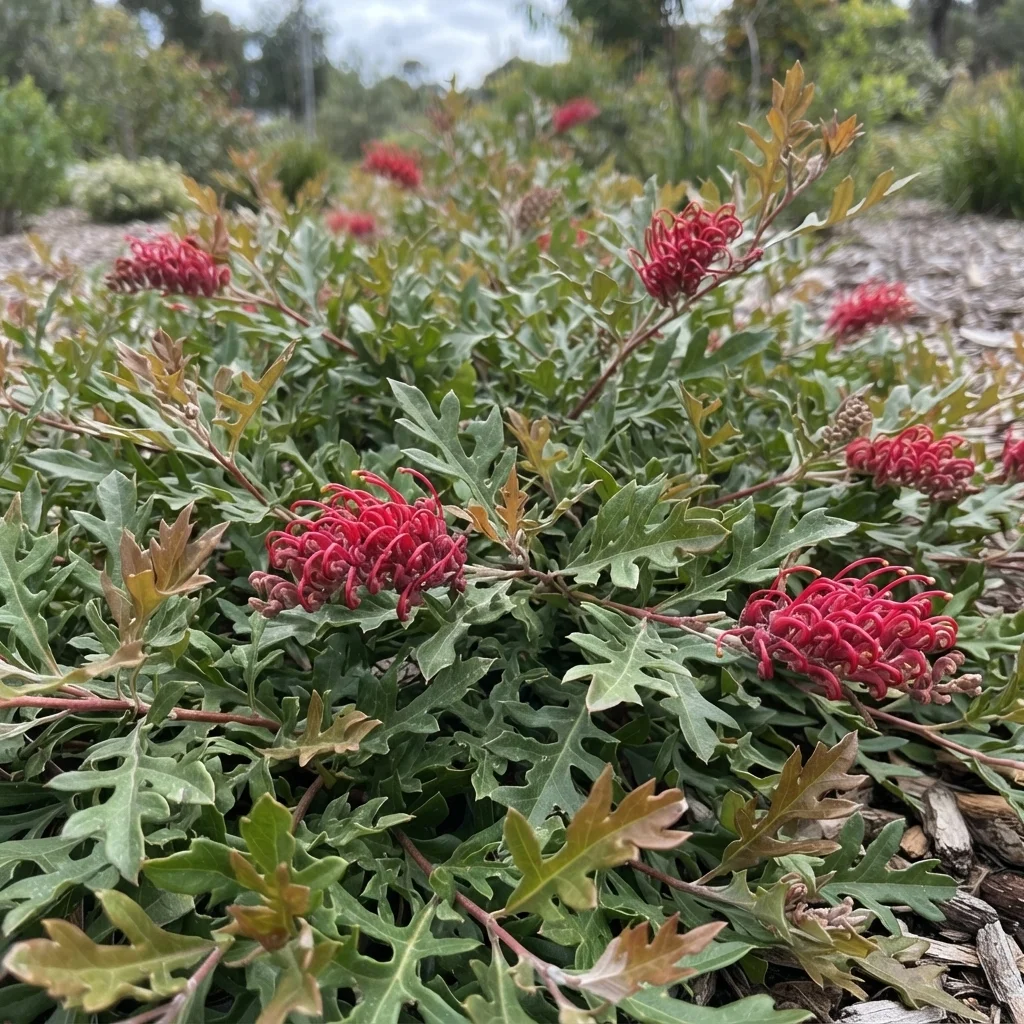
Prostrate Grevillea
Grevillea × gaudichaudii 'Gaudi Chaudi'
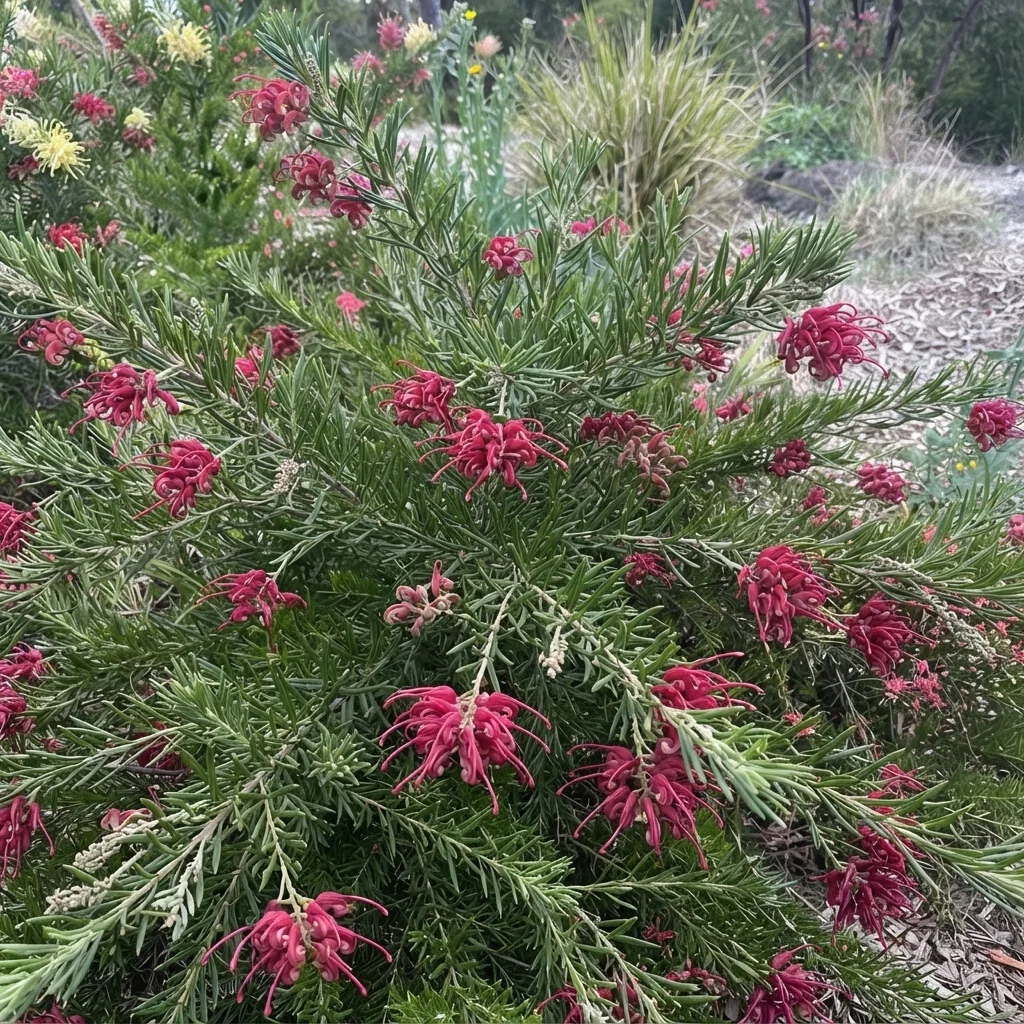
Rosemary Grevillea
Grevillea rosmarinifolia
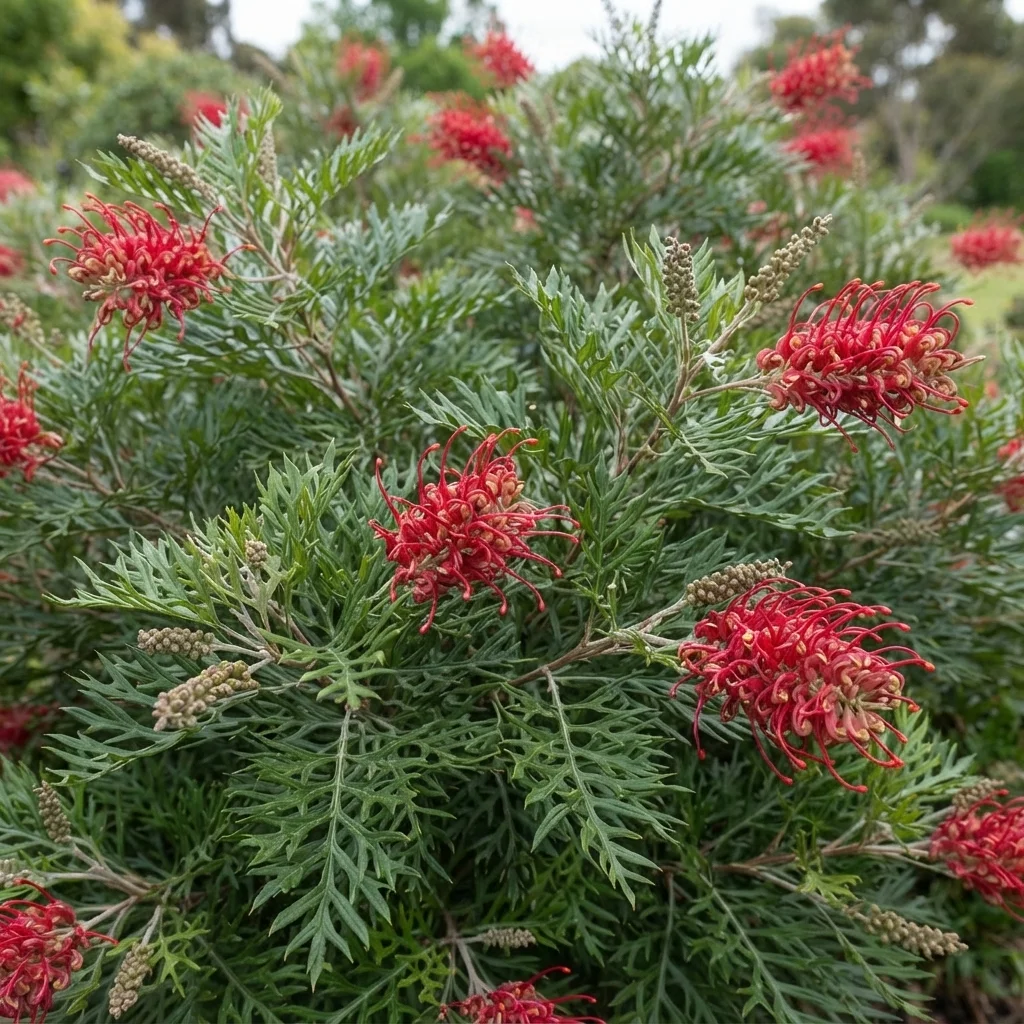
Robyn Gordon Grevillea
Grevillea x hybrida 'Robyn Gordon'
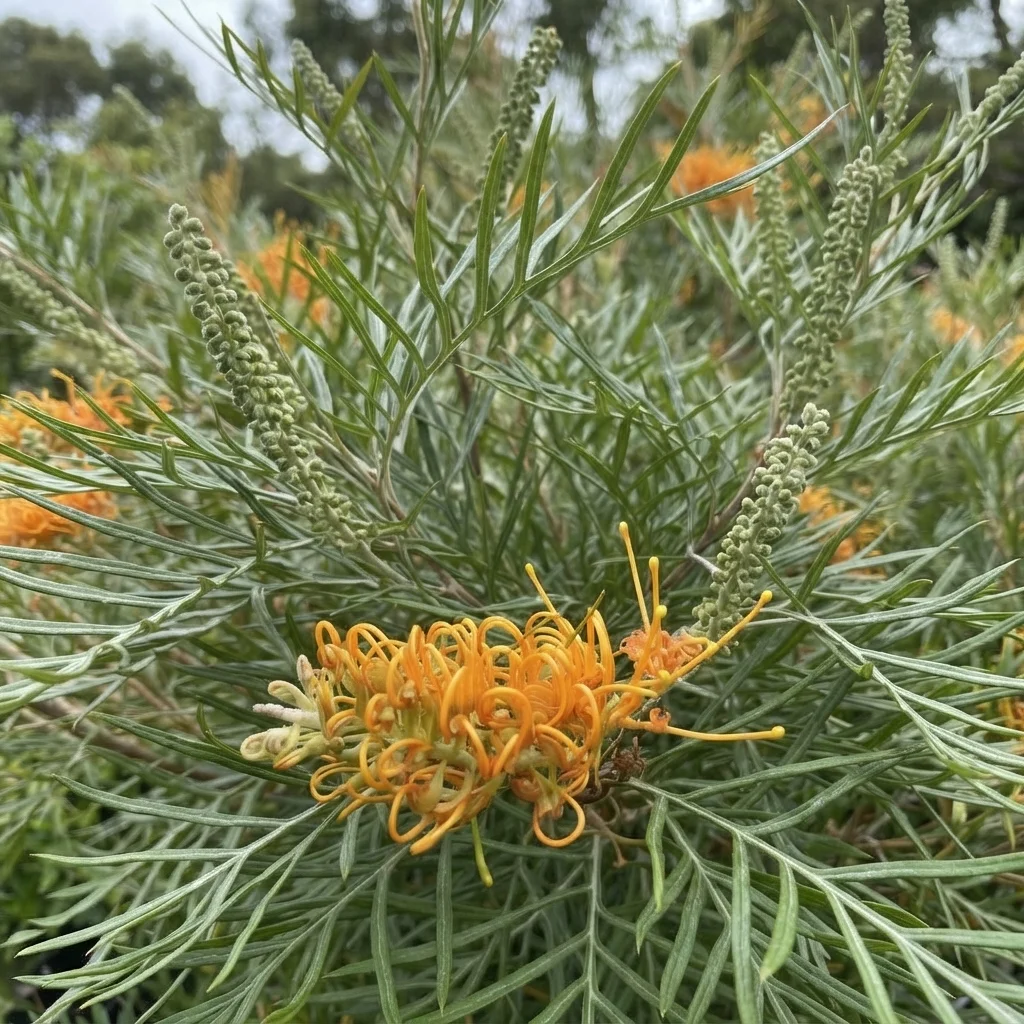
Honey Gem Grevillea
Grevillea x hybrida 'Honey Gem'
Keep exploring
Explore the genus
Hardy in your zone?
Grow Shiress's Grevillea with confidence
See it in a design of your actual yard, get zone-matched care reminders, and track it season by season in your garden journal.