Also known as Kangaroo Paw · 122 saves
Anigozanthos
Anigozanthos, the genus most gardeners know as kangaroo paw. We track 18 varieties; the ones most used by real gardeners.
The 17 most-saved Anigozanthos varieties
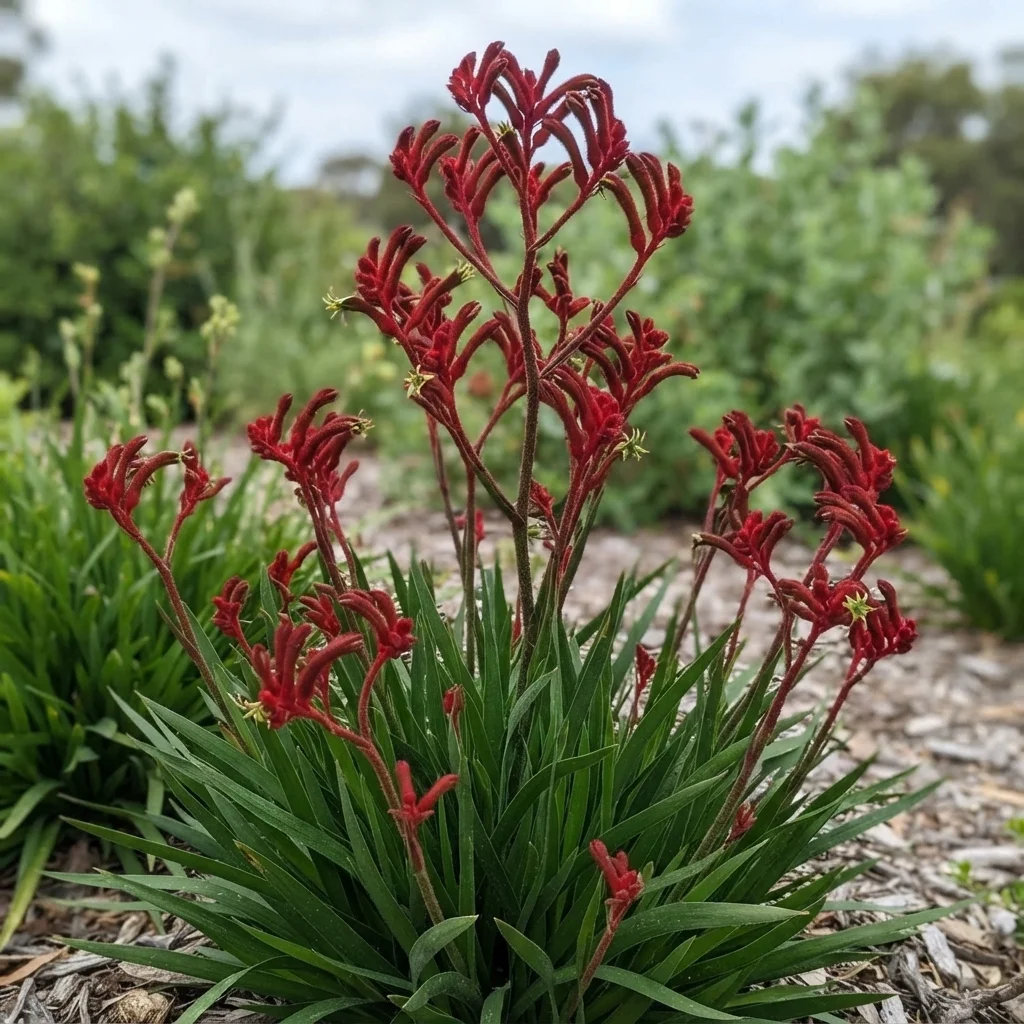
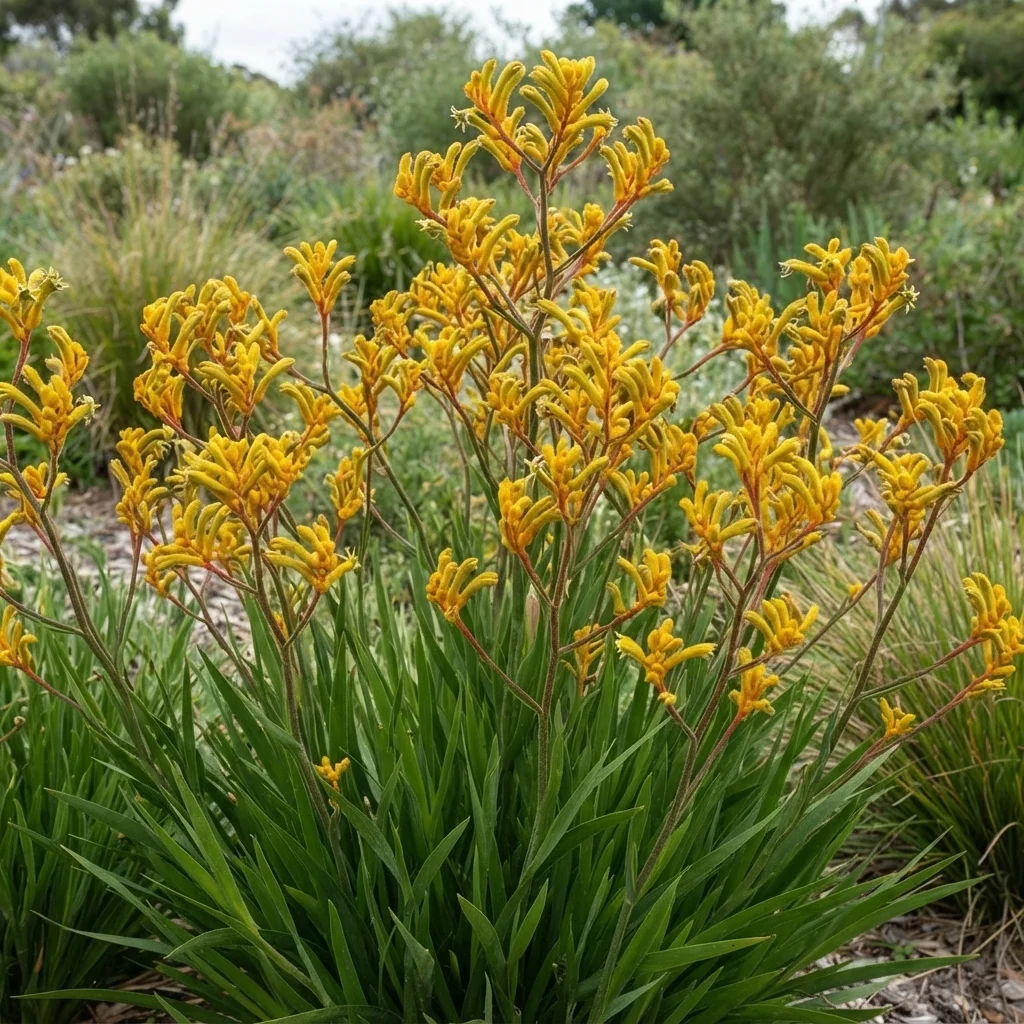
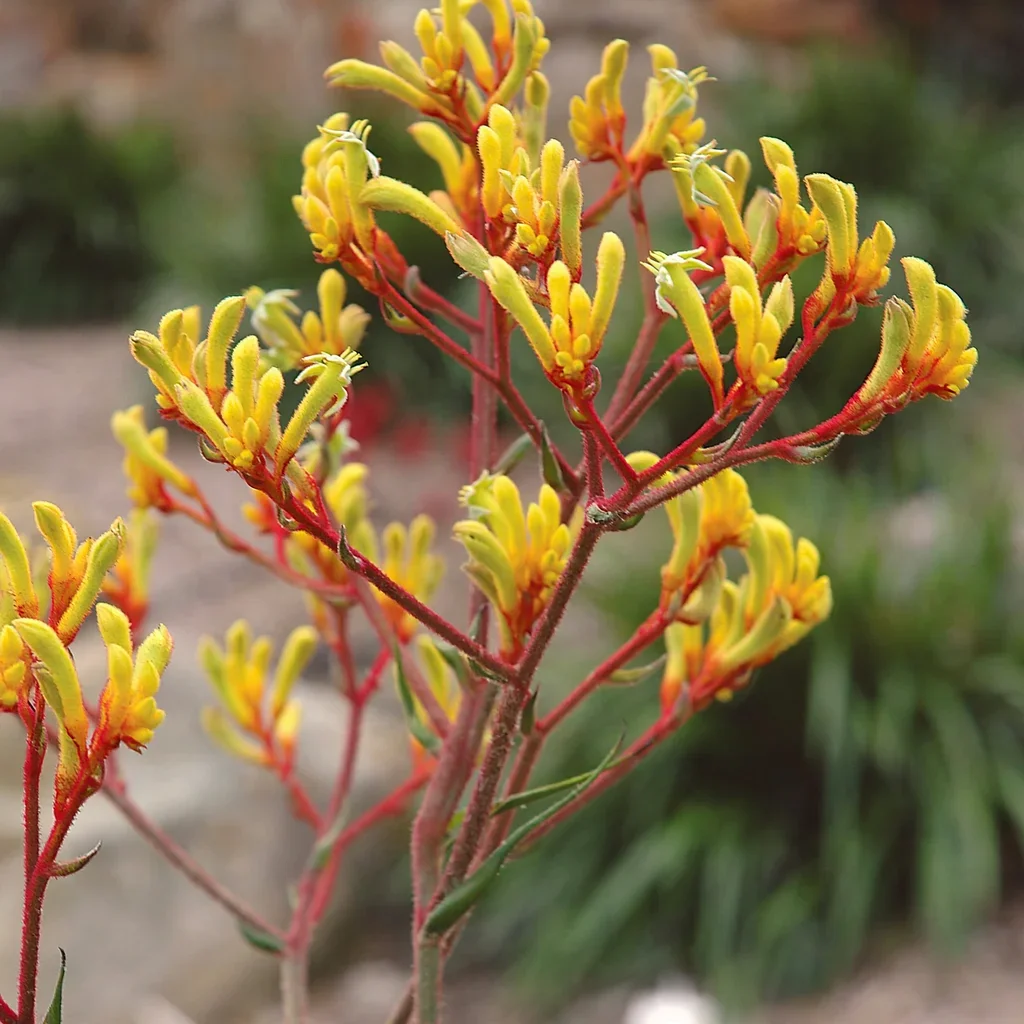
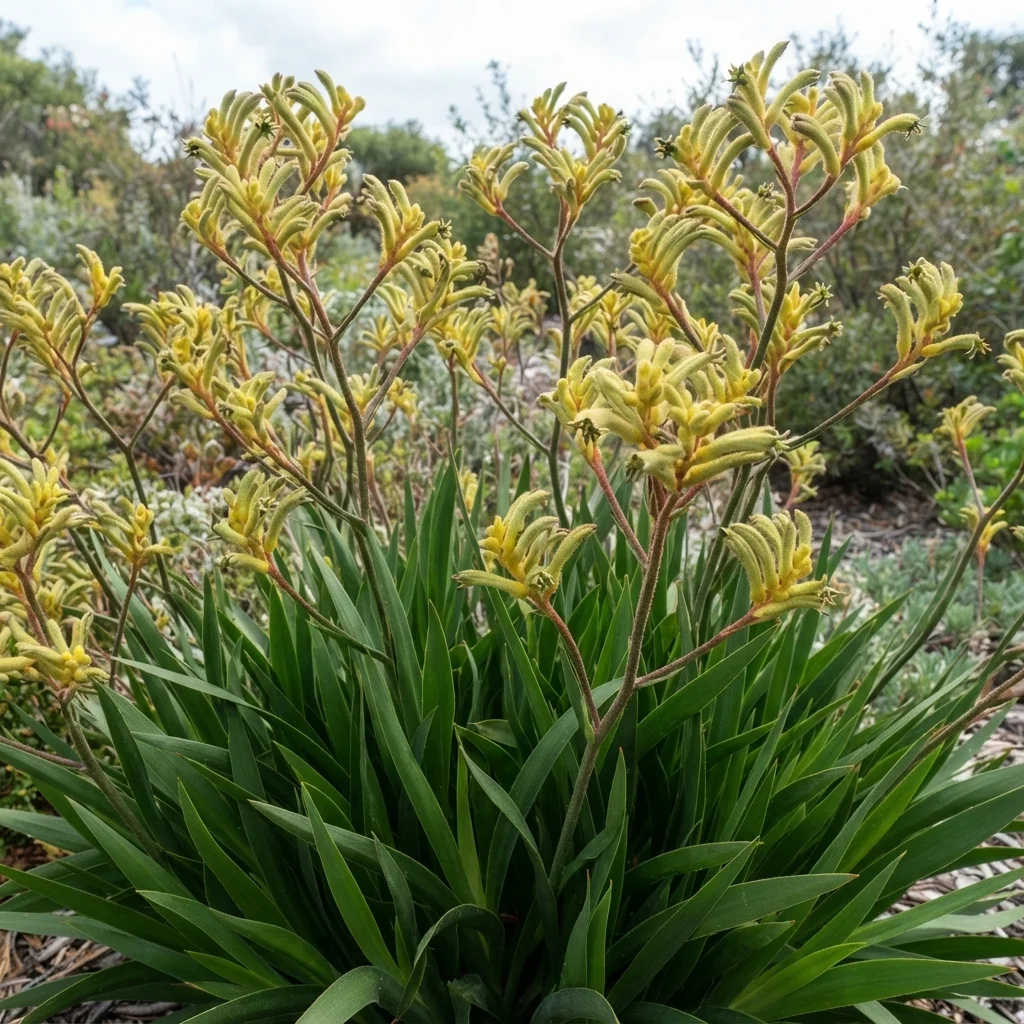
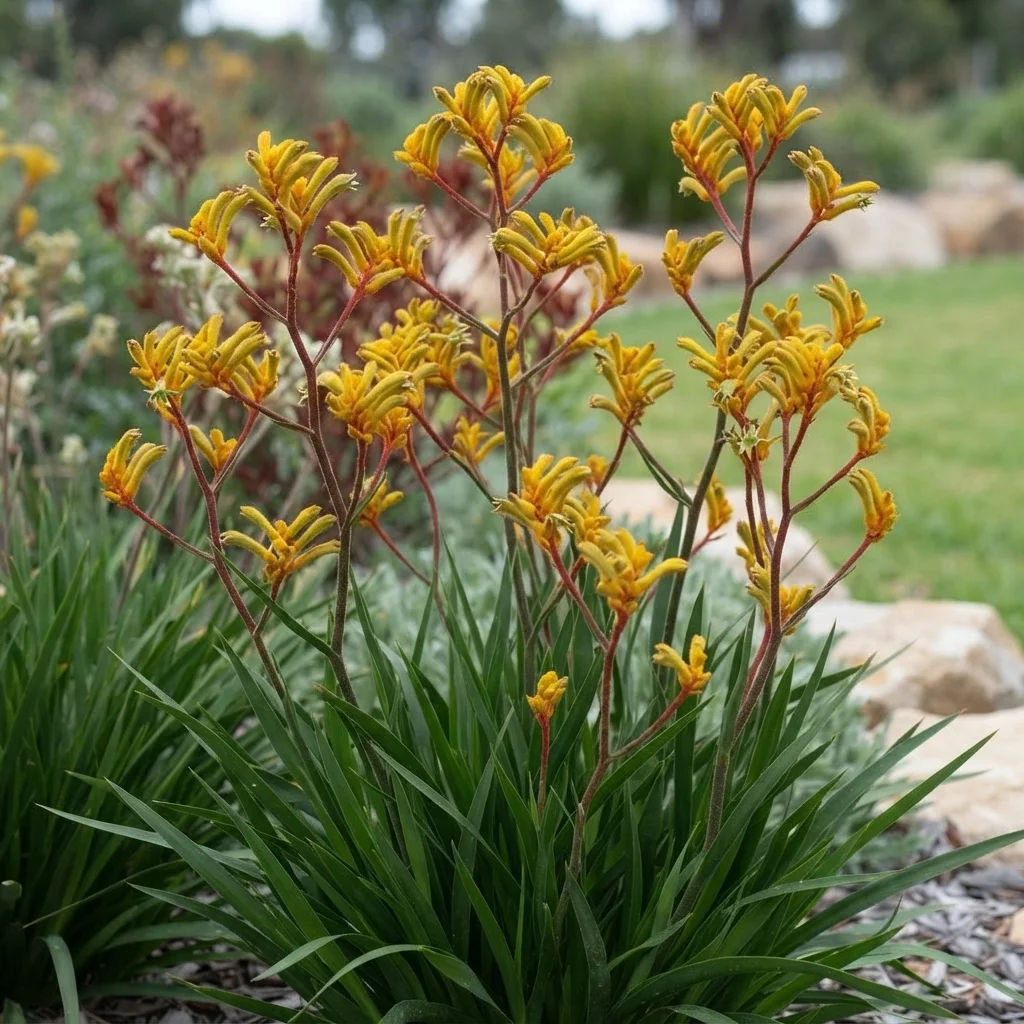
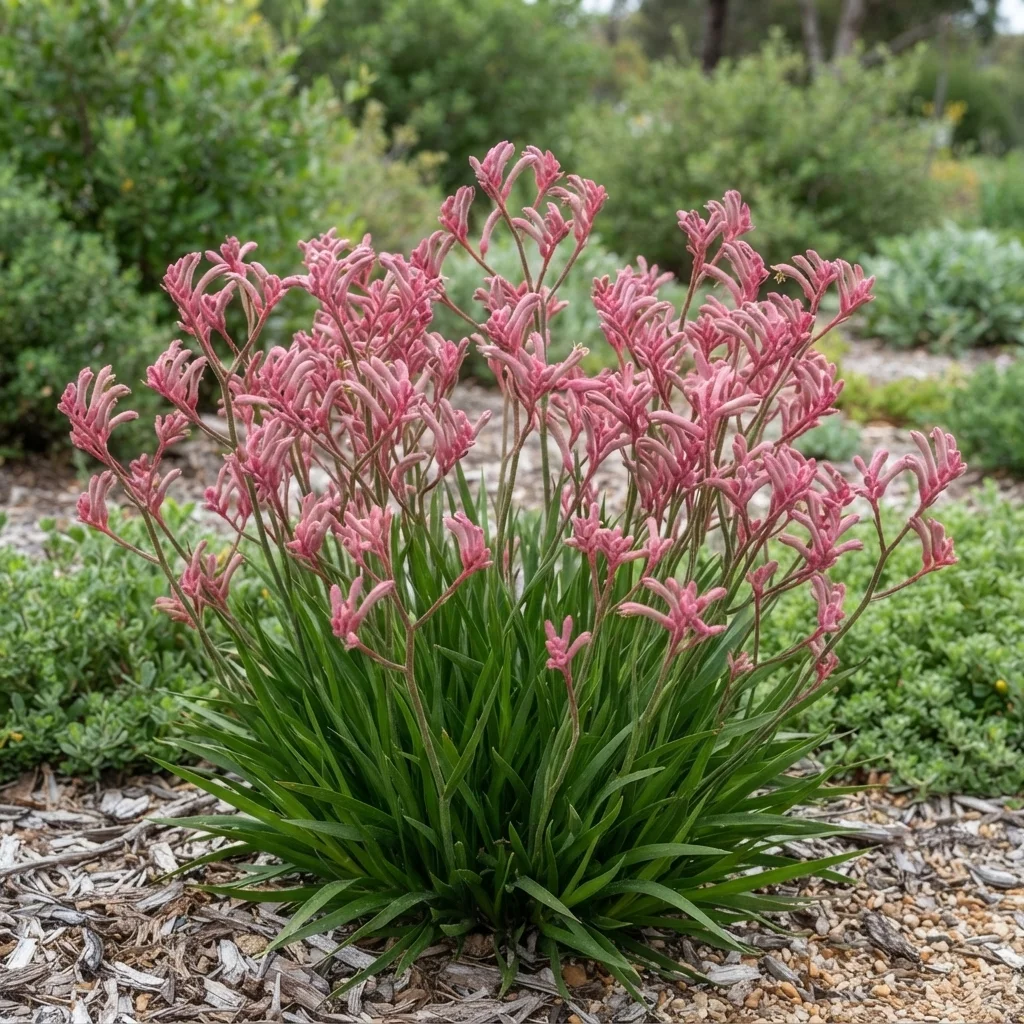
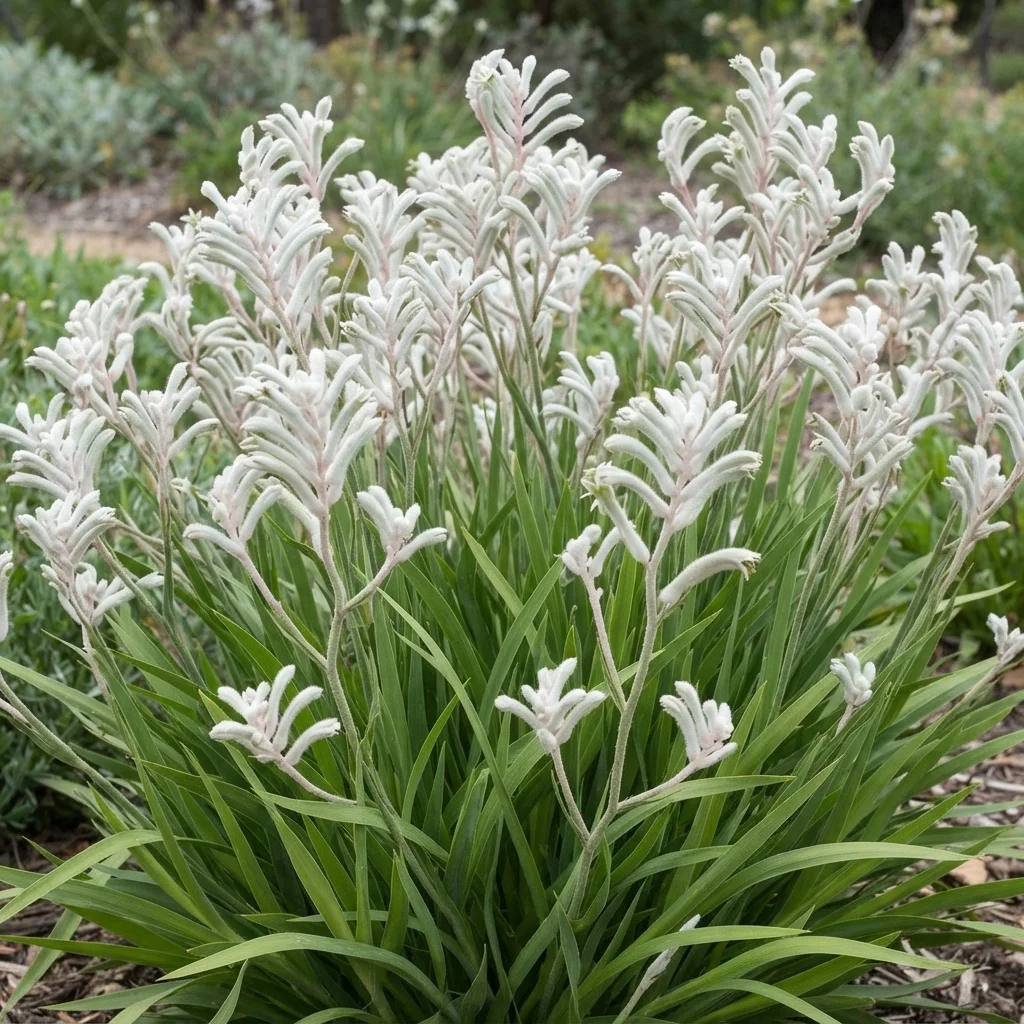
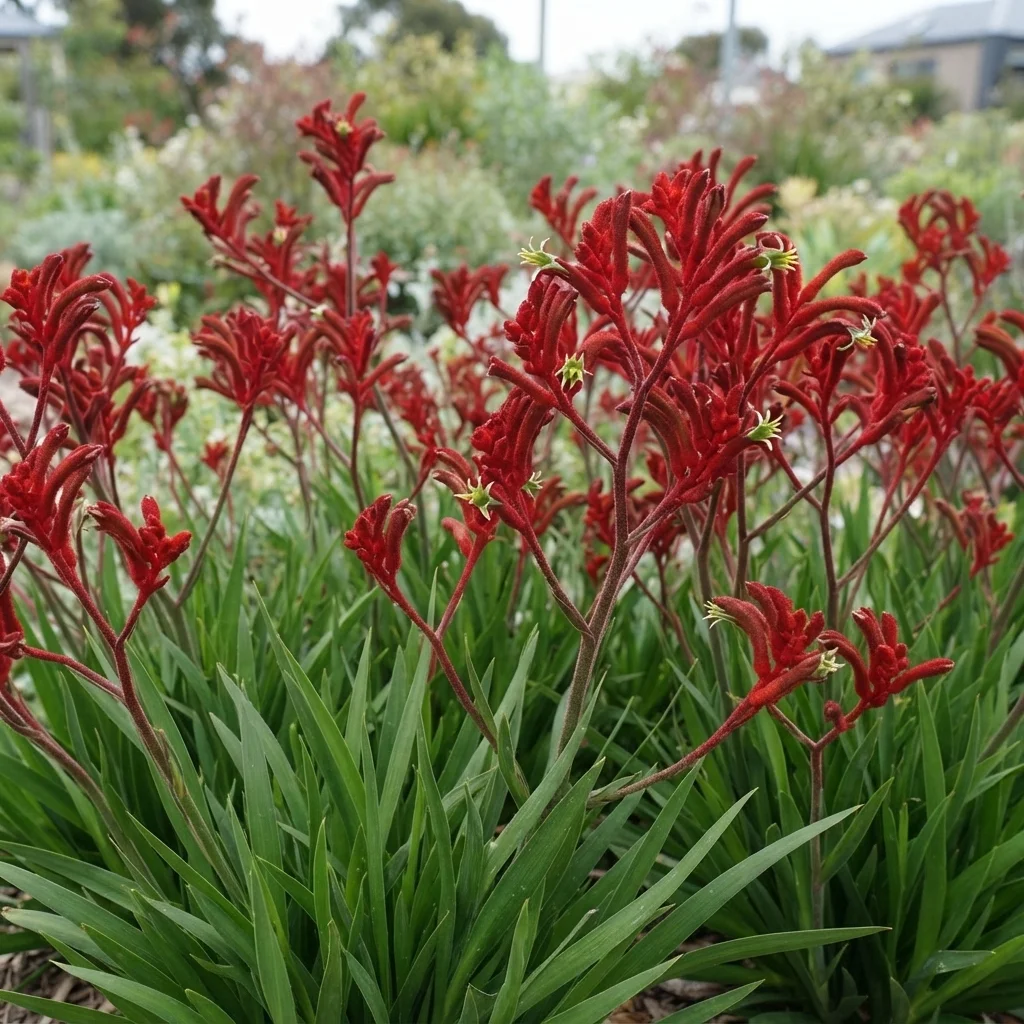
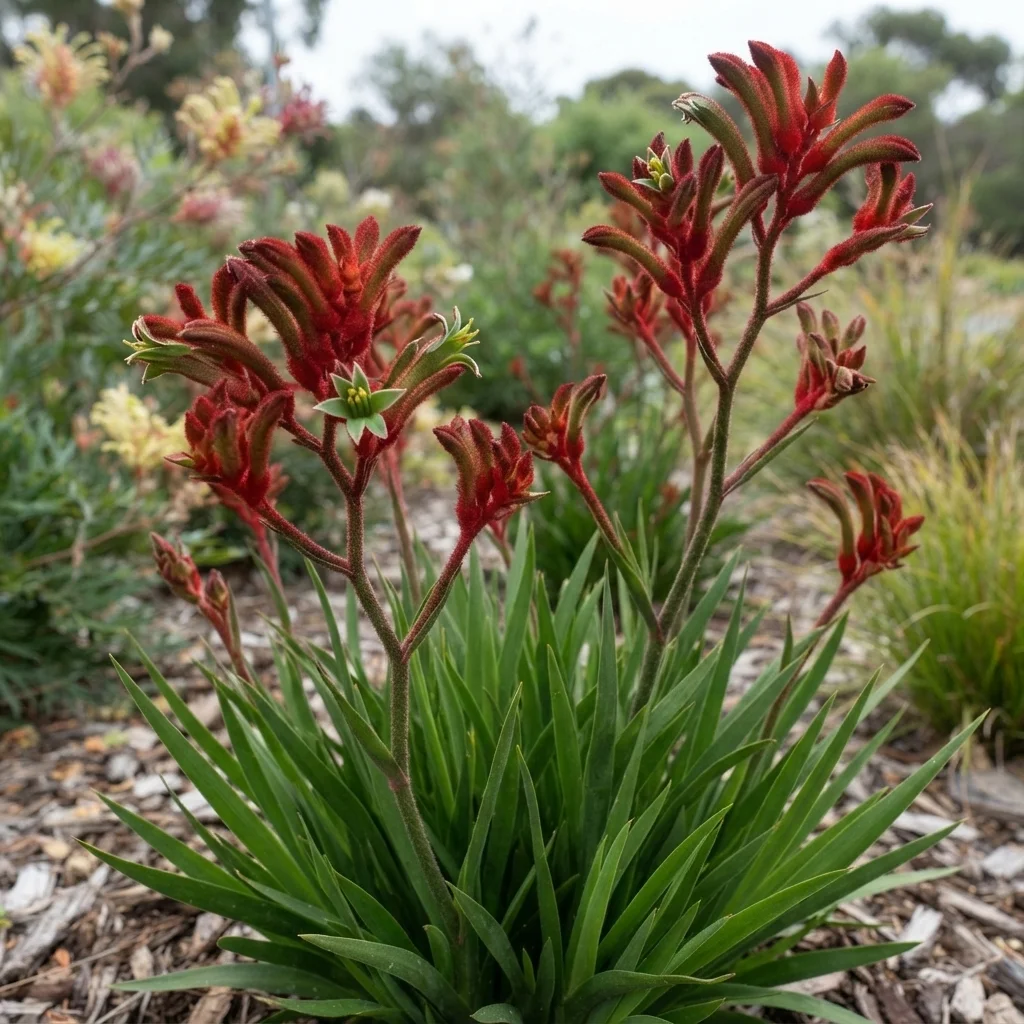
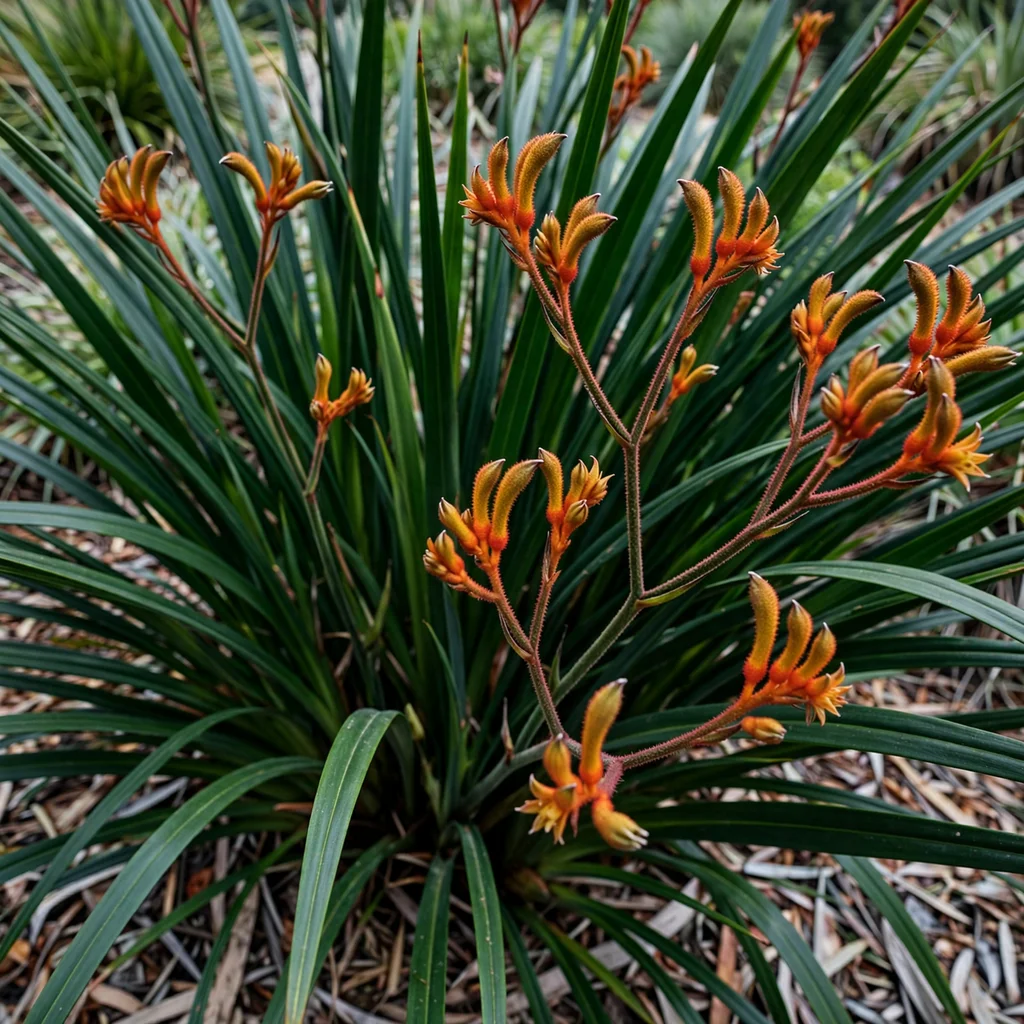
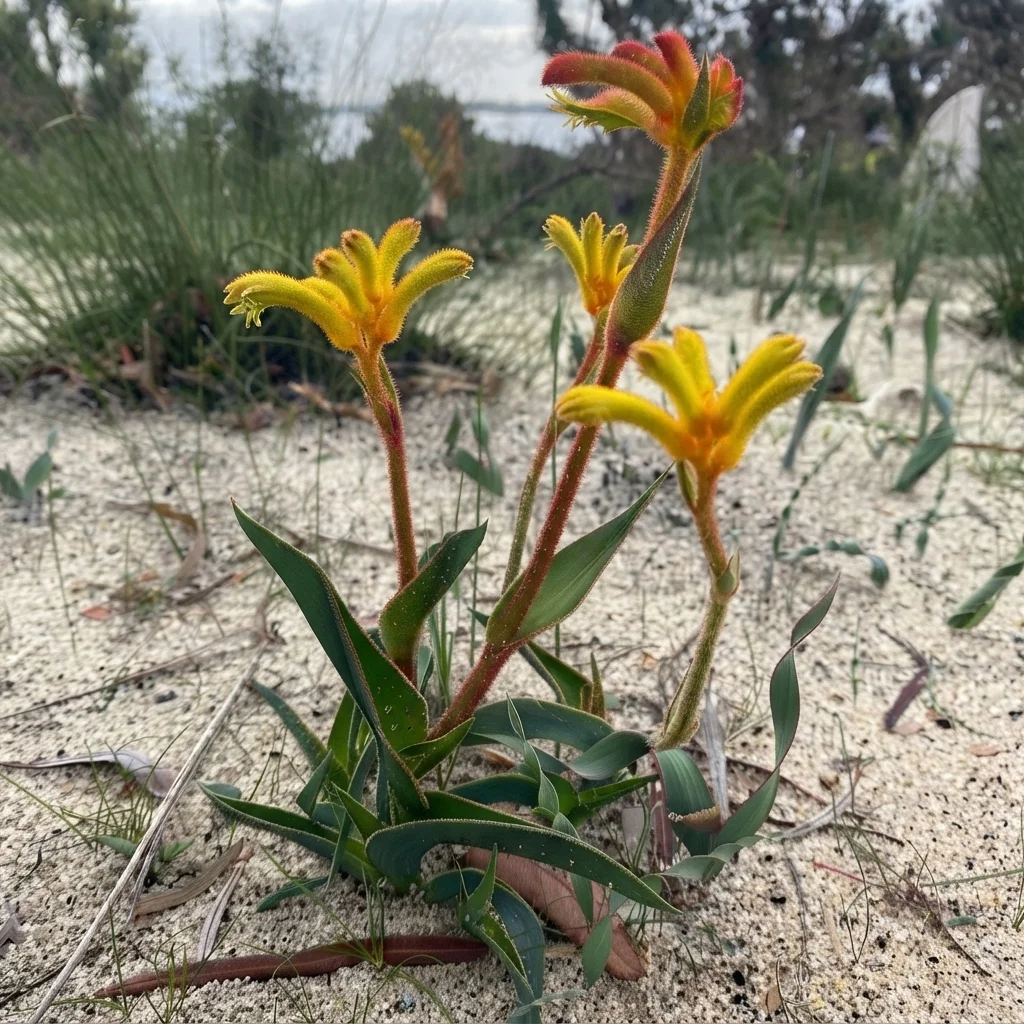
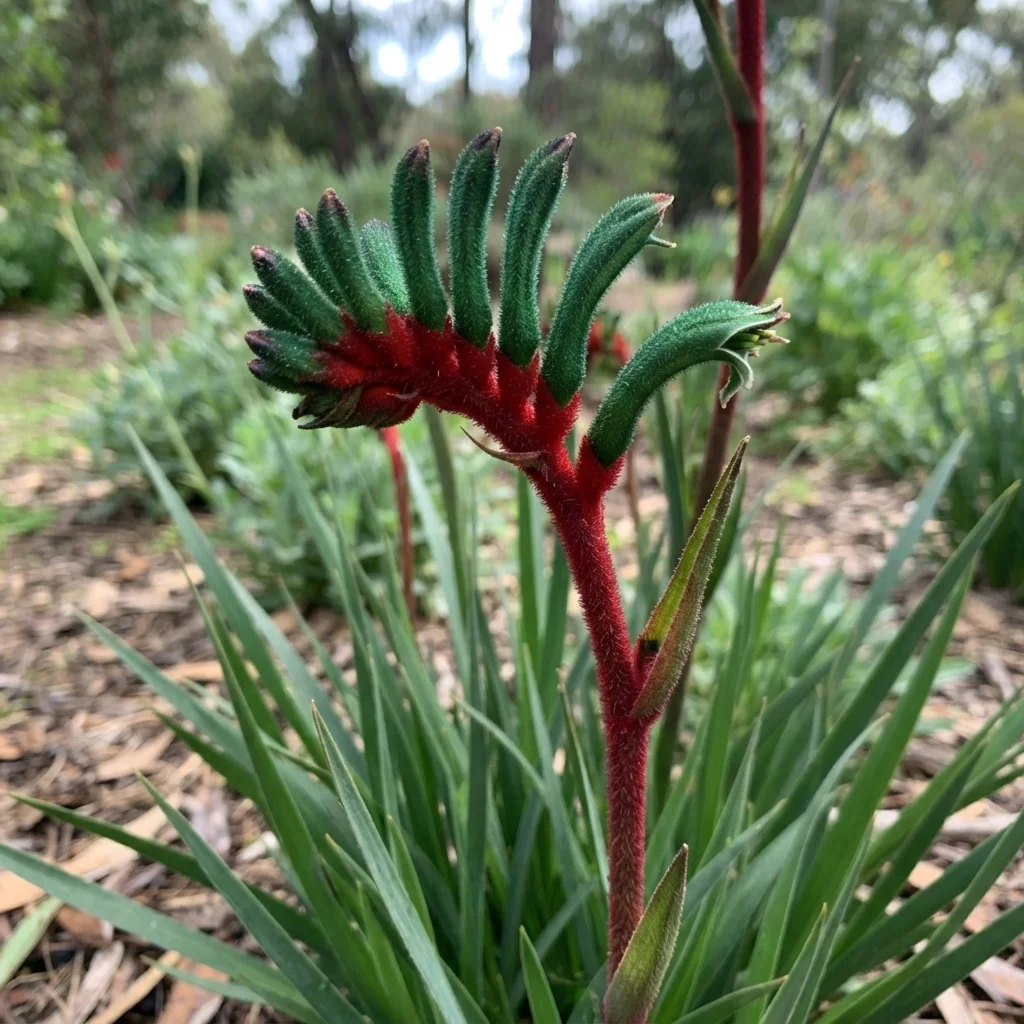
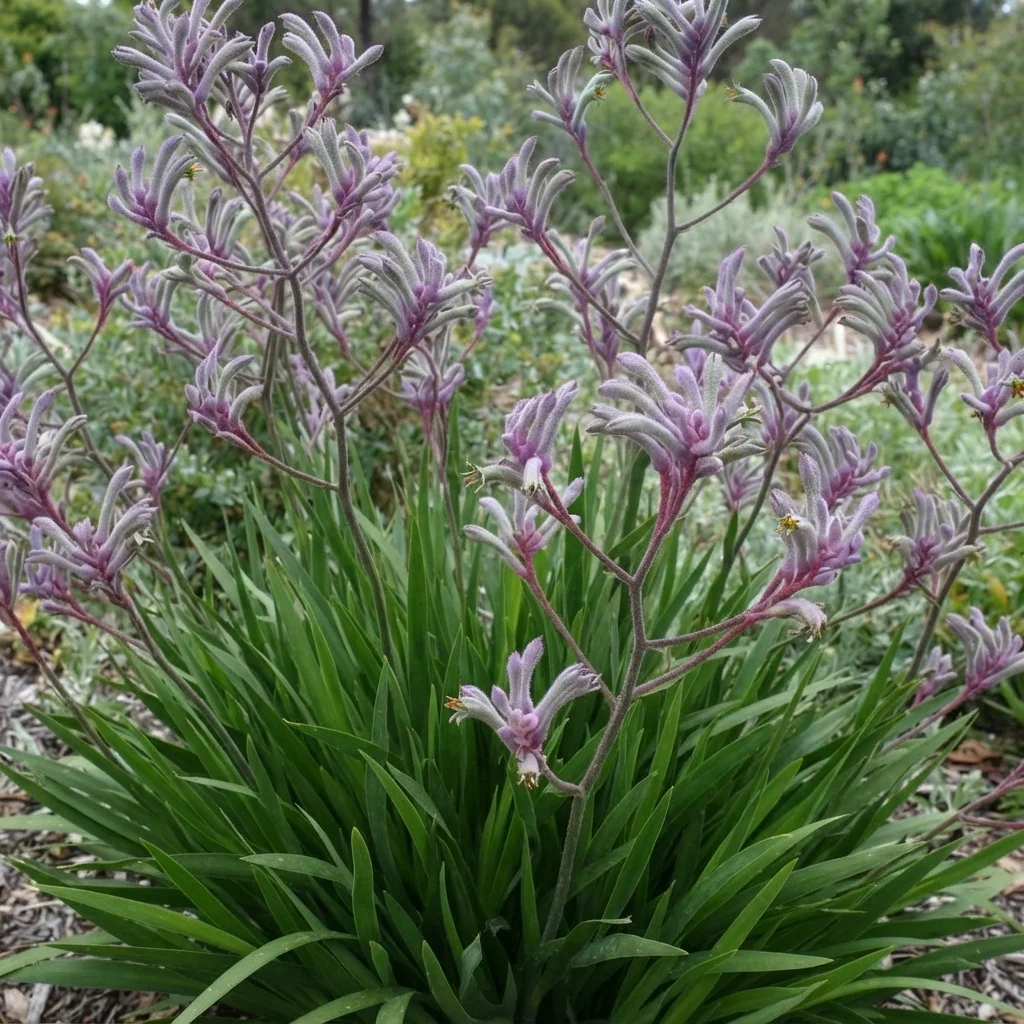
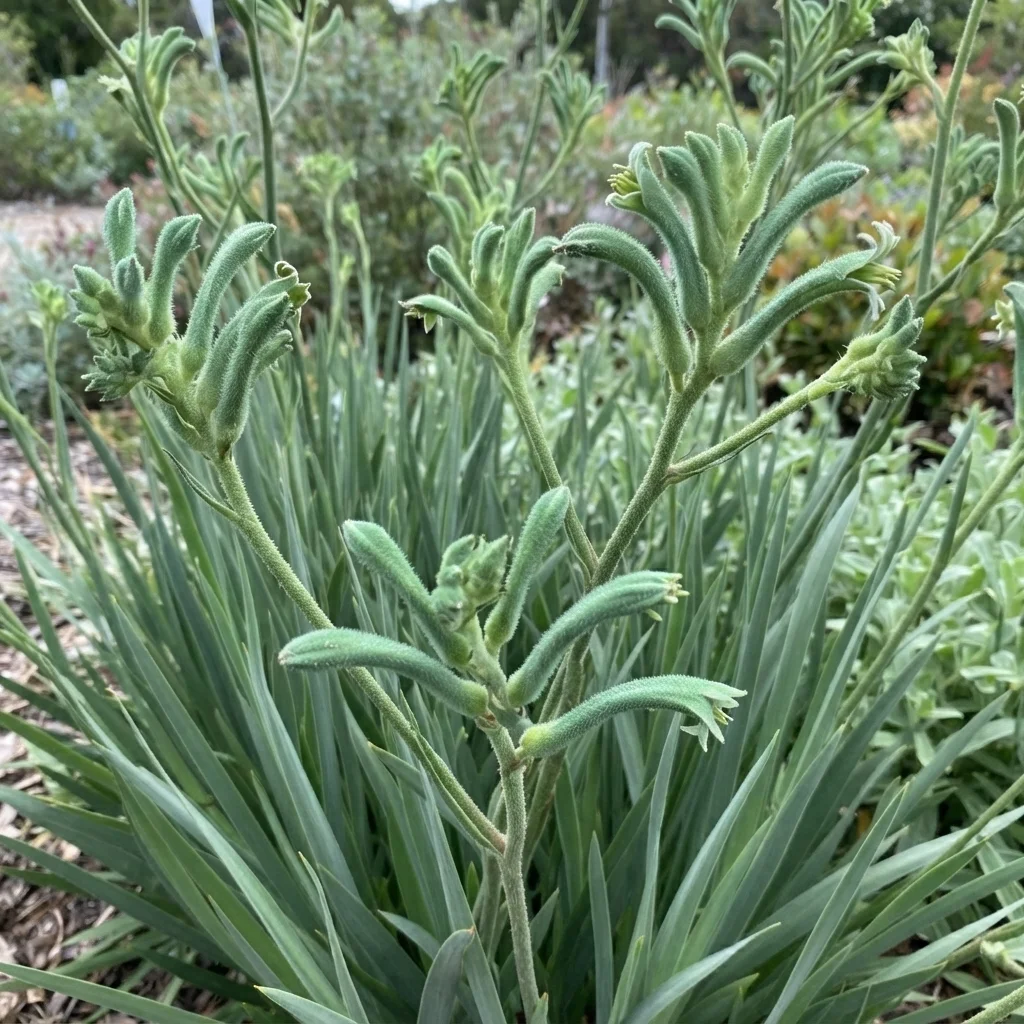
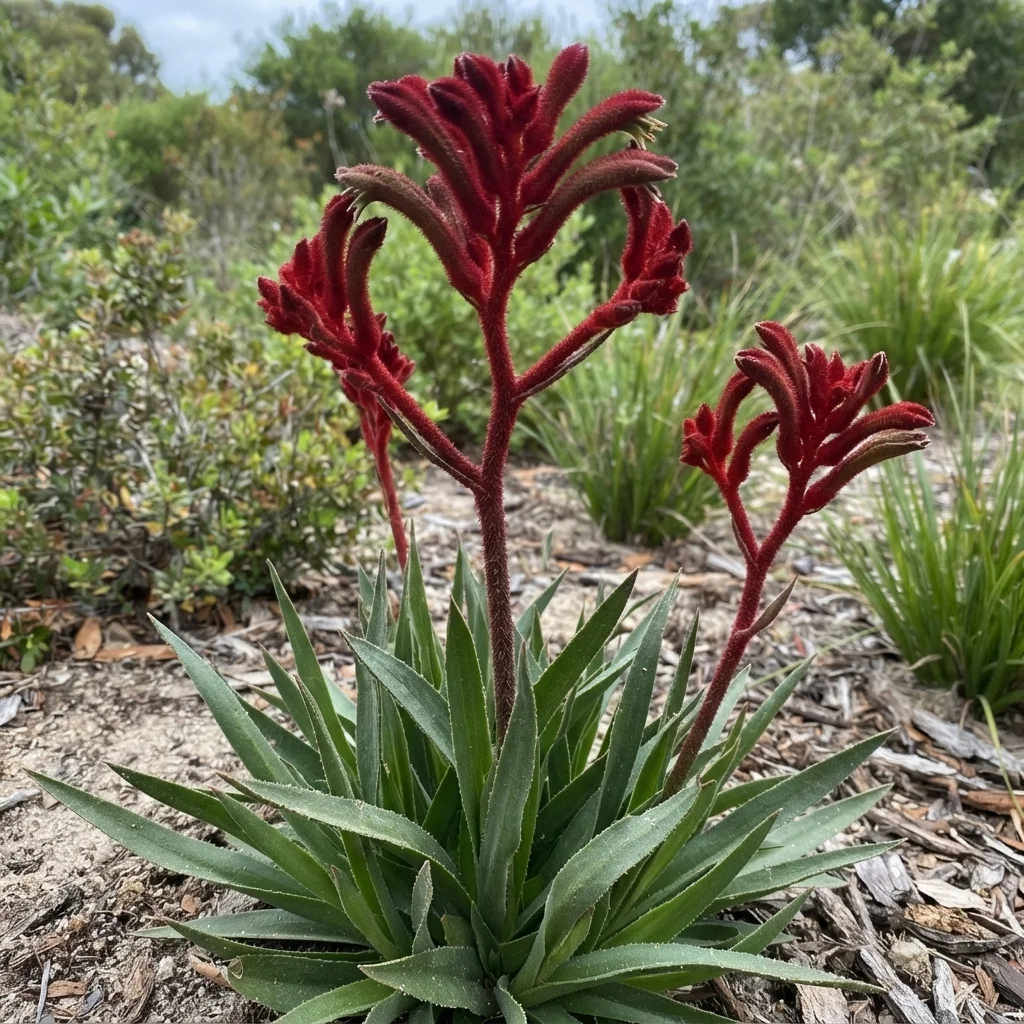
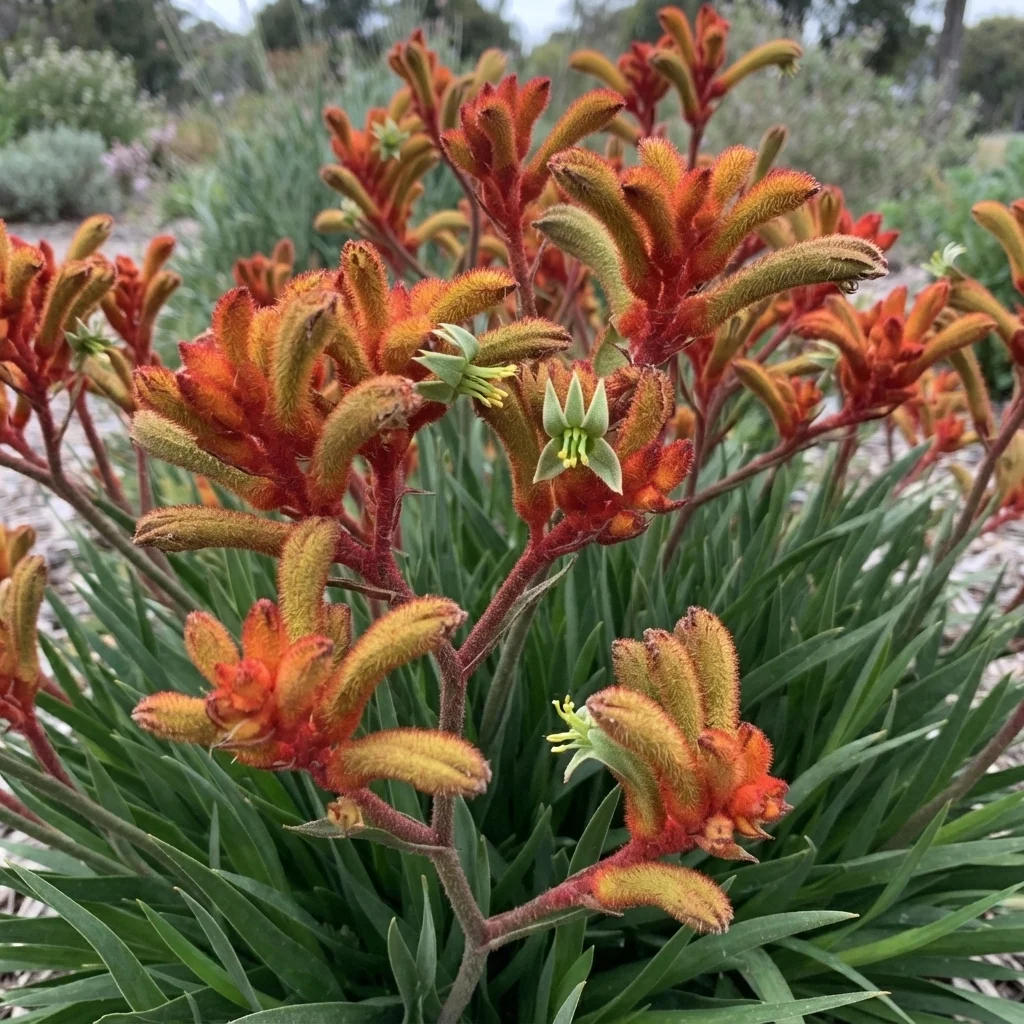
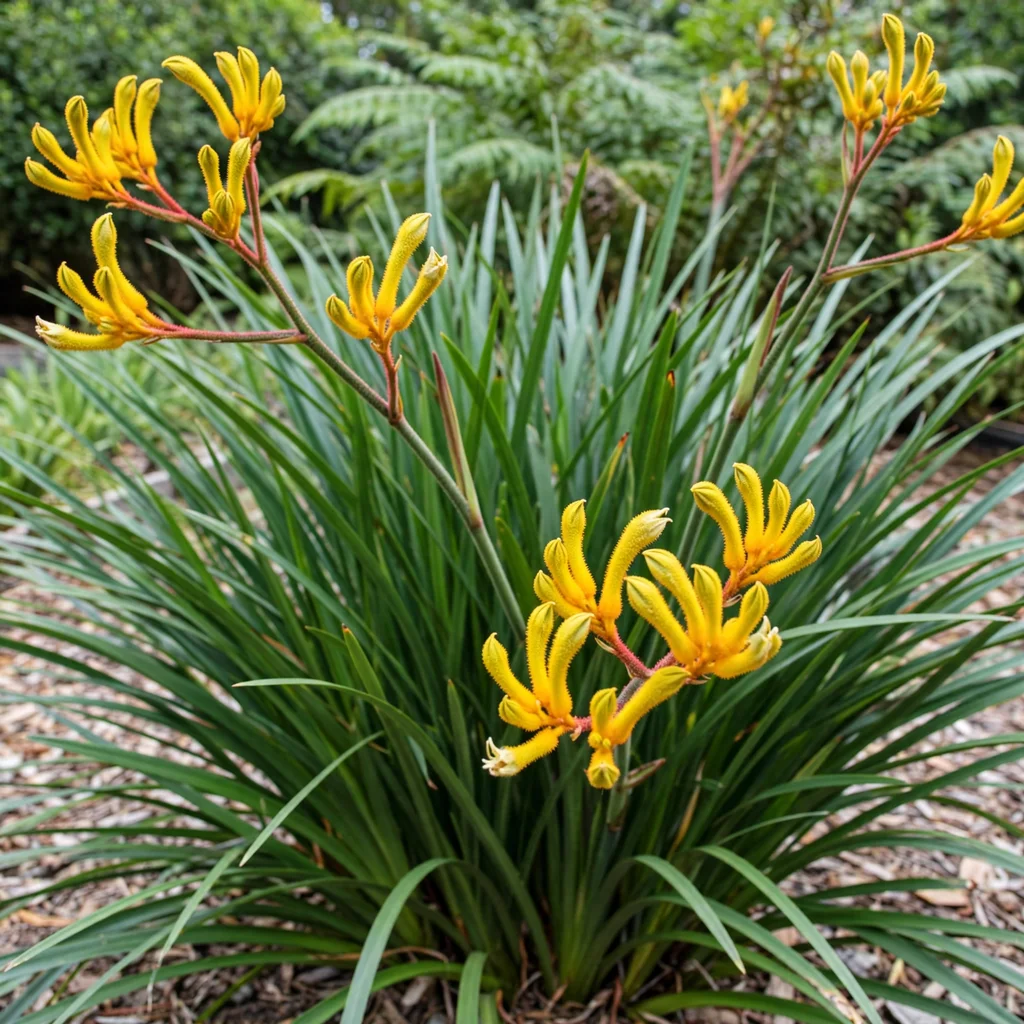
Browse all 18 Anigozanthos varieties →
5 species of Anigozanthos
Each one is a parent of the varieties above.
Track your Anigozanthos in Sow
Save the Anigozanthos you grow and get care reminders timed to your zone.
How to grow Anigozanthos
Whats common across all Anigozanthos varieties in our catalog — drawn from the care records of the 18 most-grown of them.
The Anigozanthos year
- PruneAugust and September100% of varieties
Cut back spent flower stems and damaged foliage hard to ground level after blooming.
- FertilizeMarch and April100% of varieties
Apply a low-phosphorus, slow-release native plant fertilizer sparingly as new growth begins.
- Check for PestsMay and June89% of varieties
Inspect foliage for aphids, spider mites, and early signs of ink spot disease.
- Winter PrepNovember and December39% of varieties
In marginal zones, protect the crown from freezing wet conditions or move containers indoors.
- DivideMarch and April39% of varieties
Divide large rhizomatous clumps during cool weather to propagate or rejuvenate old plantings.


Do
- Use only low-phosphorus fertilizers formulated for native plants.
- Prune spent flower stems hard to ground level immediately after flowering finishes.
- Ensure flawless drainage by planting in raised beds or containers if native soil contains clay.
- Provide maximum air circulation to minimize humidity buildup around the foliage.
- Use a low-phosphorus fertilizer formulated specifically for native plants.
Avoid
- Do not use standard garden fertilizers containing high levels of phosphorus.
- Do not overwater during hot, humid summer months when the plant is semi-dormant.
- Do not apply standard high-phosphorus fertilizers, which cause leaf tip burn.
- Do not disturb the underground rhizomes unnecessarily during routine maintenance.
What goes wrong with Anigozanthos
| Problem | What you'll see | What to do |
|---|---|---|
| Aphids | Distorted new shoots and sticky honeydew on foliage. | Apply insecticidal soap or neem oil to affected areas. |
| Spider mites | Stippled, fine-webbed foliage and leaf decline. | Blast with a strong water spray or apply a miticide. |
| Slugs and snails | Chewed leaf margins and damaged flower buds. | Apply iron phosphate bait around the base of the plants. |
| Slugs and Snails | Chew holes in young emerging shoots. | Apply organic iron phosphate baits around the base of the plant. |
| Root rot | Sudden plant collapse and blackened, rotting rhizomes. | Improve soil drainage immediately and apply systemic fungicides. |
| Powdery mildew | White powdery coating on leaves. | Apply sulfur or fungicidal sprays and improve air circulation. |
| Ink spot disease | Black, velvety spots on the leaves that gradually enlarge and can cause leaf dieback. | Prune away affected leaves, improve air circulation, and avoid overhead watering. |
Making more Anigozanthos
Division
- Lift the rhizomatous clump carefully during the dormant period.
- Use a clean, sharp knife to divide the rhizomes, ensuring each section has healthy roots and a shoot.
- Replant the divisions immediately into well-draining soil at the original depth.
- Water lightly to settle the soil and keep dry until new growth appears.
Rhizome Division
- Lift the established clump in late winter or early spring using a sharp spade.
- Shake off excess soil to expose the underground rhizomes and individual fans.
- Use a clean, sharp knife to cut the rhizome into sections, ensuring each division has at least one healthy fan of leaves and a strong root system.
- Pot the divisions immediately into a well-drained, sandy potting mix and water sparingly until new growth appears.
Anigozanthos questions
How many types of Anigozanthos are there?
The Sow catalog tracks 18 distinct Anigozanthos varieties. The most popular — ranked by 122 real gardeners — are shown first above.
What zones does Anigozanthos grow in?
Across its varieties, Anigozanthos covers USDA Zones 7–10. Individual varieties differ — each plant page lists its exact range, and Sow filters the catalog to your zone automatically.
When does Anigozanthos bloom?
Most Anigozanthos varieties bloom in spring, late spring. Staggering early, mid, and late varieties extends the genus's season in one bed.
Which Anigozanthos should I choose?
Start from the most-saved varieties above — popularity across thousands of gardens is a strong signal of reliability — then filter by your zone and sun. In the Sow app you can preview any of them in a photo of your actual yard before you buy.