The Story
Plant Bio
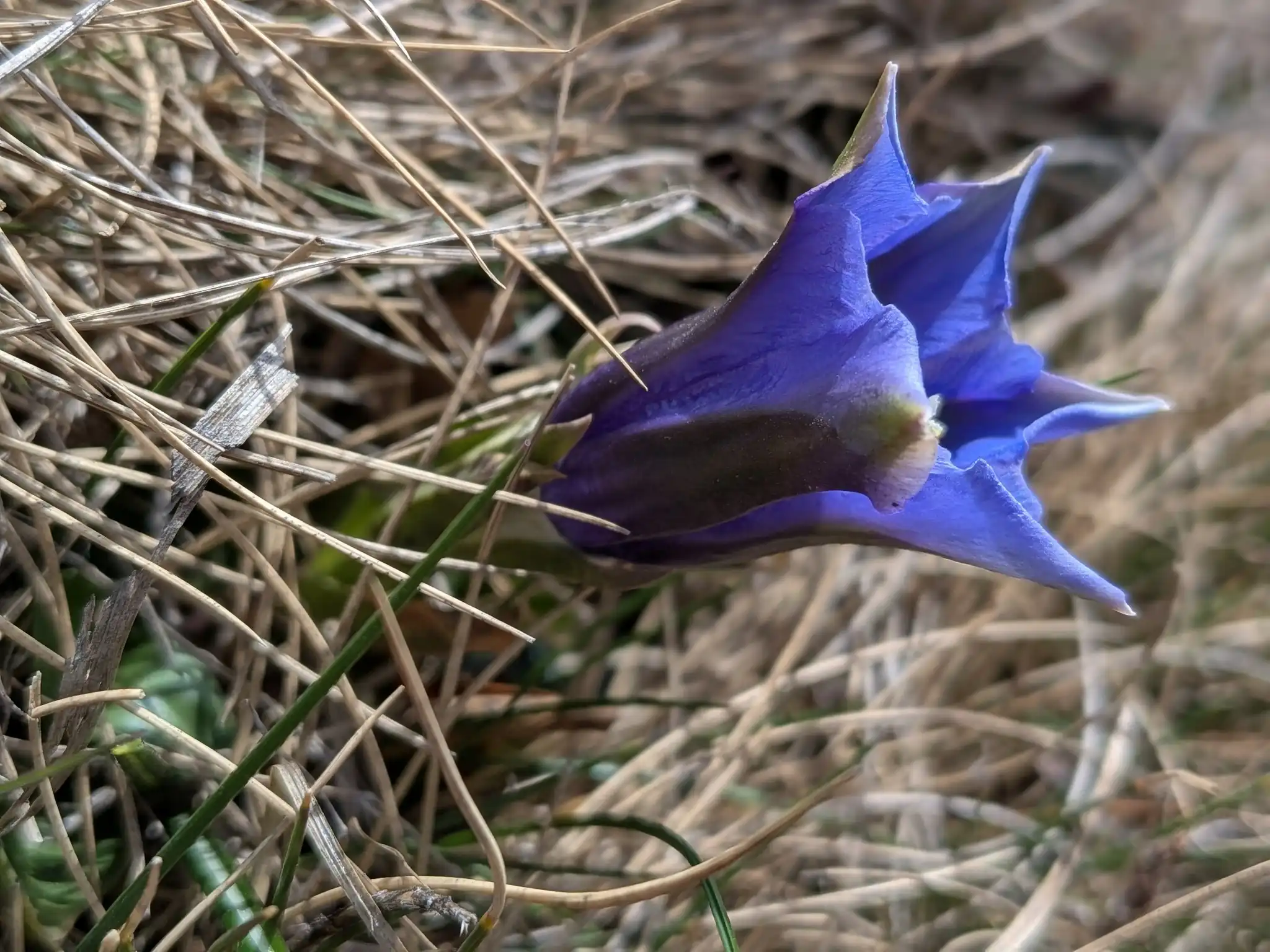
Gentiana acaulis is a low-growing, mat-forming alpine perennial native to the mountain ranges of central and southern Europe. It forms dense, carpet-like cushions of evergreen basal rosettes composed of thick, glossy green, leathery leaves.
The species is distinguished by its disproportionately large, upward-facing trumpet flowers of an intense deep blue with green-spotted throats. These virtually stemless blooms sit directly on top of the foliage cushion in late spring and early summer.
Uses & Benefits:
Essentials
At a Glance
Plant Type
Perennial
Height
6"
Width
9"
Light
Full Sun, Partial Sun
Zones
4, 5, 6, 7
Water
Consistent moisture
Humidity
Low
Lifespan
Perennial
Native To
Central and southern Europe
Toxicity
Non-toxic
Bloom period
Late spring – Early summer
In flower about 2 months of the year
Marketplace
Where to Buy
Shipping costs Year-round shipping Free shipping
Planting
How to Grow
- Select a planting site with full sun to partial shade, prioritizing morning sun and afternoon protection in warmer zones.
- Prepare a lean, gritty, humus-rich soil mix with exceptional drainage, such as an alpine trough or rockery pocket.
- Plant the rosettes so the crown sits level with the soil surface, avoiding deep planting that traps moisture.
- Water consistently during the active growing season to keep the soil evenly moist without allowing it to become waterlogged.
Pro Tip
Provide lean, gritty, highly porous soil and an explicit cold winter dormancy period; excess nitrogen fertilizer or rich, moisture-retentive soils will prevent blooming and cause rapid decline.
Keep It Thriving
Care Guide
Do
- Ensure absolute sharp drainage to prevent root rot.
- Remove spent flowers and dead foliage rosettes cleanly after flowering.
- Apply a light compost mulch or low-nitrogen organic fertilizer in early spring.
Don't
- Do not prune or cut back hard into old, bare, leafless wood.
- Do not apply heavy, high-nitrogen fertilizers which cause soft, disease-prone growth.
- Do not allow the soil to dry out completely during the active growing season.
- Do not plant in heavy, wet, or clay soils.
Seasonal Care Calendar
| Task | Jan | Feb | Mar | Apr | May | Jun | Jul | Aug | Sep | Oct | Nov | Dec |
|---|---|---|---|---|---|---|---|---|---|---|---|---|
| Deadhead | ||||||||||||
| Divide | ||||||||||||
| Fertilize | ||||||||||||
| Pest Check |
Watch Out For
Pests & Diseases
Common Pests
Common Diseases
In the Garden
Landscape Uses & Companions
Landscape Uses
Companion Plants
Multiply
Propagation Methods
Good to Know
Common Questions
Stemless Gentian questions
What zones can Stemless Gentian grow in?
Stemless Gentian is hardy in USDA Zones 4–7. Inside that range it survives winter in the ground; outside it, grow it as an annual or a container plant you protect.
Is Stemless Gentian deer resistant?
Not reliably. Deer may browse Stemless Gentian, especially tender spring growth — plan on repellents or fencing where pressure is high.
When does Stemless Gentian bloom?
Stemless Gentian typically blooms in late spring through early summer. Exact timing shifts a week or two with your zone — Sow's bloom calendar maps it to your garden.
Does Stemless Gentian need full sun?
Stemless Gentian does best in full sun to part shade. In hot climates, afternoon shade keeps blooms fresher longer.
More Gentiana to compare
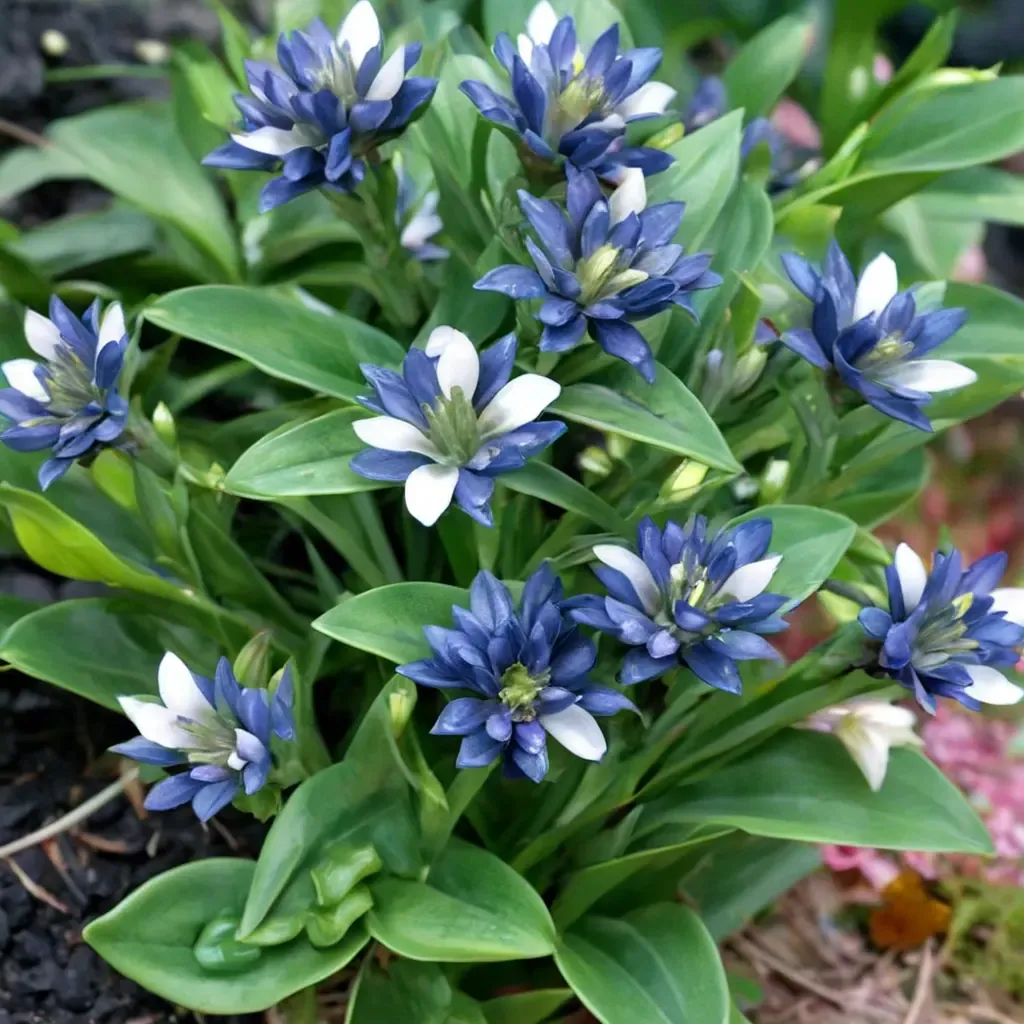
Cross Gentian
Gentiana cruciata 'Blue Cross Bottle Gentian'
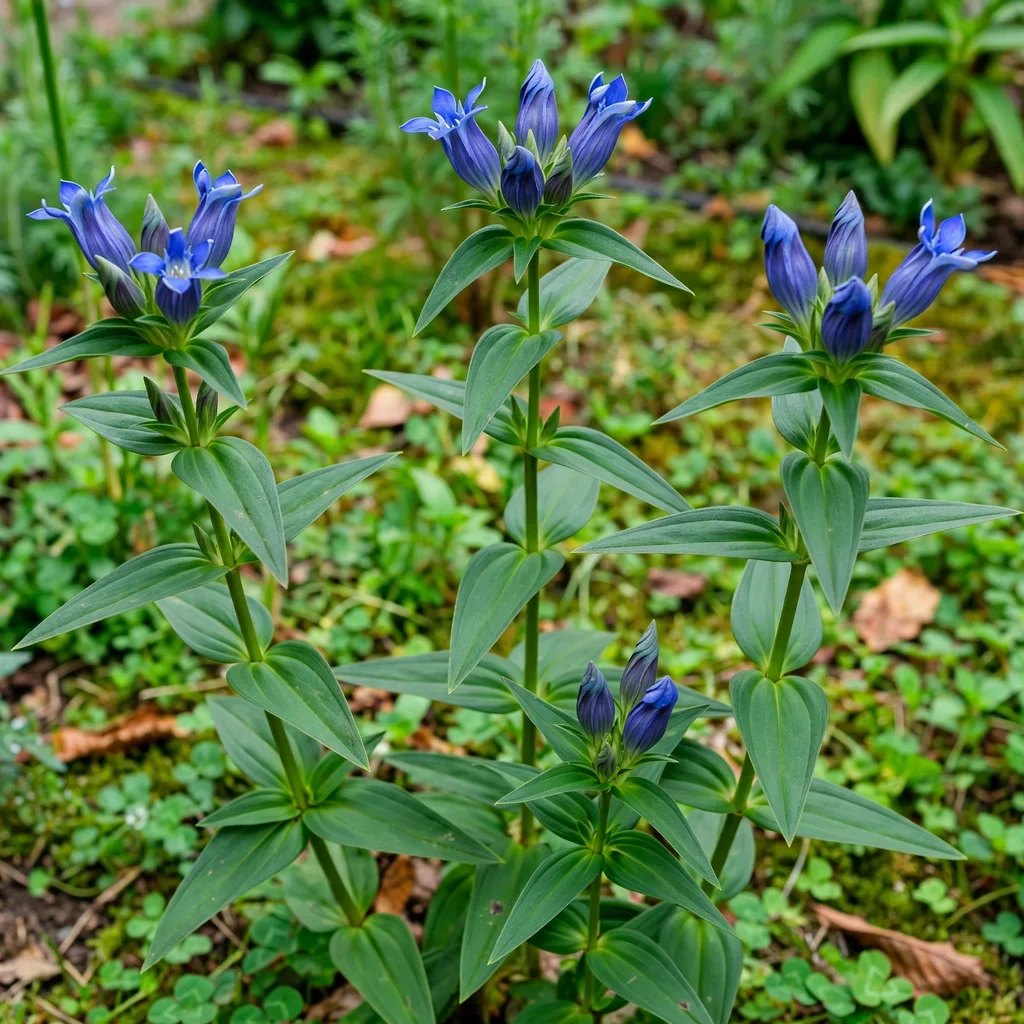
Soapwort Gentian
Gentiana saponaria
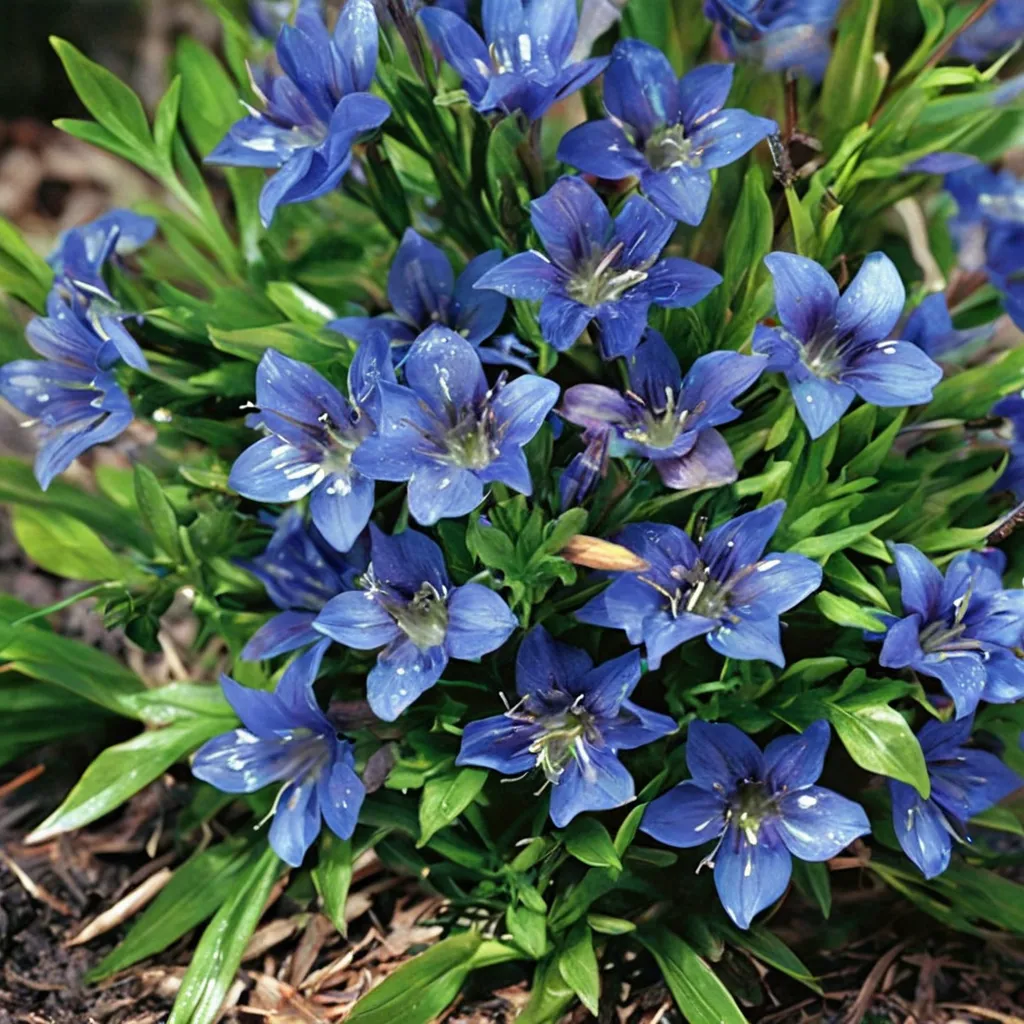
Crested Gentian
Gentiana septemfida 'lagodechiana'
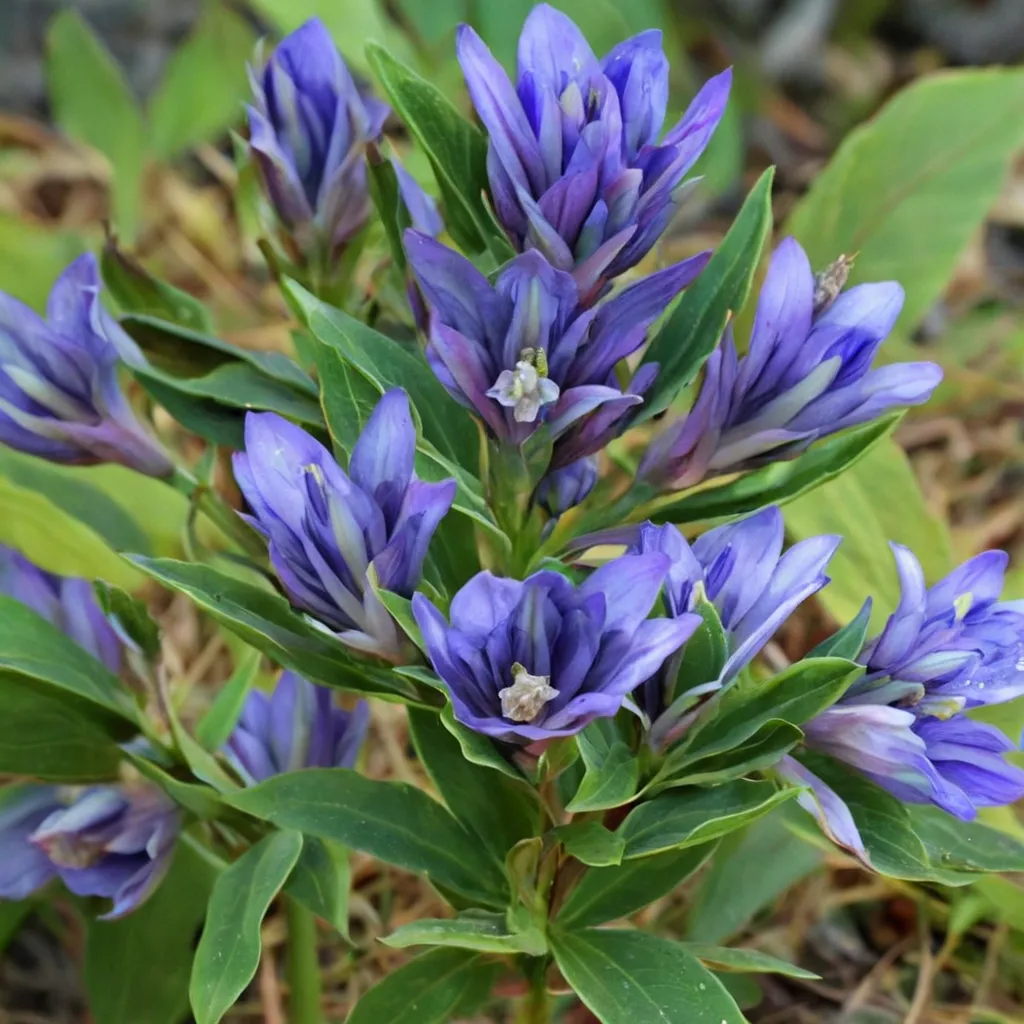
Catesby's Gentian
Gentiana catesbaei
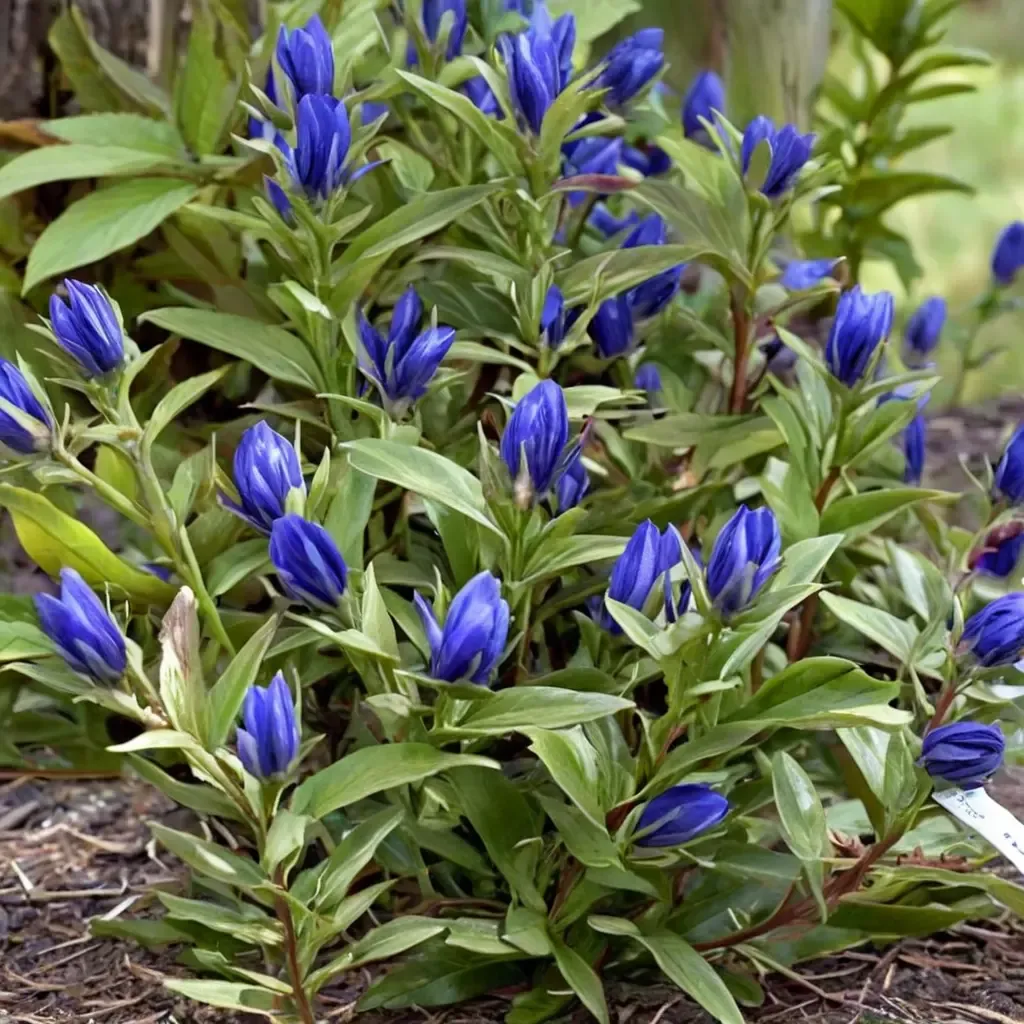
True Blue Gentian
Gentiana x hybrida 'True Blue'
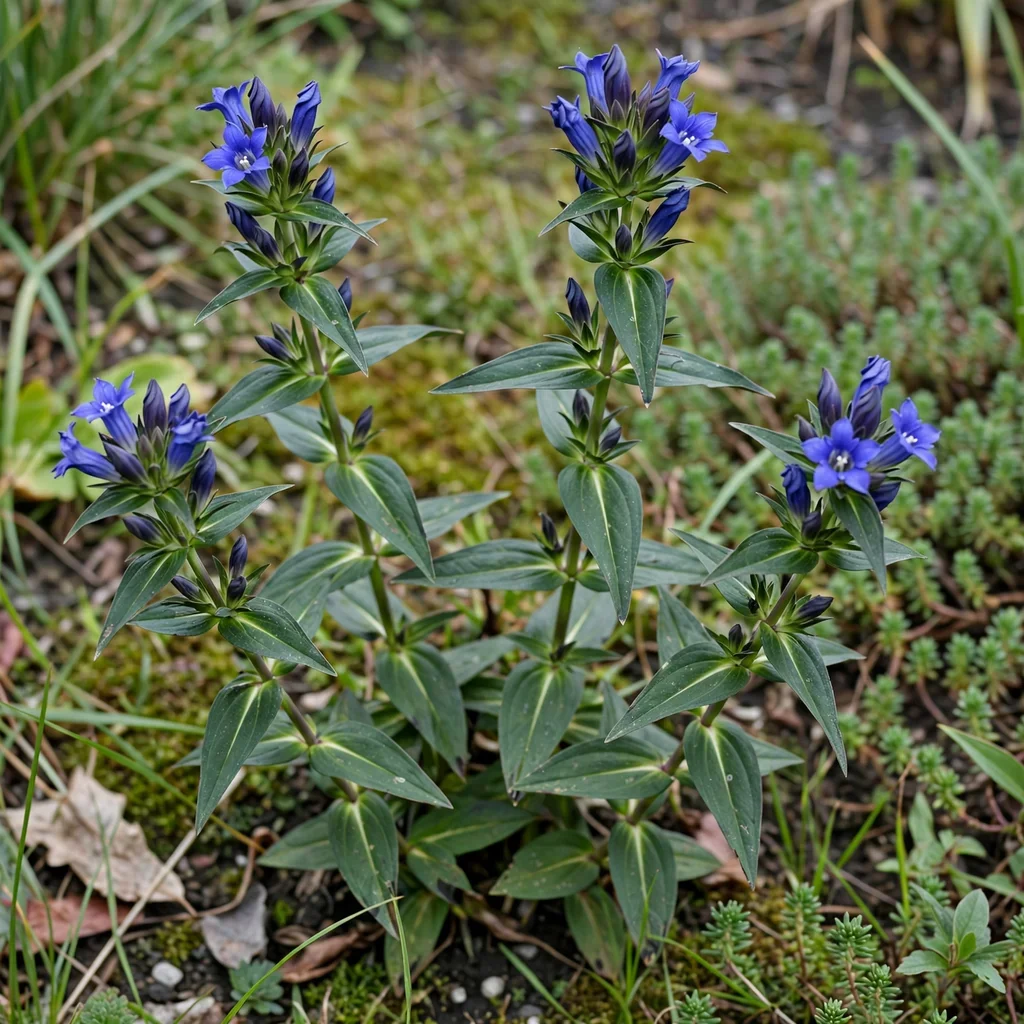
Japanese Gentian
Gentiana scabra
Keep exploring
Explore the genus
Hardy in your zone?
Grow Stemless Gentian with confidence
See it in a design of your actual yard, get zone-matched care reminders, and track it season by season in your garden journal.