The Story
Plant Bio
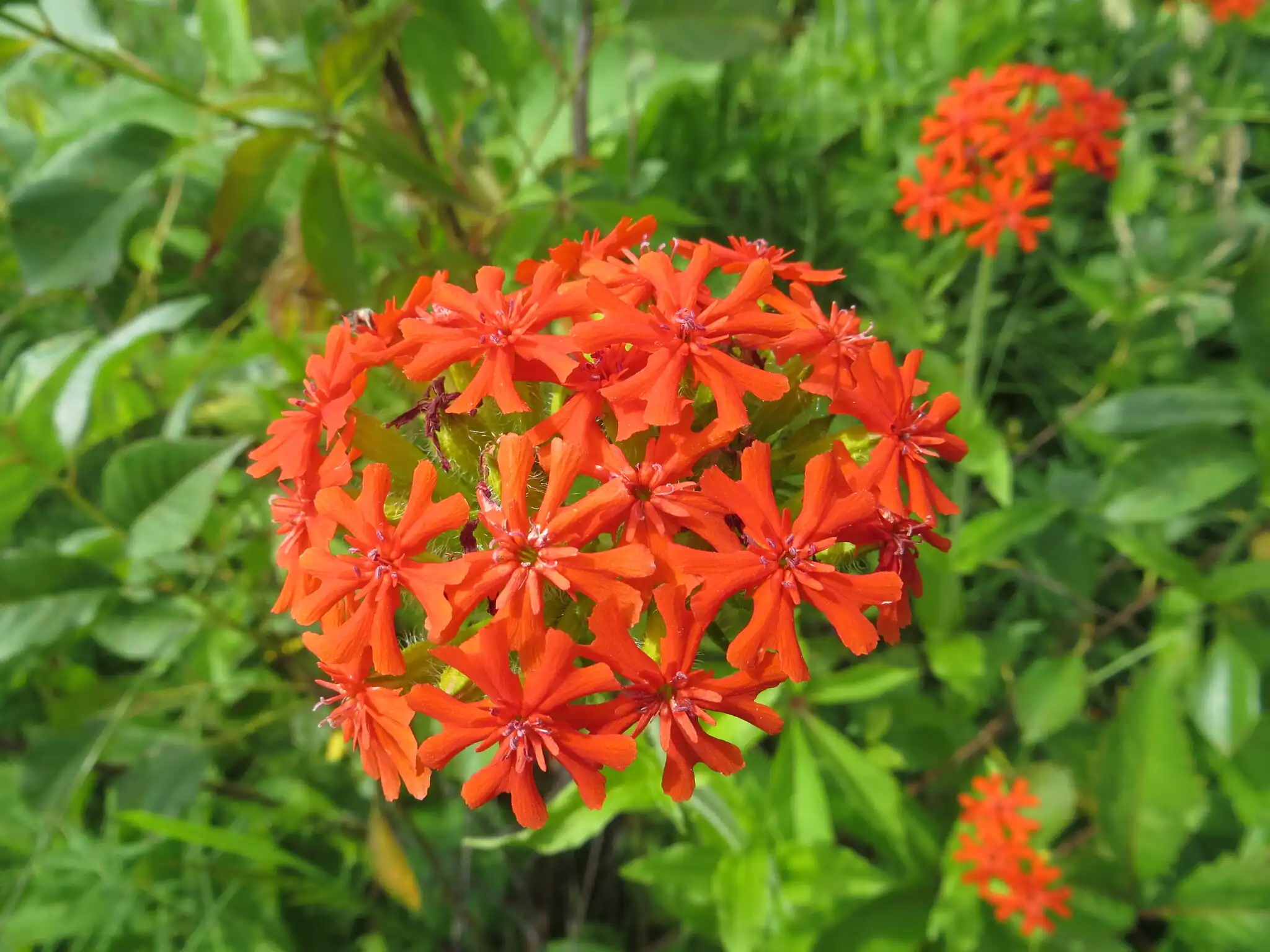
Silene chalcedonica is an erect, clump-forming herbaceous perennial native to Eurasia, characterized by stout, unbranched green stems and opposite, lanceolate leaves with rough margins. In summer, it produces dense, flat-topped terminal clusters of brilliant scarlet-red flowers, with each petal deeply notched into lobes that resemble a Maltese cross.
This species is highly valued in cottage gardens for its intense red summer display and its ability to attract hummingbirds and butterflies. Unlike many red-flowering perennials of similar appearance, it is fully hardy down to USDA Zone 3 and thrives in consistently moist meadow-like conditions.
Uses & Benefits:
Essentials
At a Glance
Plant Type
Perennial
Height
40"
Width
24"
Light
Full Sun, Partial Sun
Zones
4, 5, 6, 7, 8, 9
Water
Consistent moisture
Humidity
Moderate
Lifespan
Perennial
Native To
Eurasia
Toxicity
Non-toxic
Bloom period
Summer
In flower about 3 months of the year
Planting
How to Grow
- Select a site in full sun to partial shade with moist, well-drained loamy or sandy soil.
- Amend the planting area with organic matter to help retain consistent soil moisture.
- Space plants 12 to 24 inches apart to allow adequate air circulation and prevent powdery mildew.
- Water deeply and regularly during dry spells to keep the root zone from drying out completely.
Pro Tip
Avoid over-fertilizing, which causes the tall stems to become weak and floppy, requiring artificial staking. Plant in moist, organic-rich soil and maintain consistent moisture, as this species lacks the drought tolerance of desert-adapted red perennials.
Keep It Thriving
Care Guide
Do
- Deadhead spent flower clusters regularly to prolong the summer blooming period.
- Cut stems back to ground level in late fall after the foliage dies back.
- Divide mature clumps every three to four years in early spring to maintain plant vigor.
Don't
- Do not allow the soil to dry out completely, as the plant is intolerant of severe drought.
- Do not over-fertilize with high-nitrogen feeds, which leads to weak, floppy stems.
- Avoid planting in poorly drained, waterlogged soils where root rot can develop.
Seasonal Care Calendar
| Task | Jan | Feb | Mar | Apr | May | Jun | Jul | Aug | Sep | Oct | Nov | Dec |
|---|---|---|---|---|---|---|---|---|---|---|---|---|
| Deadhead | ||||||||||||
| Divide | ||||||||||||
| Fertilize | ||||||||||||
| Winter Prep |
Watch Out For
Pests & Diseases
Common Pests
Common Diseases
In the Garden
Landscape Uses & Companions
Landscape Uses
Companion Plants
Multiply
Propagation Methods
Good to Know
Common Questions
Maltese Cross questions
What zones can Maltese Cross grow in?
Maltese Cross is hardy in USDA Zones 4–9. Inside that range it survives winter in the ground; outside it, grow it as an annual or a container plant you protect.
Is Maltese Cross deer resistant?
Not reliably. Deer may browse Maltese Cross, especially tender spring growth — plan on repellents or fencing where pressure is high.
When does Maltese Cross bloom?
Maltese Cross typically blooms in summer through summer. Exact timing shifts a week or two with your zone — Sow's bloom calendar maps it to your garden.
Does Maltese Cross need full sun?
Maltese Cross does best in full sun to part shade. In hot climates, afternoon shade keeps blooms fresher longer.
More Silene to compare
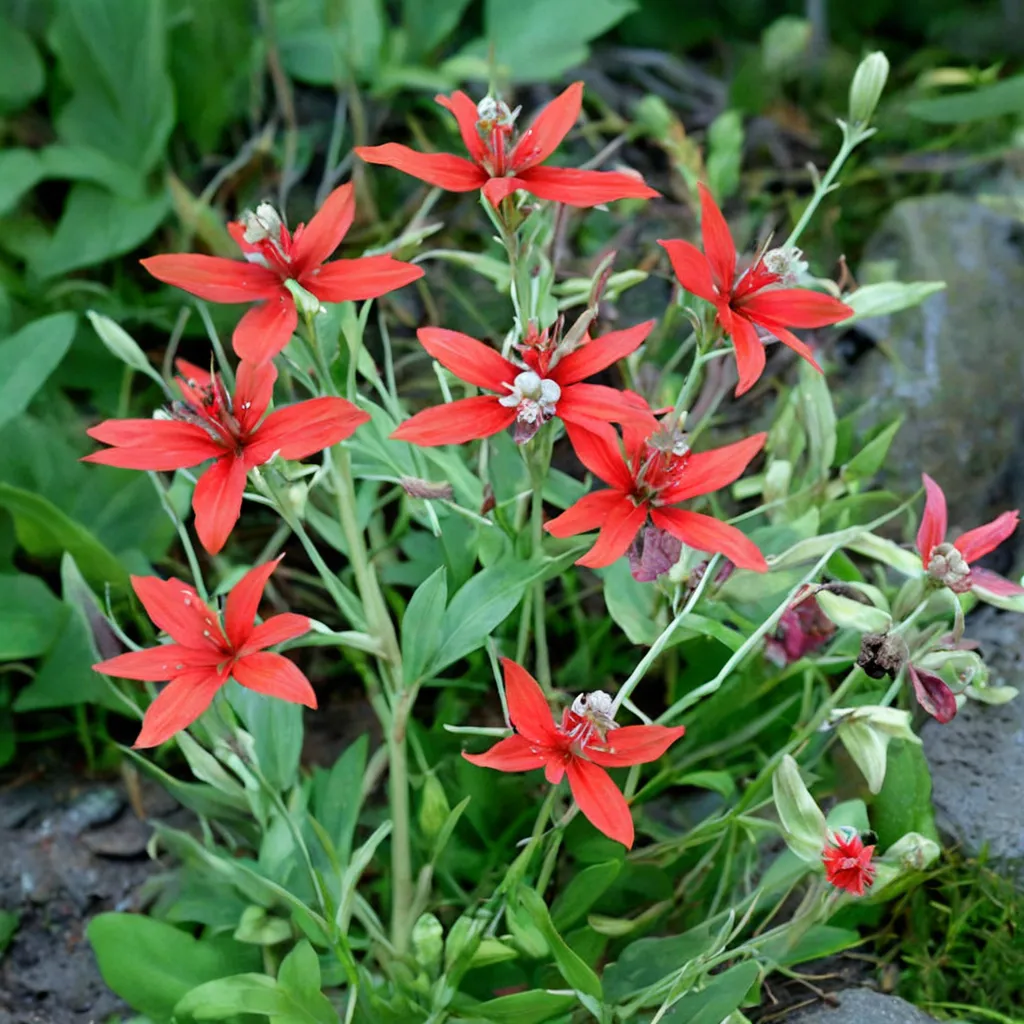
Fire Pink
Silene virginica 'Fire Pinks'
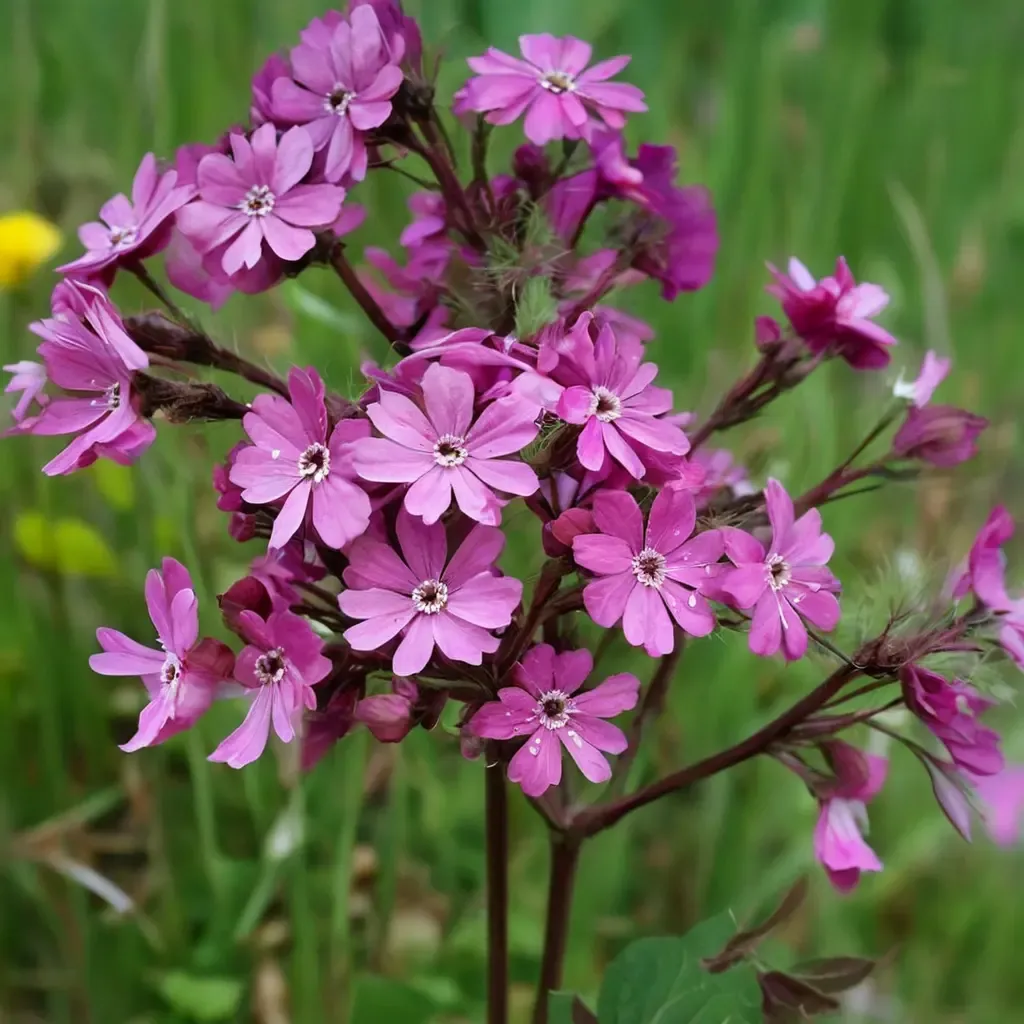
Red Campion
Silene dioica
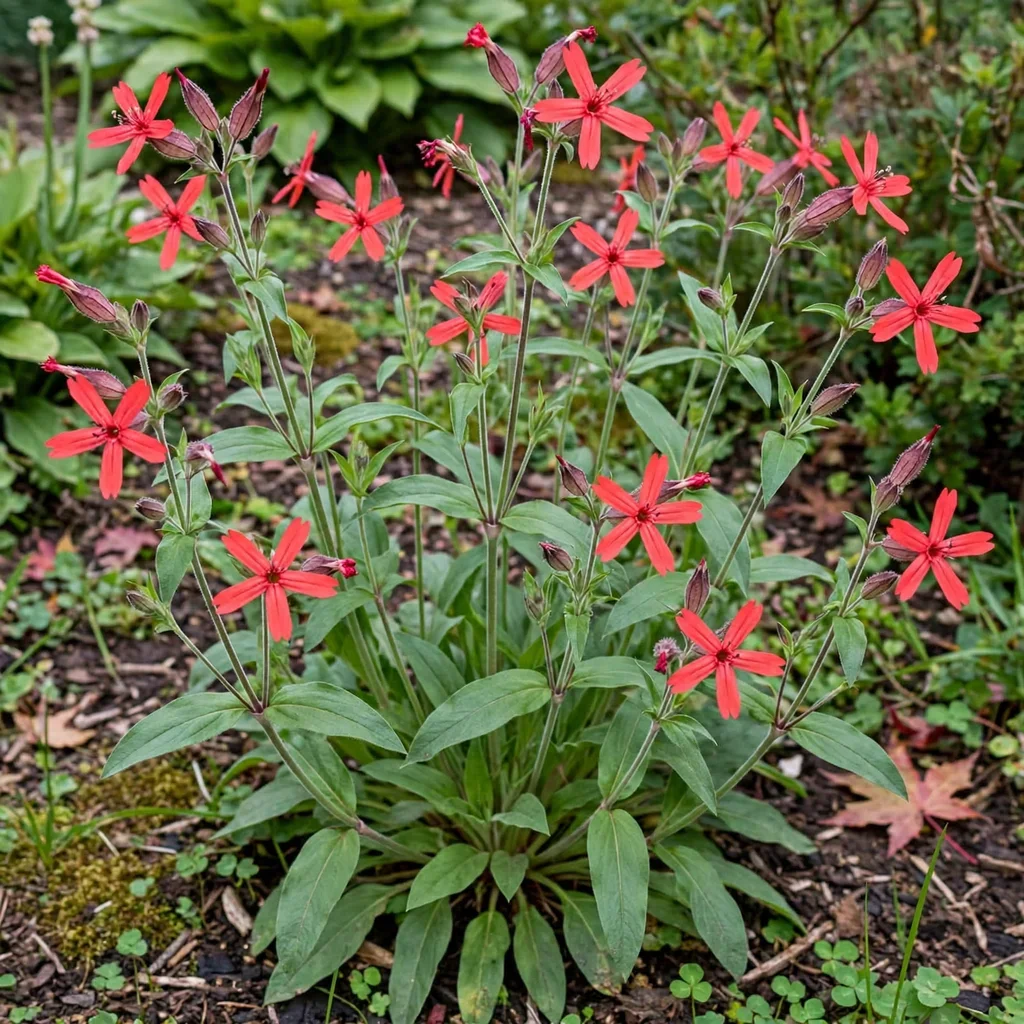
Jackson Valentine Fire Pink
Silene virginica 'Jackson Valentine'
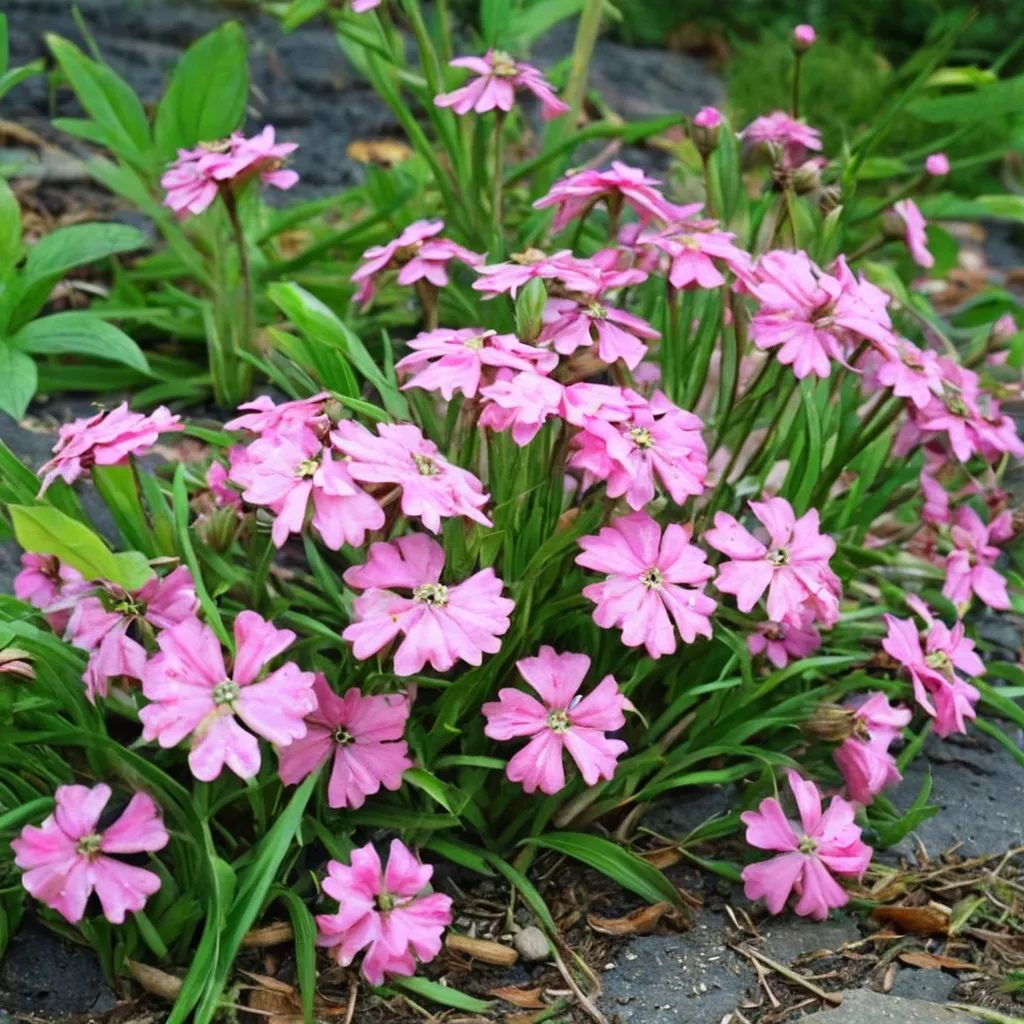
Wild Pink
Silene caroliniana 'Short and Sweet'
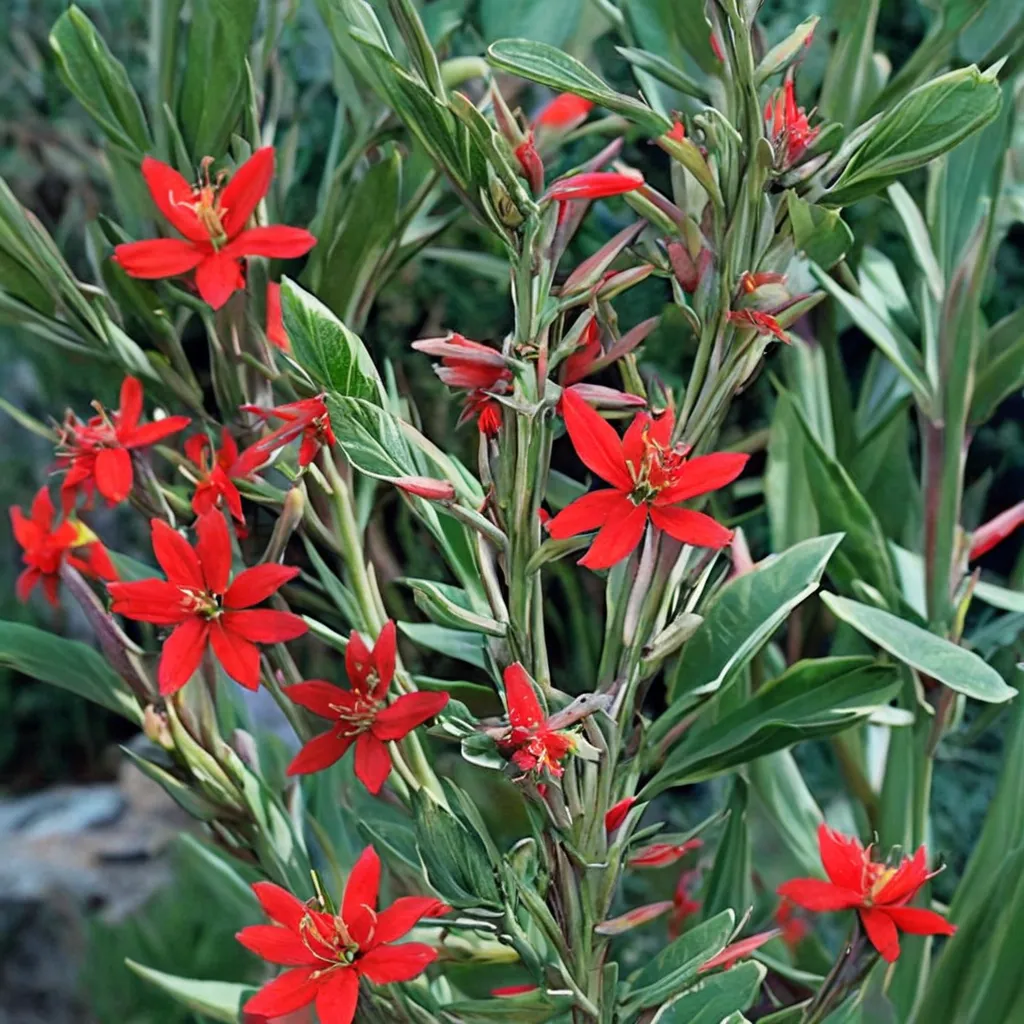
Prairie Fire Royal Catchfly
Silene regia 'Prairie Fire'
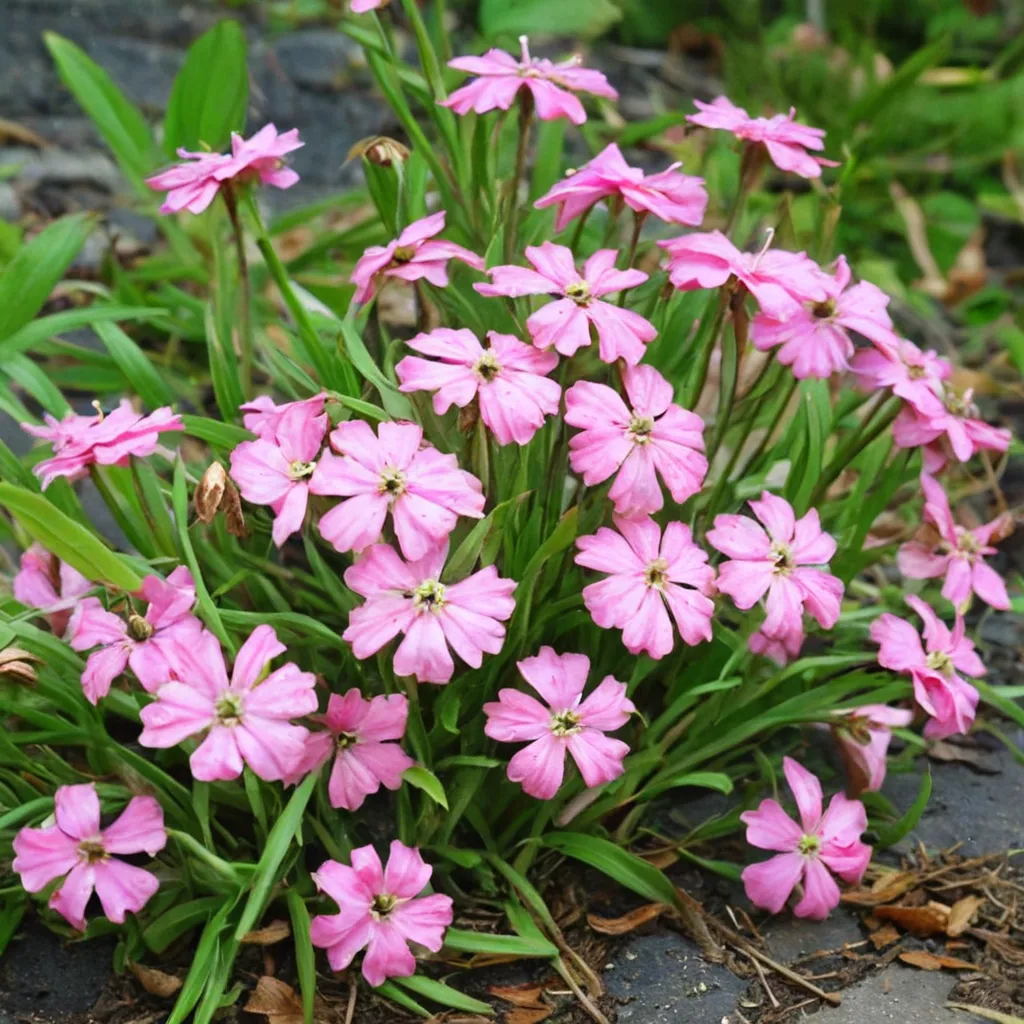
Short and Sweet Wild Pinks
Silene caroliniana 'Short Sweet'
Keep exploring
Explore the genus
Grow Maltese Cross with confidence
See it in a design of your actual yard, get zone-matched care reminders, and track it season by season in your garden journal.