The Story
Plant Bio
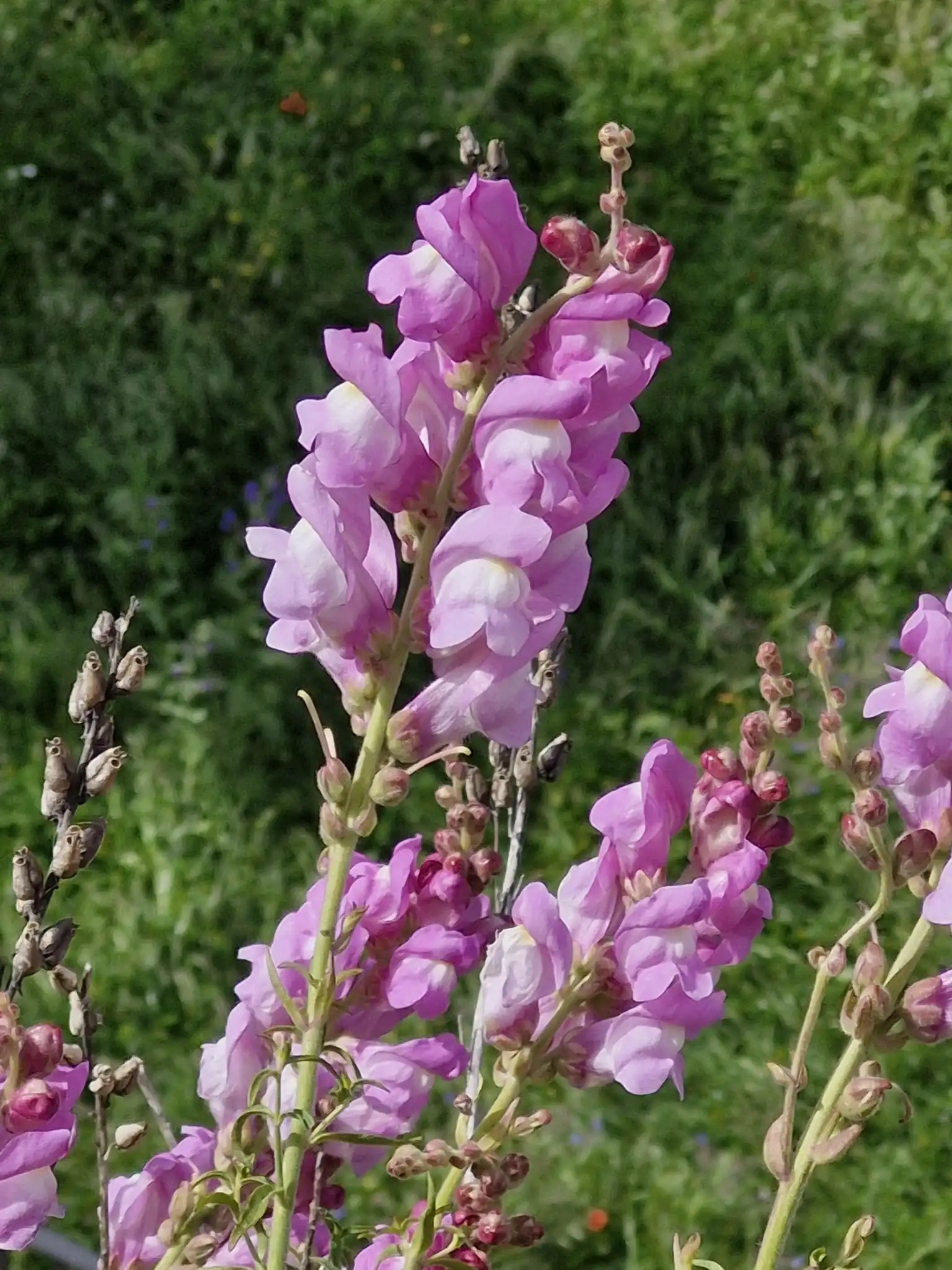
Antirrhinum australe is a small, herbaceous perennial native to the southern Iberian Peninsula and northern Morocco, forming a low, compact mound of lance-shaped to ovate green leaves. The plant produces terminal racemes of tubular, two-lipped flowers in shades of pink, purple, white, and pale yellow throughout spring and summer.
This species is highly adapted to rocky crevices and calcareous soils, exhibiting exceptional drought tolerance once its root system is established. Its compact, mounded growth habit makes it highly suited for rock gardens and dry stone walls where drainage is rapid.
Uses & Benefits:
Essentials
At a Glance
Plant Type
Perennial
Height
12"
Width
8"
Light
Full Sun, Partial Sun
Zones
7, 8, 9, 10
Water
Low
Humidity
Low to Moderate
Lifespan
Perennial
Native To
Southern Spain and Northern Morocco
Toxicity
Non-toxic
Bloom period
Spring – Summer
In flower about 6 months of the year
Planting
How to Grow
- Select a planting site that receives at least six hours of direct sunlight daily.
- Amend heavy soils with sand, gravel, or limestone to ensure rapid drainage and an alkaline to neutral pH.
- Space plants six to eight inches apart to accommodate their compact, mounded mature spread.
- Water sparingly after planting, allowing the soil to dry out completely between waterings to prevent root rot.
Pro Tip
Plant in highly porous, alkaline or neutral soil and avoid overwatering; excess moisture in heavy or organic soils rapidly triggers fatal root rot.
Keep It Thriving
Care Guide
Do
- Deadhead spent flower spikes regularly to encourage continuous blooming through summer.
- Provide a low-rate, balanced fertilizer once a month during the active spring and summer growing seasons.
- Grow in raised beds or rocky crevices to guarantee the high drainage this species requires.
Don't
- Do not overwater or allow the soil to become waterlogged, as wet roots quickly rot.
- Do not cut back into old, leafless woody stems when pruning, as this limits regrowth.
- Do not plant in highly organic, heavy clay soils that retain moisture.
Seasonal Care Calendar
| Task | Jan | Feb | Mar | Apr | May | Jun | Jul | Aug | Sep | Oct | Nov | Dec |
|---|---|---|---|---|---|---|---|---|---|---|---|---|
| Deadhead | ||||||||||||
| Fertilize | ||||||||||||
| Propagate | ||||||||||||
| Prune |
Watch Out For
Pests & Diseases
Common Pests
Common Diseases
In the Garden
Landscape Uses & Companions
Landscape Uses
Companion Plants
Multiply
Propagation Methods
Good to Know
Common Questions
Southern Snapdragon questions
What zones can Southern Snapdragon grow in?
Southern Snapdragon is hardy in USDA Zones 7–10. Inside that range it survives winter in the ground; outside it, grow it as an annual or a container plant you protect.
When does Southern Snapdragon bloom?
Southern Snapdragon typically blooms in spring through summer. Exact timing shifts a week or two with your zone — Sow's bloom calendar maps it to your garden.
Does Southern Snapdragon need full sun?
Southern Snapdragon does best in full sun to part shade. In hot climates, afternoon shade keeps blooms fresher longer.
Is Southern Snapdragon drought tolerant?
Yes — once established (usually after the first full season), Southern Snapdragon handles dry spells with minimal watering. Water deeply its first year to build the root system that makes that possible.
More Antirrhinum to compare
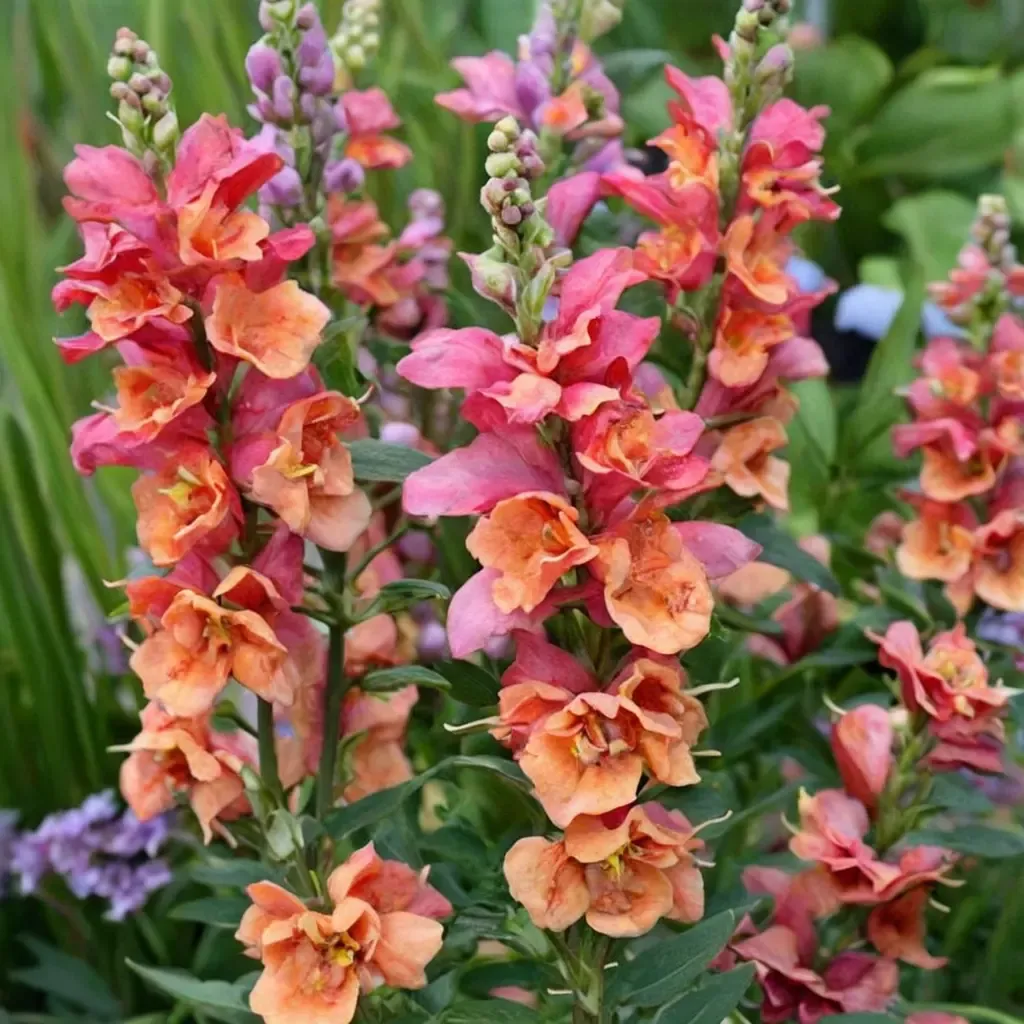
Double Azalea Bronze Snapdragons
Antirrhinum majus 'Double Azalea Bronze'
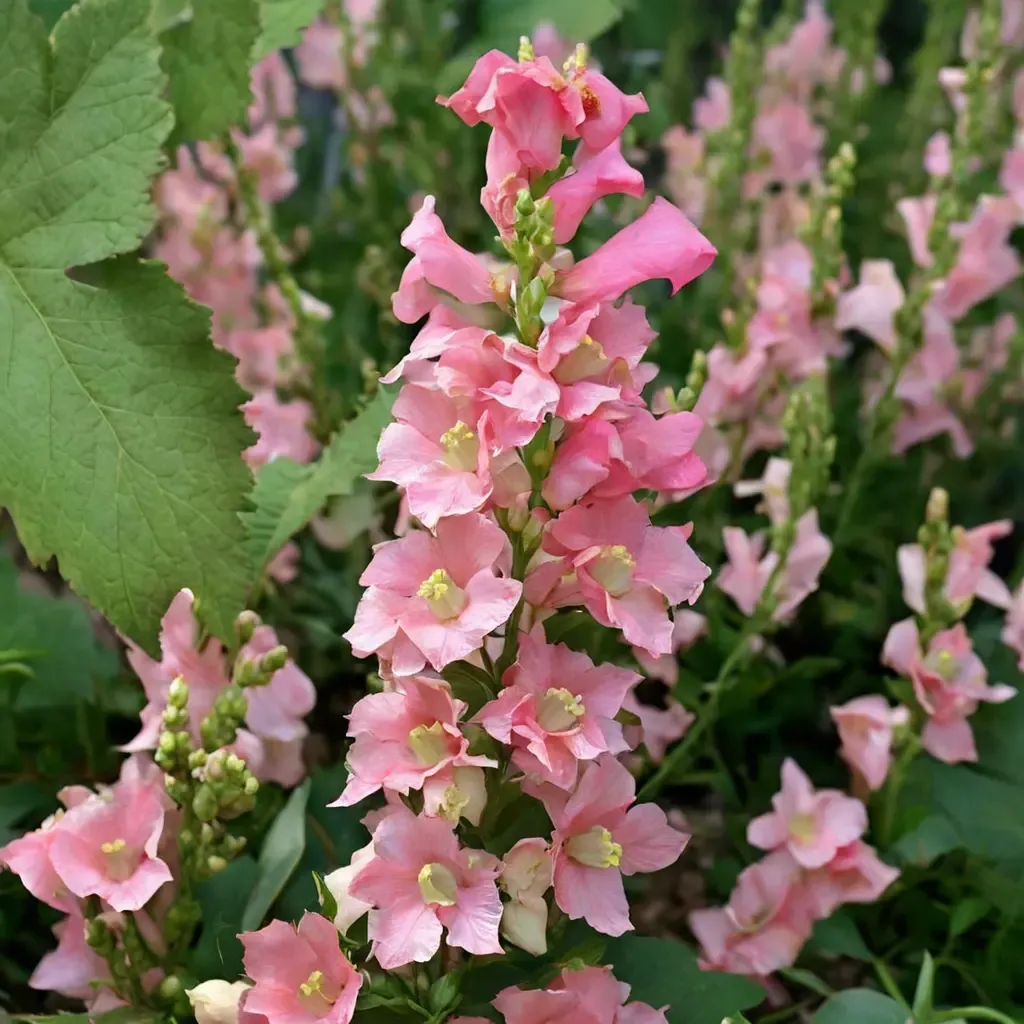
Chantilly Pink Snapdragon
Antirrhinum majus 'Chantilly Pink'
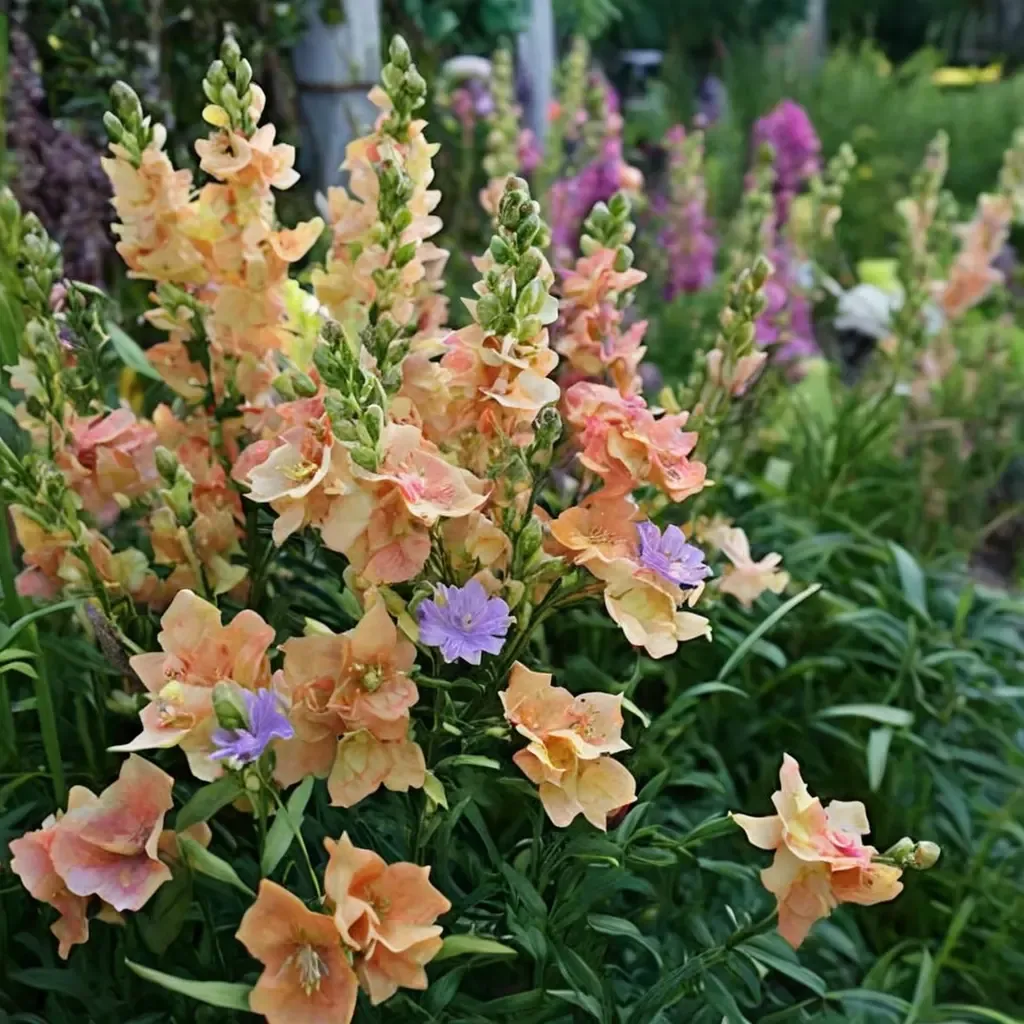
Snapdragon 'Chantilly Peach'
Antirrhinum majus 'Chantilly Peach'
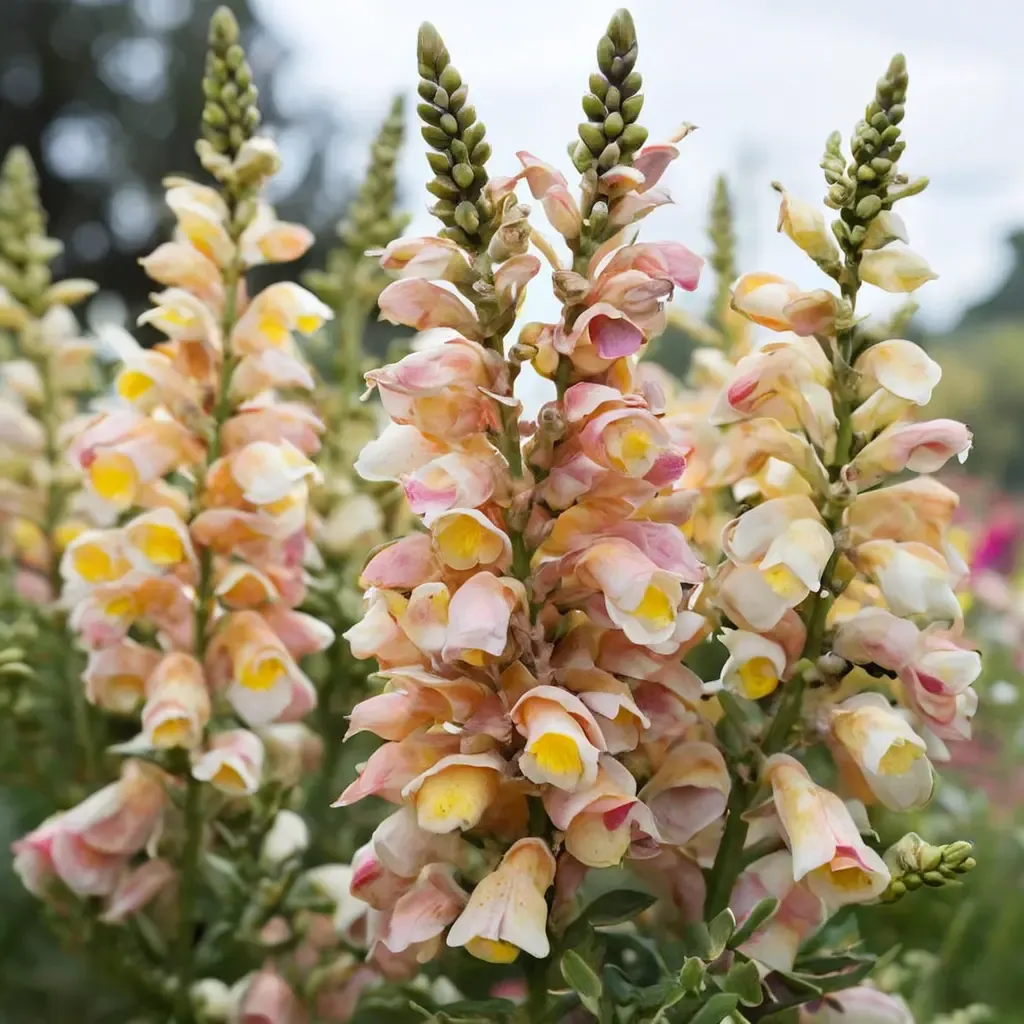
Costa Apricot Snapdragon
Antirrhinum majus 'Costa Apricot'
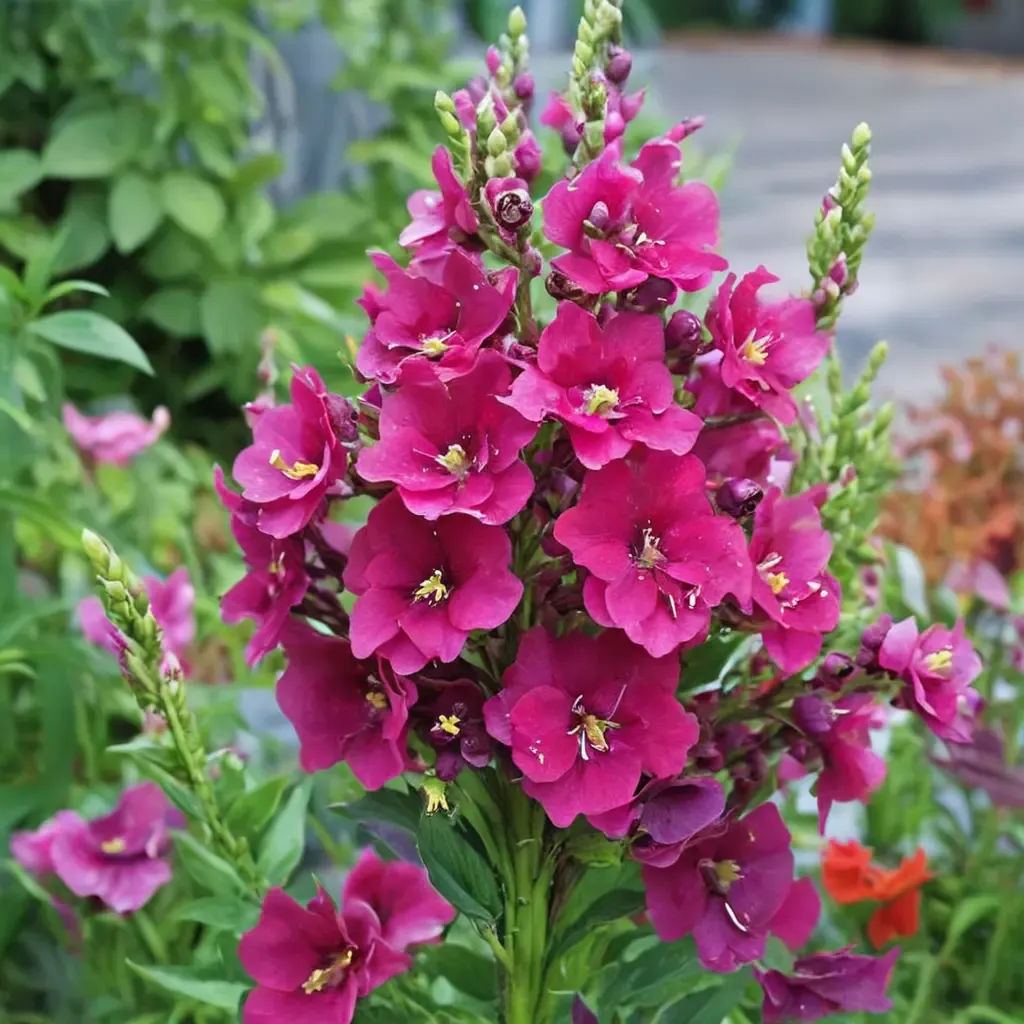
Chantilly Purple Snapdragon
Antirrhinum majus 'Chantilly Purple'
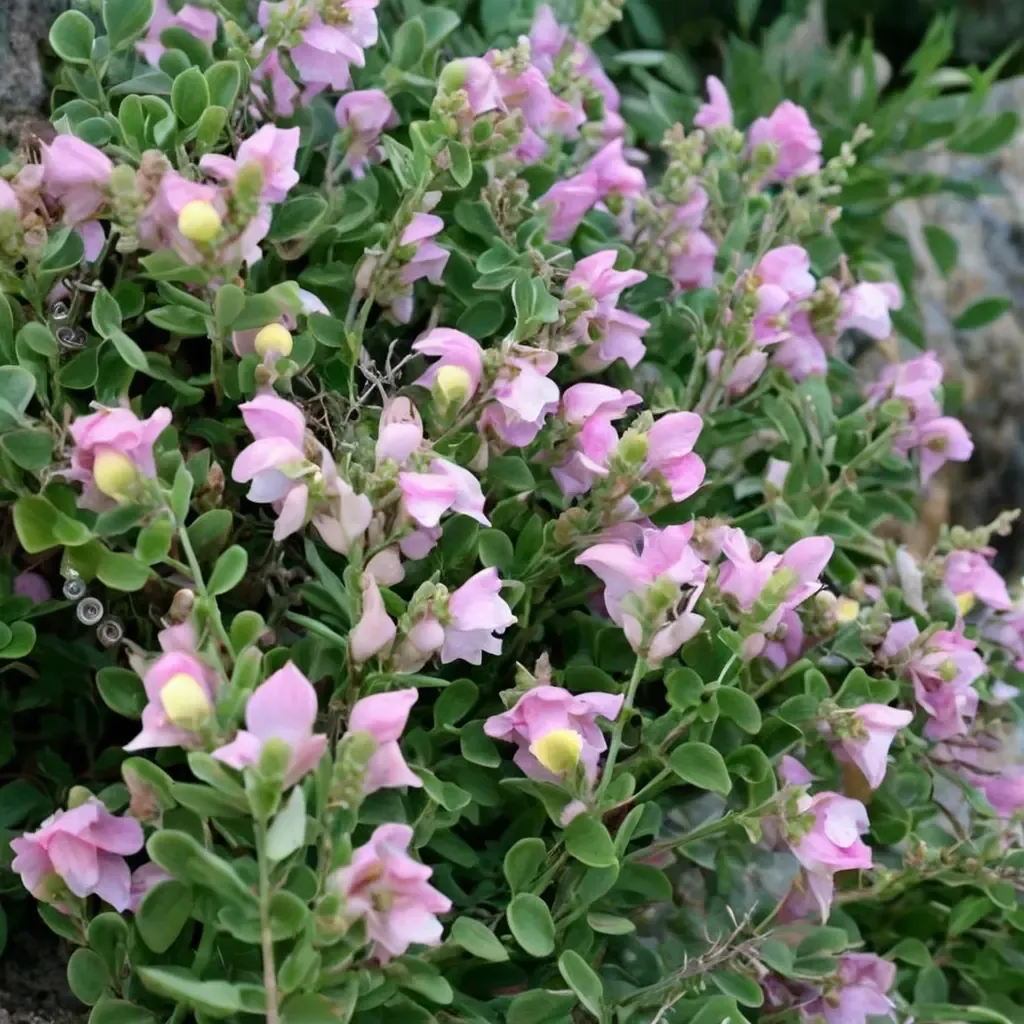
Spanish Snapdragon
Antirrhinum hispanicum
Keep exploring
Explore the genus
Hardy in your zone?
Grow Southern Snapdragon with confidence
See it in a design of your actual yard, get zone-matched care reminders, and track it season by season in your garden journal.