The Story
Plant Bio
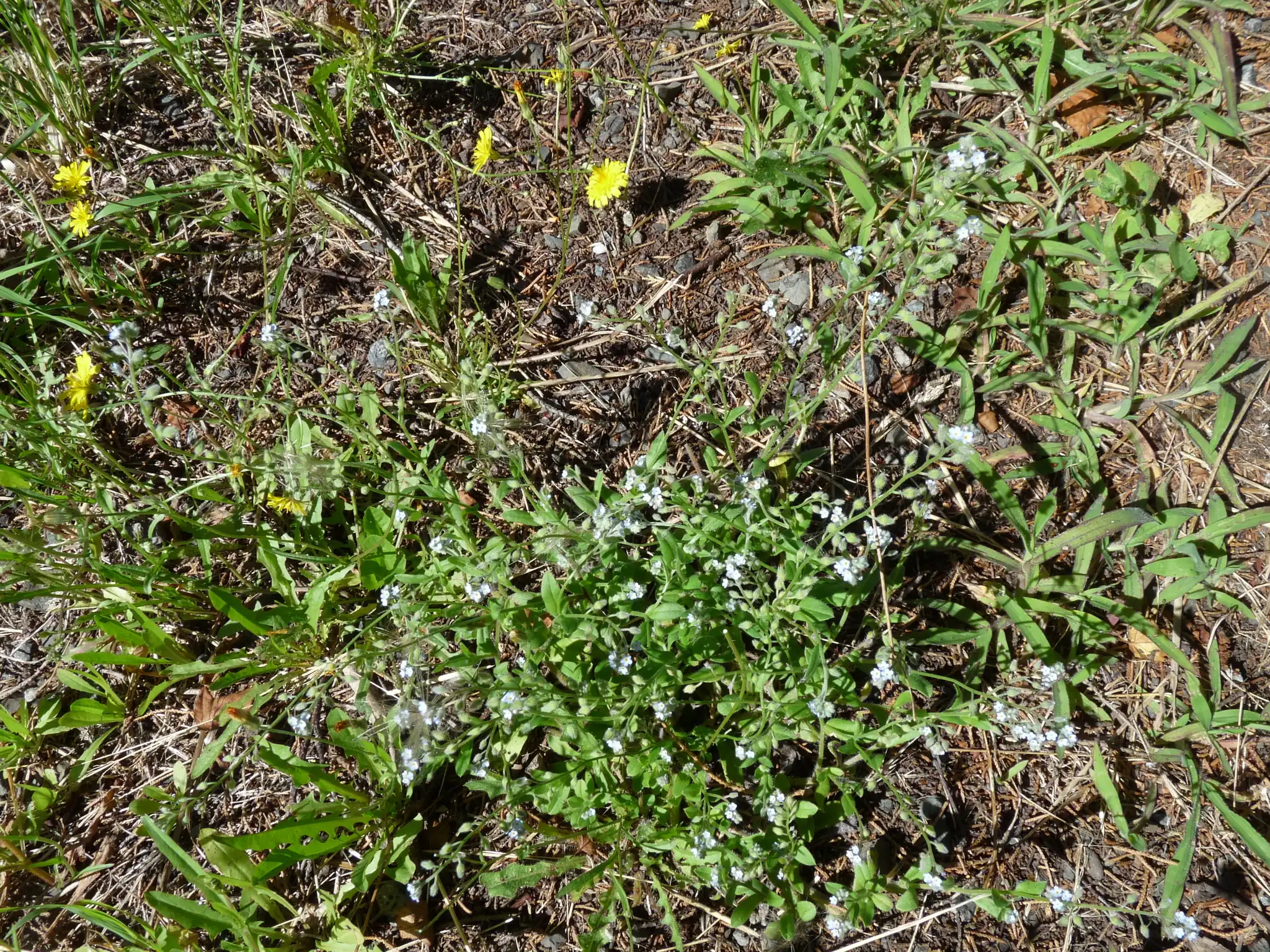
Myosotis arvensis, the field forget-me-not, is an upright, branching annual or short-lived biennial herb native to Europe, temperate Asia, and northwestern Africa. It produces small, sky-blue flowers with yellow or white throats arranged in terminal, coiled cymes that unroll as they bloom.
This species is distinguished by its dry-land adaptability and lanceolate leaves covered in stiff, coarse hairs. Unlike its moisture-loving wetland relatives, it thrives in well-drained agricultural fields, lawns, and disturbed soils.
Uses & Benefits:
Essentials
At a Glance
Plant Type
Annual
Height
16"
Width
12"
Light
Full Sun, Partial Sun
Zones
4, 5, 6, 7, 8, 9
Water
Low to moderate
Humidity
Moderate
Lifespan
Annual, biennial, or short-lived perennial
Native To
Europe, temperate Asia, northwestern Africa
Toxicity
Non-toxic to pets; foliage hairs can irritate skin
Bloom period
Spring – Summer
In flower about 6 months of the year
Planting
How to Grow
- Sow seeds directly into well-drained, loamy or sandy soil in spring or late summer.
- Select a site that receives full sun to partial shade and has a neutral to slightly acidic pH.
- Water moderately during establishment, keeping the soil moist but never waterlogged.
- Thin seedlings to twelve inches apart to allow adequate air circulation and prevent powdery mildew.
Pro Tip
Deadhead spent flower spikes immediately after blooming to prevent aggressive self-seeding, as this species naturalizes rapidly in open soil.
Keep It Thriving
Care Guide
Do
- Deadhead regularly to control self-seeding.
- Wear gloves when handling to avoid skin irritation from the stiff foliar hairs.
- Grow in well-drained soil to prevent root rot.
Don't
- Do not over-fertilize, as excess nutrients trigger weak, vegetative overgrowth at the expense of flowers.
- Do not plant in waterlogged or poorly drained soils.
- Do not allow the soil to dry out completely during prolonged hot spells.
Seasonal Care Calendar
| Task | Jan | Feb | Mar | Apr | May | Jun | Jul | Aug | Sep | Oct | Nov | Dec |
|---|---|---|---|---|---|---|---|---|---|---|---|---|
| Deadhead | ||||||||||||
| Pest Check | ||||||||||||
| Propagate | ||||||||||||
| Prune |
Watch Out For
Pests & Diseases
Common Pests
Common Diseases
In the Garden
Landscape Uses & Companions
Landscape Uses
Companion Plants
Multiply
Propagation Methods
Good to Know
Common Questions
Field Forget-Me-Not questions
What zones can Field Forget-Me-Not grow in?
Field Forget-Me-Not is hardy in USDA Zones 4–9. Inside that range it survives winter in the ground; outside it, grow it as an annual or a container plant you protect.
Is Field Forget-Me-Not deer resistant?
Not reliably. Deer may browse Field Forget-Me-Not, especially tender spring growth — plan on repellents or fencing where pressure is high.
When does Field Forget-Me-Not bloom?
Field Forget-Me-Not typically blooms in spring through summer. Exact timing shifts a week or two with your zone — Sow's bloom calendar maps it to your garden.
Does Field Forget-Me-Not need full sun?
Field Forget-Me-Not does best in full sun to part shade. In hot climates, afternoon shade keeps blooms fresher longer.
Is Field Forget-Me-Not drought tolerant?
Yes — once established (usually after the first full season), Field Forget-Me-Not handles dry spells with minimal watering. Water deeply its first year to build the root system that makes that possible.
More Myosotis to compare
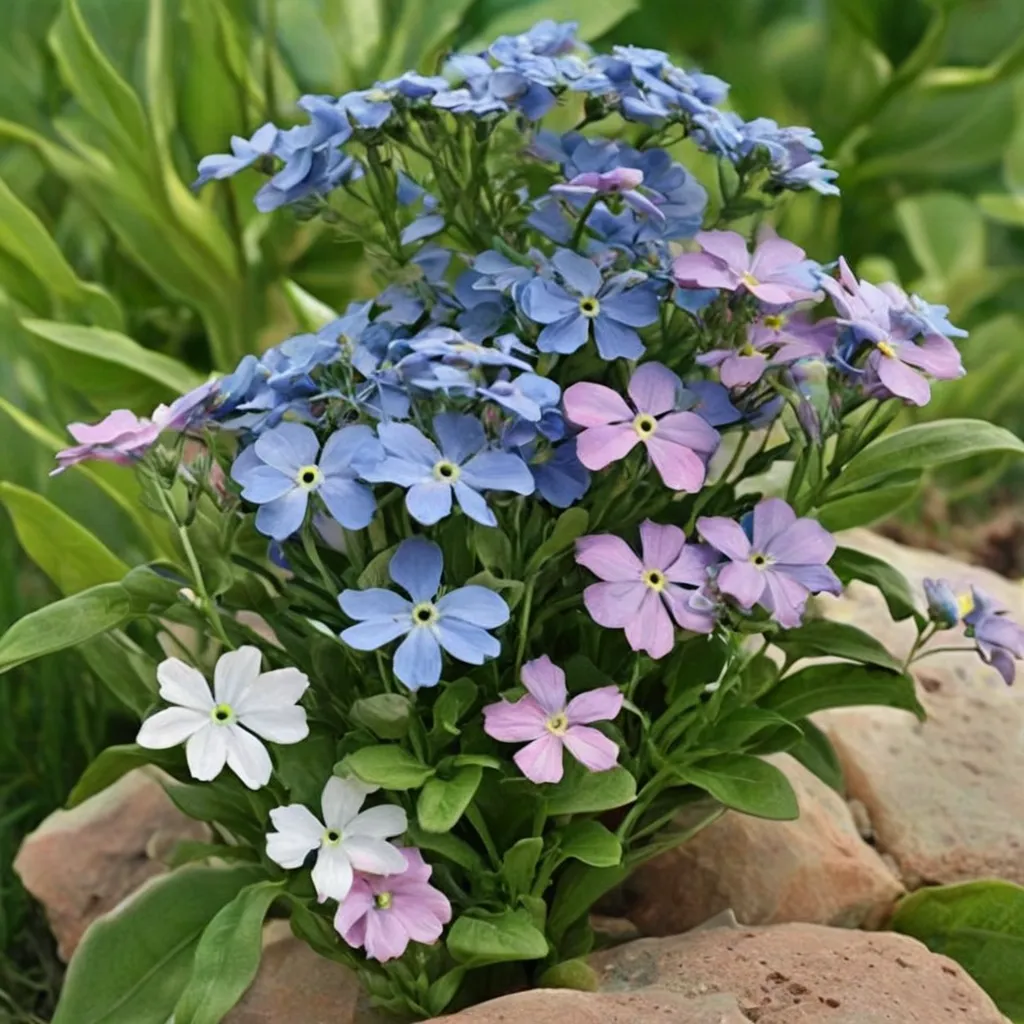
Forget-me-not
Myosotis sylvatica 'Mon Amie Mix'
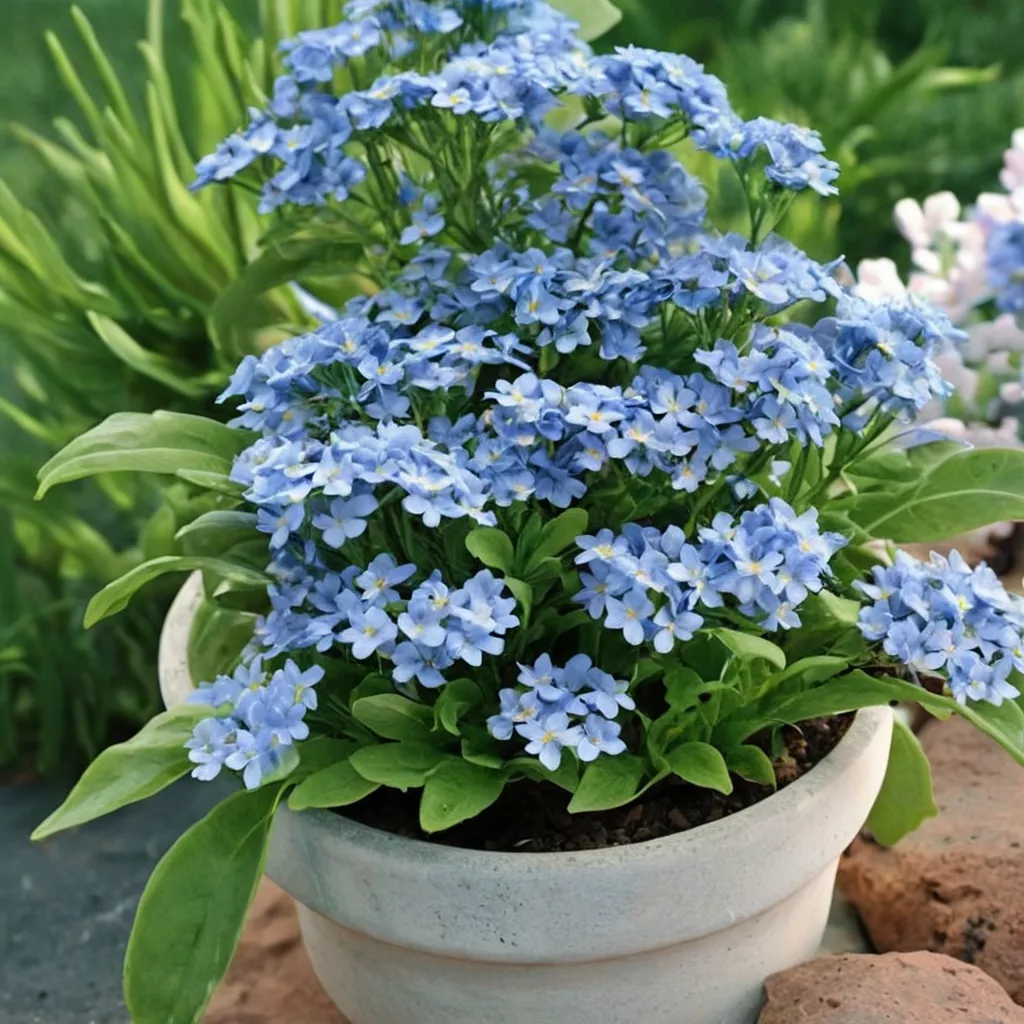
Mon Amie Blue Woodland Forget-me-not
Myosotis sylvatica 'Mon Amie Blue'
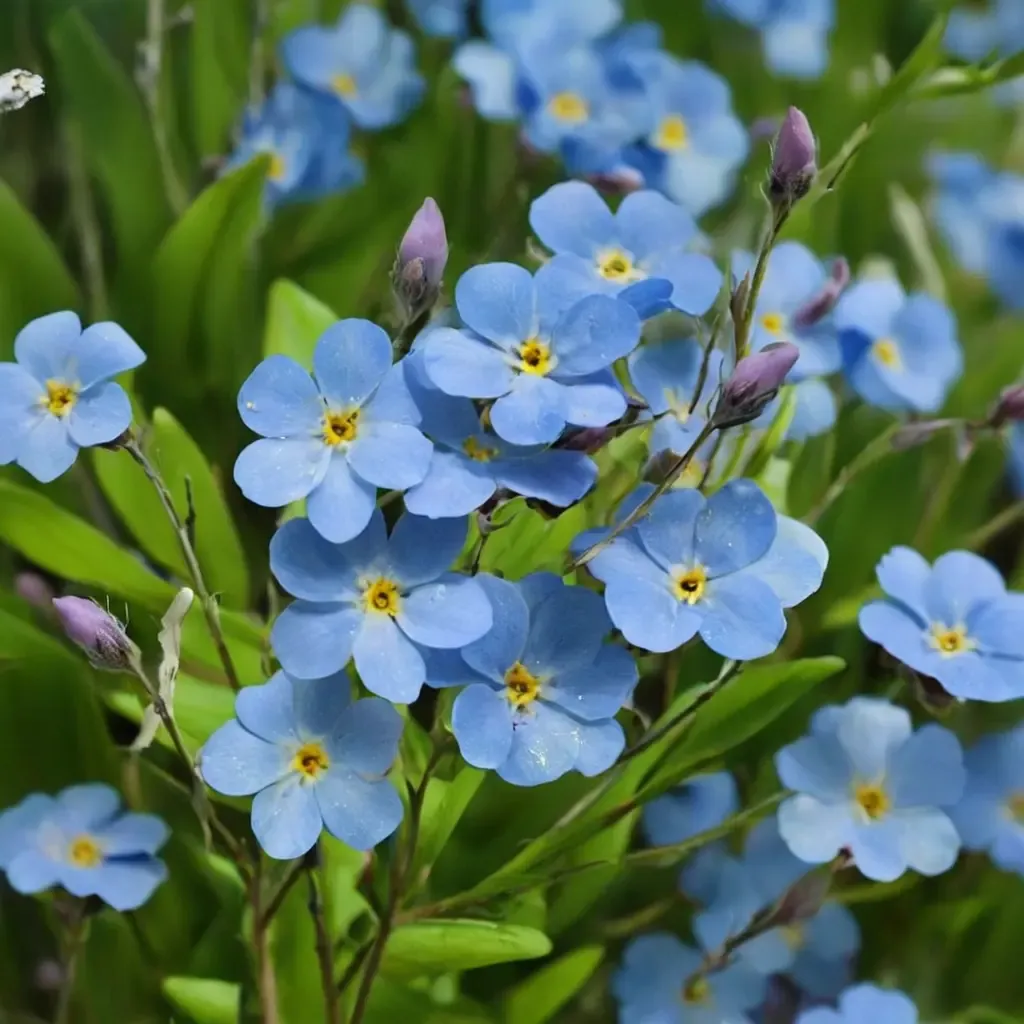
Woodland Forget-Me-Not
Myosotis sylvatica
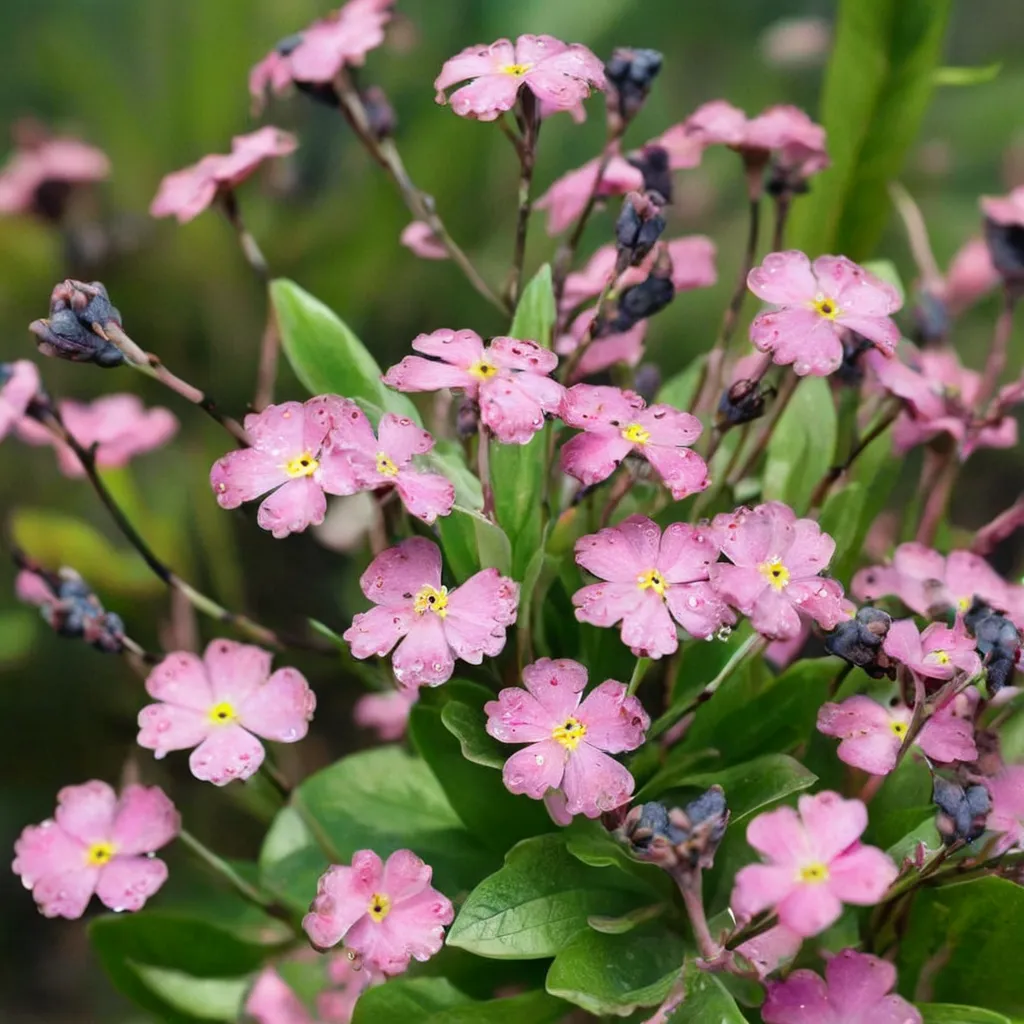
Forget-me-not RosePink
Myosotis x hybrida 'RosePink'
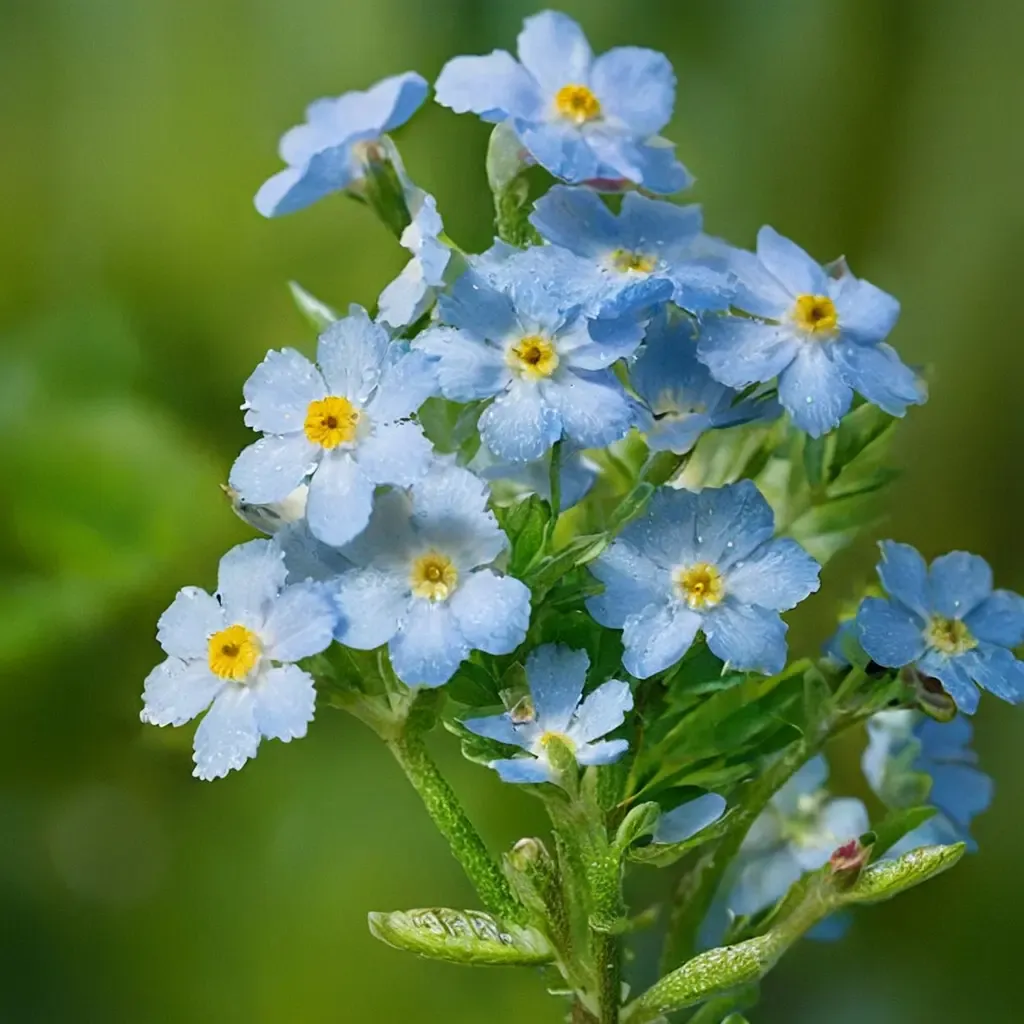
Water Forget-me-not
Myosotis scorpioides
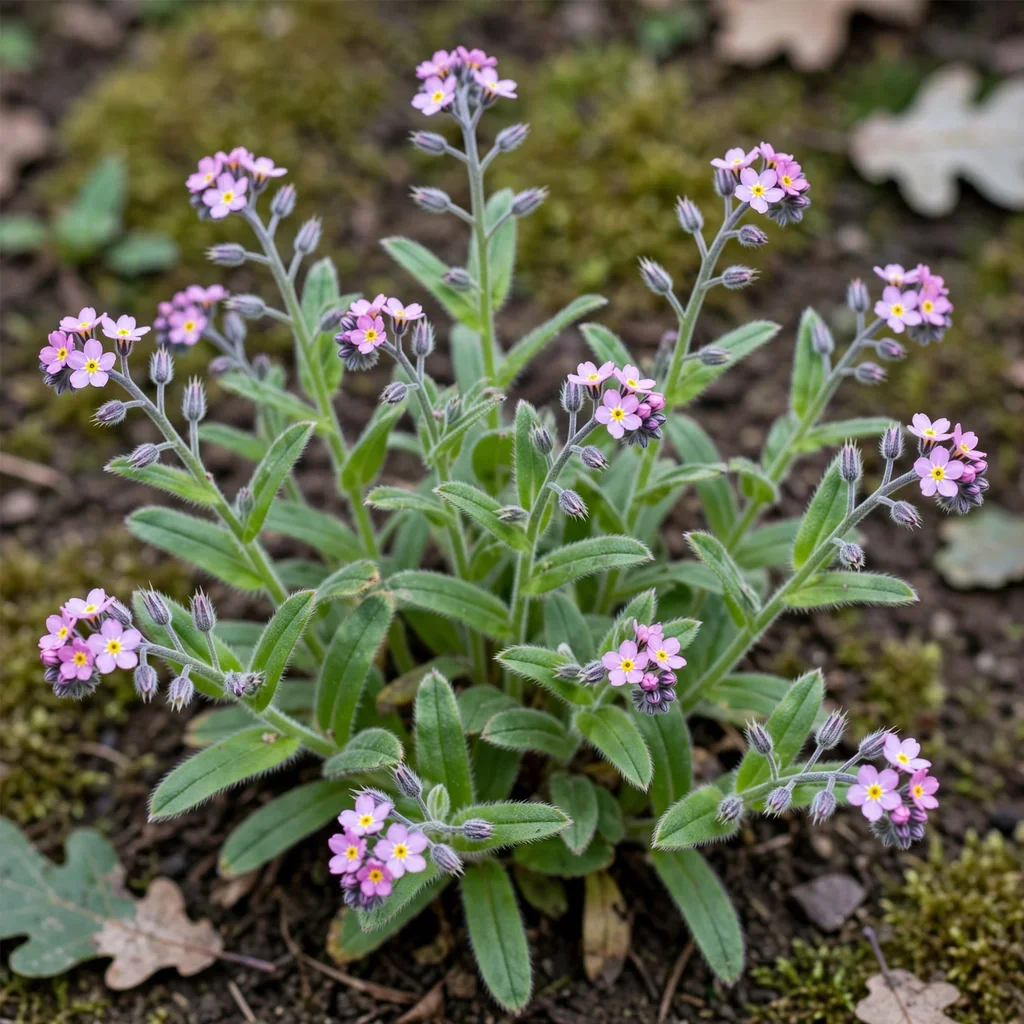
Woodland Forget-me-not 'Rosylva'
Myosotis sylvatica 'Sylva Rosylva'
Keep exploring
Explore the genus
Grow Field Forget-Me-Not with confidence
See it in a design of your actual yard, get zone-matched care reminders, and track it season by season in your garden journal.