1 named cultivar
The Story
Plant Bio
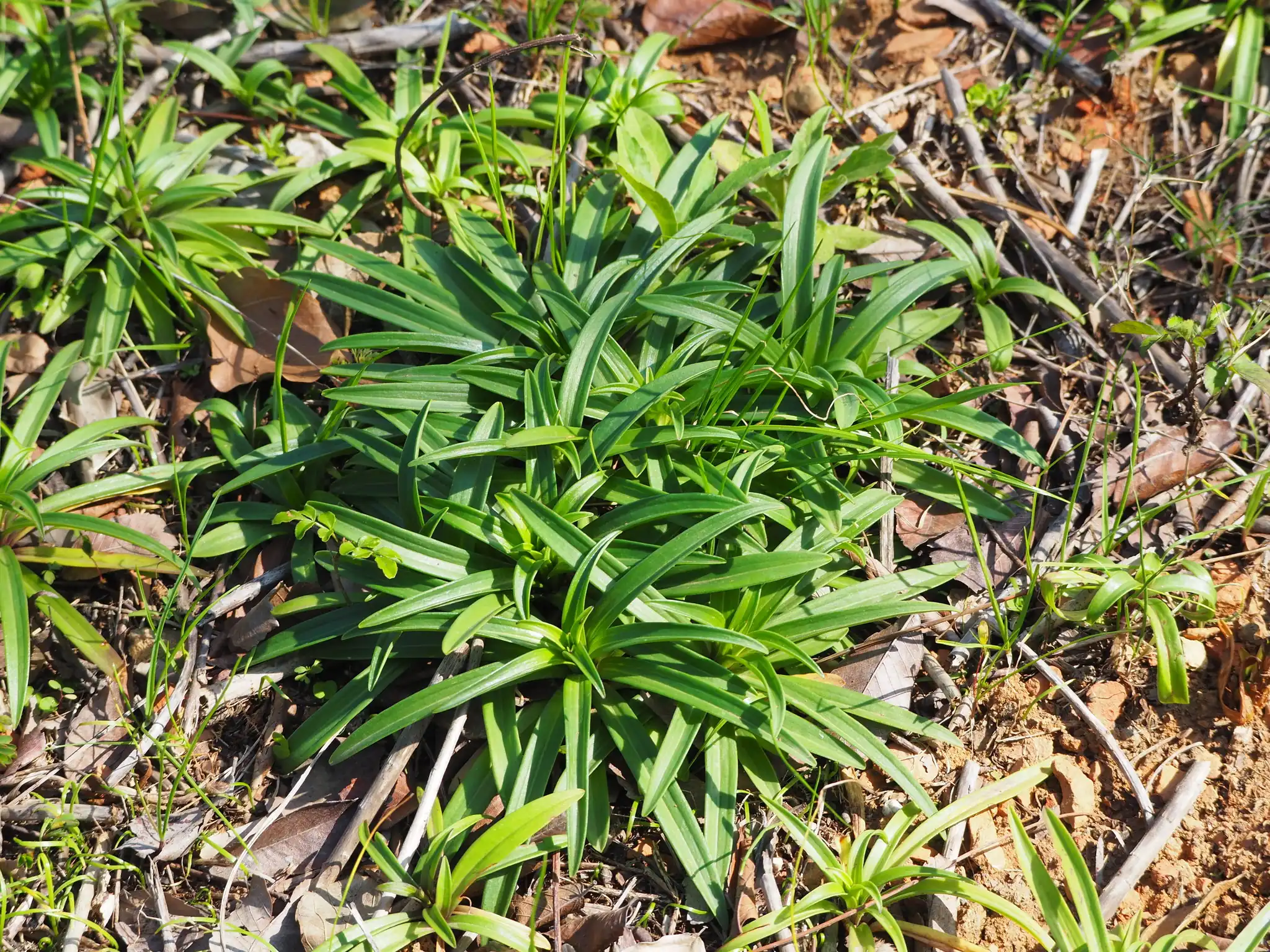
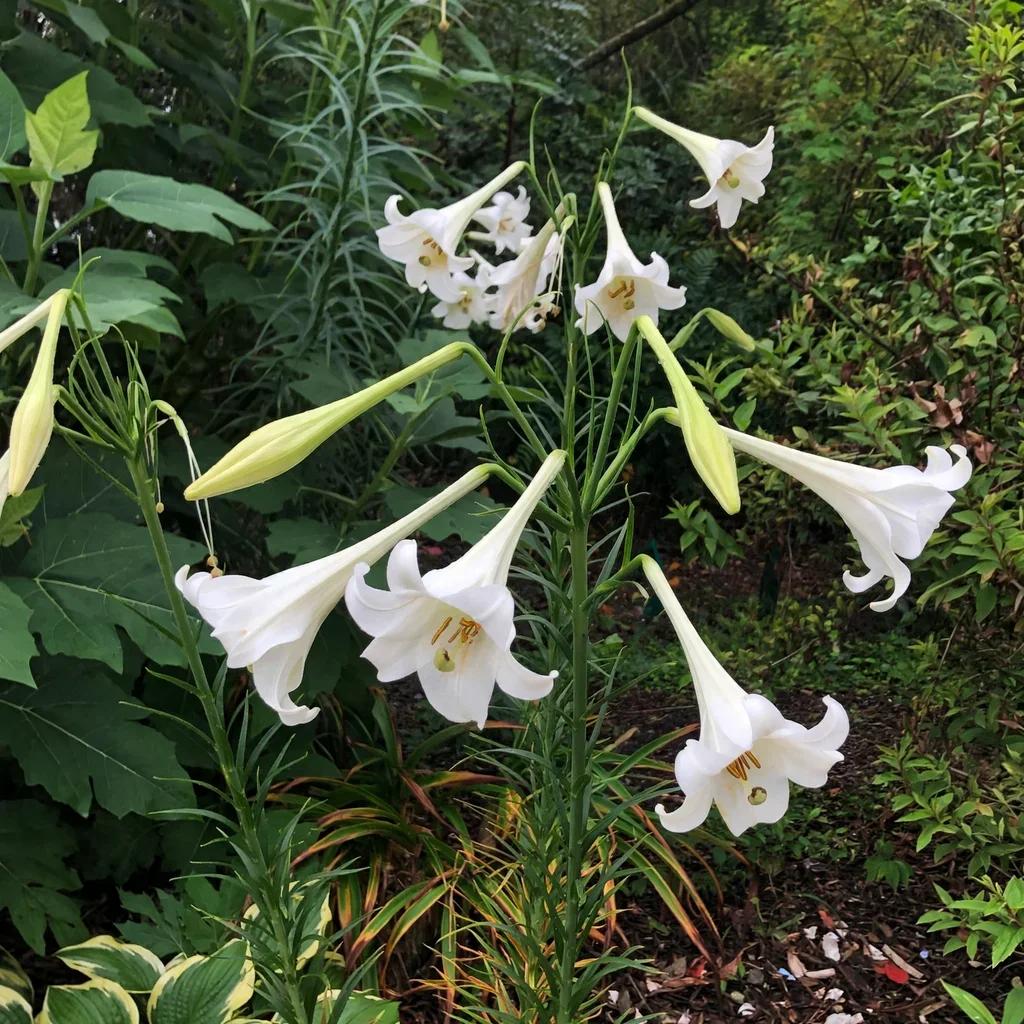
Lilium formosanum, Formosa lily, is a tall bulbous perennial from Taiwan, reaching four to seven feet. Narrow lance-shaped leaves clothe slender upright stems, and enormous trumpet flowers over six inches long open in late summer and autumn, pure white inside and streaked wine-purple on the outside, with a powerful evening scent.
Every part of a true lily is lethally toxic to cats — pollen brushed onto fur, a chewed leaf, even water from the vase causes fatal kidney failure. Do not have this plant in a home with cats. In the garden it is remarkable: it flowers in its first or second year from seed, unusually fast for a lily, and the upright seedpods dry well for arrangements.
Uses & Benefits:
Essentials
At a Glance
Plant Type
Bulb Corm Tuber
Height
66"
Width
30"
Light
Full Sun, Partial Sun
Zones
6, 7, 8, 9
Water
Moderate
Humidity
Moderate
Lifespan
Perennial
Native To
Taiwan
Toxicity
Fatally toxic to cats; all parts
Planting
How to Grow
- Do not grow it where cats have access.
- Plant bulbs in full sun to partial shade.
- Give it deep, freely draining soil.
- Stake tall stems in exposed positions.
- Leave the upright seedpods for winter interest.
- Expect flowers within a year or two from seed.
Pro Tip
It flowers within a year or two from seed, which almost no other lily does — so it can be raised from a packet rather than bought as bulbs.
Keep It Thriving
Care Guide
Do
- Keep it away from cats entirely 🐈
- Give it deep, well-drained soil 🌱
- Stake tall stems if exposed 🪝
- Leave seedpods for drying 🌾
Don't
- Bring it into a home with cats ❌
- Plant it in wet or heavy soil ❌
- Cut the leaves off green ❌
Seasonal Care Calendar
| Task | Jan | Feb | Mar | Apr | May | Jun | Jul | Aug | Sep | Oct | Nov | Dec |
|---|---|---|---|---|---|---|---|---|---|---|---|---|
| Enjoy | ||||||||||||
| Sow |
Watch Out For
Pests & Diseases
Common Pests
Common Diseases
In the Garden
Landscape Uses & Companions
Landscape Uses
Companion Plants
Multiply
Propagation Methods
Good to Know
Common Questions
Formosan Lily questions
What zones can Formosan Lily grow in?
Formosan Lily is hardy in USDA Zones 6–9. Inside that range it survives winter in the ground; outside it, grow it as an annual or a container plant you protect.
Is Formosan Lily deer resistant?
Not reliably. Deer may browse Formosan Lily, especially tender spring growth — plan on repellents or fencing where pressure is high.
When does Formosan Lily bloom?
Formosan Lily typically blooms in late summer to fall through late summer. Exact timing shifts a week or two with your zone — Sow's bloom calendar maps it to your garden.
Does Formosan Lily need full sun?
Formosan Lily does best in full sun to part shade. In hot climates, afternoon shade keeps blooms fresher longer.
More Lilium to compare
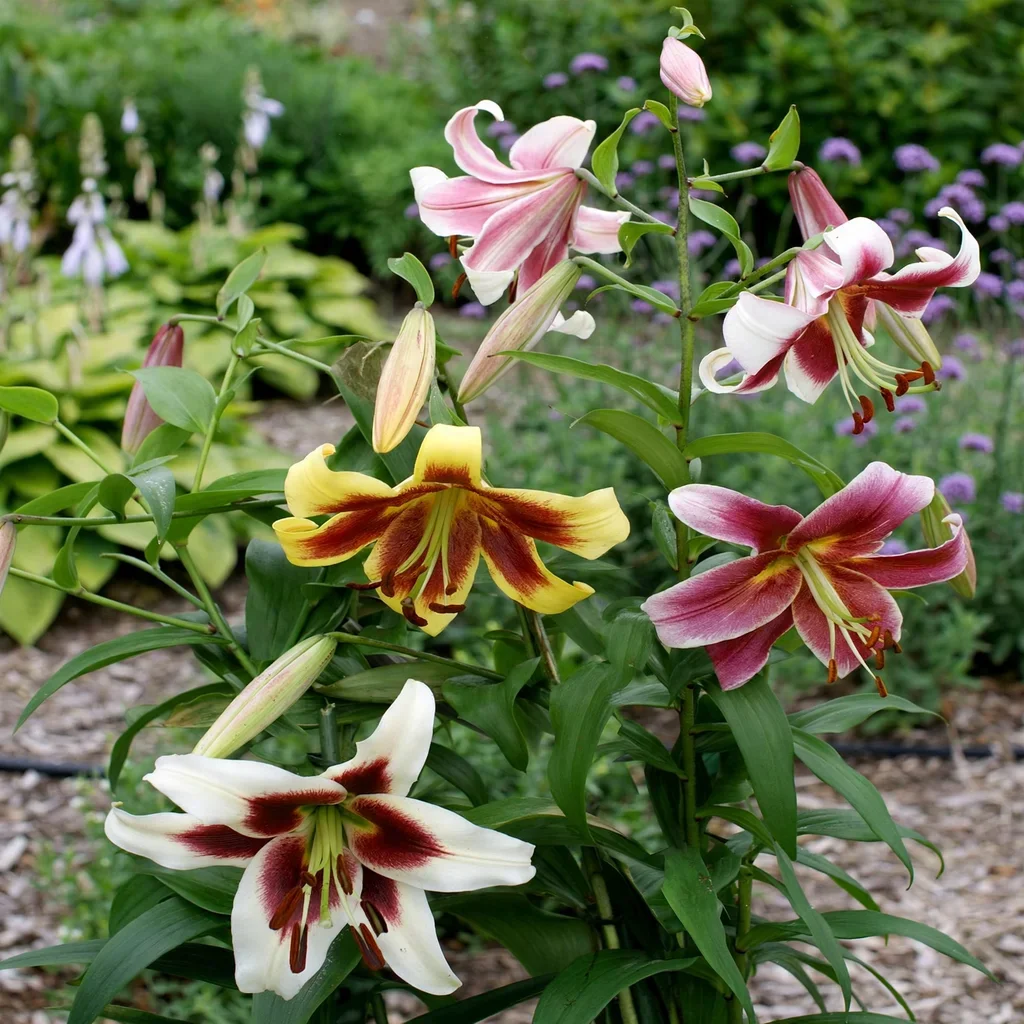
Tree Lily
Lilium x hybrida 'Tree Mix'
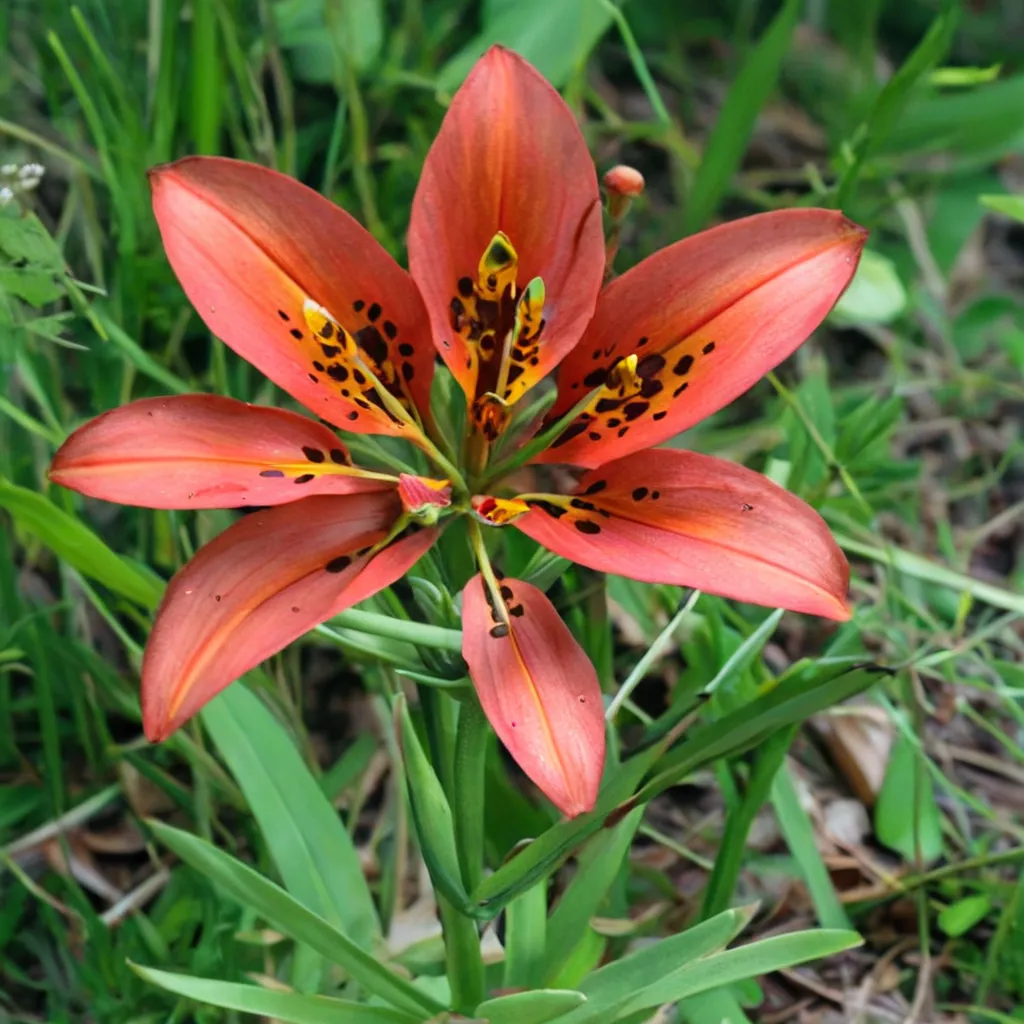
Wood Lily
Lilium philadelphicum
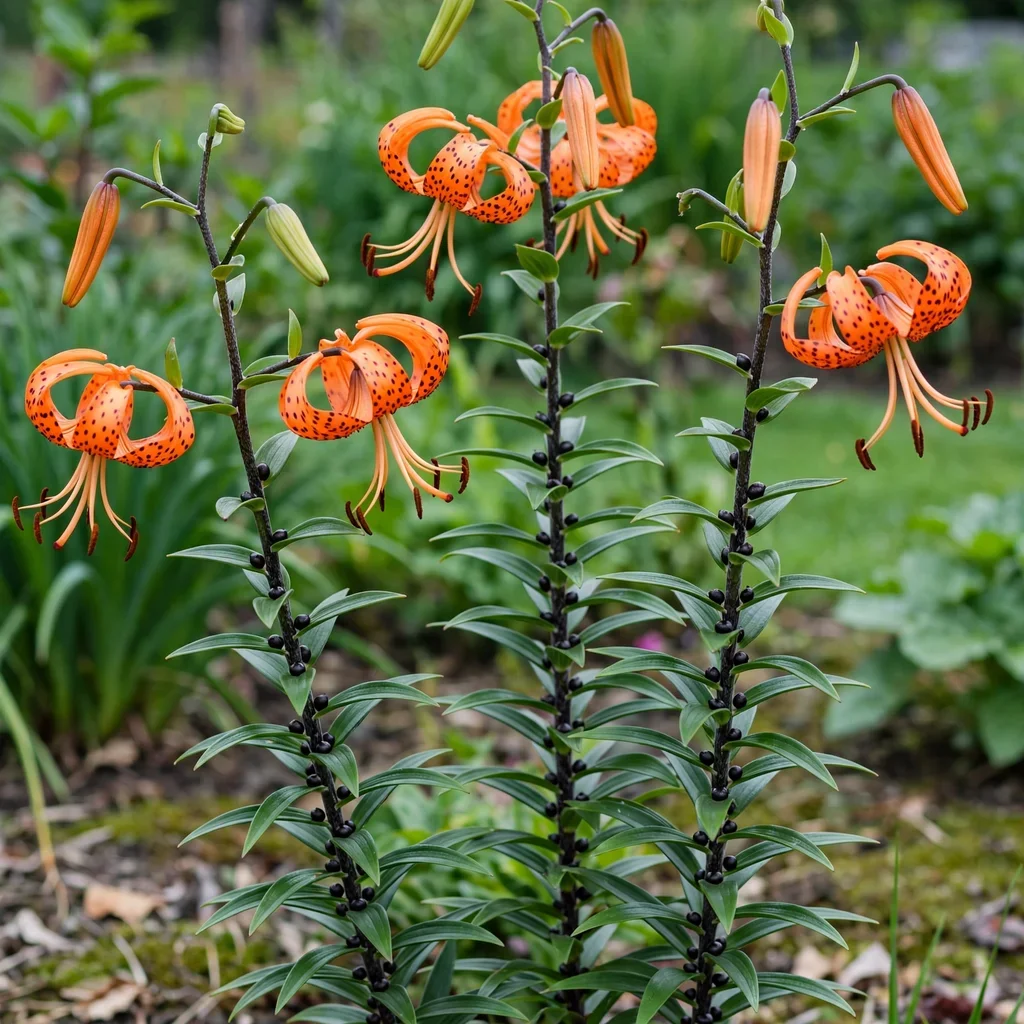
Tiger Lily
Lilium lancifolium
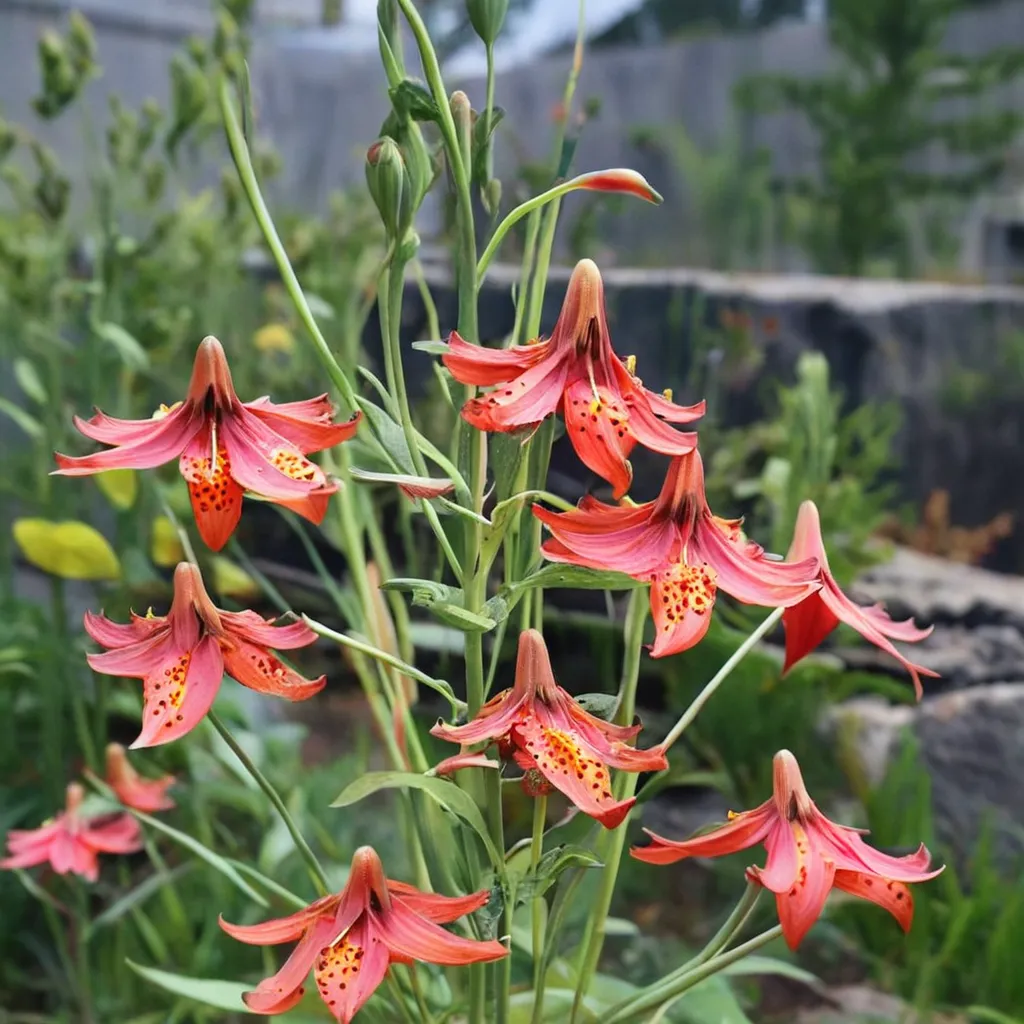
Canada Lily 'Reverend Walker'
Lilium canadense 'Reverend Walker'
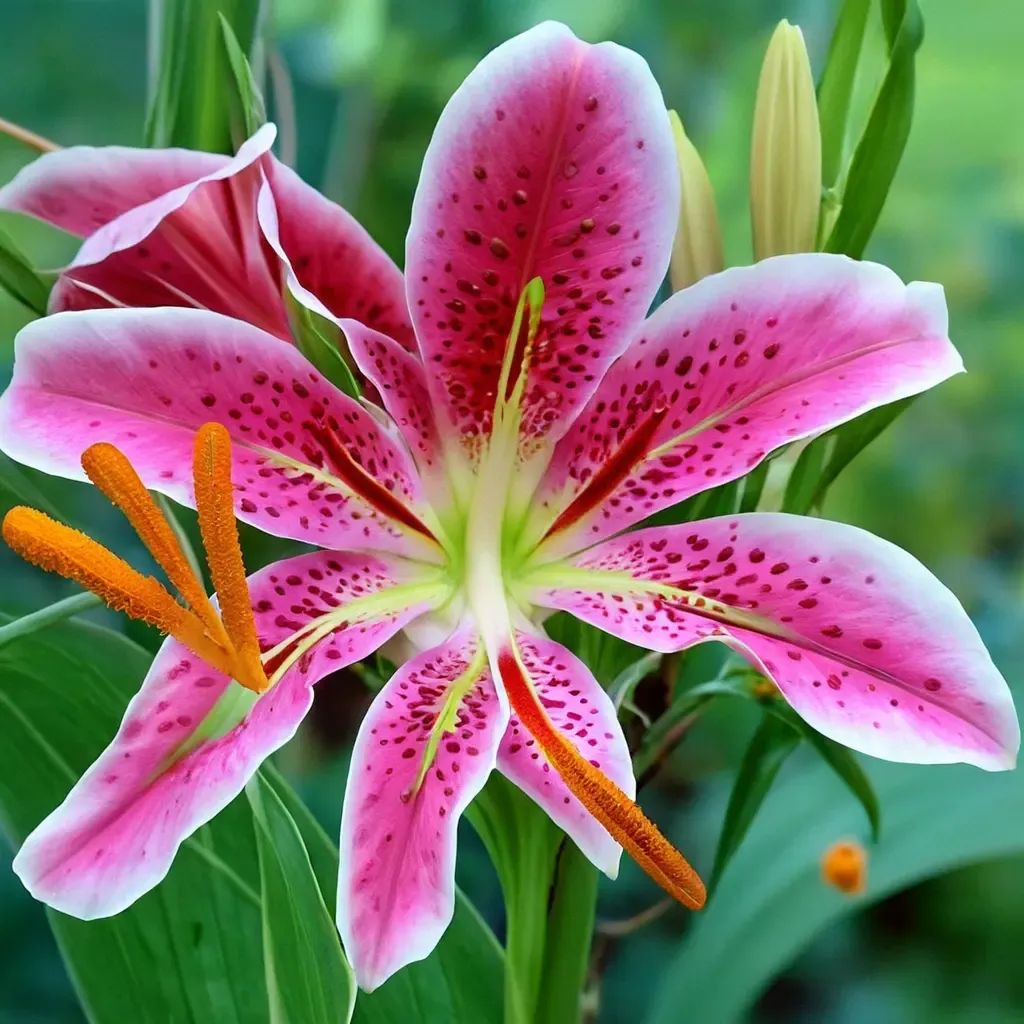
Stargazer Lily
Lilium lancifolium 'Stargazer'
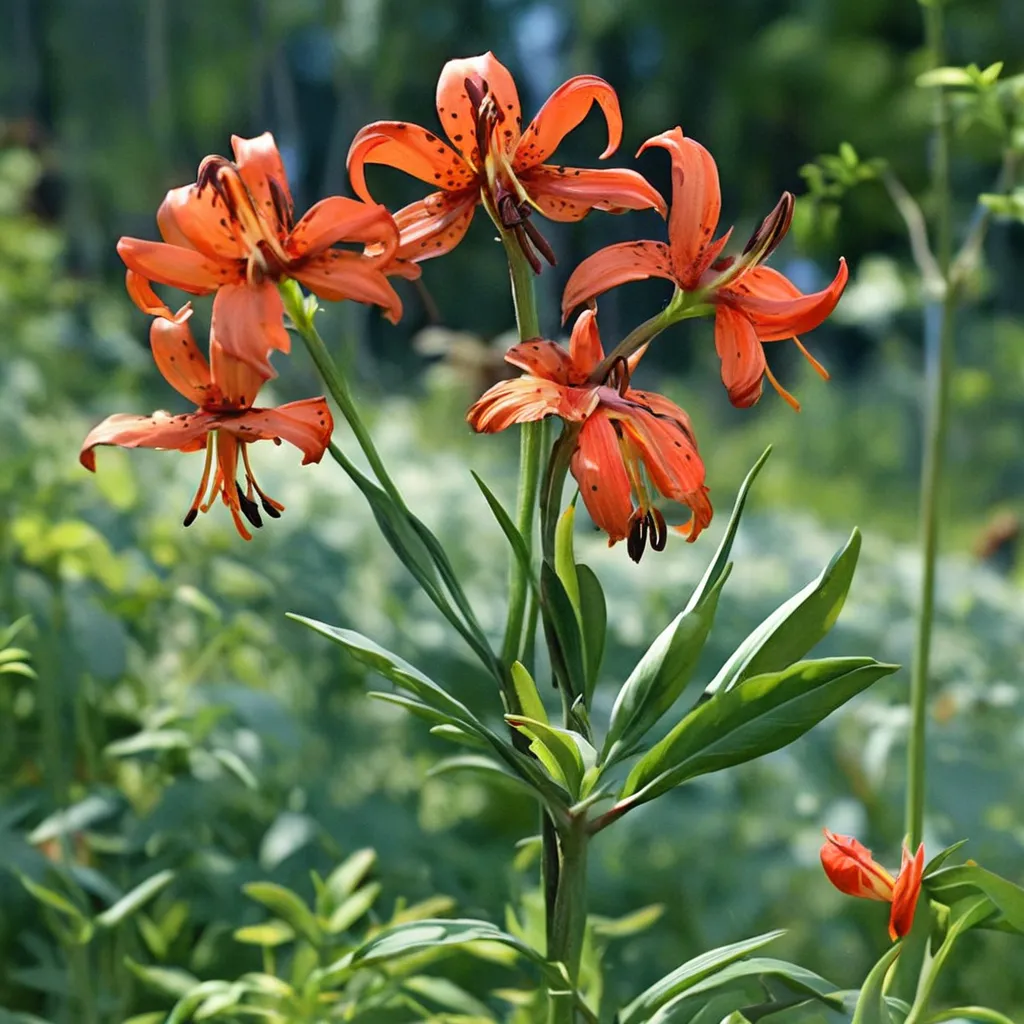
Michigan Lily
Lilium michiganense
Keep exploring
Explore the genus
Hardy in your zone?
Grow Formosan Lily with confidence
See it in a design of your actual yard, get zone-matched care reminders, and track it season by season in your garden journal.