The Story
Plant Bio
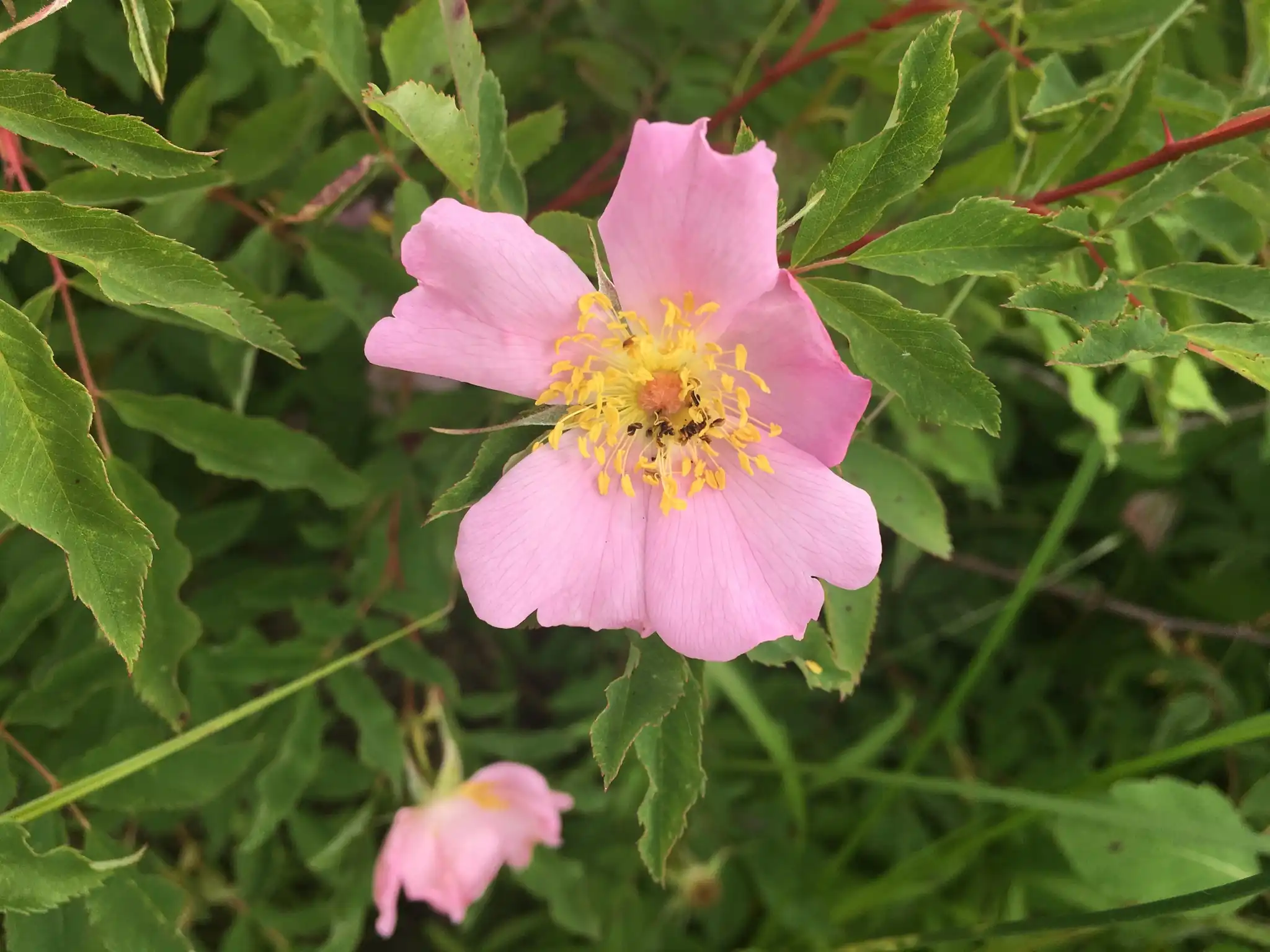
Rosa palustris is a native North American rose species found in wetlands and along stream banks. It forms a thicket of arching, thorny stems and bears fragrant, single pink flowers followed by red hips.
As a species plant, its primary distinction is its exceptional tolerance for wet, boggy soils where few other roses would survive, making it perfect for naturalizing in rain gardens and at pond edges.
Uses & Benefits:
Essentials
At a Glance
Plant Type
Shrub
Height
72"
Width
96"
Light
Full Sun, Partial Sun
Zones
4, 5, 6, 7, 8, 9
Water
High
Humidity
High
Lifespan
Long-lived deciduous shrub
Native To
Eastern North America
Toxicity
Non-toxic, but hips contain irritating hairs
Bloom period
Early summer – Mid-summer
In flower about 2 months of the year
Marketplace
Where to Buy
Shipping costs Year-round shipping Free shipping
Planting
How to Grow
- Choose a site in full sun with consistently moist or wet soil.
- Dig a hole slightly deeper and wider than the pot.
- Amend heavy clay with compost to improve structure.
- Place the plant in the hole, backfill, and water deeply.
- Do not let the soil dry out, especially during establishment.
- Mulch to conserve moisture and keep roots cool.
Pro Tip
Embrace its natural suckering habit in a suitable wet area to form a beautiful, wildlife-supporting thicket.
Keep It Thriving
Care Guide
Do
- Provide plenty of water; this rose loves 'wet feet'.
- Plant in full sun for the best flowering and disease resistance.
- Allow it to spread and form a thicket where space allows.
- Prune out the oldest canes every few years to rejuvenate the plant.
Don't
- Do not plant in dry soil; it will not survive.
- Avoid using strong chemical sprays that can harm pollinators.
- Don't expect a tidy, formal habit; it's a wild rose.
- Don't remove the spent flowers if you want to enjoy the red hips in fall.
Seasonal Care Calendar
| Task | Jan | Feb | Mar | Apr | May | Jun | Jul | Aug | Sep | Oct | Nov | Dec |
|---|---|---|---|---|---|---|---|---|---|---|---|---|
| Pest Check | ||||||||||||
| Plant | ||||||||||||
| Prune |
Watch Out For
Pests & Diseases
Common Pests
Common Diseases
In the Garden
Landscape Uses & Companions
Landscape Uses
Multiply
Propagation Methods
Good to Know
Common Questions
Swamp Rose questions
What zones can Swamp Rose grow in?
Swamp Rose is hardy in USDA Zones 4–9. Inside that range it survives winter in the ground; outside it, grow it as an annual or a container plant you protect.
Is Swamp Rose deer resistant?
Not reliably. Deer may browse Swamp Rose, especially tender spring growth — plan on repellents or fencing where pressure is high.
When does Swamp Rose bloom?
Swamp Rose typically blooms in early summer through mid-summer. Exact timing shifts a week or two with your zone — Sow's bloom calendar maps it to your garden.
Does Swamp Rose need full sun?
Swamp Rose does best in full sun to part shade. In hot climates, afternoon shade keeps blooms fresher longer.
More Rosa to compare
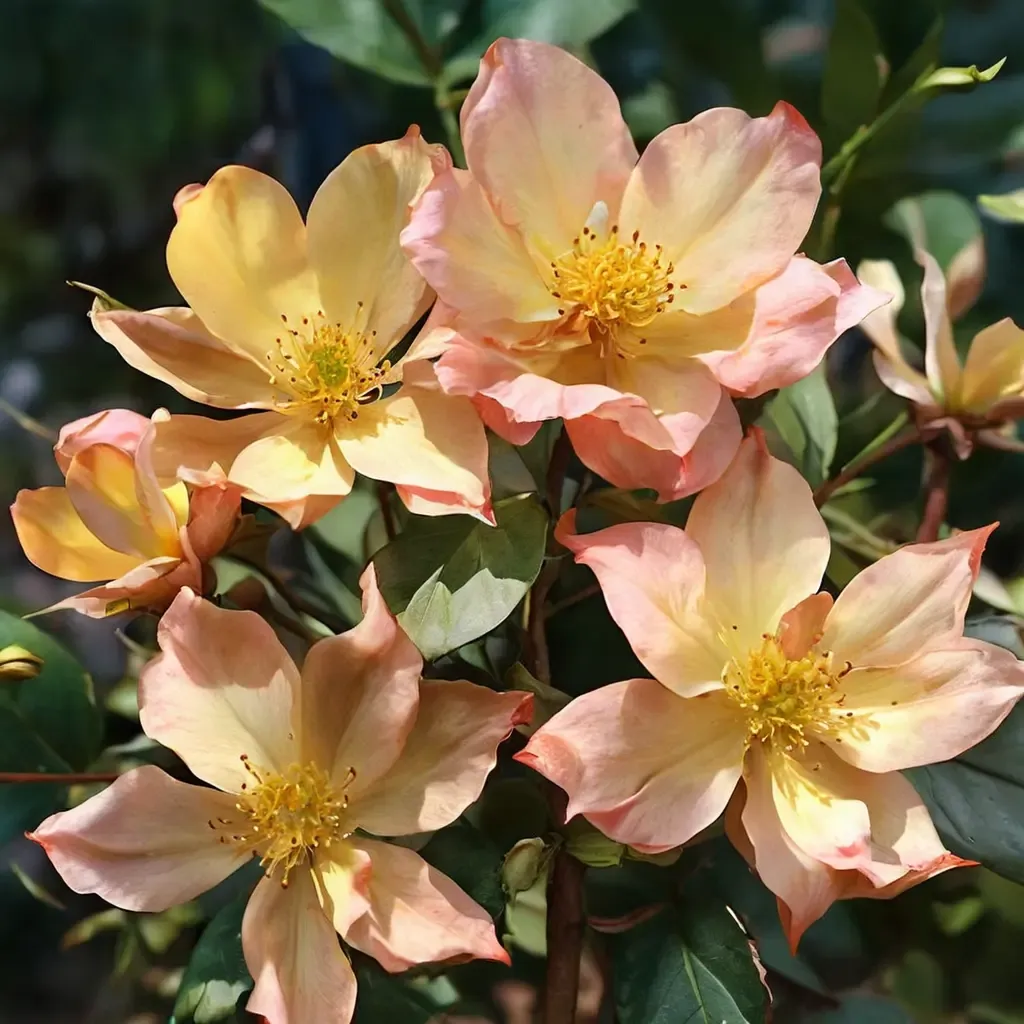
Flutterbye Rose
Rosa x hybrida 'Flutterbye'
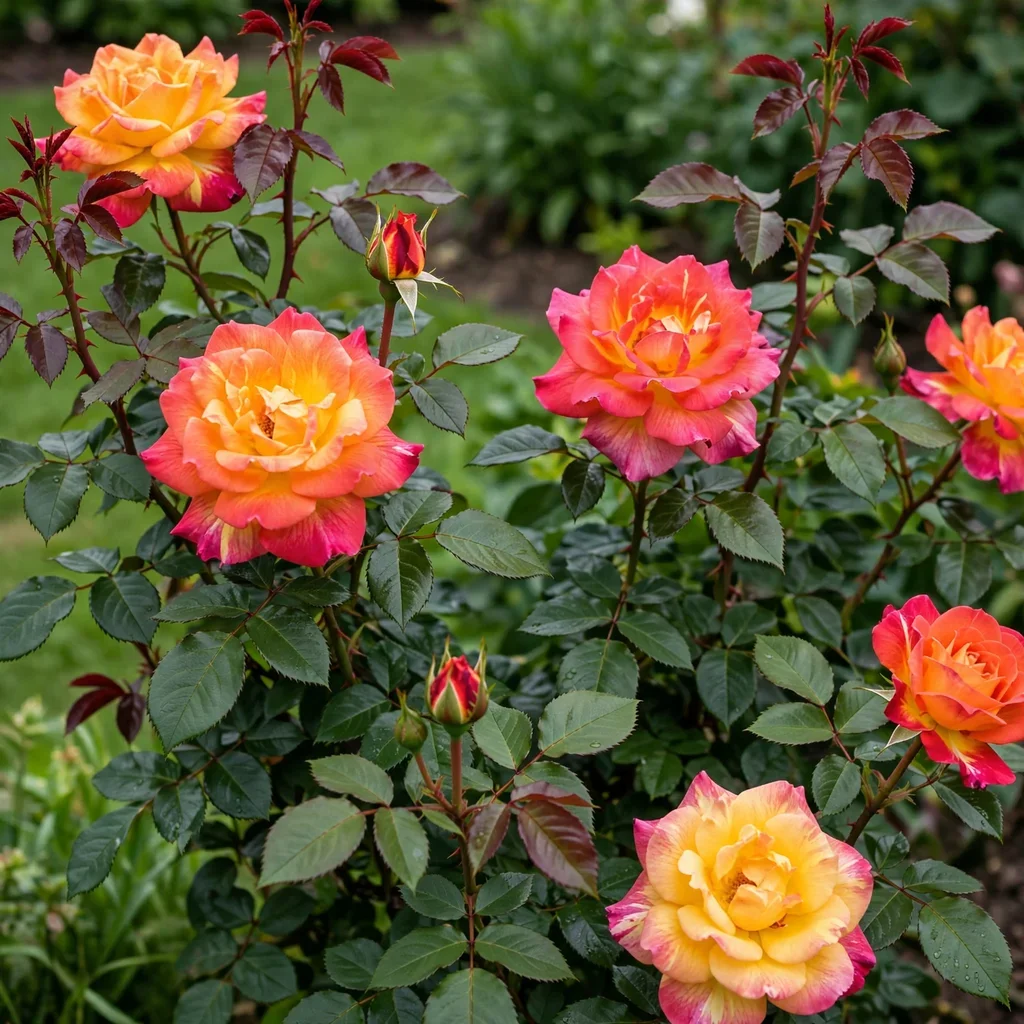
Joseph's Coat Rose
Rosa x hybrida 'Joseph's Coat'
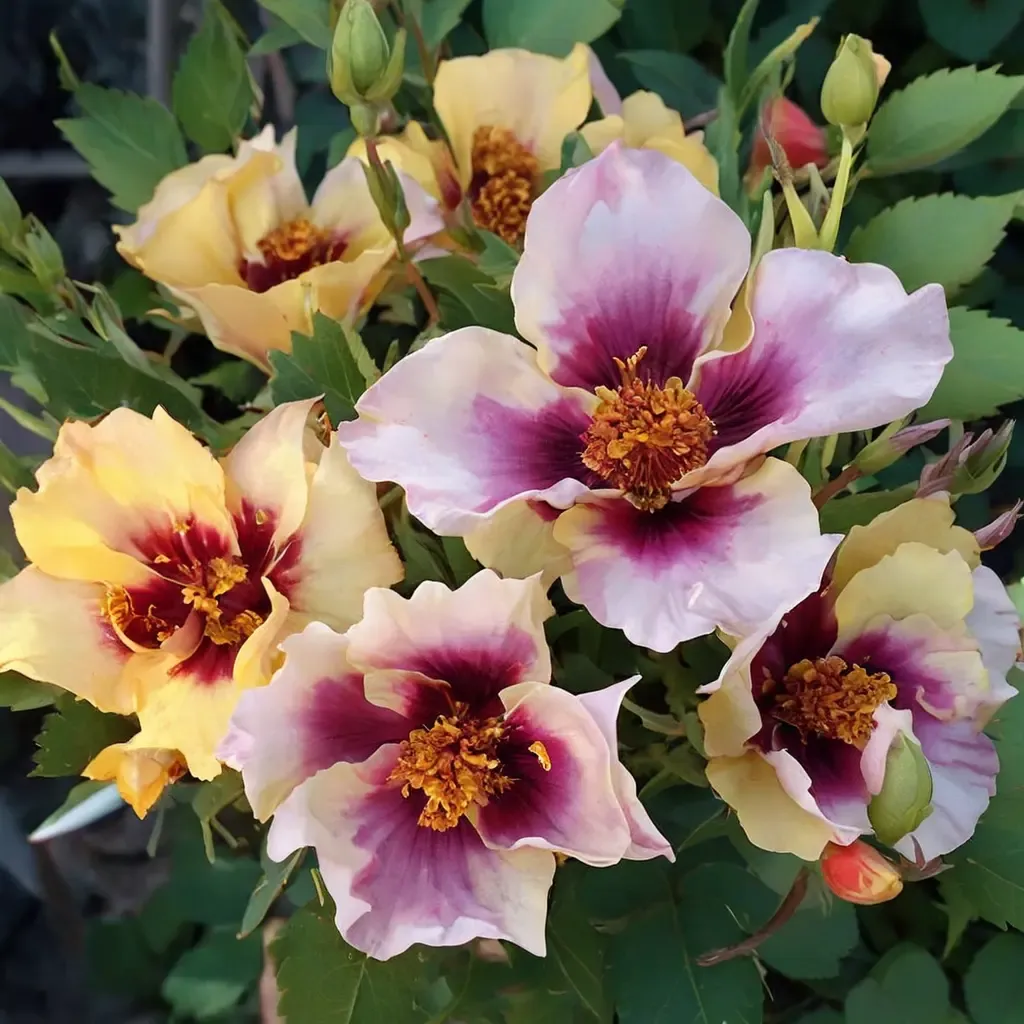
In Your Eyes Rose
Rosa x hybrida 'In Your Eyes'
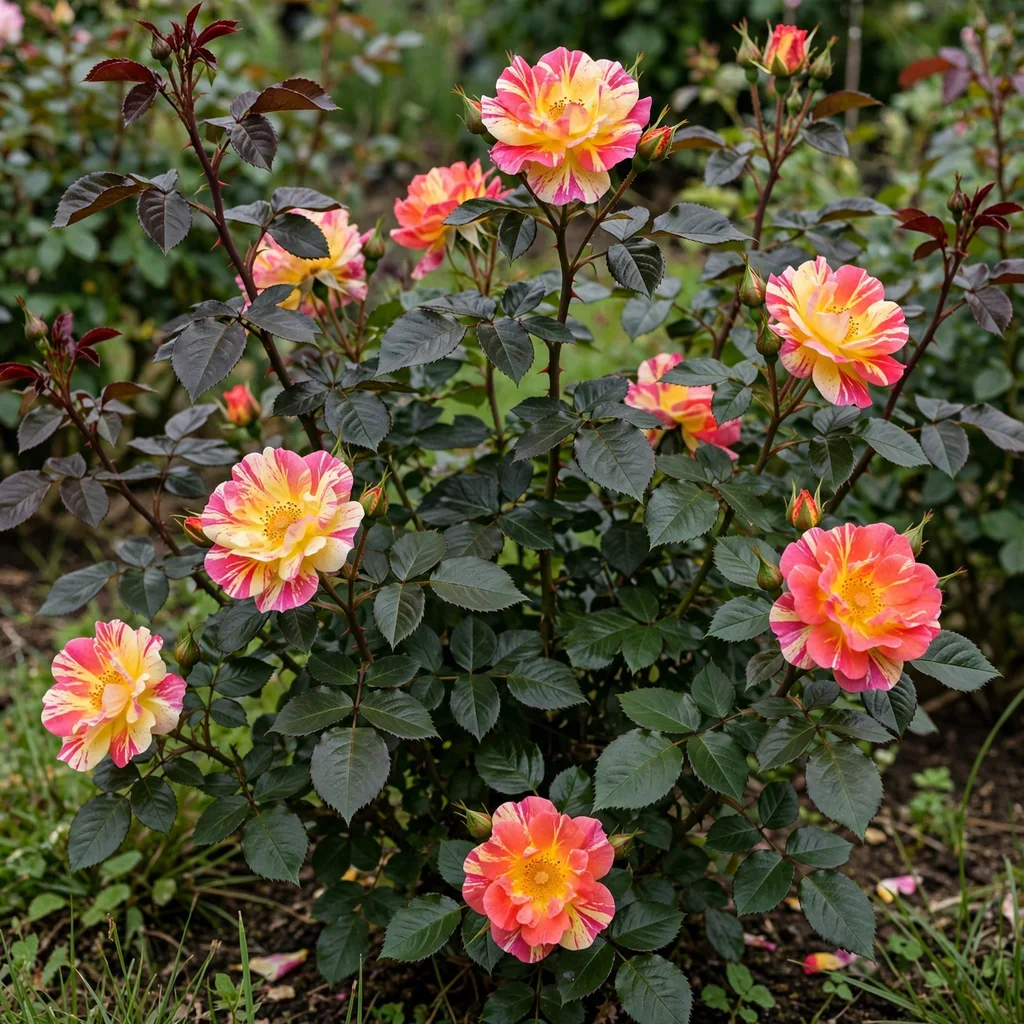
Rainbow Rose
Rosa x hybrida 'Rainbow'
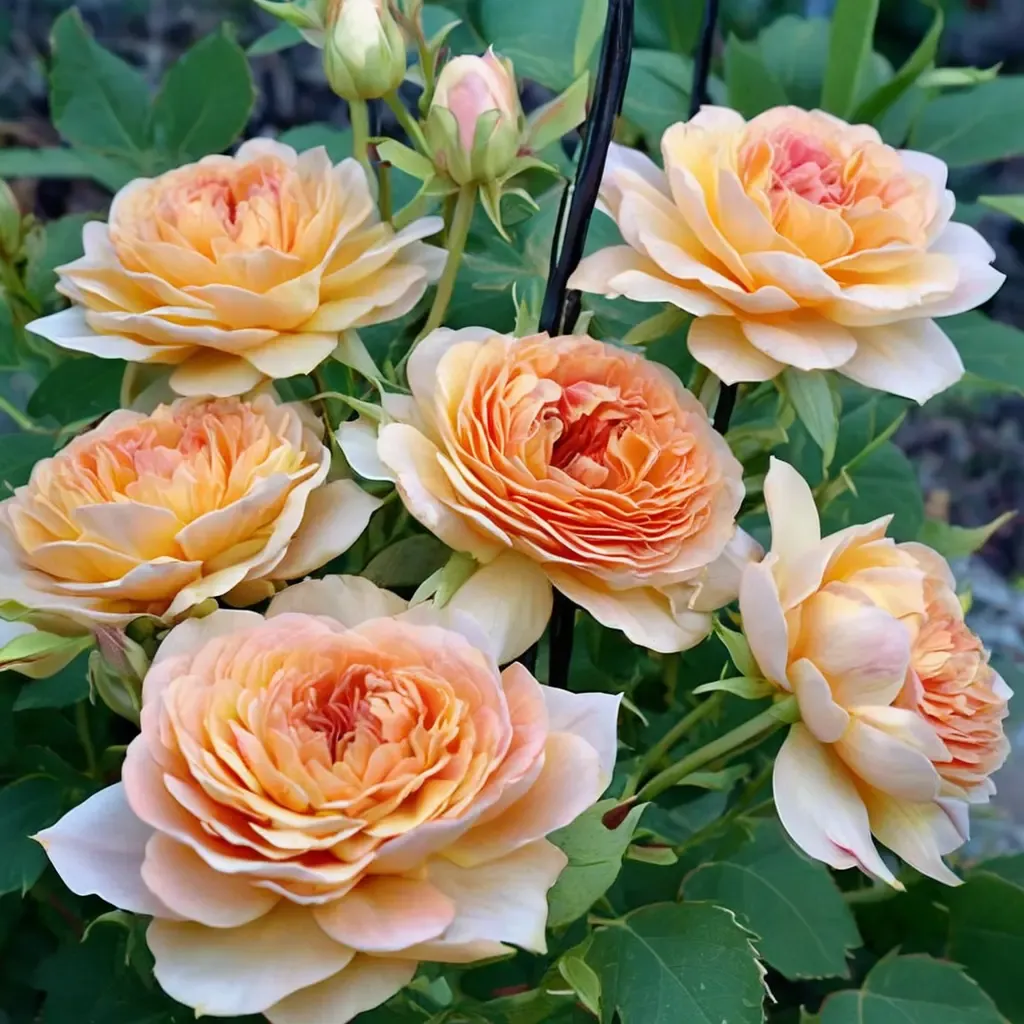
Fun in the Sun Rose
Rosa x hybrida 'Fun in the Sun'
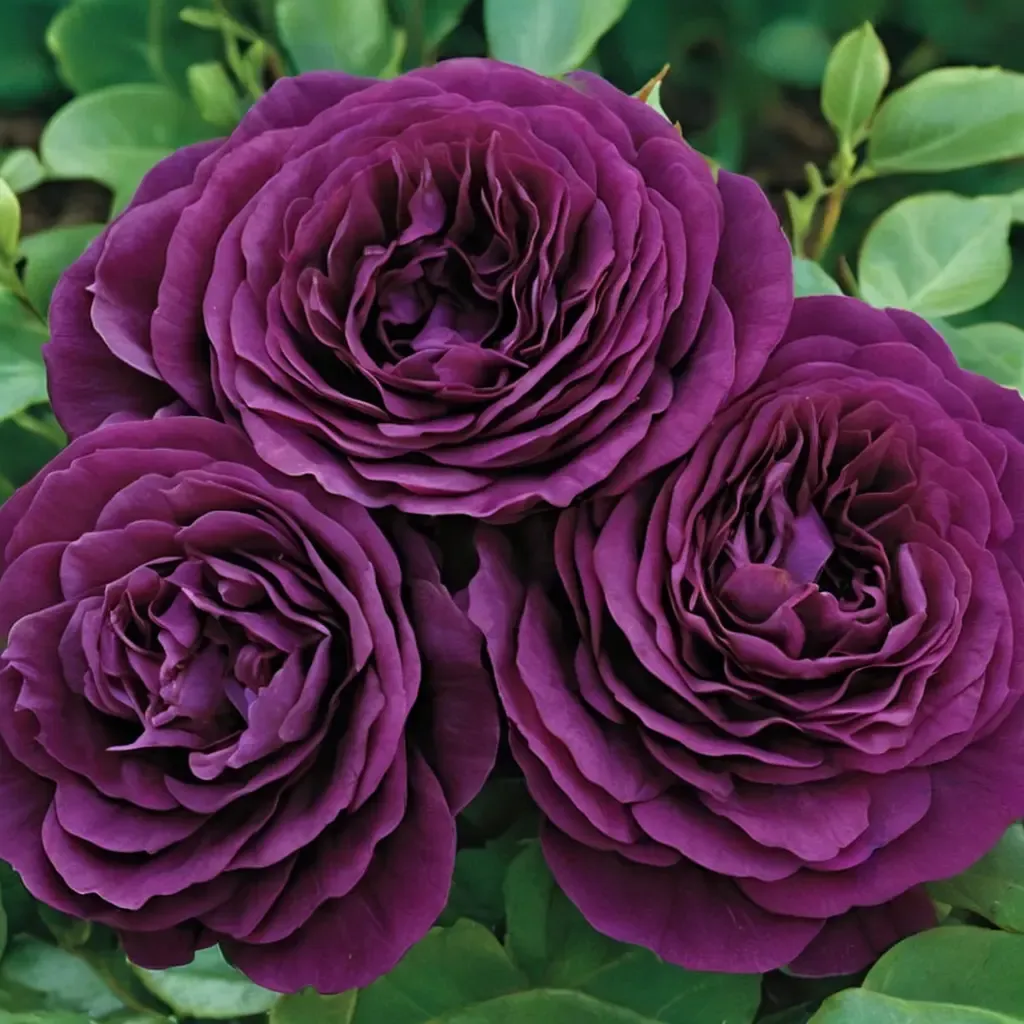
Twilight Zone Rose
Rosa x hybrida 'Twilight Zone'
Keep exploring
Explore the genus
Grow Swamp Rose with confidence
See it in a design of your actual yard, get zone-matched care reminders, and track it season by season in your garden journal.