The Story
Plant Bio
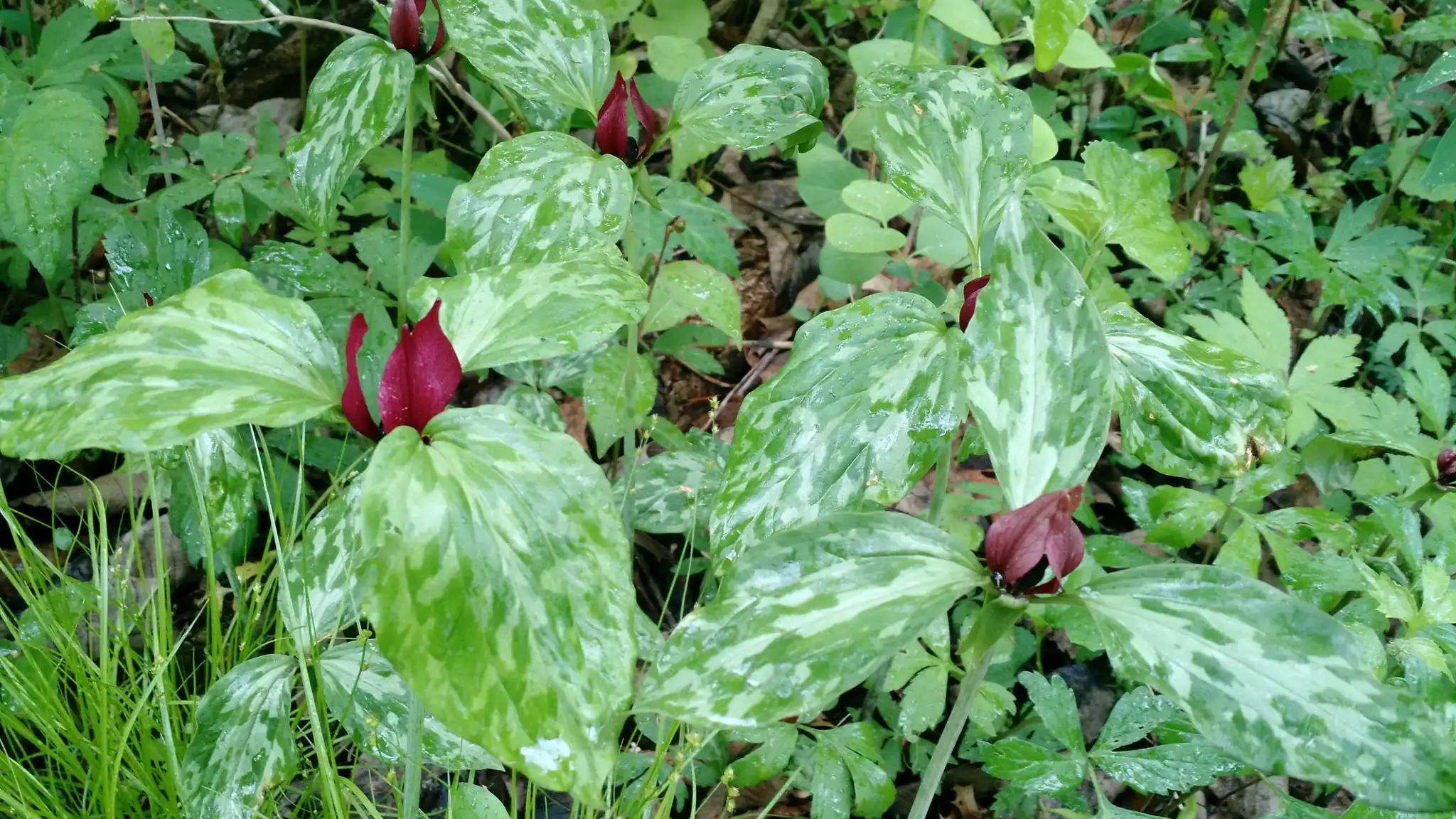
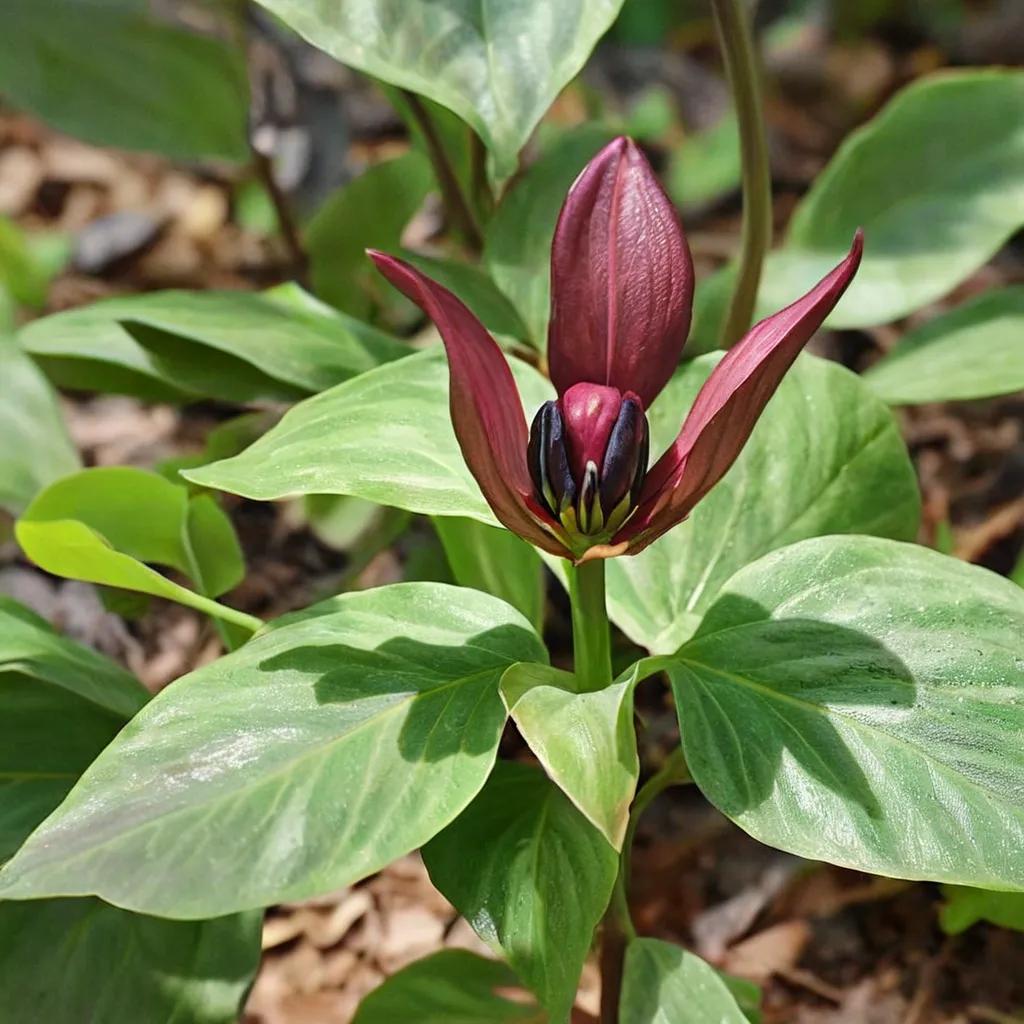
Trillium recurvatum, prairie trillium, is a spring woodland perennial native to the central and eastern United States, reaching six to eighteen inches. Three mottled dark and light green bracts sit directly on the stem, and above them a stalkless maroon flower stands upright with narrow petals, its sepals sharply recurved beneath — the feature that names it.
Its seeds carry fatty appendages that ants collect and carry underground, which is how trillium colonies spread and why they take years to establish. Plants are slow and long-lived, and digging them from the wild almost always kills them, so nursery-propagated stock is the only responsible source.
Uses & Benefits:
Essentials
At a Glance
Plant Type
Perennial
Height
12"
Width
10"
Light
Partial Sun, Shade
Zones
4, 5, 6, 7, 8
Water
Moderate
Humidity
Moderate
Lifespan
Perennial
Native To
Central and eastern United States
Toxicity
Toxic if ingested
Planting
How to Grow
- Plant nursery-propagated rhizomes in autumn.
- Choose dappled to deep shade under deciduous trees.
- Set rhizomes about two inches deep in humus-rich soil.
- Keep moist in spring; it goes dormant by midsummer.
- Mulch with leaf litter each autumn.
- Leave undisturbed; colonies take years to build.
Pro Tip
Never buy wild-collected trilliums — mark where yours are, because the foliage vanishes entirely by midsummer and is easily dug into.
Keep It Thriving
Care Guide
Do
- Buy nursery-propagated plants only ✅
- Plant in deciduous shade with leaf mould 🍂
- Mark the position; it disappears in summer 🏷️
- Leave colonies undisturbed 🌱
Don't
- Dig plants from the wild ❌
- Let the soil dry in spring ❌
- Cultivate the area after it goes dormant ❌
Seasonal Care Calendar
| Task | Jan | Feb | Mar | Apr | May | Jun | Jul | Aug | Sep | Oct | Nov | Dec |
|---|---|---|---|---|---|---|---|---|---|---|---|---|
| Monitor | ||||||||||||
| Prune |
Watch Out For
Pests & Diseases
Common Pests
Common Diseases
In the Garden
Landscape Uses & Companions
Landscape Uses
Multiply
Propagation Methods
Good to Know
Common Questions
Prairie Trillium questions
What zones can Prairie Trillium grow in?
Prairie Trillium is hardy in USDA Zones 4–8. Inside that range it survives winter in the ground; outside it, grow it as an annual or a container plant you protect.
Is Prairie Trillium deer resistant?
Yes — Prairie Trillium is rated deer-resistant. Deer typically pass it over, though extreme hunger can override any plant's defenses.
When does Prairie Trillium bloom?
Prairie Trillium typically blooms in early spring through mid-spring. Exact timing shifts a week or two with your zone — Sow's bloom calendar maps it to your garden.
Does Prairie Trillium need full sun?
Prairie Trillium does best in part shade.
More Trillium to compare
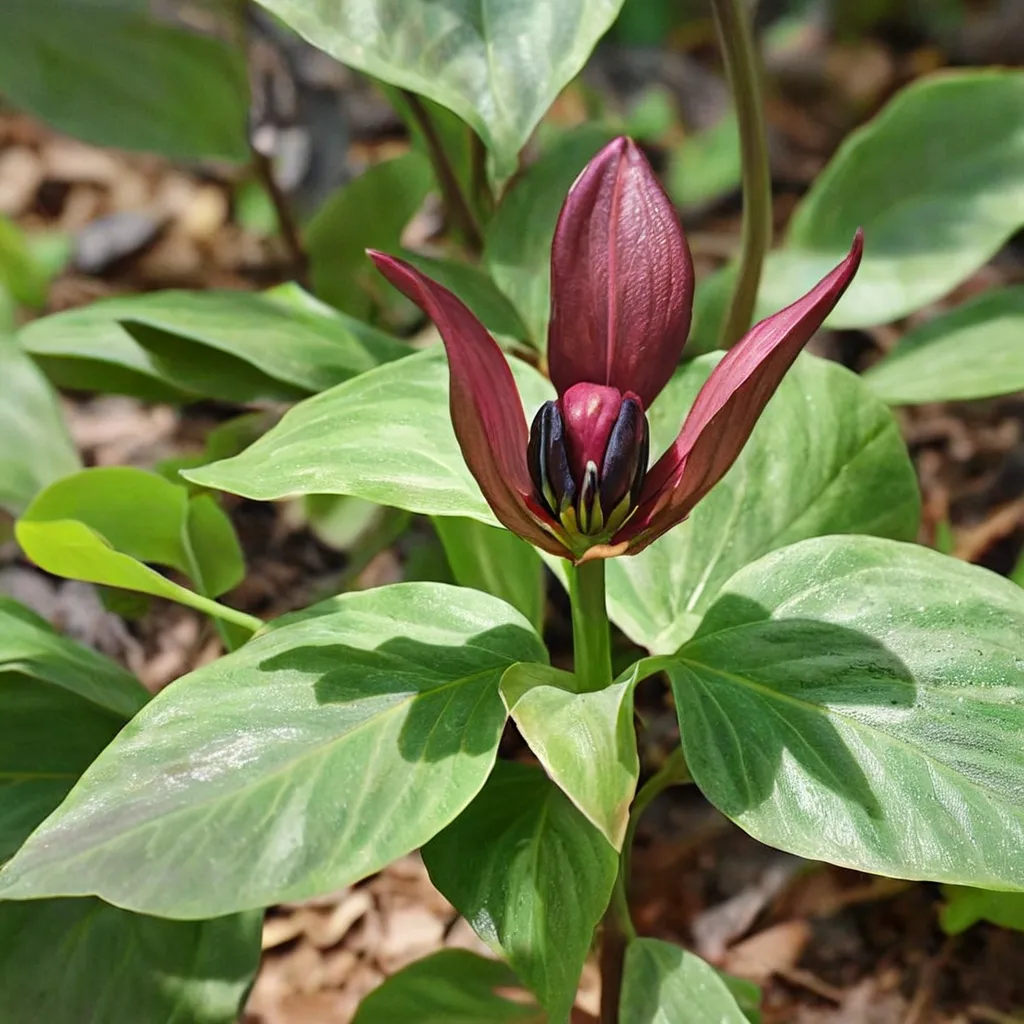
Missouri form Large-flowered Trillium
Trillium recurvatum 'Missouri form'
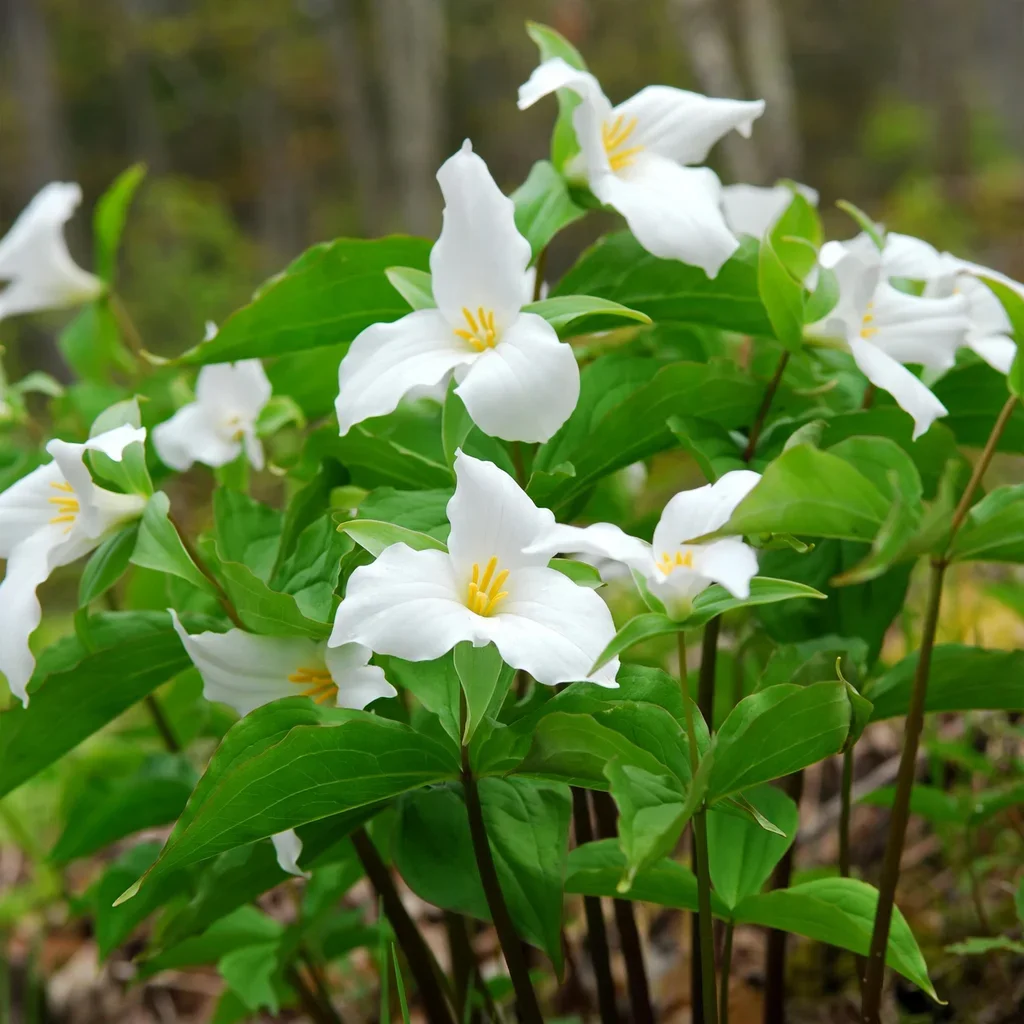
Great White Trillium
Trillium grandiflorum
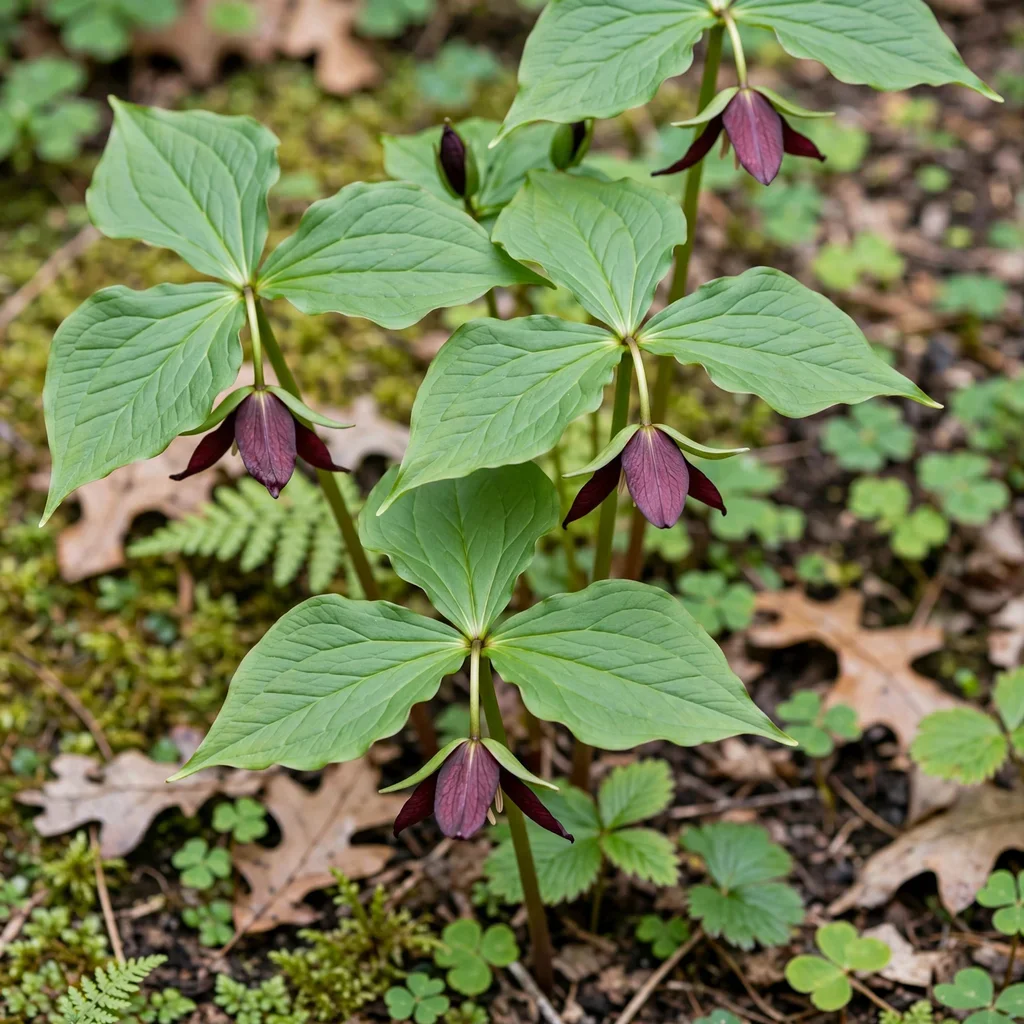
Vasey's Trillium
Trillium vaseyi
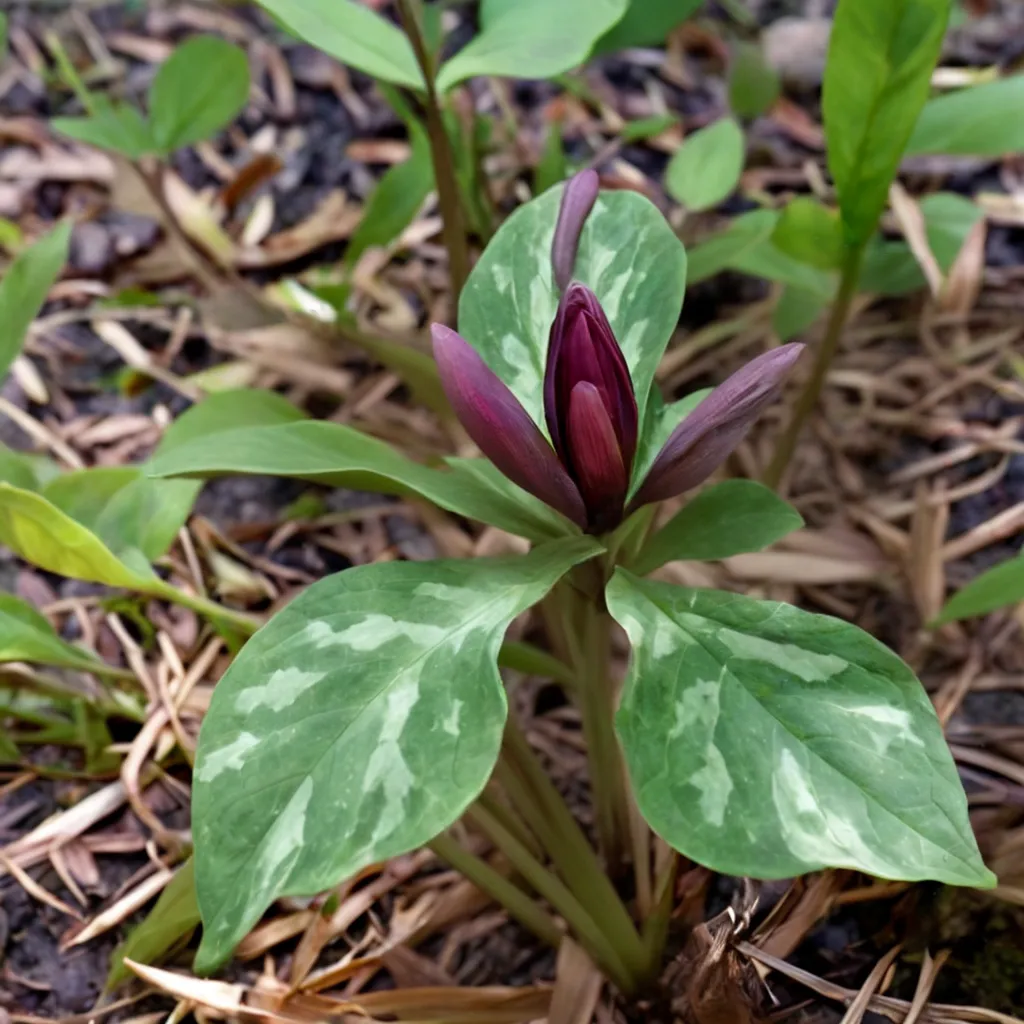
Toadshade
Trillium cuneatum
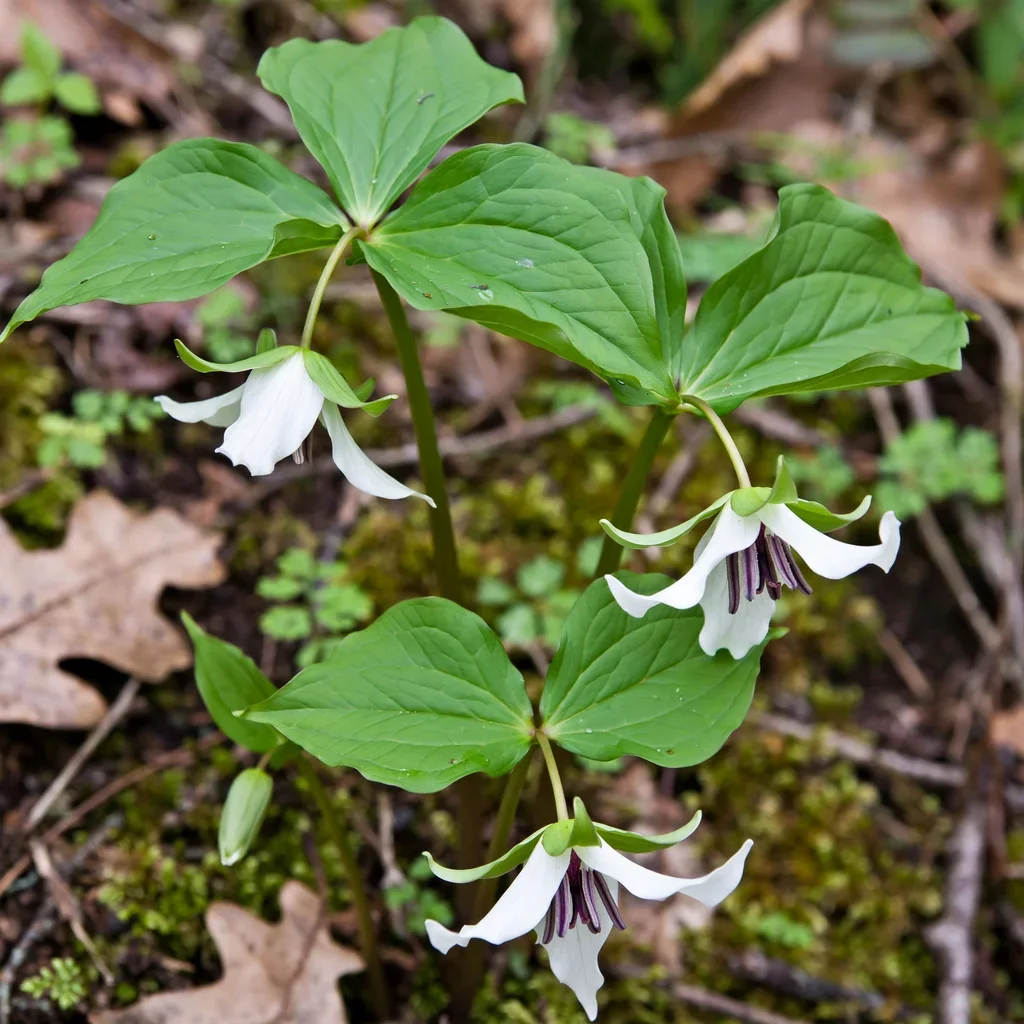
Rugel's Trillium
Trillium rugelii
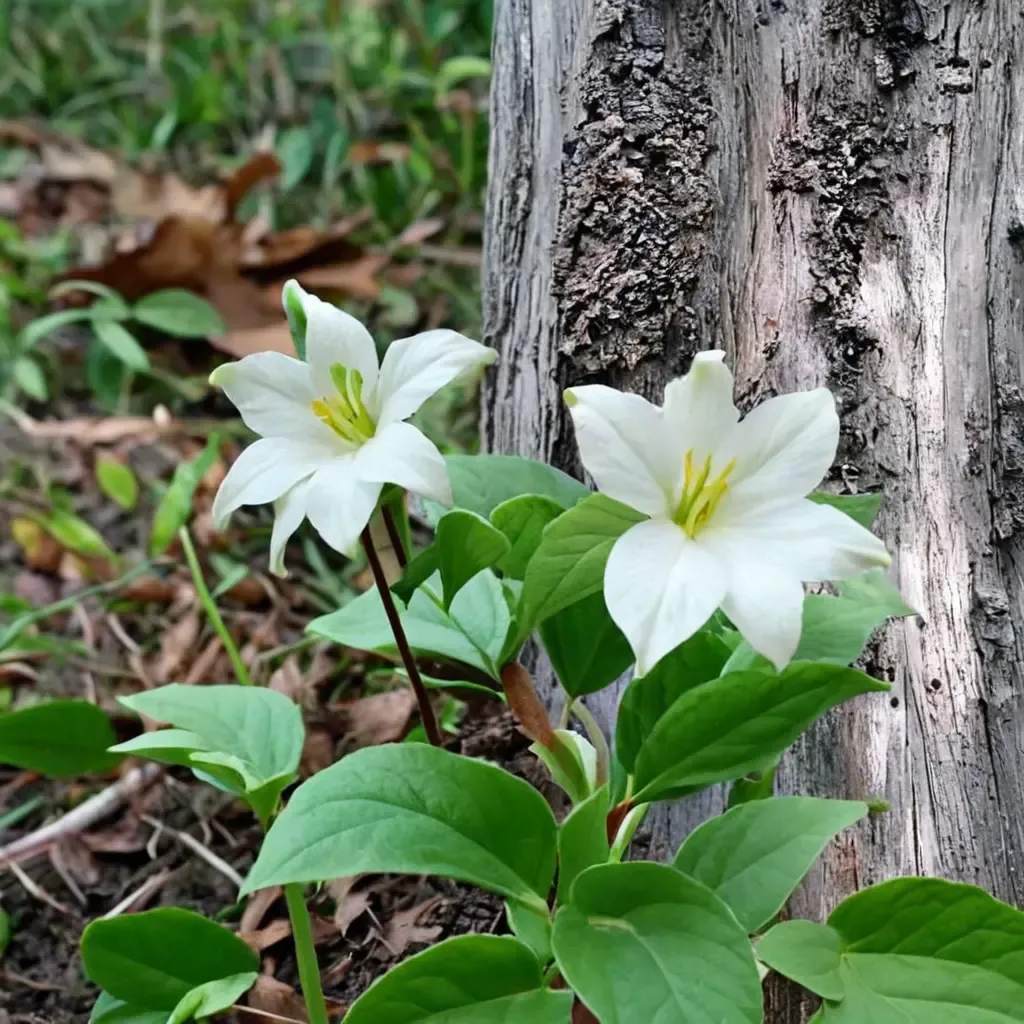
Large-flowered Trillium
Trillium grandiflorum 'Mix'
Keep exploring
Explore the genus
Hardy in your zone?
Grow Prairie Trillium with confidence
See it in a design of your actual yard, get zone-matched care reminders, and track it season by season in your garden journal.