
The Story
Plant Bio
Rubus scaber, the scabrid bramble, is a low-growing European woodland shrub with arching, densely glandular stems covered in slender prickles and fine hairs. The strongly textured, deep green leaves are typically divided into three leaflets, while new stem growth turns a deep purple when exposed to open light.
This species is distinguished by its small summer flowers, which feature narrow white petals and long, pointed glandular sepals. Unlike aggressive pasture blackberries, it remains a delicate understory specialist that thrives in damp, shaded conditions.
Uses & Benefits:
Essentials
At a Glance
Plant Type
Shrub
Height
39"
Width
59"
Light
Partial Sun, Shade
Zones
5, 6, 7, 8
Water
Medium
Humidity
Moderate
Lifespan
Perennial
Native To
Europe
Toxicity
Skin Irritant
Bloom period
Summer
In flower about 3 months of the year
Planting
How to Grow
- Select a fully shaded or partially shaded planting site with moist, humus-rich woodland soil.
- Incorporate organic compost into the planting hole to mimic a natural forest floor environment.
- Water deeply at the base immediately after planting to settle the soil around the root system.
- Apply a thick layer of leaf mold or wood mulch to retain consistent soil moisture and cool root temperatures.
Pro Tip
Prune spent floricanes back to the ground in late winter; cutting into old, leafless wood prevents new buds from regenerating.
Keep It Thriving
Care Guide
Do
- Maintain consistent soil moisture, especially during dry summer spells.
- Wear thick gardening gloves when handling the stems to avoid irritation from prickles and glandular hairs.
- Ensure excellent air circulation around the foliage to prevent powdery mildew.
Don't
- Do not plant in dry, baking full-sun locations.
- Do not shear the plant into formal shapes, which destroys its natural arching habit.
- Do not over-fertilize, as a light spring compost application is sufficient.
Seasonal Care Calendar
| Task | Jan | Feb | Mar | Apr | May | Jun | Jul | Aug | Sep | Oct | Nov | Dec |
|---|---|---|---|---|---|---|---|---|---|---|---|---|
| Mulch | ||||||||||||
| Pest Check | ||||||||||||
| Propagate | ||||||||||||
| Prune |
Watch Out For
Pests & Diseases
Common Pests
Common Diseases
In the Garden
Landscape Uses & Companions
Landscape Uses
Companion Plants
Multiply
Propagation Methods
Good to Know
Common Questions
Scabrid Bramble questions
What zones can Scabrid Bramble grow in?
Scabrid Bramble is hardy in USDA Zones 5–8. Inside that range it survives winter in the ground; outside it, grow it as an annual or a container plant you protect.
Is Scabrid Bramble deer resistant?
Not reliably. Deer may browse Scabrid Bramble, especially tender spring growth — plan on repellents or fencing where pressure is high.
When does Scabrid Bramble bloom?
Scabrid Bramble typically blooms in summer through summer. Exact timing shifts a week or two with your zone — Sow's bloom calendar maps it to your garden.
Does Scabrid Bramble need full sun?
Scabrid Bramble does best in part shade.
More Rubus to compare
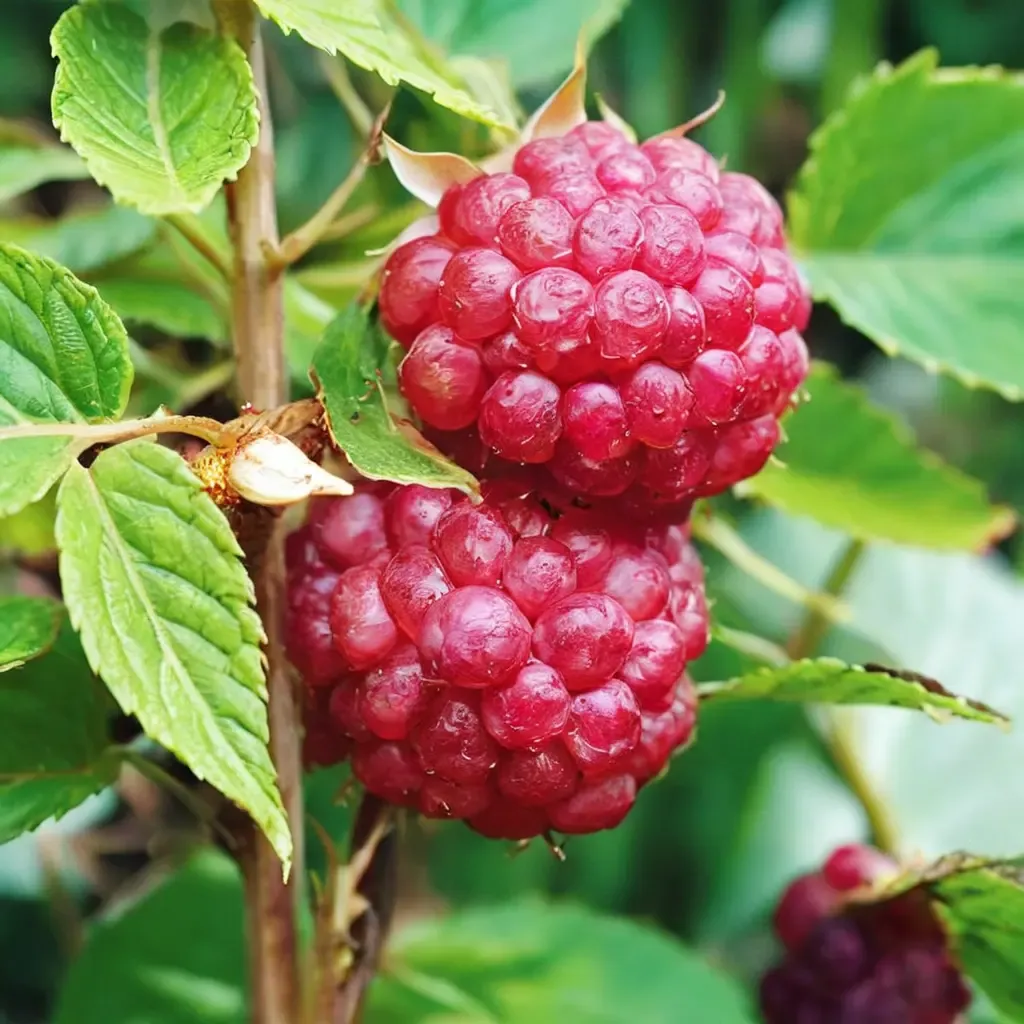
Mammoth Red Raspberry
Rubus idaeus 'Mammoth Red'
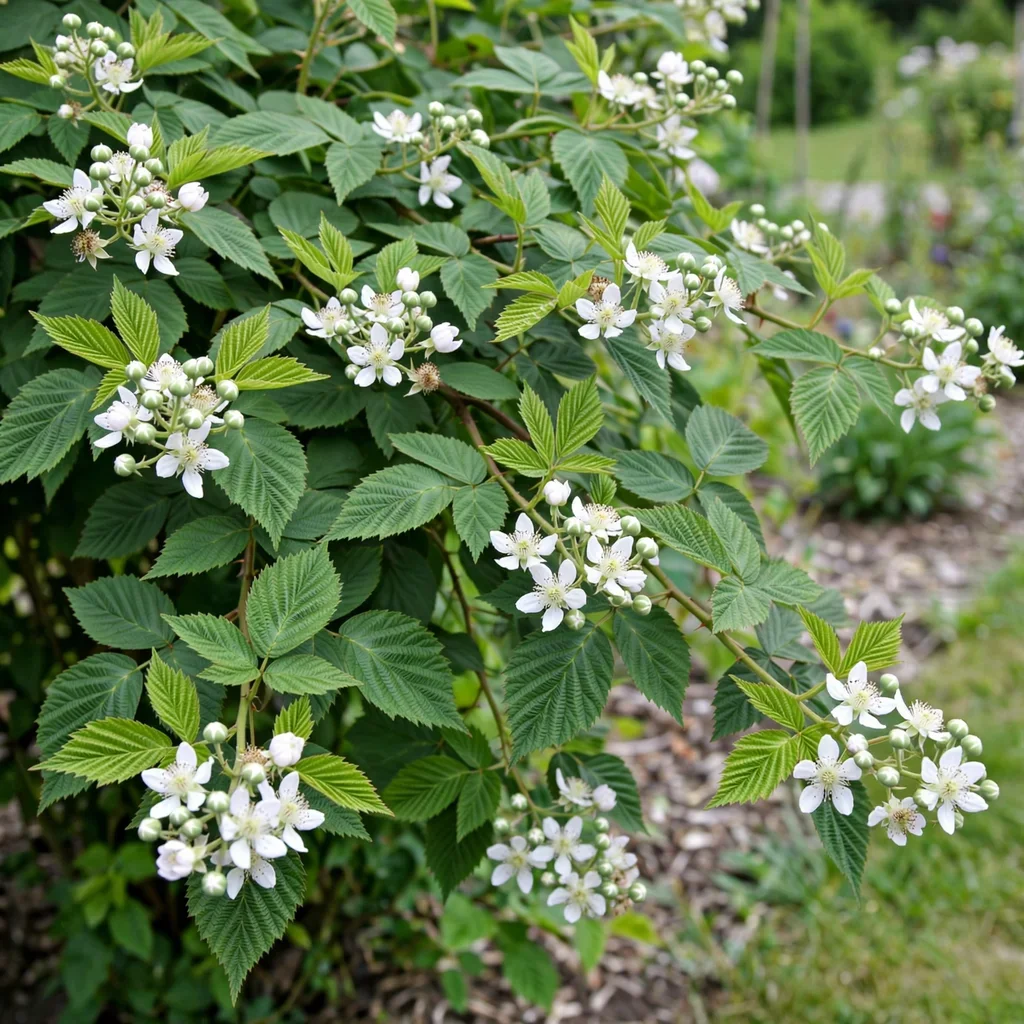
Triple Crown Blackberry
Rubus fruticosus 'Triple Crown'
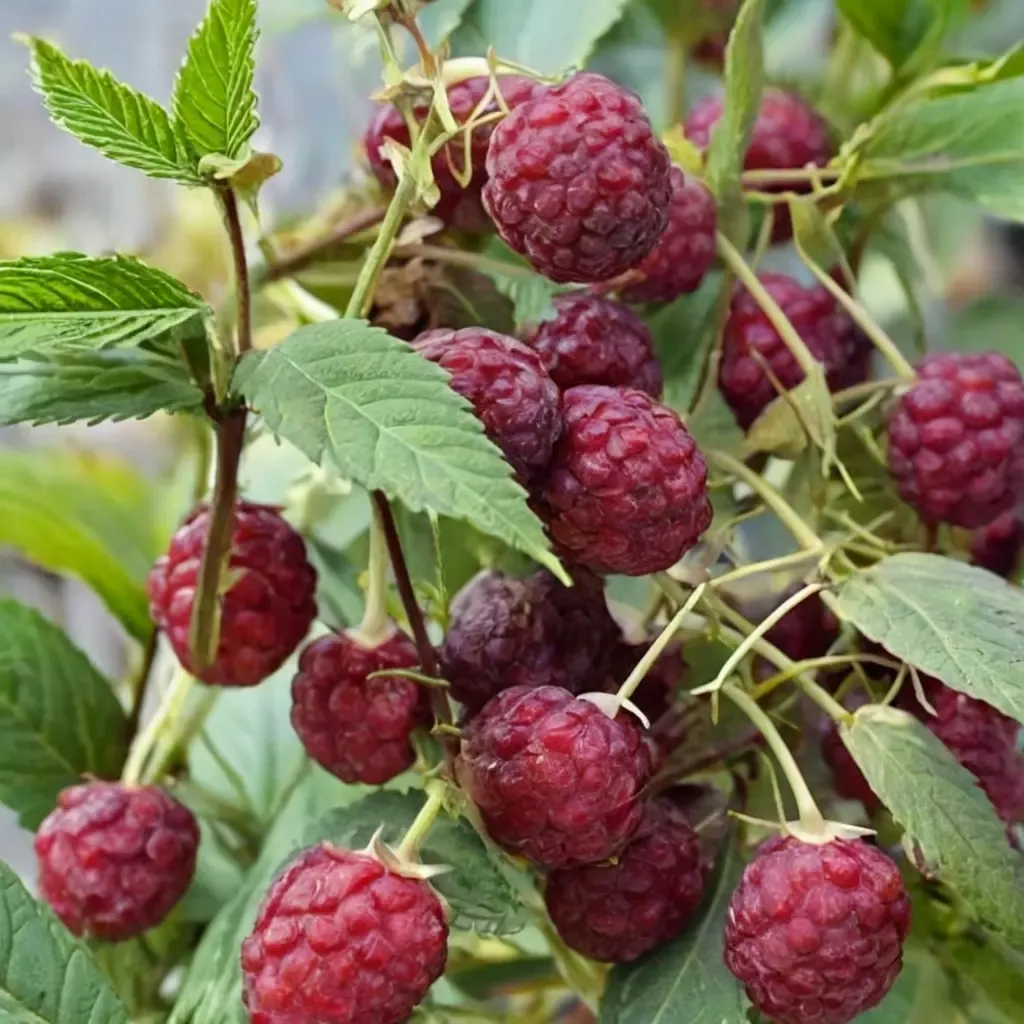
Crimson Night Raspberry
Rubus idaeus 'Crimson Night'
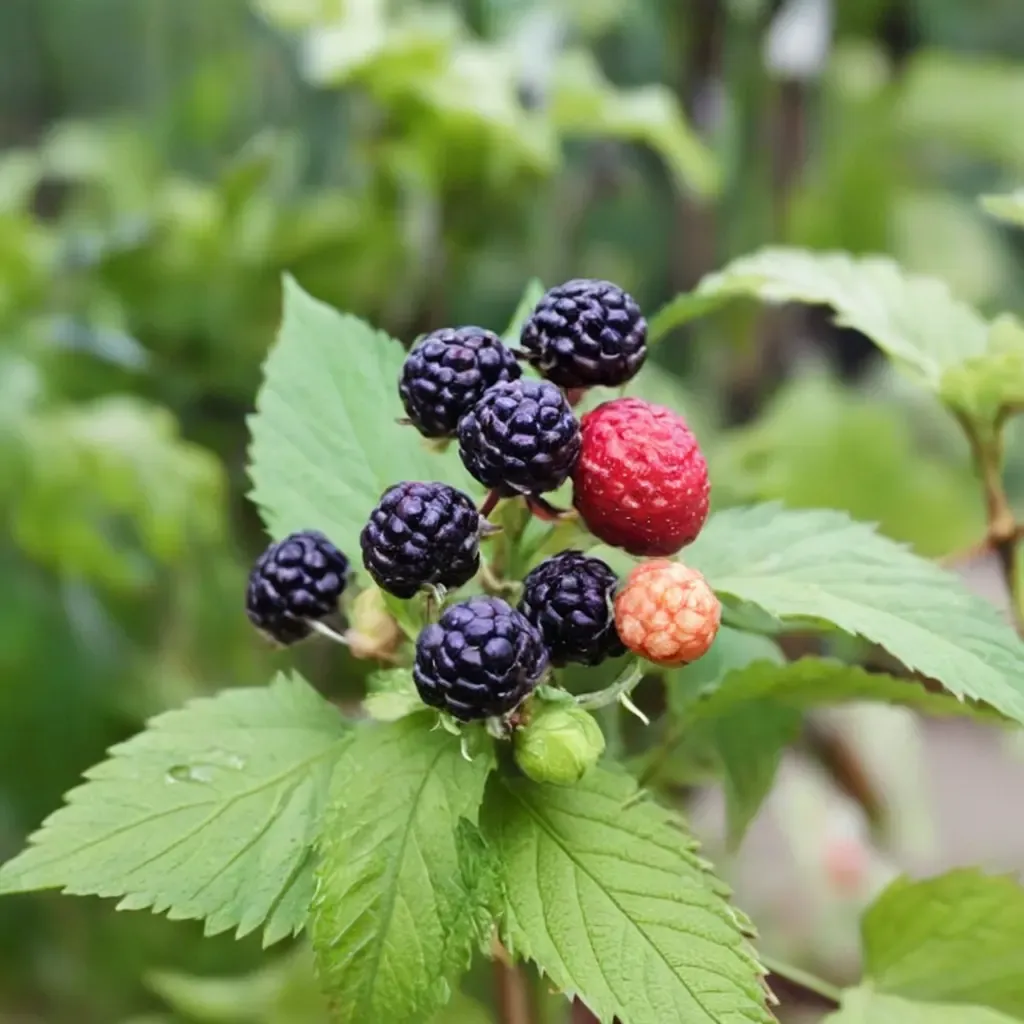
Jewel Black Raspberry
Rubus idaeus 'Jewel'
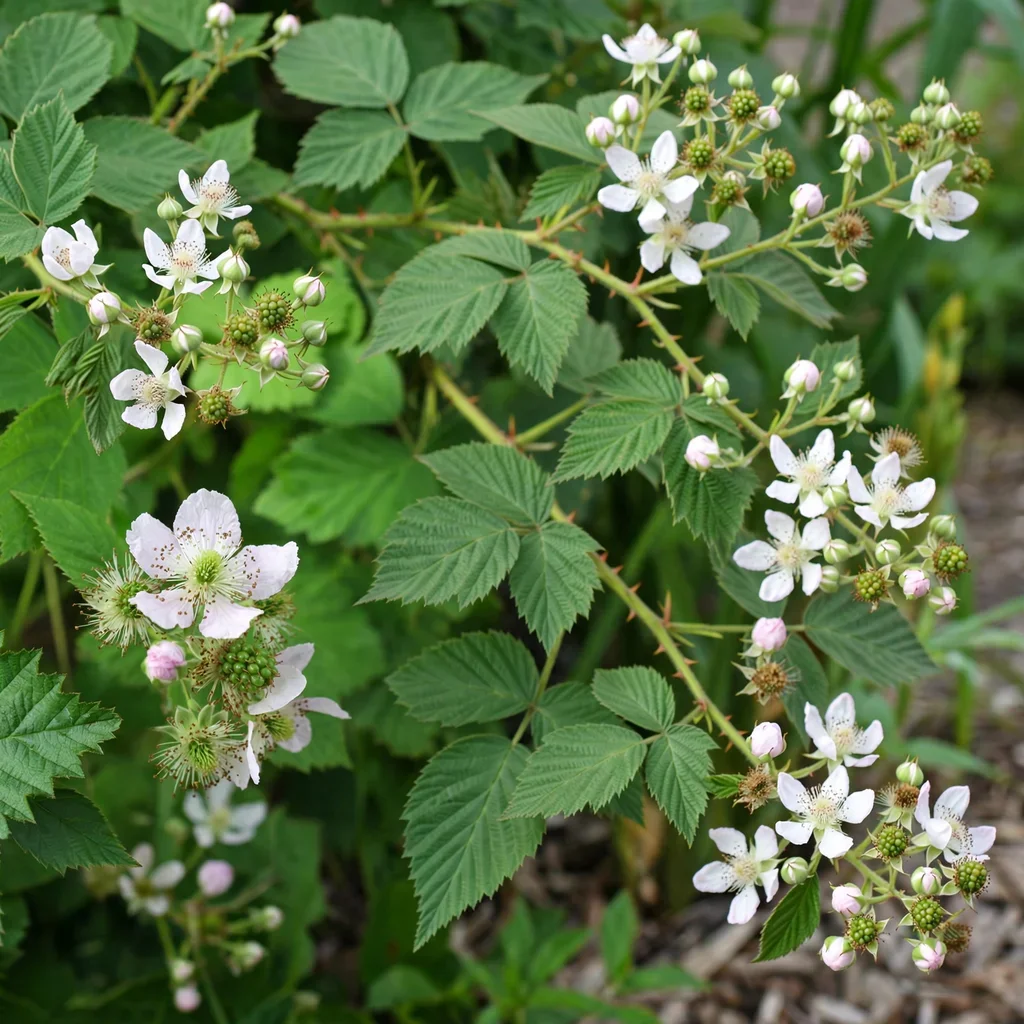
Apache Thornless Blackberry
Rubus fruticosus 'Apache Thornless'
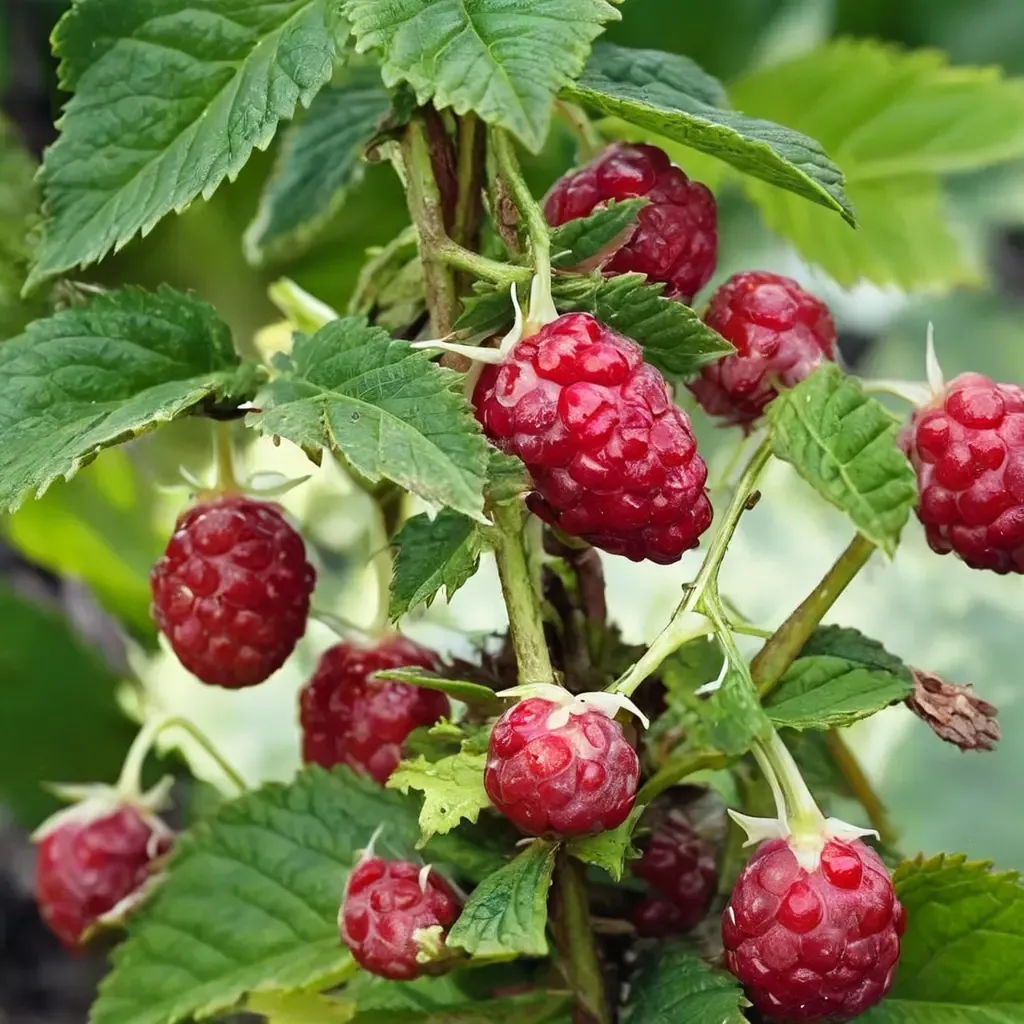
Canby raspberry
Rubus idaeus 'Canby'
Keep exploring
Explore the genus
Hardy in your zone?
Grow Scabrid Bramble with confidence
See it in a design of your actual yard, get zone-matched care reminders, and track it season by season in your garden journal.