The Story
Plant Bio
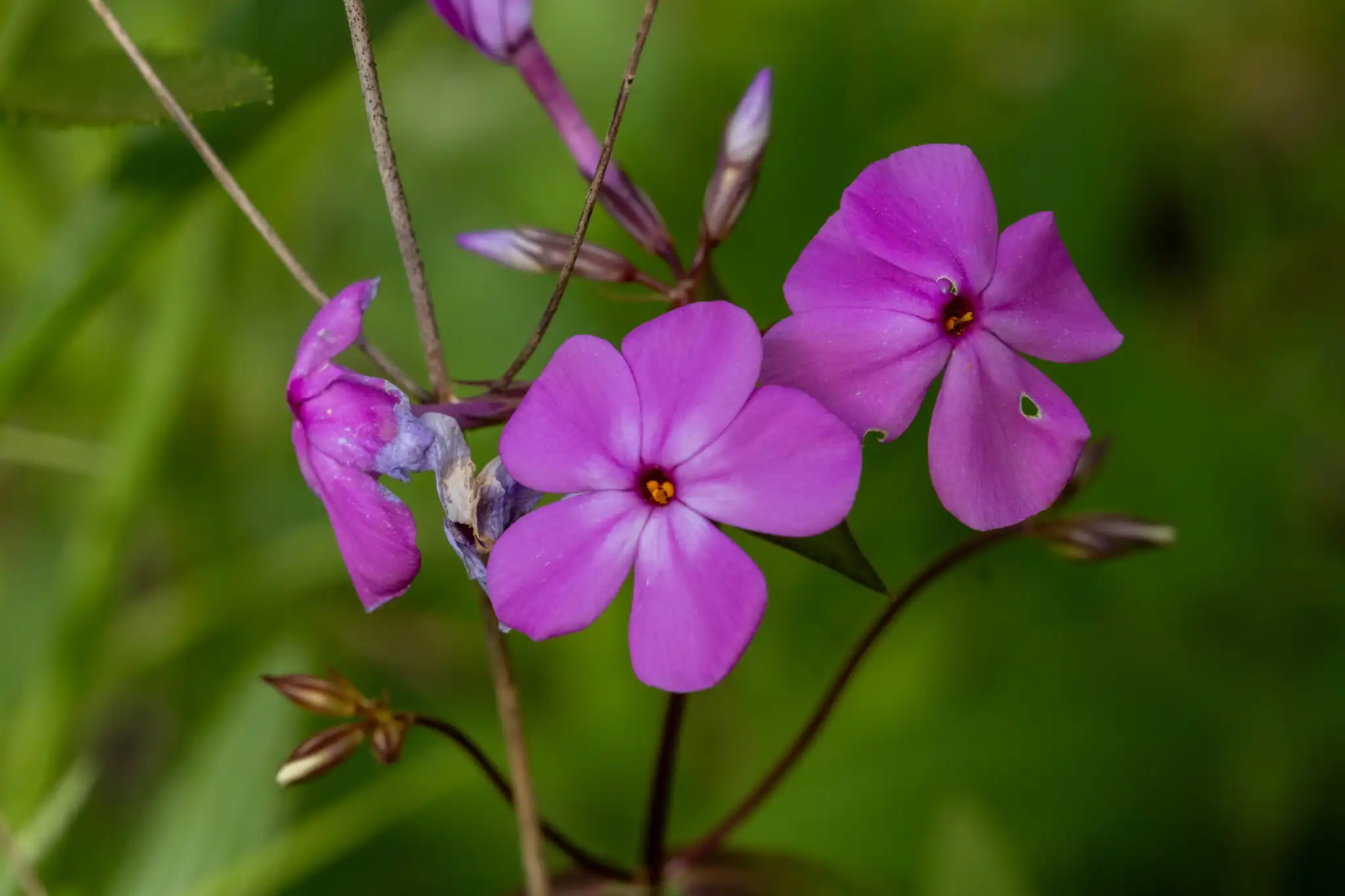
Phlox glaberrima is an upright, clump-forming herbaceous perennial native to moist meadows, low woods, and riverbanks across eastern and midwestern North America. Stiff, unbranched stems bear smooth, lance-shaped dark green leaves and terminate in dense panicles of tubular pink to reddish-purple aromatic flowers.
Unlike many garden phloxes, this species features completely hairless, glossy foliage that exhibits strong natural resistance to powdery mildew. The long corolla tubes produce abundant nectar specifically adapted for long-tongued pollinators and hummingbirds throughout late spring and early summer.
Uses & Benefits:
Essentials
At a Glance
Plant Type
Perennial
Height
48"
Width
18"
Light
Full Sun, Partial Sun
Zones
4, 5, 6, 7, 8
Water
Medium to high
Humidity
High
Lifespan
Perennial
Native To
Eastern and Midwestern United States
Toxicity
Non-toxic
Bloom period
Late spring – Mid summer
In flower about 3 months of the year
Planting
How to Grow
- Select a site in full sun to light shade with rich, moist, organic soil.
- Space plants 12 to 18 inches apart to maintain air circulation around stems.
- Water deeply upon planting and maintain consistent soil moisture throughout the root zone.
- Apply a 2-inch layer of organic compost or bark mulch to retain moisture and keep roots cool.
Pro Tip
Ensure soil remains consistently damp and well-oxygenated, as stagnant, oxygen-deprived water causes root rot despite the plant's high moisture tolerance.
Keep It Thriving
Care Guide
Do
- Keep soil consistently moist, especially during peak summer heat.
- Deadhead spent flower panicles to prolong blooming and limit unwanted self-seeding.
- Provide good air circulation around plants to minimize disease risks.
Don't
- Do not allow soil to dry out completely during dry spells.
- Avoid overhead watering late in the day to minimize leaf moisture duration.
- Do not plant in oxygen-starved, stagnant bogs with poor water movement.
Seasonal Care Calendar
| Task | Jan | Feb | Mar | Apr | May | Jun | Jul | Aug | Sep | Oct | Nov | Dec |
|---|---|---|---|---|---|---|---|---|---|---|---|---|
| Deadhead | ||||||||||||
| Divide | ||||||||||||
| Fertilize | ||||||||||||
| Spring Cleanup | ||||||||||||
| Winter Prep |
Watch Out For
Pests & Diseases
Common Pests
Common Diseases
In the Garden
Landscape Uses & Companions
Landscape Uses
Multiply
Propagation Methods
Good to Know
Common Questions
Smooth Phlox questions
What zones can Smooth Phlox grow in?
Smooth Phlox is hardy in USDA Zones 4–8. Inside that range it survives winter in the ground; outside it, grow it as an annual or a container plant you protect.
Is Smooth Phlox deer resistant?
Not reliably. Deer may browse Smooth Phlox, especially tender spring growth — plan on repellents or fencing where pressure is high.
When does Smooth Phlox bloom?
Smooth Phlox typically blooms in late spring through mid summer. Exact timing shifts a week or two with your zone — Sow's bloom calendar maps it to your garden.
Does Smooth Phlox need full sun?
Smooth Phlox does best in full sun to part shade. In hot climates, afternoon shade keeps blooms fresher longer.
More Phlox to compare
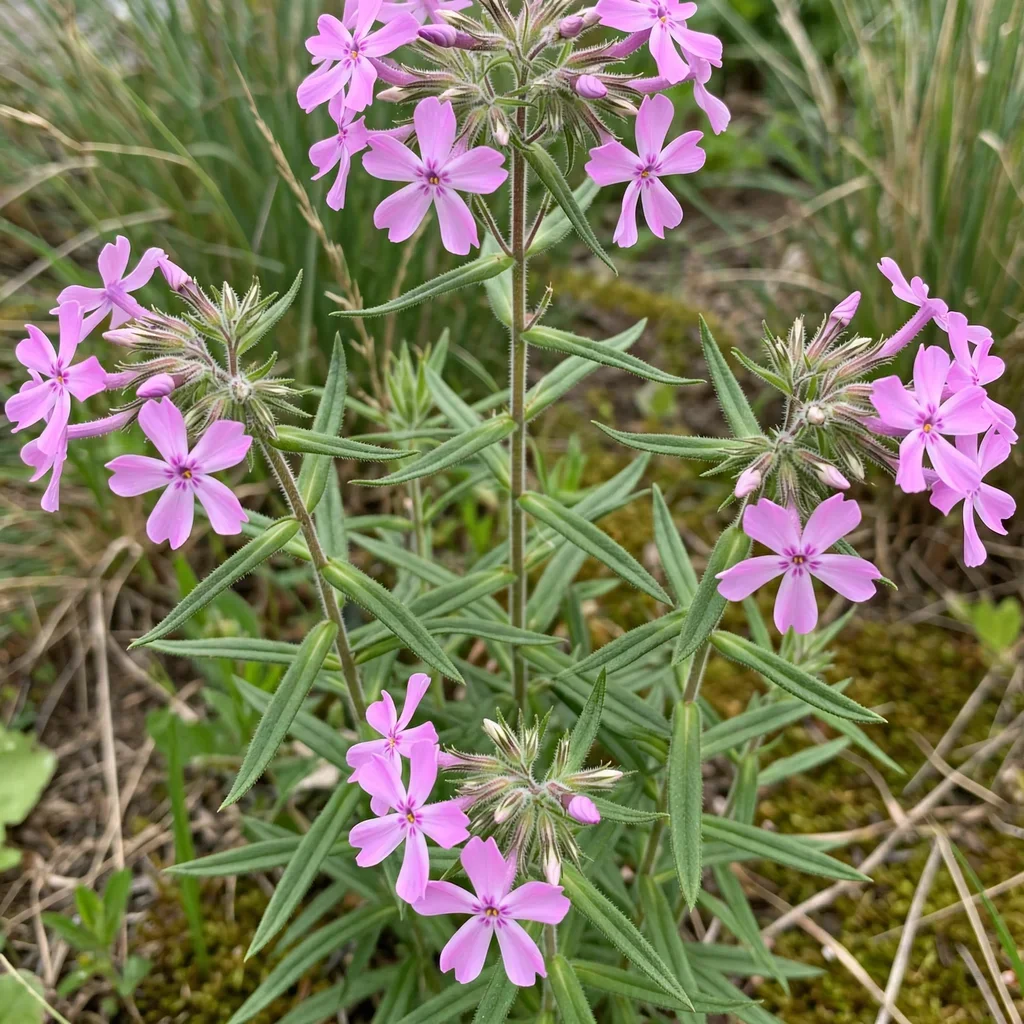
Prairie Phlox
Phlox pilosa
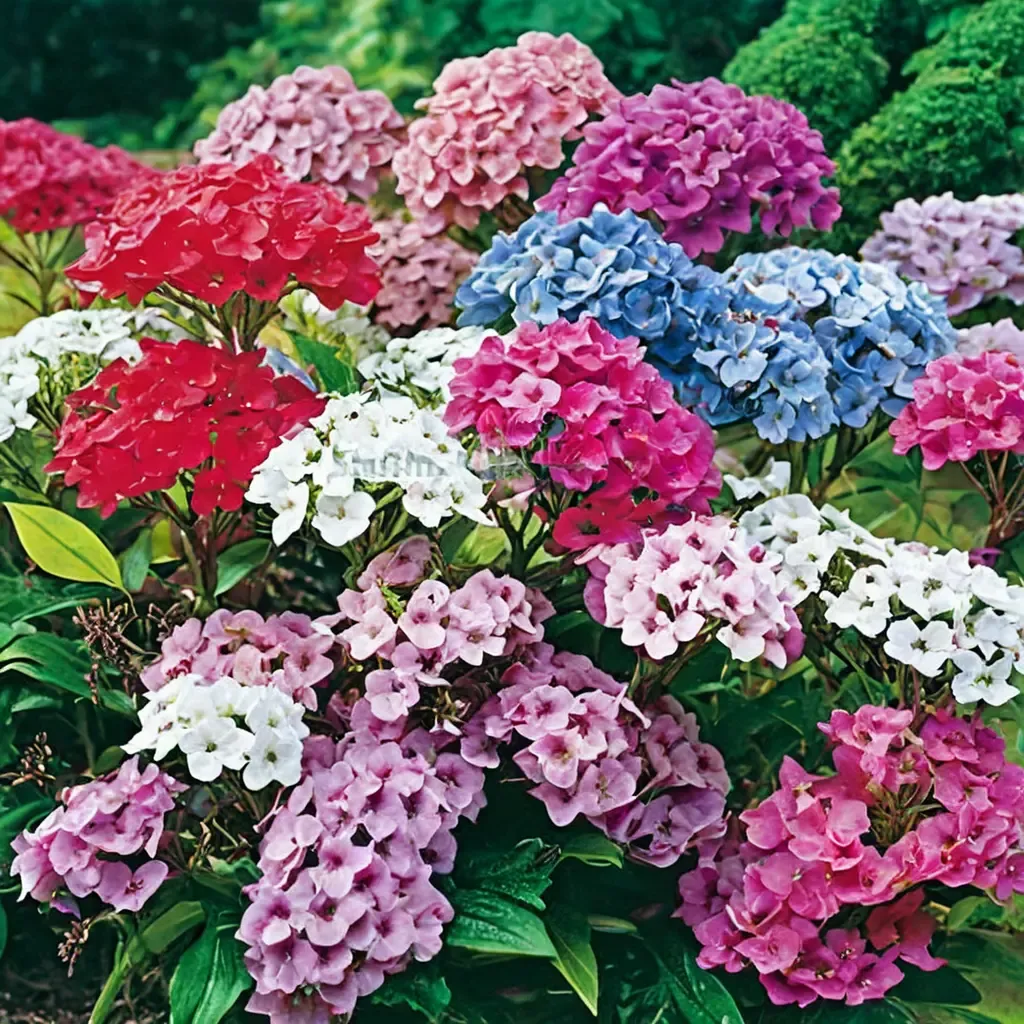
Garden Phlox
Phlox paniculata 'Mix'
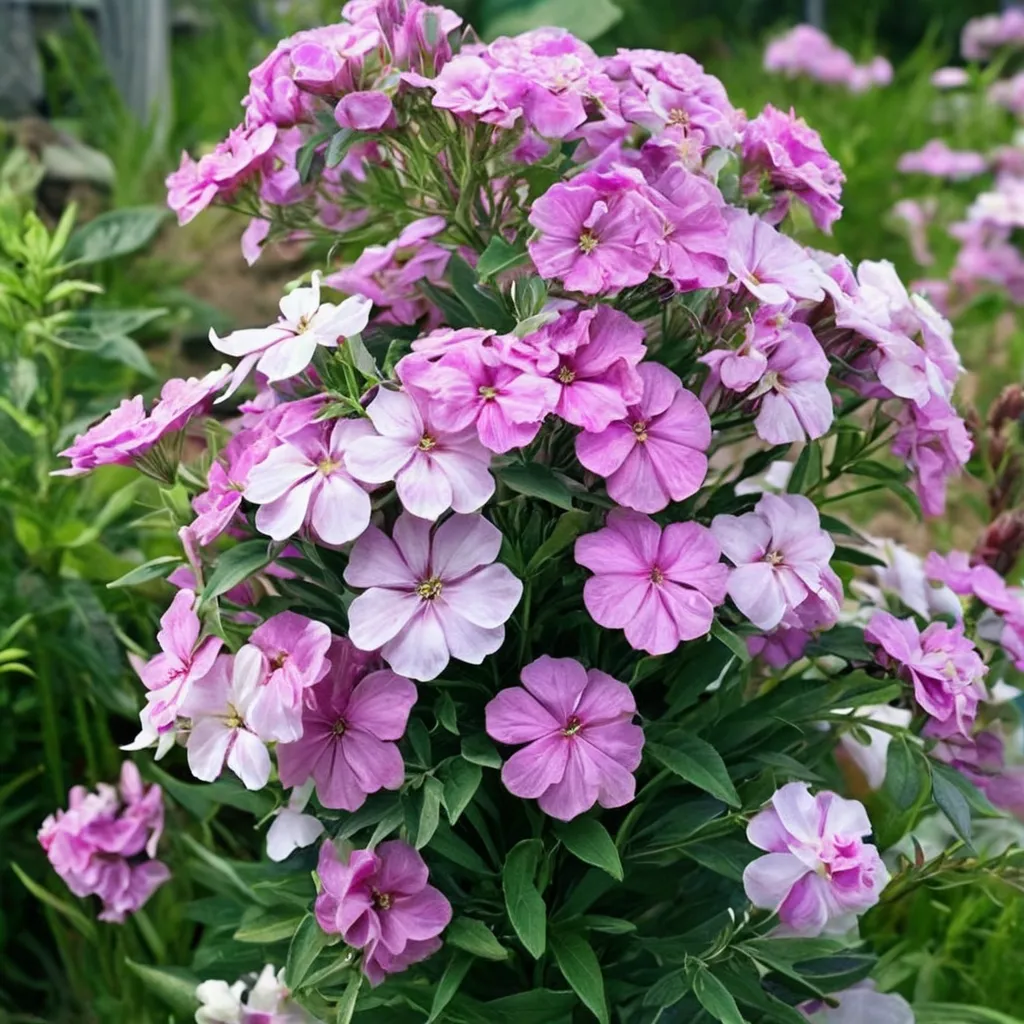
Garden Phlox 'Rene Duval'
Phlox paniculata 'Rene Duval'
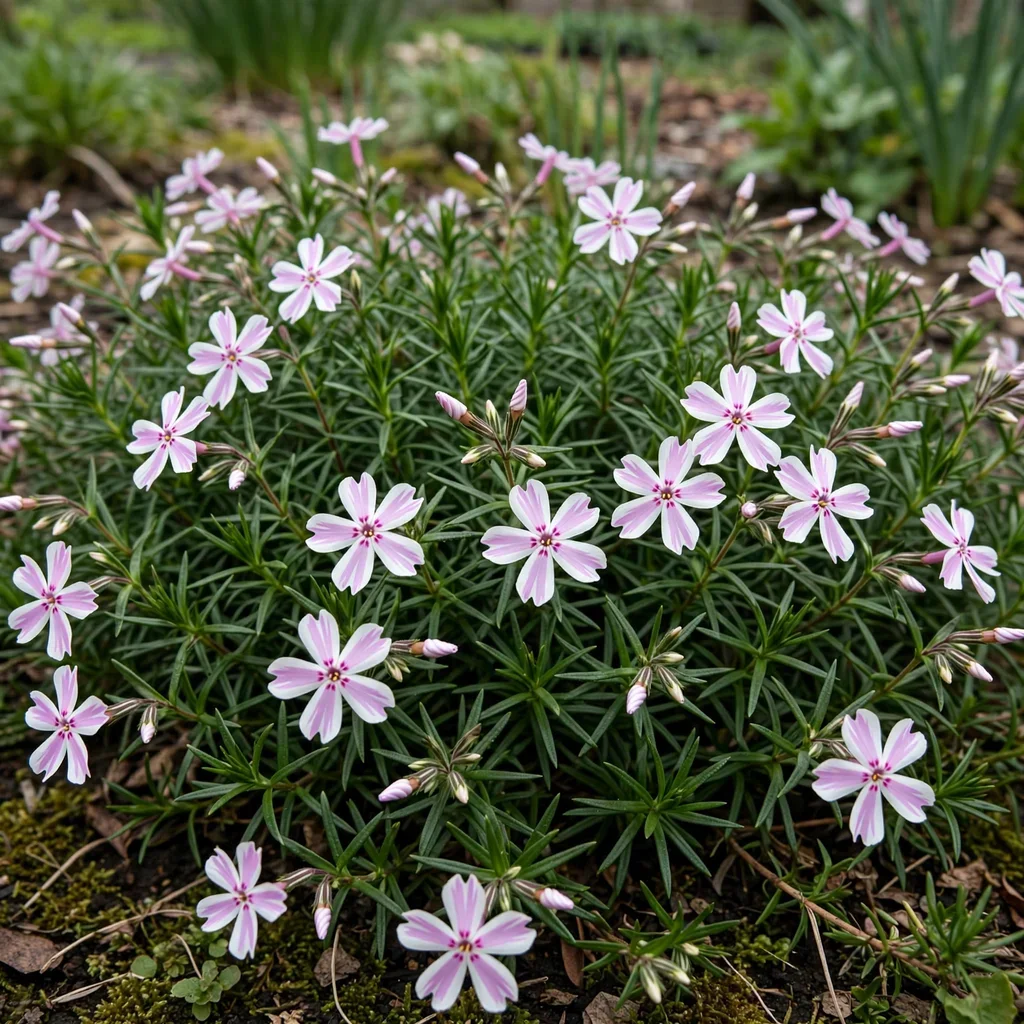
Candy Stripe Creeping Phlox
Phlox subulata 'Candy Stripe'
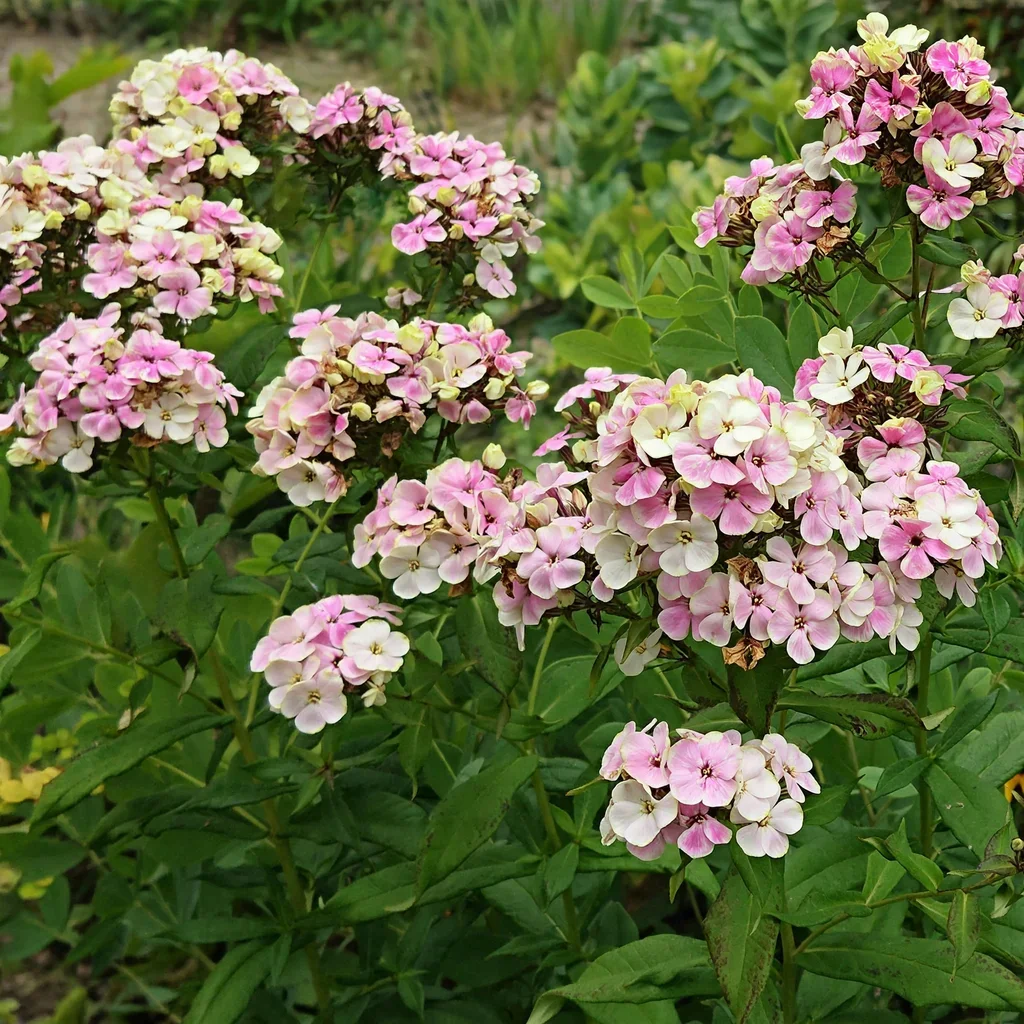
Sherbet Cocktail Garden Phlox
Phlox paniculata 'Sherbet Cocktail'
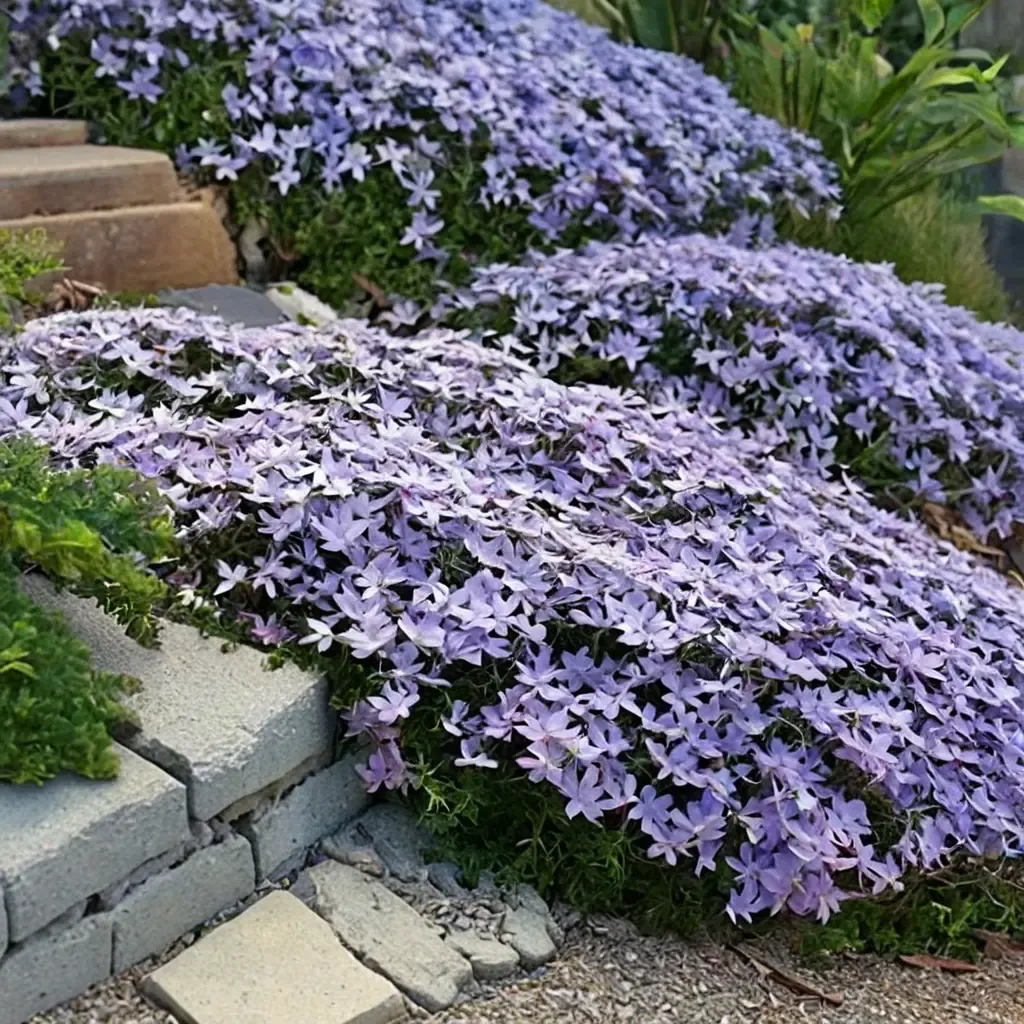
Emerald Blue Moss Phlox
Phlox subulata 'Emerald Blue'
Keep exploring
Explore the genus
Hardy in your zone?
Grow Smooth Phlox with confidence
See it in a design of your actual yard, get zone-matched care reminders, and track it season by season in your garden journal.