
The Story
Plant Bio
Campanula rotundifolia is a fine-textured, clump-forming herbaceous perennial native across cold and temperate regions of the Northern Hemisphere, producing slender wiry stems topped with nodding blue-violet bell flowers from early summer into fall. Basal rosettes consist of rounded to heart-shaped leaves that typically wither before bloom, while narrow, linear leaves line the flowering stems.
Unlike coarse garden bellflowers, this species produces delicate, flexible stems that hold up well against strong winds without breaking or lodging. Its extensive taproot and drought tolerance allow it to establish readily on lean, gravelly slopes and rocky crevices where other perennials struggle.
Uses & Benefits:
Essentials
At a Glance
Plant Type
Perennial
Height
20"
Width
18"
Light
Full Sun, Partial Sun
Zones
4, 5, 6, 7, 8
Water
Low to moderate
Humidity
Low to moderate
Lifespan
Perennial
Native To
Northern Hemisphere
Toxicity
Non-toxic
Bloom period
Summer – Fall
In flower about 6 months of the year
Planting
How to Grow
- Select a site in full sun to partial shade with lean, sharply draining soil.
- Dig a hole twice the width of the container and set the crown flush with the surrounding soil level.
- Backfill with native sand or gravelly soil without adding rich compost or heavy organic fertilizers.
- Water thoroughly at planting, then allow the top few inches of soil to dry out between waterings.
Pro Tip
Plant in sharply draining, gravelly or sandy soil; rich garden soils and heavy fertilizer cause weak, floppy growth and crown rot.
Keep It Thriving
Care Guide
Do
- Provide lean, fast-draining rocky or sandy soil to maintain compact growth.
- Deadhead spent blooms periodically to prolong the flowering season.
- Ensure good air circulation around foliage to discourage powdery mildew.
Don't
- Do not plant in wet, heavy clay or poorly drained soils.
- Do not apply heavy nitrogen fertilizers, which cause stems to flop.
- Do not cover the plant crown with thick, moisture-retentive organic mulch.
Seasonal Care Calendar
| Task | Jan | Feb | Mar | Apr | May | Jun | Jul | Aug | Sep | Oct | Nov | Dec |
|---|---|---|---|---|---|---|---|---|---|---|---|---|
| Deadhead | ||||||||||||
| Divide | ||||||||||||
| Plant | ||||||||||||
| Spring Cleanup | ||||||||||||
| Winter Prep |
Watch Out For
Pests & Diseases
Common Pests
Common Diseases
In the Garden
Landscape Uses & Companions
Landscape Uses
Companion Plants
Multiply
Propagation Methods
Good to Know
Common Questions
Harebell questions
What zones can Harebell grow in?
Harebell is hardy in USDA Zones 4–8. Inside that range it survives winter in the ground; outside it, grow it as an annual or a container plant you protect.
Is Harebell deer resistant?
Not reliably. Deer may browse Harebell, especially tender spring growth — plan on repellents or fencing where pressure is high.
When does Harebell bloom?
Harebell typically blooms in summer through fall. Exact timing shifts a week or two with your zone — Sow's bloom calendar maps it to your garden.
Does Harebell need full sun?
Harebell does best in full sun to part shade. In hot climates, afternoon shade keeps blooms fresher longer.
Is Harebell drought tolerant?
Yes — once established (usually after the first full season), Harebell handles dry spells with minimal watering. Water deeply its first year to build the root system that makes that possible.
More Campanula to compare
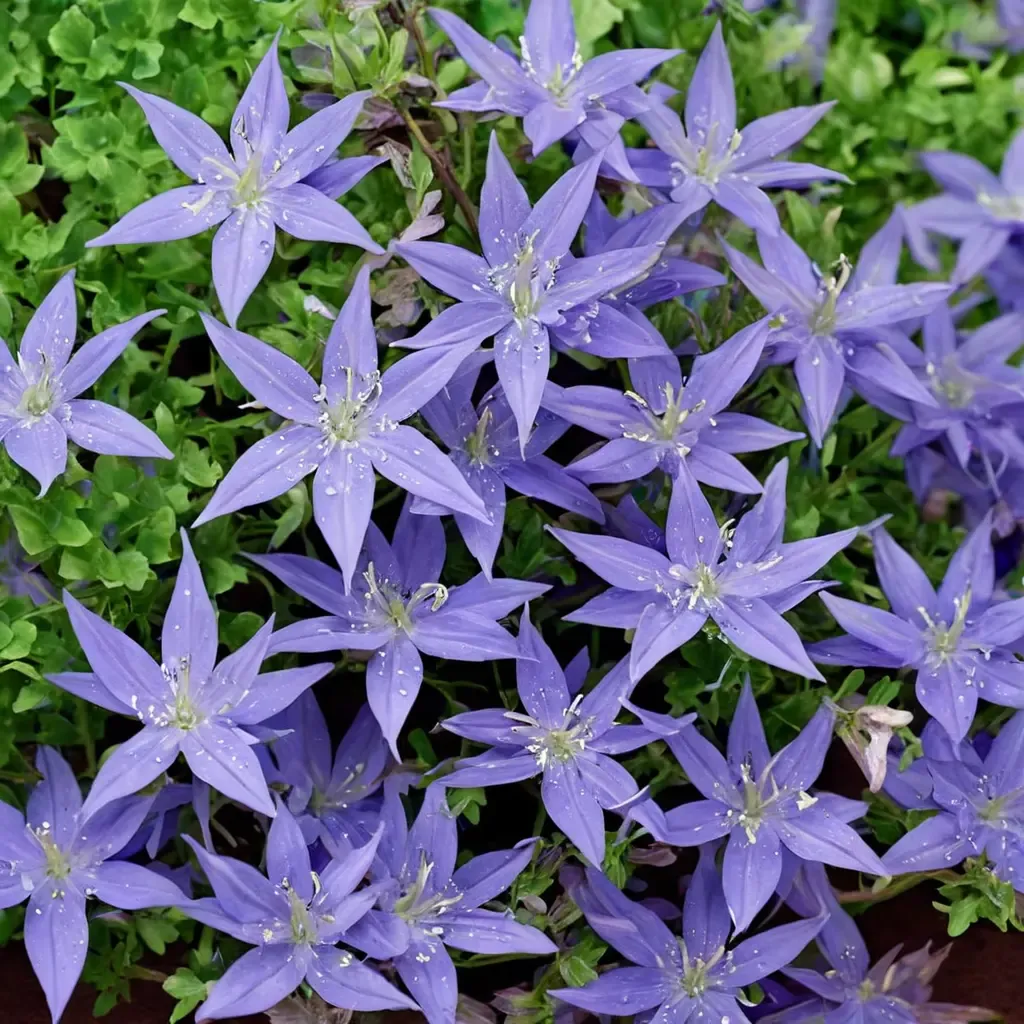
Blue Waterfall Bellflower
Campanula poscharskyana 'Blue Waterfall'
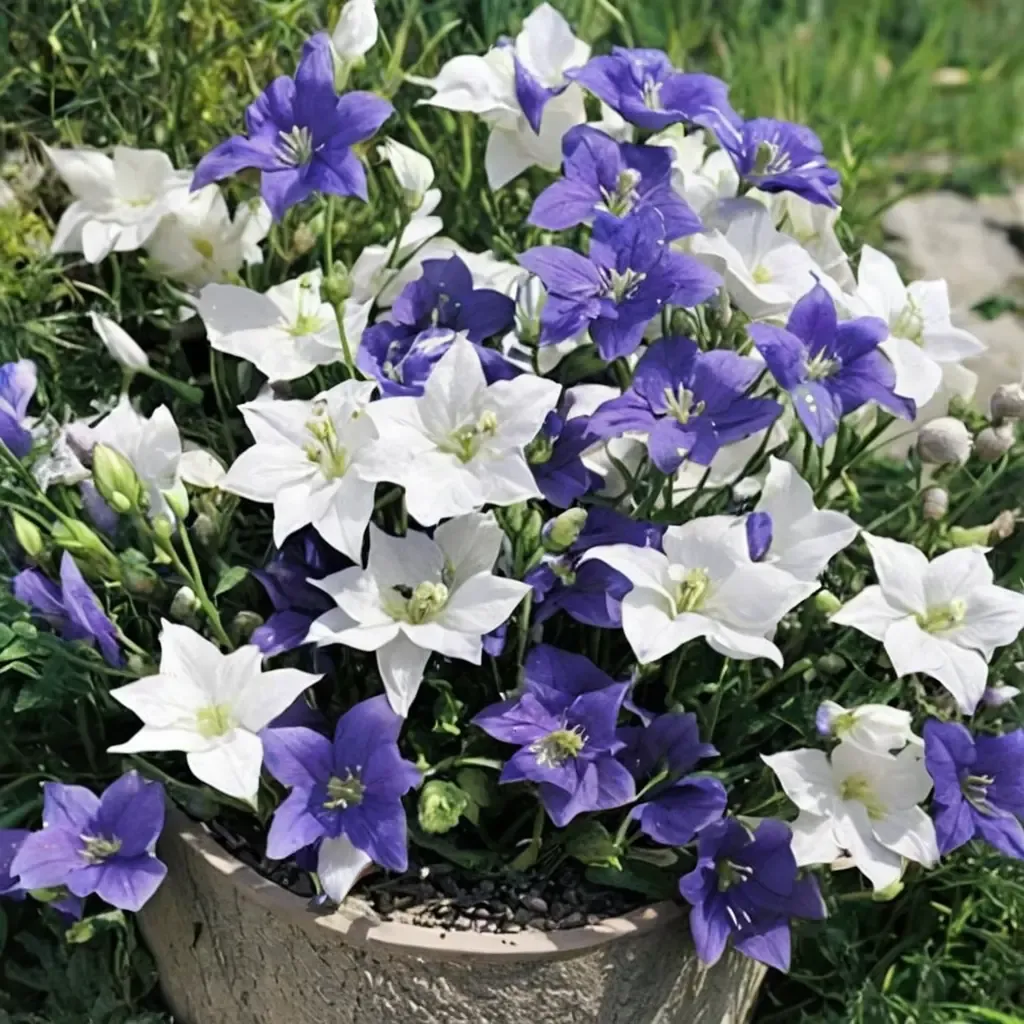
Carpathian Bellflower
Campanula carpatica 'Mix'
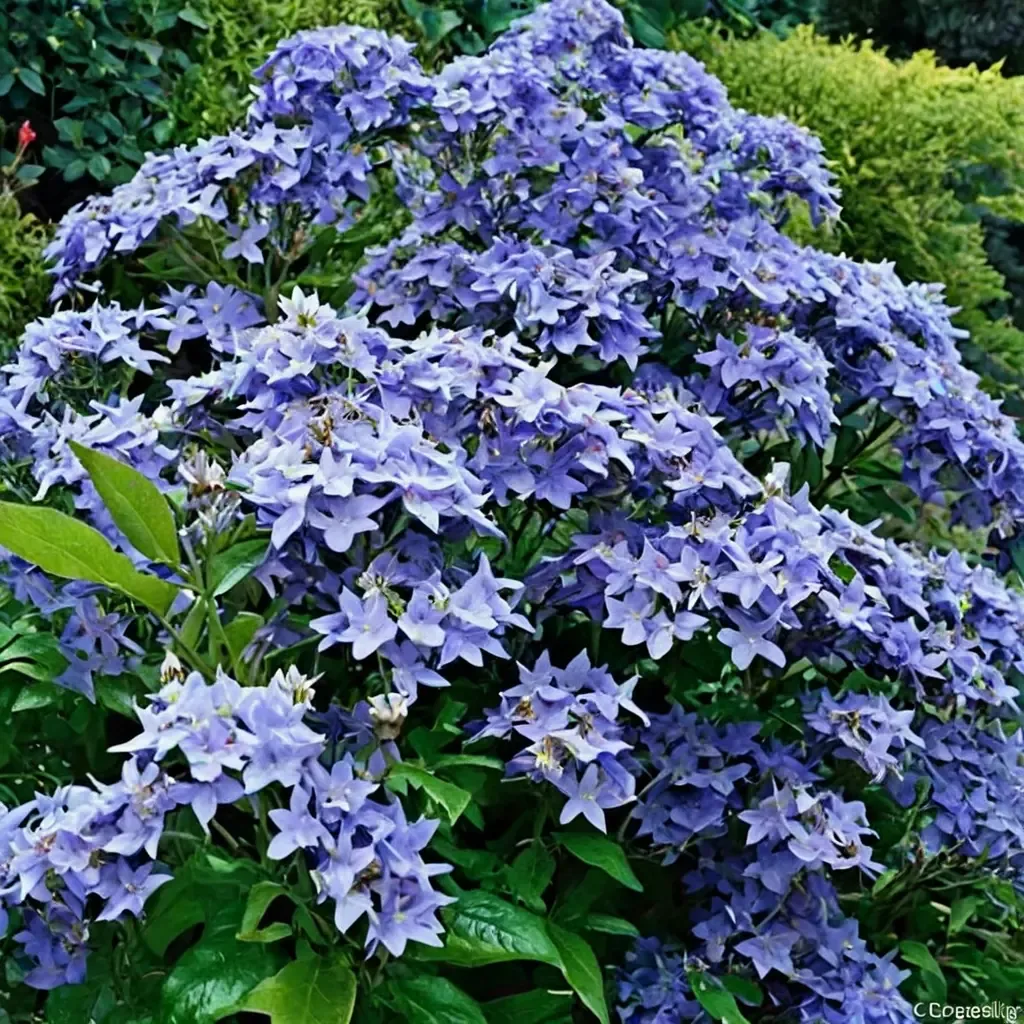
Prichard Milky Bellflower
Campanula lactiflora 'Prichard'
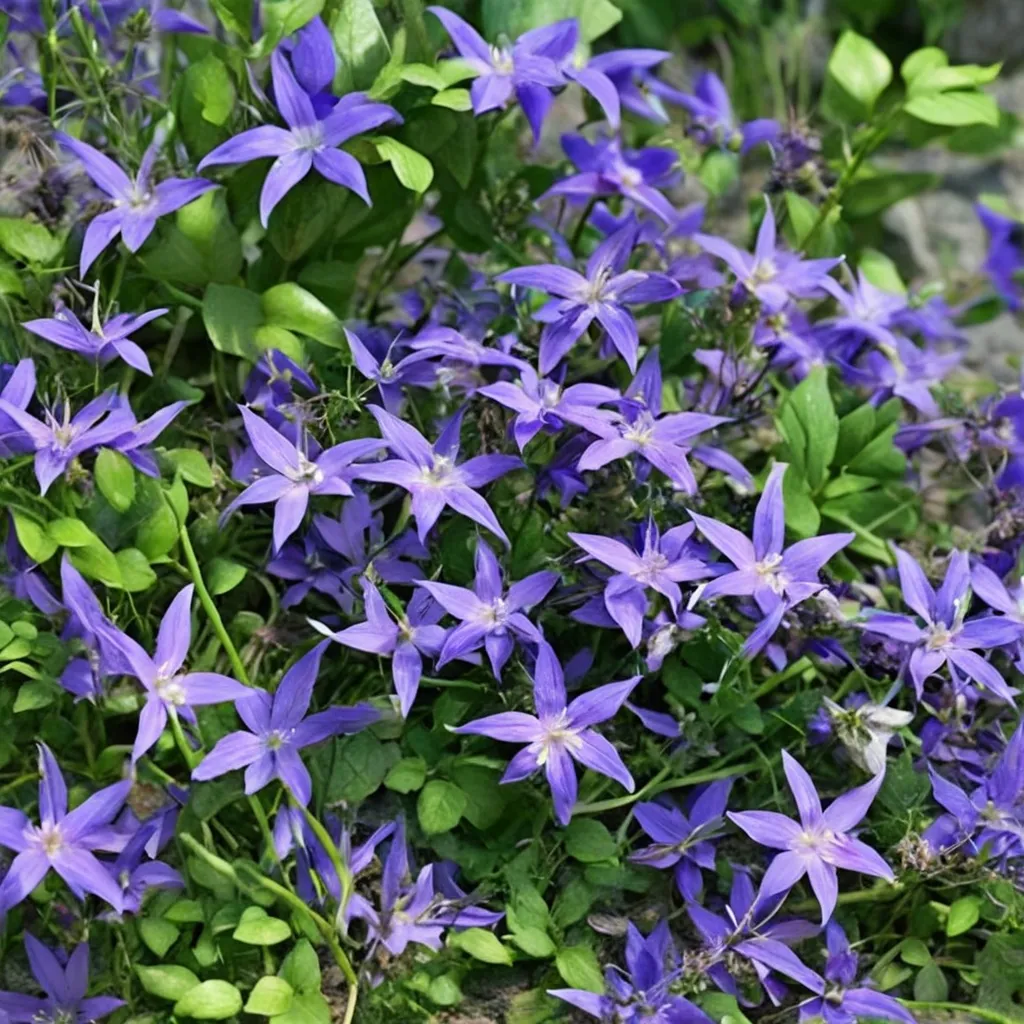
Serrated Bellflower
Campanula poscharskyana 'Stella'
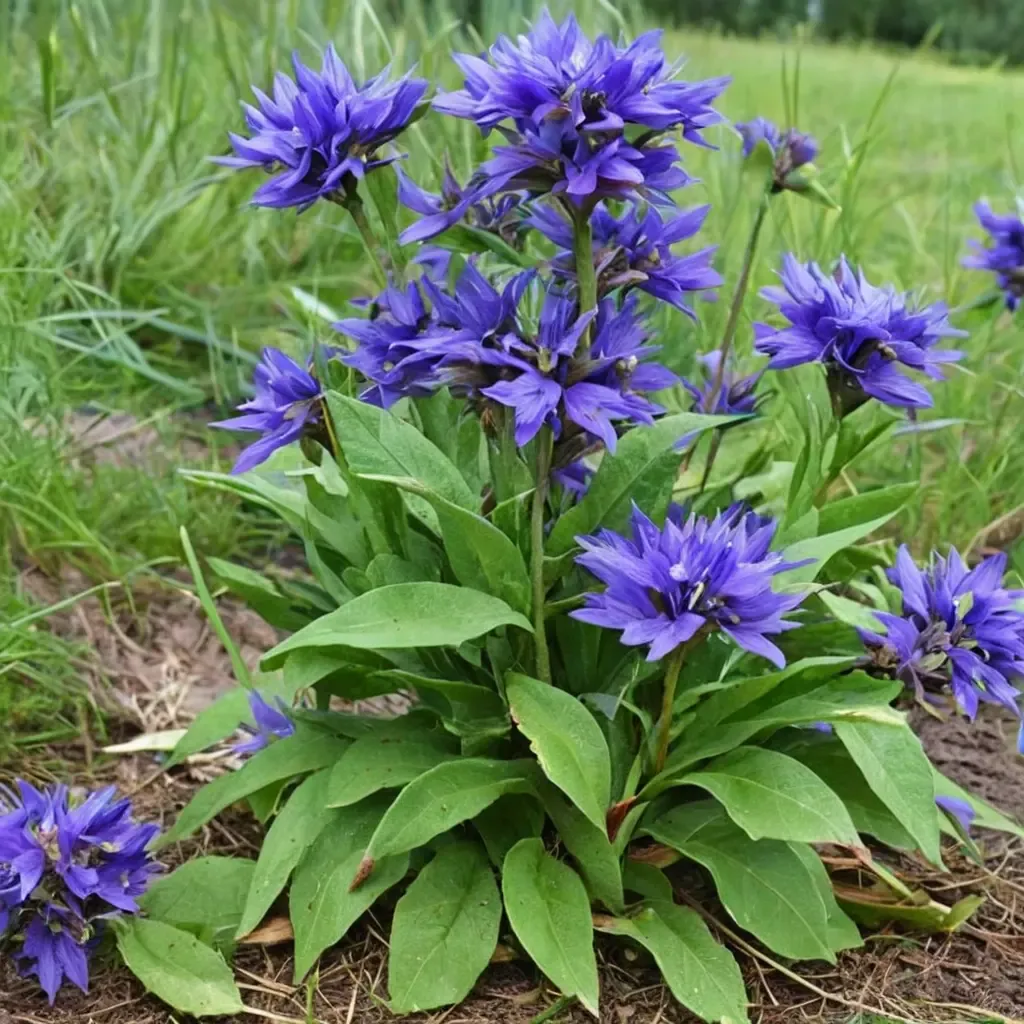
Clustered Bellflower
Campanula glomerata
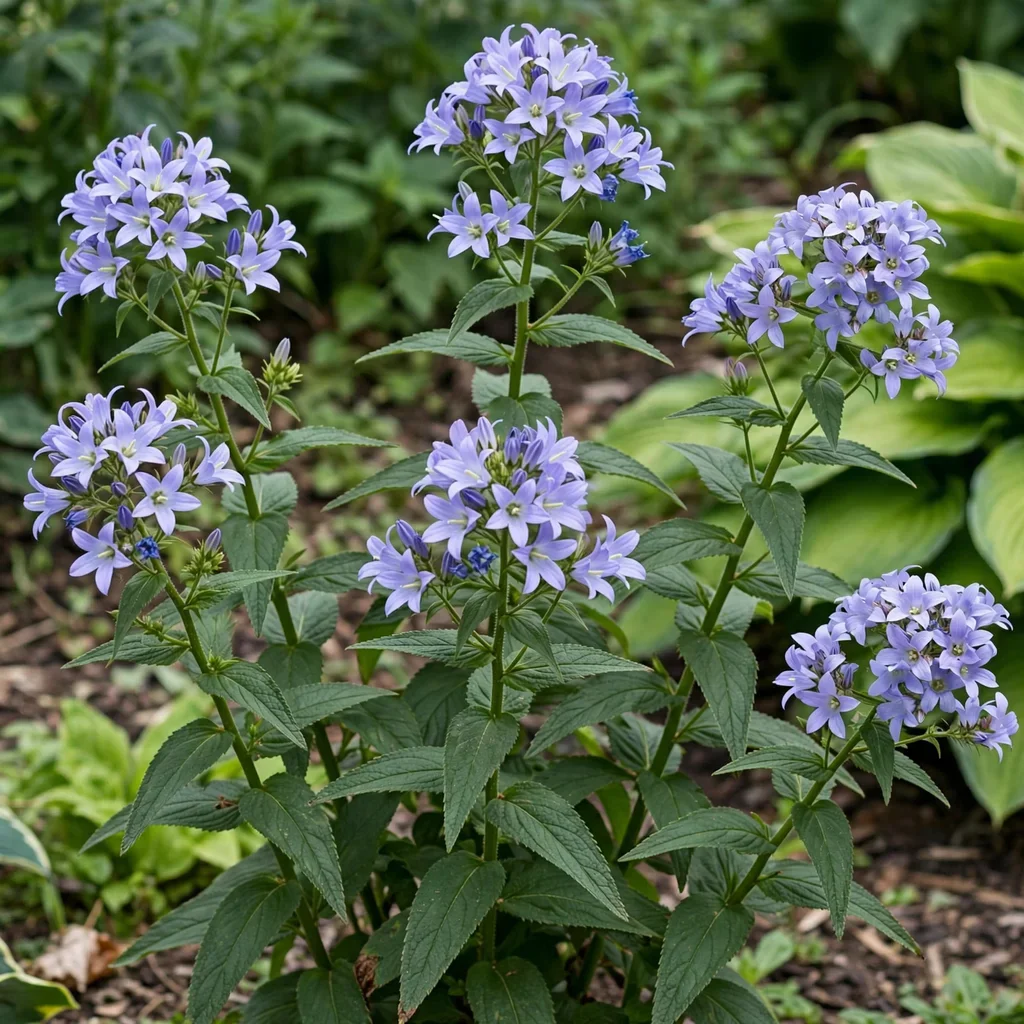
Prichard's Variety Milky Bellflower
Campanula lactiflora 'Prichard's Variety'
Keep exploring
Explore the genus
Hardy in your zone?
Grow Harebell with confidence
See it in a design of your actual yard, get zone-matched care reminders, and track it season by season in your garden journal.