1 named cultivar
The Story
Plant Bio
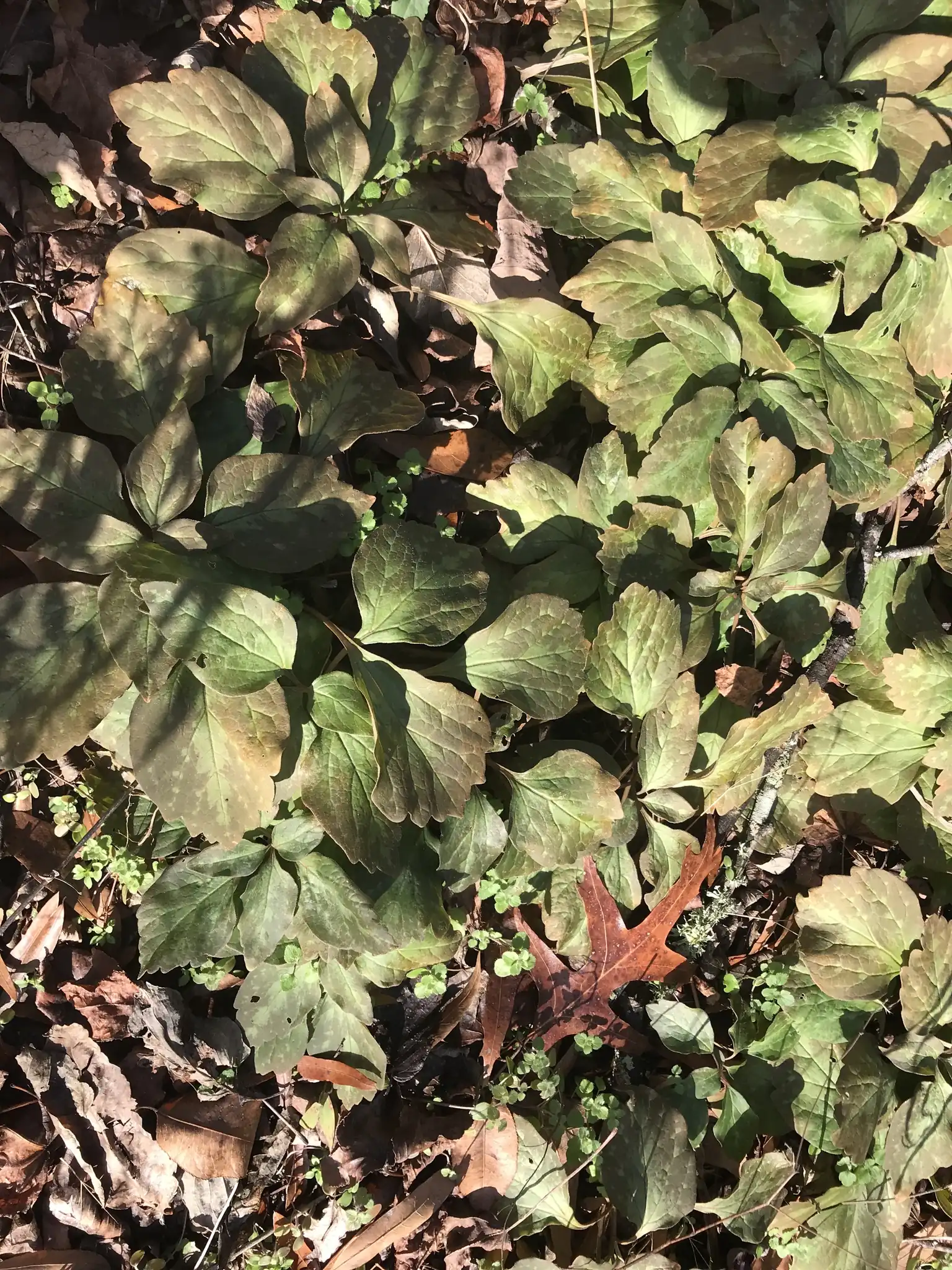
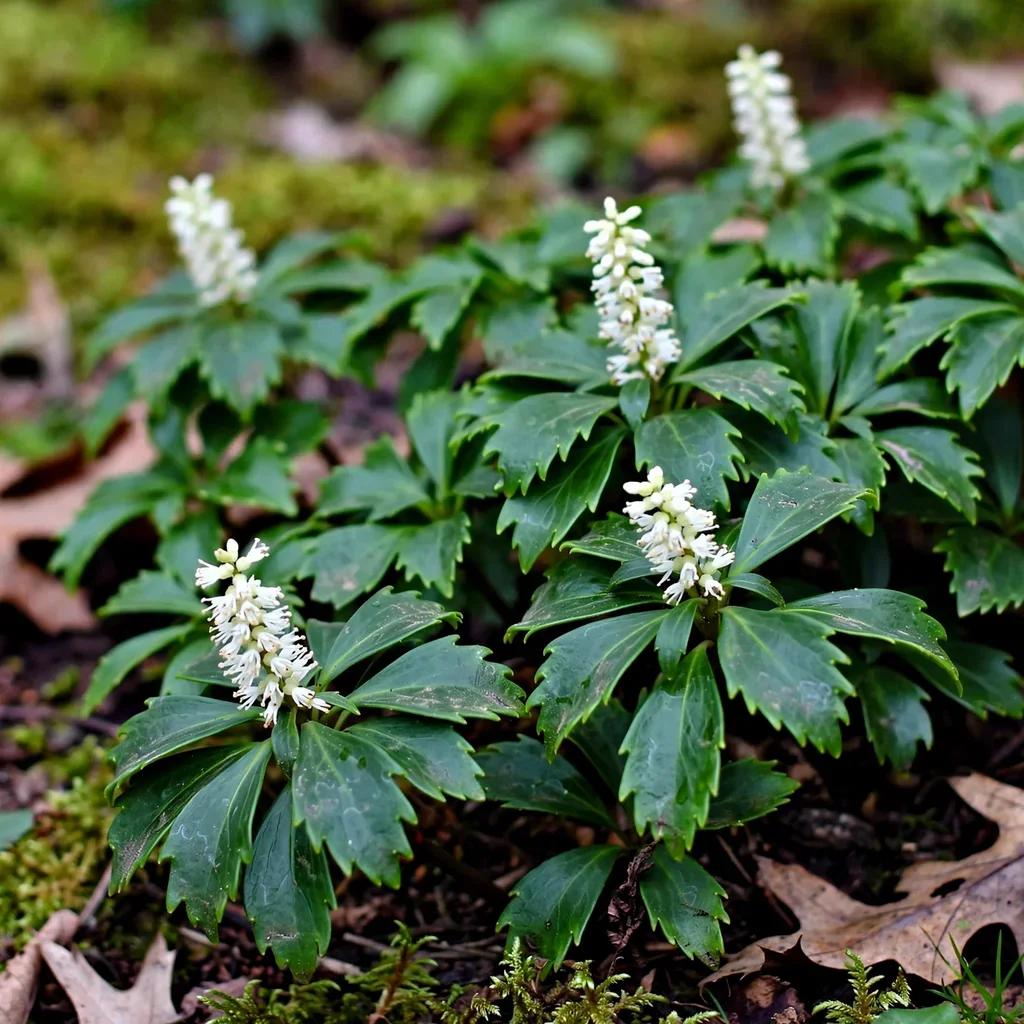
Pachysandra procumbens, Allegheny spurge, is a slowly spreading perennial groundcover native to the southeastern United States, six to twelve inches high. Bluish-green ovate leaves are mottled with silver and purple as they age, and short fragrant bottlebrush spikes of creamy-white flowers open at ground level in early spring, often before the new leaves.
This is the native alternative to Japanese pachysandra, which is invasive across the Northeast and forms sterile mats nothing else lives in. Allegheny spurge spreads slowly rather than running, its flowers are genuinely fragrant, and its foliage colours attractively with age instead of staying uniformly green. Slower to establish, and worth the wait.
Uses & Benefits:
Essentials
At a Glance
Plant Type
Groundcover
Height
6"
Width
18"
Light
Partial Sun, Shade
Zones
4, 5, 6, 7, 8, 9
Water
Moderate
Humidity
Moderate
Lifespan
Perennial
Native To
Southeastern United States
Toxicity
Non-toxic
Marketplace
Where to Buy
Shipping costs Year-round shipping Free shipping
Planting
How to Grow
- Plant in dappled to deep shade.
- Give it moist, humus-rich woodland soil.
- Space plants a foot apart and be patient.
- Mulch with leaf mould each autumn.
- Water through dry spells while it establishes.
- Divide congested clumps in early spring.
Pro Tip
It spreads slowly, so plant closer than feels necessary — the usual disappointment is spacing it like the invasive Japanese species.
Keep It Thriving
Care Guide
Do
- Choose it over Japanese pachysandra 🌱
- Plant it in moist, shaded soil 🌳
- Mulch with leaf mould 🍂
- Space plants closely for cover 📏
Don't
- Expect fast cover ❌
- Plant it in full sun ❌
- Let it dry out while establishing ❌
Seasonal Care Calendar
| Task | Jan | Feb | Mar | Apr | May | Jun | Jul | Aug | Sep | Oct | Nov | Dec |
|---|---|---|---|---|---|---|---|---|---|---|---|---|
| Enjoy | ||||||||||||
| Mulch |
Watch Out For
Pests & Diseases
Common Pests
Common Diseases
In the Garden
Landscape Uses & Companions
Landscape Uses
Multiply
Propagation Methods
Good to Know
Common Questions
Japanese Spurge questions
What zones can Japanese Spurge grow in?
Japanese Spurge is hardy in USDA Zones 4–9. Inside that range it survives winter in the ground; outside it, grow it as an annual or a container plant you protect.
Is Japanese Spurge deer resistant?
Yes — Japanese Spurge is rated deer-resistant. Deer typically pass it over, though extreme hunger can override any plant's defenses.
When does Japanese Spurge bloom?
Japanese Spurge typically blooms in early spring through late spring. Exact timing shifts a week or two with your zone — Sow's bloom calendar maps it to your garden.
Does Japanese Spurge need full sun?
Japanese Spurge does best in part shade.
More Pachysandra to compare
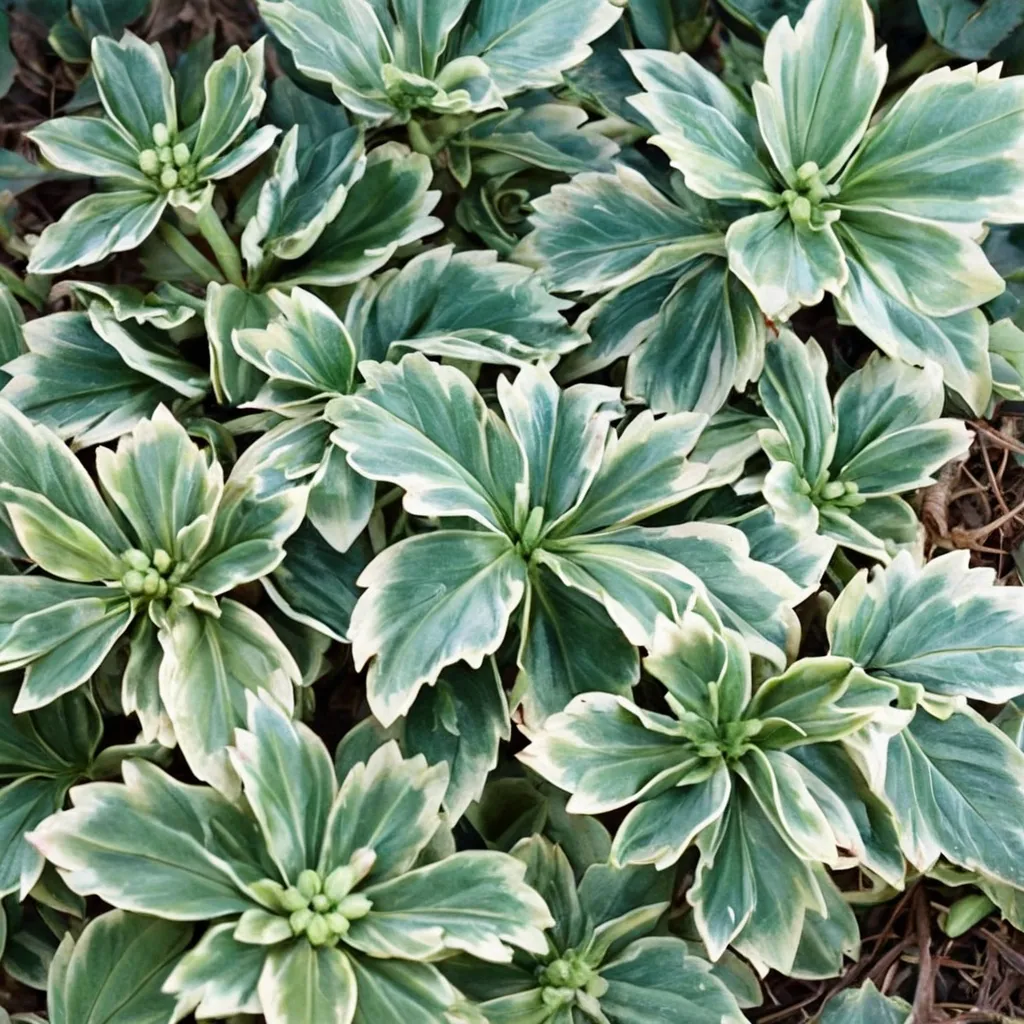
Japanese Spurge Silveredge
Pachysandra terminalis 'Silveredge'
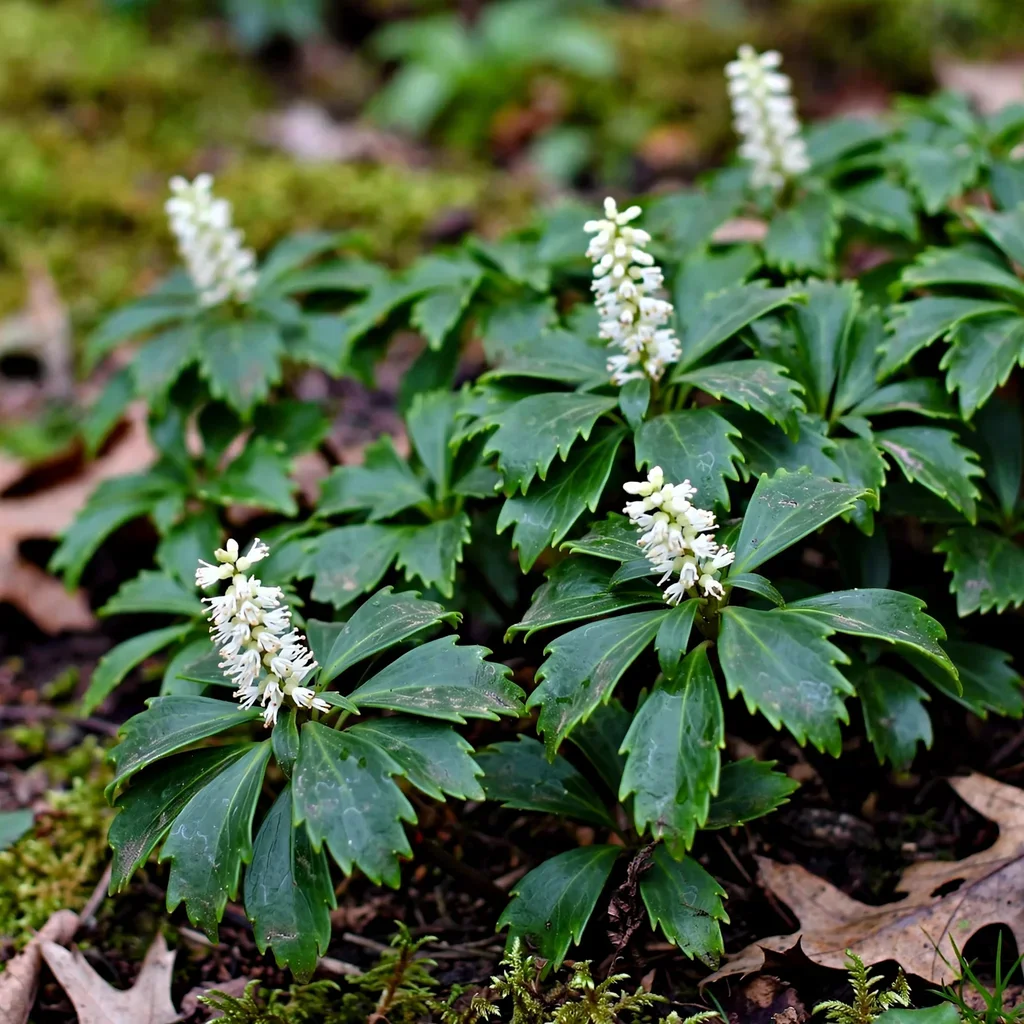
Pixie Japanese Spurge
Pachysandra procumbens 'Pixie'
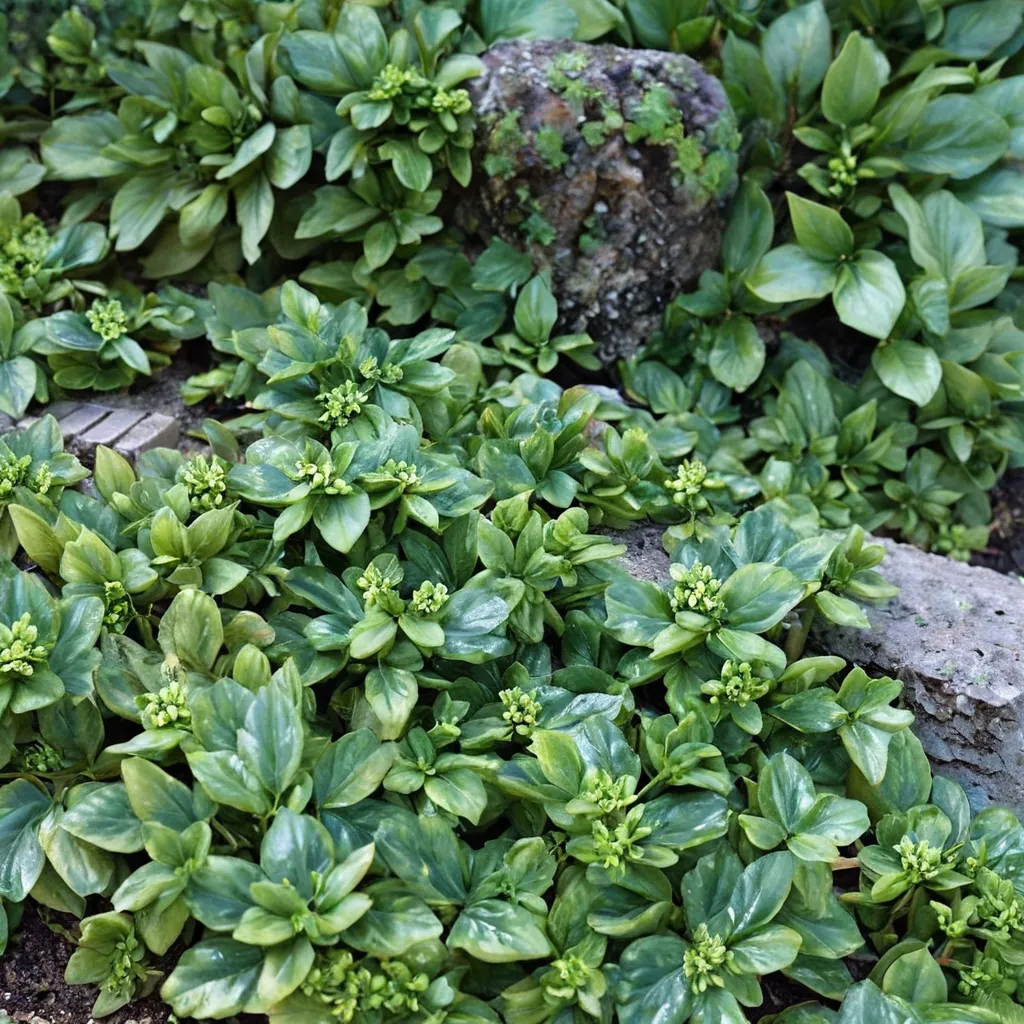
Japanese Spurge Green Sheen
Pachysandra terminalis 'Green Sheen'
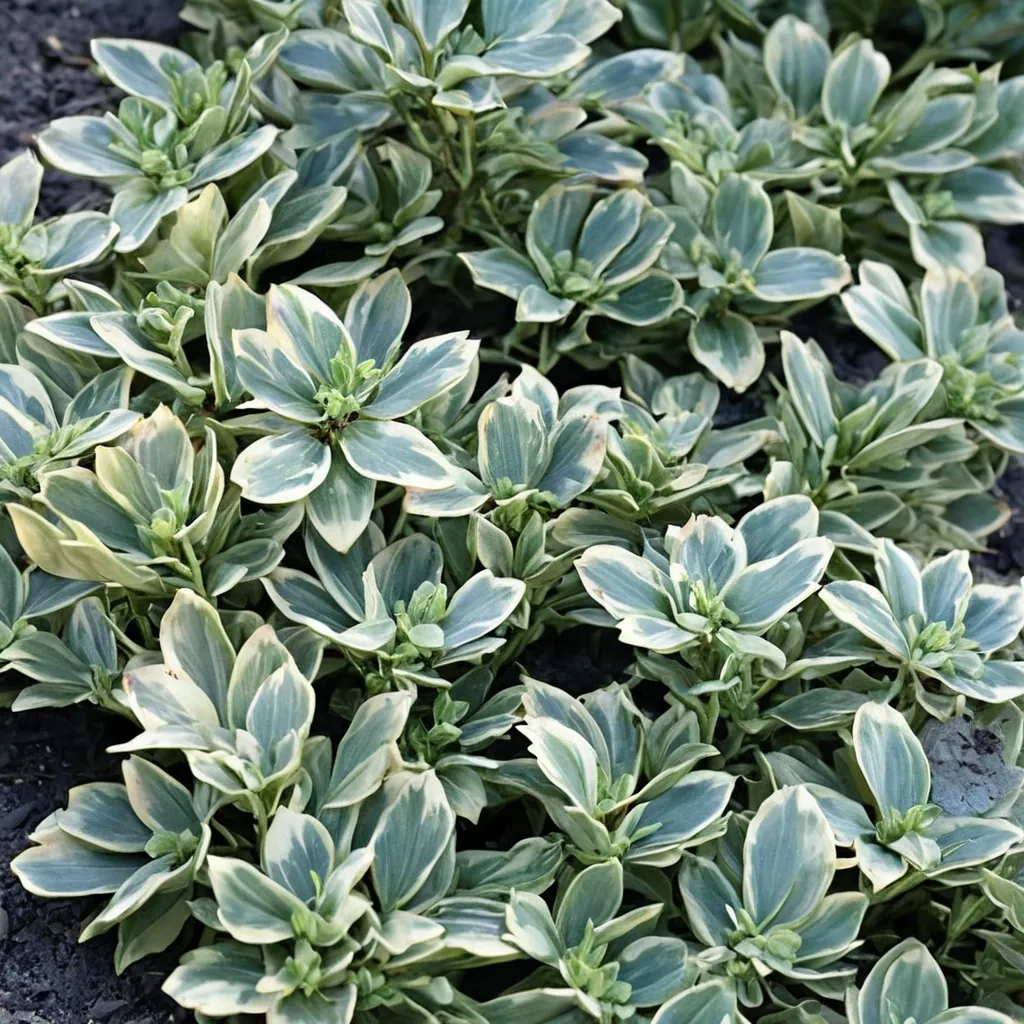
Japanese Spurge Variegata
Pachysandra terminalis 'Variegata'
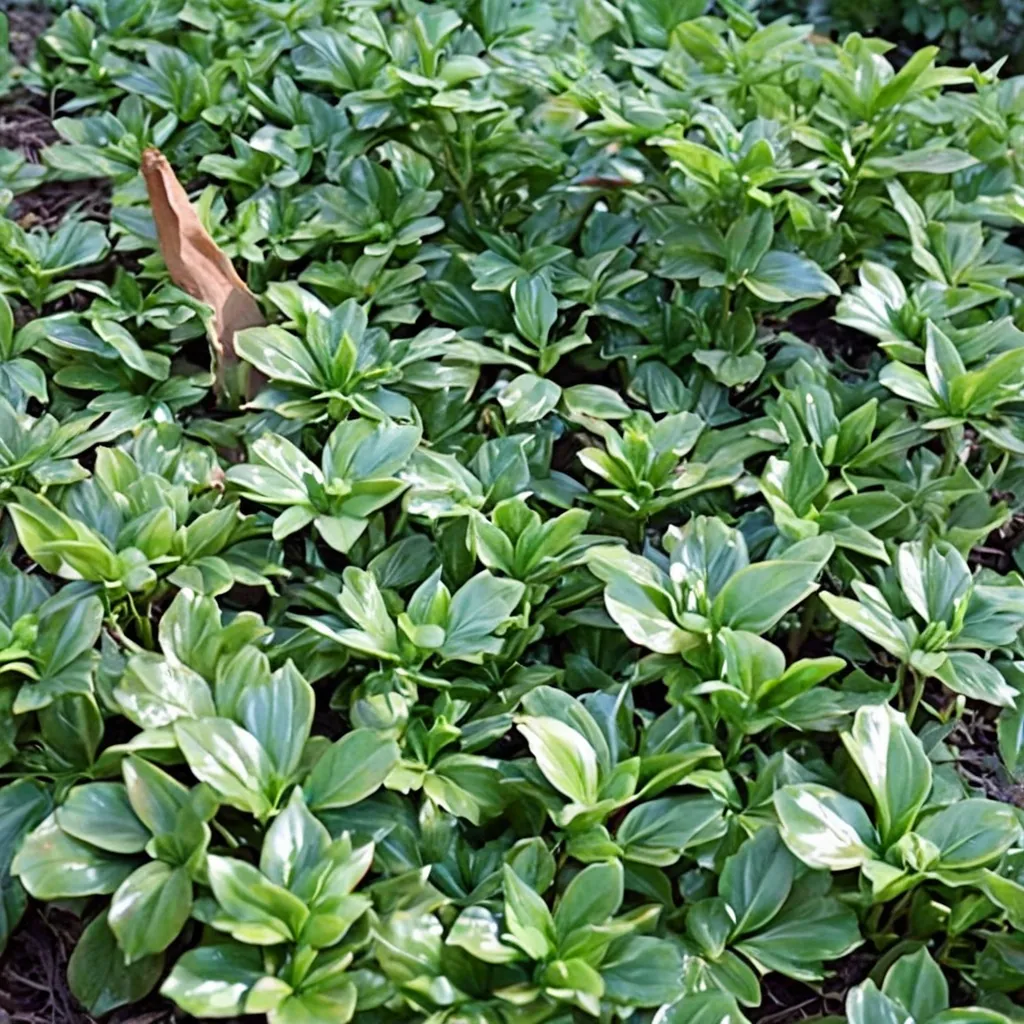
Shiny Japanese Spurge
Pachysandra terminalis 'Shiny'
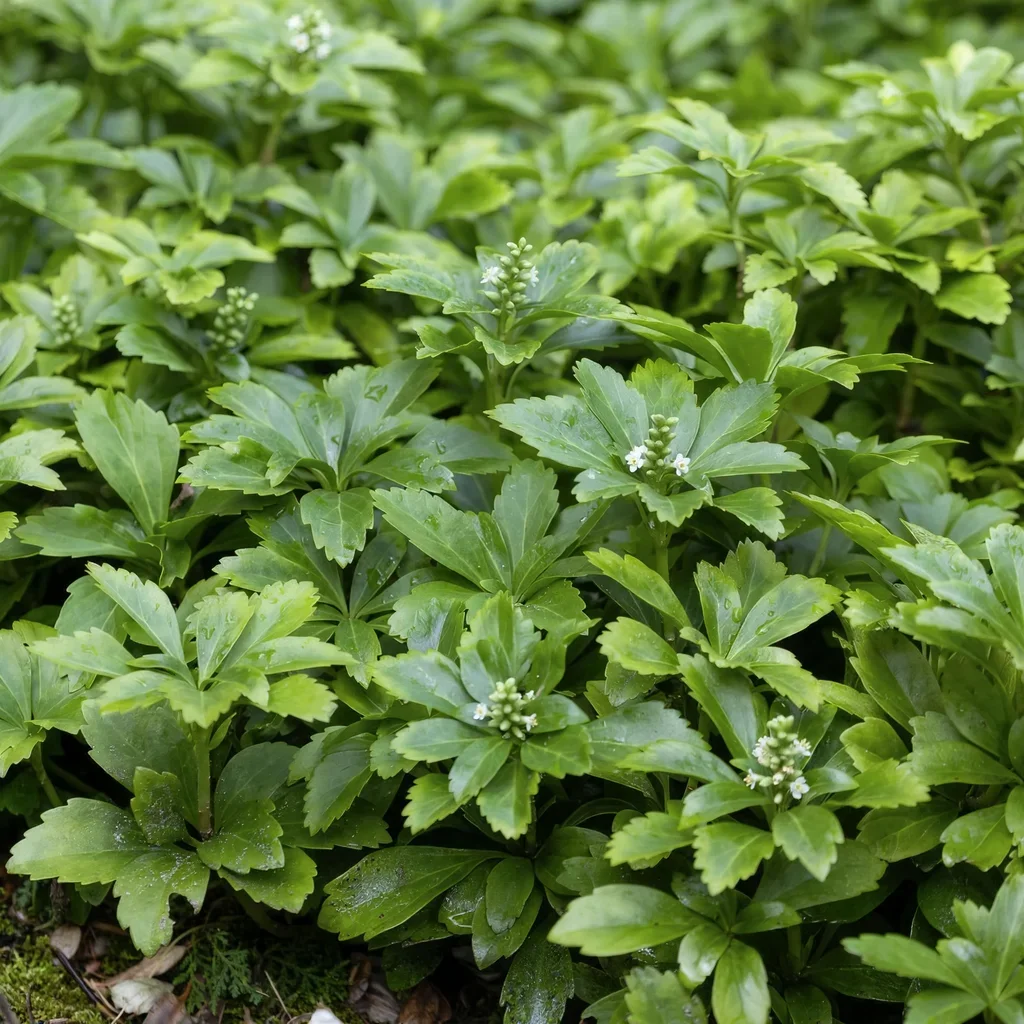
Green Carpet Japanese Spurge
Pachysandra terminalis 'Green Carpet'
Keep exploring
Explore the genus
Grow Japanese Spurge with confidence
See it in a design of your actual yard, get zone-matched care reminders, and track it season by season in your garden journal.