
Garden hybrid
This is a garden hybrid, bred from more than one wild species, so it has no single species page of its own.
2 other cultivars

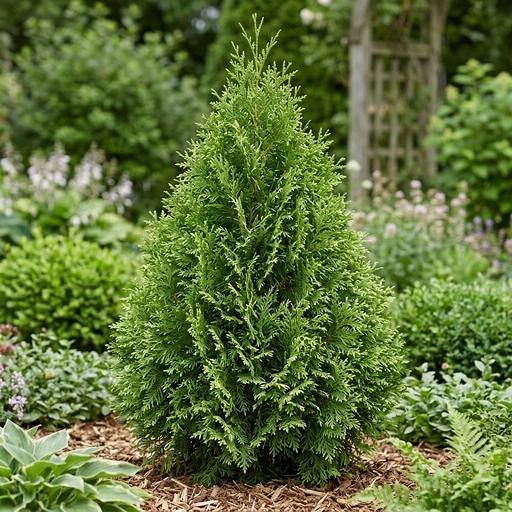
The Story
Plant Bio
The hybrid between Thuja plicata and Thuja standishii produces vigorous, fast-growing, and disease-resistant arborvitaes. They combine the growth rate of plicata with the deer resistance and hardiness of standishii.
'Junior Giant' is a more compact version of the extremely popular 'Green Giant'. It offers the same fast growth, lush green foliage, and deer resistance but in a smaller package, making it ideal for smaller landscapes or shorter hedges.
Uses & Benefits:
Bred from more than one wild species, so it has no species page of its own.
Essentials
At a Glance
Plant Type
Tree
Height
240"
Width
84"
Light
Full Sun, Partial Sun
Zones
5, 6, 7, 8
Water
Medium
Humidity
Average to high
Lifespan
Long-lived
Native To
Hybrid
Toxicity
Mildly toxic if ingested
Bloom period
Late spring
In flower about 1 month of the year
Marketplace
Where to Buy
Shipping costs Year-round shipping Free shipping
Planting
How to Grow
- Select a location in full sun to light shade.
- Ensure the soil is well-drained but consistently moist.
- Dig a hole twice as wide as the container and just as deep.
- Place the plant in the hole, with the root flare at soil level.
- Backfill with soil and water deeply to remove air pockets.
- Mulch around the base, but keep it away from the trunk.
Pro Tip
Though smaller than 'Green Giant', space them at least 5-6 feet apart for a hedge to ensure good air circulation and prevent overcrowding.
Keep It Thriving
Care Guide
Do
- Water regularly, especially during the first few seasons and in dry weather.
- Provide good air circulation to prevent fungal issues.
- Prune or shear in early summer if a more formal shape is desired.
- Protect young plants from extreme winter winds.
Don't
- Do not plant in soggy, poorly drained soil.
- Avoid letting the soil dry out completely, which can cause needle drop.
- Don't plant too close together; allow for mature width.
- Don't worry about significant deer damage; it is highly resistant.
Seasonal Care Calendar
| Task | Jan | Feb | Mar | Apr | May | Jun | Jul | Aug | Sep | Oct | Nov | Dec |
|---|---|---|---|---|---|---|---|---|---|---|---|---|
| Fertilize | ||||||||||||
| Mulch | ||||||||||||
| Plant |
Watch Out For
Pests & Diseases
Common Pests
Common Diseases
In the Garden
Landscape Uses & Companions
Landscape Uses
Companion Plants
Multiply
Propagation Methods
Good to Know
Common Questions
Junior Giant Arborvitae questions
What zones can Junior Giant Arborvitae grow in?
Junior Giant Arborvitae is hardy in USDA Zones 5–8. Inside that range it survives winter in the ground; outside it, grow it as an annual or a container plant you protect.
Is Junior Giant Arborvitae deer resistant?
Yes — Junior Giant Arborvitae is rated deer-resistant. Deer typically pass it over, though extreme hunger can override any plant's defenses.
When does Junior Giant Arborvitae bloom?
Junior Giant Arborvitae typically blooms in late spring through late spring. Exact timing shifts a week or two with your zone — Sow's bloom calendar maps it to your garden.
Does Junior Giant Arborvitae need full sun?
Junior Giant Arborvitae does best in full sun to part shade. In hot climates, afternoon shade keeps blooms fresher longer.
More Thuja to compare
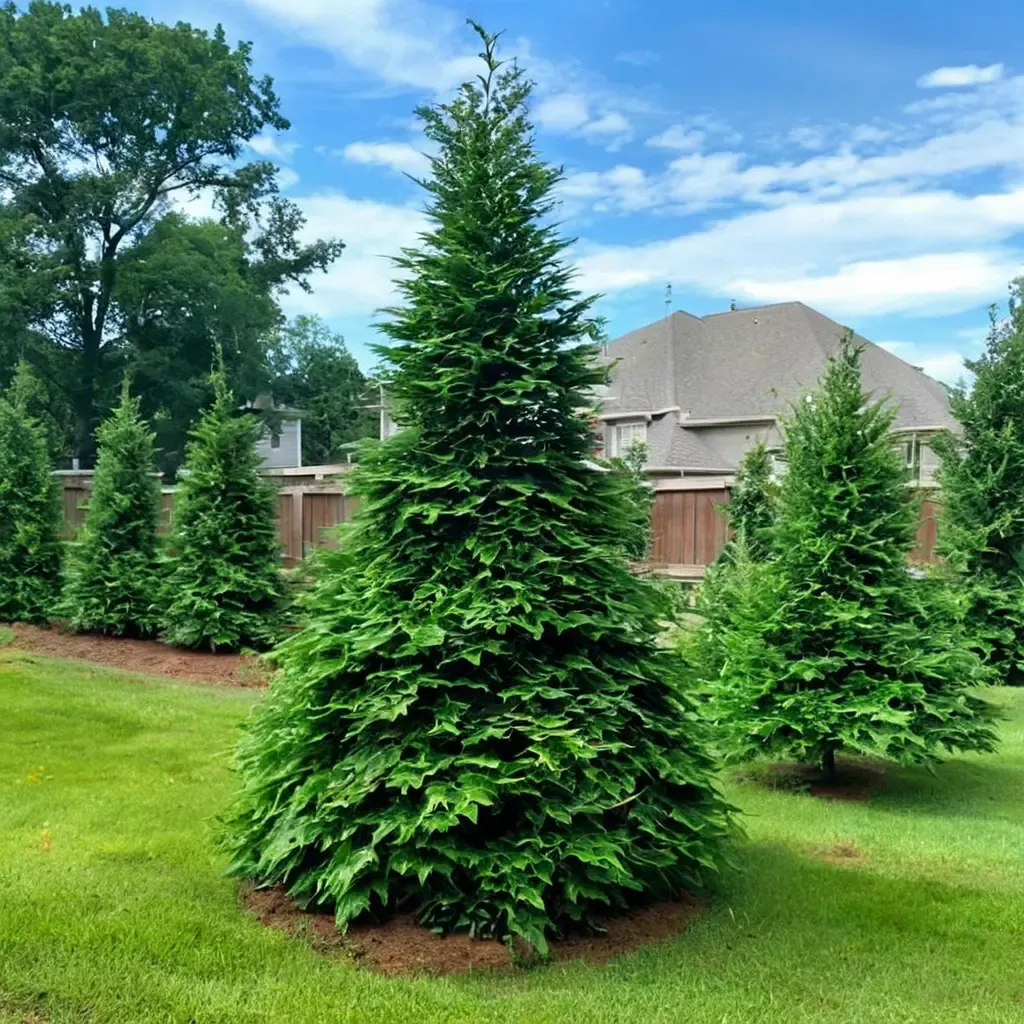
Green Giant Arborvitae
Thuja occidentalis 'Green Giant'
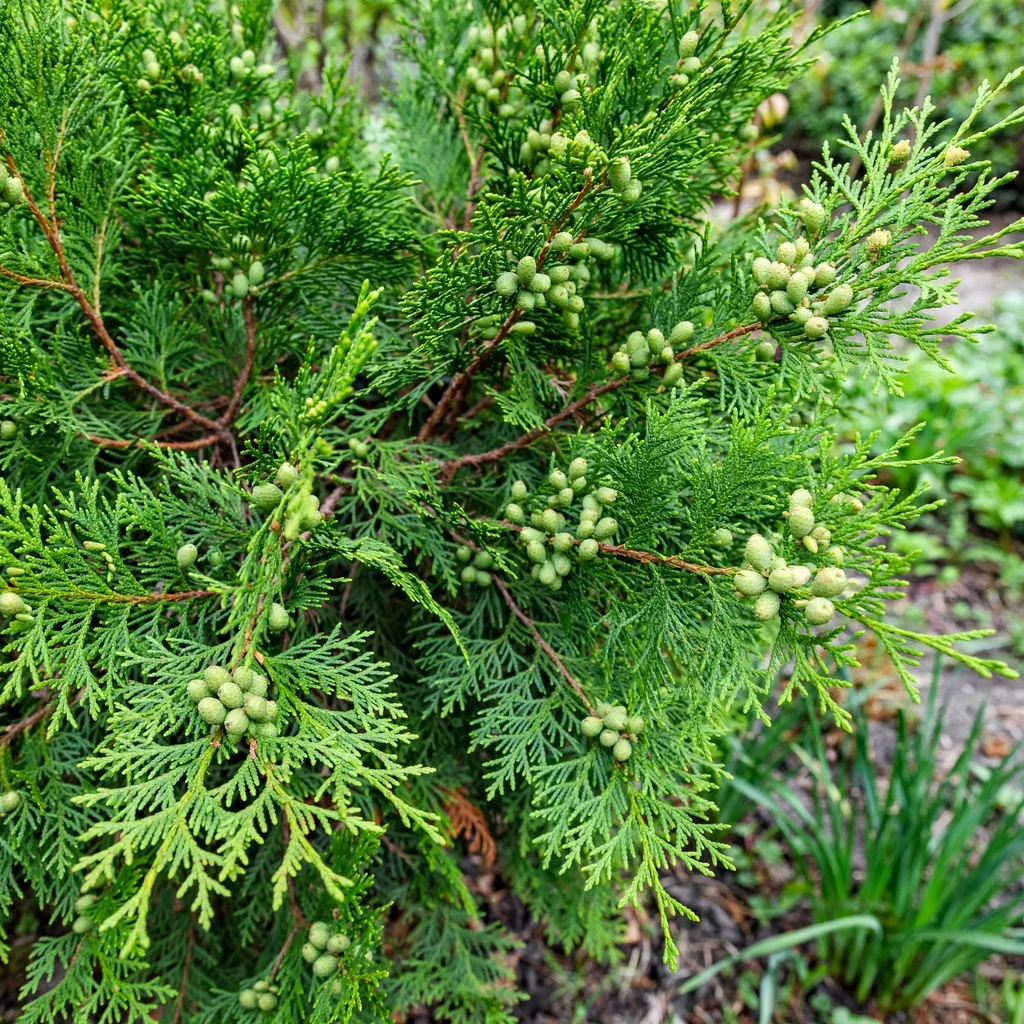
Emerald Green Arborvitae
Thuja occidentalis 'Emerald Green'
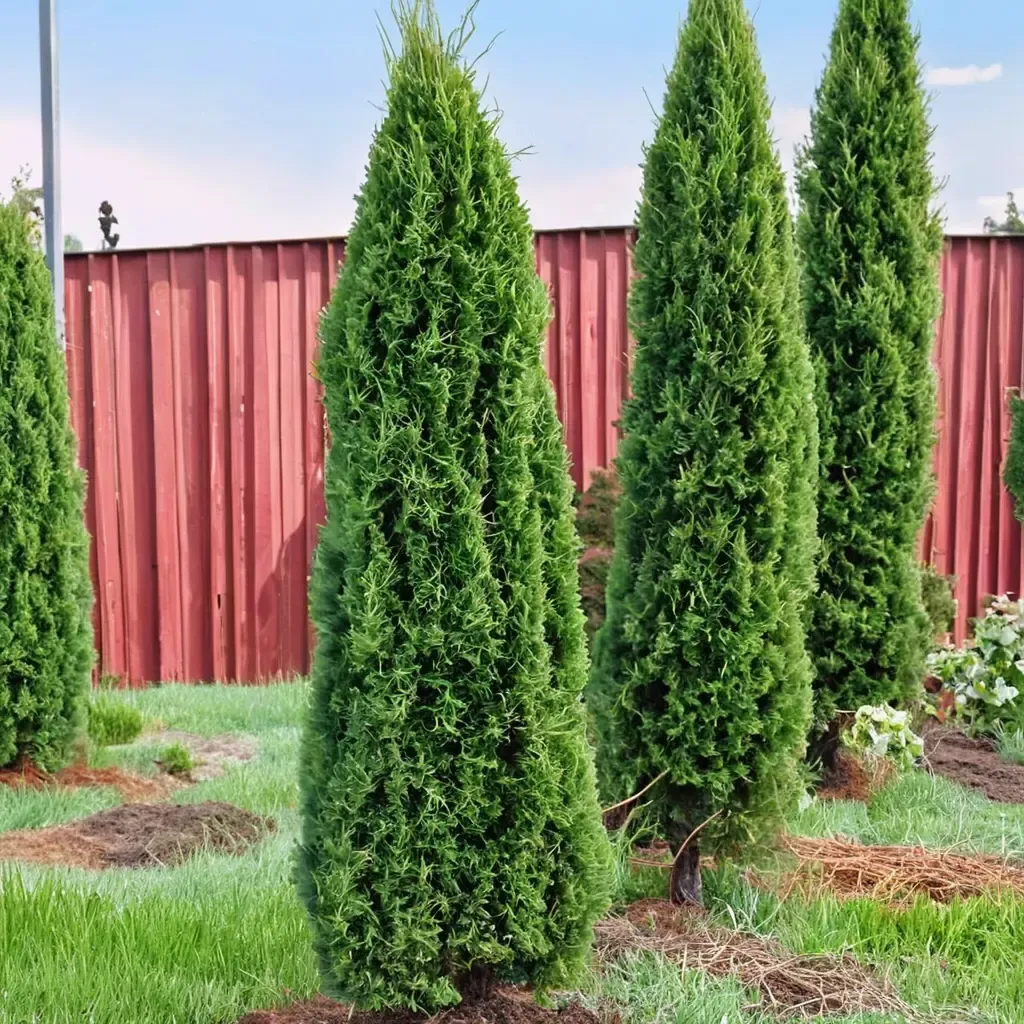
Degroot's Spire Arborvitae
Thuja occidentalis 'Degroot'
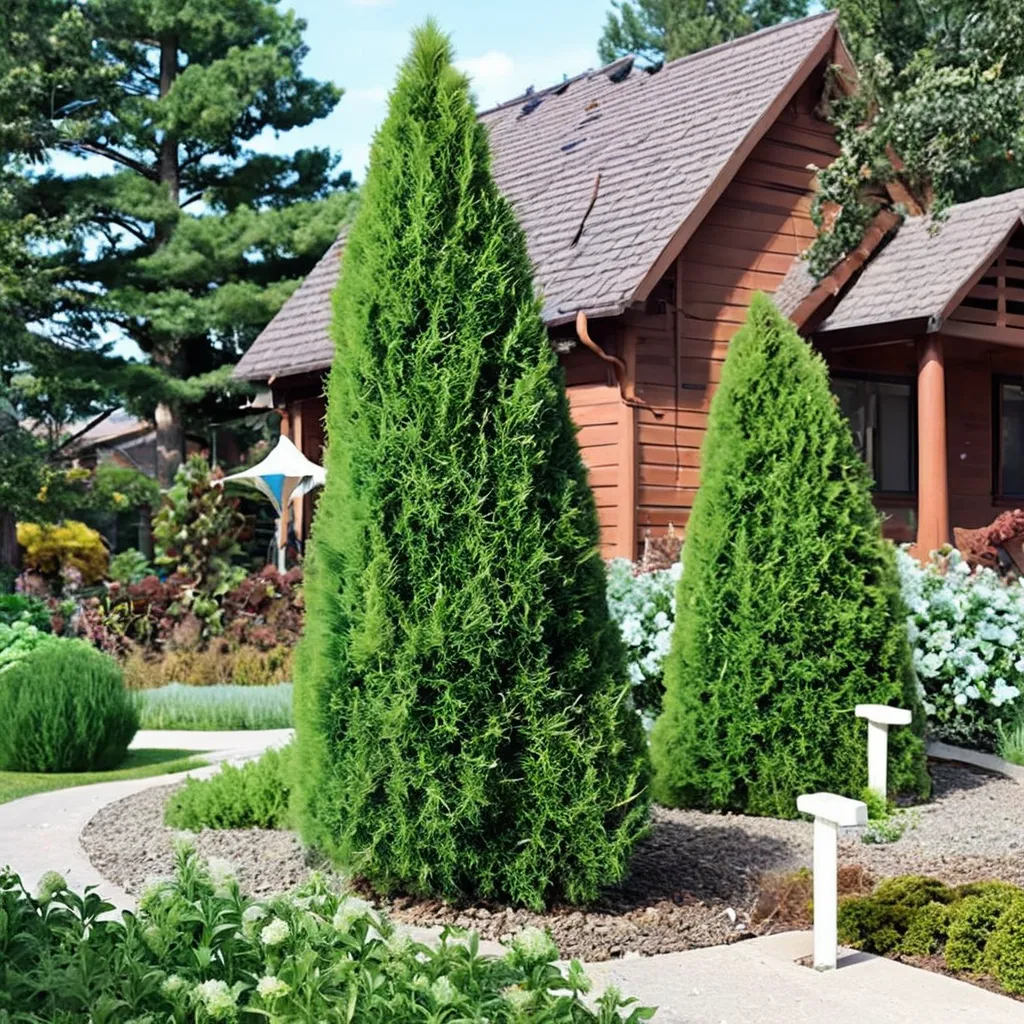
Smaragd Emerald Arborvitae
Thuja occidentalis 'Smaragd Emerald'
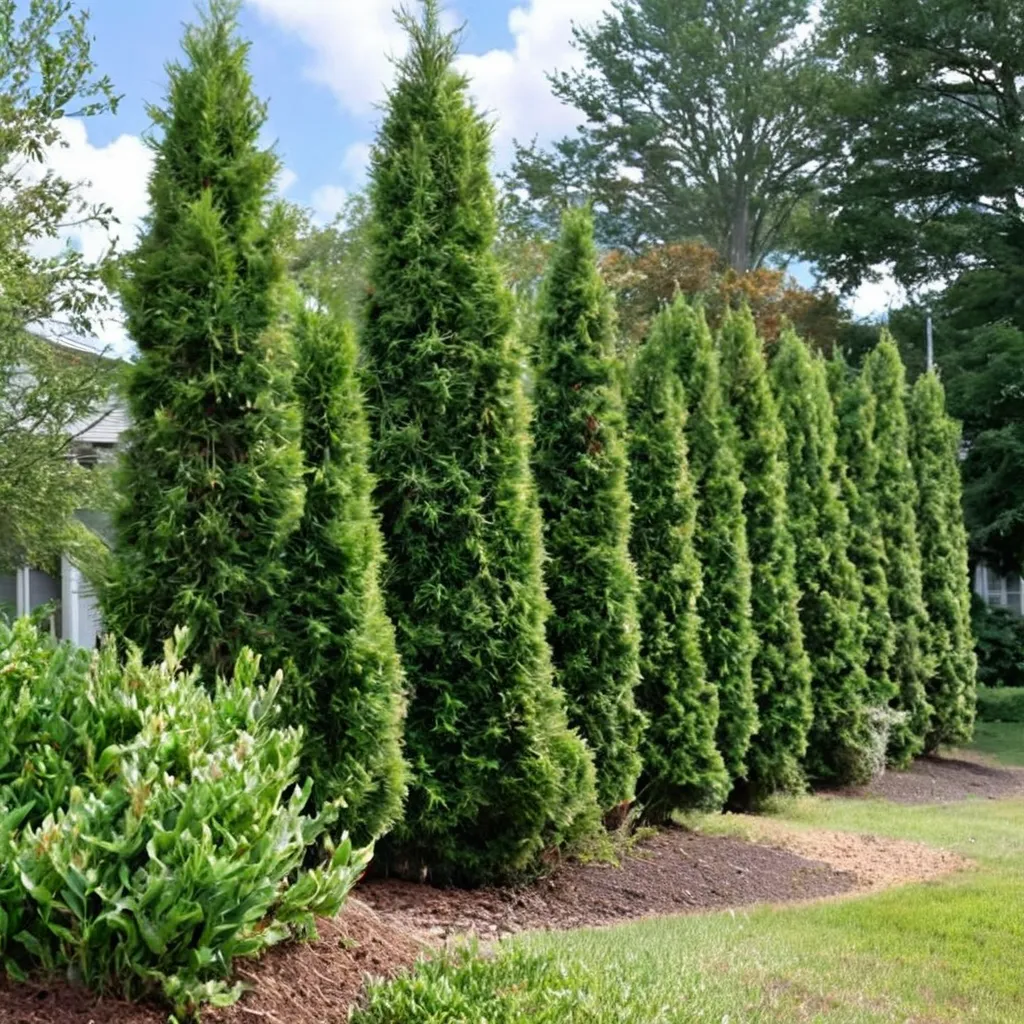
American Pillar Arborvitae
Thuja occidentalis 'American Pillar'
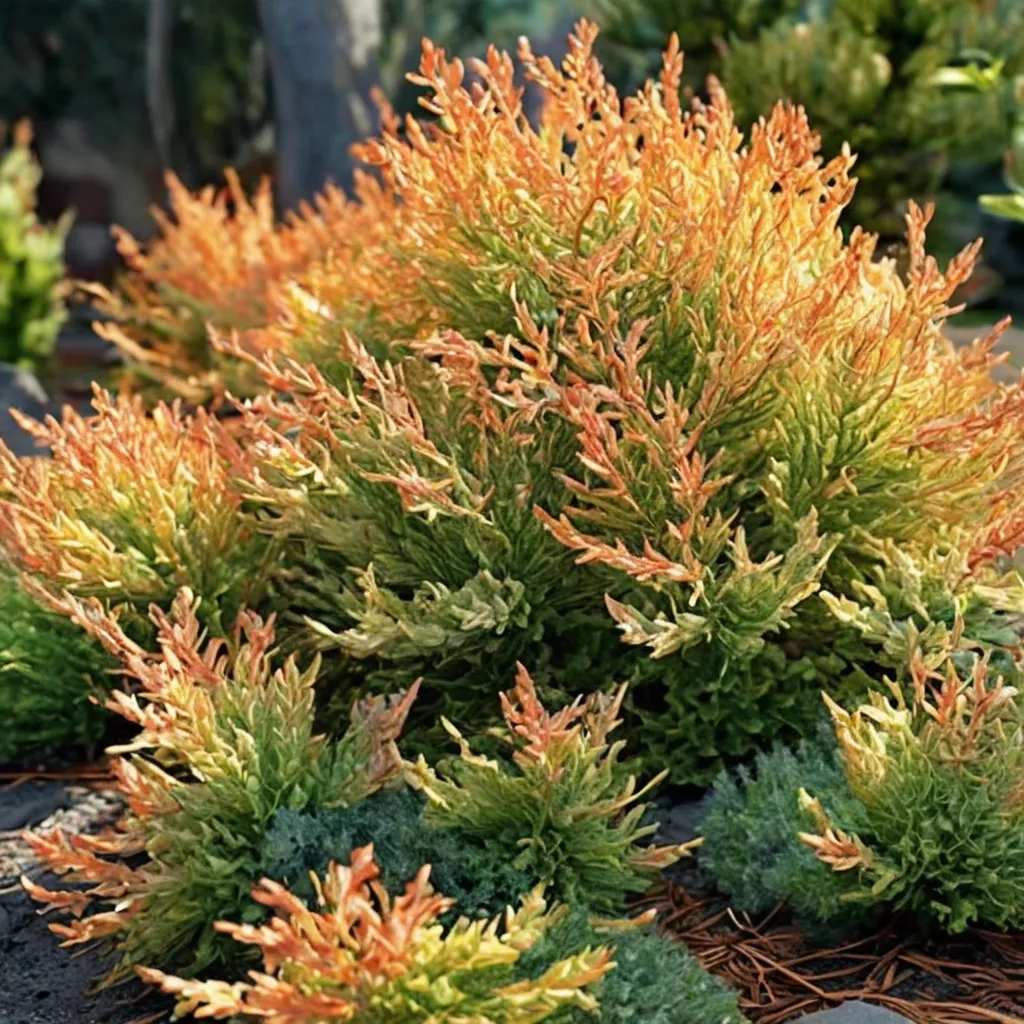
Fire Chief Arborvitae
Thuja occidentalis 'Fire Chief'
Keep exploring
Explore the genus
Hardy in your zone?
Grow Junior Giant Arborvitae with confidence
See it in a design of your actual yard, get zone-matched care reminders, and track it season by season in your garden journal.