The Story
Plant Bio
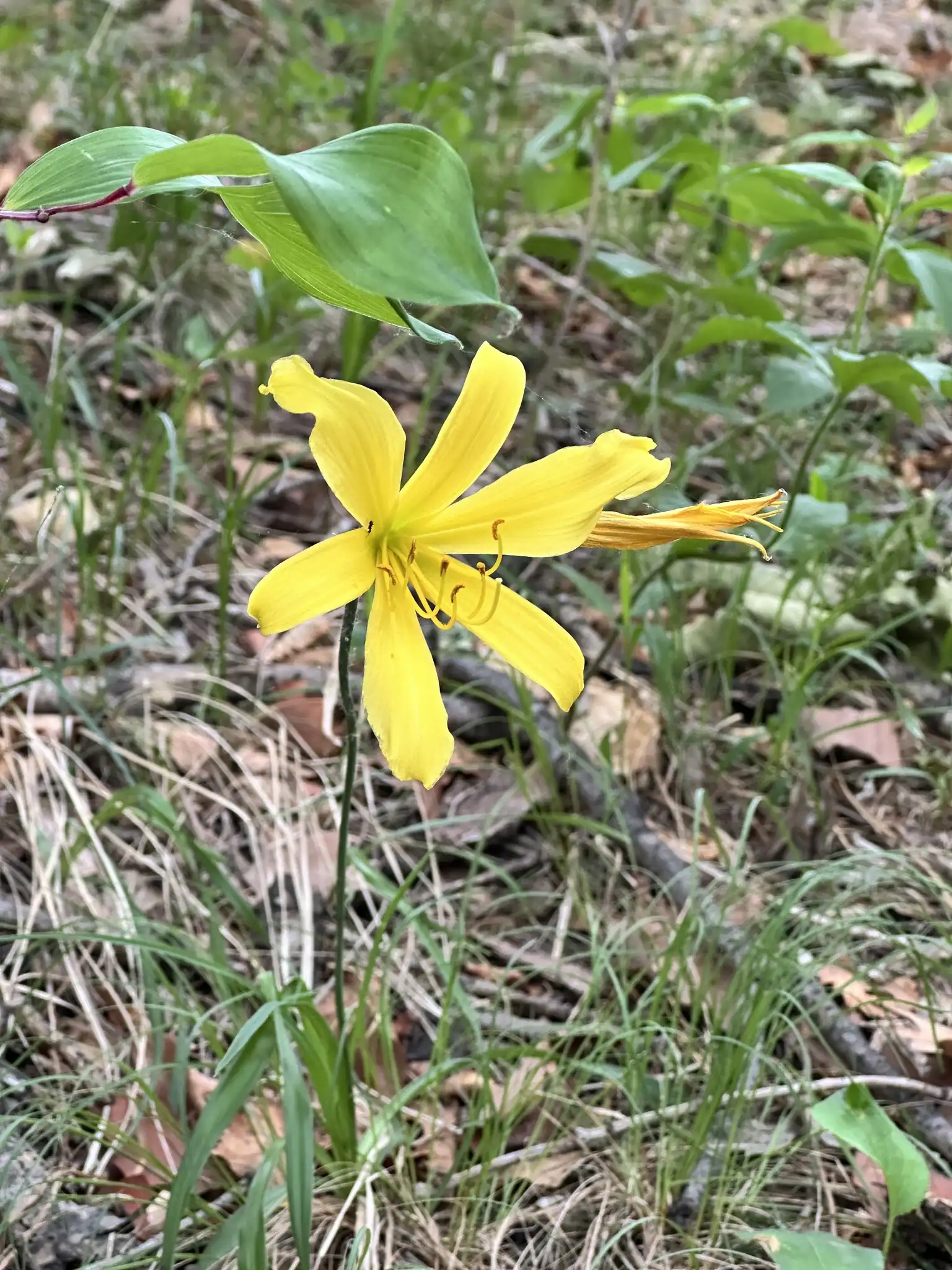
Hemerocallis minor, the dwarf yellow daylily, is a compact, clump-forming perennial native to East Asia, featuring narrow, grass-like foliage and an arching, fountain-like habit. The bright yellow, funnel-shaped flowers are borne on slender, upright scapes in late spring, with each individual bloom opening for only a single day.
This species is distinguished by its dwarf stature and exceptionally fine, linear leaves that emerge bright green in spring before maturing to deep green. The fragrant blossoms often display a subtle brownish-orange tint on the exterior of the buds before opening.
Uses & Benefits:
Essentials
At a Glance
Plant Type
Perennial
Height
24"
Width
16"
Light
Full Sun, Partial Sun
Zones
4, 5, 6, 7, 8, 9
Water
Moderate
Humidity
High tolerance
Lifespan
Perennial
Native To
East Asia
Toxicity
Toxic to cats
Bloom period
Late spring – Summer
In flower about 4 months of the year
Planting
How to Grow
- Select a planting site in full sun to partial shade with rich, well-drained loamy soil.
- Dig a hole twice as wide as the root mass and set the plant so the crown sits two to three centimeters below the soil level.
- Water thoroughly at planting and maintain regular moisture during dry spells to establish the root system.
- Divide overcrowded clumps every three to four years in early spring to maintain flowering vigor.
Pro Tip
Plant the fleshy storage roots with the crown sitting two to three centimeters below the soil surface, and avoid high-nitrogen fertilizers which stimulate excessive foliage at the expense of flower scapes.
Keep It Thriving
Care Guide
Do
- Deadhead spent flowers daily to maintain a neat appearance.
- Cut dead foliage back to ten centimeters above the ground in late winter before new shoots emerge.
- Apply a balanced organic slow-release fertilizer in early spring.
Don't
- Do not plant in heavy shade where flower production will drop drastically.
- Do not over-fertilize with high-nitrogen formulas that promote leaves over flowers.
- Do not allow the soil to remain waterlogged or sit in standing water.
- Do not prune into old, hard, leafless woody stems.
Seasonal Care Calendar
| Task | Jan | Feb | Mar | Apr | May | Jun | Jul | Aug | Sep | Oct | Nov | Dec |
|---|---|---|---|---|---|---|---|---|---|---|---|---|
| Deadhead | ||||||||||||
| Divide | ||||||||||||
| Fertilize | ||||||||||||
| Spring Cleanup |
Watch Out For
Pests & Diseases
Common Pests
Common Diseases
In the Garden
Landscape Uses & Companions
Landscape Uses
Companion Plants
Multiply
Propagation Methods
Good to Know
Common Questions
Dwarf Yellow Daylily questions
What zones can Dwarf Yellow Daylily grow in?
Dwarf Yellow Daylily is hardy in USDA Zones 4–9. Inside that range it survives winter in the ground; outside it, grow it as an annual or a container plant you protect.
Is Dwarf Yellow Daylily deer resistant?
Not reliably. Deer may browse Dwarf Yellow Daylily, especially tender spring growth — plan on repellents or fencing where pressure is high.
When does Dwarf Yellow Daylily bloom?
Dwarf Yellow Daylily typically blooms in late spring through summer. Exact timing shifts a week or two with your zone — Sow's bloom calendar maps it to your garden.
Does Dwarf Yellow Daylily need full sun?
Dwarf Yellow Daylily does best in full sun to part shade. In hot climates, afternoon shade keeps blooms fresher longer.
Is Dwarf Yellow Daylily drought tolerant?
Yes — once established (usually after the first full season), Dwarf Yellow Daylily handles dry spells with minimal watering. Water deeply its first year to build the root system that makes that possible.
More Hemerocallis to compare
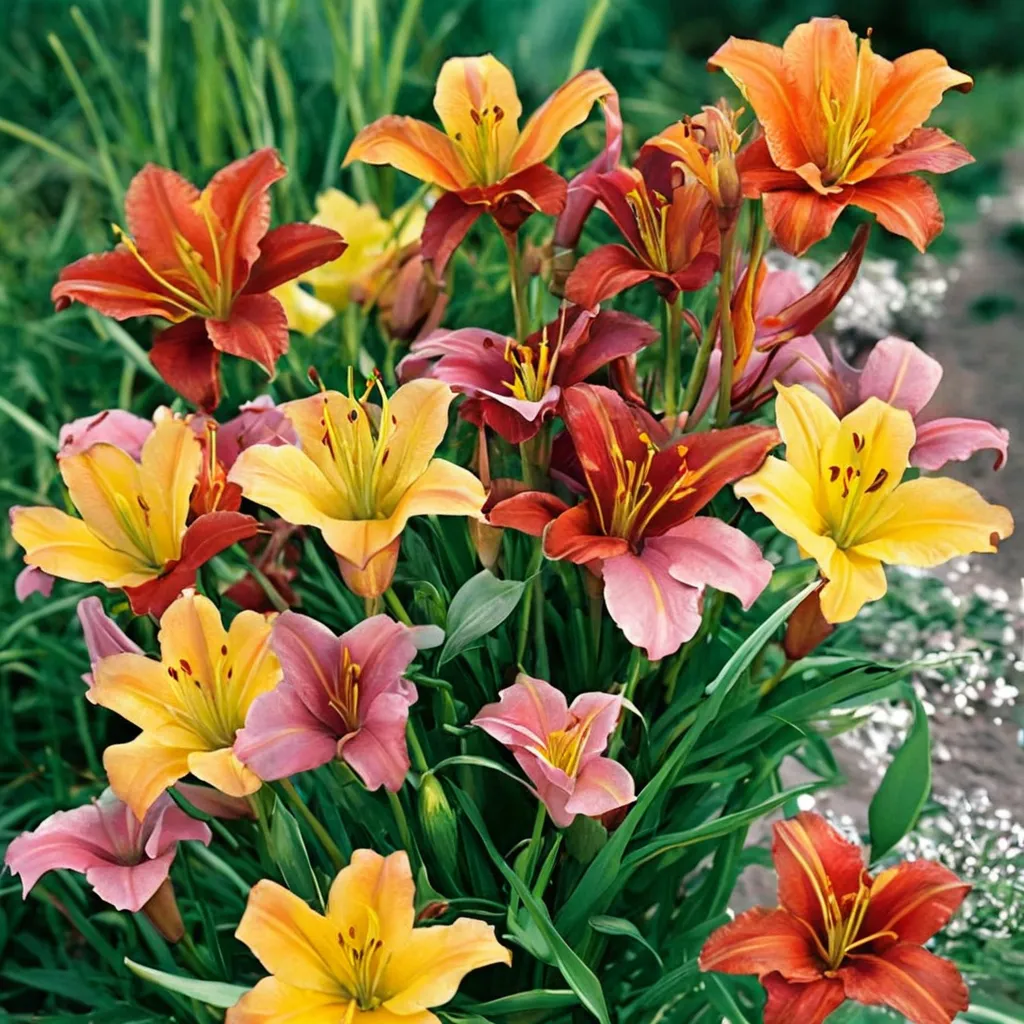
Daylily Mix
Hemerocallis x hybrida 'Mix'
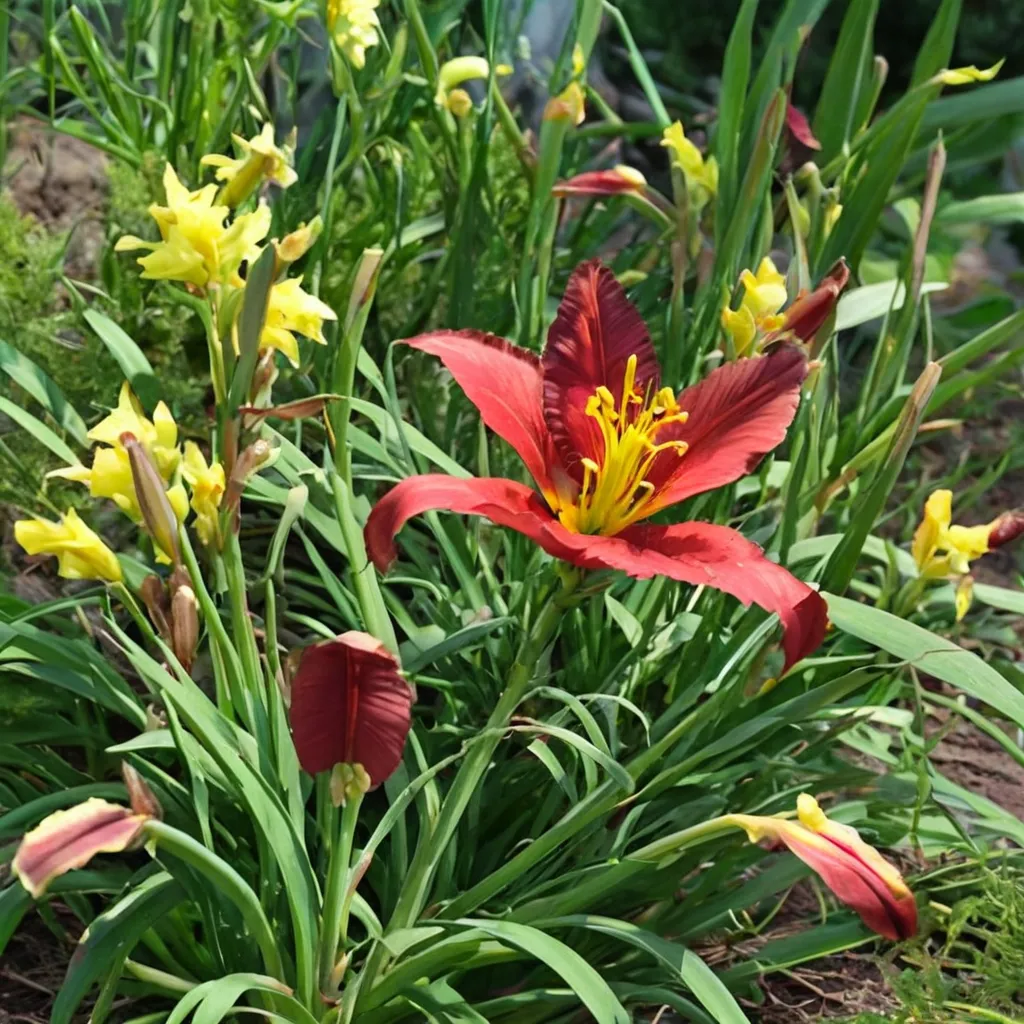
Design Daylily
Hemerocallis x hybrida 'Daylily Design'
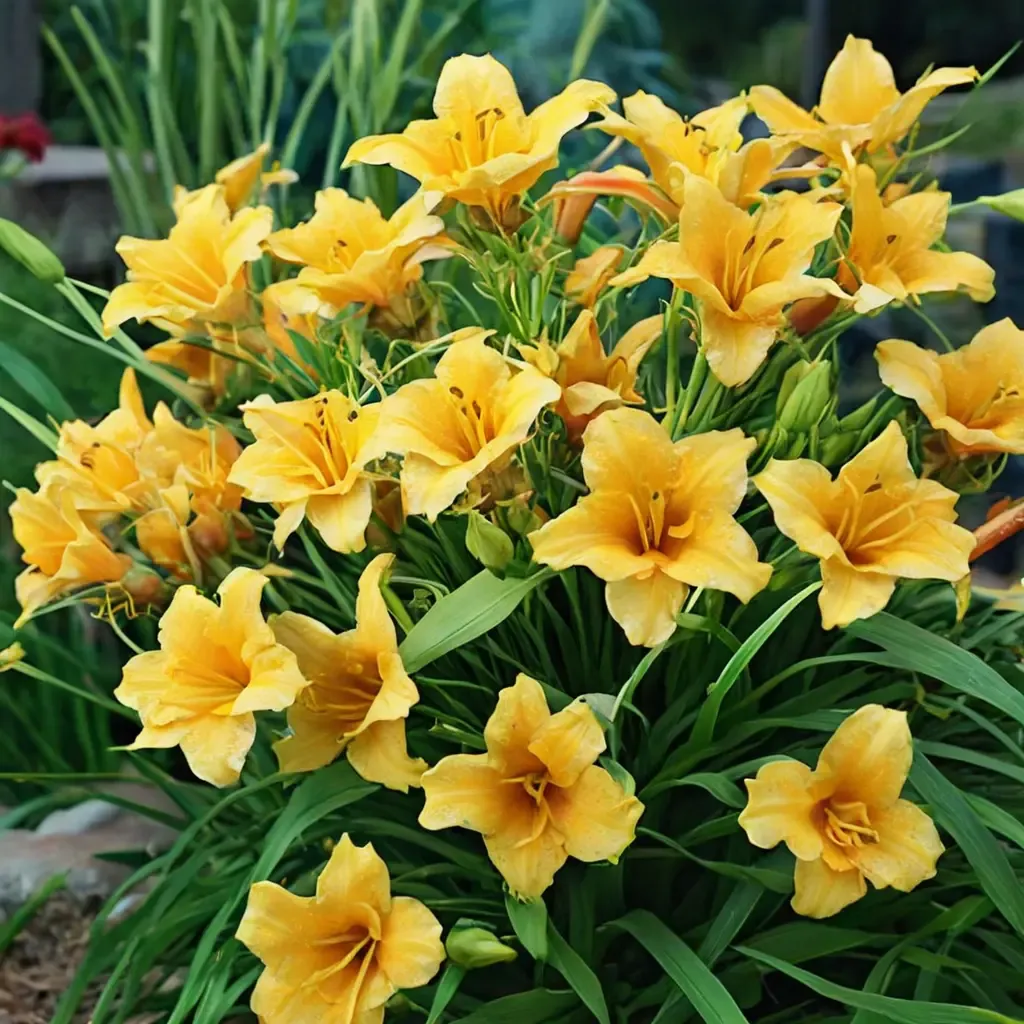
Stella de Oro Daylily
Hemerocallis flava 'Stella de Oro'
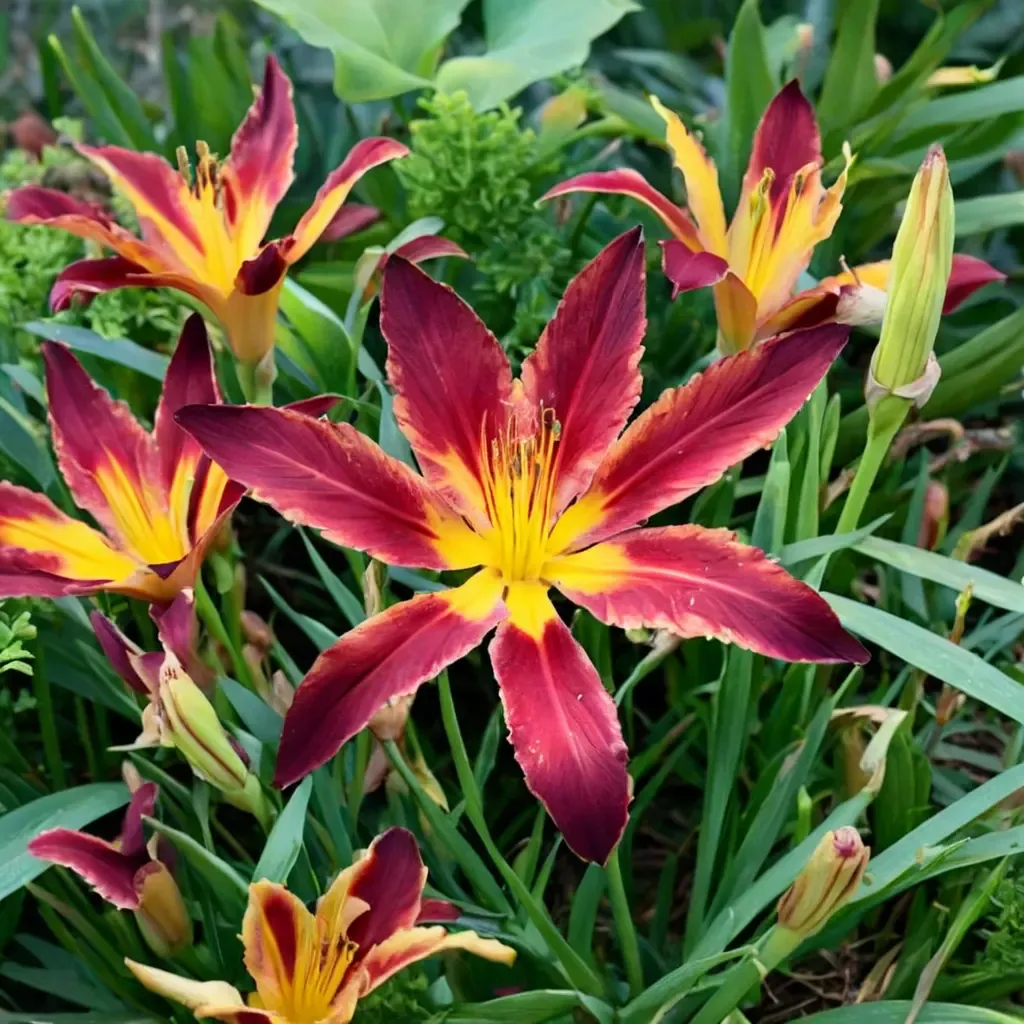
Ruby Spider Daylily
Hemerocallis x hybrida 'Ruby Spider'
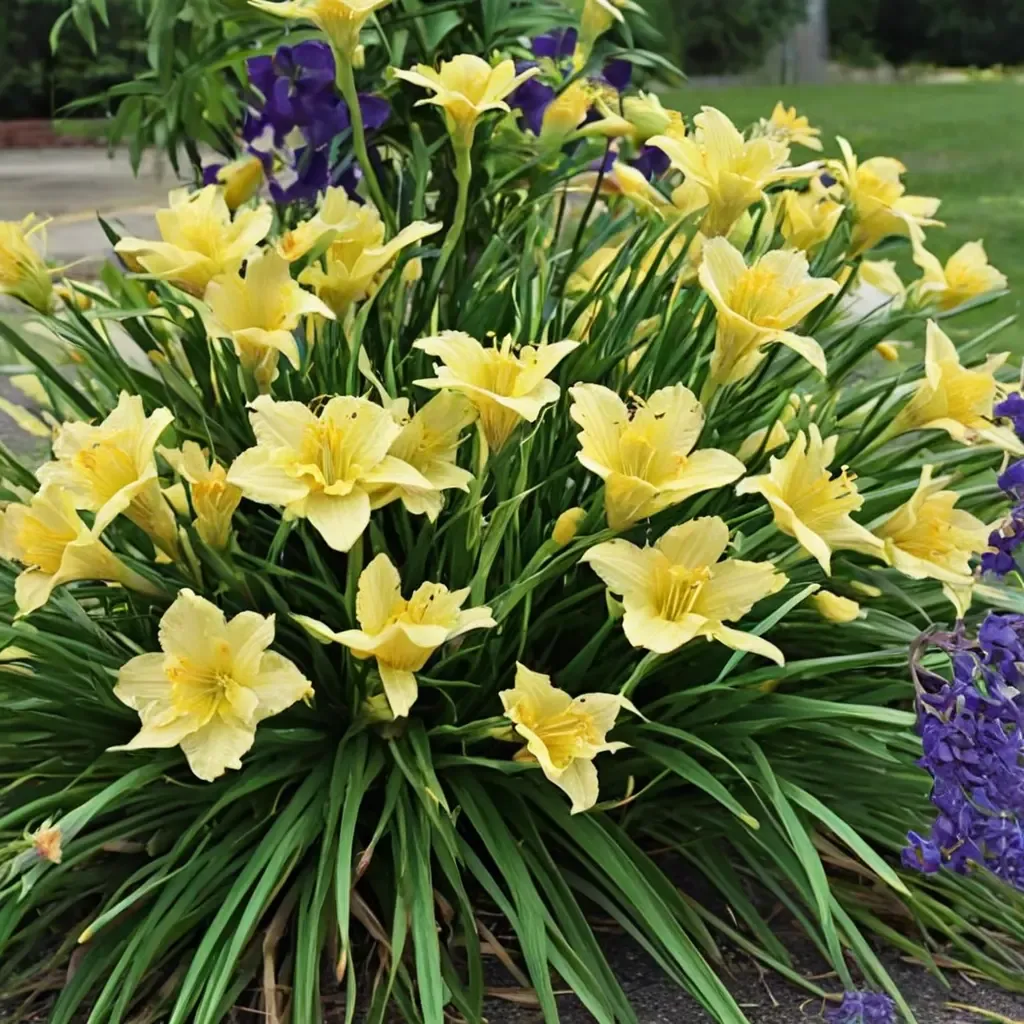
Happy Returns Daylily
Hemerocallis x hybrida 'Happy Returns'
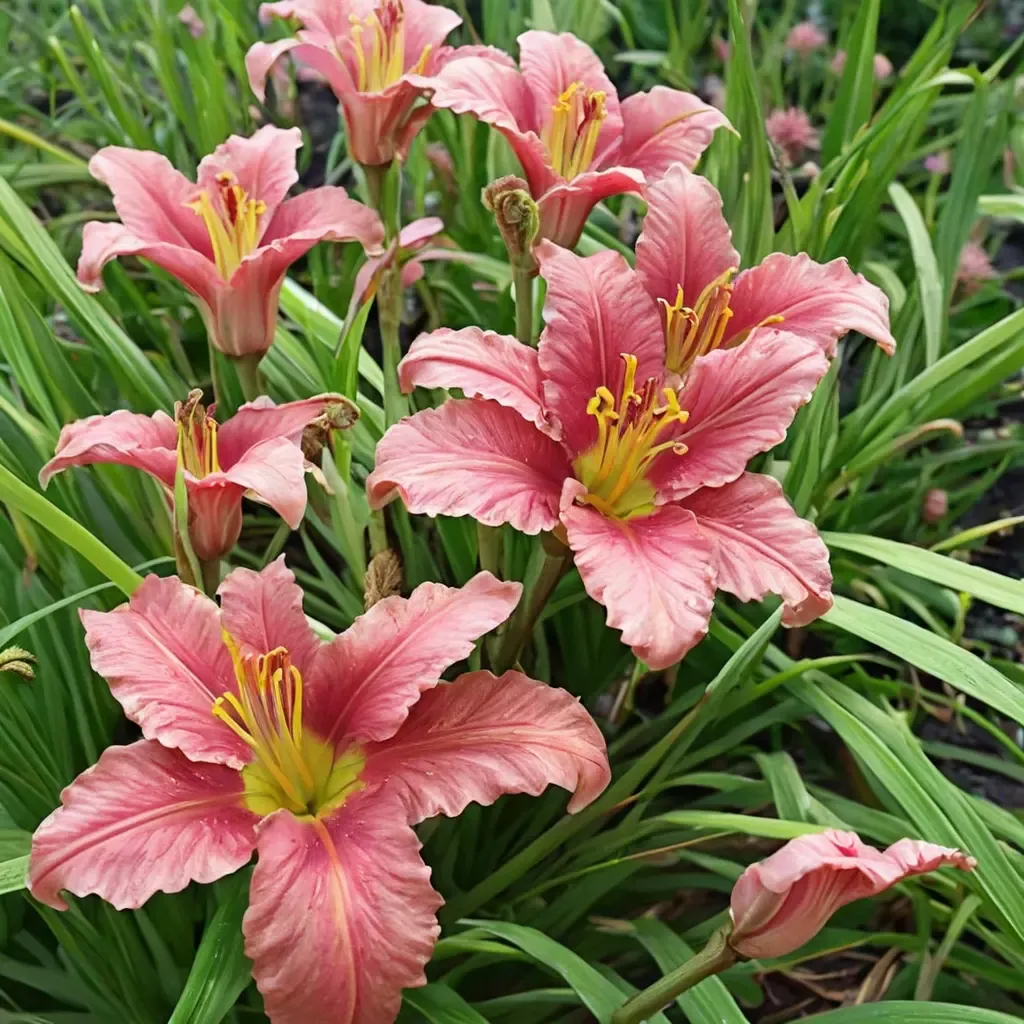
Rosy Returns Daylily
Hemerocallis x hybrida 'Rosy Returns'
Keep exploring
Explore the genus
Grow Dwarf Yellow Daylily with confidence
See it in a design of your actual yard, get zone-matched care reminders, and track it season by season in your garden journal.