The Story
Plant Bio
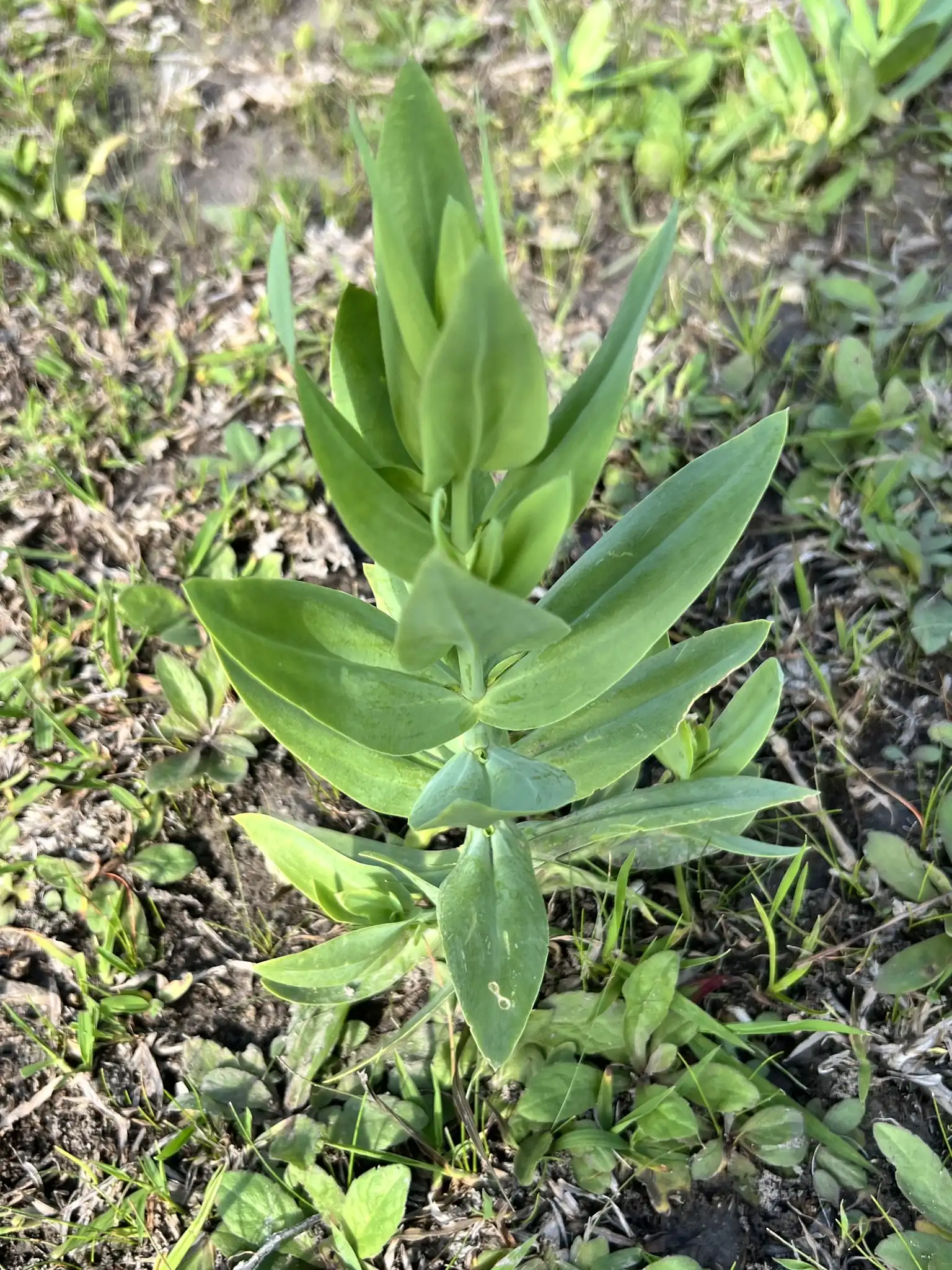
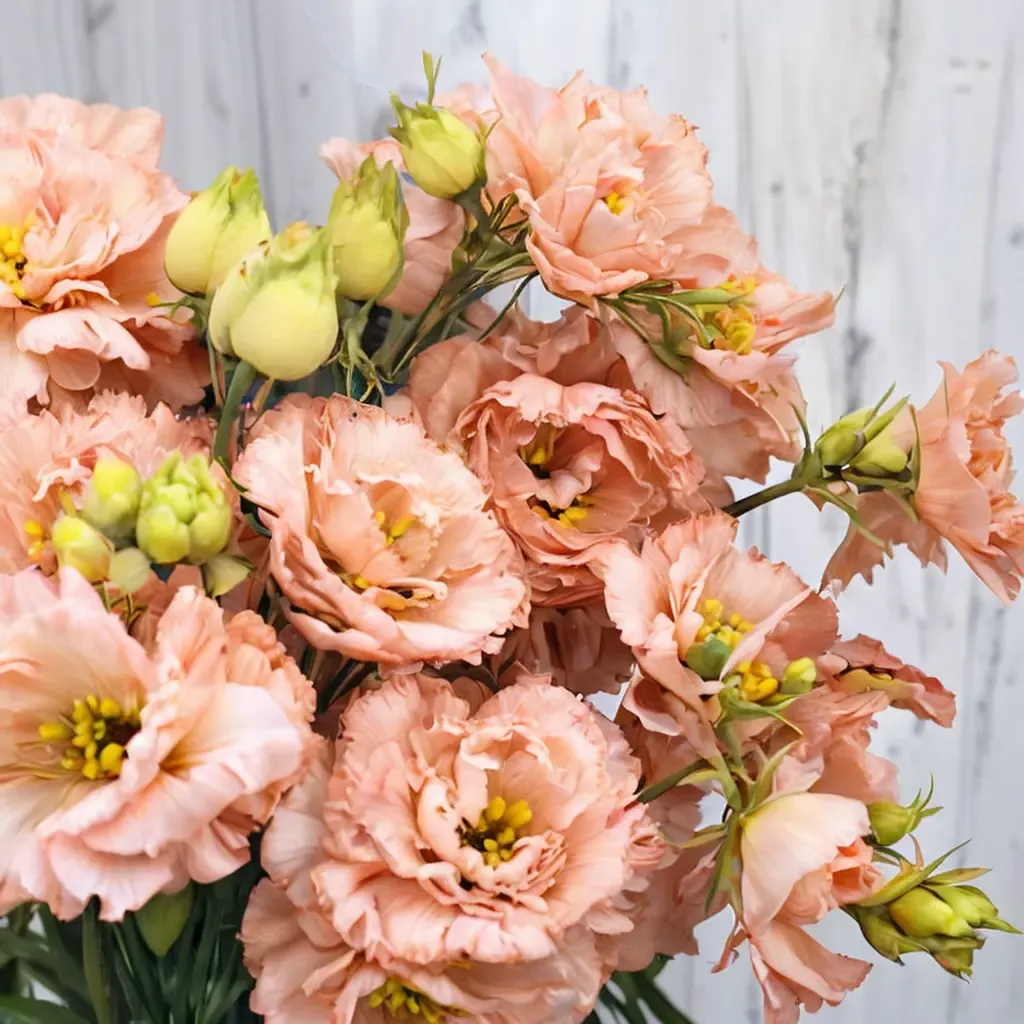
Eustoma russellianum, commonly known as lisianthus, is an erect herbaceous perennial native to the southern United States and Mexico, reaching twelve to thirty-six inches in height. It features slightly fleshy, glaucous, blue-green leaves with a waxy bloom and produces deeply bell-shaped, rose-like flowers from summer until the first frost.
This species is highly prized in the floral industry for its exceptionally long-lasting blooms, which occur in shades of purple, pink, blue, white, and yellow. The stiff, upright stems and branching habit make it an ideal choice for dedicated cutting gardens and container displays.
Uses & Benefits:
Essentials
At a Glance
Plant Type
Perennial
Height
36"
Width
12"
Light
Full Sun, Partial Sun
Zones
8, 9, 10
Water
Moderate
Humidity
Moderate
Lifespan
Short-lived perennial
Native To
North America
Toxicity
Non-toxic
Bloom period
Summer – Fall
In flower about 6 months of the year
Planting
How to Grow
- Sow pelleted seeds indoors 10 to 12 weeks before the last frost, pressing them lightly into the soil surface without covering them, as they require light to germinate.
- Maintain consistent warmth and moisture during the exceptionally slow germination and early rosette stages.
- Transplant hardened-off seedlings into rich, highly well-drained loamy soil in a full-sun location once all danger of frost has passed.
- Water at the base of the plant to keep foliage dry, and apply a balanced water-soluble fertilizer every two to three weeks during active growth.
Pro Tip
Pinch young stems back once or twice early in the season to promote branching, and avoid disturbing the sensitive taproot during transplanting.
Keep It Thriving
Care Guide
Do
- Do ensure excellent soil drainage to prevent fatal root rot.
- Do pinch back young stems early in the season to encourage a bushier habit.
- Do deadhead spent blooms regularly to prolong the flowering season.
Don't
- Don't overwater or plant in heavy, poorly drained clay soils.
- Don't attempt to divide established plants due to their highly sensitive taproot system.
- Don't cut back into old, leafless woody stems when pruning.
Seasonal Care Calendar
| Task | Jan | Feb | Mar | Apr | May | Jun | Jul | Aug | Sep | Oct | Nov | Dec |
|---|---|---|---|---|---|---|---|---|---|---|---|---|
| Deadhead | ||||||||||||
| Fertilize | ||||||||||||
| Pinch | ||||||||||||
| Plant | ||||||||||||
| Propagate |
Watch Out For
Pests & Diseases
Common Pests
Common Diseases
In the Garden
Landscape Uses & Companions
Landscape Uses
Multiply
Propagation Methods
Good to Know
Common Questions
Lisianthus questions
What zones can Lisianthus grow in?
Lisianthus is hardy in USDA Zones 8–10. Inside that range it survives winter in the ground; outside it, grow it as an annual or a container plant you protect.
Is Lisianthus deer resistant?
Not reliably. Deer may browse Lisianthus, especially tender spring growth — plan on repellents or fencing where pressure is high.
When does Lisianthus bloom?
Lisianthus typically blooms in summer through fall. Exact timing shifts a week or two with your zone — Sow's bloom calendar maps it to your garden.
Does Lisianthus need full sun?
Lisianthus does best in full sun to part shade. In hot climates, afternoon shade keeps blooms fresher longer.
Is Lisianthus drought tolerant?
Yes — once established (usually after the first full season), Lisianthus handles dry spells with minimal watering. Water deeply its first year to build the root system that makes that possible.
More Eustoma to compare
Keep exploring
Explore the genus
Hardy in your zone?
Grow Lisianthus with confidence
See it in a design of your actual yard, get zone-matched care reminders, and track it season by season in your garden journal.