Also known as Lisianthus · 30 saves
Eustoma
Eustoma, the genus most gardeners know as lisianthus. We track 3 varieties; the ones most used by real gardeners.
The 2 most-saved Eustoma varieties

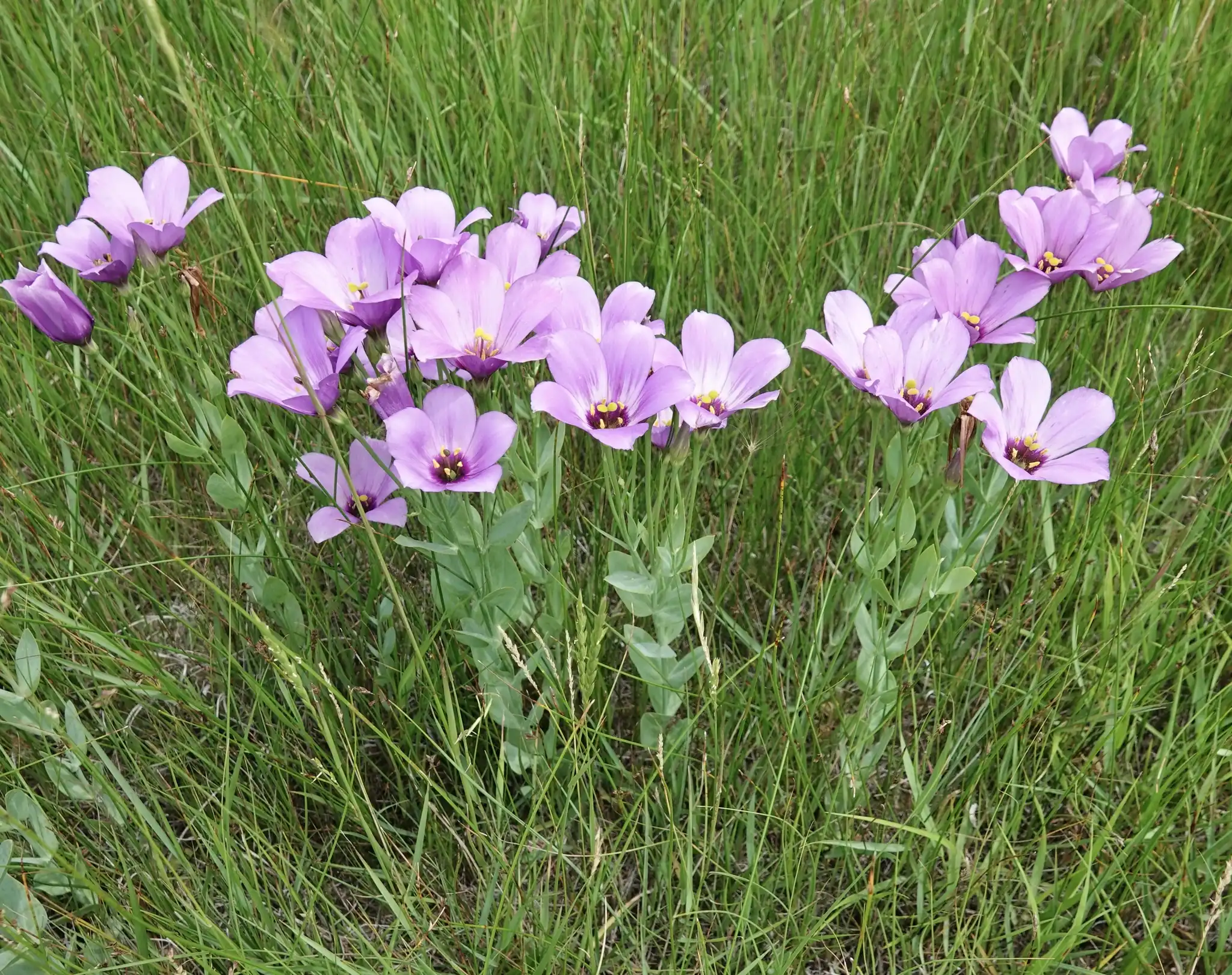
Browse all 3 Eustoma varieties →
2 species of Eustoma
Each one is a parent of the varieties above.
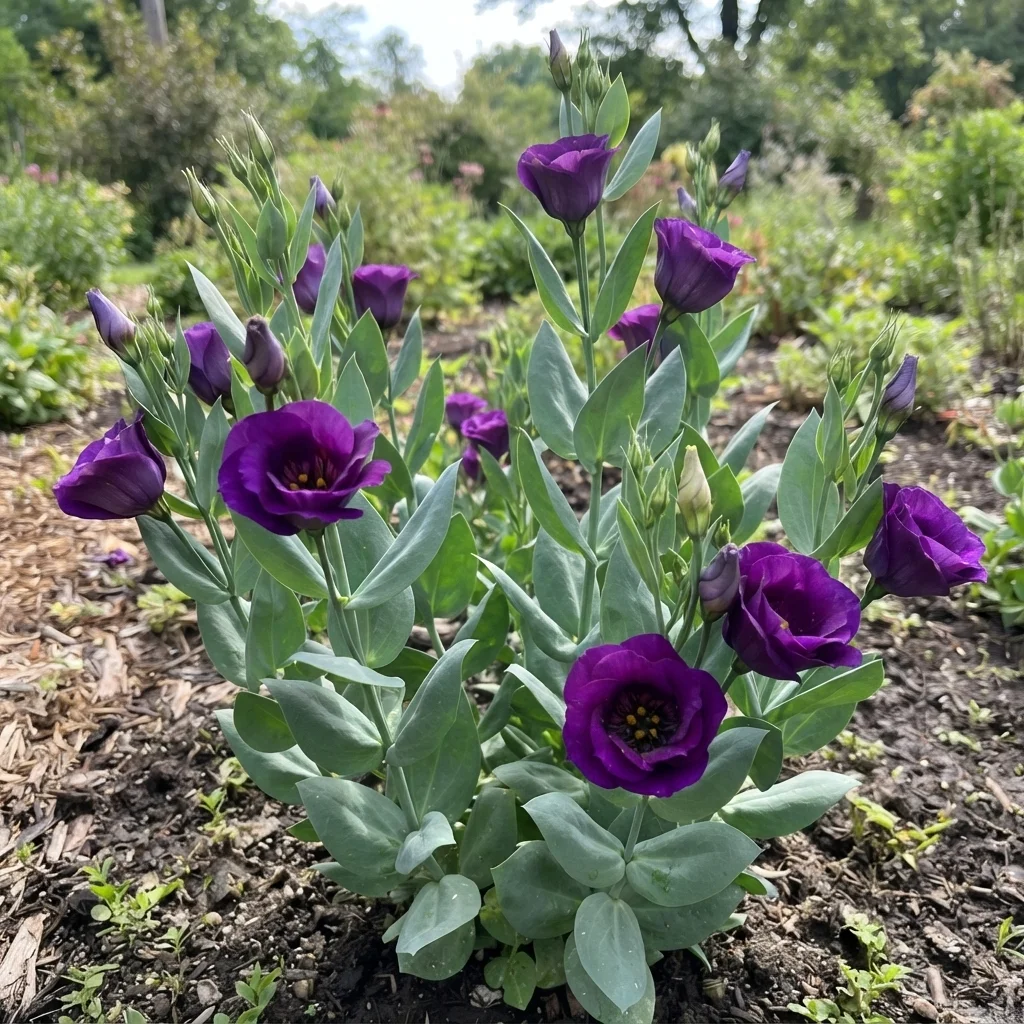
Track your Eustoma in Sow
Save the Eustoma you grow and get care reminders timed to your zone.
How to grow Eustoma
Whats common across all Eustoma varieties in our catalog — drawn from the care records of the 3 most-grown of them.
The Eustoma year
- PlantMay and June100% of varieties
Plant transplants outdoors after all danger of frost has passed
- Pinch TipsJune67% of varieties
Pinch growing tips when 6-8 inches tall to encourage branching
- DeadheadJuly–September67% of varieties
Remove spent flowers promptly to encourage new buds
- FertilizeJune–August67% of varieties
Use a balanced liquid fertilizer every 2-4 weeks during growth and bloom


Do
- Water regularly to keep soil evenly moist 🌱
- Provide full sun for vigorous flowering
- Apply balanced fertilizer monthly during peak season
- Pinch back stems to encourage bushiness
- Deadhead spent flowers for continuous blooms
Avoid
- Avoid overwatering to prevent root rot ❌
- Do not let soil dry out completely
- Avoid shaded locations, as they need full sun
- Refrain from heavy fertilizing late in the season
What goes wrong with Eustoma
| Problem | What you'll see | What to do |
|---|---|---|
| Aphids | Sticky residue and distorted leaves | Apply insecticidal soap or neem oil |
| Spider mites | Stippled, fine-webbed leaves under dry conditions. | Blast with a strong water spray or apply a miticide. |
| Deer and rabbits | Browsing damage on tender stems and buds. | Install physical fencing or apply repellents. |
| Slugs | Young plugs grazed off at ground level shortly after planting | Protect newly planted plugs, which have little reserve to recover from damage |
| Botrytis (Gray Mold) | Gray fuzzy mold on flowers and leaves | Improve air circulation and apply organic fungicide |
| Root rot and Fusarium | Sudden wilting and collar rot near the soil line. | Use sterile soil media, avoid overwatering, and ensure sharp drainage. |
| Powdery mildew | White powdery fungal coating on leaves. | Improve air circulation and apply an appropriate fungicide. |
Making more Eustoma
Seed
- Sow pelleted seeds indoors 10 to 12 weeks before the last spring frost.
- Do not cover the seeds, as they require direct light and warmth to germinate.
- Keep the soil consistently moist but not waterlogged during the slow initial growth phase.
- Transplant carefully into individual pots once true leaves develop, avoiding root disturbance.
seed
- Tuck seeds into moist soil in early spring, covering lightly.
- Keep soil consistently moist for germination, which takes 10-14 days.
Eustoma questions
How many types of Eustoma are there?
The Sow catalog tracks 3 distinct Eustoma varieties. The most popular — ranked by 30 real gardeners — are shown first above.
What zones does Eustoma grow in?
Across its varieties, Eustoma covers USDA Zones 8–10. Individual varieties differ — each plant page lists its exact range, and Sow filters the catalog to your zone automatically.
When does Eustoma bloom?
Most Eustoma varieties bloom in summer to fall, summer to fall. Staggering early, mid, and late varieties extends the genus's season in one bed.
Which Eustoma should I choose?
Start from the most-saved varieties above — popularity across thousands of gardens is a strong signal of reliability — then filter by your zone and sun. In the Sow app you can preview any of them in a photo of your actual yard before you buy.