The Story
Plant Bio
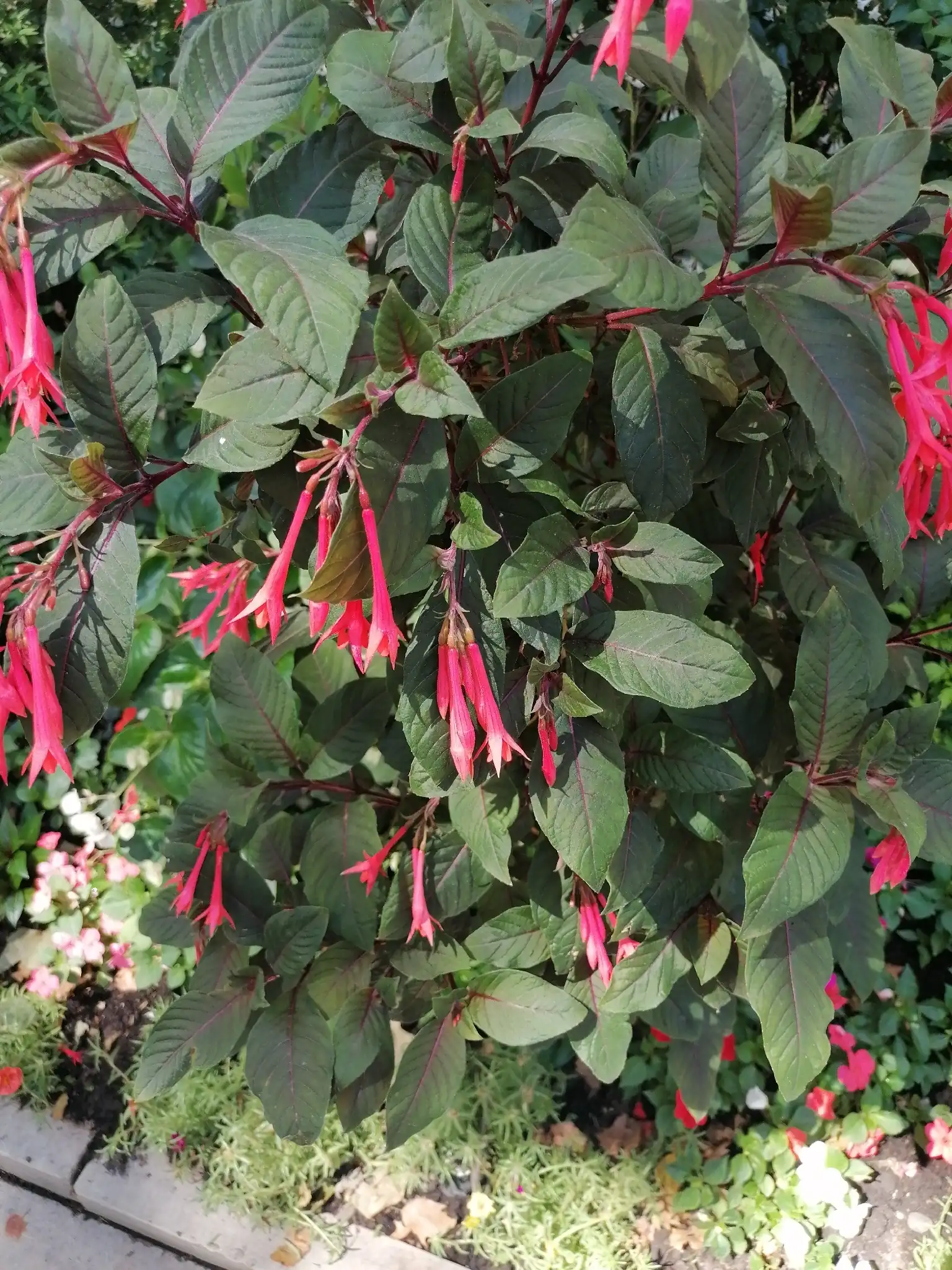
Fuchsia triphylla is an upright, branching subshrub native to the moist, mountainous woodlands of Hispaniola, distinguished by its whorled, olive-green leaves with deep purple-maroon undersides. It produces terminal, pendulous clusters of elongated, tubular orange-red flowers from spring until the first autumn frost.
Unlike traditional garden fuchsias that demand deep shade, this species exhibits greater heat tolerance and thrives in brighter, partially shaded positions. The striking contrast between the dark, bicolored foliage and the vibrant, nectar-rich blooms makes it highly attractive to hummingbirds.
Uses & Benefits:
Essentials
At a Glance
Plant Type
Perennial
Height
36"
Width
36"
Light
Partial Sun, Shade
Zones
9, 10
Water
Regular
Humidity
Moderate to High
Lifespan
Perennial
Native To
Hispaniola
Toxicity
Non-toxic
Bloom period
Spring – Autumn
In flower about 9 months of the year
Planting
How to Grow
- Select a site with rich, humus-dense soil that receives partial to full shade, ensuring protection from scorching afternoon sun.
- Incorporate organic matter to improve moisture retention while maintaining excellent drainage to prevent root rot.
- Water regularly to keep the soil consistently moist, never allowing the root zone to dry out completely.
- Apply a balanced, water-soluble fertilizer every two to four weeks throughout the active spring and summer growing season.
Pro Tip
Never prune hard into old, leafless woody stems during winter cleanup; the plant lacks active dormant buds on bare old wood and will fail to regenerate.
Keep It Thriving
Care Guide
Do
- Pinch growing tips frequently when the plant is young to encourage a bushy, branching habit.
- Provide shelter from dry, hot winds and heavy, salt-laden coastal gales.
- Overwinter container-grown plants indoors or in a greenhouse if freezing temperatures occur.
Don't
- Do not cut back into bare, woody stems, as the plant cannot resprout from old wood.
- Do not allow the soil to dry out completely, which causes rapid wilting and leaf drop.
- Do not overwater or plant in heavy, poorly draining soils without managing drainage, as this leads to root rot.
Seasonal Care Calendar
| Task | Jan | Feb | Mar | Apr | May | Jun | Jul | Aug | Sep | Oct | Nov | Dec |
|---|---|---|---|---|---|---|---|---|---|---|---|---|
| Fertilize | ||||||||||||
| Pest Check | ||||||||||||
| Prune | ||||||||||||
| Winter Prep |
Watch Out For
Pests & Diseases
Common Pests
Common Diseases
In the Garden
Landscape Uses & Companions
Landscape Uses
Multiply
Propagation Methods
Good to Know
Common Questions
Firecracker Fuchsia questions
What zones can Firecracker Fuchsia grow in?
Firecracker Fuchsia is hardy in USDA Zones 9–10. Inside that range it survives winter in the ground; outside it, grow it as an annual or a container plant you protect.
Is Firecracker Fuchsia deer resistant?
Not reliably. Deer may browse Firecracker Fuchsia, especially tender spring growth — plan on repellents or fencing where pressure is high.
When does Firecracker Fuchsia bloom?
Firecracker Fuchsia typically blooms in spring through autumn. Exact timing shifts a week or two with your zone — Sow's bloom calendar maps it to your garden.
Does Firecracker Fuchsia need full sun?
Firecracker Fuchsia does best in part shade.
More Fuchsia to compare
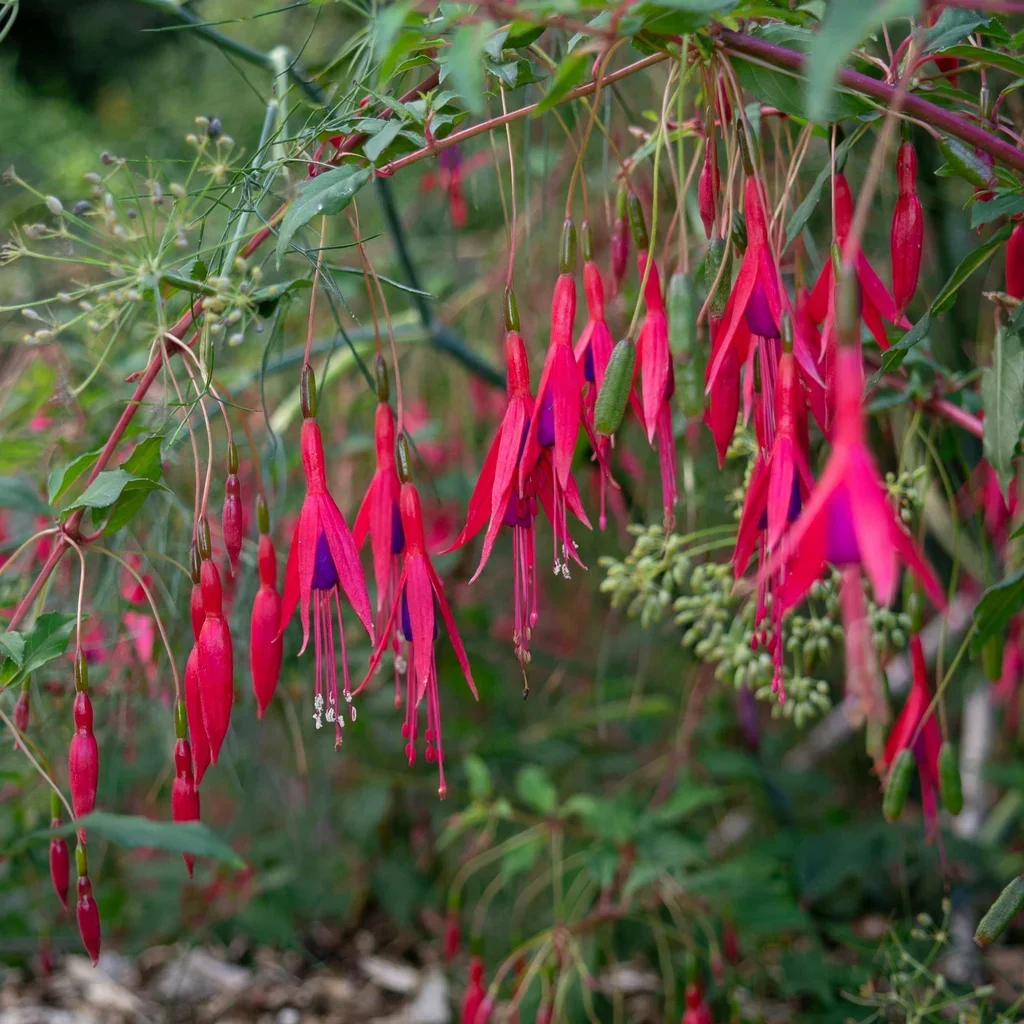
Santa Cruz Fuchsia
Fuchsia magellanica 'Santa Cruz'
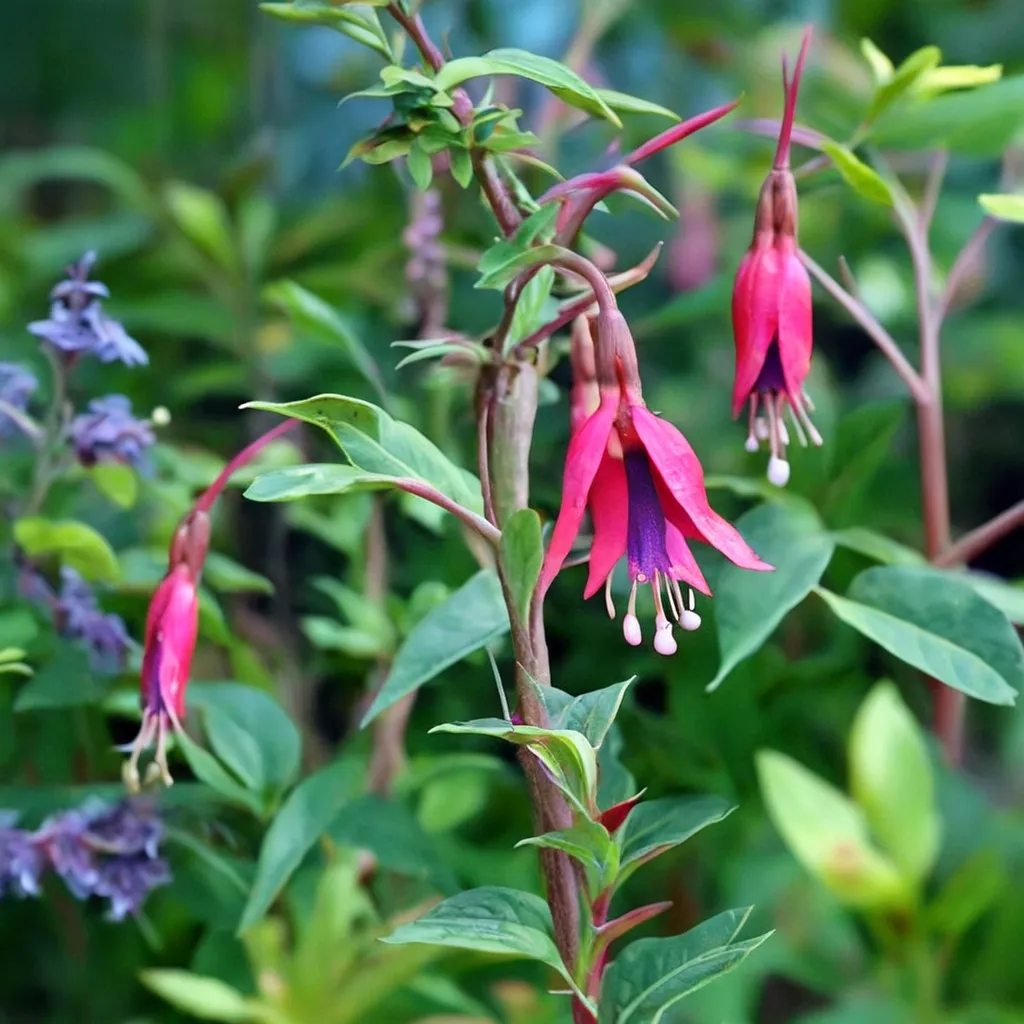
Hardy Fuchsia 'Riccartonii'
Fuchsia magellanica 'Riccartonii'
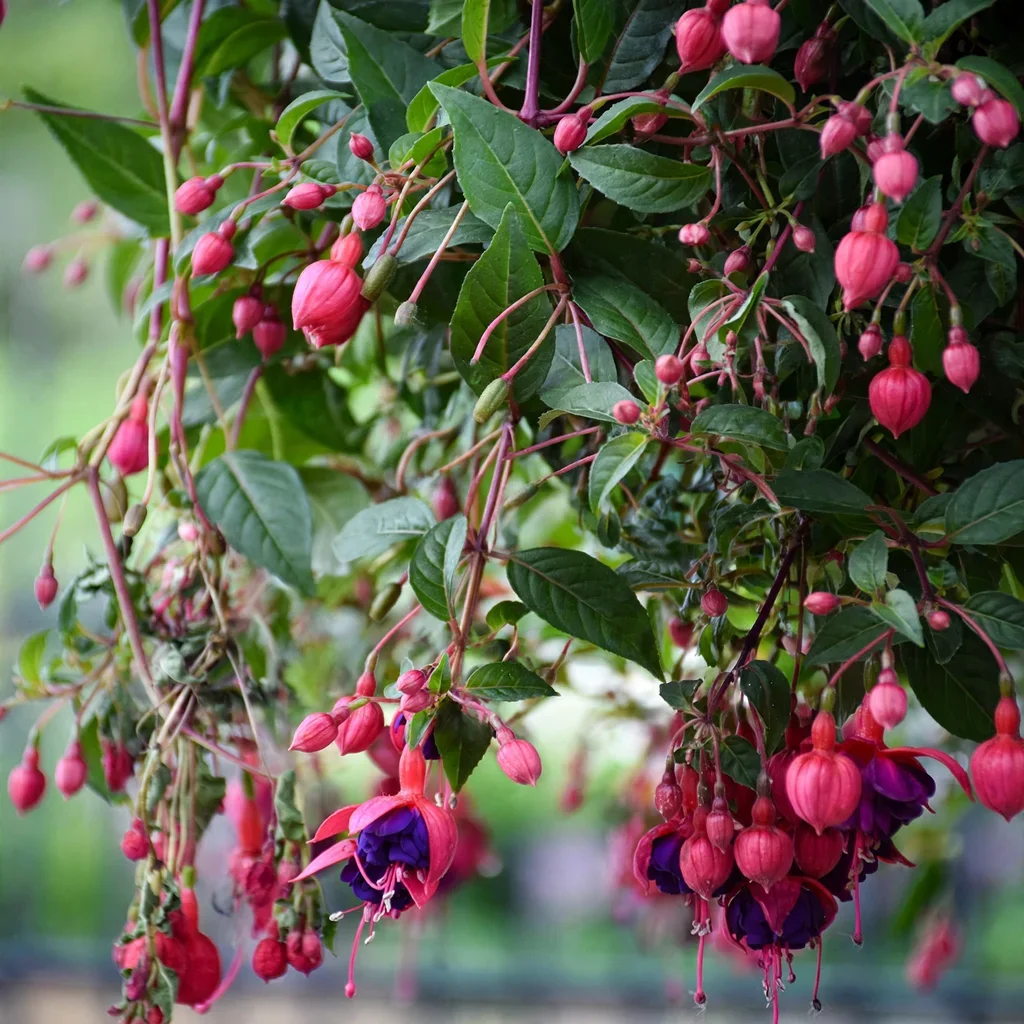
Dollar Princess Fuchsia
Fuchsia x hybrida 'Dollar Princess'
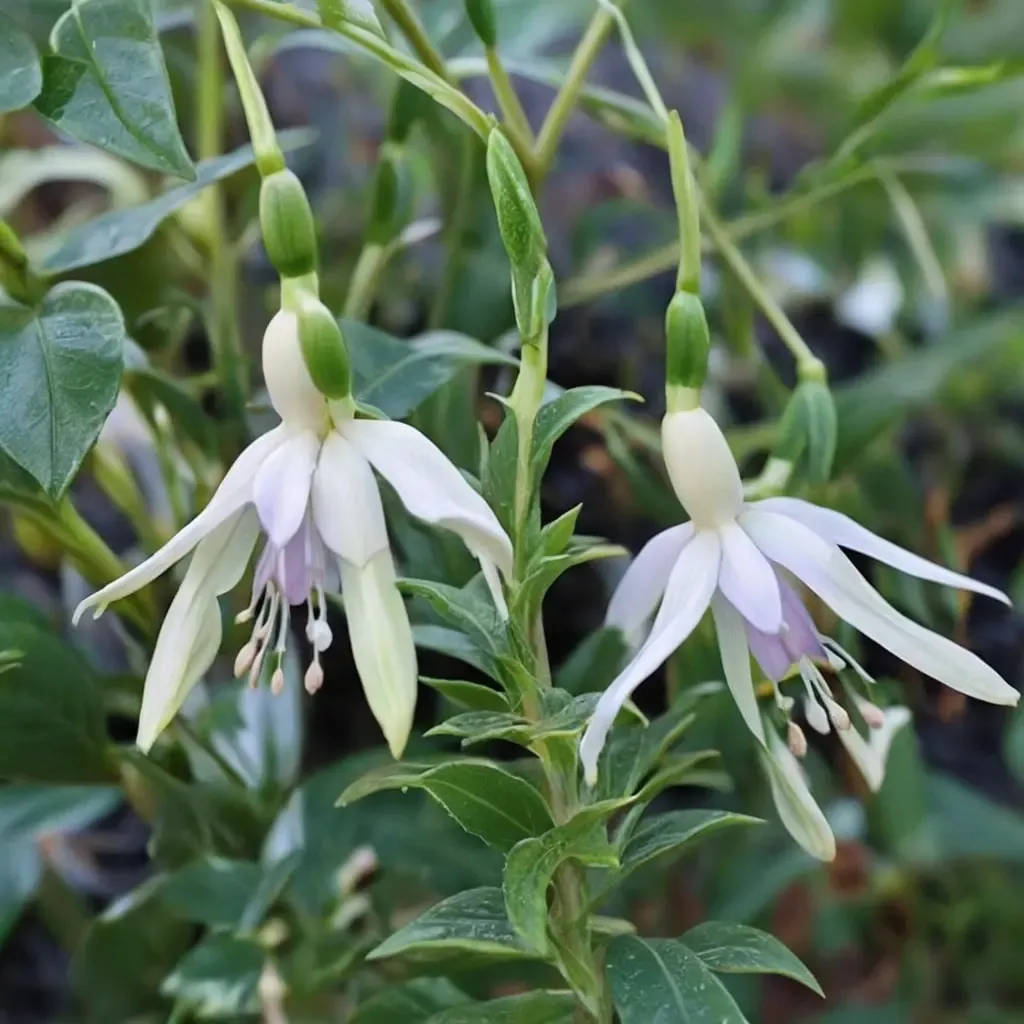
Hawkshead Fuchsia
Fuchsia magellanica 'Hawkshead'
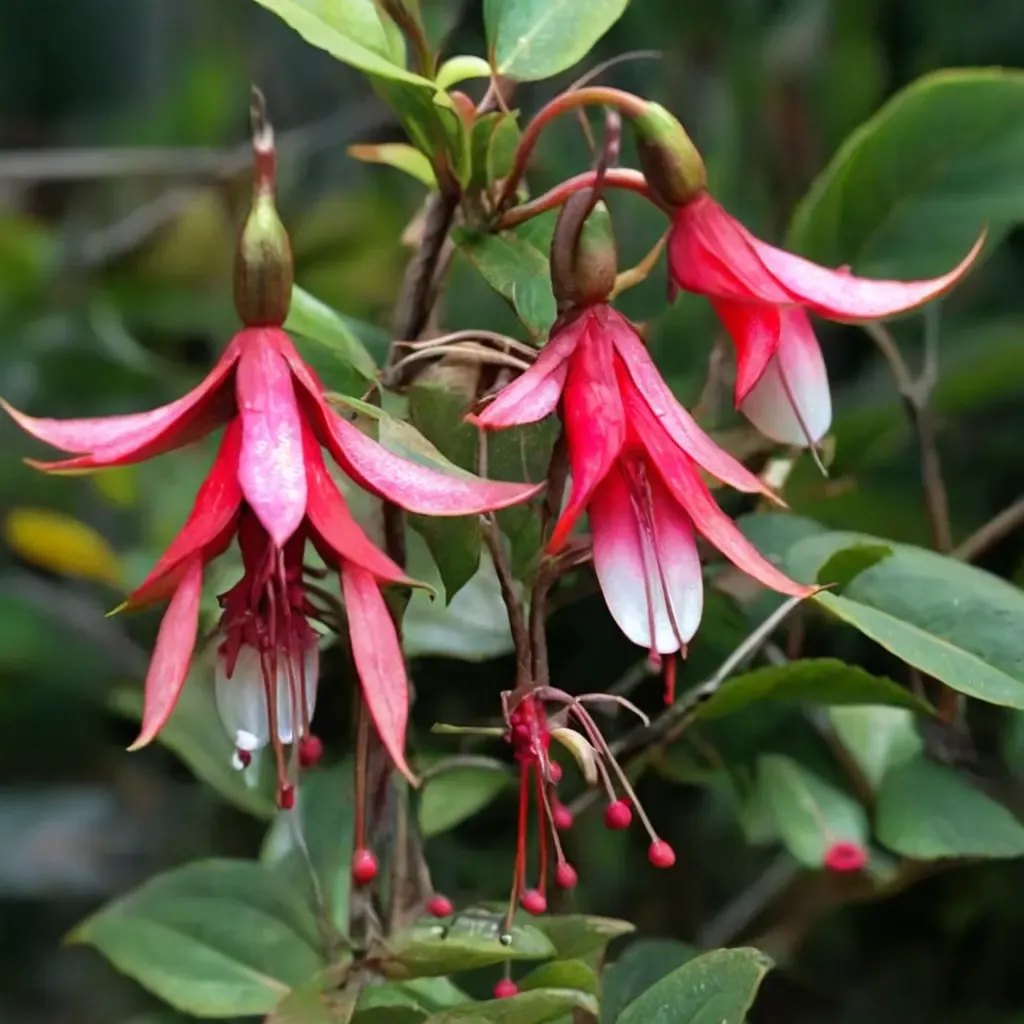
Ruddy Rodney Fuchsia
Fuchsia magellanica 'Ruddy Rodney'
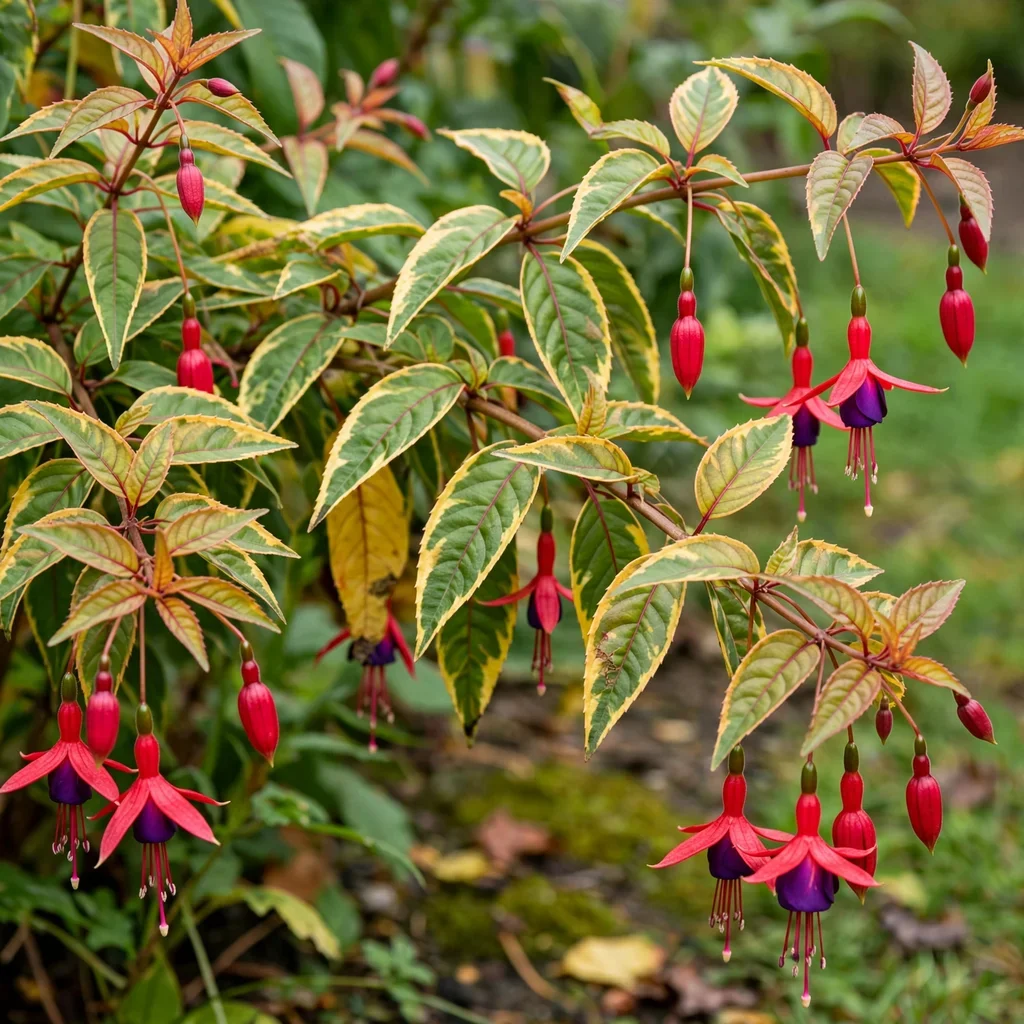
Autumnale Hardy Fuchsia
Fuchsia magellanica 'Autumnale'
Keep exploring
Explore the genus
Hardy in your zone?
Grow Firecracker Fuchsia with confidence
See it in a design of your actual yard, get zone-matched care reminders, and track it season by season in your garden journal.