
The Story
Plant Bio
Rosa abietina, the alpine needle rose, is an upright, deciduous shrub native to the European Alps, distinguished by its exceptionally fine, needle-like leaflets that mimic the foliage of fir trees. In summer, it produces pale pink to light purple semi-double flowers with a subtle, fruity fragrance, followed by small, reddish-brown hips.
Unlike typical garden roses, this species maintains an airy, open habit and an ethereal texture due to its highly narrow, pin-like foliage. Its natural framework is highly adapted to cold, gritty alpine environments, making it exceptionally cold-hardy but sensitive to stagnant air and heavy soils.
Uses & Benefits:
Essentials
At a Glance
Plant Type
Shrub
Height
60"
Width
60"
Light
Full Sun, Partial Sun
Zones
5, 6, 7, 8
Water
Moderate
Humidity
Moderate
Lifespan
Long-lived
Native To
Europe
Toxicity
Non-toxic
Bloom period
Summer
In flower about 3 months of the year
Planting
How to Grow
- Select a planting site with at least eight hours of direct daily sunlight and excellent drainage.
- Incorporate grit or coarse sand into the planting hole if the native soil is heavy or slow-draining.
- Water regularly after planting to establish the root system, then reduce frequency to allow the top few inches of soil to dry between waterings.
- Apply a balanced organic rose fertilizer once annually in early spring to support new growth.
Pro Tip
Treat this species as an alpine shrub rather than a hybrid tea rose; avoid aggressive annual shearing into old, leafless wood, which destroys its delicate, airy framework.
Keep It Thriving
Care Guide
Do
- Plant in highly permeable, gritty soil to prevent root rot.
- Provide full sun to maximize flowering and maintain compact growth.
- Prune lightly in late winter to remove dead or crossing wood.
Don't
- Do not shear the plant into a tight hedge, which ruins its airy, needle-like texture.
- Do not plant in heavy, poorly drained clay soils.
- Do not overwater or allow the roots to sit in stagnant water.
Seasonal Care Calendar
| Task | Jan | Feb | Mar | Apr | May | Jun | Jul | Aug | Sep | Oct | Nov | Dec |
|---|---|---|---|---|---|---|---|---|---|---|---|---|
| Fertilize | ||||||||||||
| Pest Check | ||||||||||||
| Prune | ||||||||||||
| Winter Prep |
Watch Out For
Pests & Diseases
Common Pests
Common Diseases
In the Garden
Landscape Uses & Companions
Landscape Uses
Companion Plants
Multiply
Propagation Methods
Good to Know
Common Questions
Alpine Needle Rose questions
What zones can Alpine Needle Rose grow in?
Alpine Needle Rose is hardy in USDA Zones 5–8. Inside that range it survives winter in the ground; outside it, grow it as an annual or a container plant you protect.
Is Alpine Needle Rose deer resistant?
Not reliably. Deer may browse Alpine Needle Rose, especially tender spring growth — plan on repellents or fencing where pressure is high.
When does Alpine Needle Rose bloom?
Alpine Needle Rose typically blooms in summer through summer. Exact timing shifts a week or two with your zone — Sow's bloom calendar maps it to your garden.
Does Alpine Needle Rose need full sun?
Alpine Needle Rose does best in full sun to part shade. In hot climates, afternoon shade keeps blooms fresher longer.
Is Alpine Needle Rose drought tolerant?
Yes — once established (usually after the first full season), Alpine Needle Rose handles dry spells with minimal watering. Water deeply its first year to build the root system that makes that possible.
More Rosa to compare
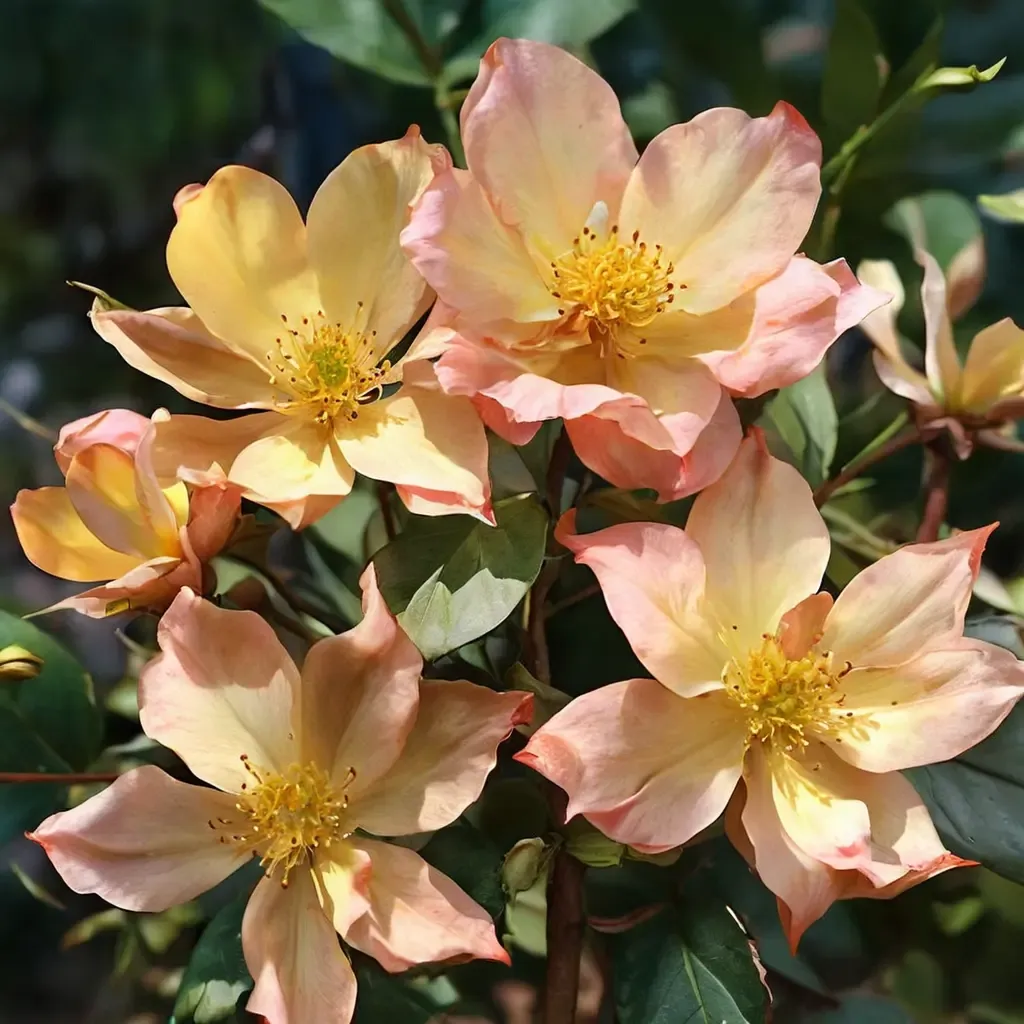
Flutterbye Rose
Rosa x hybrida 'Flutterbye'
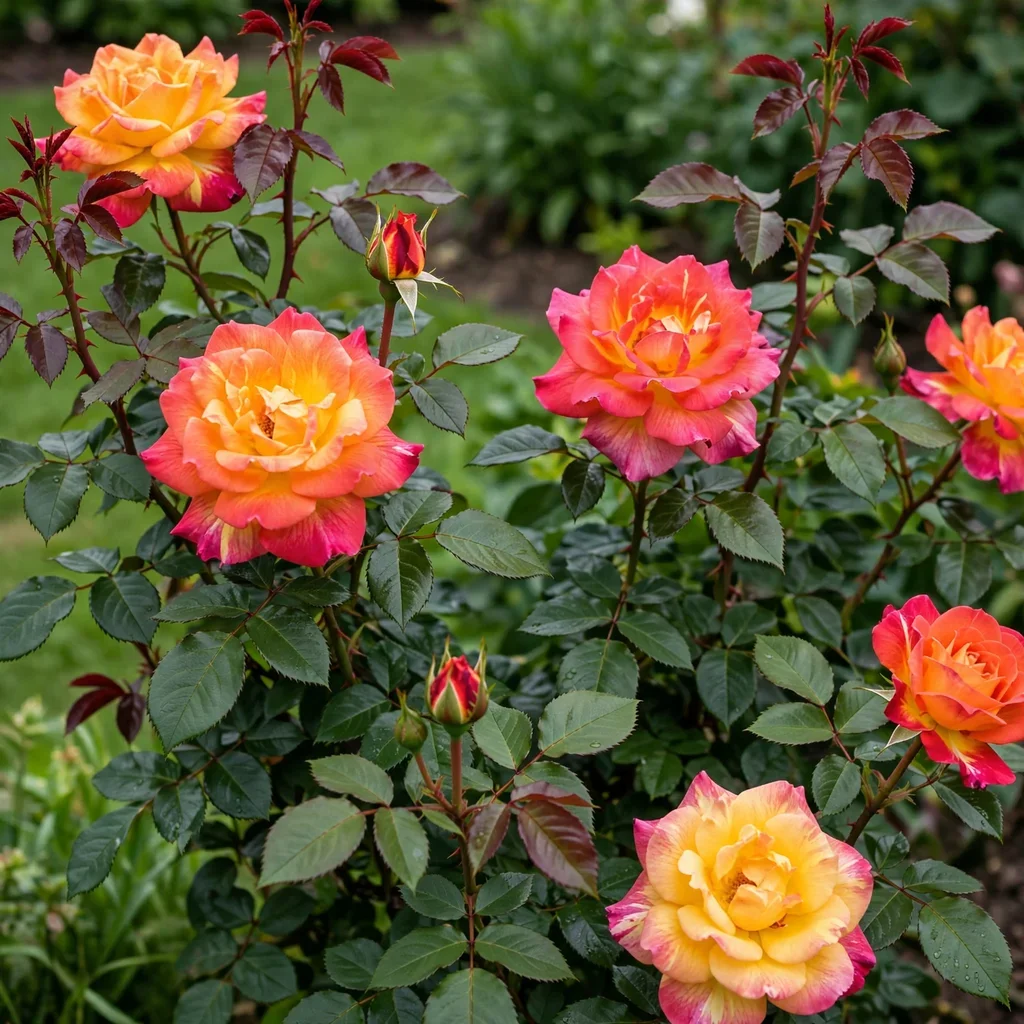
Joseph's Coat Rose
Rosa x hybrida 'Joseph's Coat'
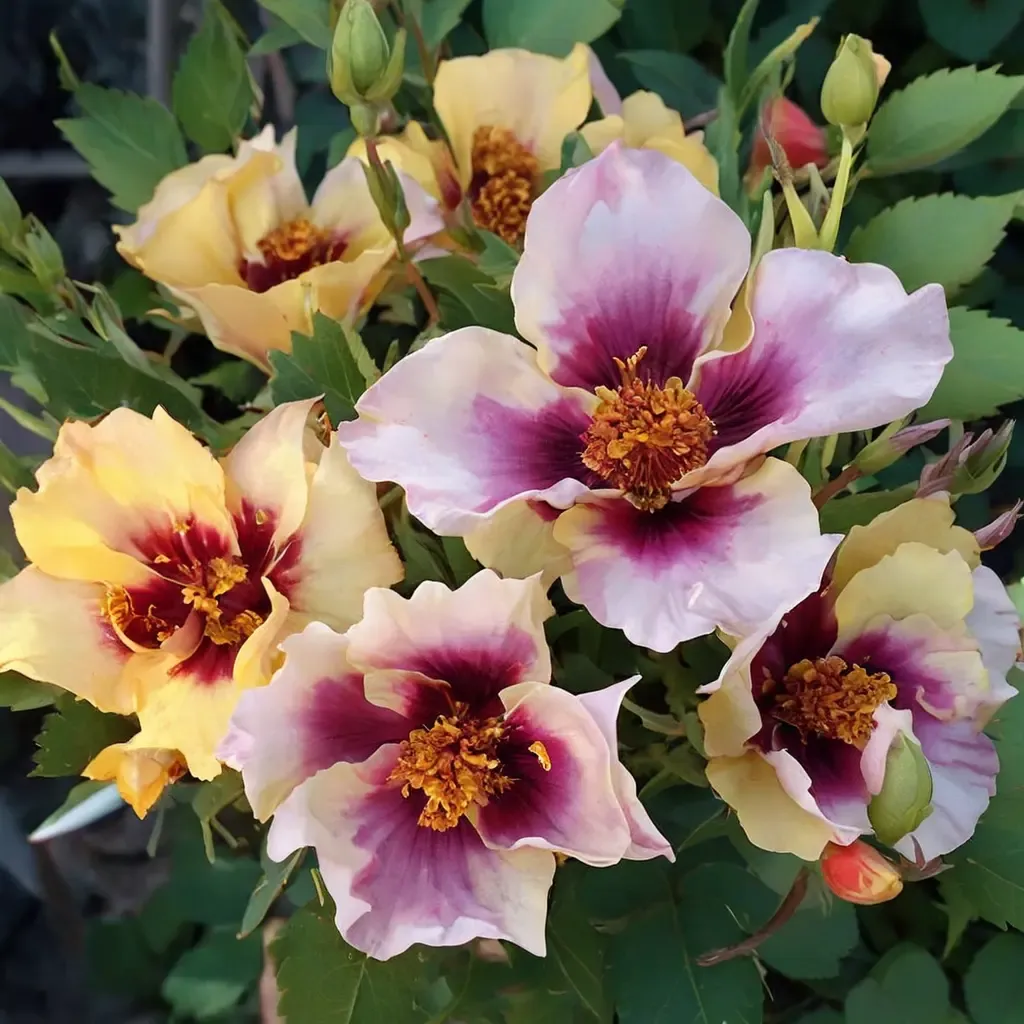
In Your Eyes Rose
Rosa x hybrida 'In Your Eyes'
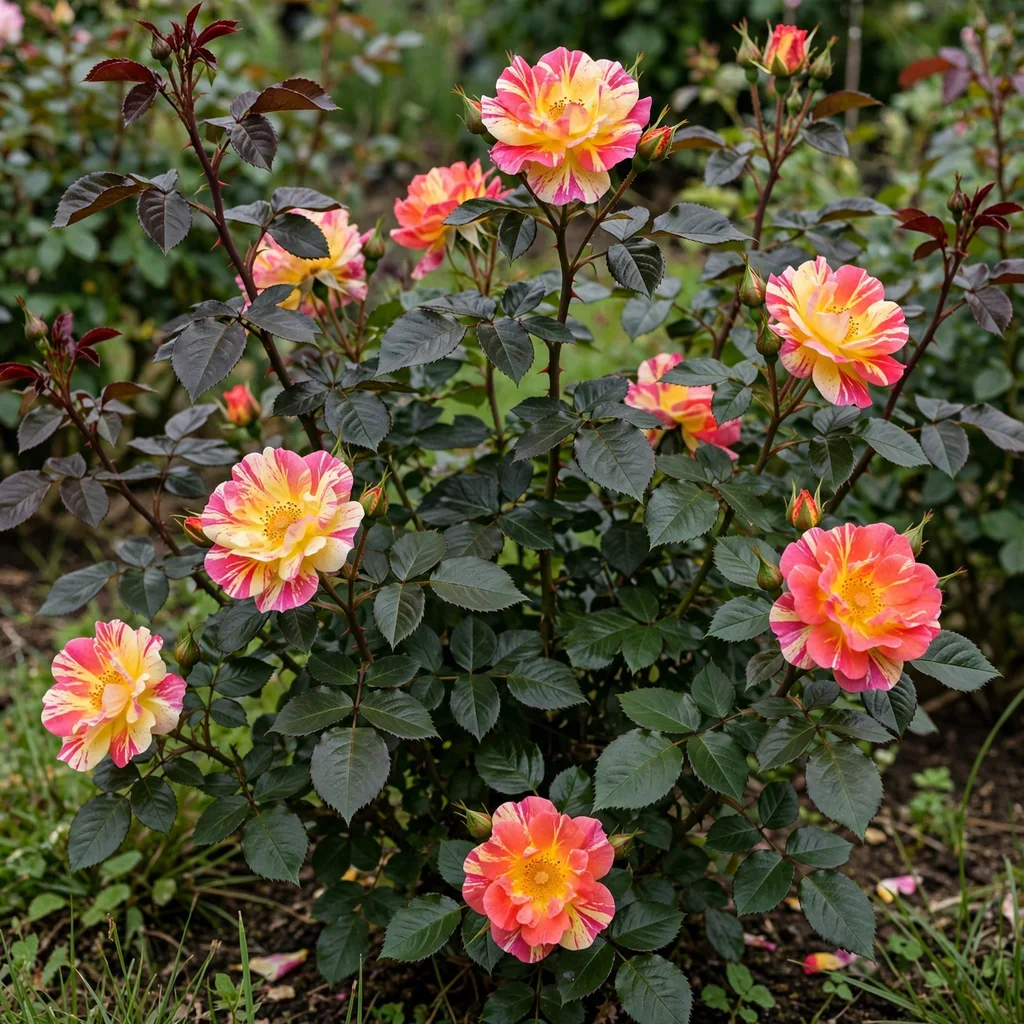
Rainbow Rose
Rosa x hybrida 'Rainbow'
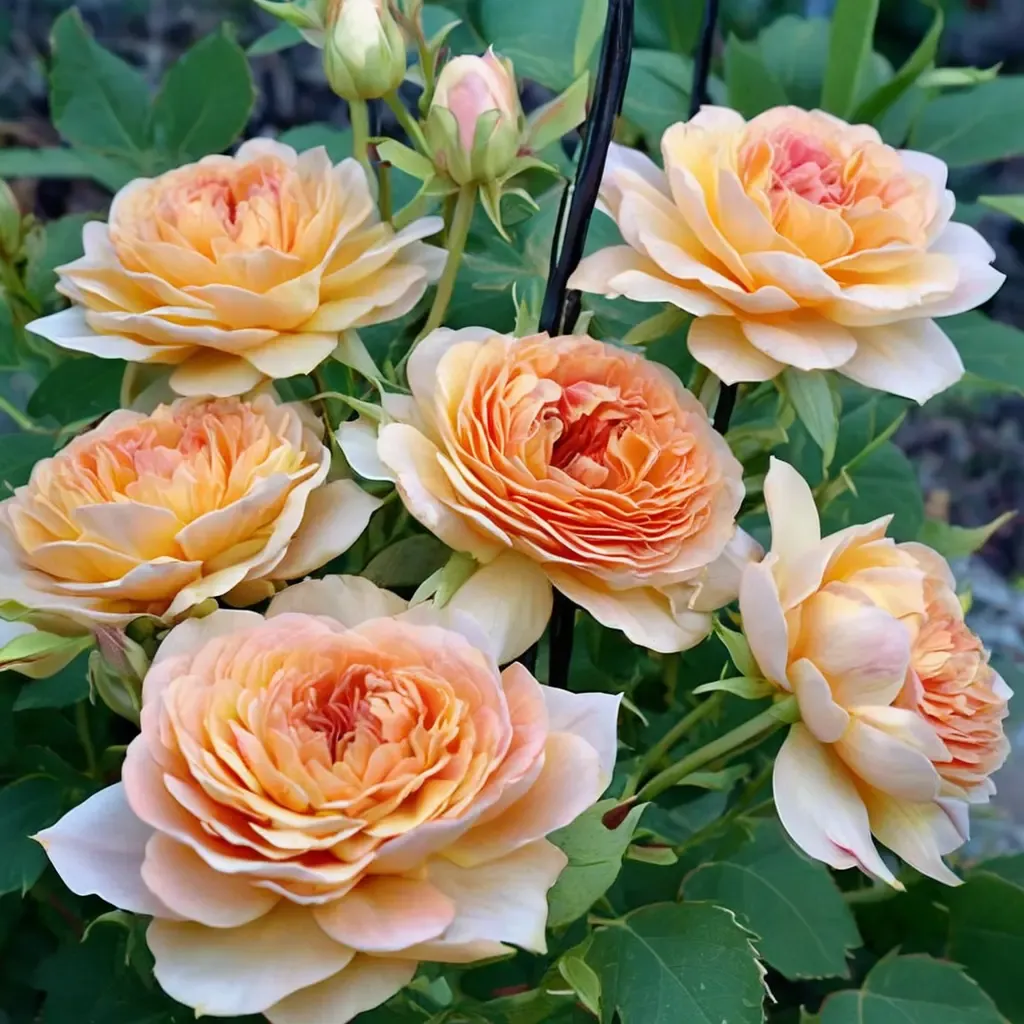
Fun in the Sun Rose
Rosa x hybrida 'Fun in the Sun'
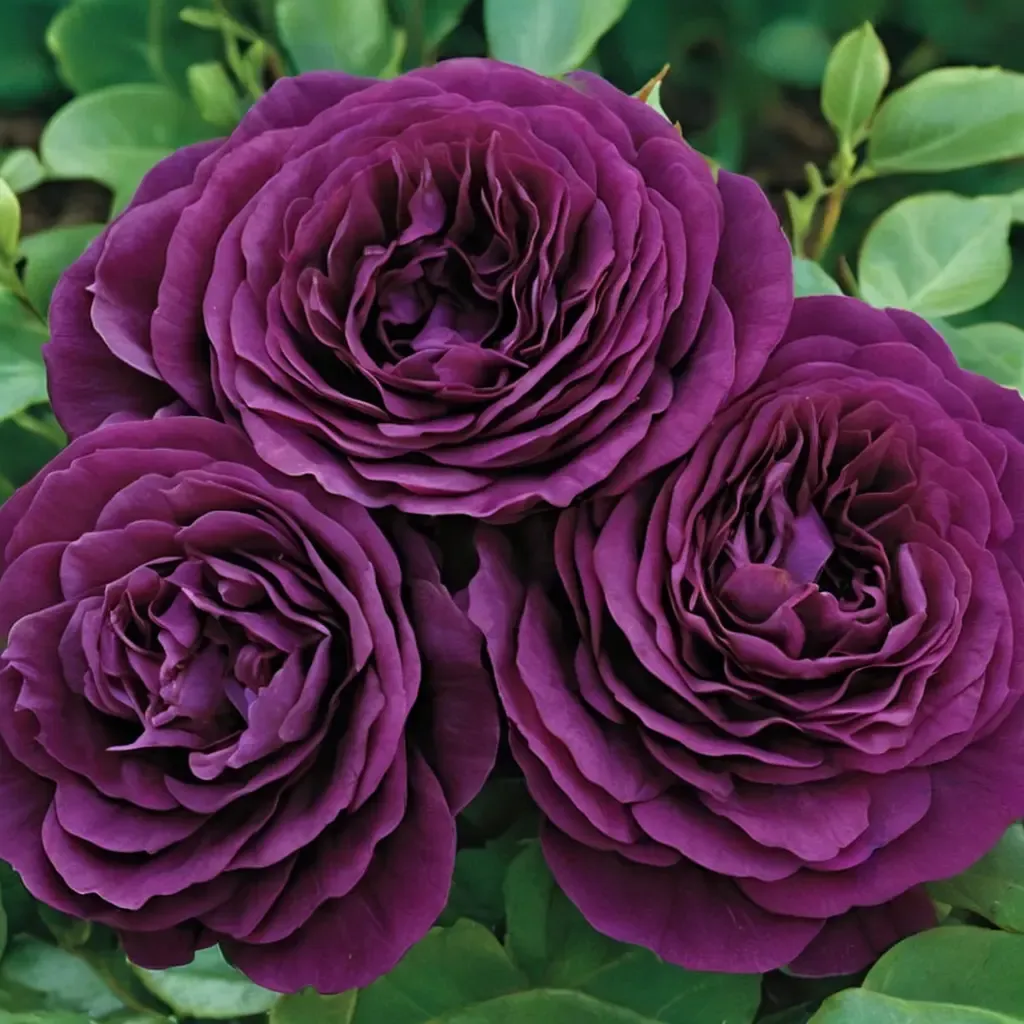
Twilight Zone Rose
Rosa x hybrida 'Twilight Zone'
Keep exploring
Explore the genus
Hardy in your zone?
Grow Alpine Needle Rose with confidence
See it in a design of your actual yard, get zone-matched care reminders, and track it season by season in your garden journal.