Species
 Primula vulgarisEnglish Primrose
8 other cultivars
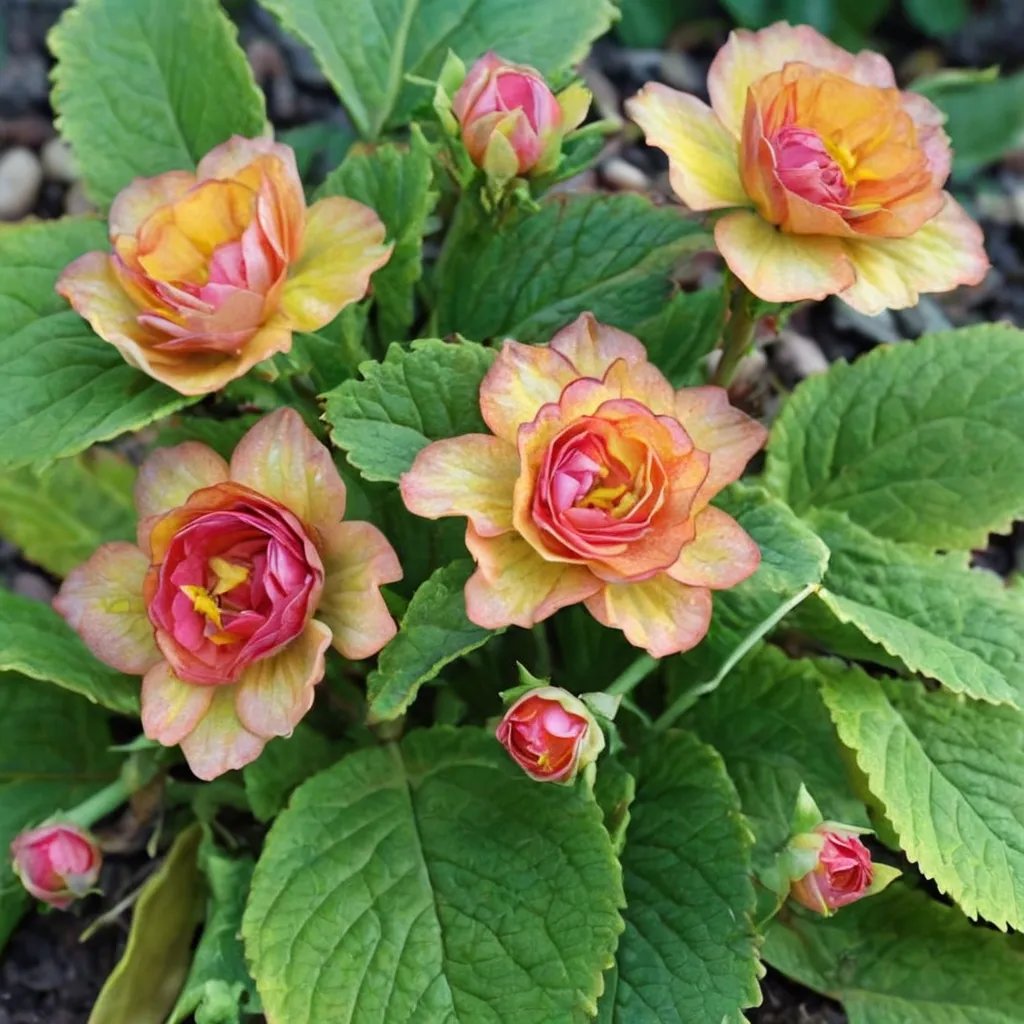
 ‘Belarina Pink Ice’Belarina Pink Ice Primrose
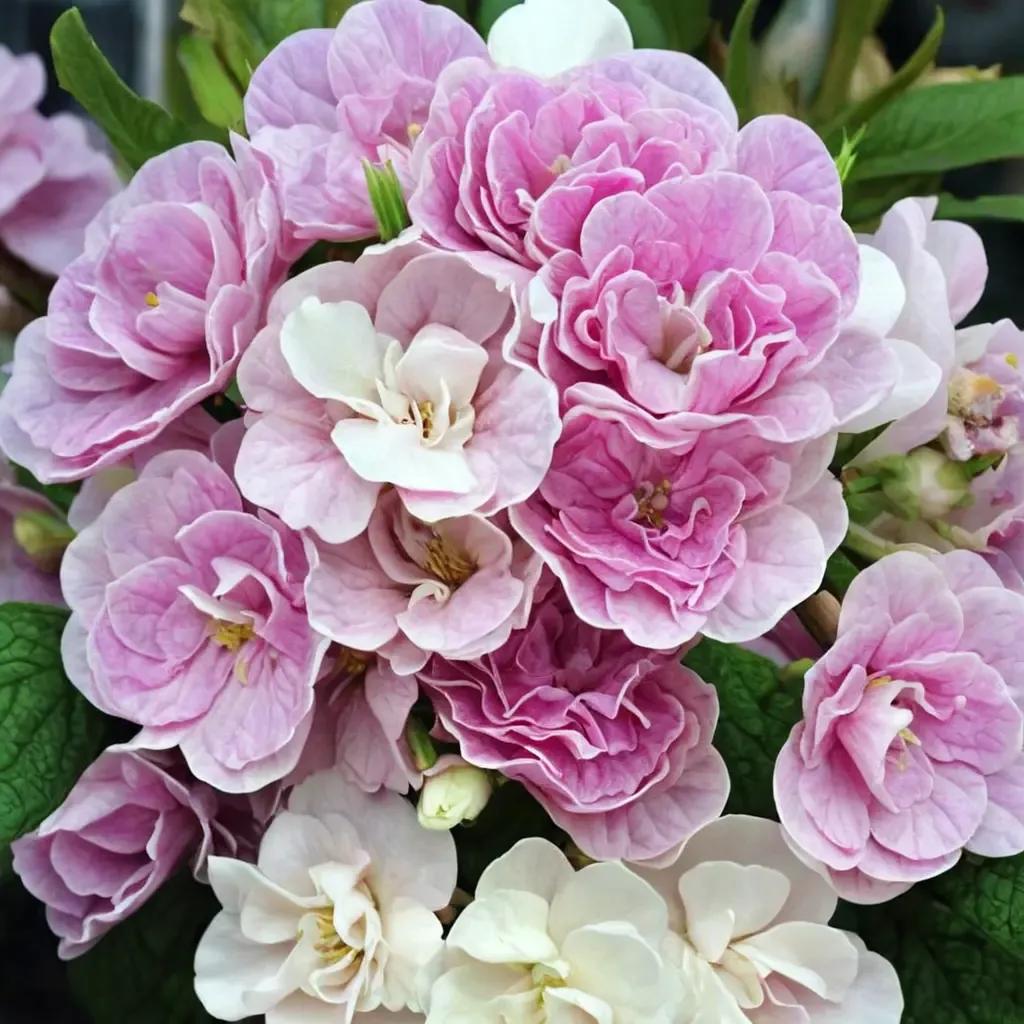
 ‘Belarina Amethyst Ice’Amethyst Ice Primrose
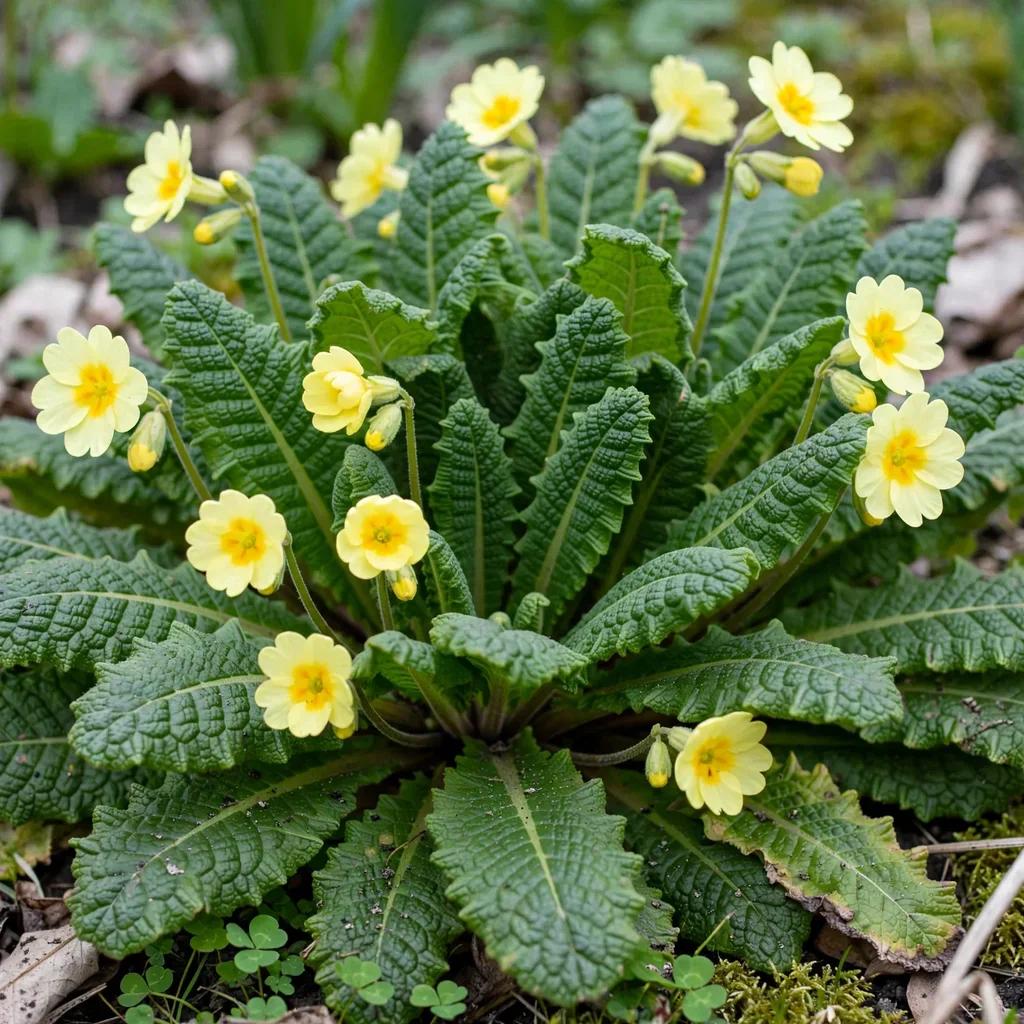 ‘Mixed Hardy’Mixed Hardy English Primrose
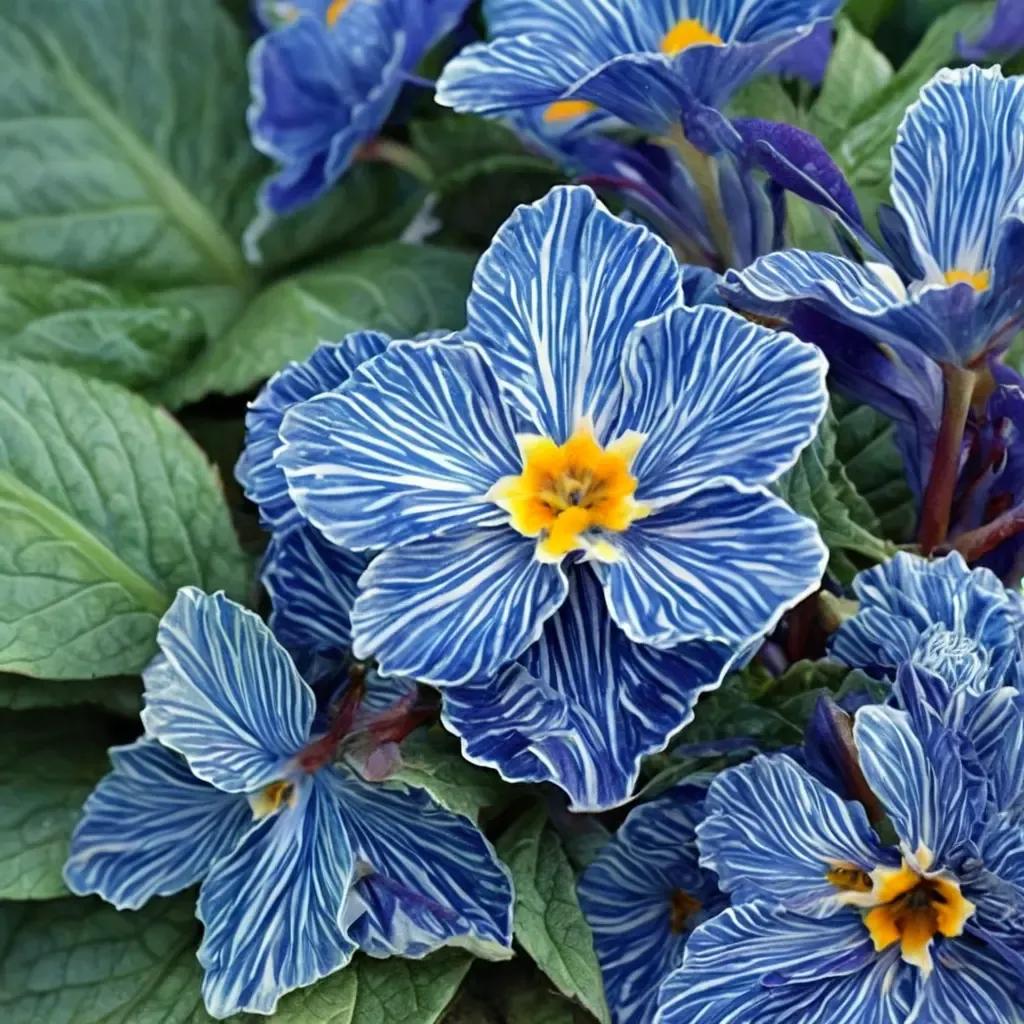 ‘Blue Zebra’Blue Zebra Primrose
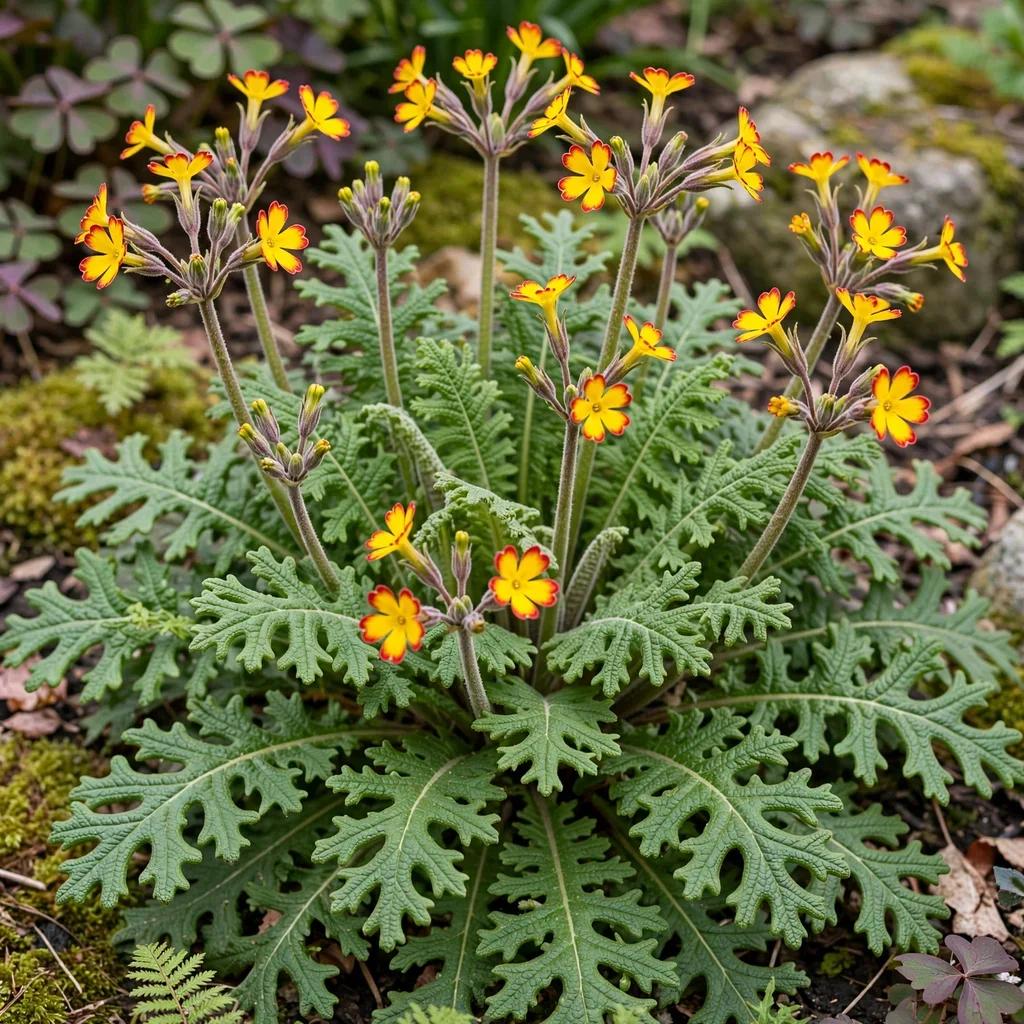 ‘Oakleaf Yellow Picotee’Oakleaf Yellow Picotee Primrose
 ‘Zebra Blue’Zebra Blue Primula
 ‘Corporal Baxter’Corporal Baxter English Primrose
 ‘Sunshine Susie’Sunshine Susie Double English Primrose
The Story
Plant Bio
Primula vulgaris 'Ken Dearman' is a semi-evergreen perennial forming a rosette of wrinkled, spoon-shaped, green leaves. In early to mid-spring, it produces a profusion of large, deep violet-purple flowers, each with a contrasting yellow eye.
This cultivar, an English primrose, is prized for its exceptionally large, fragrant, deep violet-purple flowers and its robust, vigorous nature. It is an RHS Award of Garden Merit winner.
Uses & Benefits:
Essentials
At a Glance
Plant Type
Perennial
Height
8"
Width
12"
Light
Partial Sun, Shade
Zones
4, 5, 6, 7, 8
Water
Requires consistently moist soil
Humidity
Average
Lifespan
Perennial
Native To
Europe
Toxicity
Can cause mild skin irritation; toxic to pets if ingested
Bloom period
Early spring – Late spring
In flower about 3 months of the year
Planting
How to Grow
- Tuck seeds or divisions into moist soil in early spring
- Water regularly to keep soil moist but not soggy
- Apply a balanced fertilizer every 4 weeks during growth
- Mulch around plants to retain moisture and suppress weeds
- Remove spent flowers to encourage rebloom
- Divide every 2-3 years in early spring for rejuvenation
Pro Tip
Plant in partial shade with rich, moist soil for best results
Keep It Thriving
Care Guide
Do
- Water consistently to keep soil moist 🌱
- Mulch to conserve moisture and regulate soil temperature
- Deadhead spent flowers to promote additional blooms
Don't
- Avoid letting soil dry out completely ❌
- Don’t place in full sun, which can scorch the leaves
- Refrain from over-fertilizing to prevent weak growth
Seasonal Care Calendar
| Task | Jan | Feb | Mar | Apr | May | Jun | Jul | Aug | Sep | Oct | Nov | Dec |
|---|---|---|---|---|---|---|---|---|---|---|---|---|
| Deadhead | ||||||||||||
| Divide | ||||||||||||
| Fertilize | ||||||||||||
| Mulch | ||||||||||||
| Spring Cleanup |
Watch Out For
Pests & Diseases
Common Pests
Common Diseases
In the Garden
Landscape Uses & Companions
Landscape Uses
Multiply
Propagation Methods
Good to Know
Common Questions
Common Primula Ken Dearman questions
What zones can Common Primula Ken Dearman grow in?
Common Primula Ken Dearman is hardy in USDA Zones 4–8. Inside that range it survives winter in the ground; outside it, grow it as an annual or a container plant you protect.
Is Common Primula Ken Dearman deer resistant?
Not reliably. Deer may browse Common Primula Ken Dearman, especially tender spring growth — plan on repellents or fencing where pressure is high.
When does Common Primula Ken Dearman bloom?
Common Primula Ken Dearman typically blooms in early spring through late spring. Exact timing shifts a week or two with your zone — Sow's bloom calendar maps it to your garden.
Does Common Primula Ken Dearman need full sun?
Common Primula Ken Dearman does best in part shade.
More Primula to compare
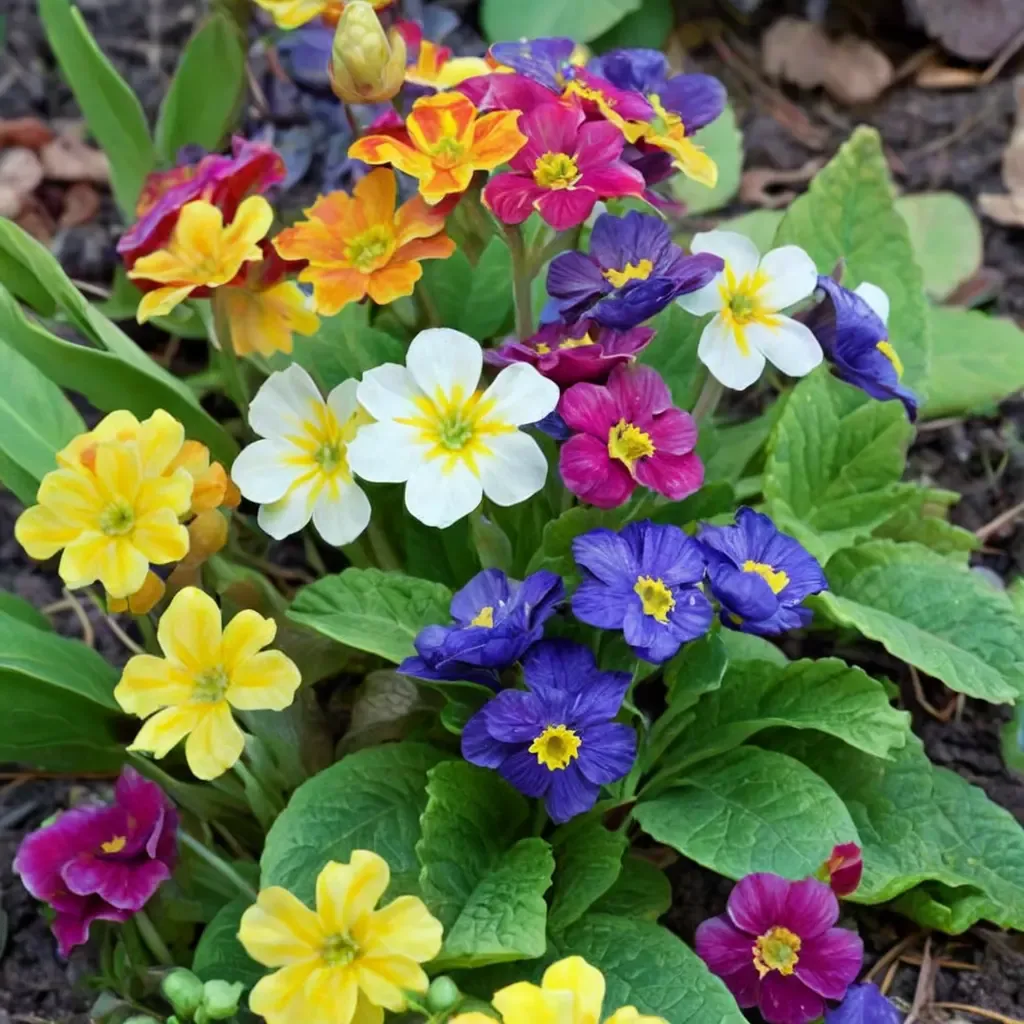
Pacific Hybrids Primrose
Primula x polyantha 'Pacific Hybrids'
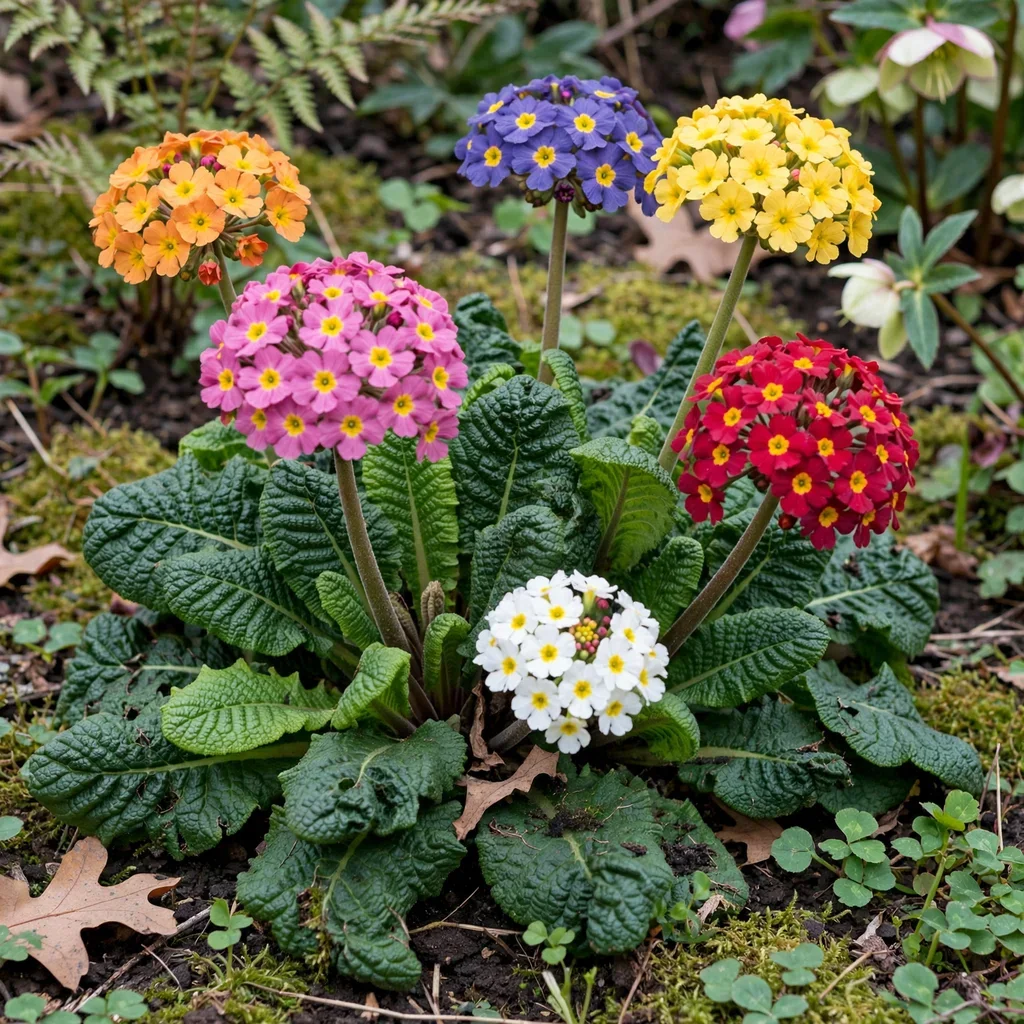
Primula Crescendo Mix
Primula x polyantha 'Crescendo Mix'
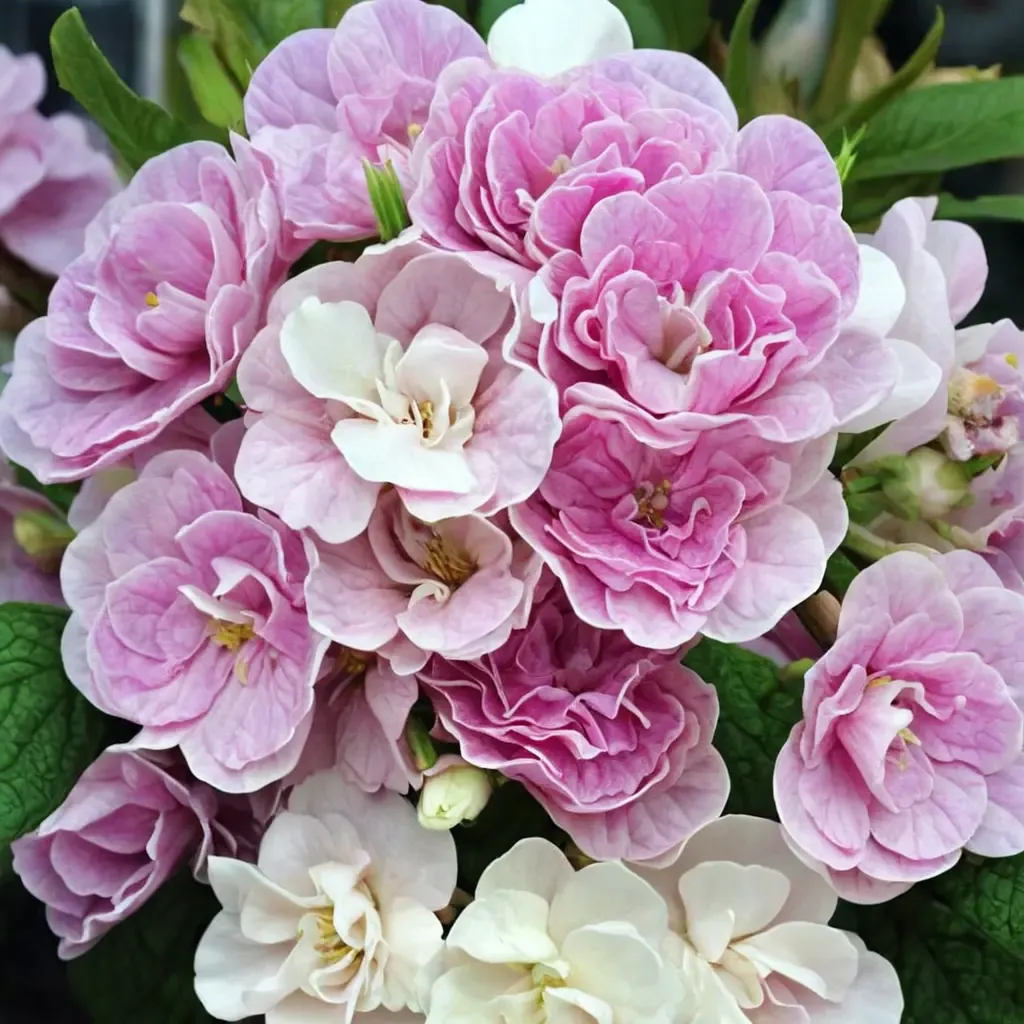
Belarina Pink Ice Primrose
Primula vulgaris 'Belarina Pink Ice'
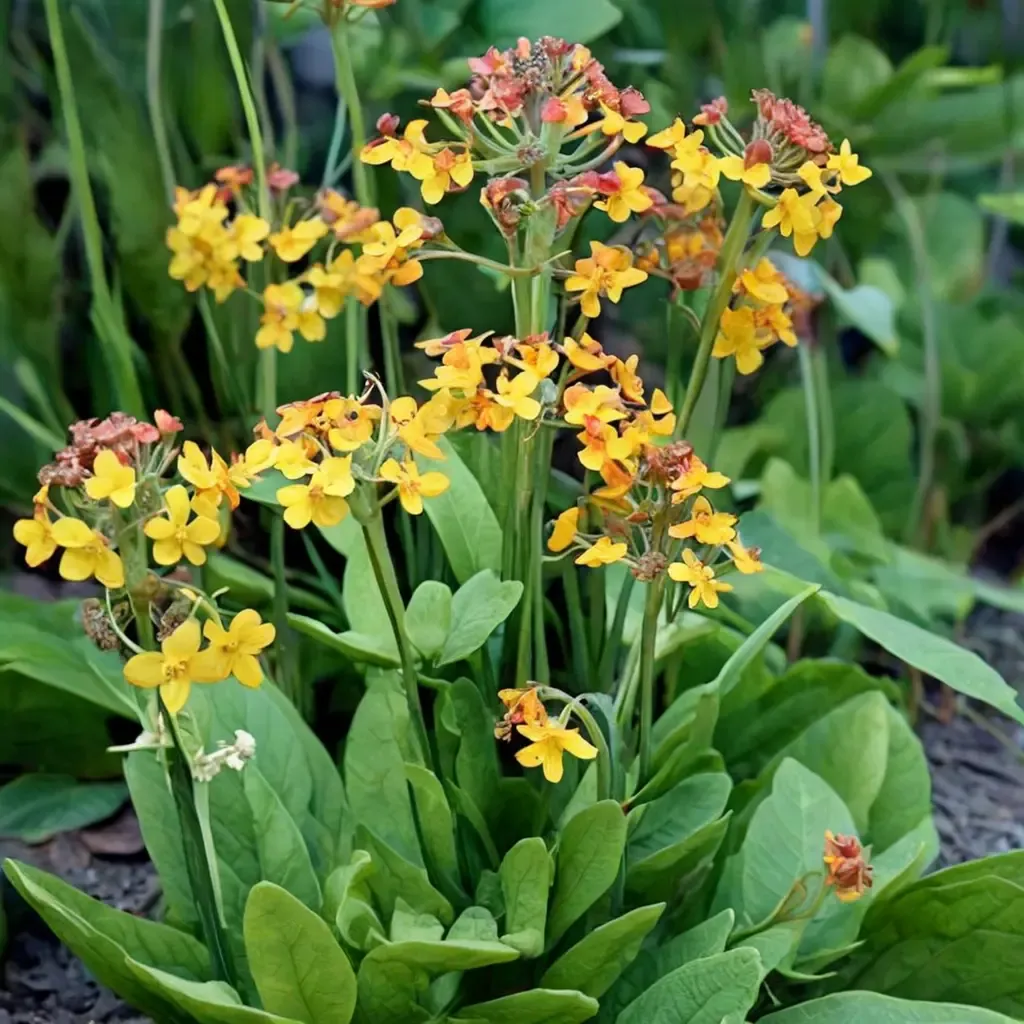
Bulley's Primrose
Primula bulleyana
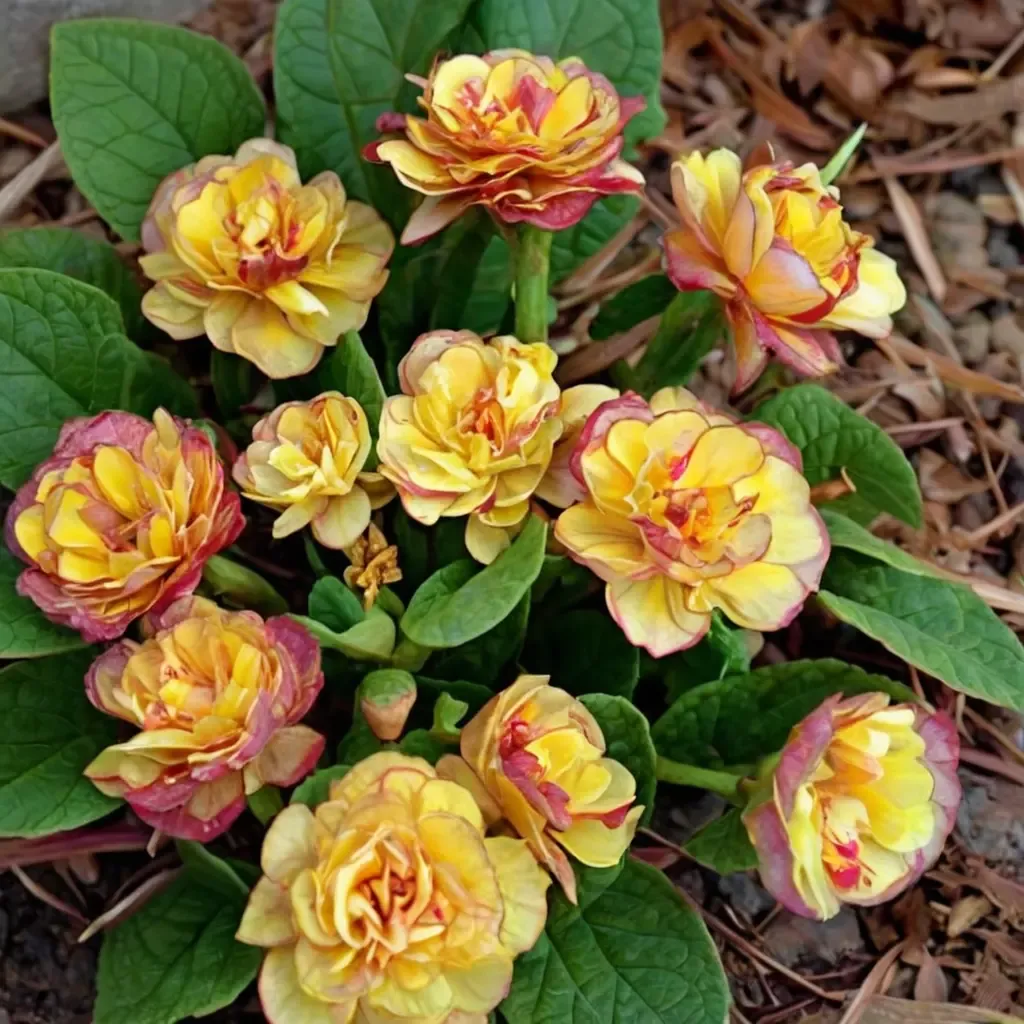
Nectarine Cowslip
Primula veris 'Nectarine'
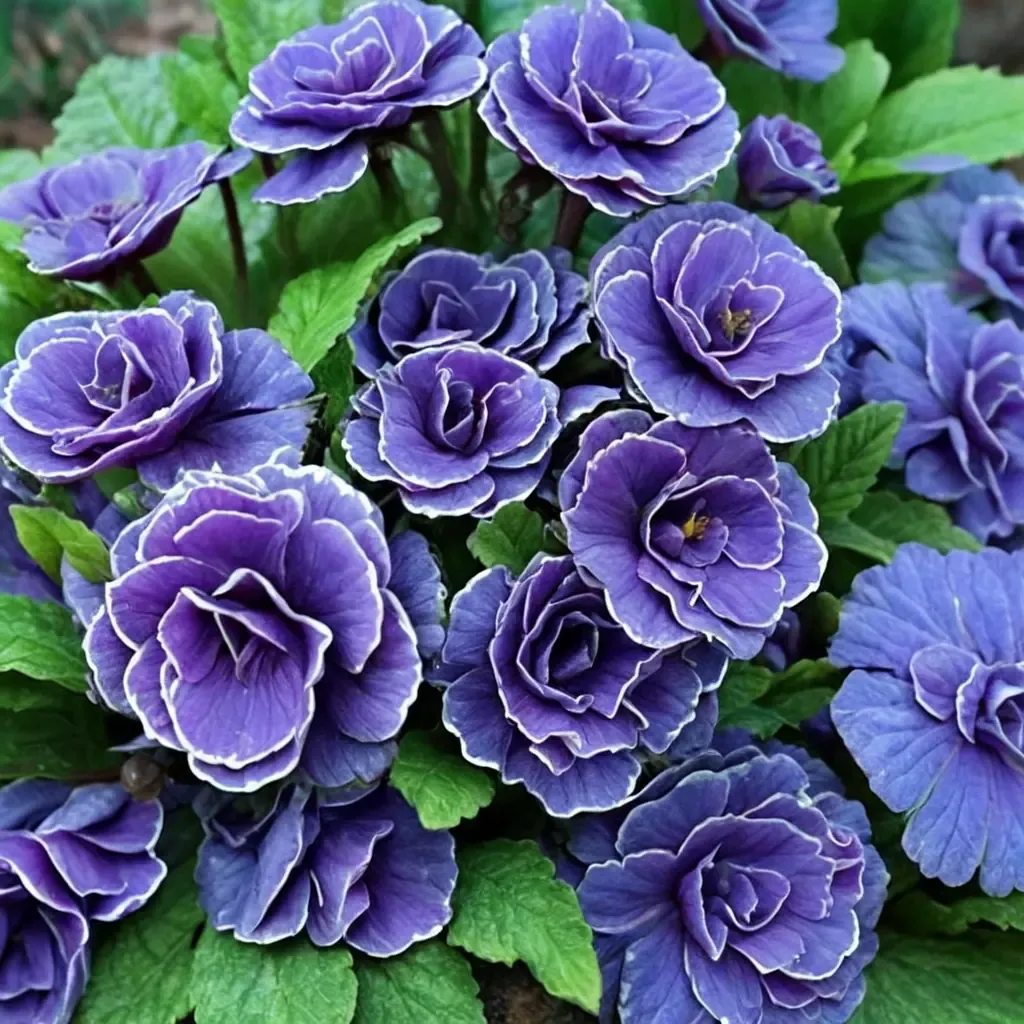
Amethyst Ice Primrose
Primula vulgaris 'Belarina Amethyst Ice'
Keep exploring
Explore the genus
Hardy in your zone?
Grow Common Primula Ken Dearman with confidence
See it in a design of your actual yard, get zone-matched care reminders, and track it season by season in your garden journal.