The Story
Plant Bio
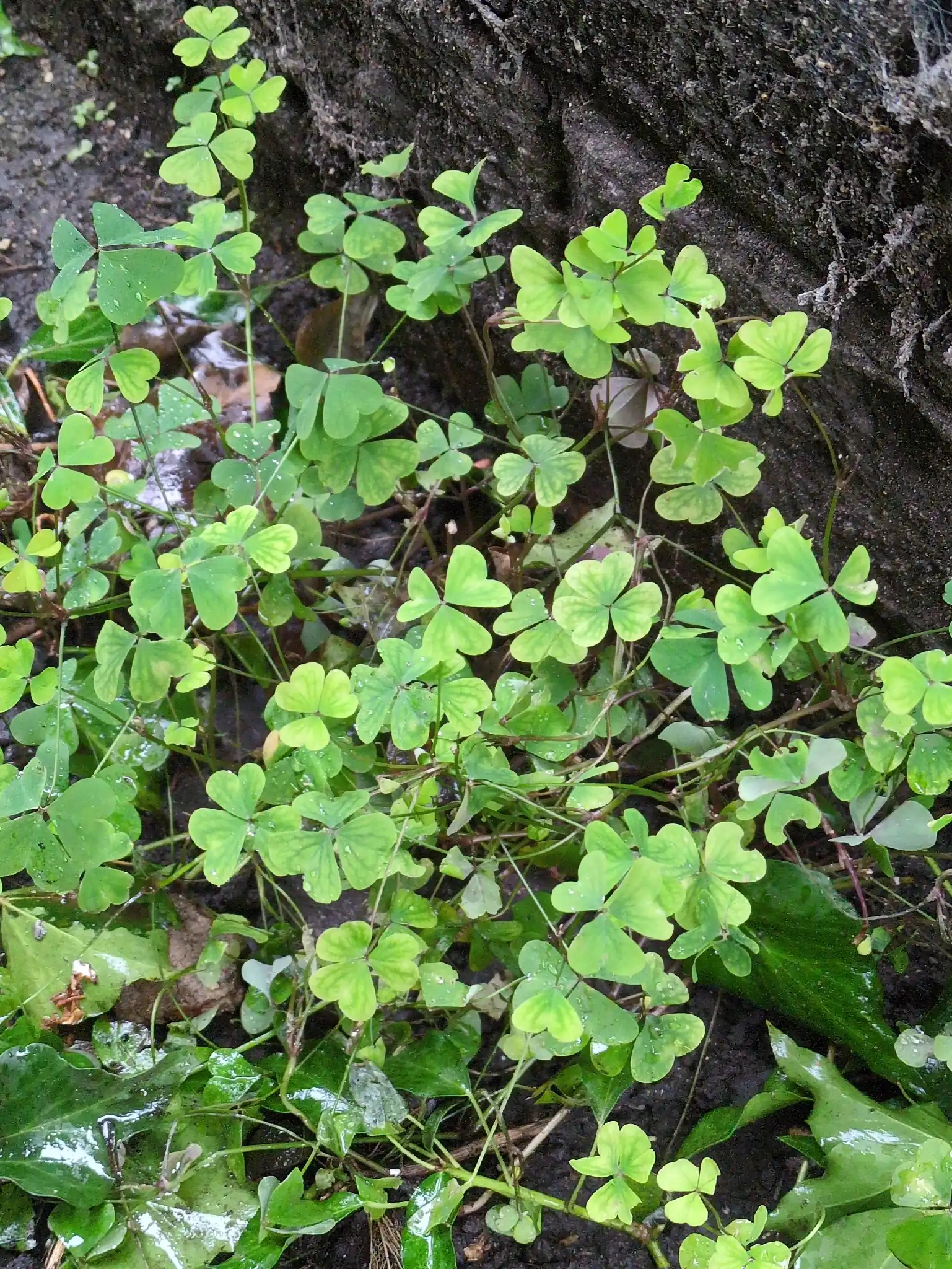
Oxalis incarnata is a low-growing perennial herb that spreads via a network of slender underground rhizomes, bulbs, and bulbils. The delicate, three-parted heart-shaped leaves form dense mounds, topped by solitary, pale pink to white flowers with prominent darker veins.
This species is distinguished by its ability to produce tiny, vegetative bulbils not only underground but also in the aerial leaf axils. These structures allow the plant to survive summer drought and rapidly colonize disturbed soils.
Uses & Benefits:
Essentials
At a Glance
Plant Type
Perennial
Height
12"
Width
12"
Light
Full Sun, Partial Sun, Shade
Zones
8, 9, 10
Water
Low
Humidity
Moderate
Lifespan
Perennial
Native To
Southern Africa
Toxicity
Toxic to Pets and Livestock
Bloom period
Winter – Spring
In flower about 6 months of the year
Planting
How to Grow
- Select a site with well-drained sandy or loamy soil in full sun to partial shade.
- Plant bulbs or rhizomes 1 to 2 inches deep in late summer or early fall.
- Water moderately during the active winter and spring growing seasons to establish the root system.
- Withhold water entirely during the summer dormancy phase when the foliage naturally dies back.
Pro Tip
Avoid hand-pulling established clumps; this action detaches the tiny aerial and soil-bound bulbils, leaving them behind to multiply and worsen the infestation.
Keep It Thriving
Care Guide
Do
- Provide excellent soil drainage to prevent the underground bulbs from rotting.
- Clear away dead foliage and spent stems once the plant enters summer dormancy.
Don't
- Do not apply heavy fertilizers, as excess nutrients trigger aggressive bulbil production rather than flowers.
- Do not plant in open garden beds near natural waterways or sensitive native habitats.
Seasonal Care Calendar
| Task | Jan | Feb | Mar | Apr | May | Jun | Jul | Aug | Sep | Oct | Nov | Dec |
|---|---|---|---|---|---|---|---|---|---|---|---|---|
| Pest Check | ||||||||||||
| Plant | ||||||||||||
| Propagate | ||||||||||||
| Spring Cleanup |
Watch Out For
Pests & Diseases
Common Pests
Common Diseases
In the Garden
Landscape Uses & Companions
Landscape Uses
Companion Plants
Multiply
Propagation Methods
Good to Know
Common Questions
Pale Pink-Sorrel questions
What zones can Pale Pink-Sorrel grow in?
Pale Pink-Sorrel is hardy in USDA Zones 8–10. Inside that range it survives winter in the ground; outside it, grow it as an annual or a container plant you protect.
When does Pale Pink-Sorrel bloom?
Pale Pink-Sorrel typically blooms in winter through spring. Exact timing shifts a week or two with your zone — Sow's bloom calendar maps it to your garden.
Does Pale Pink-Sorrel need full sun?
Pale Pink-Sorrel does best in full sun to part shade. In hot climates, afternoon shade keeps blooms fresher longer.
Is Pale Pink-Sorrel drought tolerant?
Yes — once established (usually after the first full season), Pale Pink-Sorrel handles dry spells with minimal watering. Water deeply its first year to build the root system that makes that possible.
More Oxalis to compare
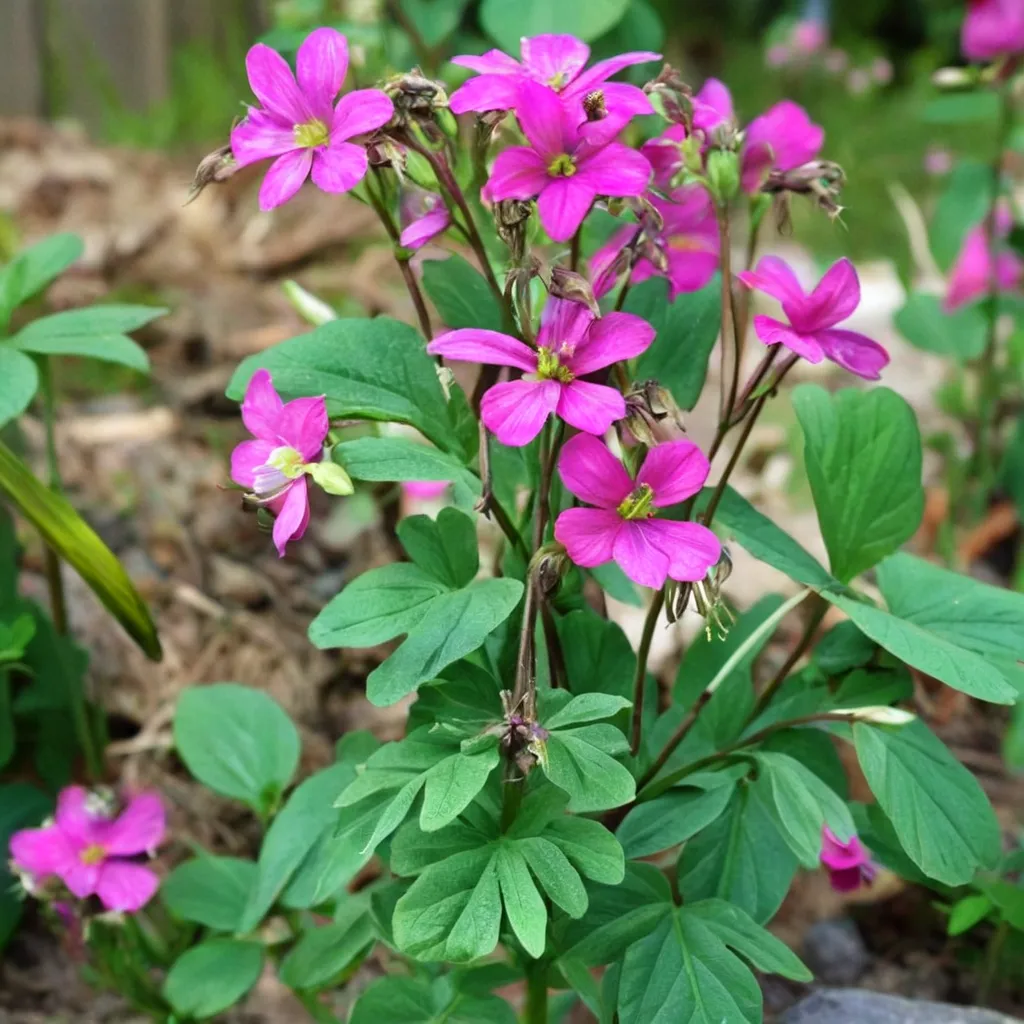
Oxalis Lasiandra
Oxalis lasiandra
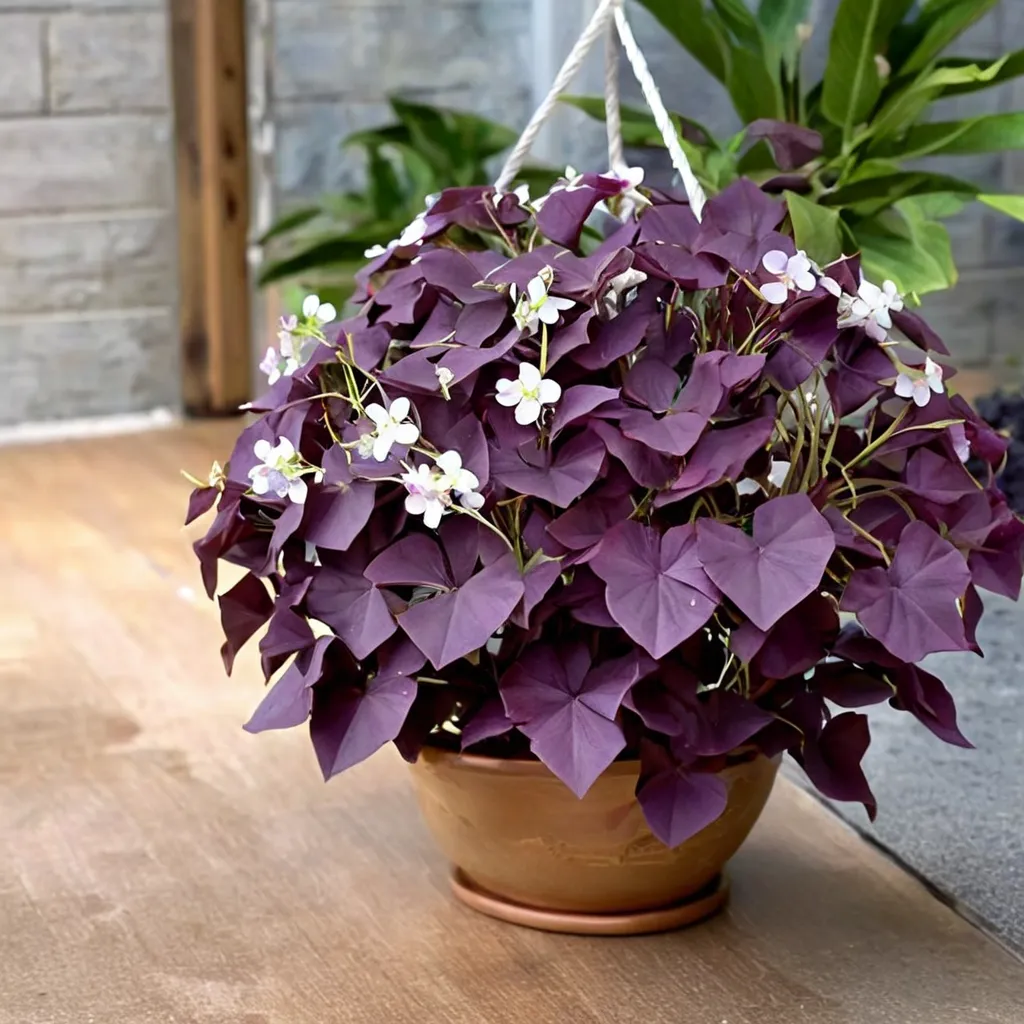
Triangular Oxalis Purple Shamrock
Oxalis triangularis
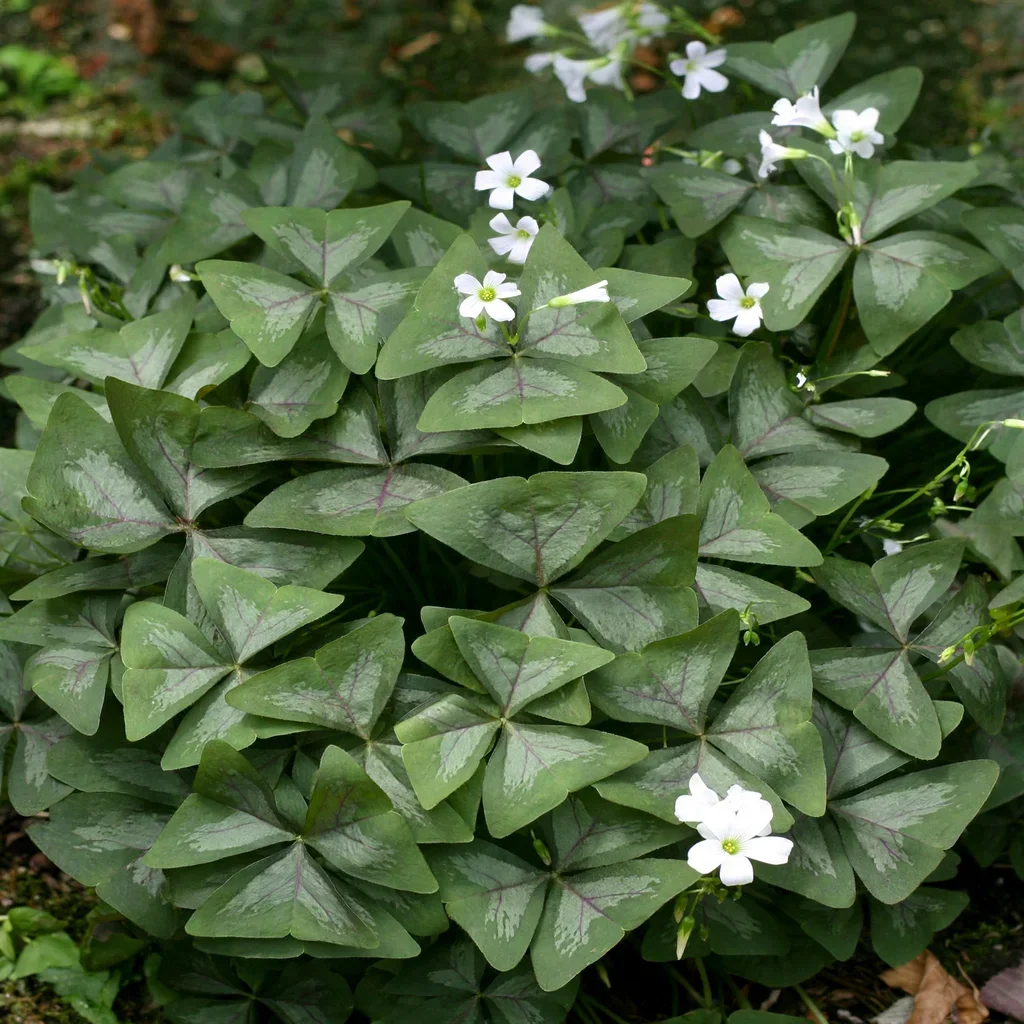
False Shamrock
Oxalis triangularis 'Fanny'
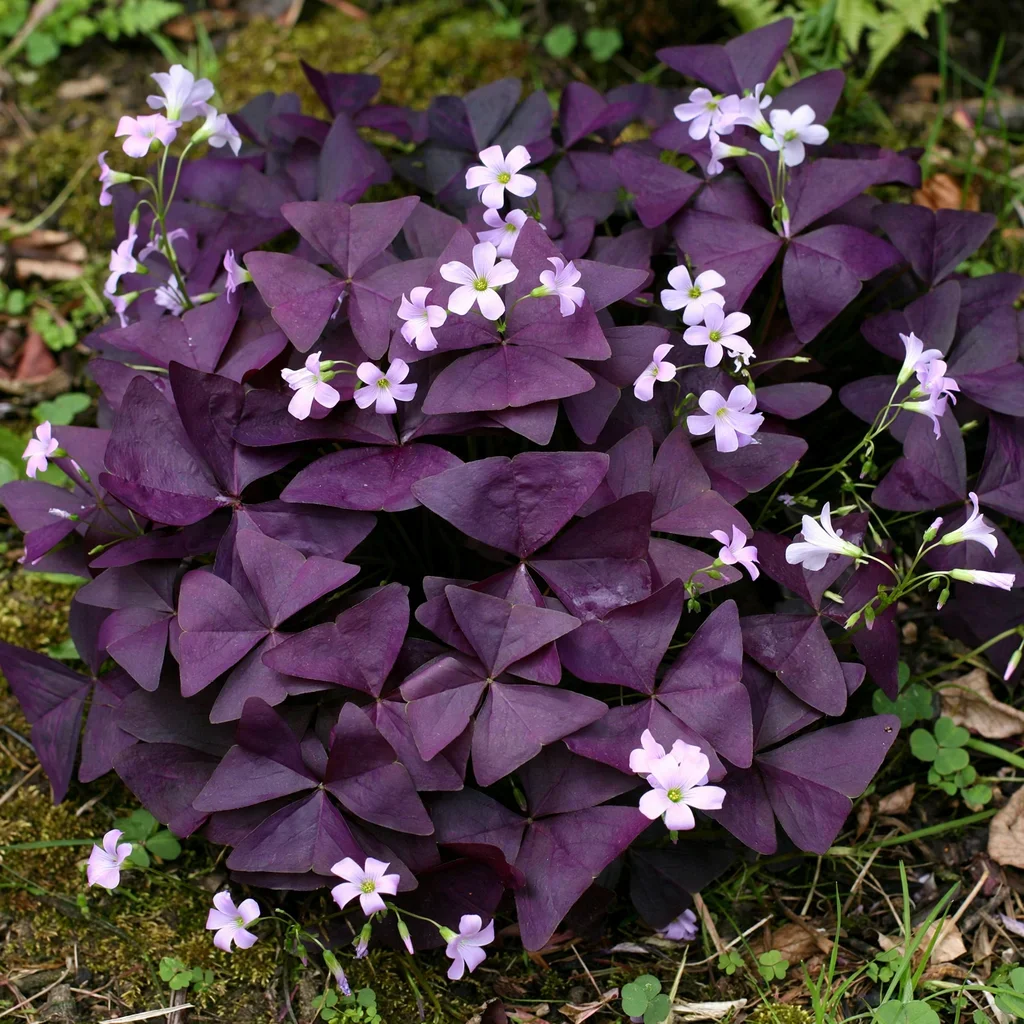
Atropurpurea Purple Shamrock
Oxalis triangularis 'Atropurpurea'
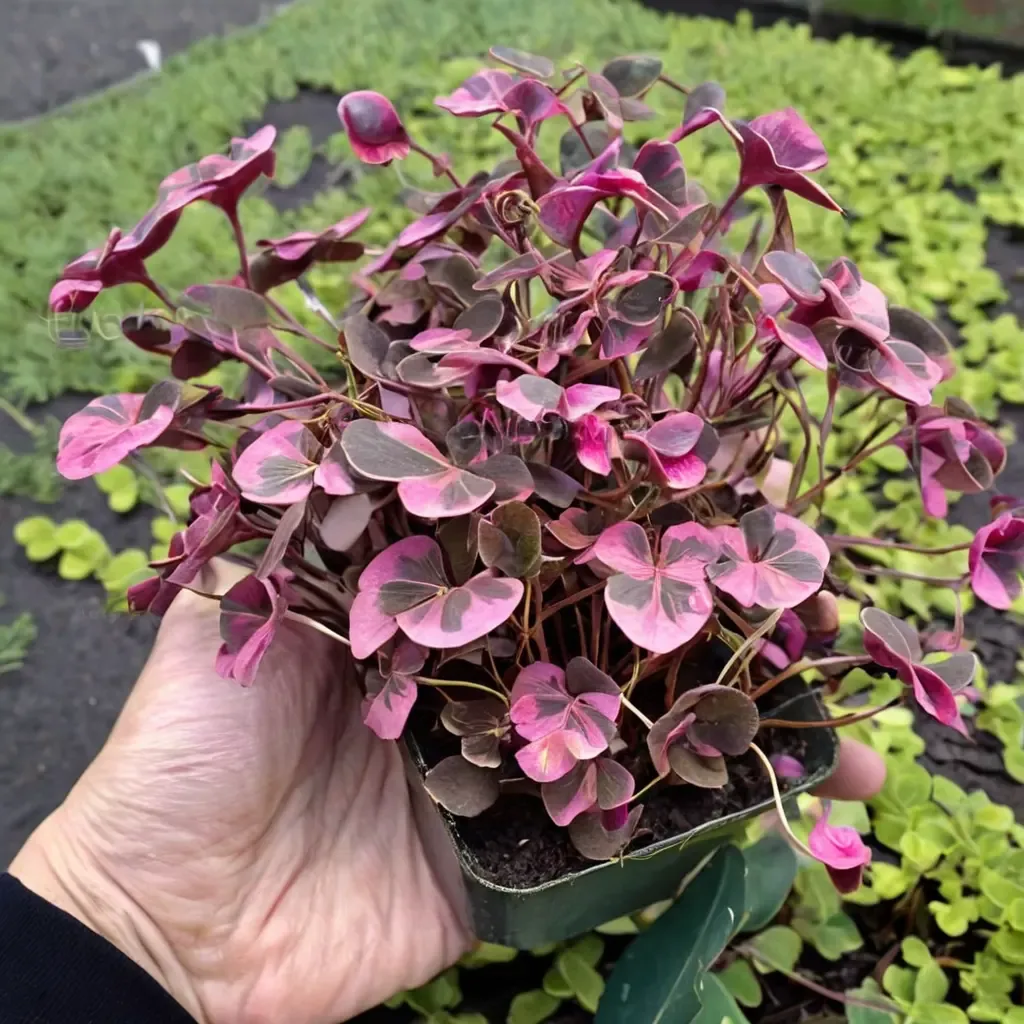
Plum Crazy Yellow Woodsorrel
Oxalis stricta 'Plum Crazy'
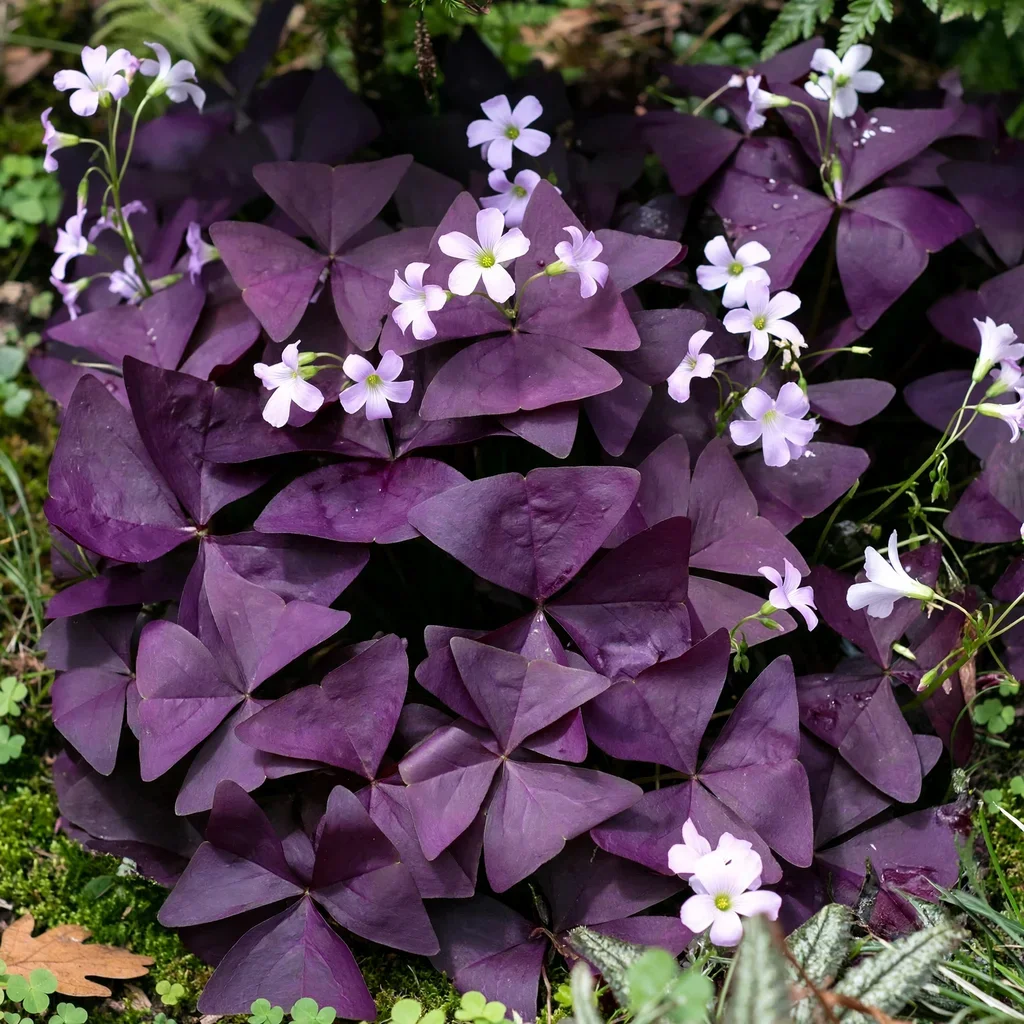
Purple Shamrock
Oxalis triangularis ssp papilionacea
Keep exploring
Explore the genus
Hardy in your zone?
Grow Pale Pink-Sorrel with confidence
See it in a design of your actual yard, get zone-matched care reminders, and track it season by season in your garden journal.