The Story
Plant Bio
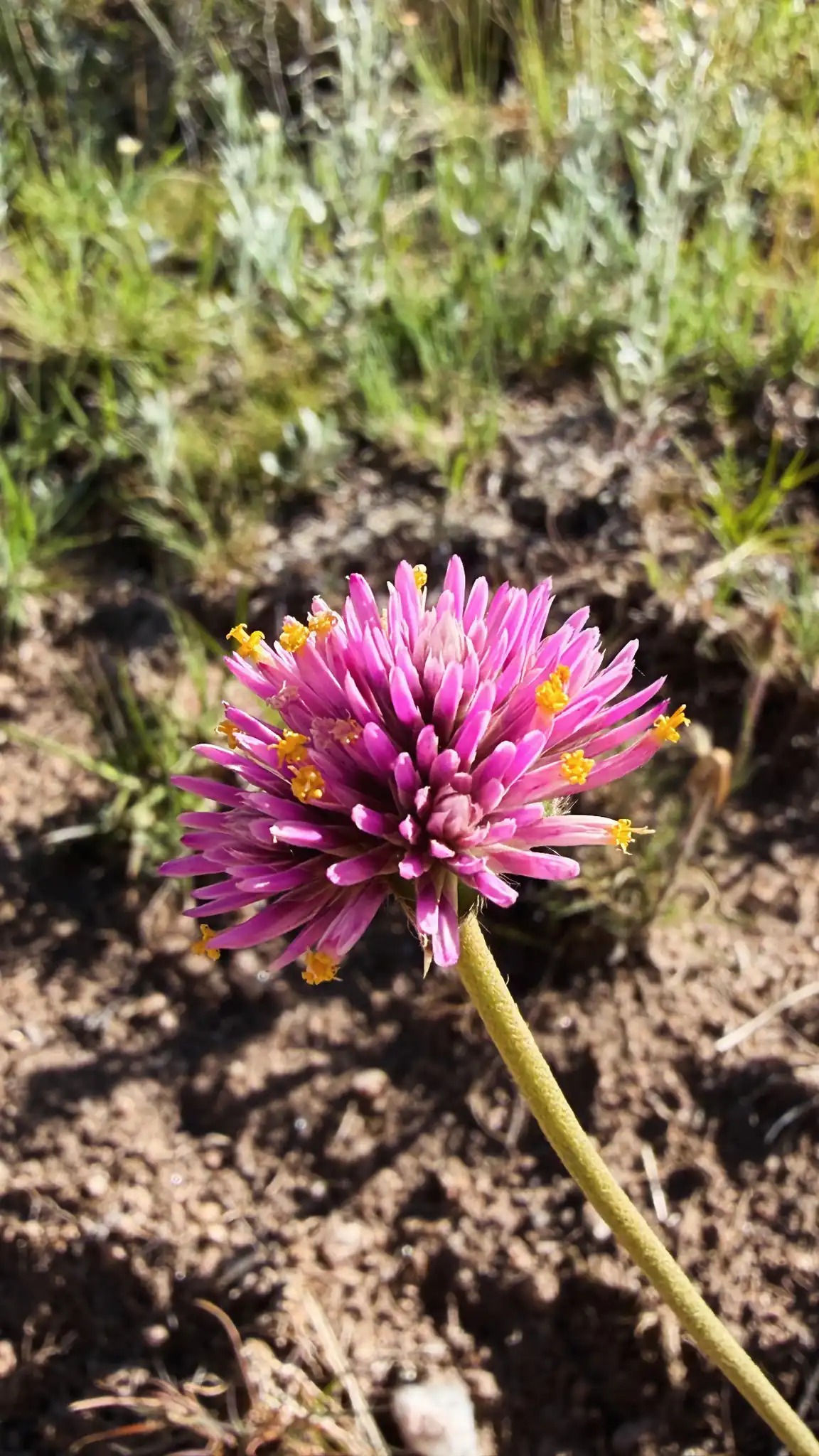
Gomphrena pulchella, native to South America, is an upright, bushy annual or tender perennial featuring a subshrubby base and long, straight herbaceous stems. The foliage consists of narrow, deep green, lanceolate leaves covered in fine, short hairs arranged oppositely along the stems.
Unlike the shorter, more compact Gomphrena globosa, this species is significantly more vigorous, developing a woody base and requiring ample space to branch. The inflorescences are globose, pom-pom-like heads of bright rosy-pink or purple papery bracts tipped with tiny yellow or white true flowers.
Uses & Benefits:
Essentials
At a Glance
Plant Type
Annual
Height
20"
Width
12"
Light
Full Sun
Zones
4, 5, 6, 7, 8, 9, 10
Water
Low
Humidity
High
Lifespan
Annual
Native To
South America
Toxicity
Non-toxic
Bloom period
Summer – Fall
In flower about 6 months of the year
Planting
How to Grow
- Sow seeds indoors 6 to 8 weeks before the last frost or direct sow after the danger of frost has passed.
- Select a planting site in full sun with well-drained soil to prevent root rot.
- Water regularly during the establishment phase, then reduce frequency as drought tolerance develops.
- Apply a balanced, slow-release fertilizer monthly during the growing season, avoiding high nitrogen.
Pro Tip
Avoid high-nitrogen fertilizers, which stimulate excessive vegetative growth and weak, floppy stems at the expense of flower production.
Keep It Thriving
Care Guide
Do
- Plant in full sun to maximize flower production.
- Ensure the soil is well-drained to prevent root rot.
Don't
- Do not overwater once the plant is established.
- Do not apply high-nitrogen fertilizers, which cause floppy stems.
Seasonal Care Calendar
| Task | Jan | Feb | Mar | Apr | May | Jun | Jul | Aug | Sep | Oct | Nov | Dec |
|---|---|---|---|---|---|---|---|---|---|---|---|---|
| Deadhead | ||||||||||||
| Fertilize | ||||||||||||
| Pest Check | ||||||||||||
| Plant |
Watch Out For
Pests & Diseases
Common Pests
Common Diseases
In the Garden
Landscape Uses & Companions
Landscape Uses
Companion Plants
Multiply
Propagation Methods
Good to Know
Common Questions
Pink Globe Amaranth questions
What zones can Pink Globe Amaranth grow in?
Pink Globe Amaranth is hardy in USDA Zones 4–10. Inside that range it survives winter in the ground; outside it, grow it as an annual or a container plant you protect.
Is Pink Globe Amaranth deer resistant?
Yes — Pink Globe Amaranth is rated deer-resistant. Deer typically pass it over, though extreme hunger can override any plant's defenses.
When does Pink Globe Amaranth bloom?
Pink Globe Amaranth typically blooms in summer through fall. Exact timing shifts a week or two with your zone — Sow's bloom calendar maps it to your garden.
Does Pink Globe Amaranth need full sun?
Pink Globe Amaranth does best in full sun (6+ hours).
Is Pink Globe Amaranth drought tolerant?
Yes — once established (usually after the first full season), Pink Globe Amaranth handles dry spells with minimal watering. Water deeply its first year to build the root system that makes that possible.
More Gomphrena to compare
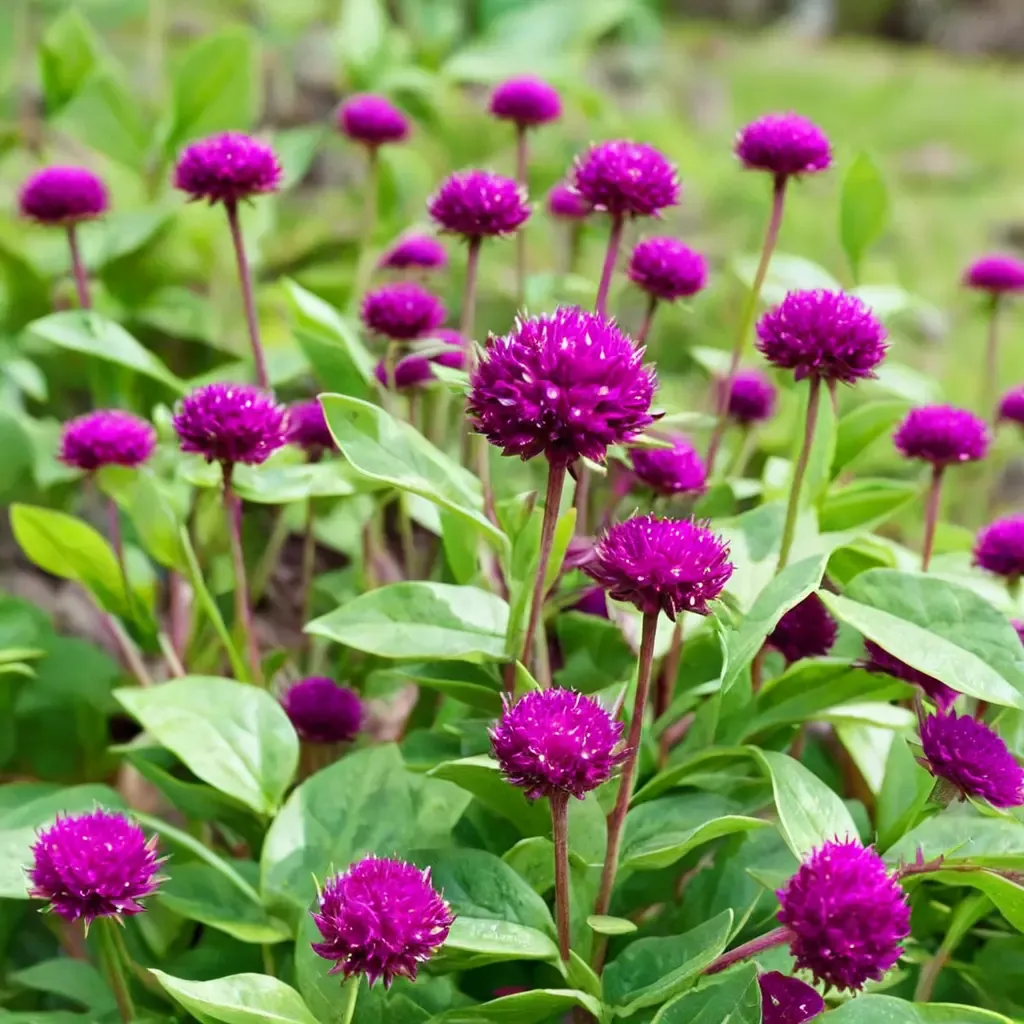
Globe Amaranth
Gomphrena globosa
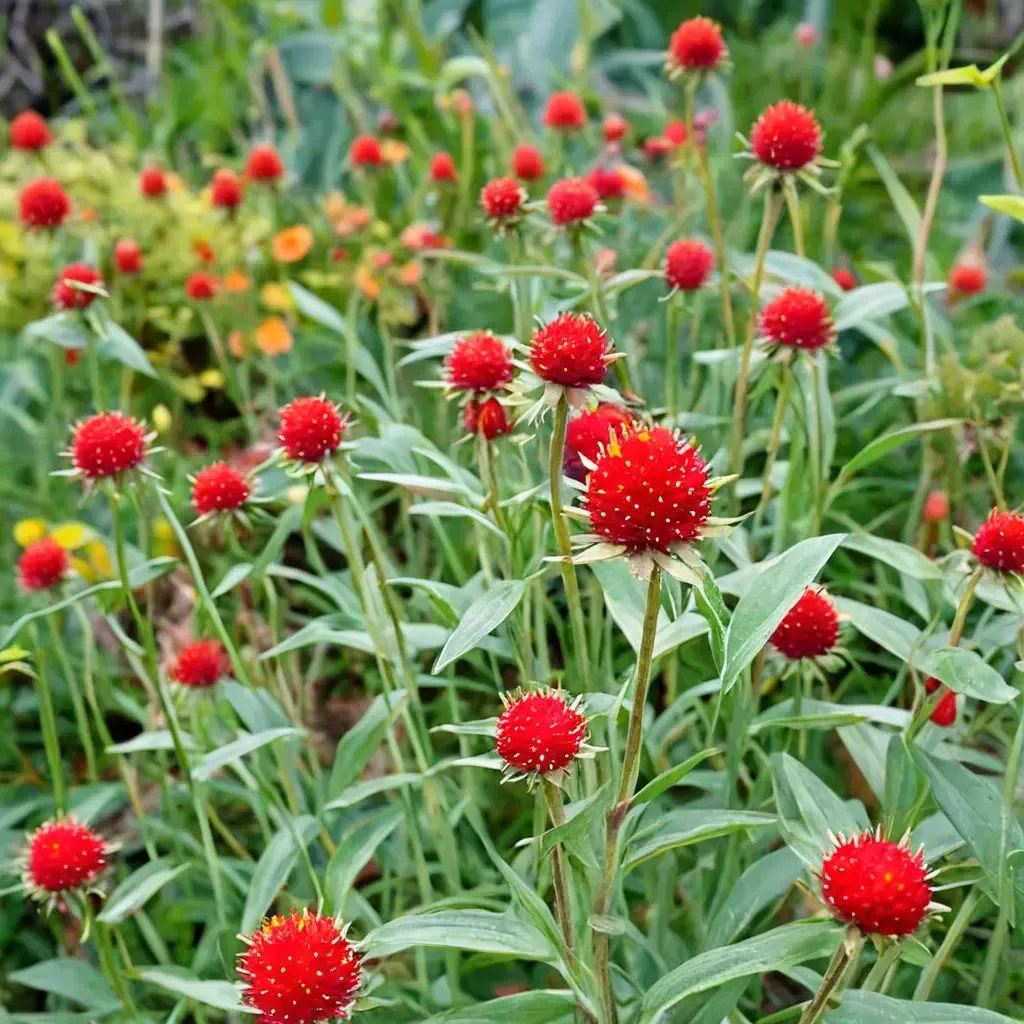
Strawberry Fields Globe Amaranth
Gomphrena haageana 'Strawberry Fields'
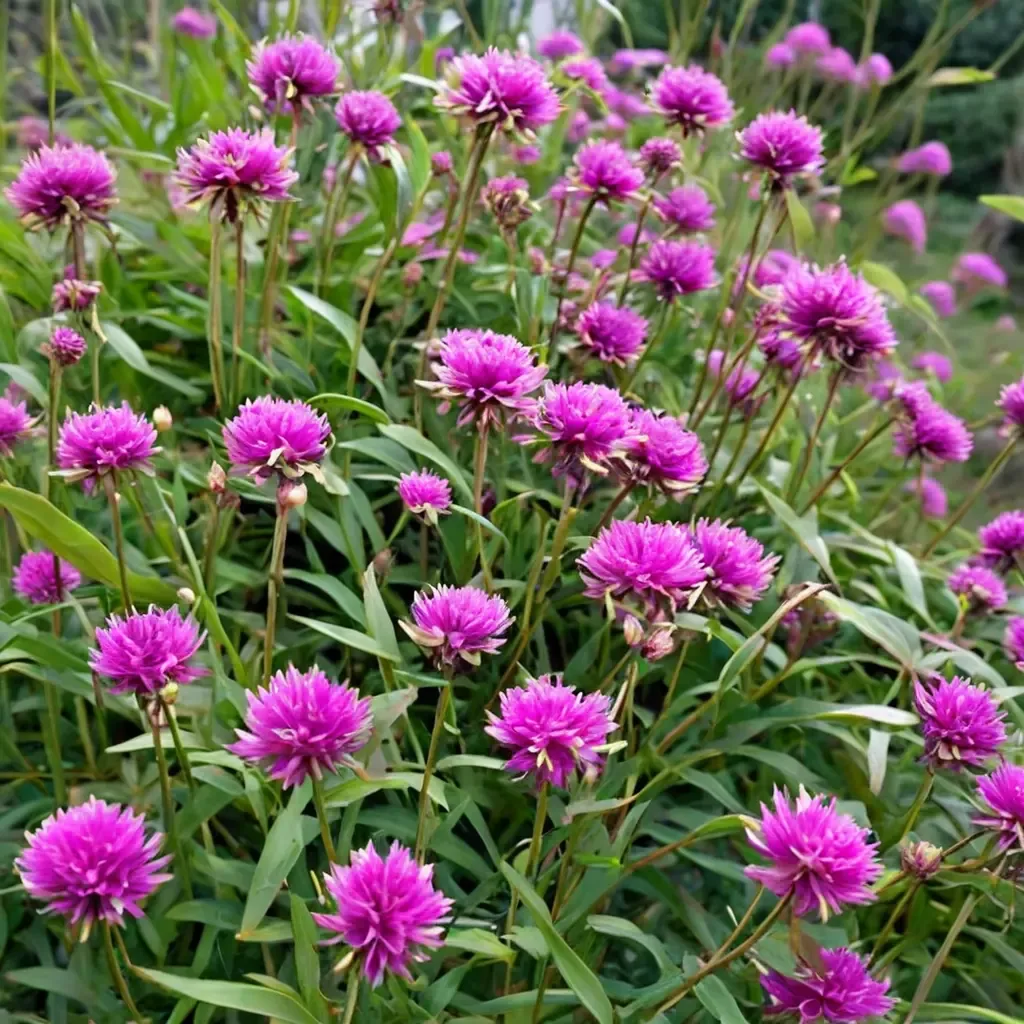
Fireworks Globe Amaranth
Gomphrena globosa 'Fireworks'
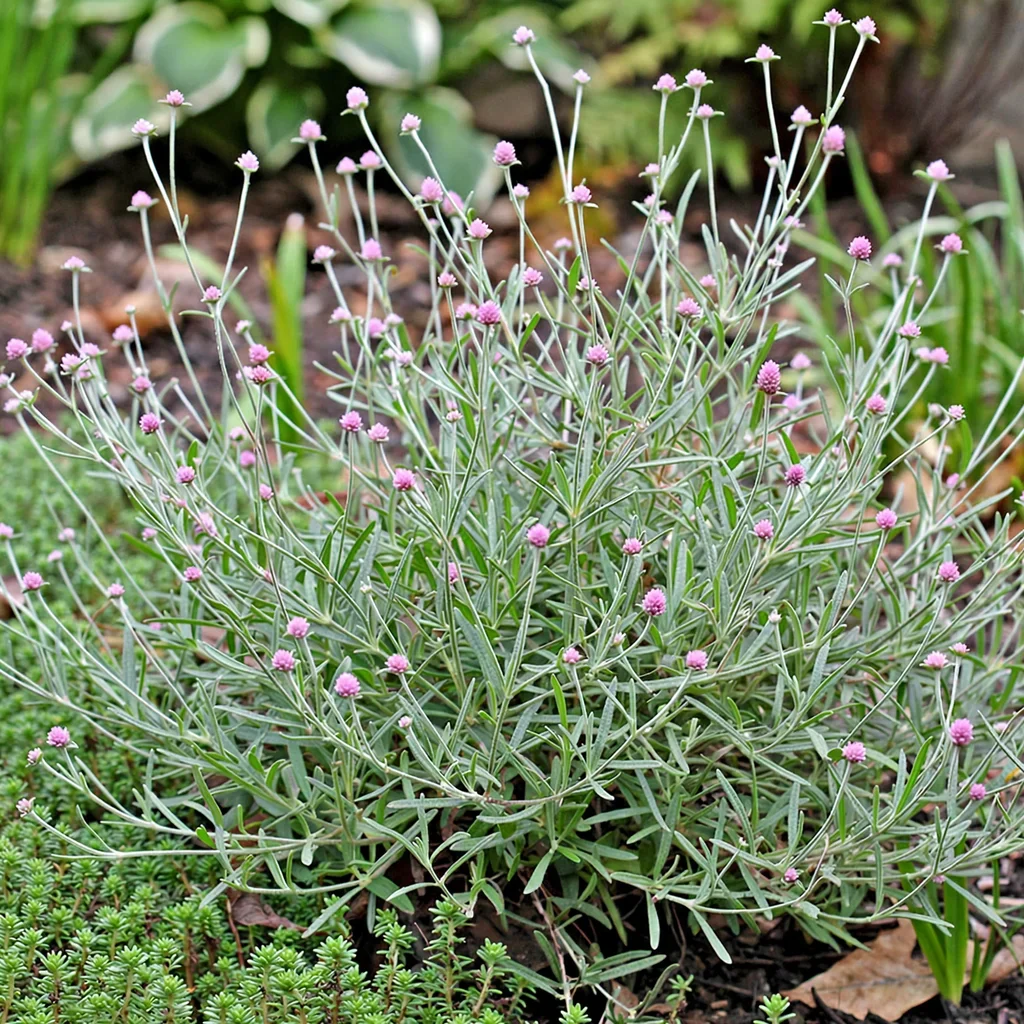
Prostrate Globe Amaranth
Gomphrena decumbens 'Airy Bachelor's Buttons'
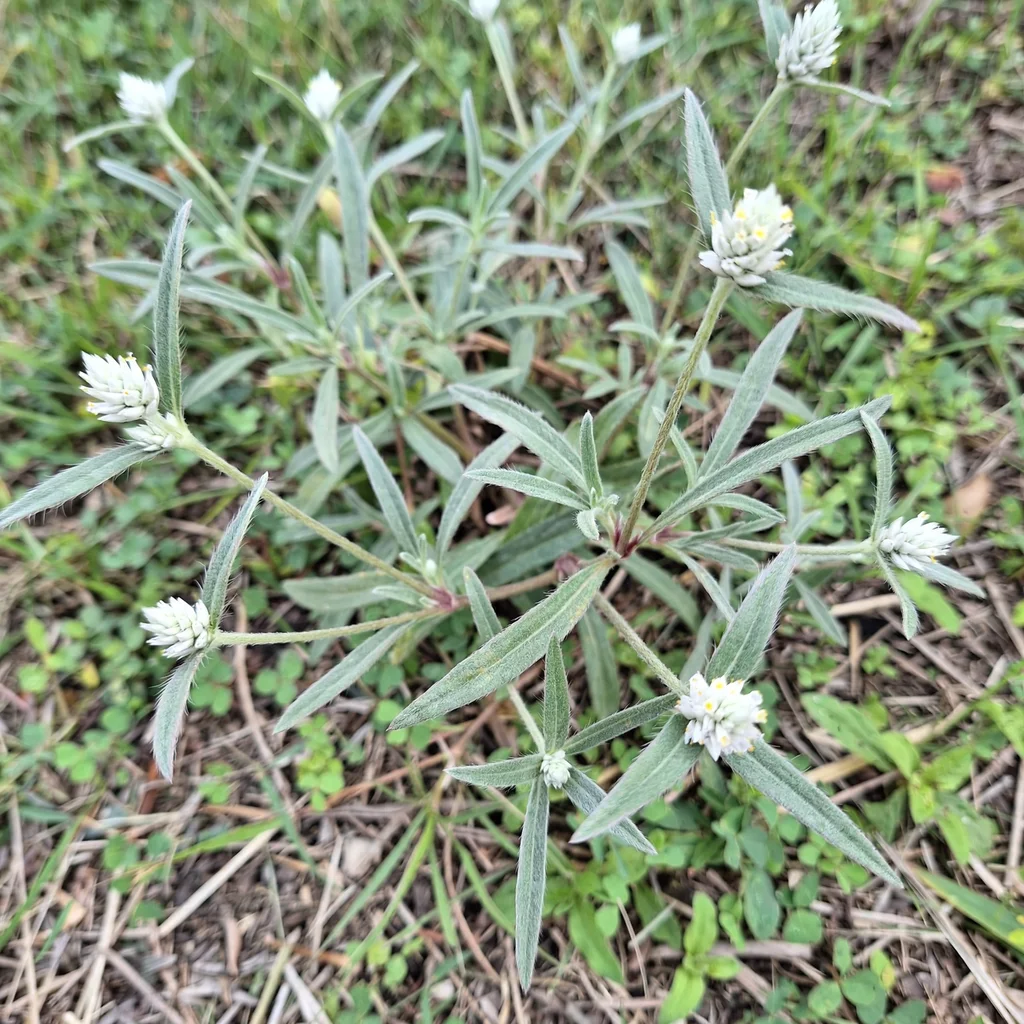
Soft Khakiweed
Gomphrena celosioides

Truffula Pink Globe Amaranth
Gomphrena pulchella 'Truffula Pink Globe Amaranth'
Keep exploring
Explore the genus
Grow Pink Globe Amaranth with confidence
See it in a design of your actual yard, get zone-matched care reminders, and track it season by season in your garden journal.