The Story
Plant Bio
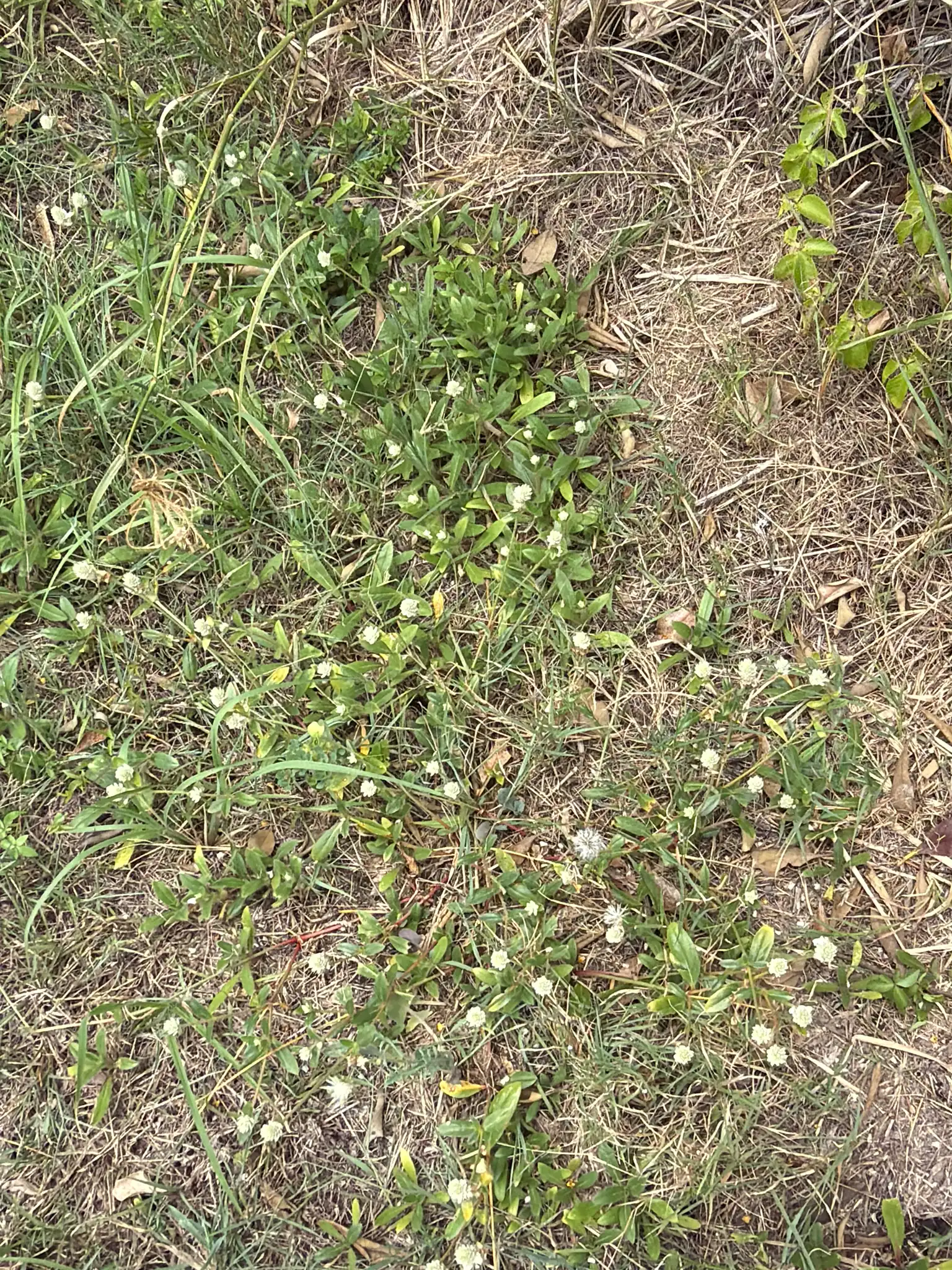
Gomphrena celosioides is a prostrate, mat-forming herbaceous species native to South America that spreads via sprawling, multi-branched stems covered in fine white hairs. It develops a deep, thickened taproot that provides exceptional drought resistance in poor, sandy, or disturbed soils.
This species produces dense, cylindrical spikes of papery white to greyish-white bracts that conceal tiny, inconspicuous true flowers. Unlike the painfully spiny khaki weed, its floral spikes remain soft and woolly to the touch throughout the season.
Uses & Benefits:
Essentials
At a Glance
Plant Type
Groundcover
Height
16"
Width
39"
Light
Full Sun
Zones
9, 10
Water
Low
Humidity
High
Lifespan
Annual or short-lived perennial
Native To
South America
Toxicity
Non-toxic
Bloom period
Summer – Fall
In flower about 6 months of the year
Planting
How to Grow
- Select a site with full sun exposure and highly drained sandy or gravelly soil.
- Sow seeds directly into warm soil in late spring, pressing them lightly into the surface.
- Water sparingly during establishment, then cease regular irrigation once the deep taproot develops.
- Avoid planting in heavy clay or low-lying areas where water accumulates, as excess moisture causes rapid root rot.
Pro Tip
Excavate the entire thickened root crown when weeding; surface-level hand-pulling is ineffective because the deep taproot readily regenerates new shoots.
Keep It Thriving
Care Guide
Do
- Ensure maximum soil drainage to prevent crown and root rot.
- Expose the plant to full, unobstructed sunlight for optimal compact growth.
- Wear gloves when handling the foliage if you have sensitive skin, as the dense trichomes can cause mild contact dermatitis.
Don't
- Do not fertilize, as this species thrives and maintains its tight form in nutrient-poor soils.
- Do not overwater or allow the soil to remain soggy.
- Do not attempt to control mature plants by shallow mowing, which leaves the taproot intact.
Seasonal Care Calendar
| Task | Jan | Feb | Mar | Apr | May | Jun | Jul | Aug | Sep | Oct | Nov | Dec |
|---|---|---|---|---|---|---|---|---|---|---|---|---|
| Pest Check | ||||||||||||
| Plant | ||||||||||||
| Propagate | ||||||||||||
| Prune |
Watch Out For
Pests & Diseases
Common Pests
Common Diseases
In the Garden
Landscape Uses & Companions
Landscape Uses
Companion Plants
Multiply
Propagation Methods
Good to Know
Common Questions
Soft Khakiweed questions
What zones can Soft Khakiweed grow in?
Soft Khakiweed is hardy in USDA Zones 9–10. Inside that range it survives winter in the ground; outside it, grow it as an annual or a container plant you protect.
When does Soft Khakiweed bloom?
Soft Khakiweed typically blooms in summer through fall. Exact timing shifts a week or two with your zone — Sow's bloom calendar maps it to your garden.
Does Soft Khakiweed need full sun?
Soft Khakiweed does best in full sun (6+ hours).
Is Soft Khakiweed drought tolerant?
Yes — once established (usually after the first full season), Soft Khakiweed handles dry spells with minimal watering. Water deeply its first year to build the root system that makes that possible.
More Gomphrena to compare
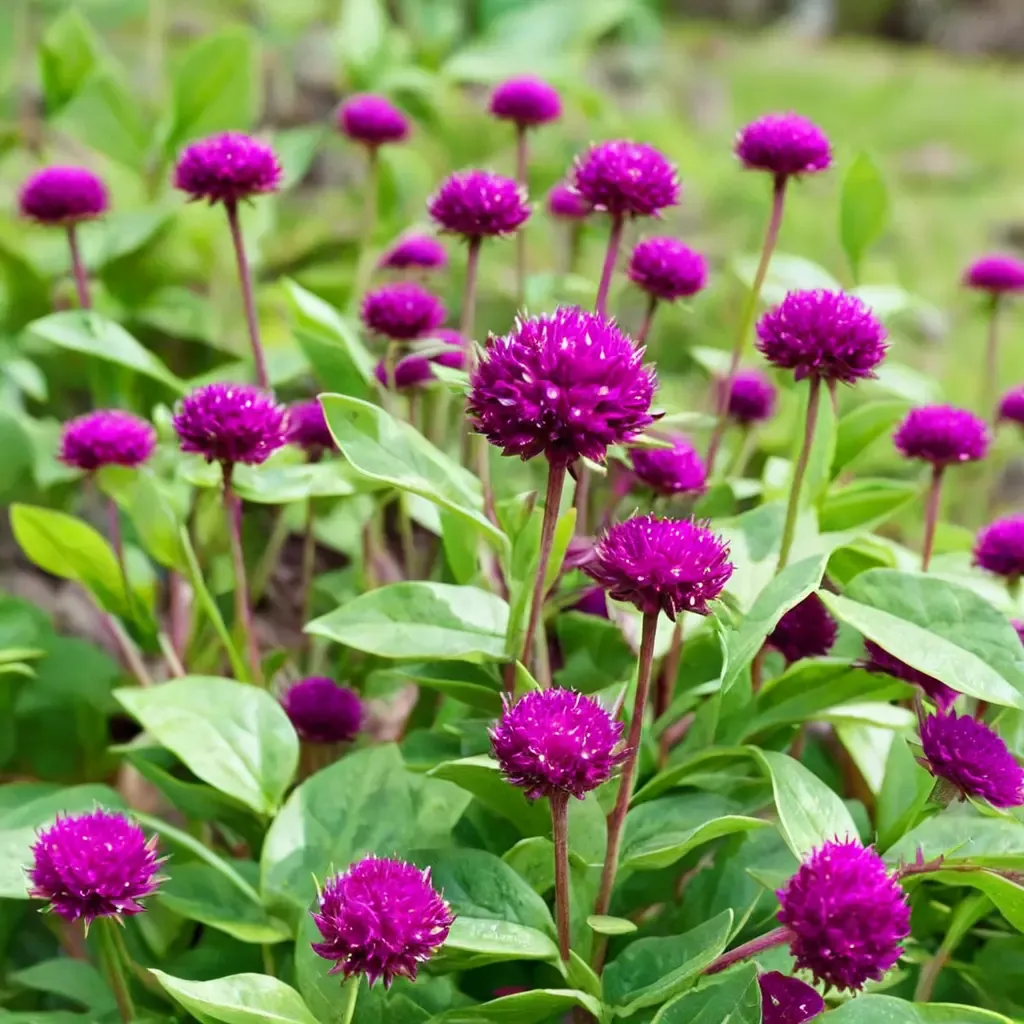
Globe Amaranth
Gomphrena globosa
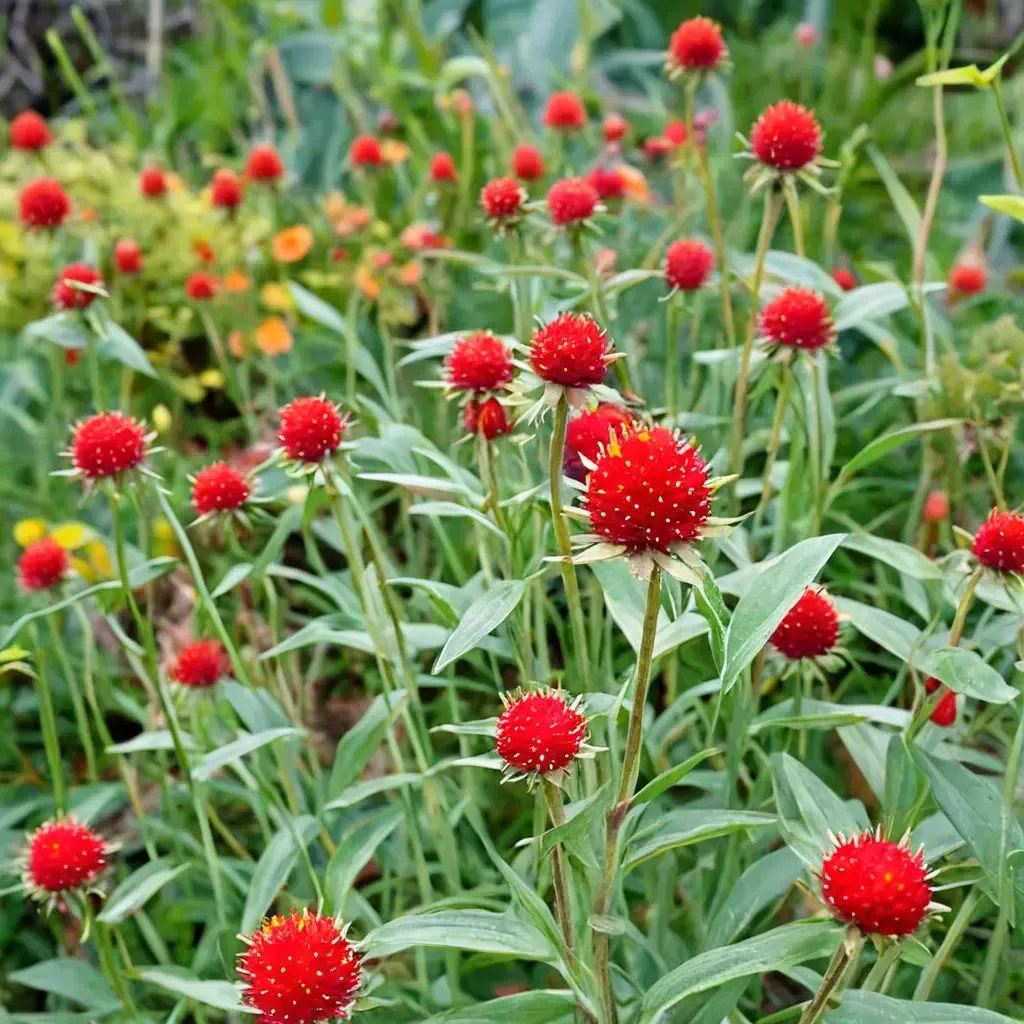
Strawberry Fields Globe Amaranth
Gomphrena haageana 'Strawberry Fields'
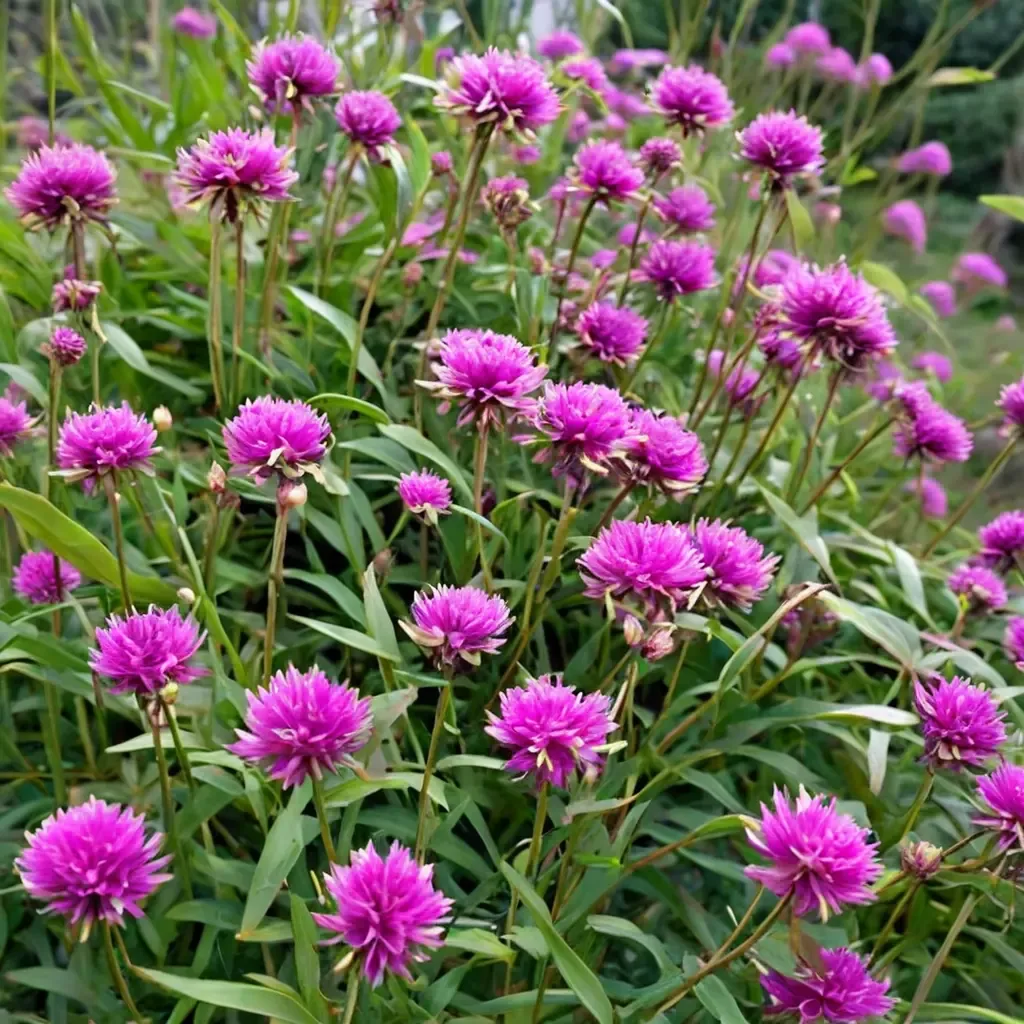
Fireworks Globe Amaranth
Gomphrena globosa 'Fireworks'
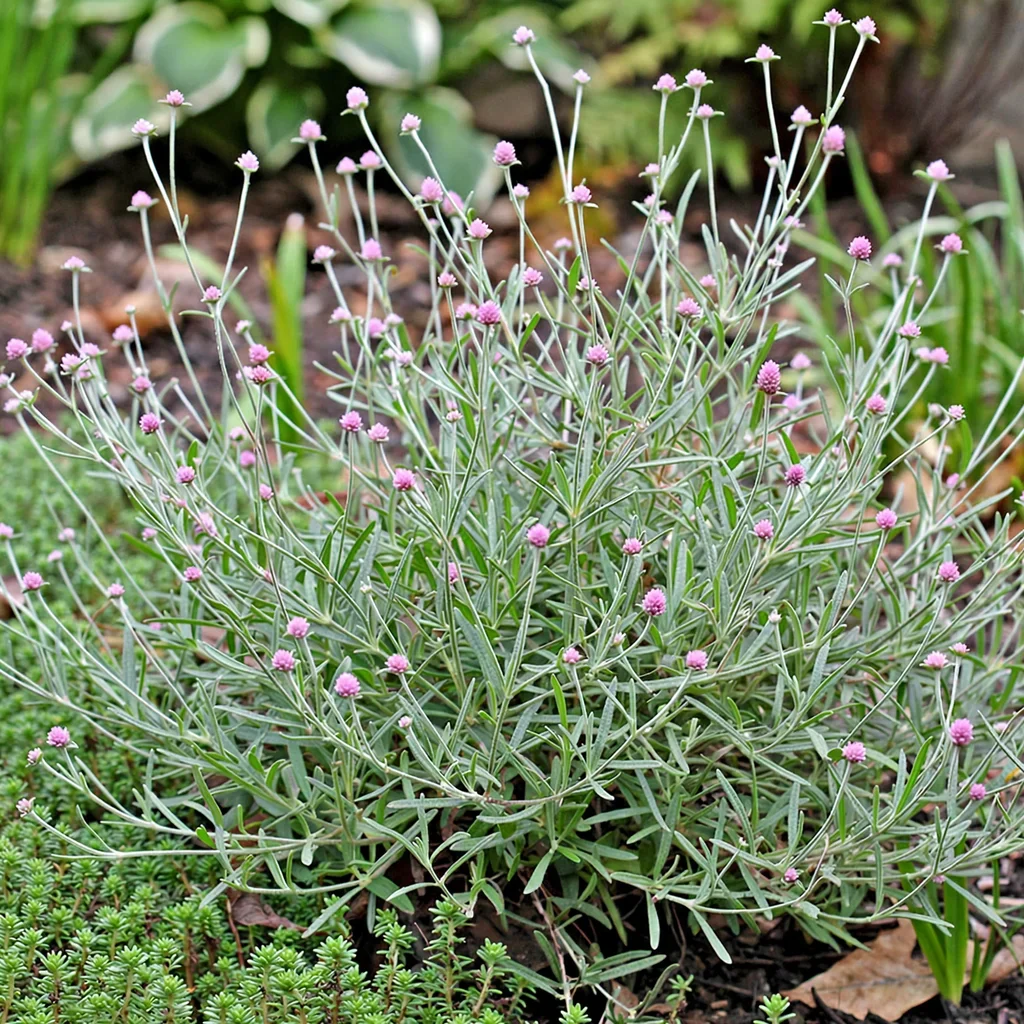
Prostrate Globe Amaranth
Gomphrena decumbens 'Airy Bachelor's Buttons'
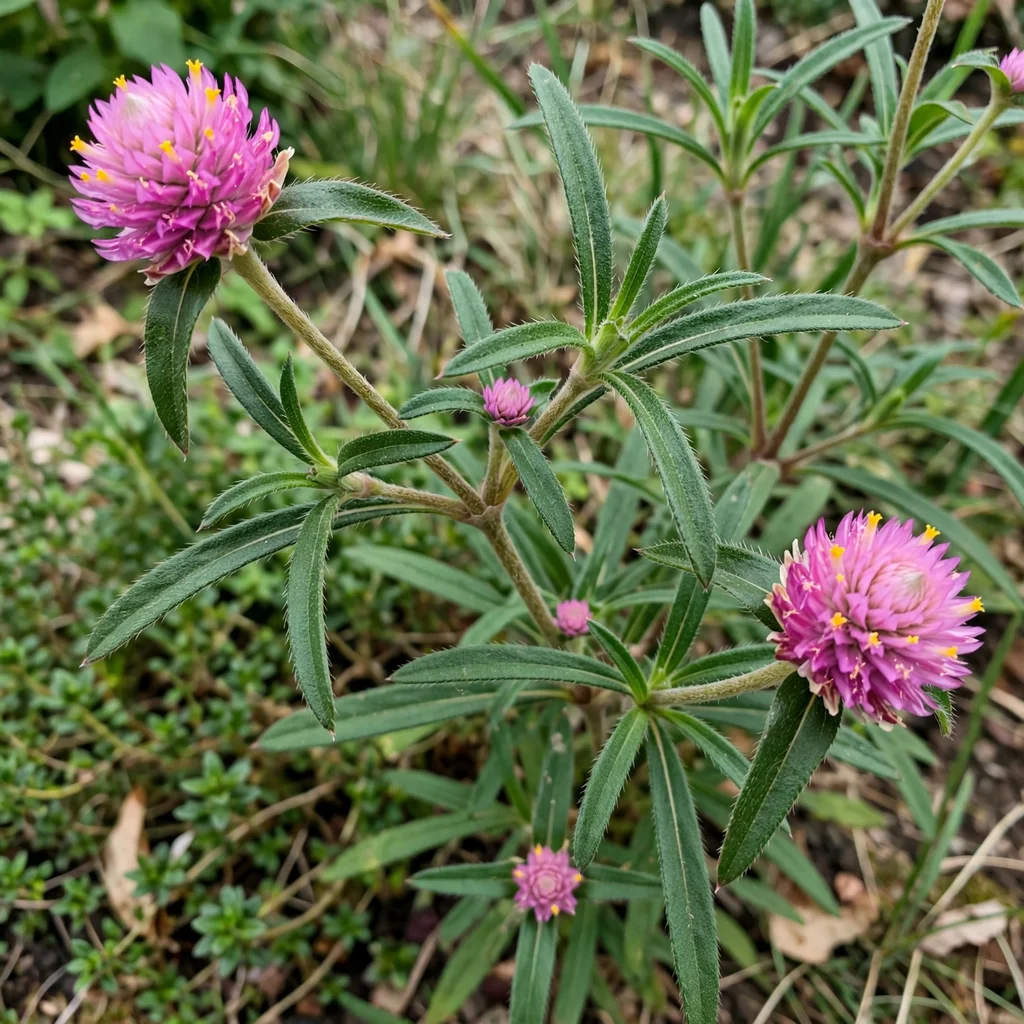
Pink Globe Amaranth
Gomphrena pulchella

Truffula Pink Globe Amaranth
Gomphrena pulchella 'Truffula Pink Globe Amaranth'
Keep exploring
Explore the genus
Hardy in your zone?
Grow Soft Khakiweed with confidence
See it in a design of your actual yard, get zone-matched care reminders, and track it season by season in your garden journal.