
The Story
Plant Bio
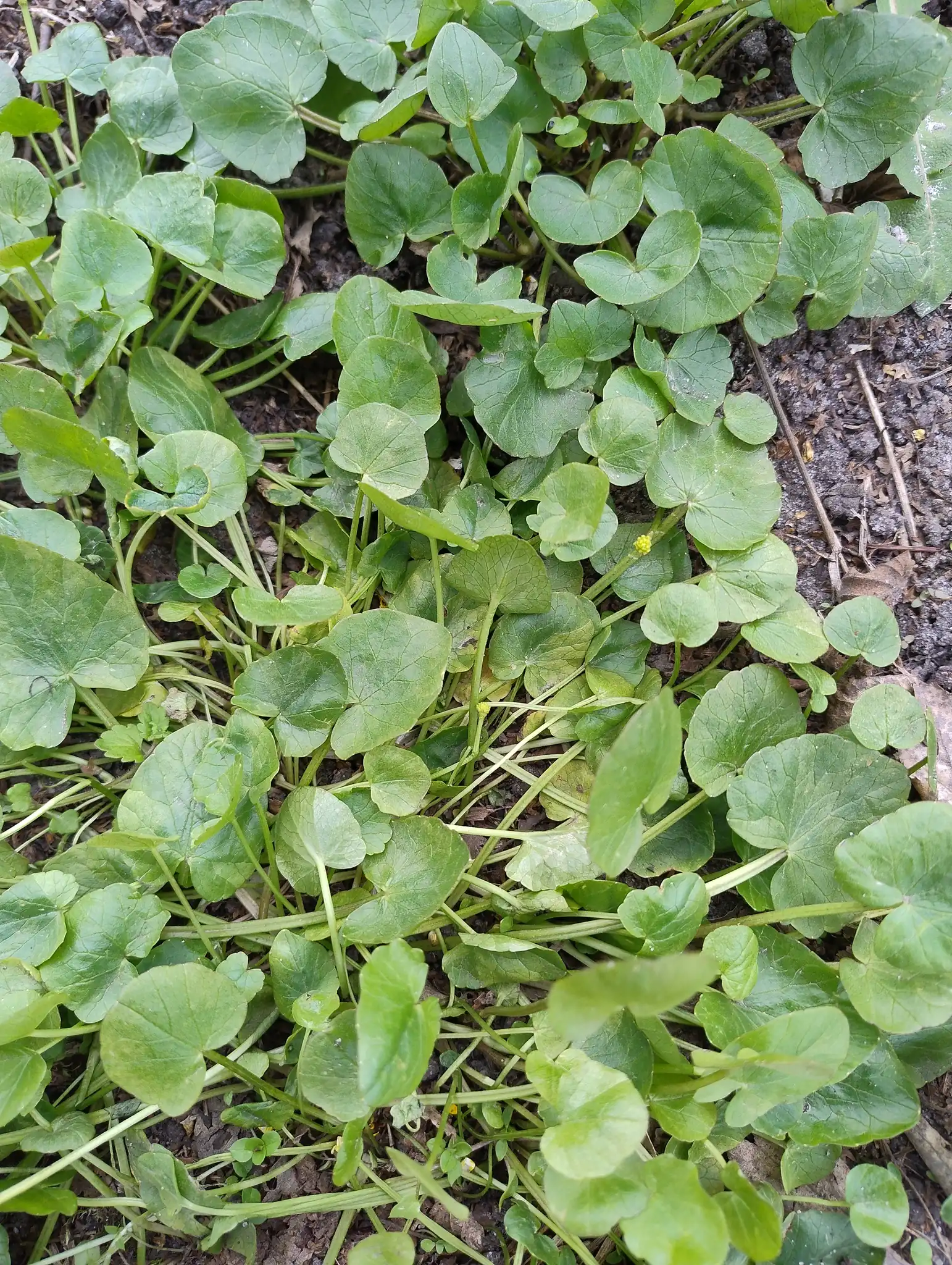
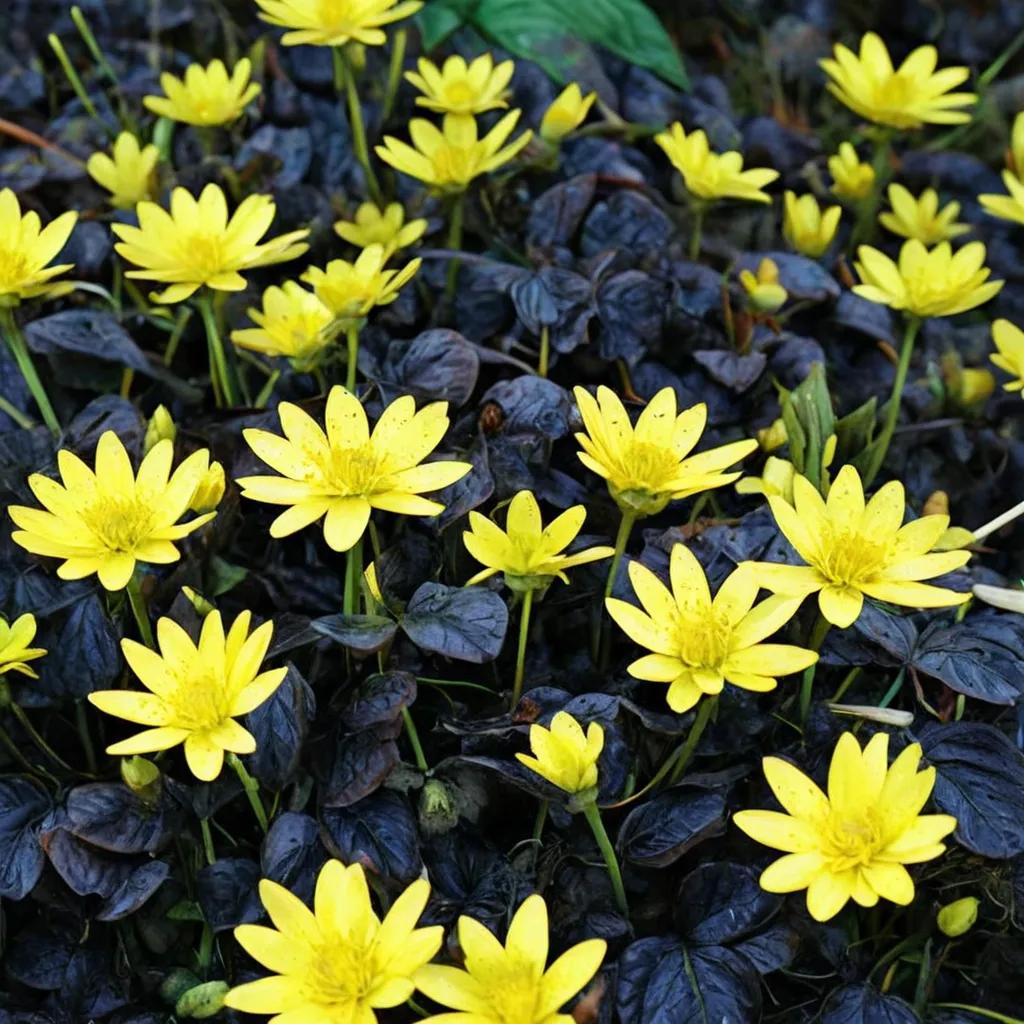
Ranunculus ficaria, lesser celandine and now often listed as Ficaria verna, is a low creeping perennial from Europe and the Caucasus. Glossy dark green heart-shaped leaves form a dense mat a few inches high in late winter, and glossy yellow saucer-shaped flowers open in early spring before the plant dies back completely by early summer.
This is a seriously invasive plant across much of North America, forming solid mats that smother native spring wildflowers before they emerge. It spreads by underground tubers and by tiny bulbils in the leaf axils, so hoeing and pulling both multiply it. If you want the same early yellow, plant native marsh marigold or celandine poppy instead.
Uses & Benefits:
Essentials
At a Glance
Plant Type
Perennial
Height
6"
Width
12"
Light
Partial Sun, Shade
Zones
4, 5, 6, 7, 8, 9, 10
Water
Moderate
Humidity
Moderate
Lifespan
Perennial
Native To
Europe to the Caucasus
Toxicity
Toxic raw; sap blisters skin
Planting
How to Grow
- Check your state noxious weed list before planting.
- Prefer a native alternative in almost all cases.
- Confine any planting to a sealed container.
- Never dig or hoe it, which spreads the bulbils.
- Dispose of all material in the bin, not the compost.
- Wear gloves; the sap blisters skin.
Pro Tip
Digging is how it spreads — every broken tuber and axil bulbil becomes a new plant, so a hoed patch comes back larger.
Keep It Thriving
Care Guide
Do
- Choose a native alternative instead 🌱
- Wear gloves if handling it 🧤
- Bag and bin all plant material 🗑️
- Check local noxious weed listings ⚠️
Don't
- Plant it in open ground ❌
- Hoe or dig it — that spreads it ❌
- Compost any part of it ❌
Seasonal Care Calendar
| Task | Jan | Feb | Mar | Apr | May | Jun | Jul | Aug | Sep | Oct | Nov | Dec |
|---|---|---|---|---|---|---|---|---|---|---|---|---|
| Control | ||||||||||||
| Identify |
Watch Out For
Pests & Diseases
Common Pests
Common Diseases
In the Garden
Landscape Uses & Companions
Landscape Uses
Multiply
Propagation Methods
Good to Know
Common Questions
Lesser Celandine questions
What zones can Lesser Celandine grow in?
Lesser Celandine is hardy in USDA Zones 4–10. Inside that range it survives winter in the ground; outside it, grow it as an annual or a container plant you protect.
Is Lesser Celandine deer resistant?
Yes — Lesser Celandine is rated deer-resistant. Deer typically pass it over, though extreme hunger can override any plant's defenses.
When does Lesser Celandine bloom?
Lesser Celandine typically blooms in early spring through mid-spring. Exact timing shifts a week or two with your zone — Sow's bloom calendar maps it to your garden.
Does Lesser Celandine need full sun?
Lesser Celandine does best in part shade.
More Ranunculus to compare
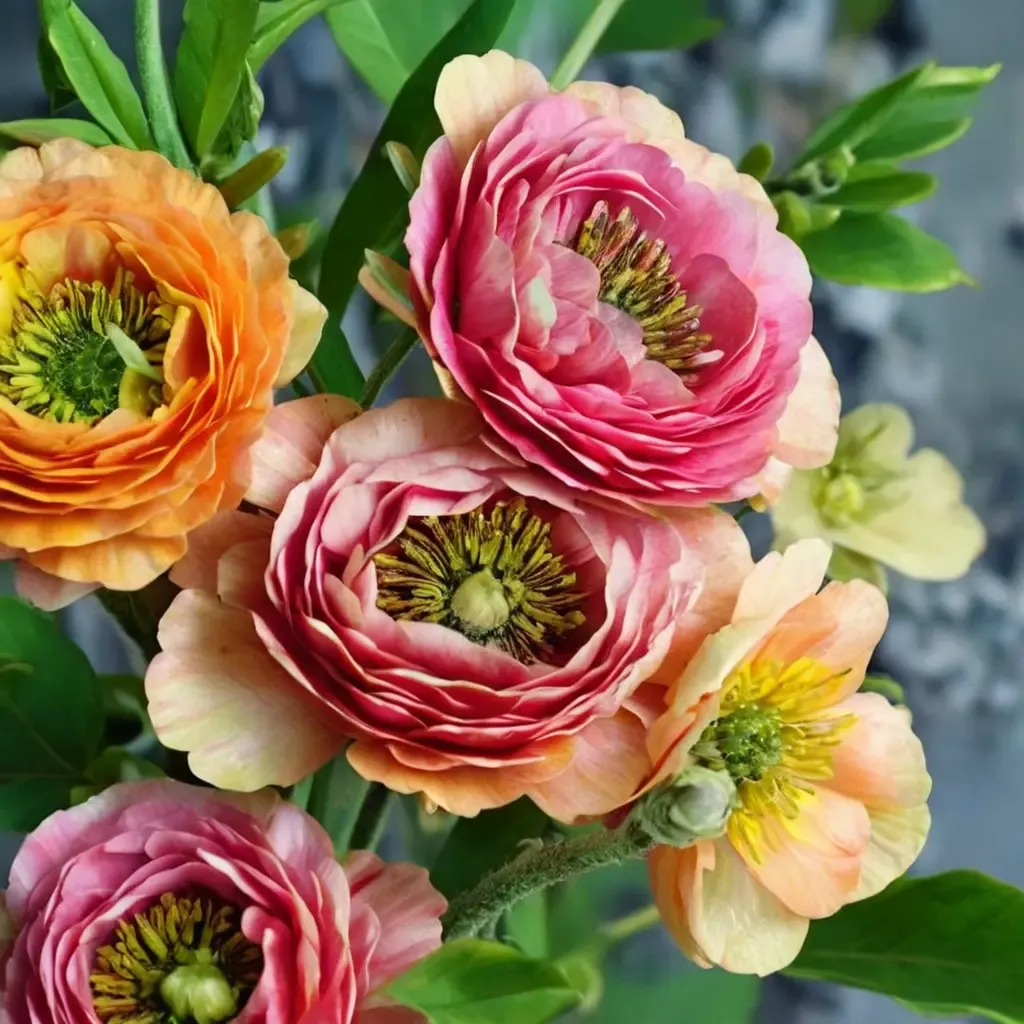
Greater Spearwort
Ranunculus lingua
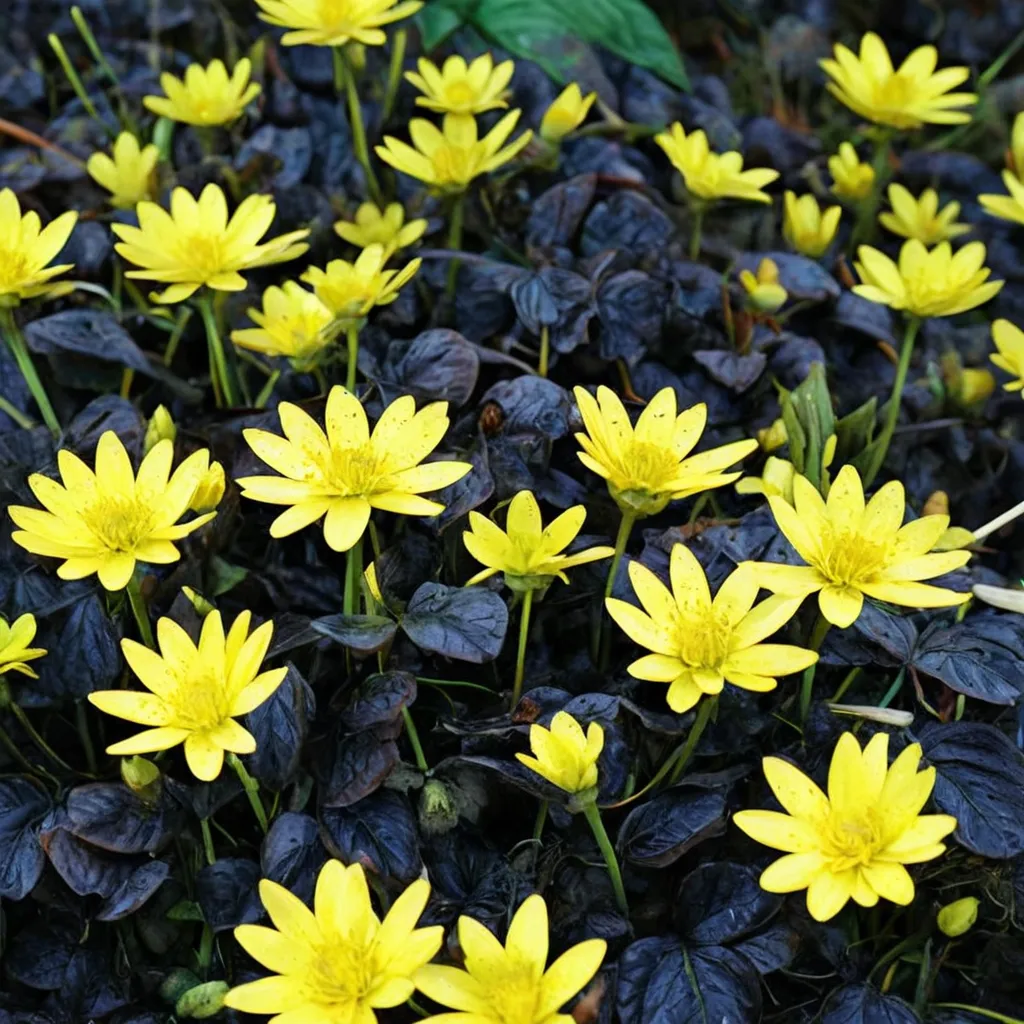
'Brazen Hussy' Lesser Celandine
Ranunculus ficaria 'Brazen Hussy'
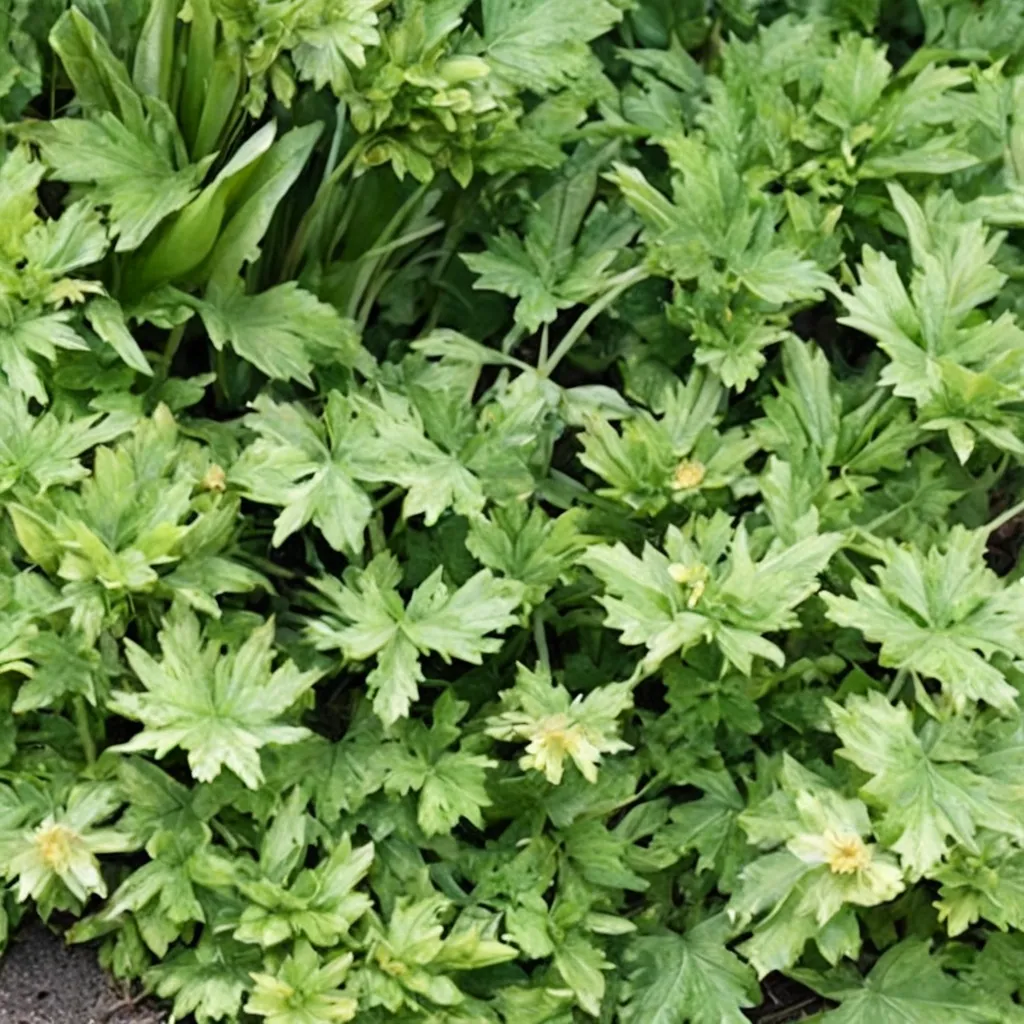
'Buttered Popcorn' Creeping Buttercup
Ranunculus repens 'Buttered Popcorn'
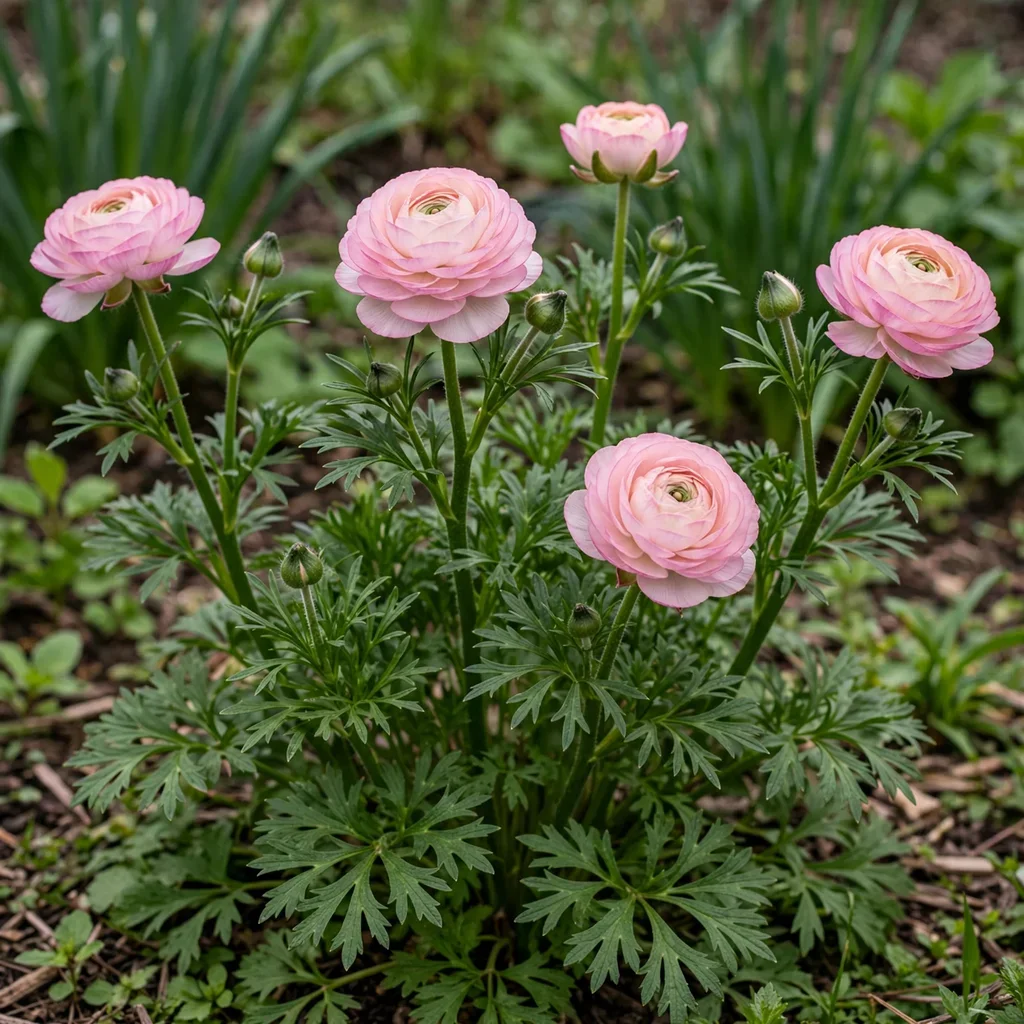
Persian Buttercup 'Amandine Pastel Pink'
Ranunculus asiaticus 'Amandine Pastel Pink'
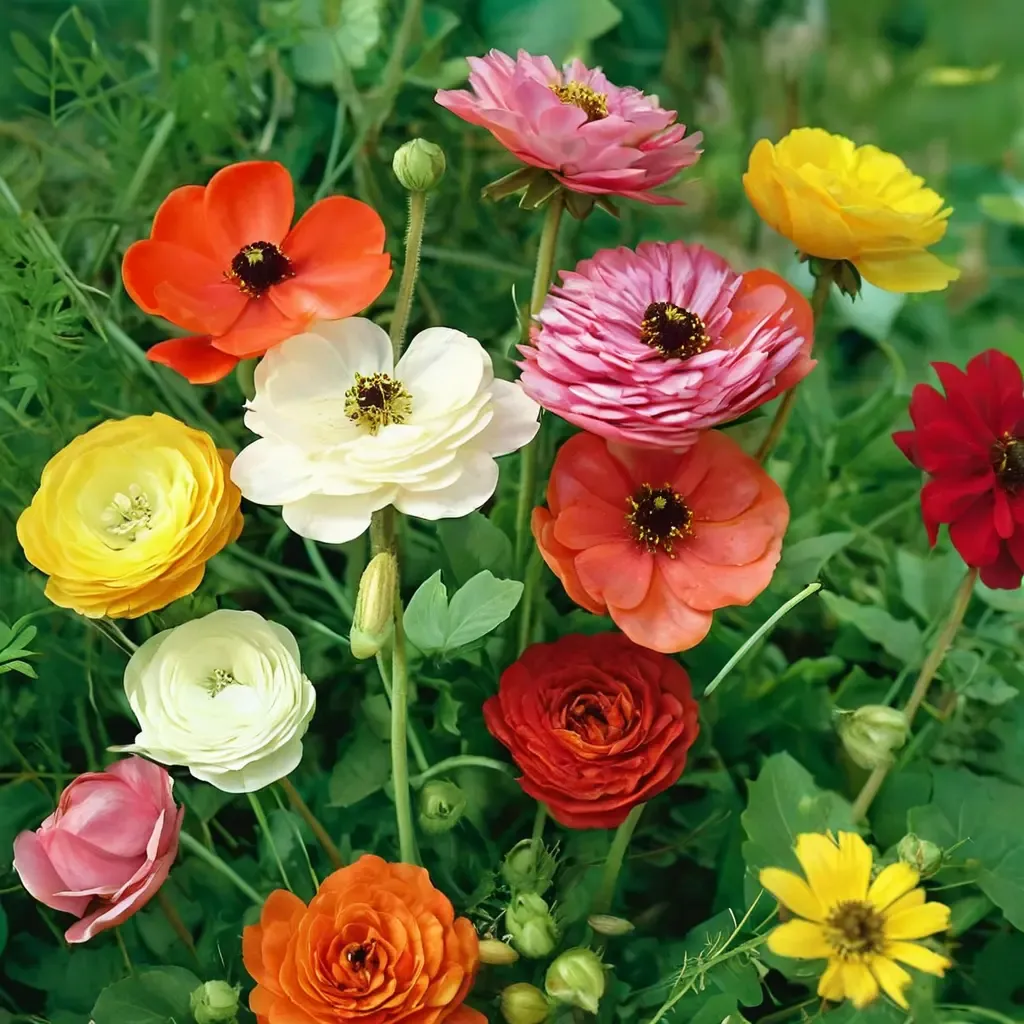
Persian Buttercup
Ranunculus asiaticus
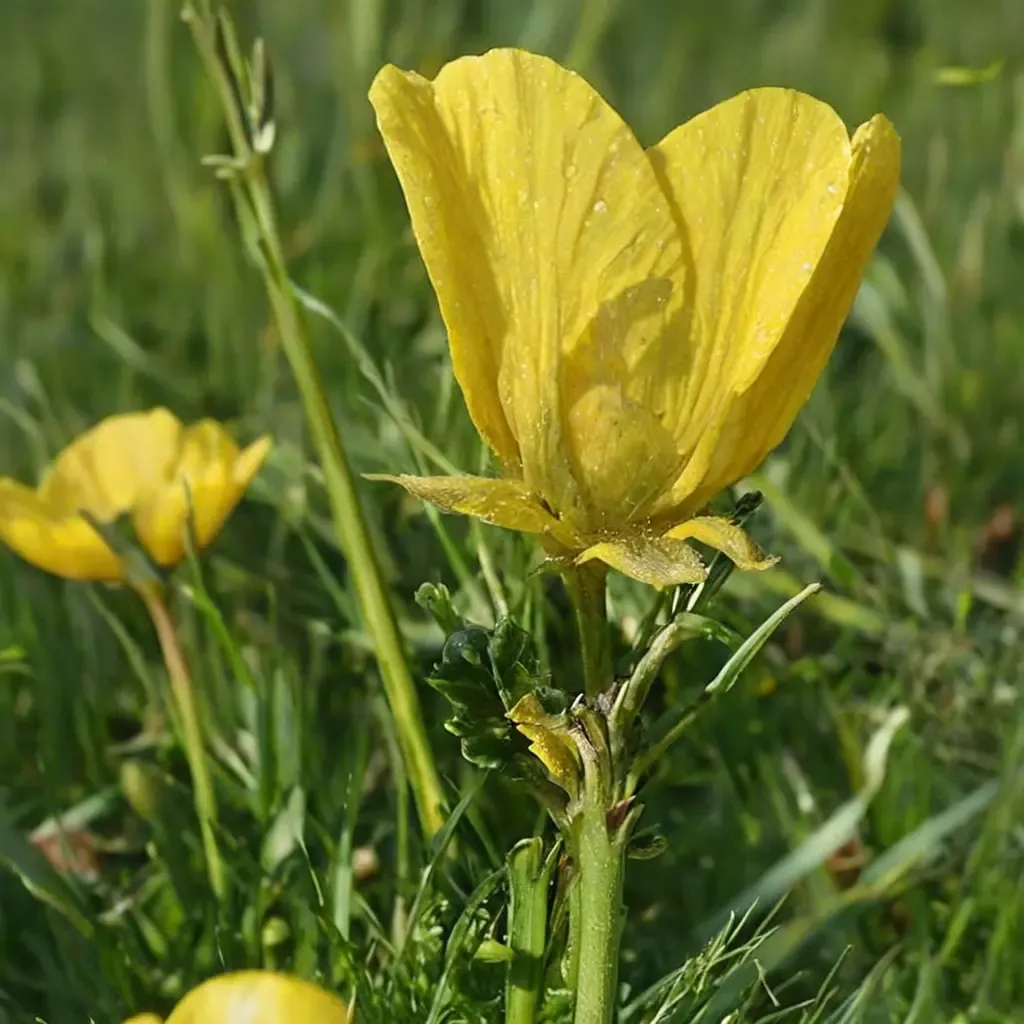
Bulbous Buttercup
Ranunculus bulbosus 'Mix'
Keep exploring
Explore the genus
Grow Lesser Celandine with confidence
See it in a design of your actual yard, get zone-matched care reminders, and track it season by season in your garden journal.