Also known as Buttercup · 188 saves
Ranunculus
Ranunculus, the genus most gardeners know as buttercup. We track 22 varieties; the ones most used by real gardeners.
The 22 most-saved Ranunculus varieties
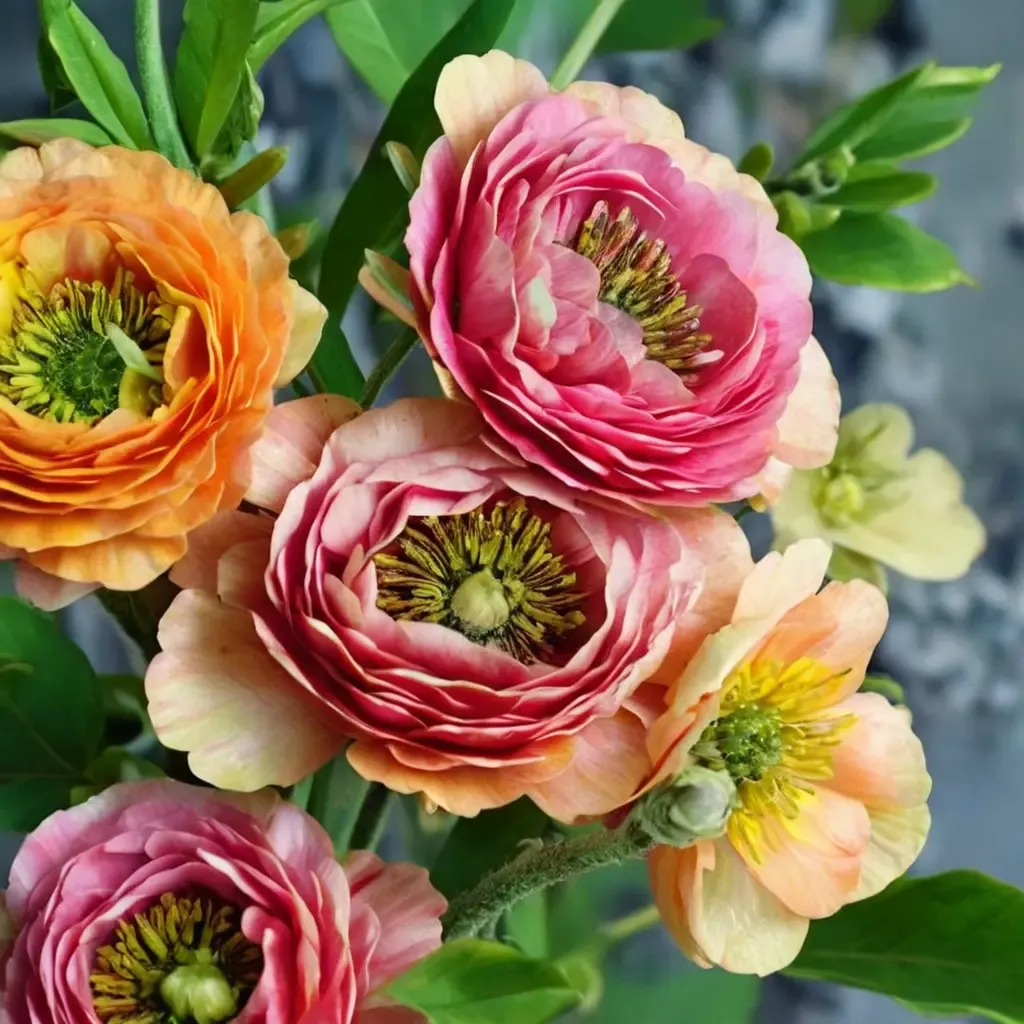
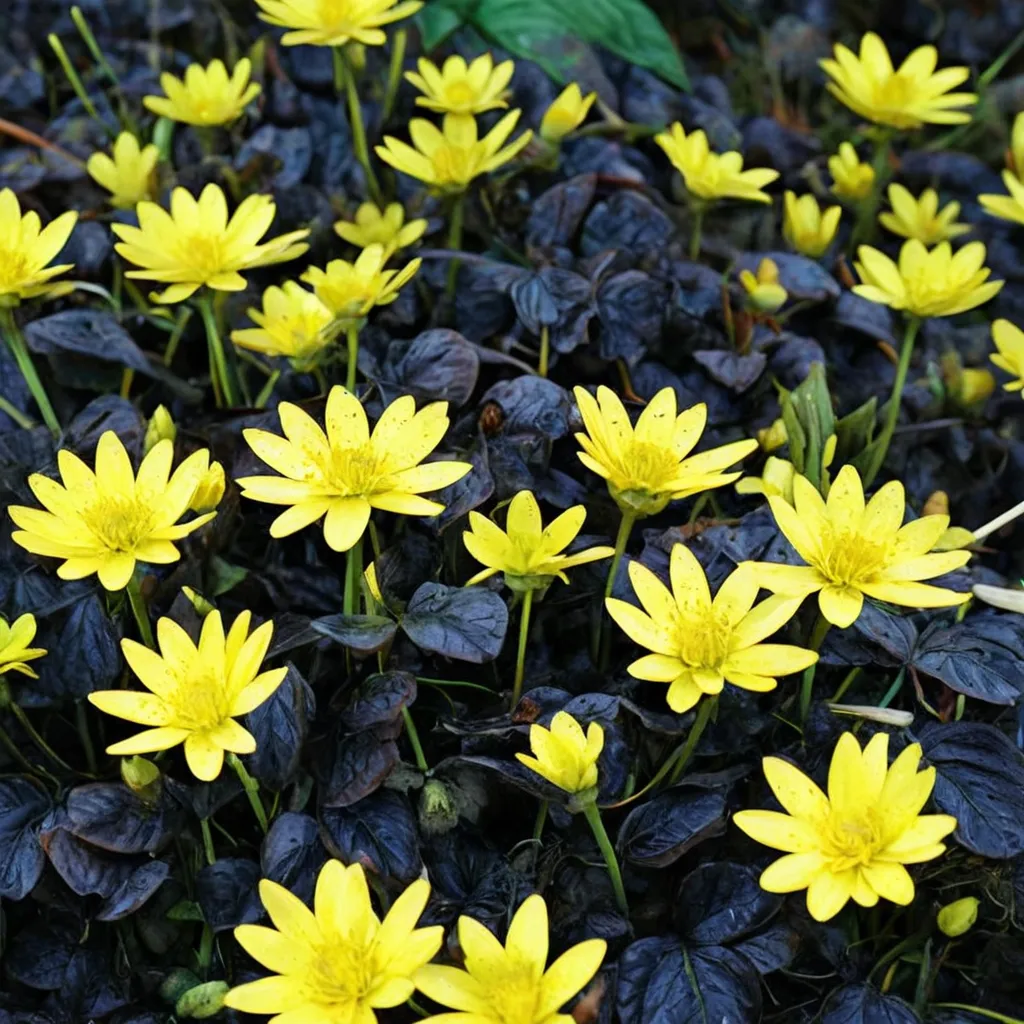
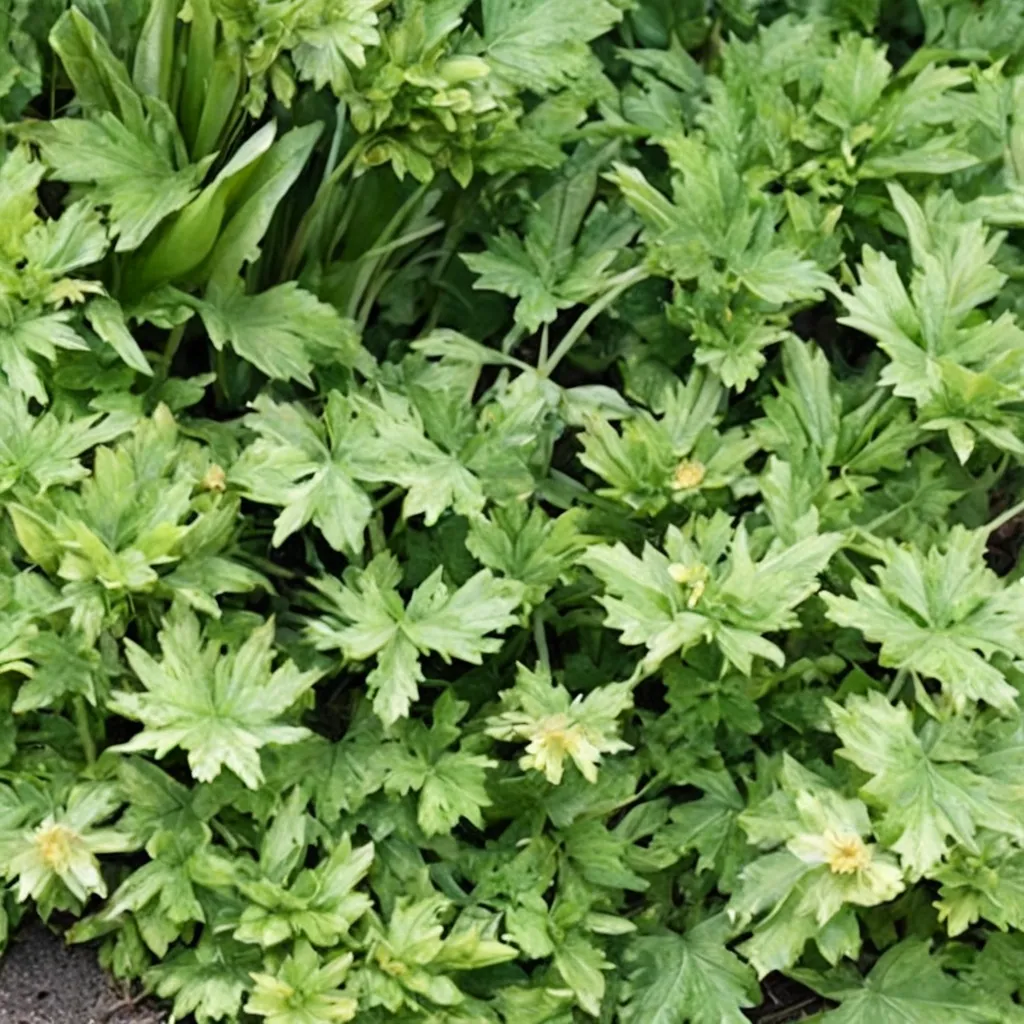
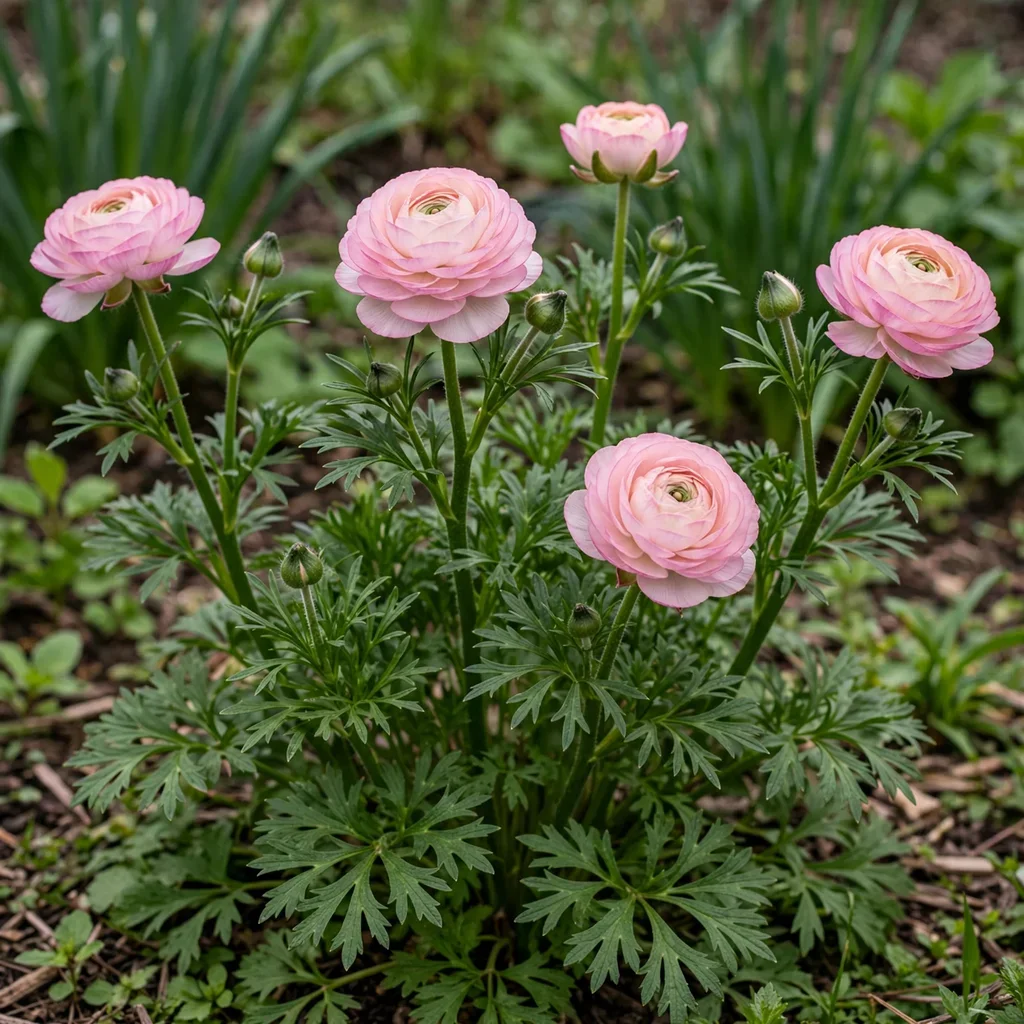

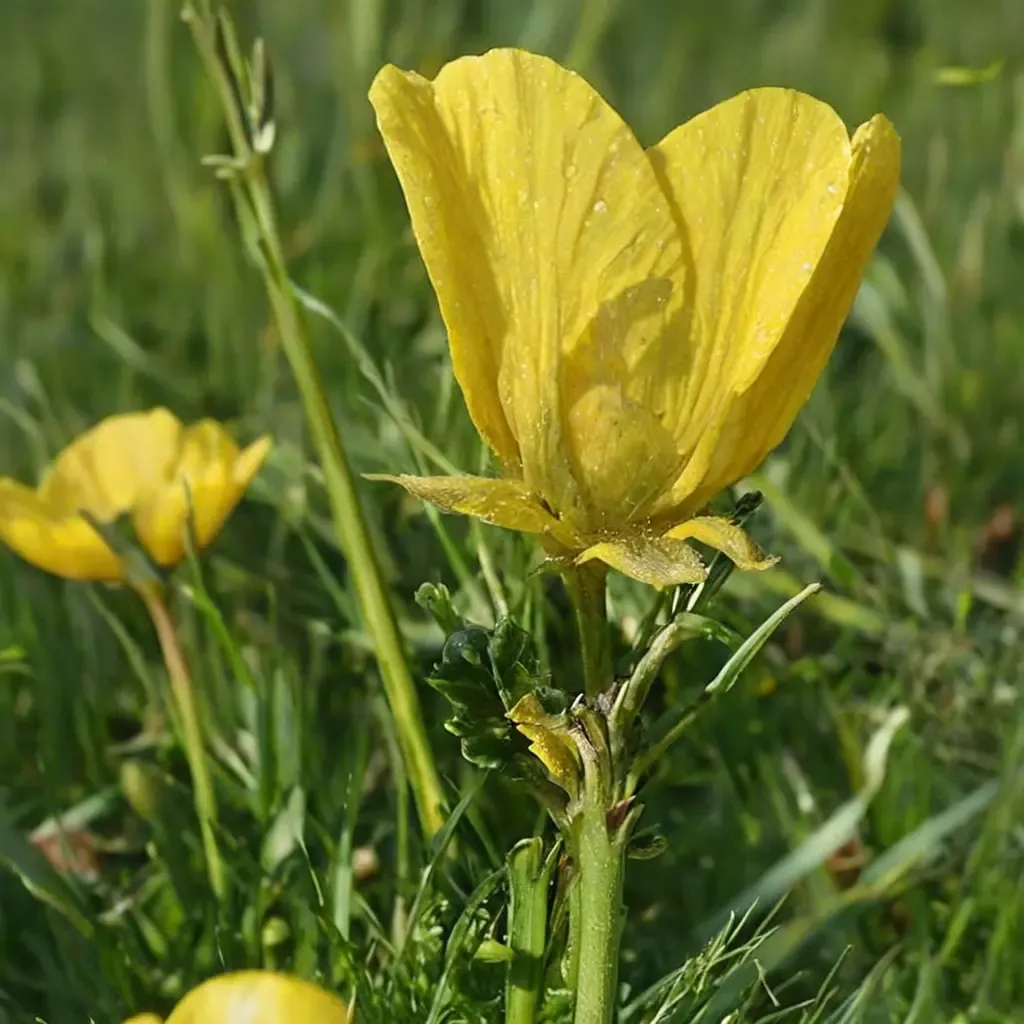

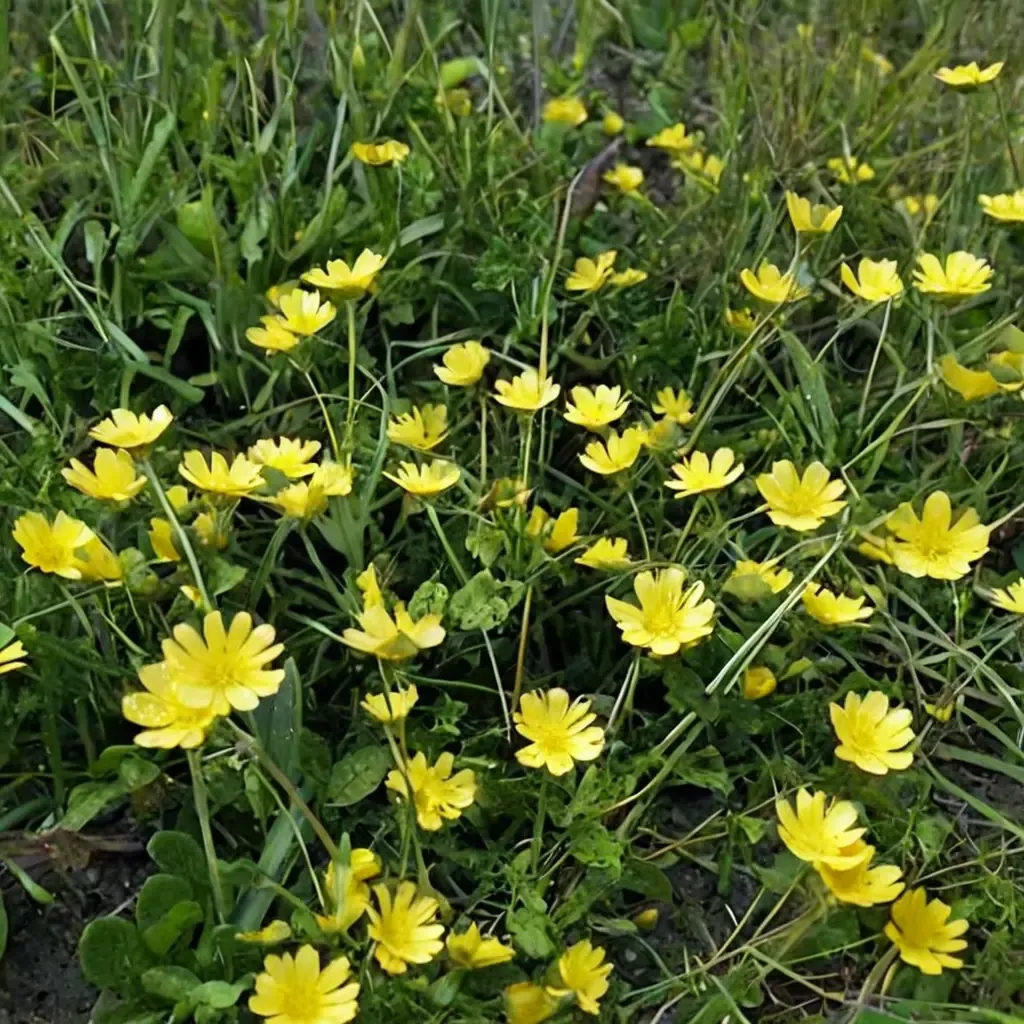
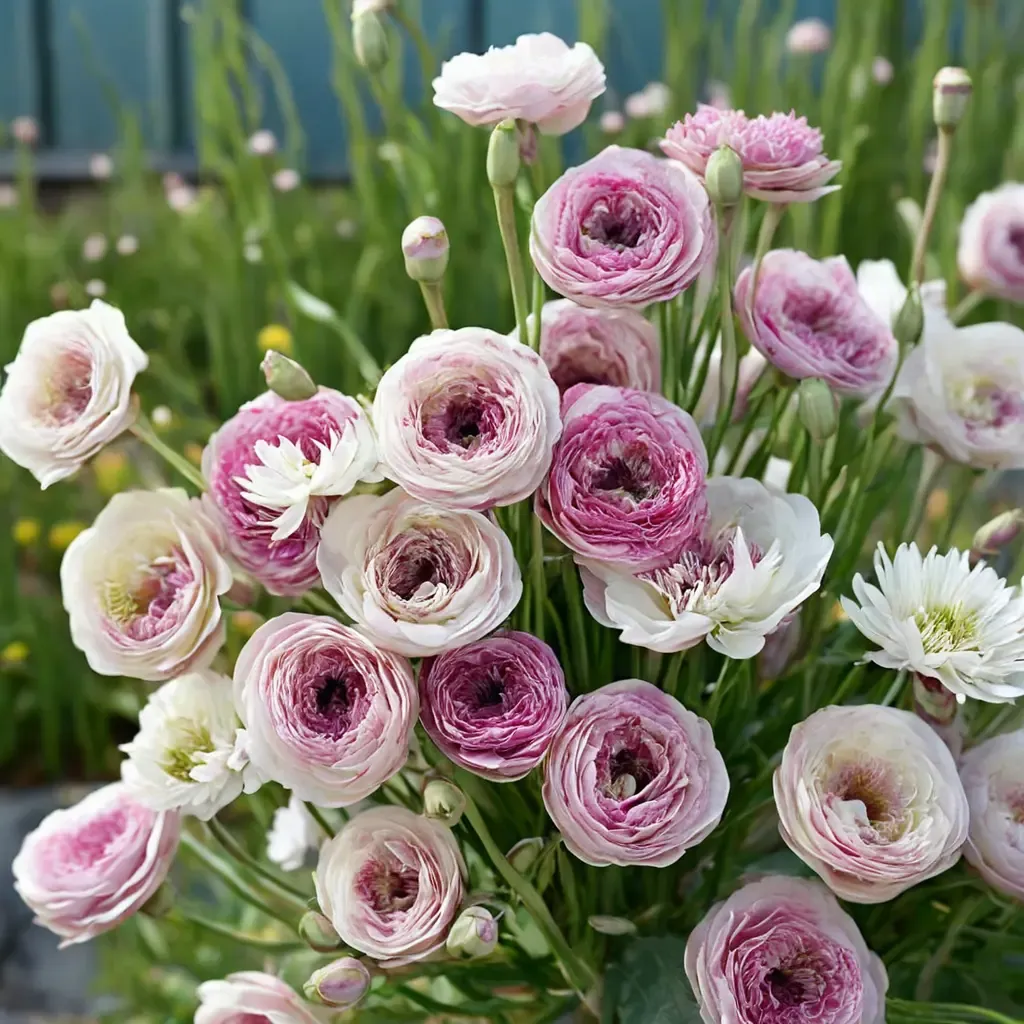
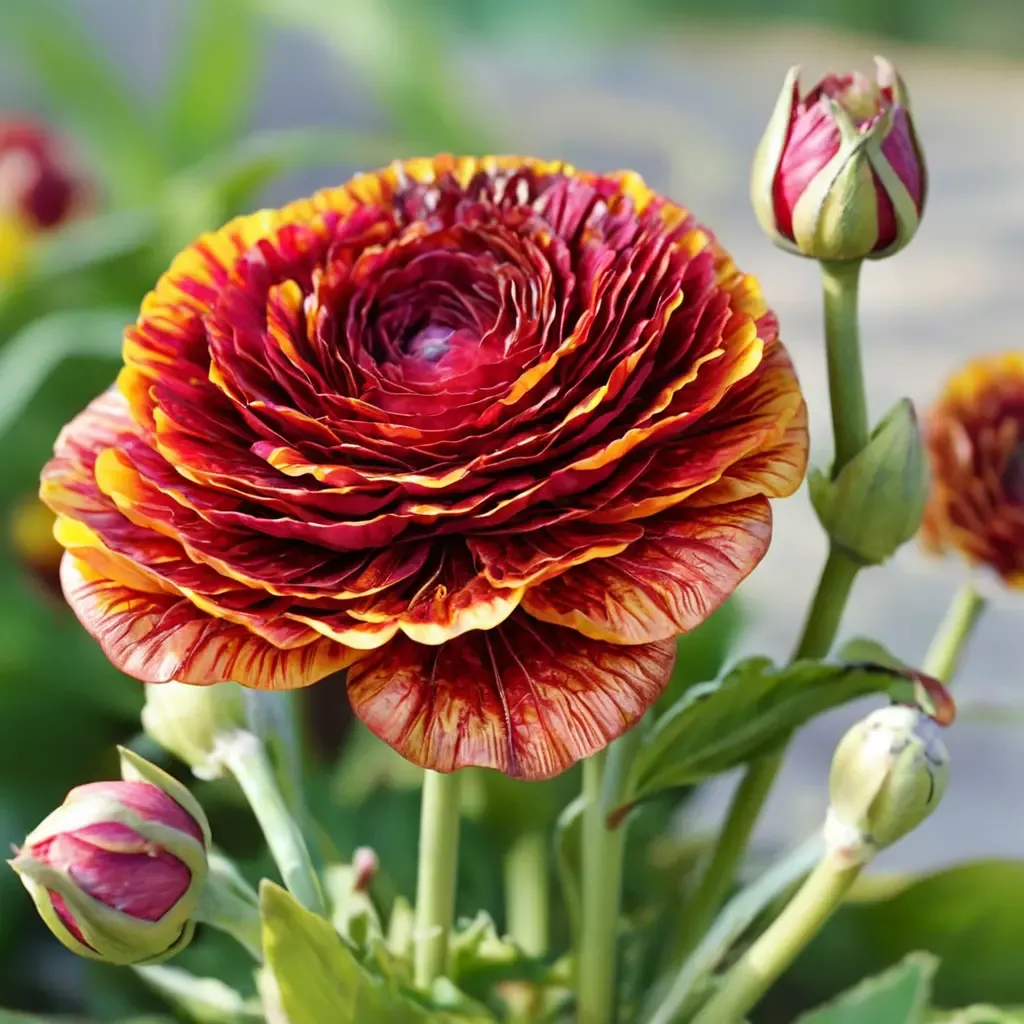
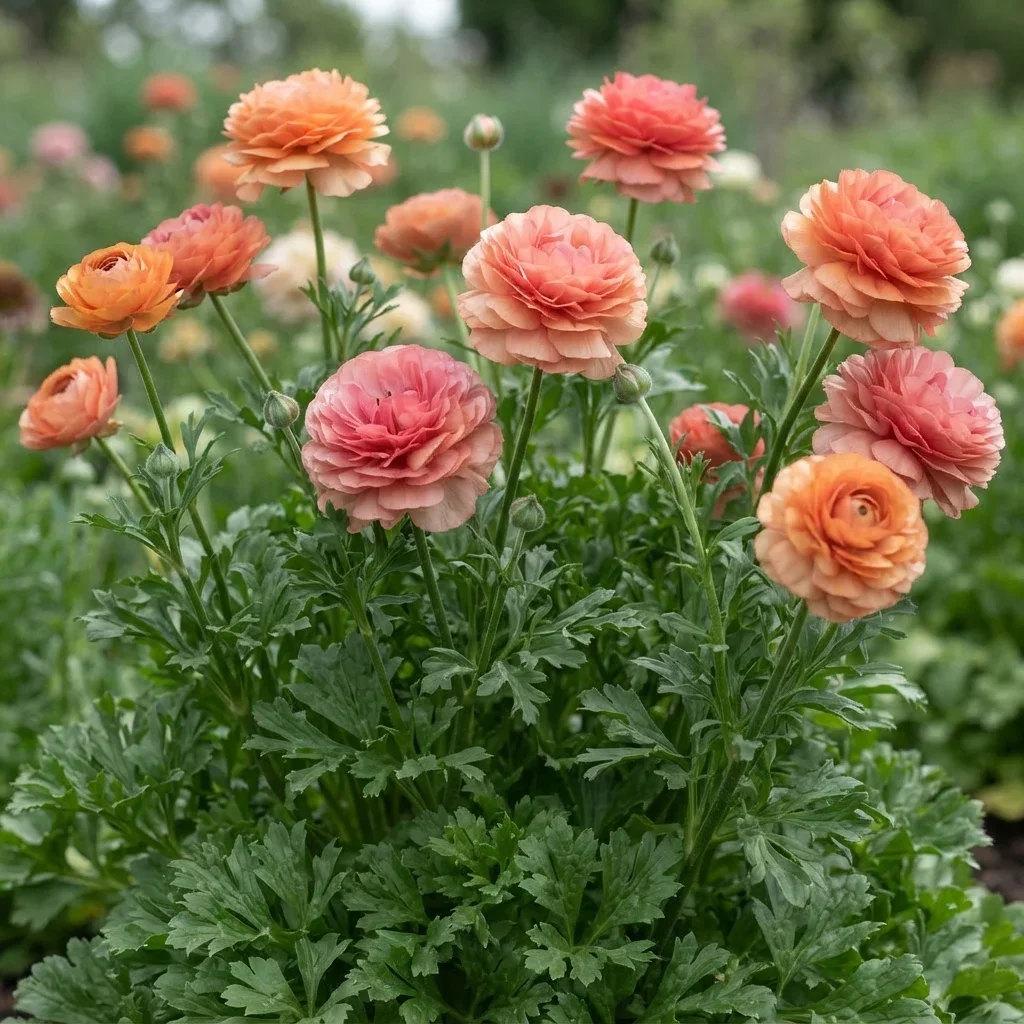

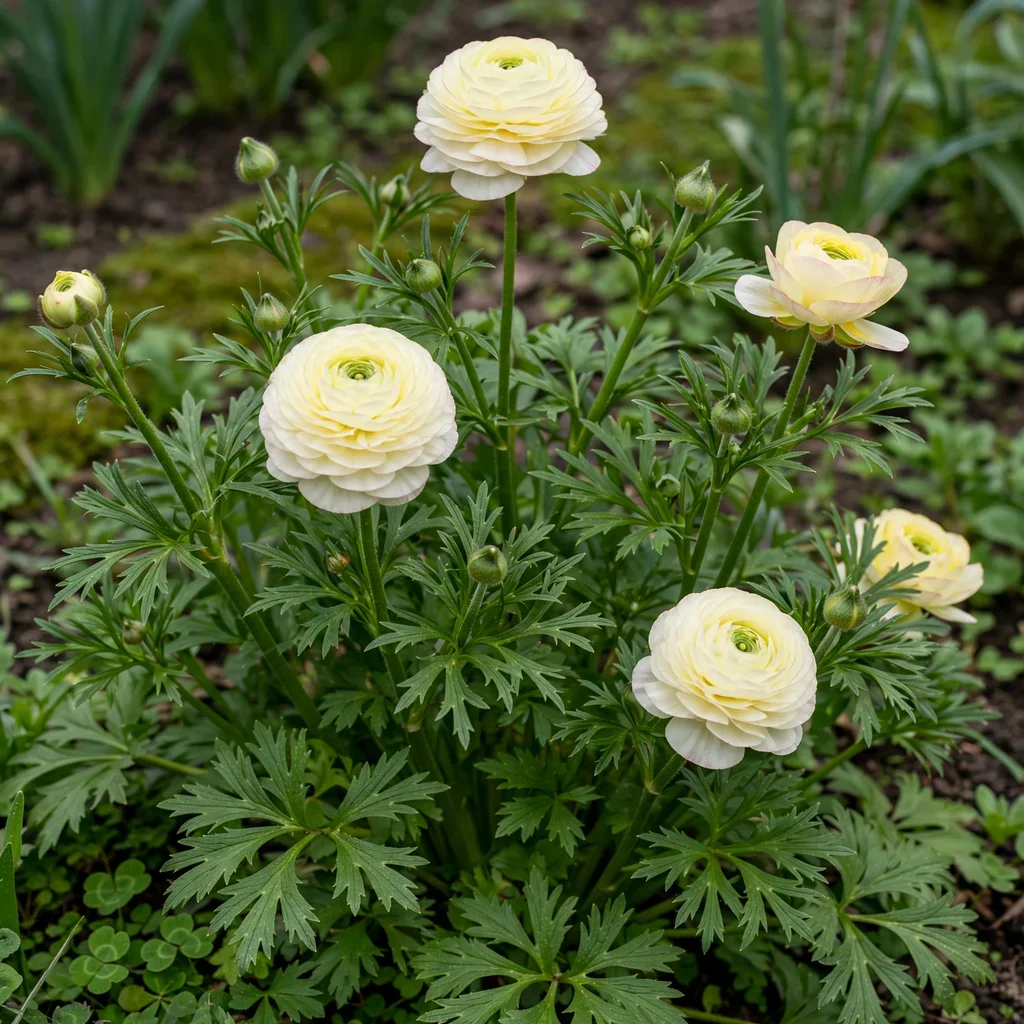
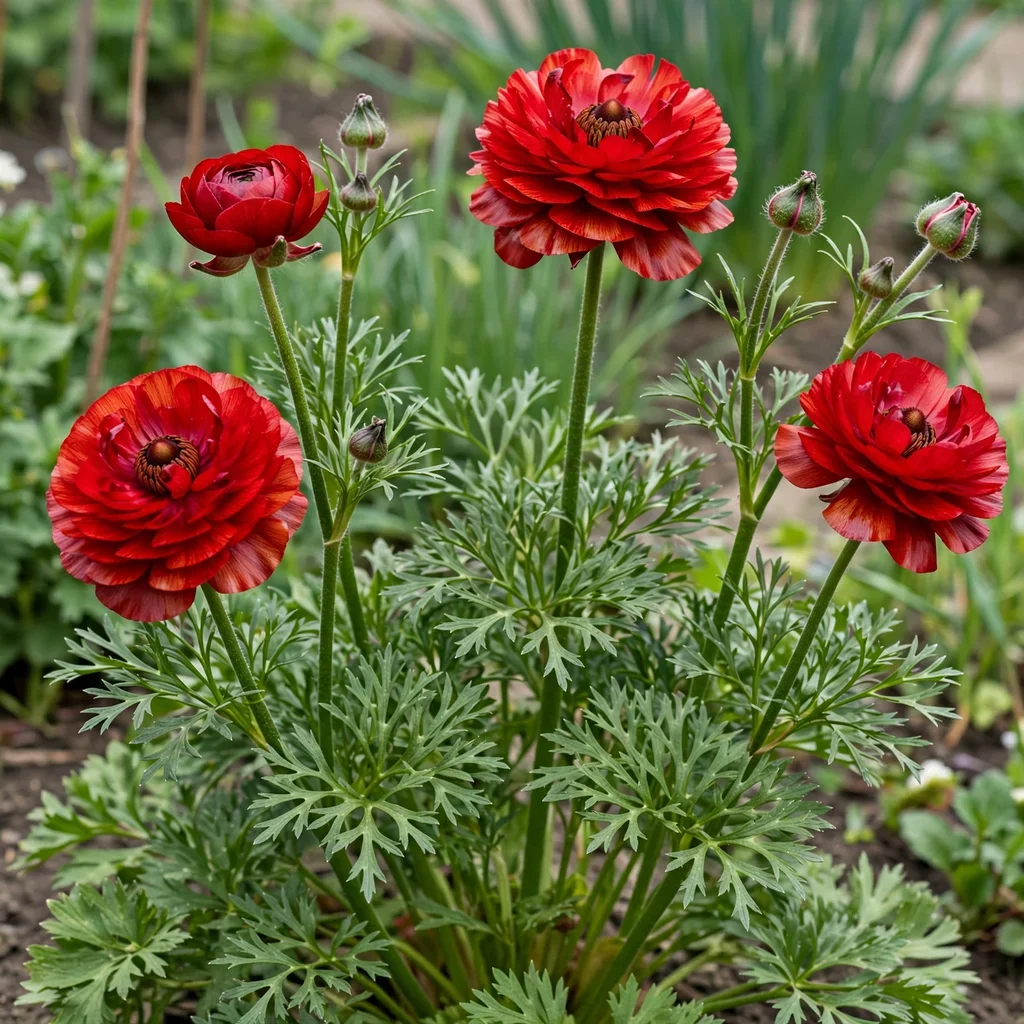
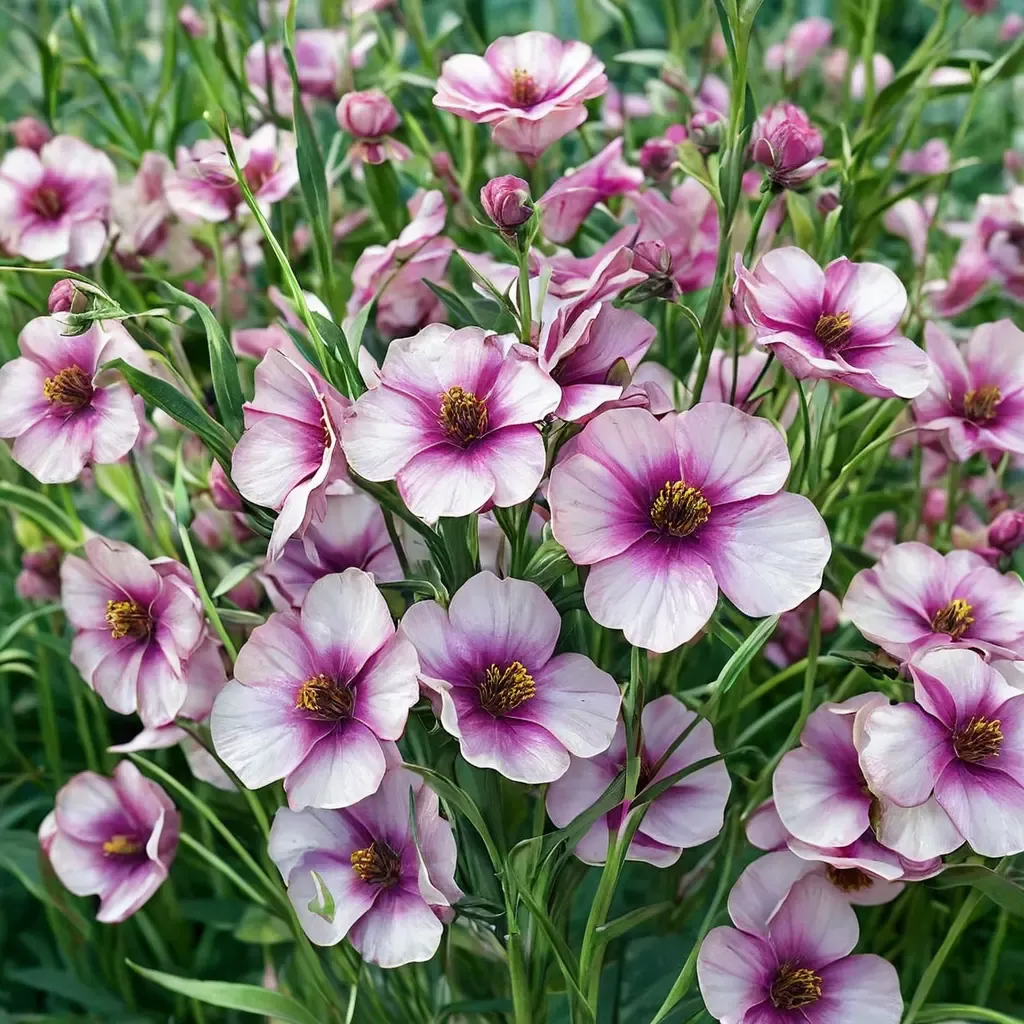

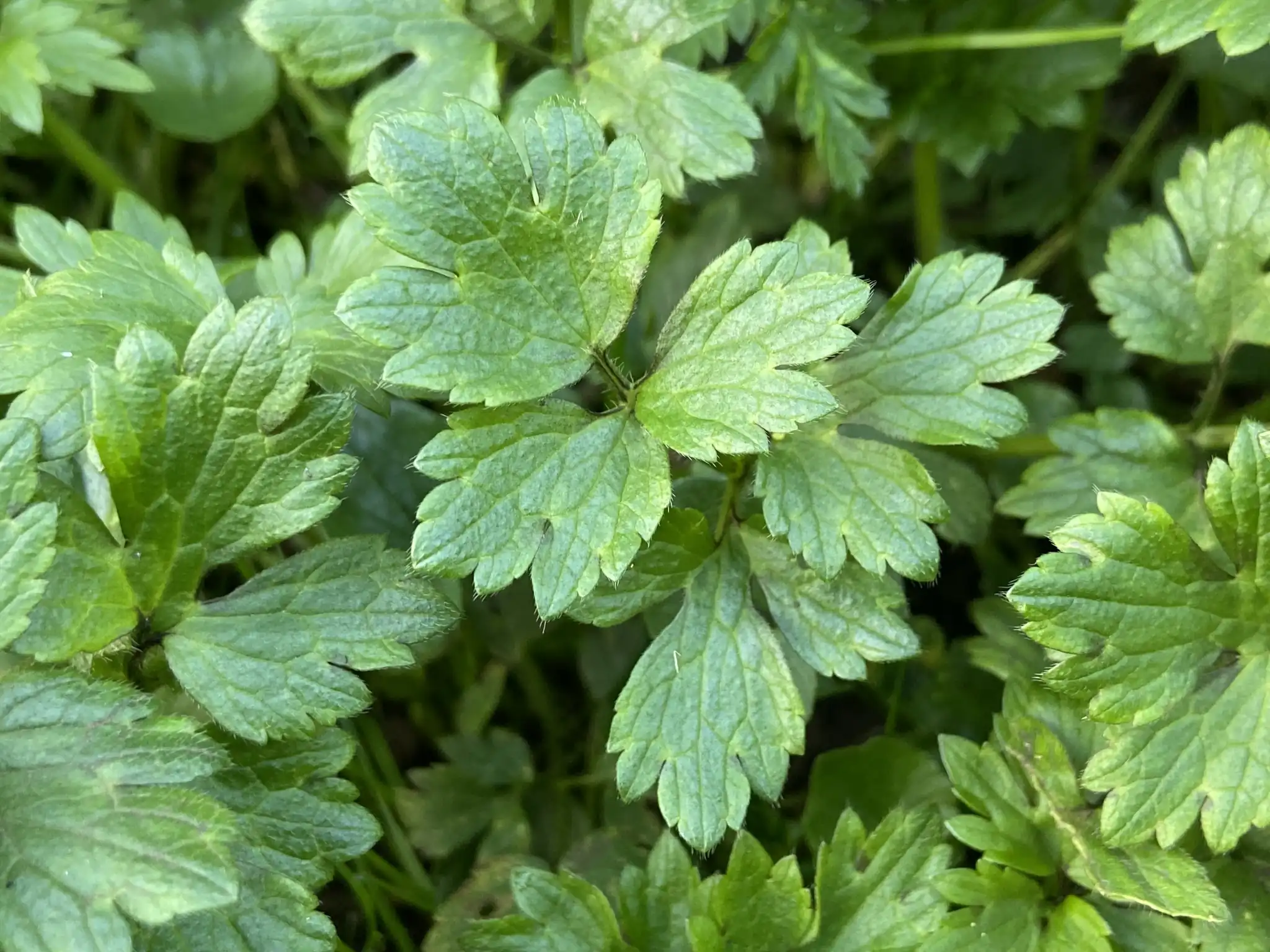
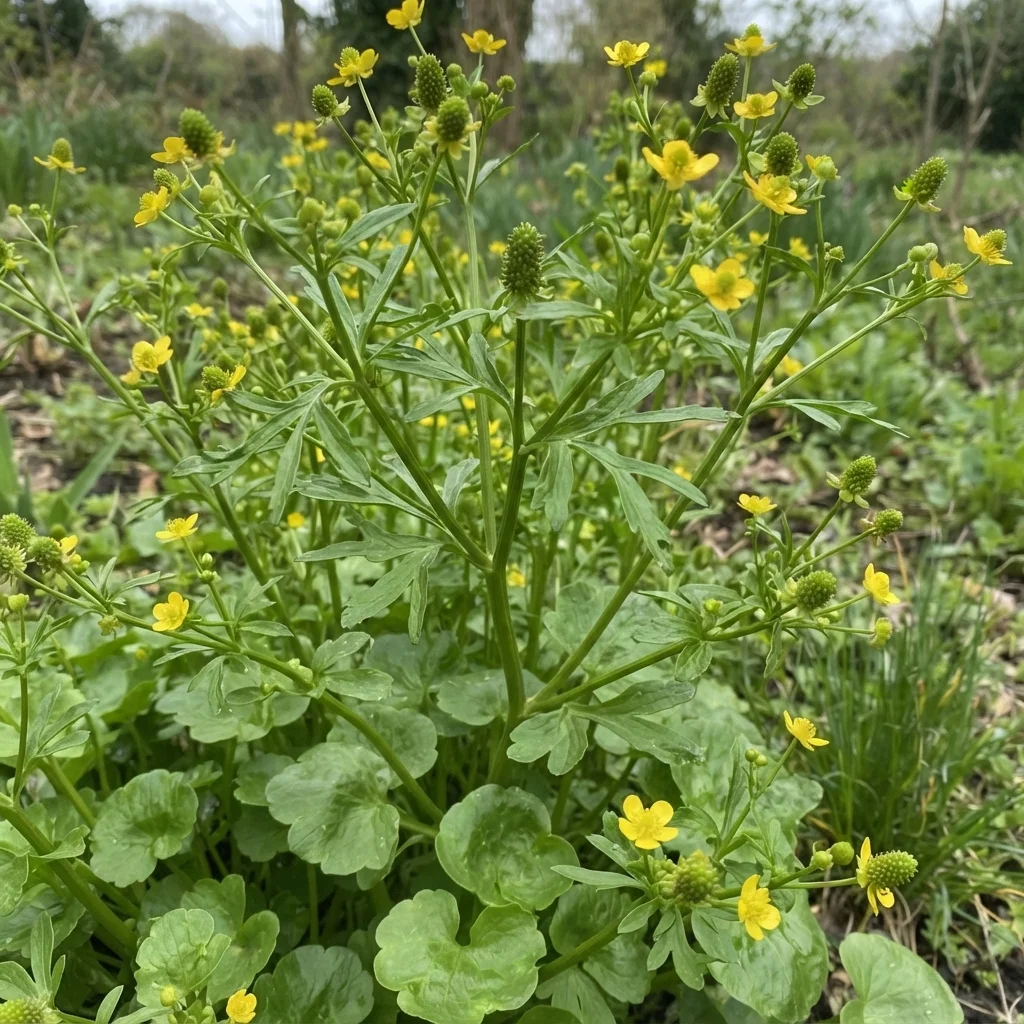
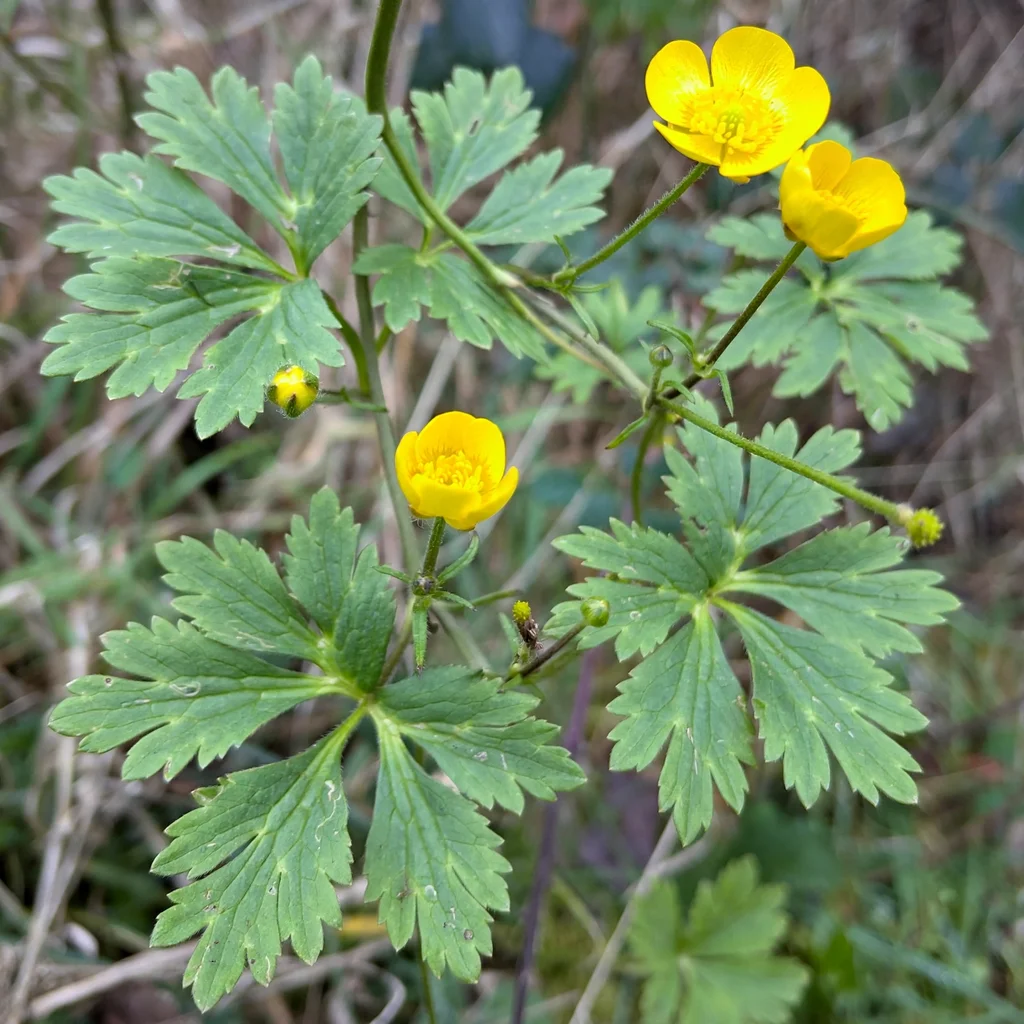
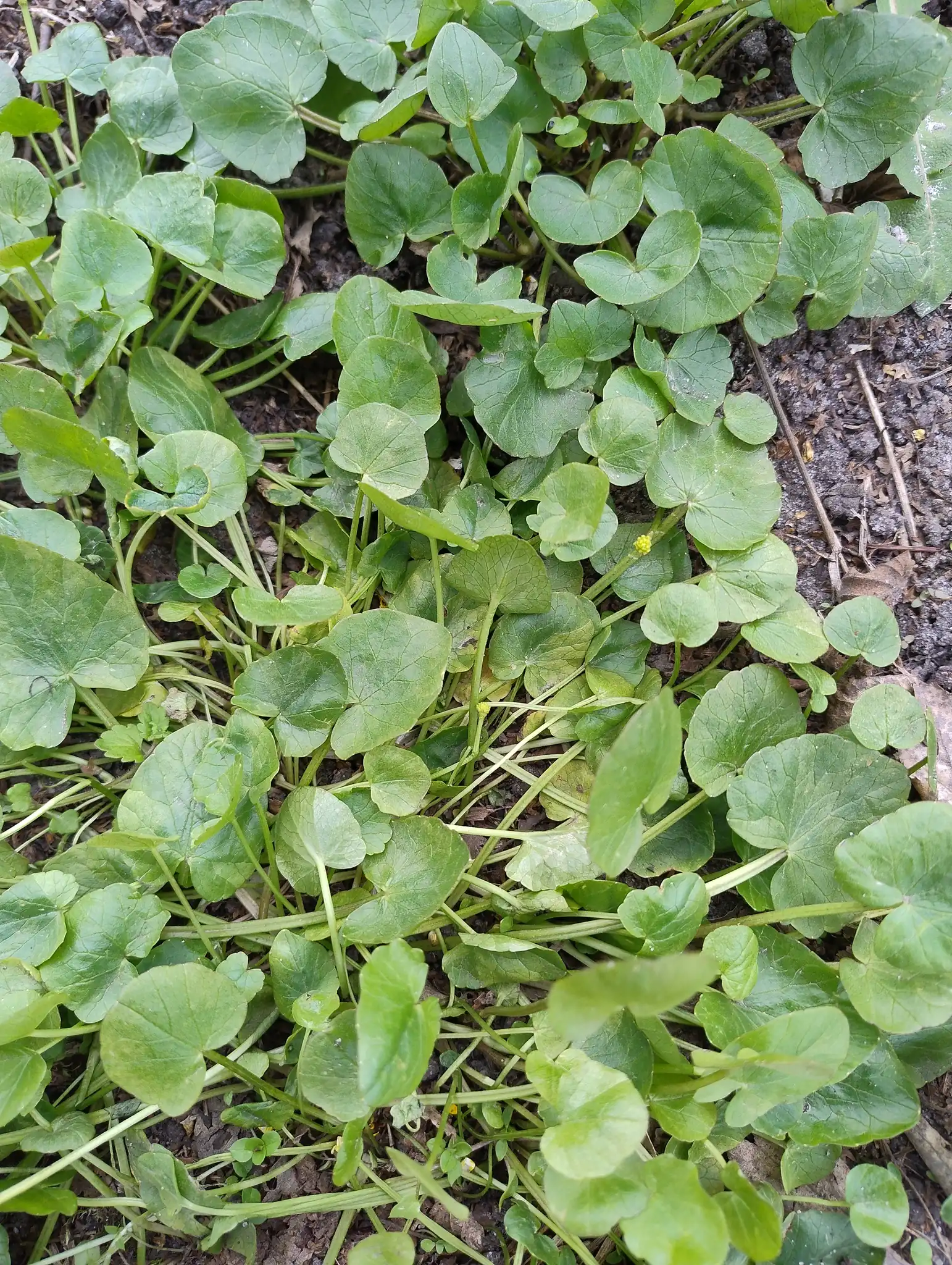
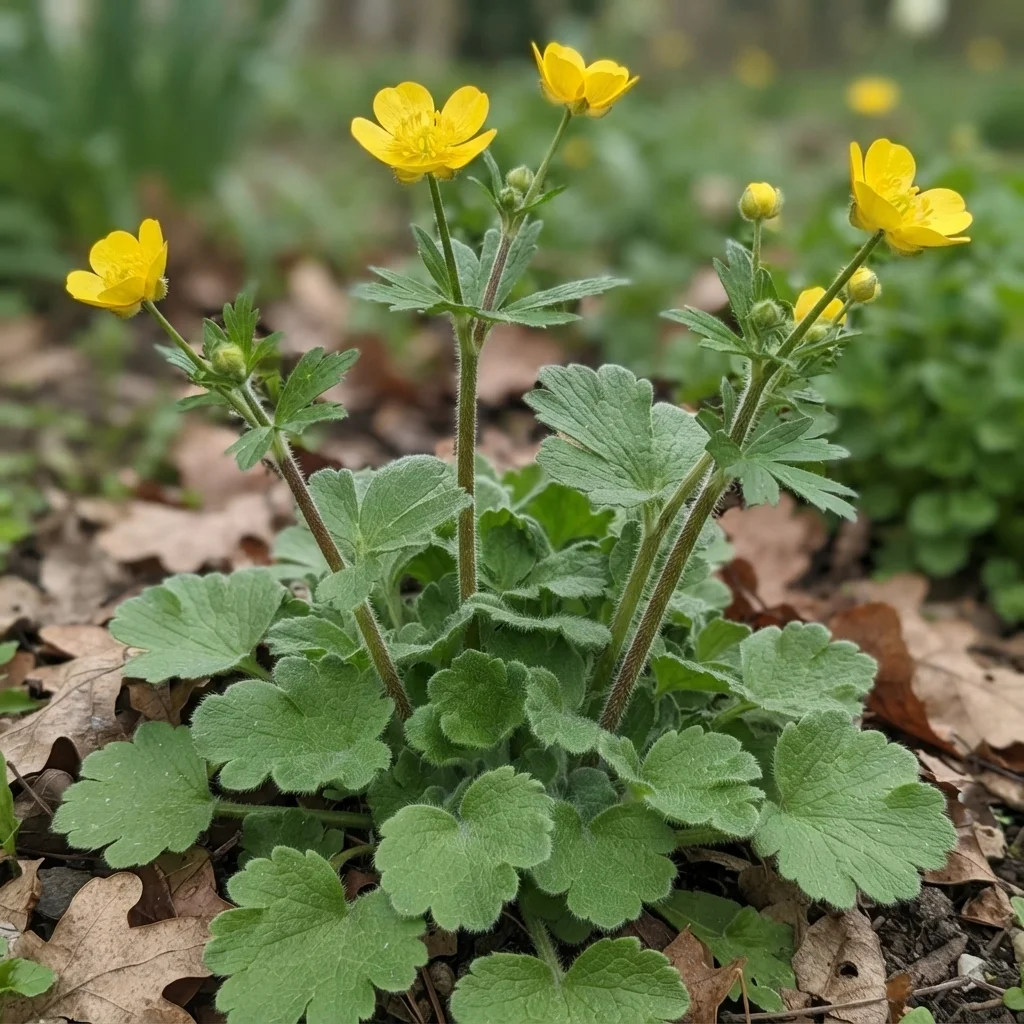

8 species of Ranunculus
Each one is a parent of the varieties above.
Track your Ranunculus in Sow
Save the Ranunculus you grow and get care reminders timed to your zone.
How to grow Ranunculus
Whats common across all Ranunculus varieties in our catalog — drawn from the care records of the 22 most-grown of them.
The Ranunculus year
- PlantMarch, April, October and November77% of varieties
Plant or transplant rhizomes in spring or early fall.
- FertilizeApril–June45% of varieties
Use aquatic fertilizer tabs if grown in containers or poor soil.
- Lift & StoreJuly and August41% of varieties
Lift tubers when foliage yellows; cure and store in a cool, dry place for winter.
- DivideOctober36% of varieties
Divide overcrowded rhizomes in early spring or mid-autumn.
- DeadheadMay–July36% of varieties
Cut spent flower stems to ground level to limit self-sowing.


Do
- Water regularly to keep soil moist 🌱
- Mulch to retain soil moisture
- Deadhead spent flowers to encourage re-blooming
- Apply a balanced fertilizer during active growth
- Deadhead spent flowers to encourage more blooms
Avoid
- Avoid overwatering to prevent root rot ❌
- Don't expose to harsh midday sun in extreme heat
- Refrain from disturbing roots when dividing
- Avoid using heavy, clay-based soil that drains poorly
What goes wrong with Ranunculus
| Problem | What you'll see | What to do |
|---|---|---|
| Aphids | Clusters of small green or black insects feeding on tender shoot tips and flower buds. | Wash off insects with a firm spray of water or apply insecticidal soap. |
| Slugs | Irregular holes in foliage | Apply organic slug bait or handpick |
| Generally pest-free | No significant insect damage is typical | Monitor only; nothing here limits its spread |
| Spider Mites | Fine webbing beneath foliage and stippled yellowing leaves during hot weather. | Increase local ambient humidity and spray leaf undersides thoroughly with cold water. |
| Powdery Mildew | White powdery dust covering leaf surfaces during warm, humid periods. | Thin overcrowded stems to improve airflow around the inner foliage. |
| Root Rot | Soft, blackened roots and sudden stem collapse in stagnant, poorly drained water. | Ensure soil has gentle water movement rather than oxygen-deprived, stagnant conditions. |
| Powdery mildew | A white, powdery fungal coating on the upper surfaces of leaves, particularly in dry, stagnant shade. | Improve air circulation around the plant and ensure the soil remains consistently moist. |
Making more Ranunculus
Division
- Lift mature clumps in early spring or autumn using a garden fork.
- Gently pull root crowns apart, ensuring each section retains roots and healthy buds.
- Replant divisions immediately at their original soil depth.
- Water thoroughly until established in their new positions.
Seed
- Sow ripe seeds in autumn directly onto wet seed-starting mix.
- Cover lightly with a thin layer of fine grit or vermiculite.
- Expose seed trays to winter cold to break natural embryo dormancy.
- Prick out seedlings into individual pots once true leaves appear in spring.
Ranunculus questions
How many types of Ranunculus are there?
The Sow catalog tracks 22 distinct Ranunculus varieties. The most popular — ranked by 188 real gardeners — are shown first above.
What zones does Ranunculus grow in?
Across its varieties, Ranunculus covers USDA Zones 4–10. Individual varieties differ — each plant page lists its exact range, and Sow filters the catalog to your zone automatically.
When does Ranunculus bloom?
Most Ranunculus varieties bloom in summer, early spring, mid-spring. Staggering early, mid, and late varieties extends the genus's season in one bed.
Which Ranunculus should I choose?
Start from the most-saved varieties above — popularity across thousands of gardens is a strong signal of reliability — then filter by your zone and sun. In the Sow app you can preview any of them in a photo of your actual yard before you buy.