The Story
Plant Bio
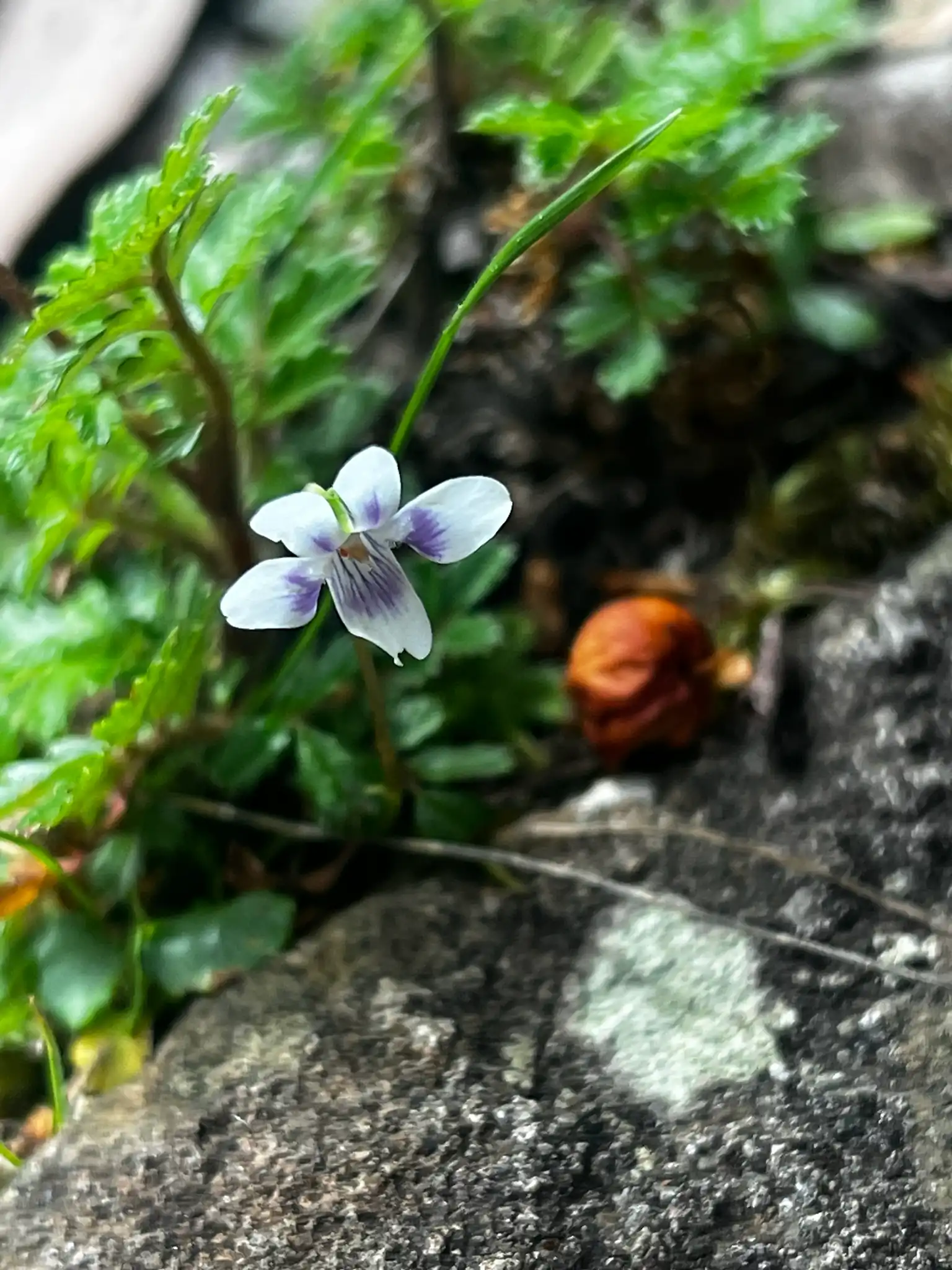
Viola hederacea is a low-growing, mat-forming perennial herb native to eastern and southern Australia that spreads via stolons to create a dense ground cover. The kidney-shaped, bright green leaves form a lush carpet from which solitary, bicolor white and pale lilac flowers rise on upright stalks.
This species is distinguished by its creeping, stoloniferous growth habit and its lateral flower petals, which feature distinct bearded centers. Unlike many other violets, it thrives in wet, boggy soils and shaded forest understories, making it an effective ground cover for damp depressions.
Uses & Benefits:
Essentials
At a Glance
Plant Type
Groundcover
Height
6"
Width
36"
Light
Full Sun, Partial Sun, Shade
Zones
8, 9, 10
Water
Moist
Humidity
Moderate
Lifespan
Perennial
Native To
Australia
Toxicity
Non-toxic
Bloom period
Spring – Summer
In flower about 6 months of the year
Planting
How to Grow
- Select a planting site in partial to full shade with moist, organic-rich, friable soil.
- Incorporate compost or leaf mold into the soil to improve moisture retention before planting.
- Space plants 12 to 18 inches apart to allow the creeping runners room to spread and fill in.
- Water deeply and regularly to keep the soil consistently moist, especially during dry summer spells.
- Apply a light layer of organic mulch to help retain soil moisture and suppress weeds while the mat establishes.
Pro Tip
Do not treat this species like a typical dry-soil Australian native; it requires rich organic matter and consistent moisture to prevent leaf scorch. Avoid high-nitrogen fertilizers, which stimulate weak, leggy foliage that is highly susceptible to pests and fungal diseases.
Keep It Thriving
Care Guide
Do
- Keep the soil consistently moist to prevent the foliage from flagging or scorching.
- Shear the foliage back close to the ground in early spring if it becomes untidy or suffers frost damage.
- Provide partial to full shade, especially in hot inland climates.
Don't
- Do not prune back into old, dead, leafless wood, as it will not regenerate.
- Do not use heavy chemical or high-nitrogen fertilizers, which cause soft, pest-prone growth.
- Do not allow the soil to dry out completely, which triggers semi-dormancy.
Seasonal Care Calendar
| Task | Jan | Feb | Mar | Apr | May | Jun | Jul | Aug | Sep | Oct | Nov | Dec |
|---|---|---|---|---|---|---|---|---|---|---|---|---|
| Divide | ||||||||||||
| Fertilize | ||||||||||||
| Pest Check | ||||||||||||
| Spring Cleanup |
Watch Out For
Pests & Diseases
Common Pests
Common Diseases
In the Garden
Landscape Uses & Companions
Landscape Uses
Companion Plants
Multiply
Propagation Methods
Good to Know
Common Questions
Native Violet questions
What zones can Native Violet grow in?
Native Violet is hardy in USDA Zones 8–10. Inside that range it survives winter in the ground; outside it, grow it as an annual or a container plant you protect.
When does Native Violet bloom?
Native Violet typically blooms in spring through summer. Exact timing shifts a week or two with your zone — Sow's bloom calendar maps it to your garden.
Does Native Violet need full sun?
Native Violet does best in full sun to part shade. In hot climates, afternoon shade keeps blooms fresher longer.
More Viola to compare
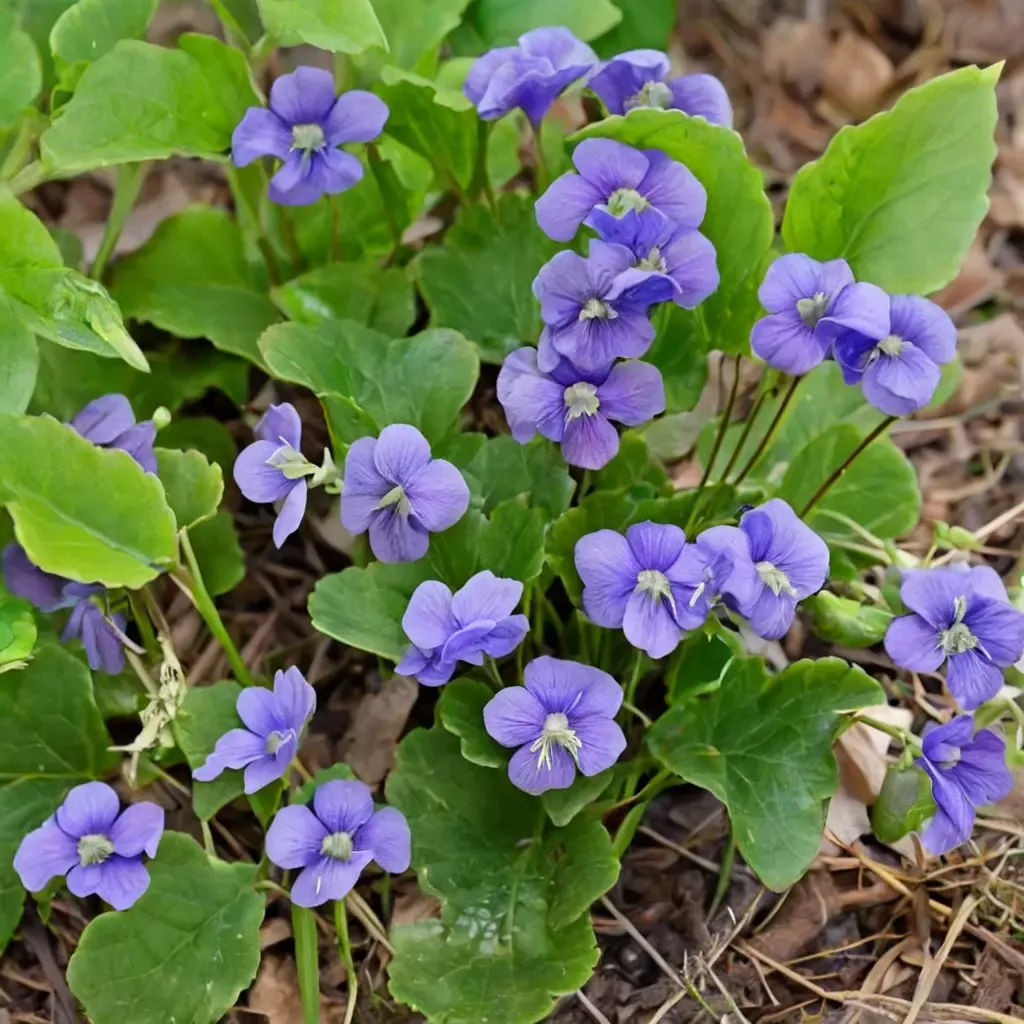
Common Blue Violet
Viola sororia
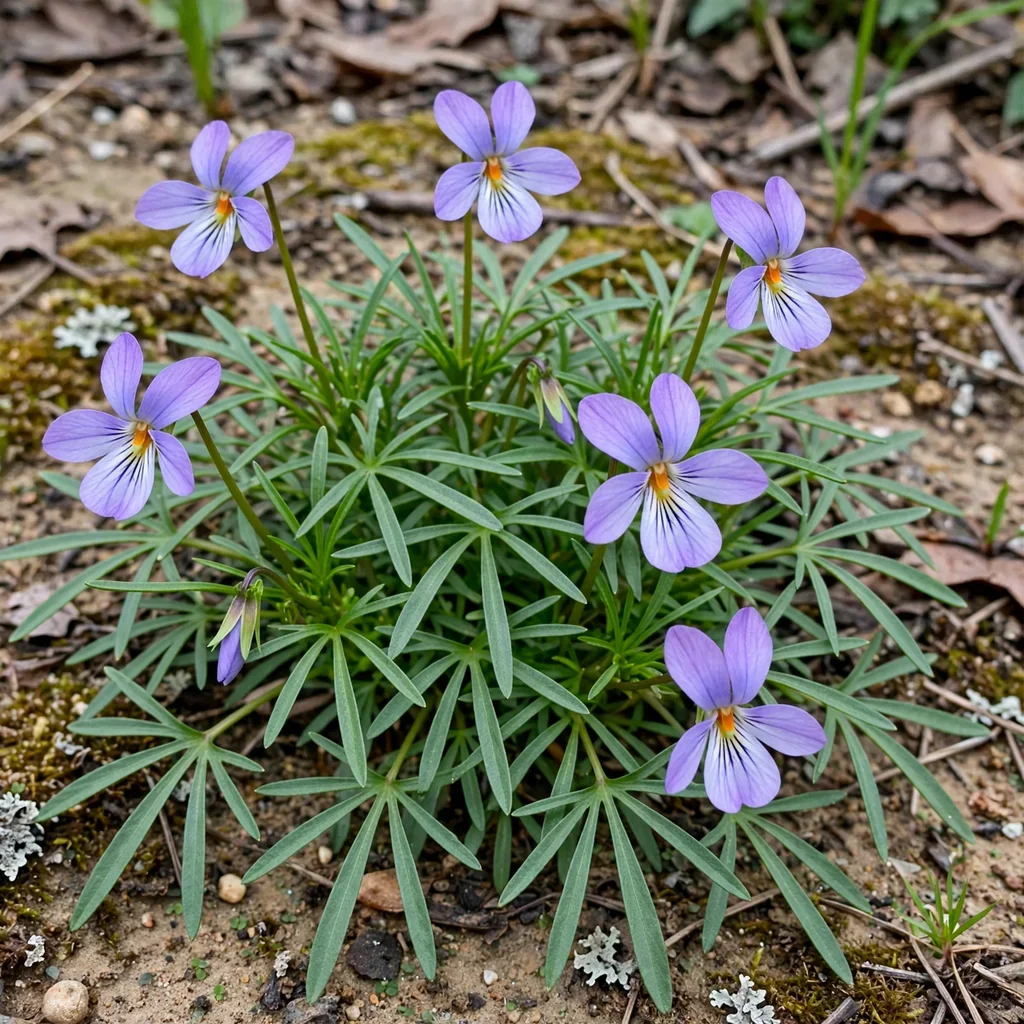
Bird's Foot Violet
Viola pedata
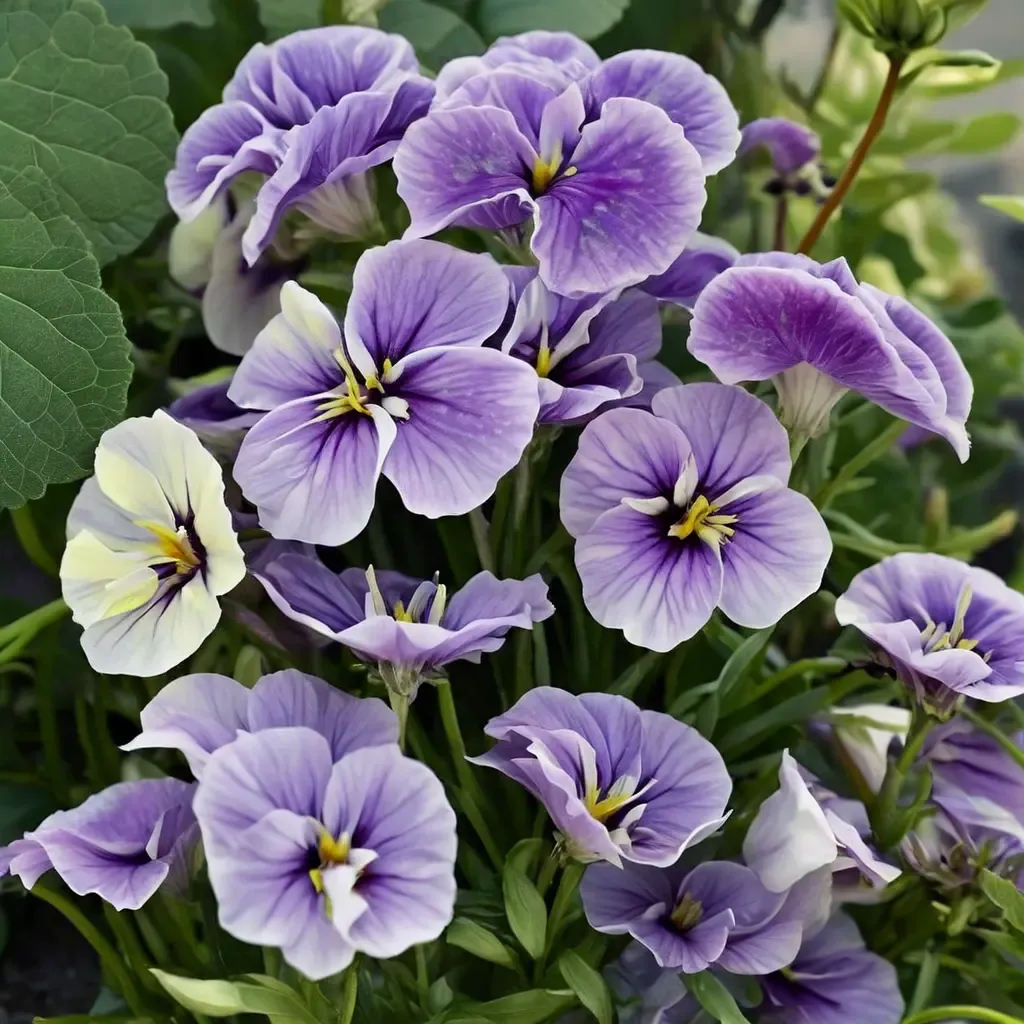
Painted Porcelain Pansy
Viola x wittrockiana 'Painted Porcelain'
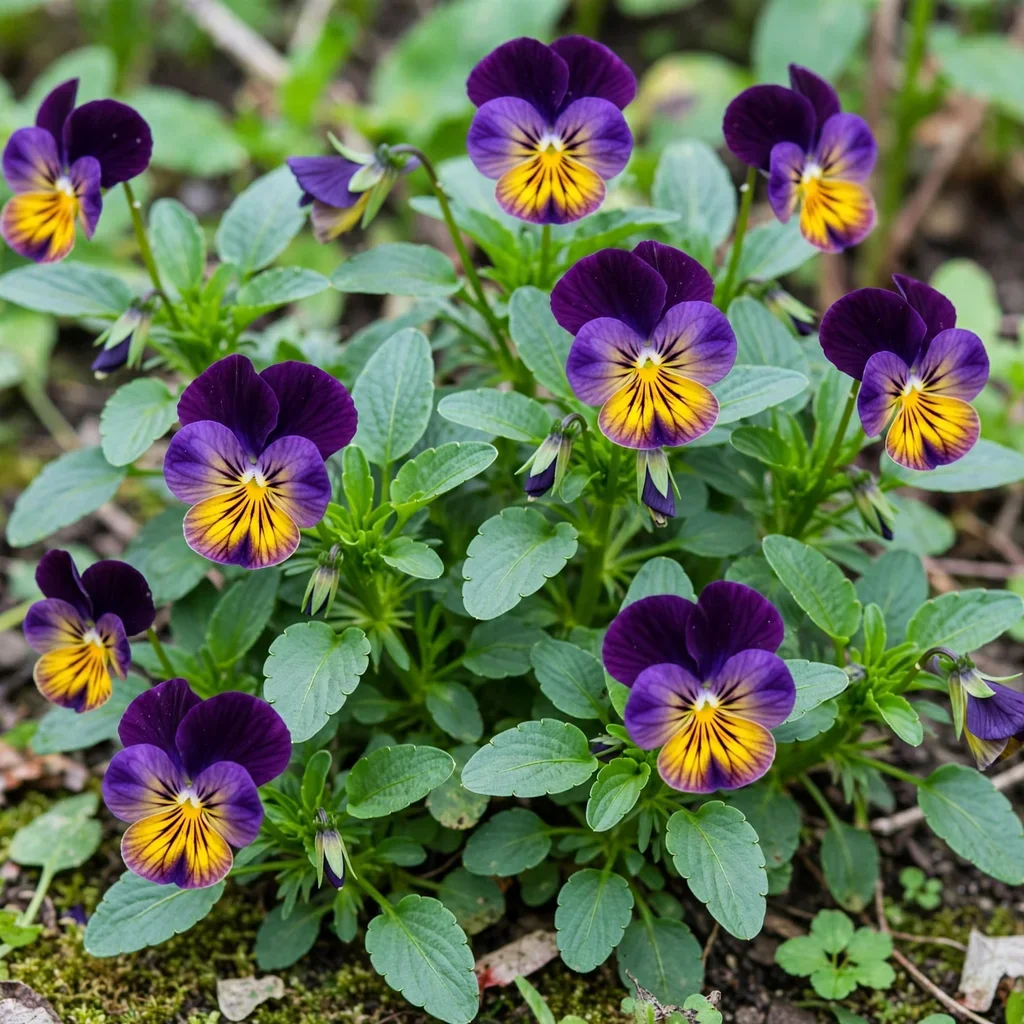
Northern Lights Horned Violet
Viola cornuta 'Northern Lights'
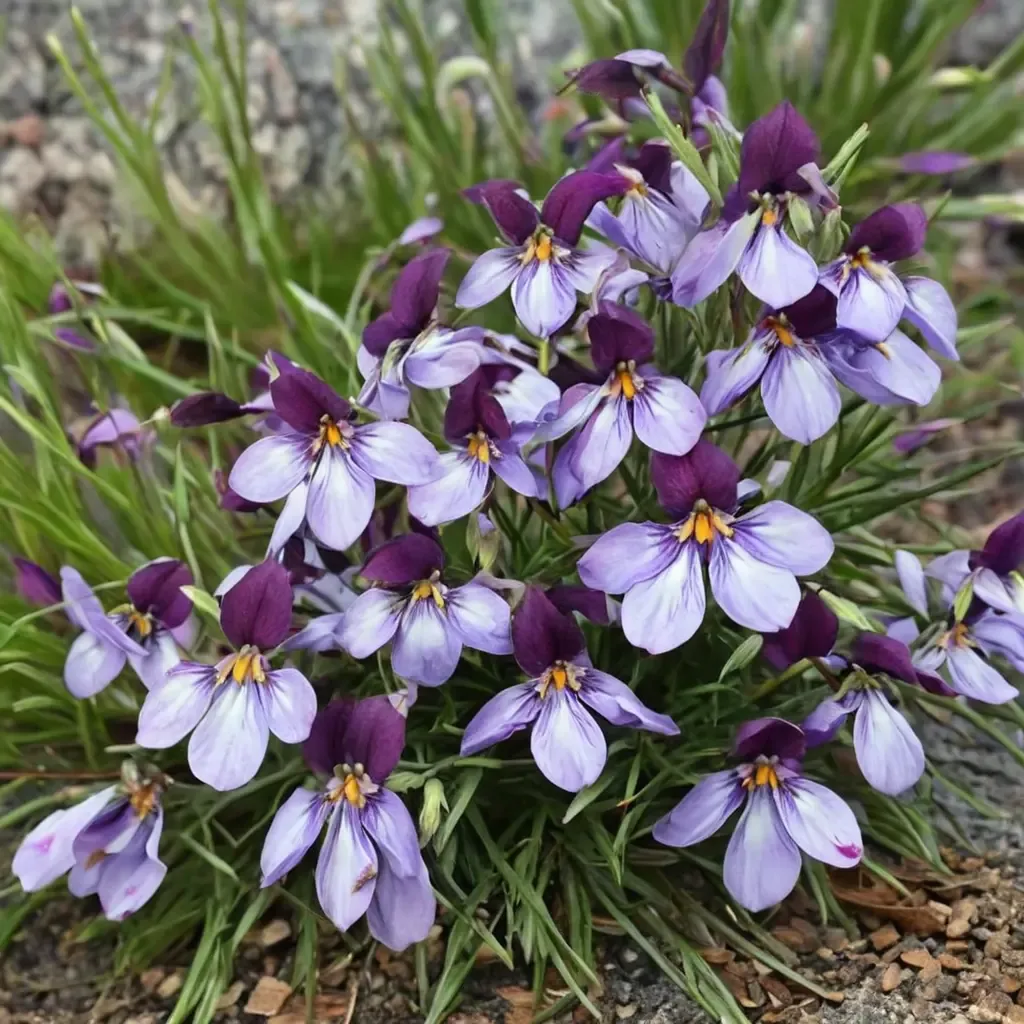
Birdfoot Violet
Viola pedata 'Eco Artist Palette'
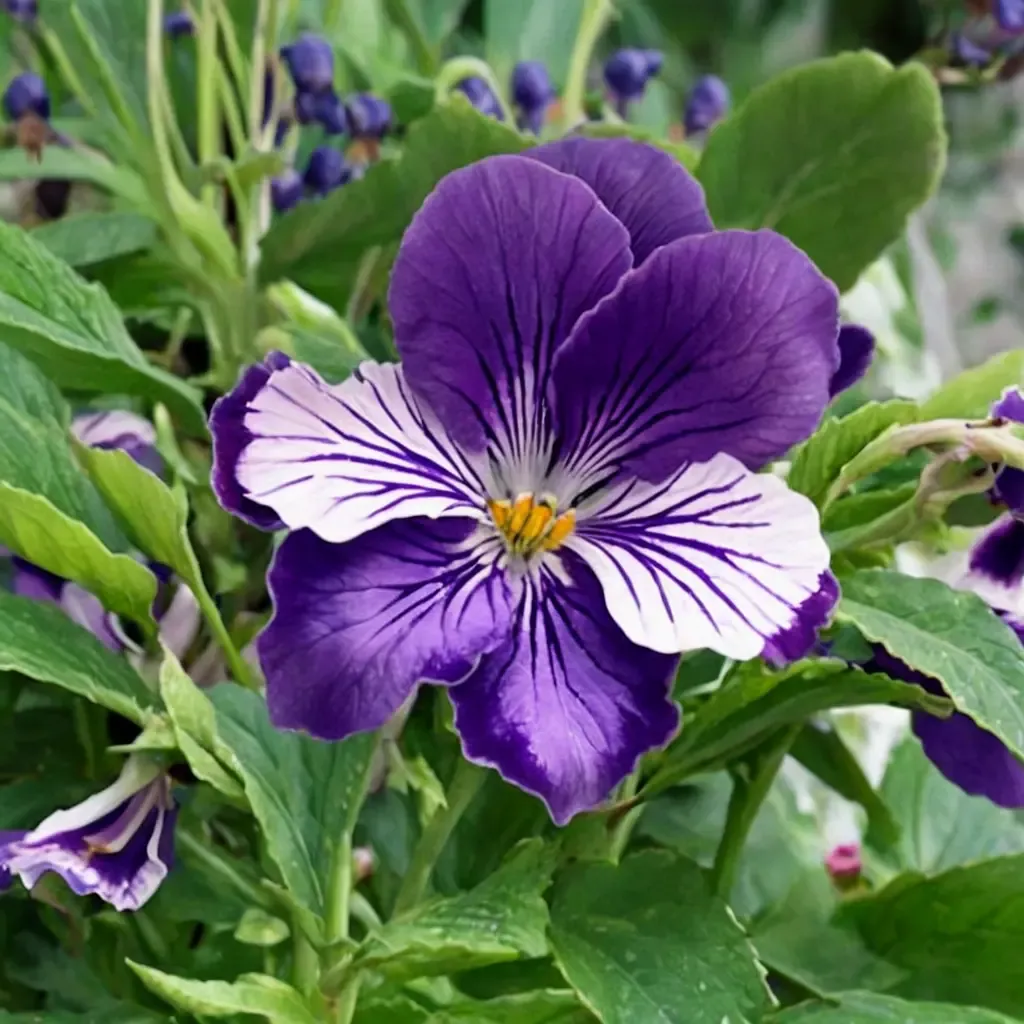
Whopping Purple Whiskers Pansy
Viola tricolor 'Whopping Purple Whiskers'
Keep exploring
Explore the genus
Hardy in your zone?
Grow Native Violet with confidence
See it in a design of your actual yard, get zone-matched care reminders, and track it season by season in your garden journal.