The Story
Plant Bio
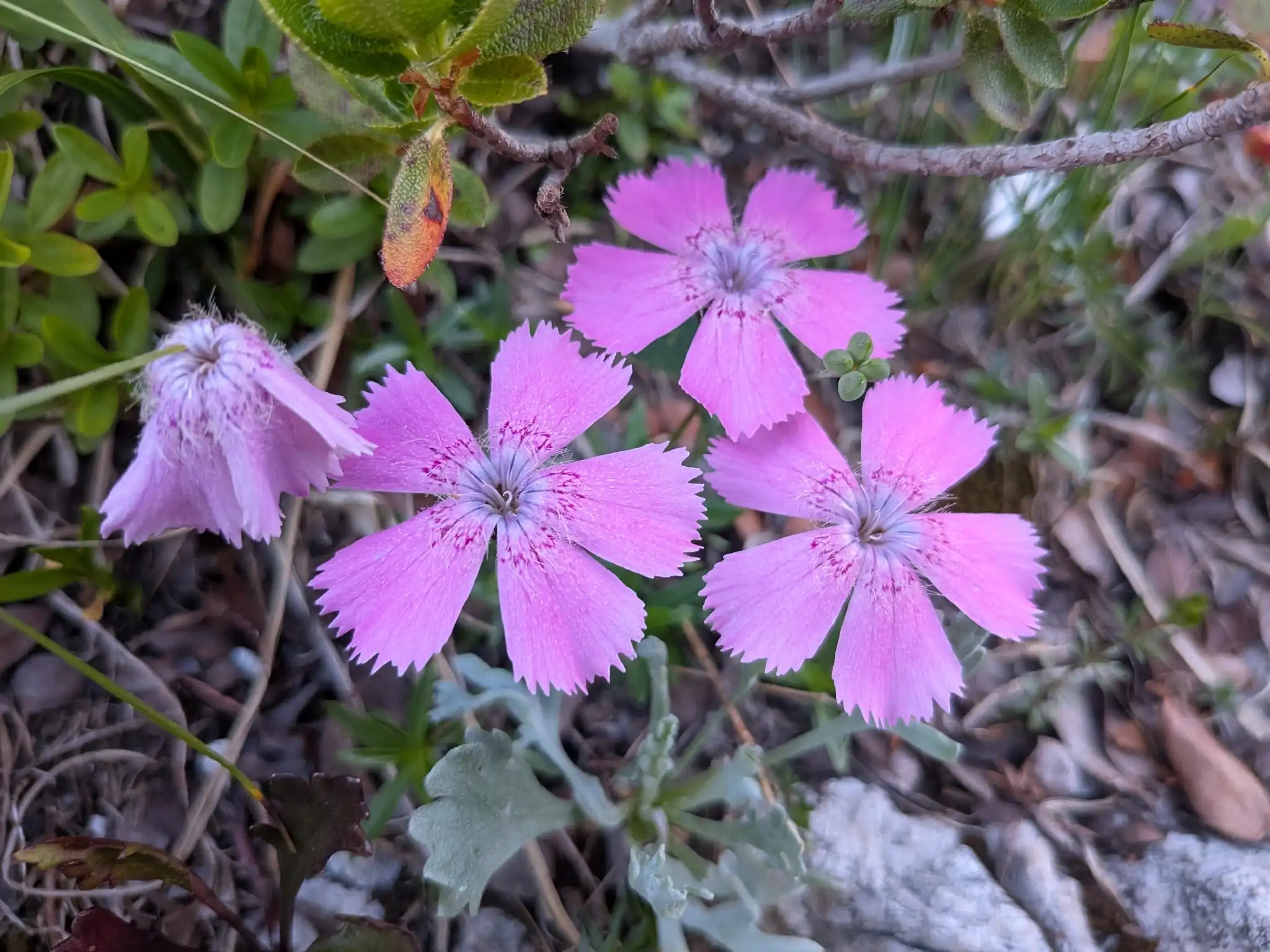
Dianthus alpinus, the alpine pink, is a low-growing, mat-forming herbaceous perennial native to the eastern Alps of Europe. It forms tight, cushion-like mounds of glossy, dark green, needle-like foliage that remain compact in alpine or rock garden settings.
The species is distinguished by its single, disproportionately large flowers featuring deeply notched pink petals with a distinct ring of crimson spots around the center. These blooms appear from late spring into summer, held just above the foliage on short, sturdy stems.
Uses & Benefits:
Essentials
At a Glance
Plant Type
Perennial
Height
6"
Width
12"
Light
Full Sun
Zones
4, 5, 6, 7, 8, 9
Water
Dry to medium
Humidity
Low
Lifespan
Perennial
Native To
Europe
Toxicity
Non-toxic
Bloom period
Late spring – Summer
In flower about 4 months of the year
Planting
How to Grow
- Select a planting site in full sun with exceptional, sharp drainage, such as a rock garden, raised bed, or alpine trough.
- Incorporate generous amounts of coarse grit, gravel, or crushed limestone into the planting hole to ensure the soil remains lean and highly permeable.
- Set the plant high in the soil, keeping the crown slightly elevated to prevent moisture from pooling around the base.
- Topdress the surrounding soil with a layer of clean gravel or stone chips to keep the foliage off damp ground and prevent crown rot.
Pro Tip
Plant in lean, gritty, highly calcareous scree to mimic its native alpine habitat; heavy garden loam or excessive nitrogen fertilizer triggers rapid, weak growth that quickly rots.
Keep It Thriving
Care Guide
Do
- Provide sharp, year-round drainage to protect the root system from winter wet.
- Grow in neutral to alkaline soils, adding lime if planting in naturally acidic conditions.
- Prune back lightly after the main flush of flowers to maintain a tight, compact cushion.
Don't
- Do not plant in heavy, moisture-retentive clay or rich garden loam.
- Avoid over-fertilizing with high-nitrogen feeds, which causes leggy growth and invites rot.
- Never cut back hard into old, leafless woody stems as they will not regenerate.
Seasonal Care Calendar
| Task | Jan | Feb | Mar | Apr | May | Jun | Jul | Aug | Sep | Oct | Nov | Dec |
|---|---|---|---|---|---|---|---|---|---|---|---|---|
| Divide | ||||||||||||
| Fertilize | ||||||||||||
| Prune | ||||||||||||
| Spring Cleanup |
Watch Out For
Pests & Diseases
Common Pests
Common Diseases
In the Garden
Landscape Uses & Companions
Landscape Uses
Companion Plants
Multiply
Propagation Methods
Good to Know
Common Questions
Alpine Pink questions
What zones can Alpine Pink grow in?
Alpine Pink is hardy in USDA Zones 4–9. Inside that range it survives winter in the ground; outside it, grow it as an annual or a container plant you protect.
Is Alpine Pink deer resistant?
Not reliably. Deer may browse Alpine Pink, especially tender spring growth — plan on repellents or fencing where pressure is high.
When does Alpine Pink bloom?
Alpine Pink typically blooms in late spring through summer. Exact timing shifts a week or two with your zone — Sow's bloom calendar maps it to your garden.
Does Alpine Pink need full sun?
Alpine Pink does best in full sun (6+ hours).
Is Alpine Pink drought tolerant?
Yes — once established (usually after the first full season), Alpine Pink handles dry spells with minimal watering. Water deeply its first year to build the root system that makes that possible.
More Dianthus to compare
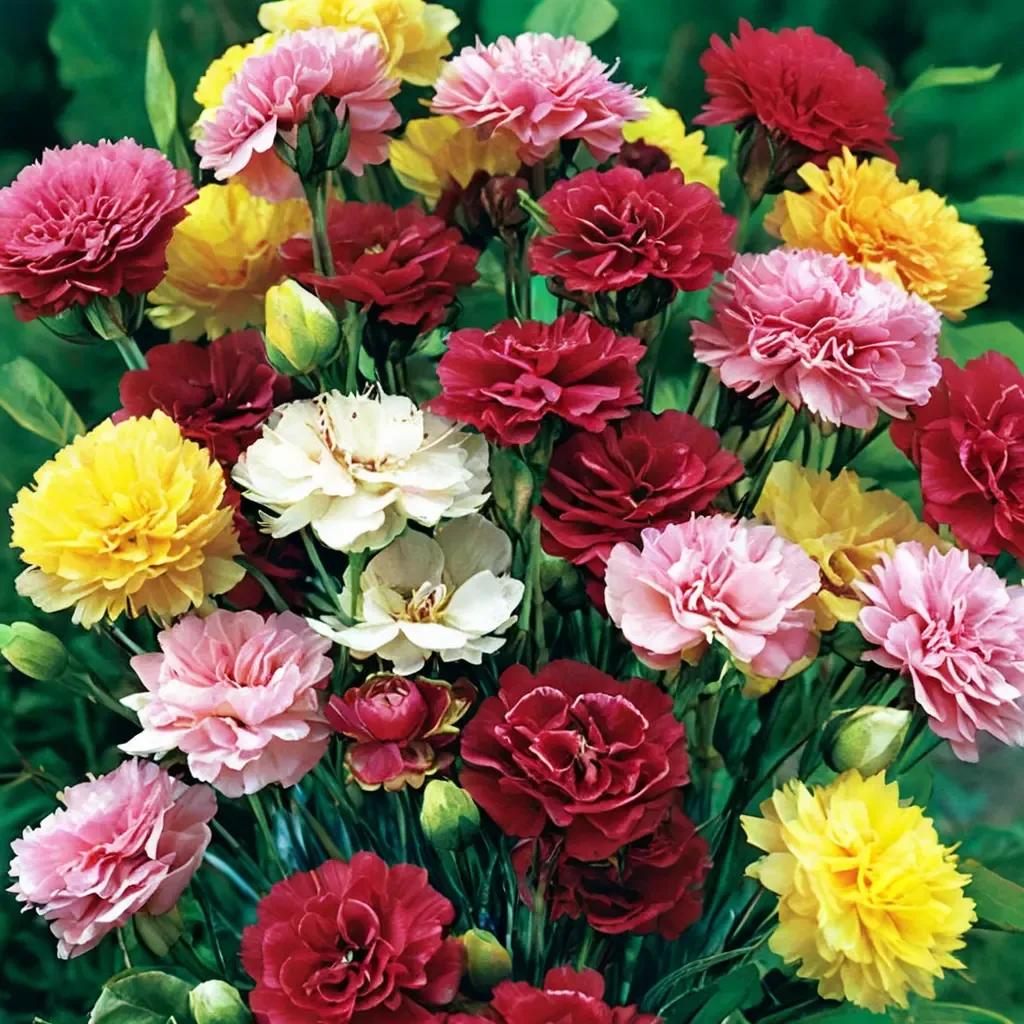
Hardy Carnation
Dianthus caryophyllus 'Hardy Mixed'
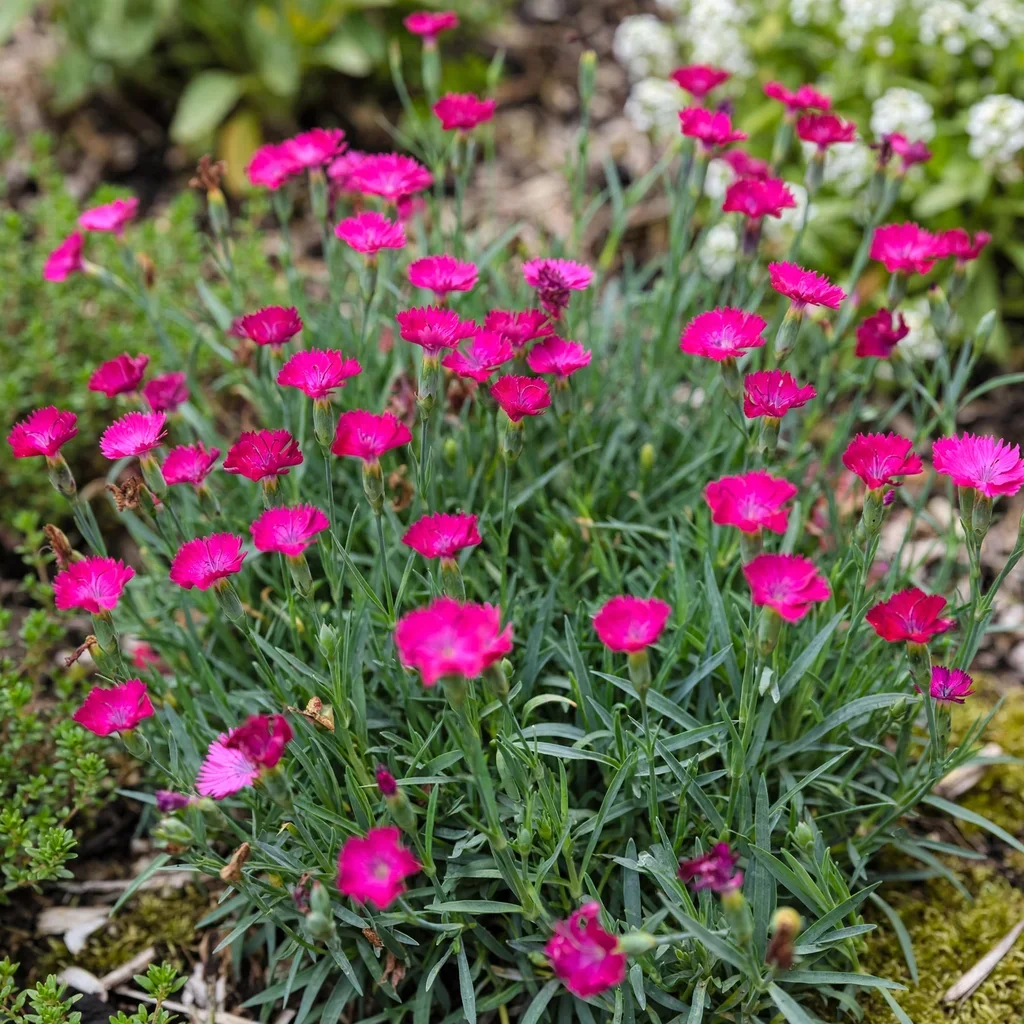
Paint the Town Magenta Pinks
Dianthus x hybrida 'Paint the Town Magenta'
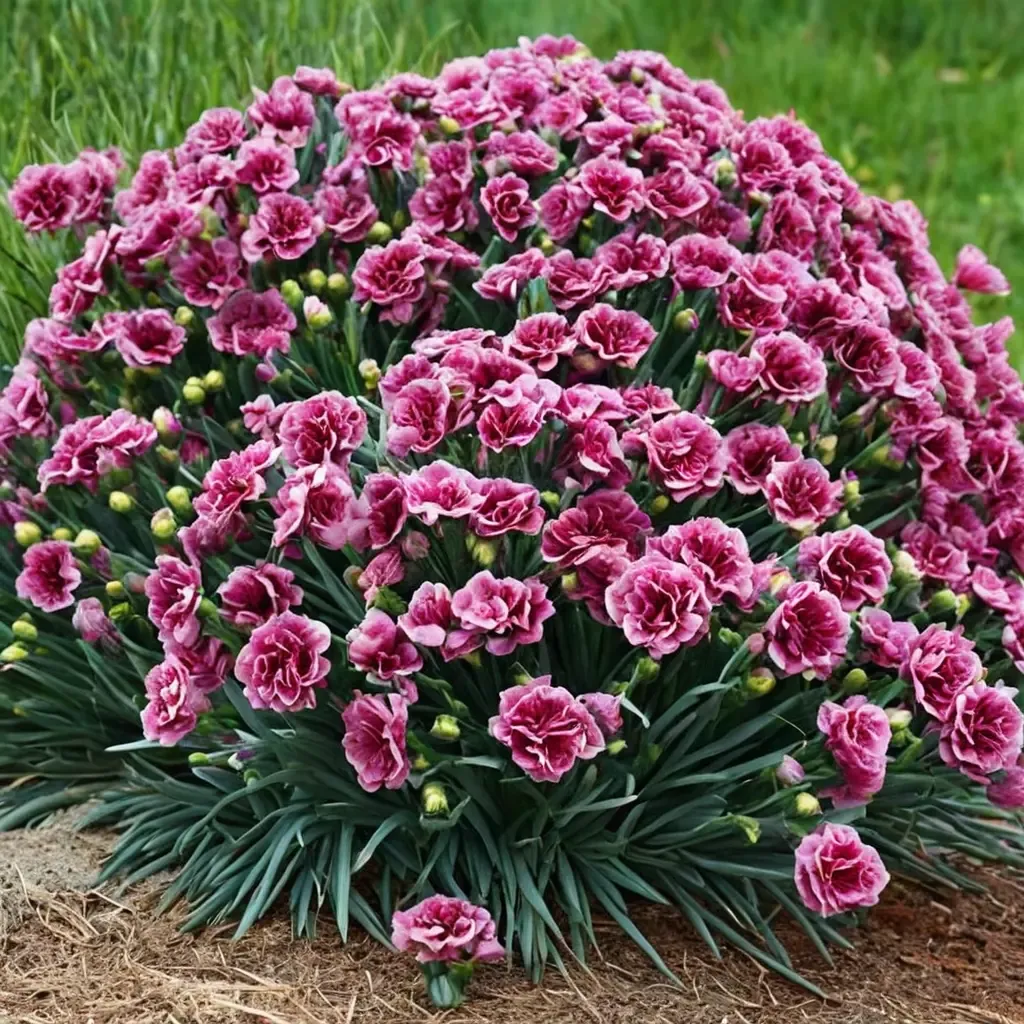
Cherry Vanilla Dianthus
Dianthus x hybrida 'Cherry Vanilla'
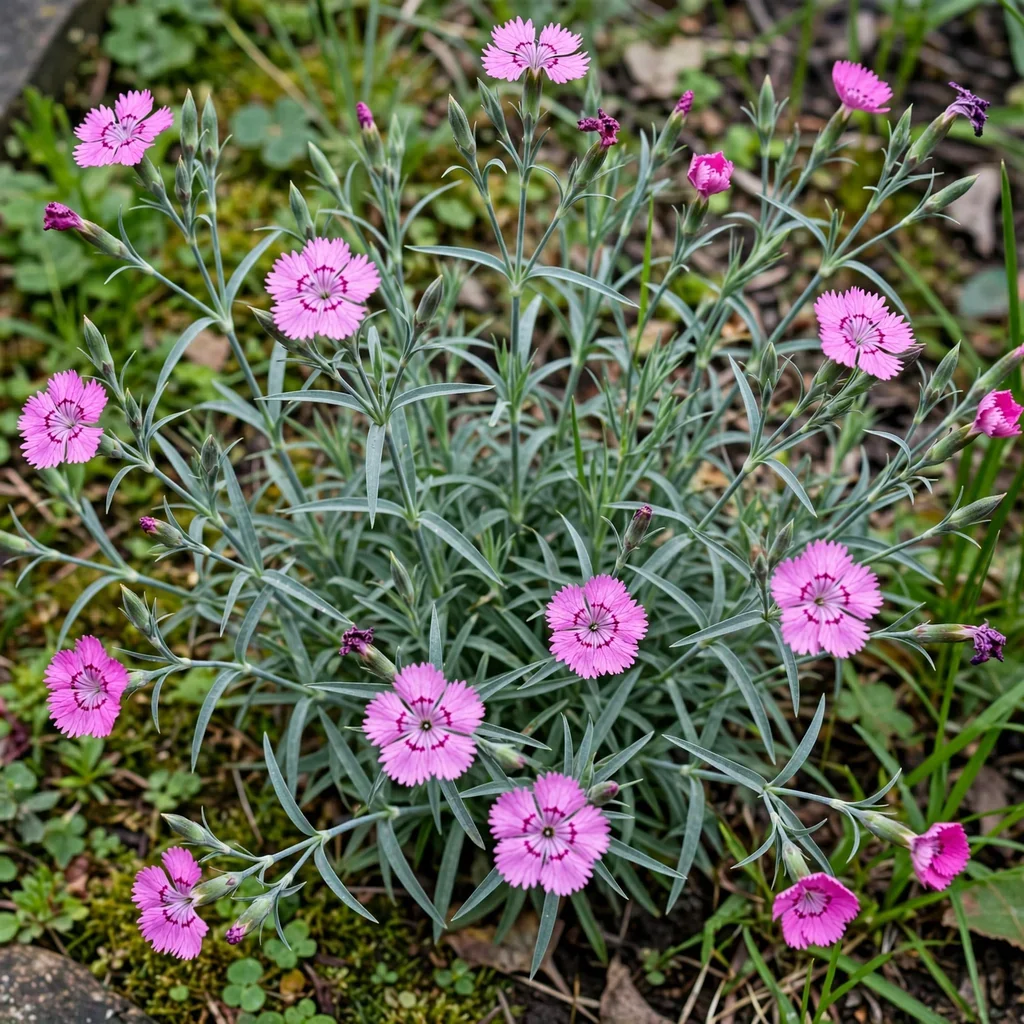
Maiden Pink
Dianthus deltoides
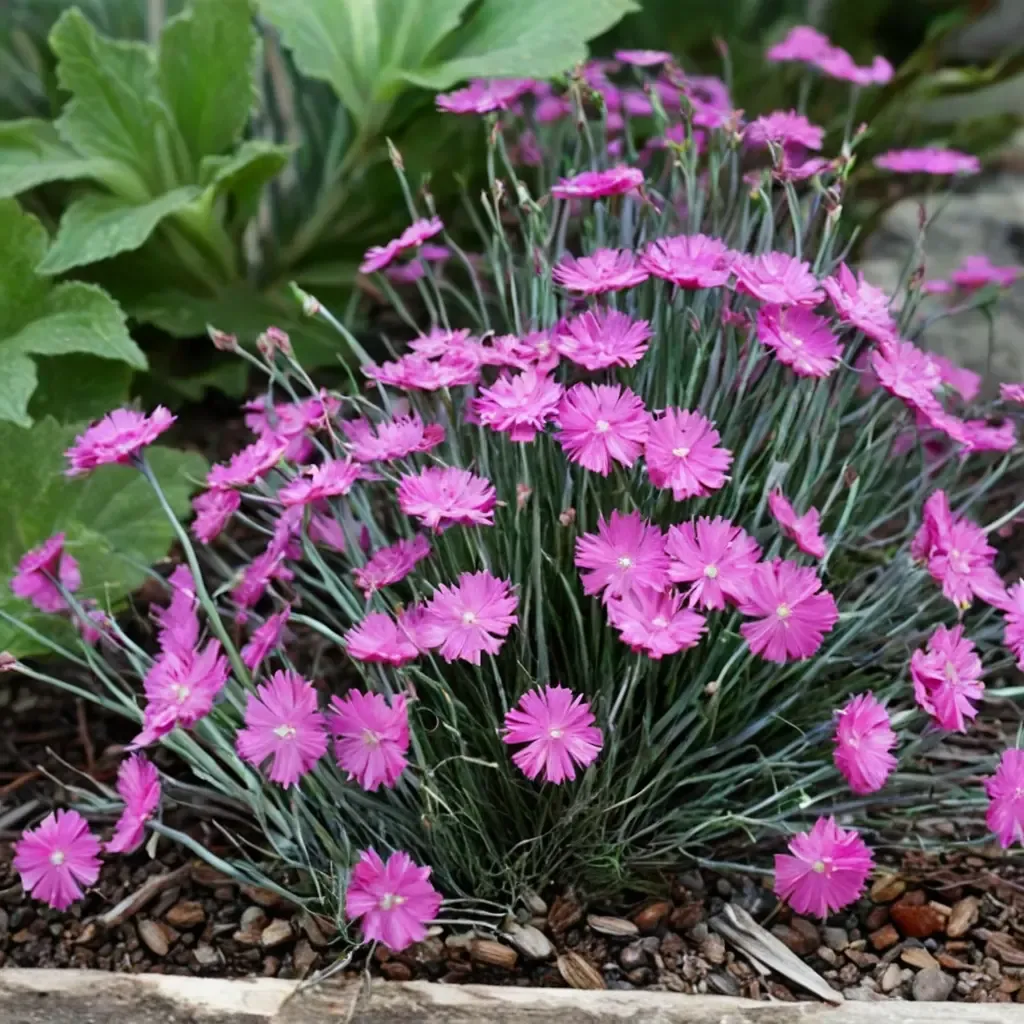
Cheddar Pinks Firewitch
Dianthus gratianopolitanus 'Firewitch'
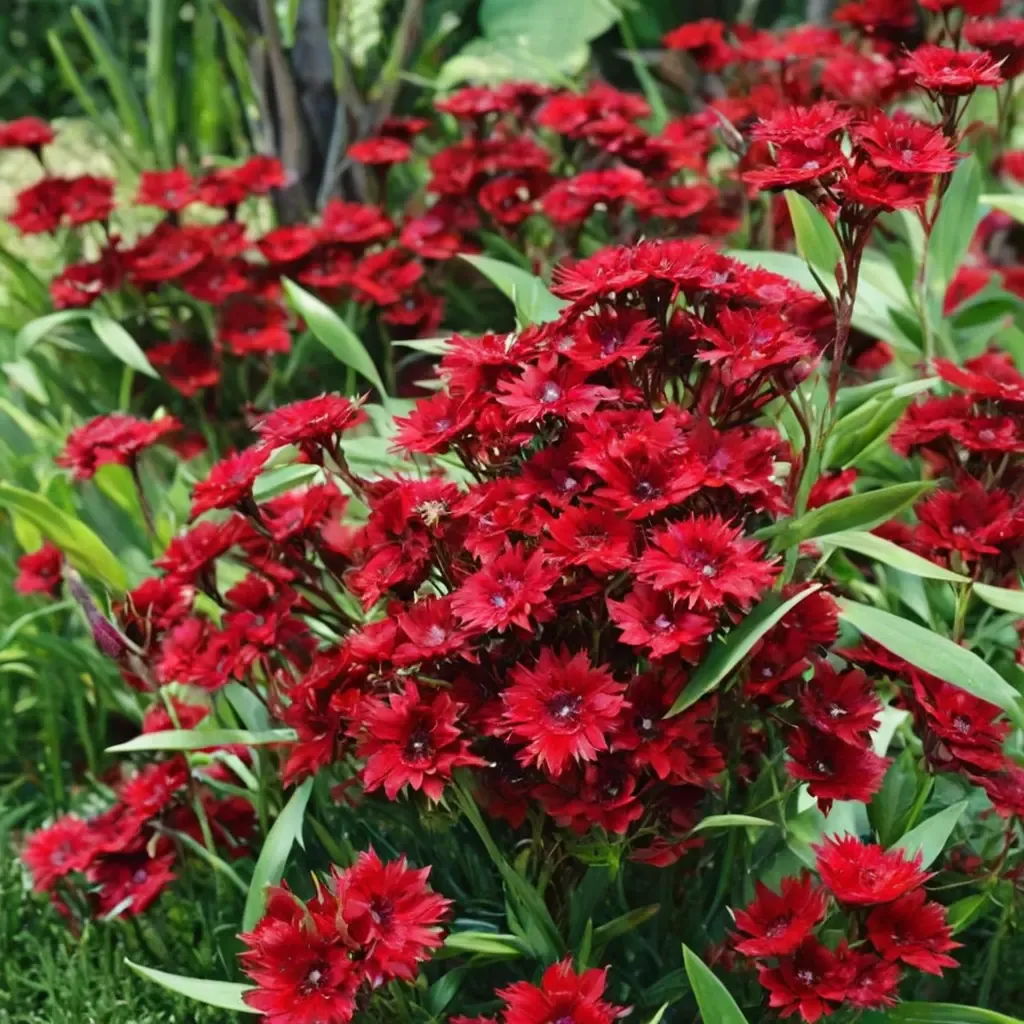
Chinese Pink Rockin' Red Dianthus
Dianthus chinensis 'Rockin' Red'
Keep exploring
Explore the genus
Grow Alpine Pink with confidence
See it in a design of your actual yard, get zone-matched care reminders, and track it season by season in your garden journal.