The Story
Plant Bio
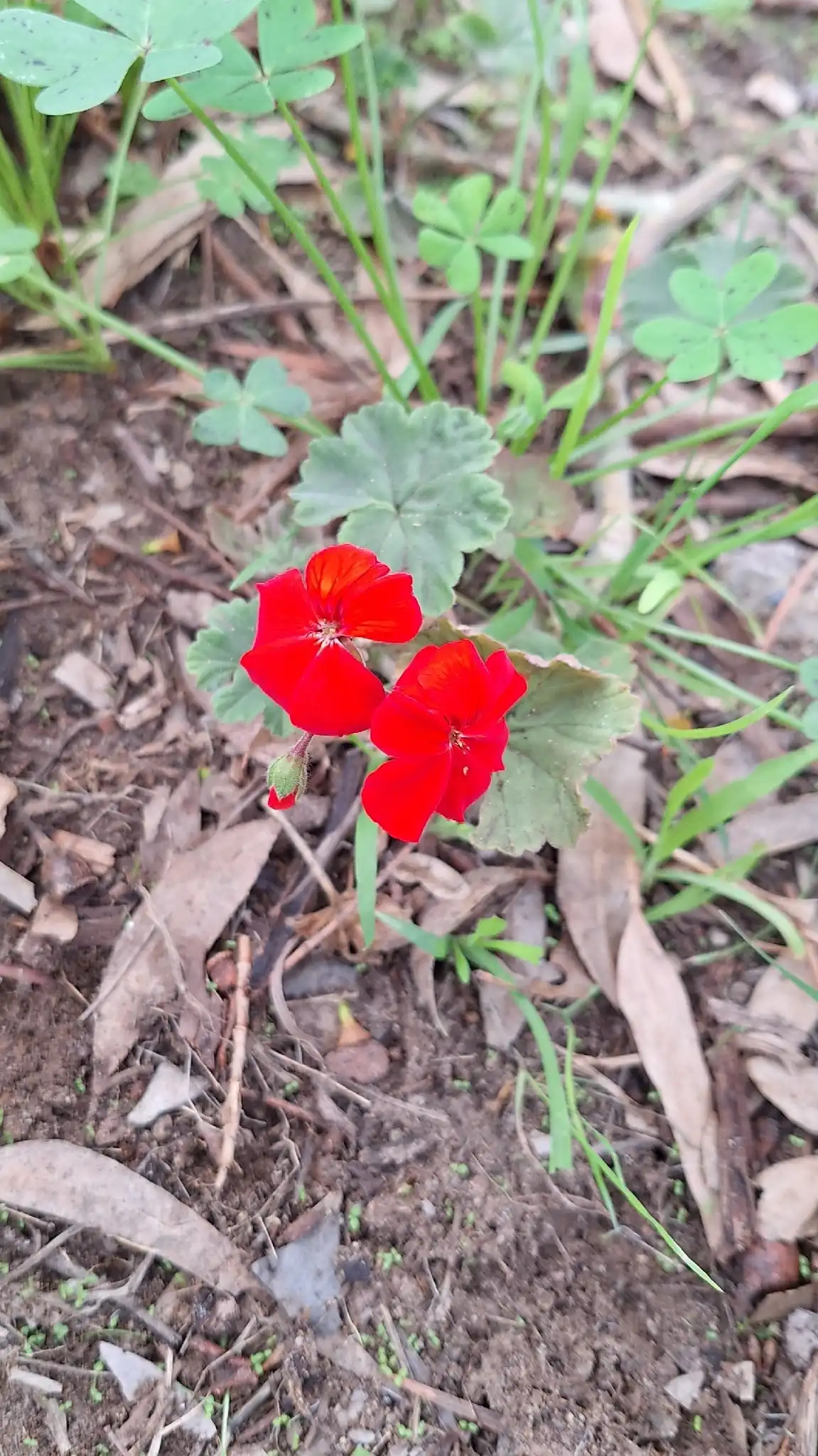
Pelargonium hybridum is a rounded, mounding subshrub featuring succulent stems that gradually become woody at the base. The simple, kidney-shaped leaves display scalloped margins and a distinct, dark horseshoe-shaped band across the surface.
The flowers are held in dense, umbel-like clusters on long peduncles well above the foliage, blooming continuously from spring until the first frost. Individual blossoms can be single, semi-double, or double, appearing in shades of red, pink, salmon, orange, or white.
Uses & Benefits:
Essentials
At a Glance
Plant Type
Perennial
Height
36"
Width
24"
Light
Full Sun, Partial Sun
Zones
10
Water
Moderate
Humidity
Moderate
Lifespan
Tender perennial
Native To
South Africa
Toxicity
Low toxicity to pets and humans
Bloom period
Spring – Autumn
In flower about 9 months of the year
Planting
How to Grow
- Plant in a location that receives at least six hours of direct sunlight daily.
- Use a highly porous, sandy or loamy soil mix with a neutral to slightly acidic pH.
- Water deeply only when the top inch of soil feels dry to the touch.
- Apply a low-nitrogen, high-phosphorus fertilizer monthly during the active growing season.
Pro Tip
Let the soil dry out slightly between waterings and maximize air circulation around the foliage to prevent black leg and other fatal stem rots.
Keep It Thriving
Care Guide
Do
- Deadhead spent flower clusters regularly to stimulate continuous bud production.
- Pinch back growing tips in spring to encourage a bushier, more compact habit.
- Provide excellent drainage to protect the succulent root system from rot.
Don't
- Do not overwater or plant in heavy, moisture-retentive clay soils.
- Never prune back into old, dry, leafless wood, as it rarely regenerates new growth.
- Avoid overhead watering to minimize the risk of fungal leaf diseases.
Seasonal Care Calendar
| Task | Jan | Feb | Mar | Apr | May | Jun | Jul | Aug | Sep | Oct | Nov | Dec |
|---|---|---|---|---|---|---|---|---|---|---|---|---|
| Deadhead | ||||||||||||
| Fertilize | ||||||||||||
| Pest Check | ||||||||||||
| Pinch | ||||||||||||
| Prune |
Watch Out For
Pests & Diseases
Common Pests
Common Diseases
In the Garden
Landscape Uses & Companions
Landscape Uses
Companion Plants
Multiply
Propagation Methods
Good to Know
Common Questions
Zonal Geranium questions
What zones can Zonal Geranium grow in?
Zonal Geranium is hardy in USDA Zone 10. Inside that range it survives winter in the ground; outside it, grow it as an annual or a container plant you protect.
Is Zonal Geranium deer resistant?
Yes — Zonal Geranium is rated deer-resistant. Deer typically pass it over, though extreme hunger can override any plant's defenses.
When does Zonal Geranium bloom?
Zonal Geranium typically blooms in spring through autumn. Exact timing shifts a week or two with your zone — Sow's bloom calendar maps it to your garden.
Does Zonal Geranium need full sun?
Zonal Geranium does best in full sun to part shade. In hot climates, afternoon shade keeps blooms fresher longer.
Is Zonal Geranium drought tolerant?
Yes — once established (usually after the first full season), Zonal Geranium handles dry spells with minimal watering. Water deeply its first year to build the root system that makes that possible.
More Pelargonium to compare
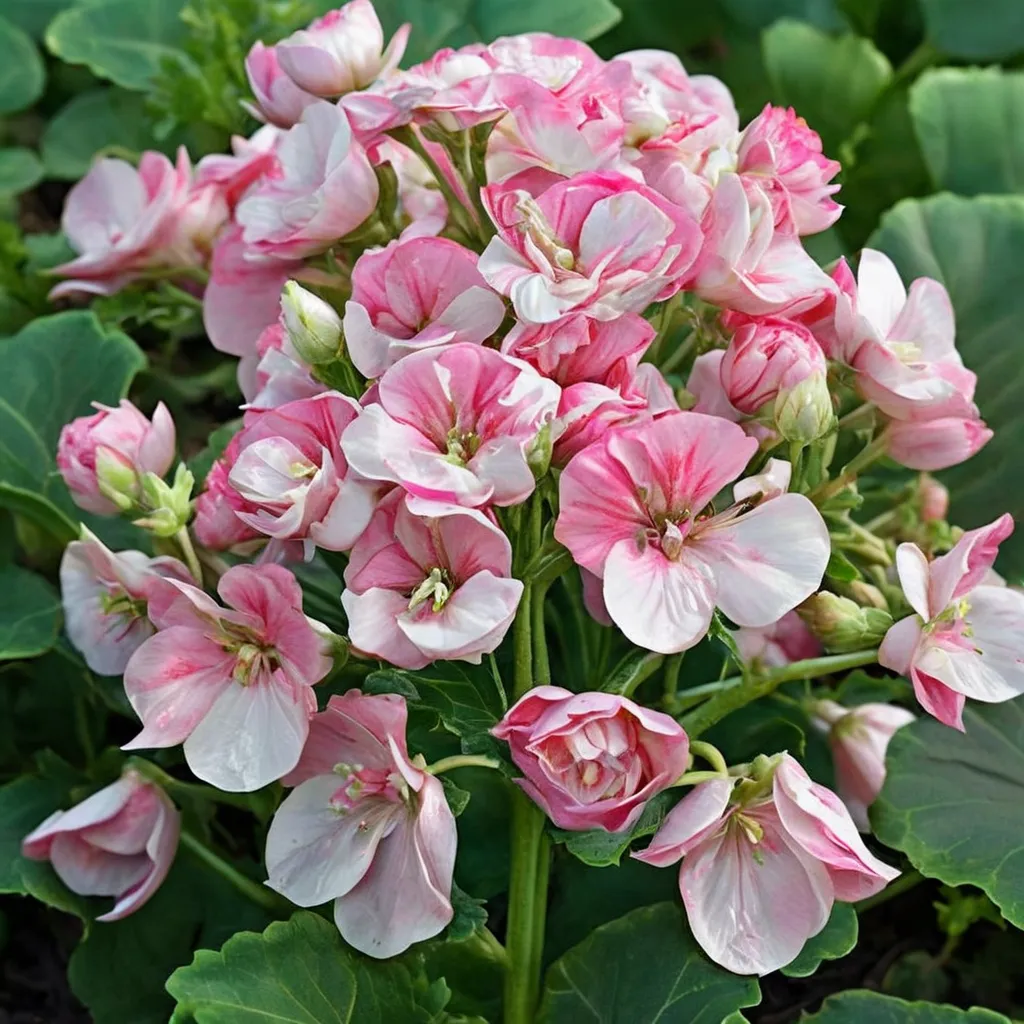
Zonal Geranium 'Appleblossom'
Pelargonium x hortorum 'Appleblossom'
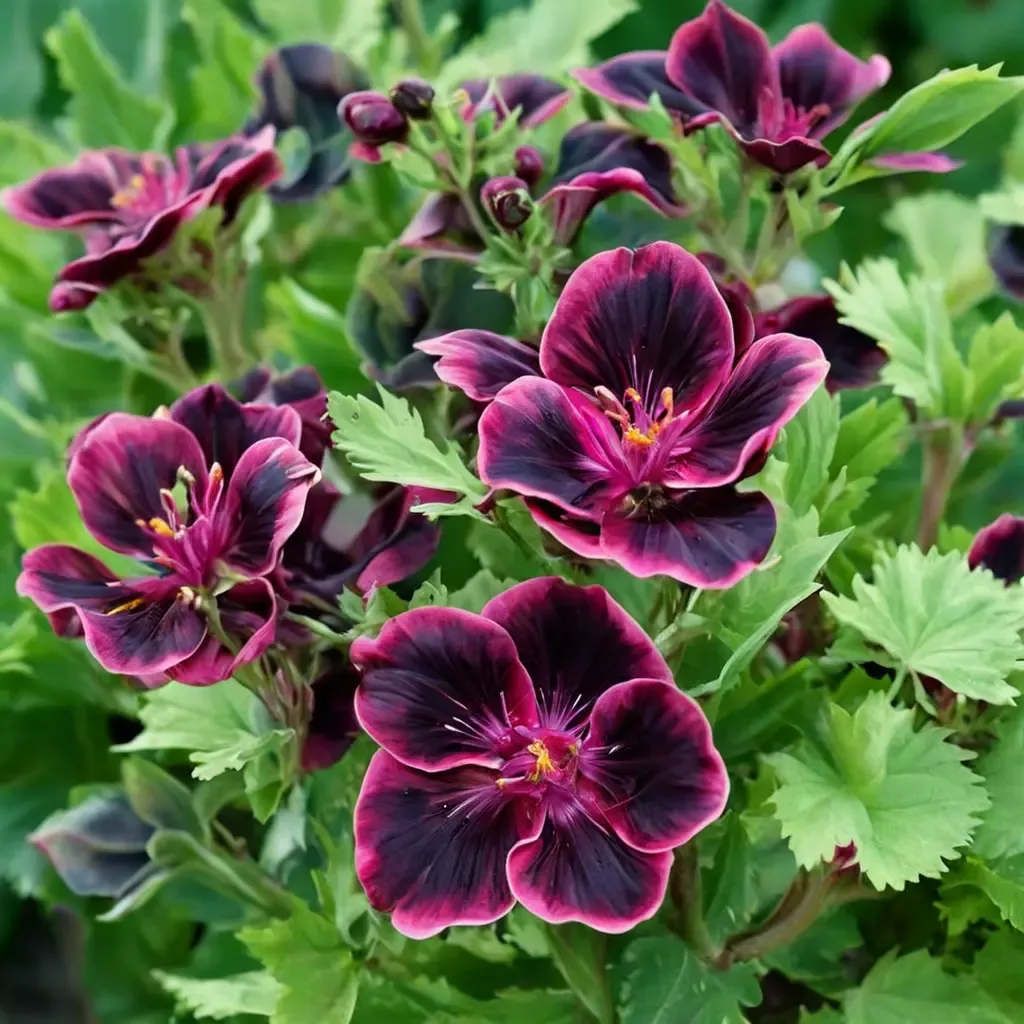
'Lord Bute' Regal Pelargonium
Pelargonium x hortorum 'Lord Bute'
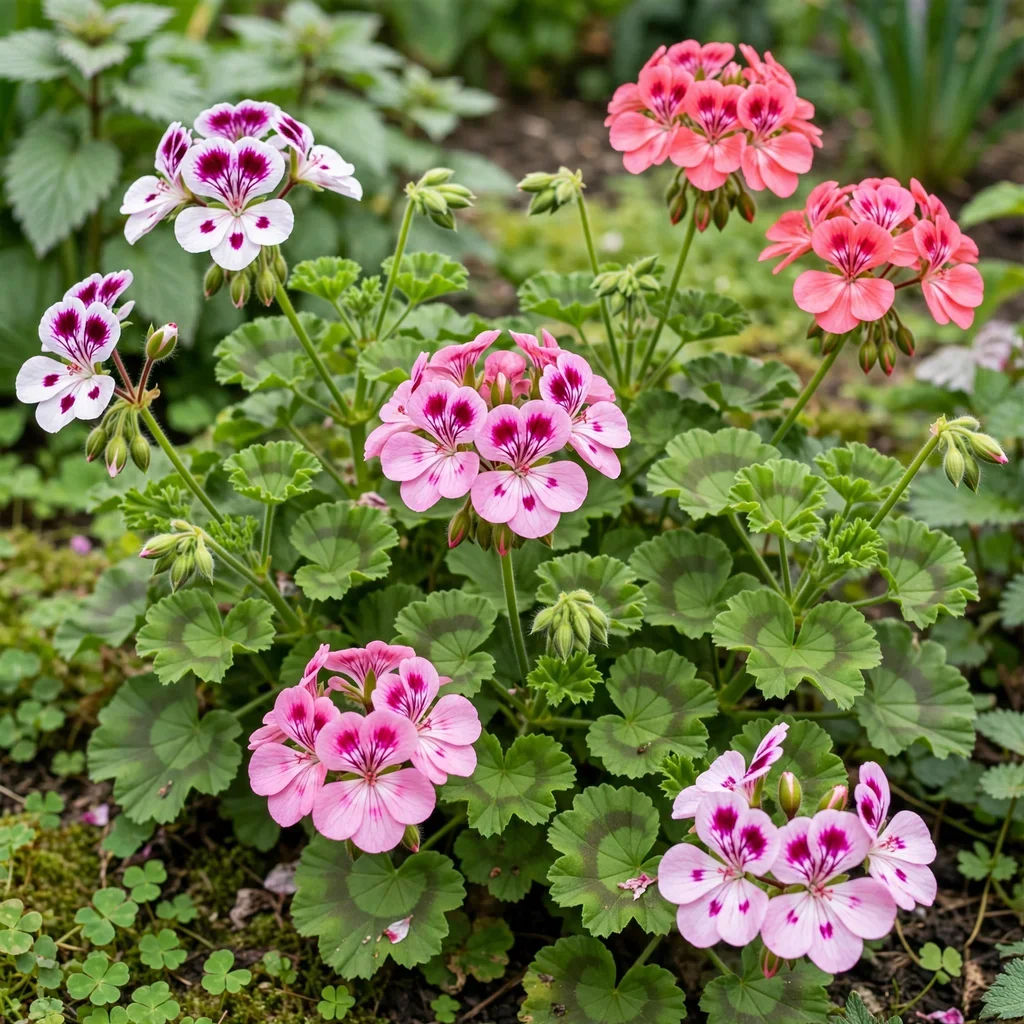
Breeders Mix Zonal Geranium
Pelargonium x hortorum 'Breeders Mix'
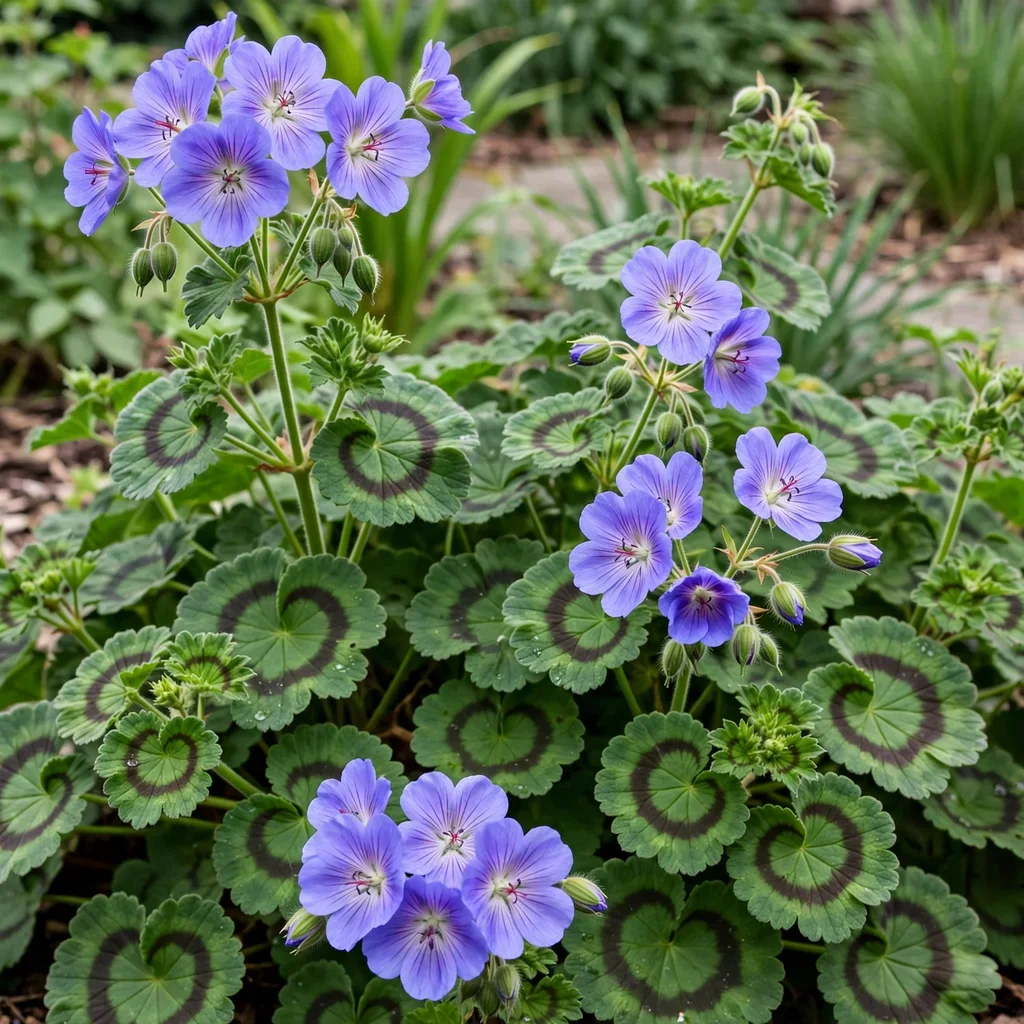
Azure Rush Zonal Geranium
Pelargonium x hortorum 'Azure Rush'
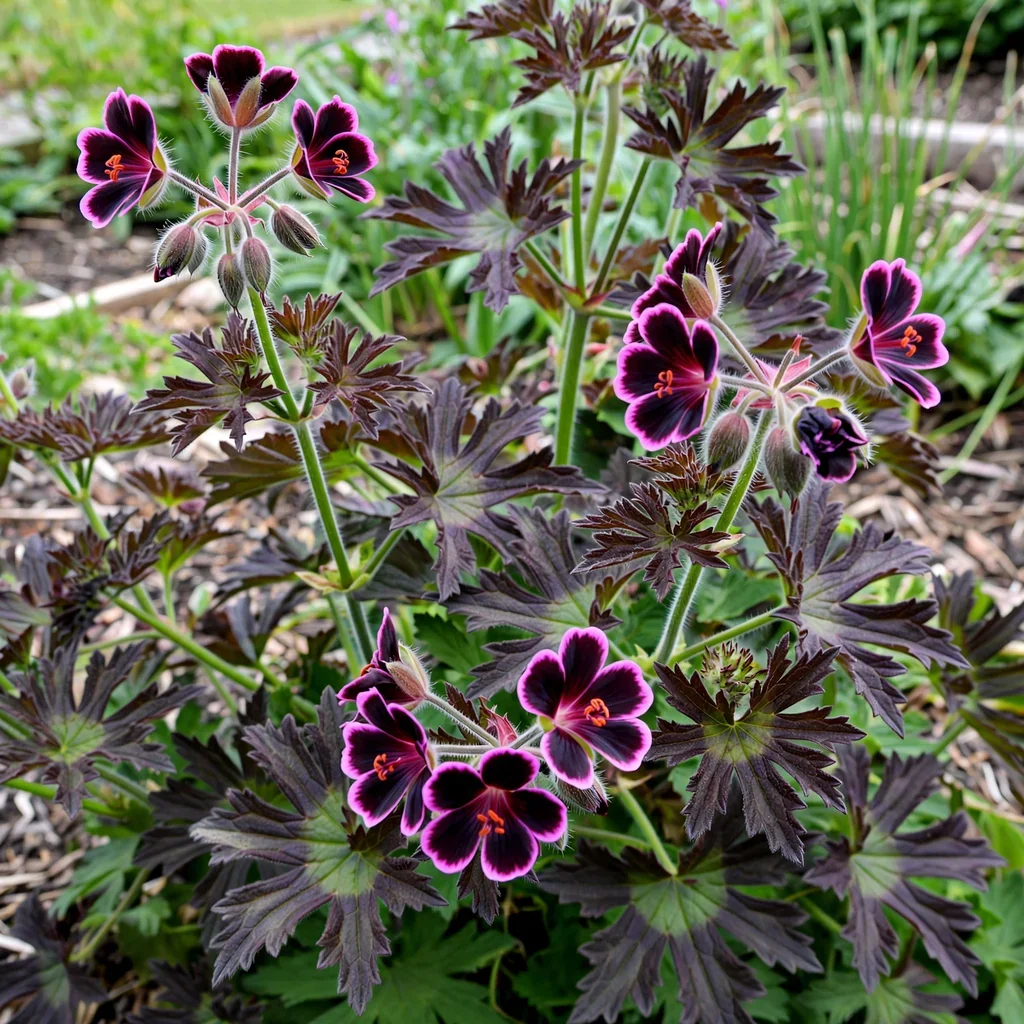
Midnight Ghost Geranium
Pelargonium x hortorum 'Midnight Ghost'
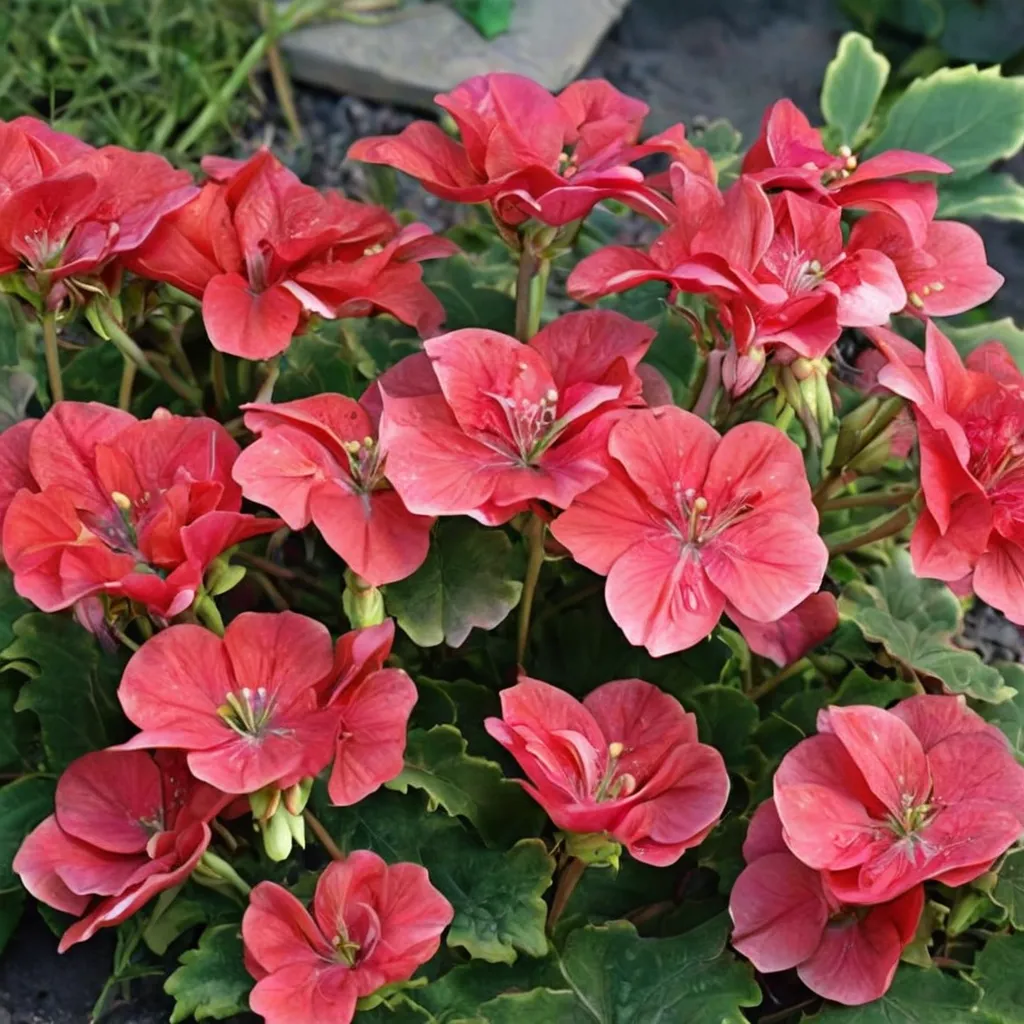
Geranium Cherry Rose
Pelargonium x hortorum 'Cherry Rose'
Keep exploring
Explore the genus
Hardy in your zone?
Grow Zonal Geranium with confidence
See it in a design of your actual yard, get zone-matched care reminders, and track it season by season in your garden journal.