The Story
Plant Bio
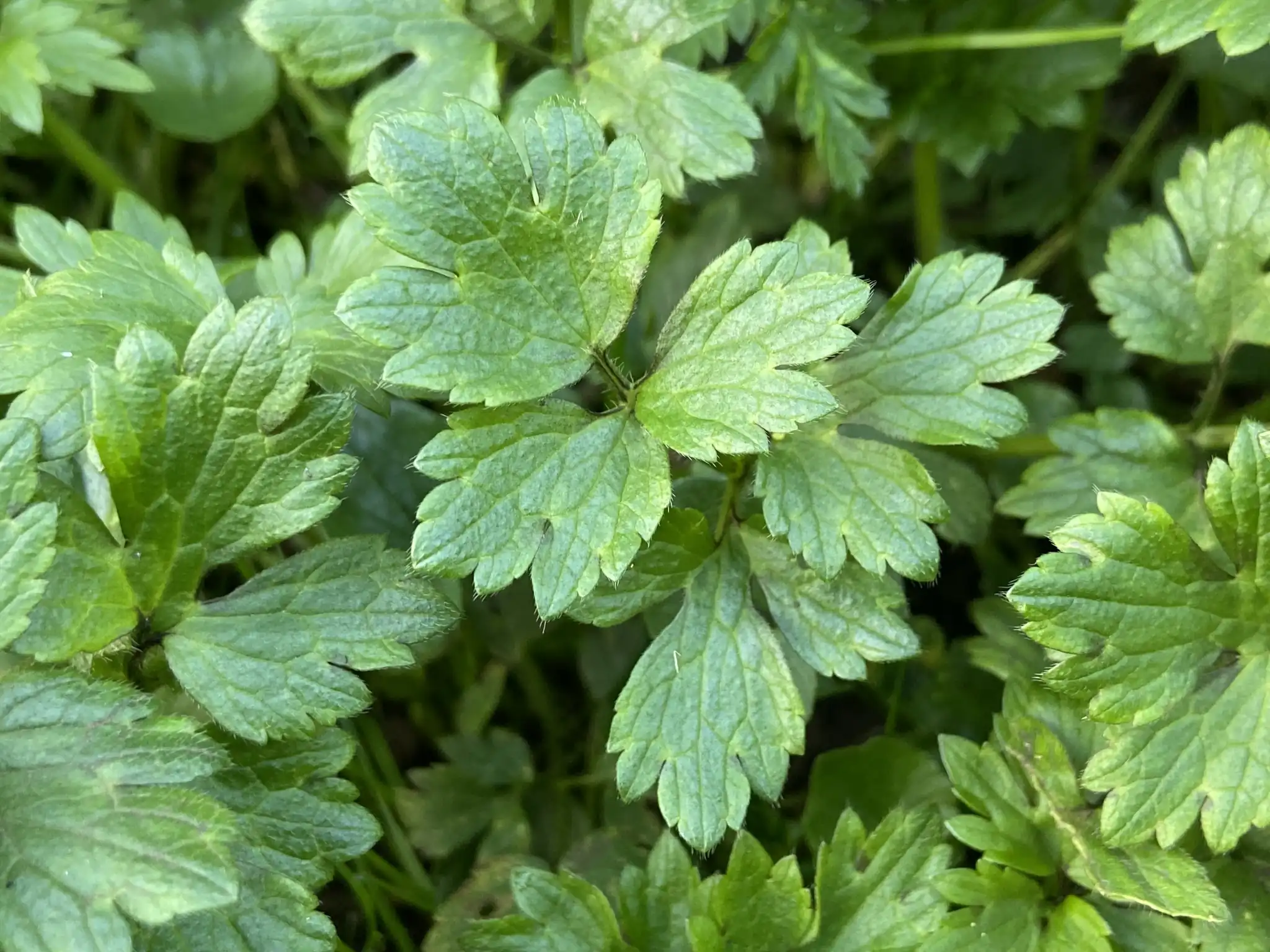
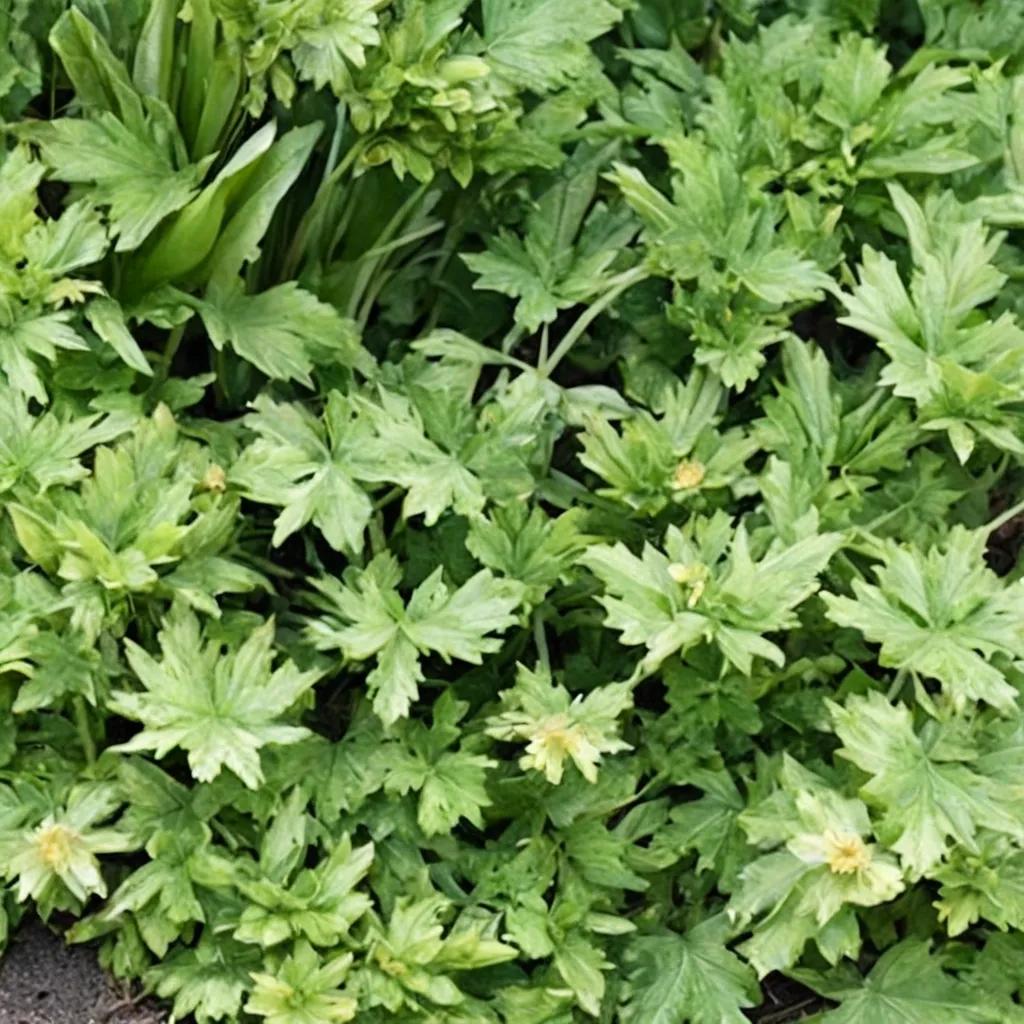
Ranunculus repens, the creeping buttercup, is a low Eurasian perennial nine to twelve inches high that spreads two to three feet by rooting runners. Divided, often pale-blotched leaves form dense mats, and glossy yellow cup flowers open from May to August. It roots at every node, survives mowing, and tolerates both heavy shade and wet ground.
It is invasive across much of North America and one of the harder weeds to remove, since every rooted node regenerates and the runners knit through lawn and border alike. For similar cover in moist shade, plant creeping Jenny or a native sedge instead; if it is already present, lift the whole mat rather than pulling at individual stems.
Uses & Benefits:
Essentials
At a Glance
Plant Type
Perennial
Height
8"
Width
30"
Light
Full Sun, Partial Sun
Zones
4, 5, 6, 7, 8
Water
Medium to high
Humidity
Average to high
Lifespan
Perennial
Native To
Eurasia
Toxicity
Toxic if ingested; sap irritates skin
Planting
How to Grow
- Check whether it is listed as invasive in your area first.
- If growing it, confine it to a bounded, edged area.
- Site in sun to shade in medium to wet soil.
- Water enough to keep the soil moist.
- Cut the runners back before they root beyond the edge.
- Lift entire mats rather than pulling individual stems.
Pro Tip
Pulling at the stems leaves the rooted nodes behind and achieves nothing; the mat has to come up whole to make any difference.
Keep It Thriving
Care Guide
Do
- Check local invasive listings before planting 📋
- Confine it to a hard-edged area 🧱
- Cut back runners before they root 🌿
- Wear gloves; the sap blisters skin 🧤
Don't
- Plant it near lawns, borders or wild land ❌
- Pull at stems and leave rooted nodes behind ❌
- Let livestock graze where it grows ❌
Seasonal Care Calendar
| Task | Jan | Feb | Mar | Apr | May | Jun | Jul | Aug | Sep | Oct | Nov | Dec |
|---|---|---|---|---|---|---|---|---|---|---|---|---|
| Clear | ||||||||||||
| Control |
Watch Out For
Pests & Diseases
Common Pests
Common Diseases
In the Garden
Landscape Uses & Companions
Landscape Uses
Multiply
Propagation Methods
Good to Know
Common Questions
Creeping Buttercup questions
What zones can Creeping Buttercup grow in?
Creeping Buttercup is hardy in USDA Zones 4–8. Inside that range it survives winter in the ground; outside it, grow it as an annual or a container plant you protect.
Is Creeping Buttercup deer resistant?
Not reliably. Deer may browse Creeping Buttercup, especially tender spring growth — plan on repellents or fencing where pressure is high.
When does Creeping Buttercup bloom?
Creeping Buttercup typically blooms in late spring through summer through late spring. Exact timing shifts a week or two with your zone — Sow's bloom calendar maps it to your garden.
Does Creeping Buttercup need full sun?
Creeping Buttercup does best in full sun to part shade. In hot climates, afternoon shade keeps blooms fresher longer.
More Ranunculus to compare
Greater Spearwort
Ranunculus lingua
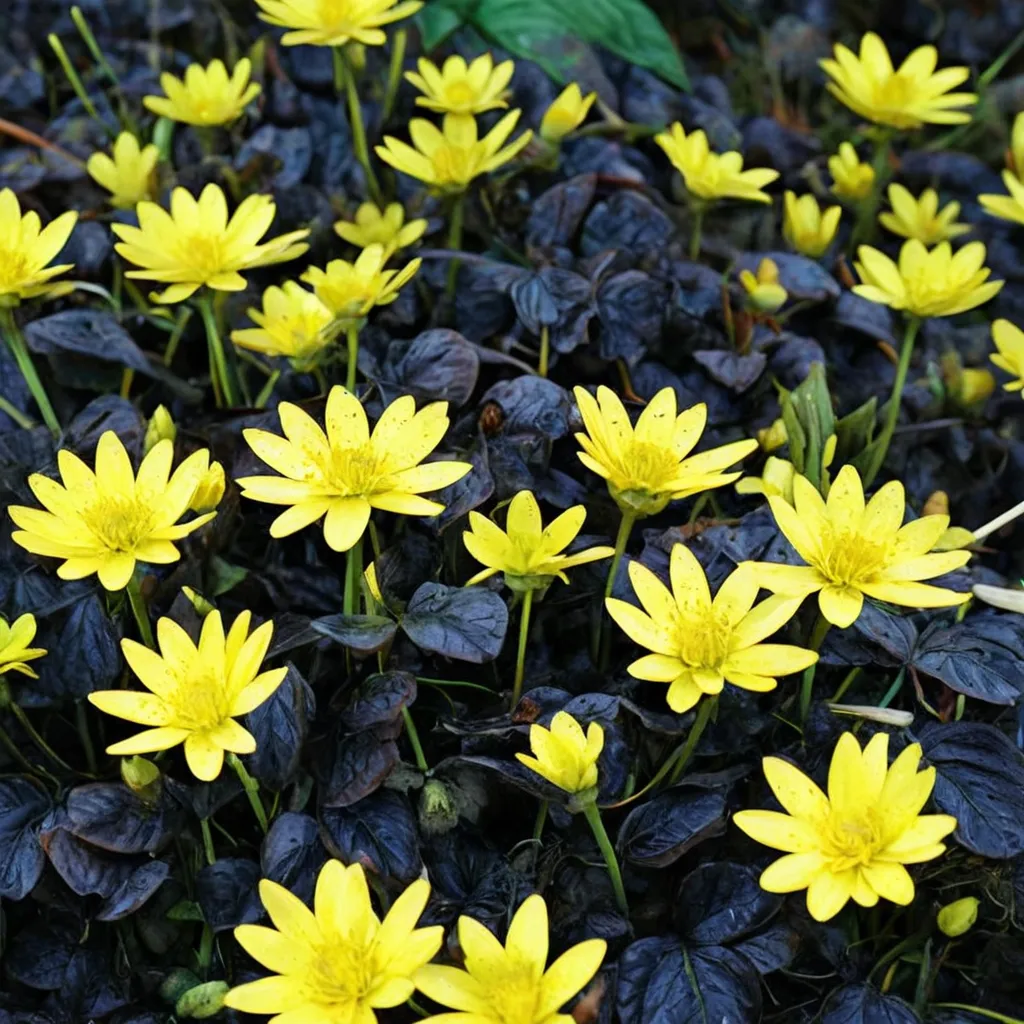
'Brazen Hussy' Lesser Celandine
Ranunculus ficaria 'Brazen Hussy'
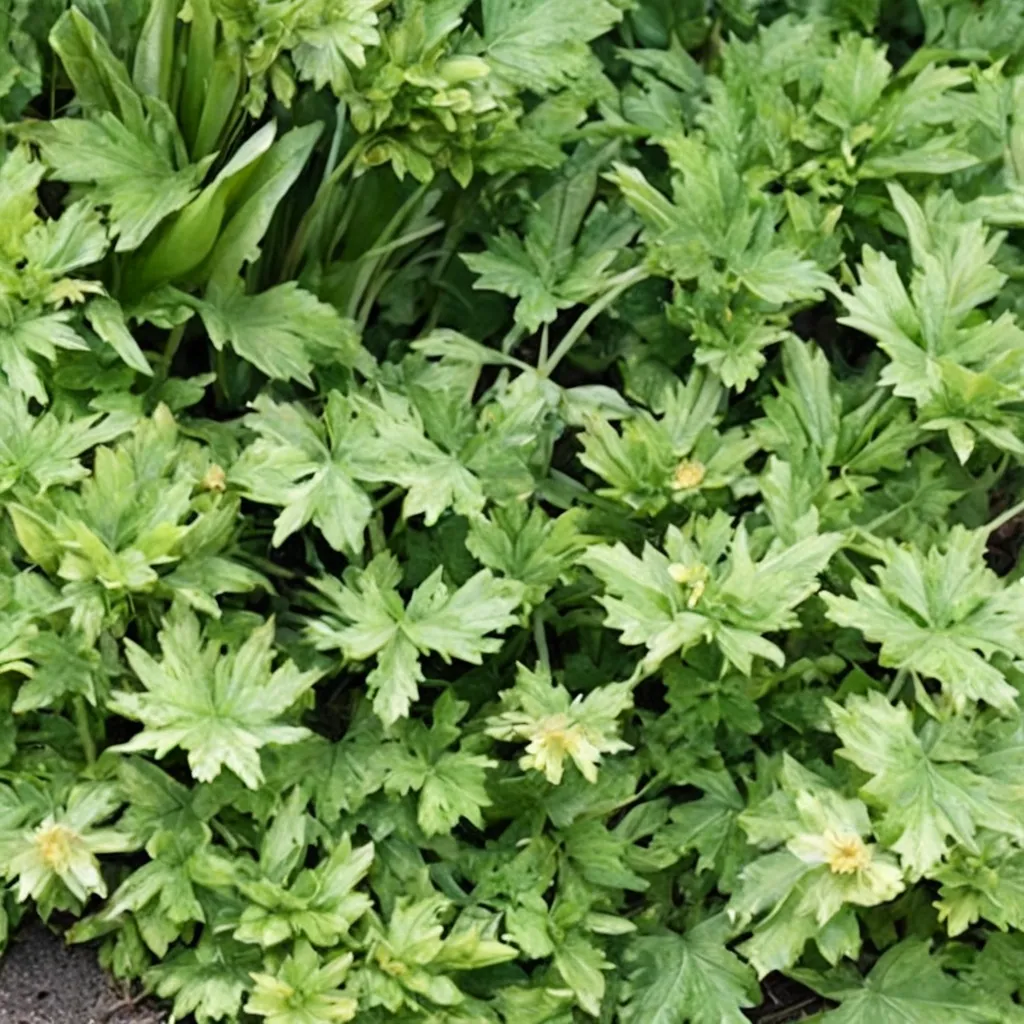
'Buttered Popcorn' Creeping Buttercup
Ranunculus repens 'Buttered Popcorn'
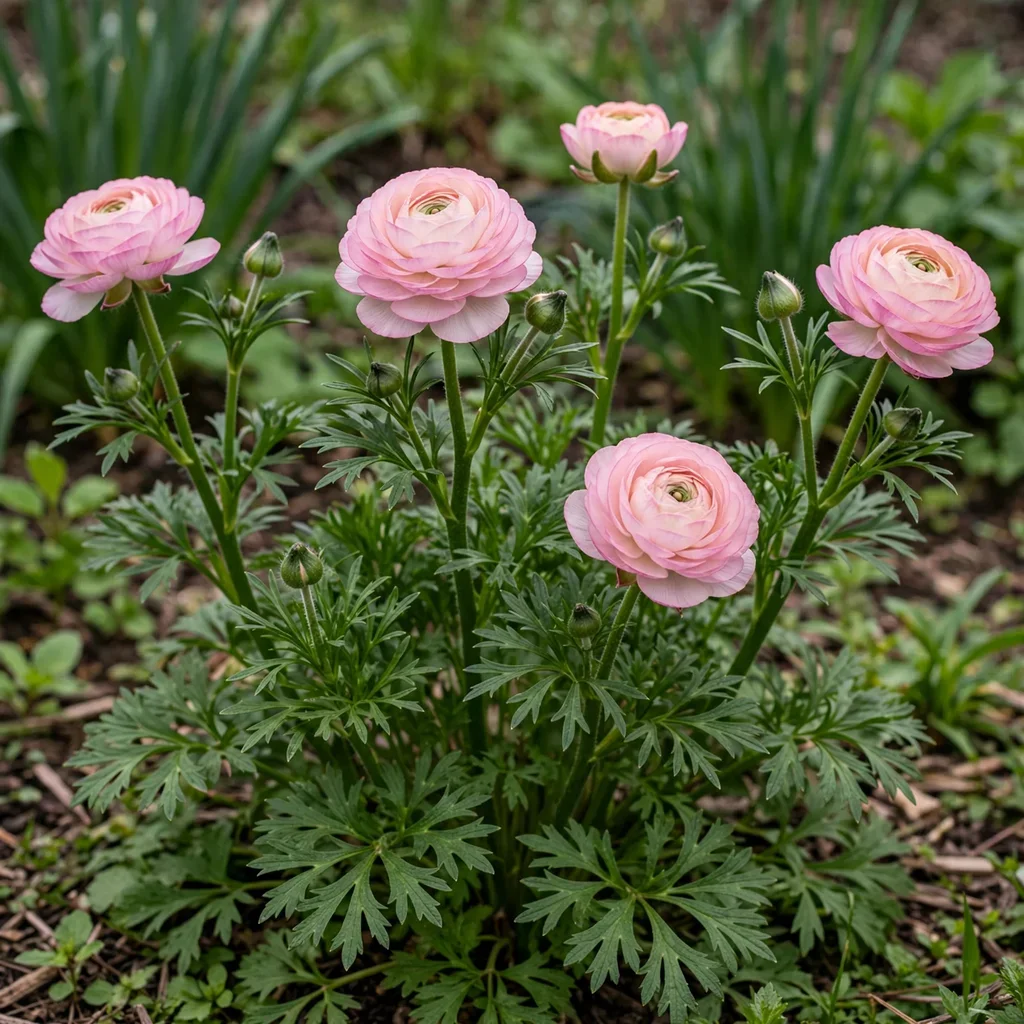
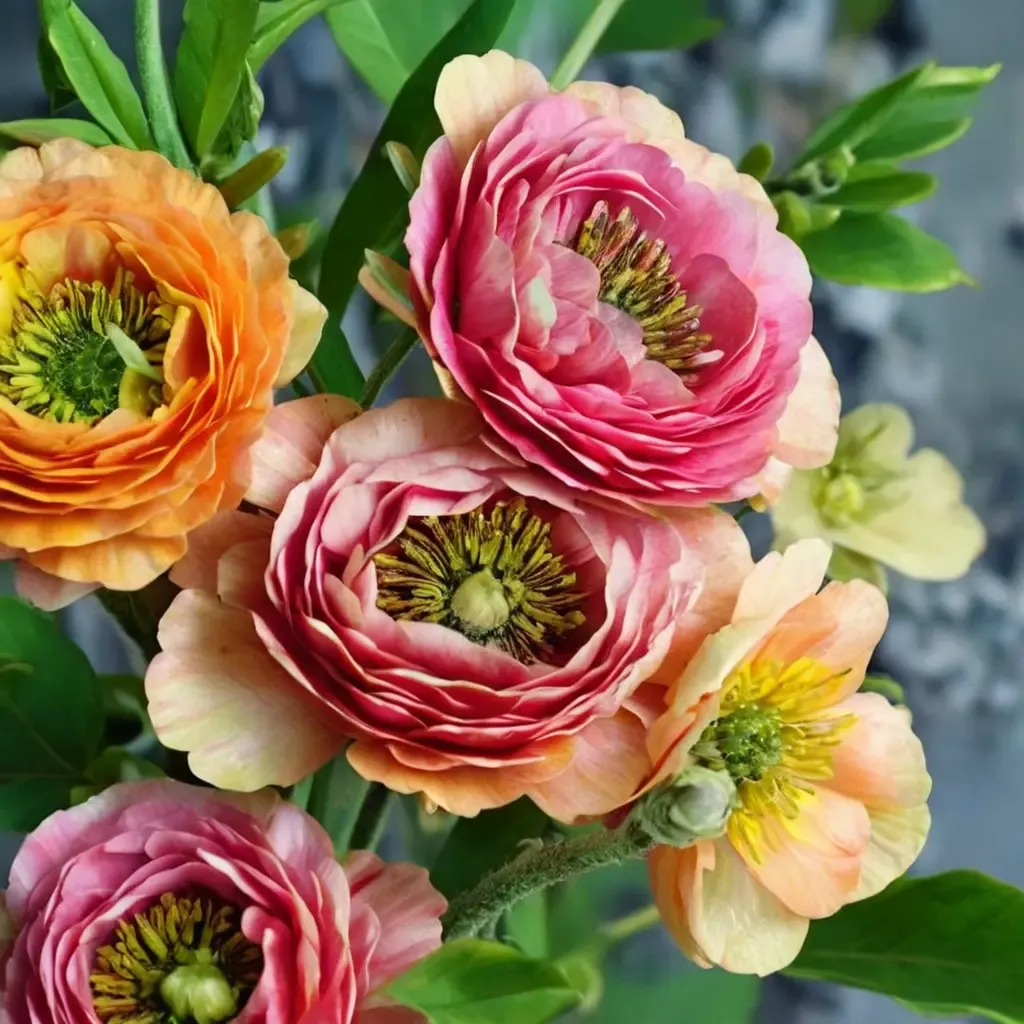
Persian Buttercup 'Amandine Pastel Pink'
Ranunculus asiaticus 'Amandine Pastel Pink'
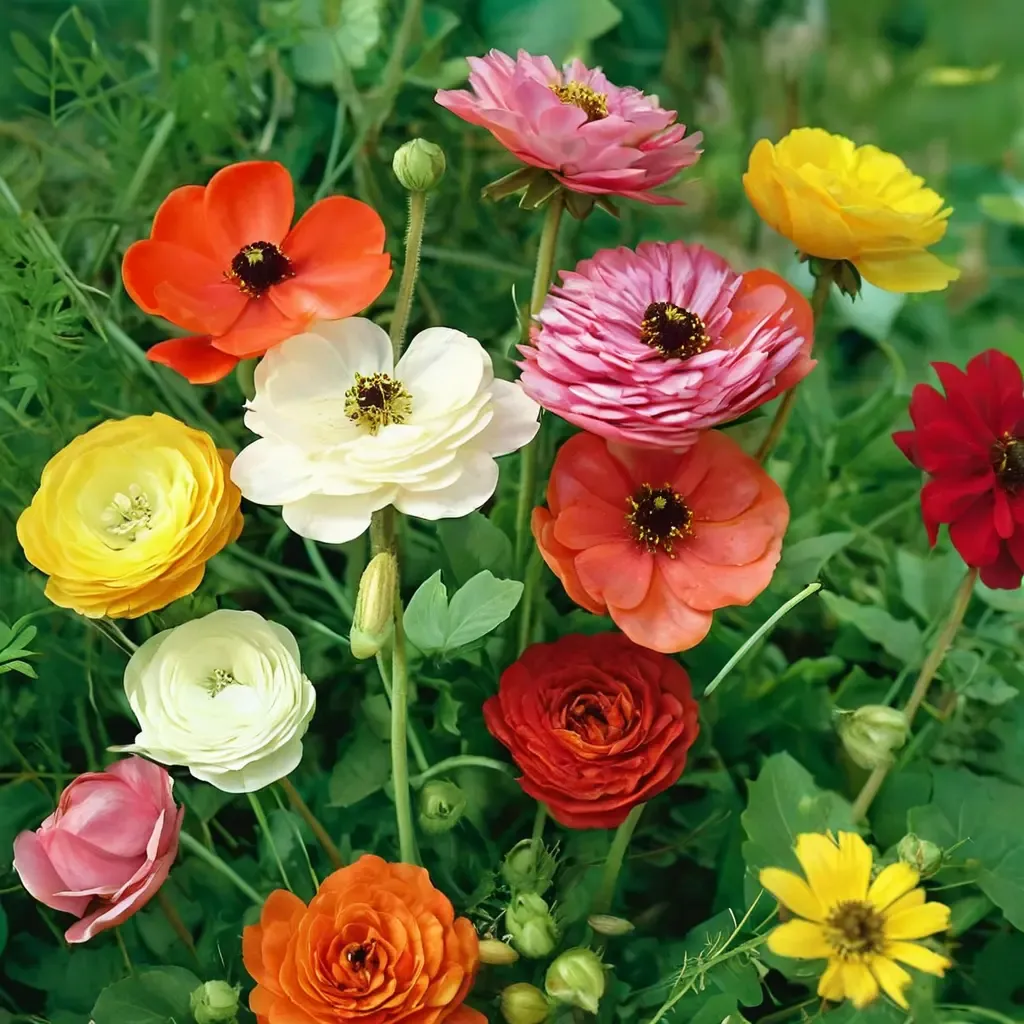
Persian Buttercup
Ranunculus asiaticus
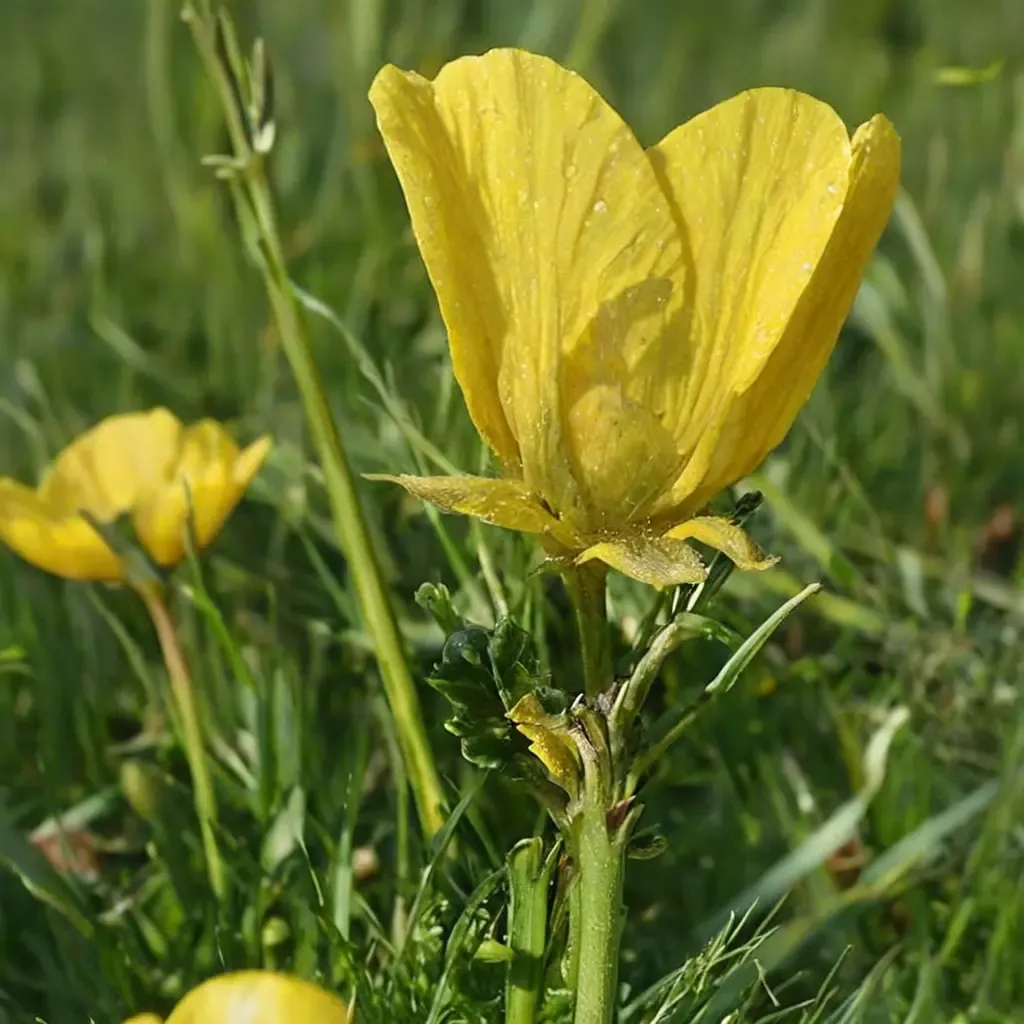
Bulbous Buttercup
Ranunculus bulbosus 'Mix'
Keep exploring
Explore the genus
Hardy in your zone?
Grow Creeping Buttercup with confidence
See it in a design of your actual yard, get zone-matched care reminders, and track it season by season in your garden journal.