Species
3 other cultivars


The Story
Plant Bio
× Cuprocyparis leylandii is a fast-growing, evergreen hybrid conifer originating from a cross between Cupressus macrocarpa and Chamaecyparis nootkatensis. It develops a dense, broad-columnar to pyramidal form with upright branches that extend to the ground.
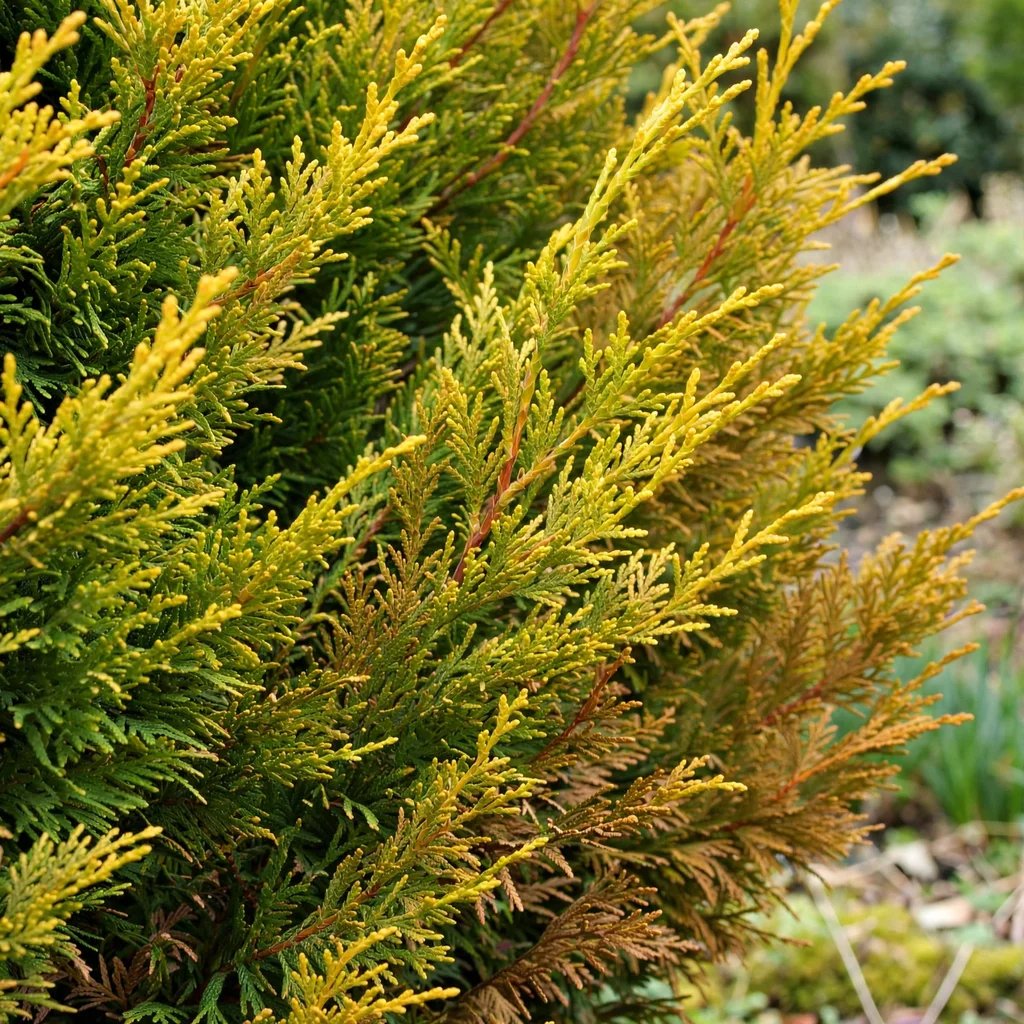
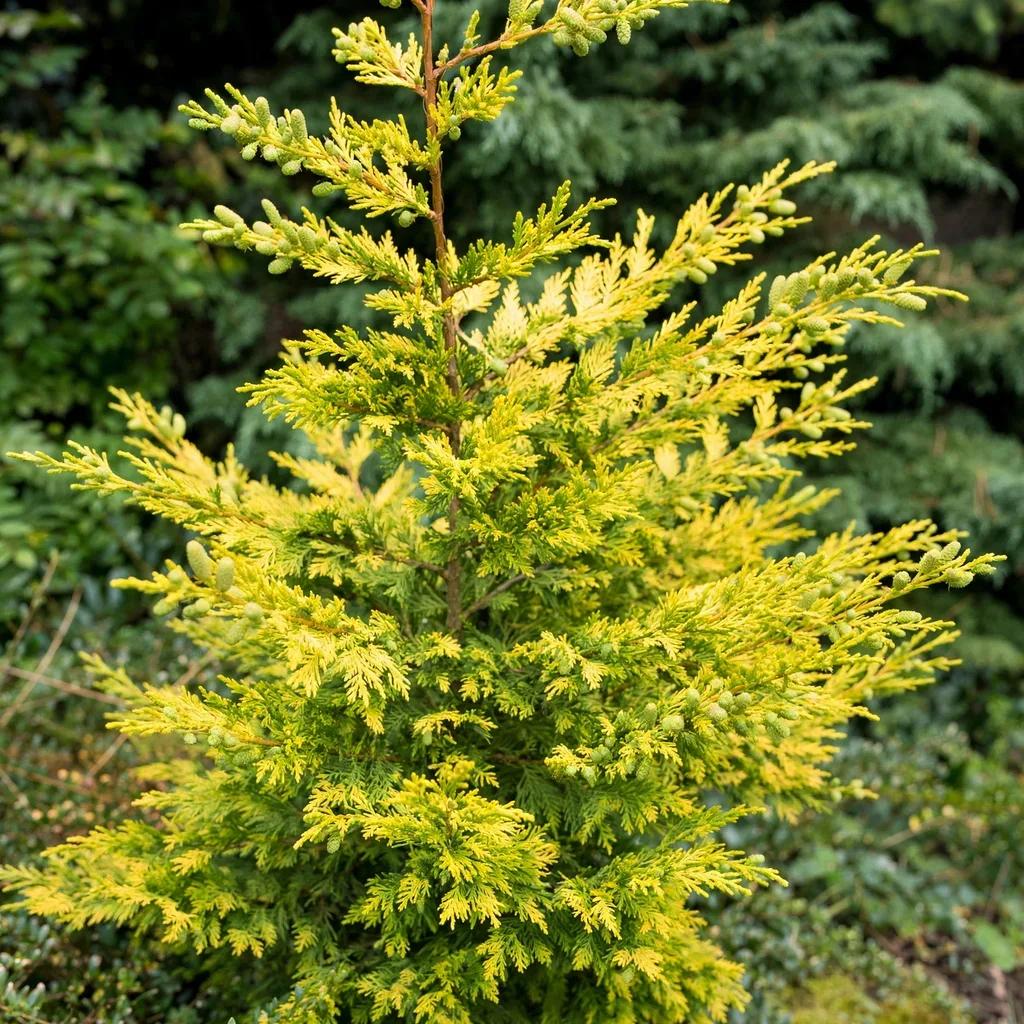
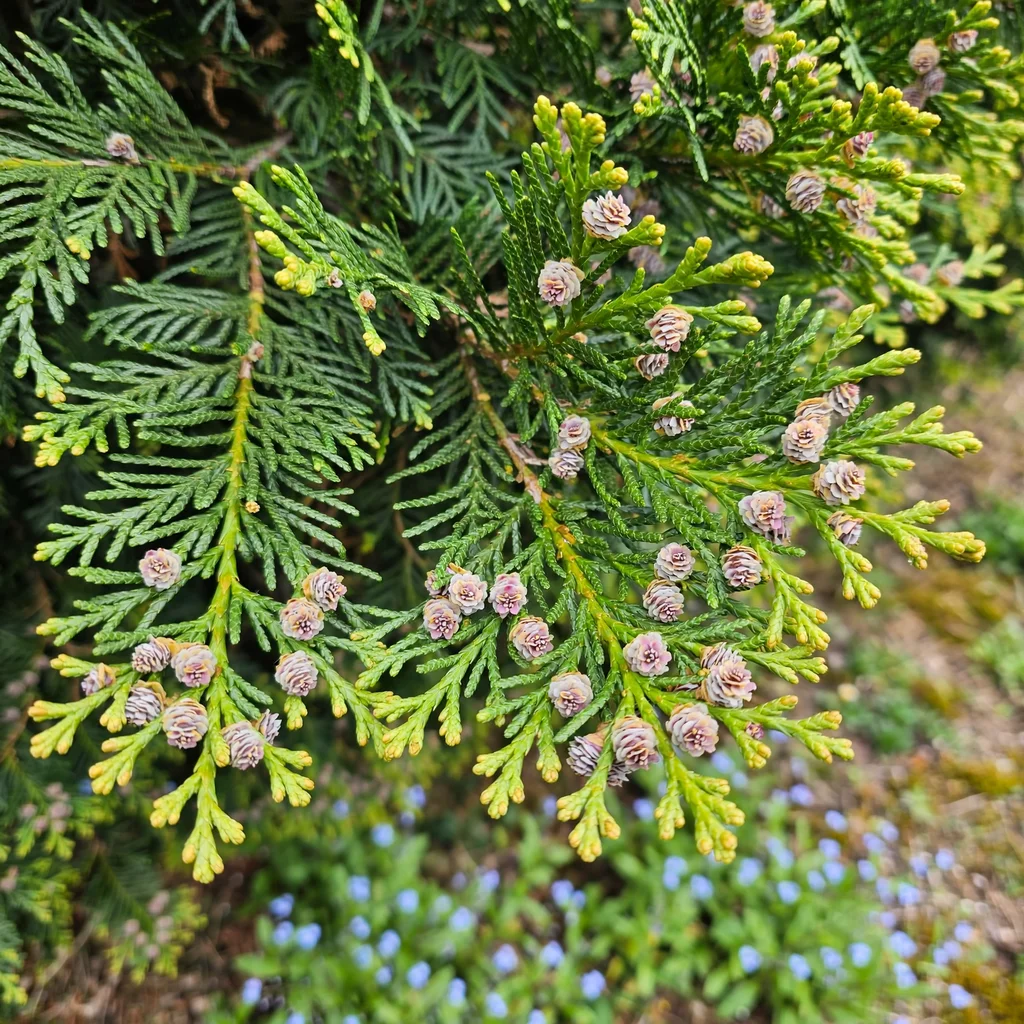
'Castlewellan Gold' is distinguished by its scale-like foliage that emerges a bright golden-yellow before maturing to a deep green-gold. The foliage often transitions to warm bronze tones during the winter months.
Uses & Benefits:
Essentials
At a Glance
Plant Type
Tree
Height
393"
Width
157"
Light
Full Sun, Partial Sun
Zones
6, 7, 8, 9, 10
Water
Moderate
Humidity
Moderate
Lifespan
Long-lived
Native To
United Kingdom (cultivated origin)
Toxicity
Skin Irritant
Planting
How to Grow
- Select a planting site in full sun to ensure the foliage retains its bright golden coloration.
- Dig a hole twice as wide as the root ball and of equal depth, ensuring the soil is well-drained.
- Position the plant so the root flare sits level with or slightly above the surrounding soil grade.
- Backfill with native soil, water deeply to settle, and apply a layer of organic mulch to conserve moisture.
- Water regularly during the first growing season to establish a deep, drought-tolerant root system.
Pro Tip
Space plants at least 10 to 15 feet apart to maintain lateral airflow; crowding deprives lower branches of light and traps humidity, which triggers fatal Seiridium canker.
Keep It Thriving
Care Guide
Do
- Prune or shear the outer foliage one to two times per year in late spring and mid-summer to maintain shape and density.
- Provide at least 10 to 15 feet of space between plants when planting a screen to ensure adequate air circulation.
- Apply a balanced, slow-release conifer fertilizer annually in early spring.
Don't
- Never prune back hard into old, brown, leafless wood, as the plant lacks dormant buds on old wood and will not regenerate.
- Do not plant in waterlogged, heavy clay, or chronically saturated soils.
- Avoid planting in regions combining extreme summer heat with high humidity where the plant struggles.
Seasonal Care Calendar
| Task | Jan | Feb | Mar | Apr | May | Jun | Jul | Aug | Sep | Oct | Nov | Dec |
|---|---|---|---|---|---|---|---|---|---|---|---|---|
| Fertilize | ||||||||||||
| Pest Check | ||||||||||||
| Propagate | ||||||||||||
| Prune |
Watch Out For
Pests & Diseases
Common Pests
Common Diseases
In the Garden
Landscape Uses & Companions
Landscape Uses
Companion Plants
Multiply
Propagation Methods
Good to Know
Common Questions
Castlewellan Gold questions
What zones can Castlewellan Gold grow in?
Castlewellan Gold is hardy in USDA Zones 6–10. Inside that range it survives winter in the ground; outside it, grow it as an annual or a container plant you protect.
Is Castlewellan Gold deer resistant?
Not reliably. Deer may browse Castlewellan Gold, especially tender spring growth — plan on repellents or fencing where pressure is high.
Does Castlewellan Gold need full sun?
Castlewellan Gold does best in full sun to part shade. In hot climates, afternoon shade keeps blooms fresher longer.
Is Castlewellan Gold drought tolerant?
Yes — once established (usually after the first full season), Castlewellan Gold handles dry spells with minimal watering. Water deeply its first year to build the root system that makes that possible.
More Cupressocyparis to compare
Keep exploring
Explore the genus
Hardy in your zone?
Grow Castlewellan Gold with confidence
See it in a design of your actual yard, get zone-matched care reminders, and track it season by season in your garden journal.