Also known as Leyland Cypress · 34 saves
Cupressocyparis
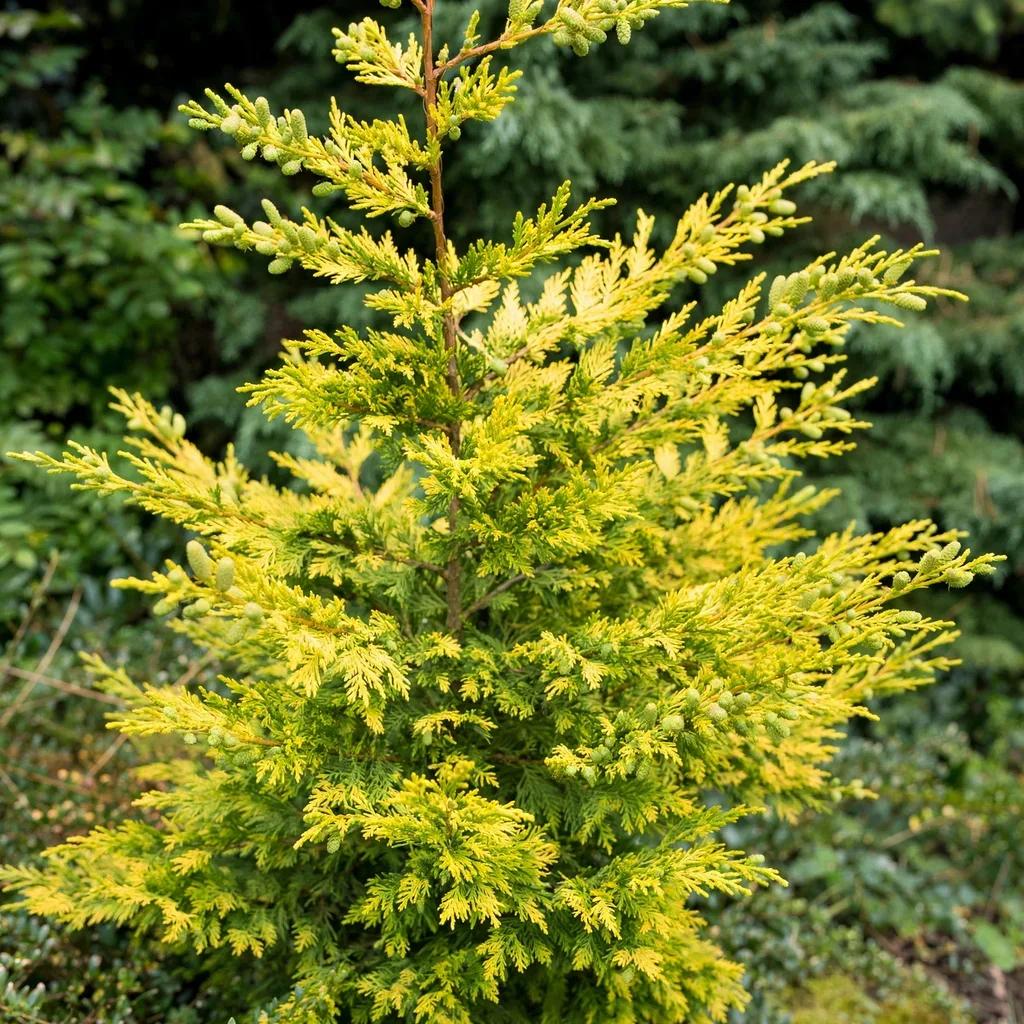
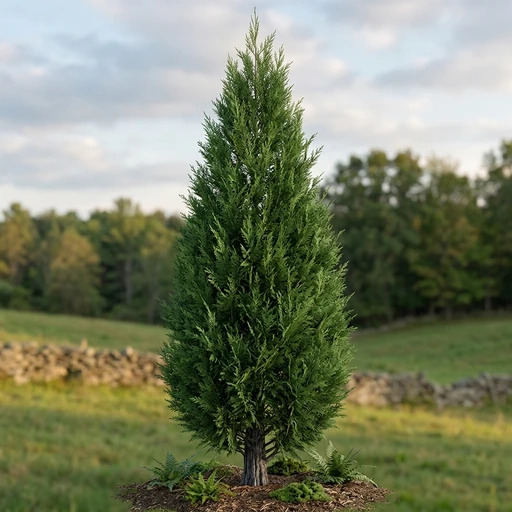
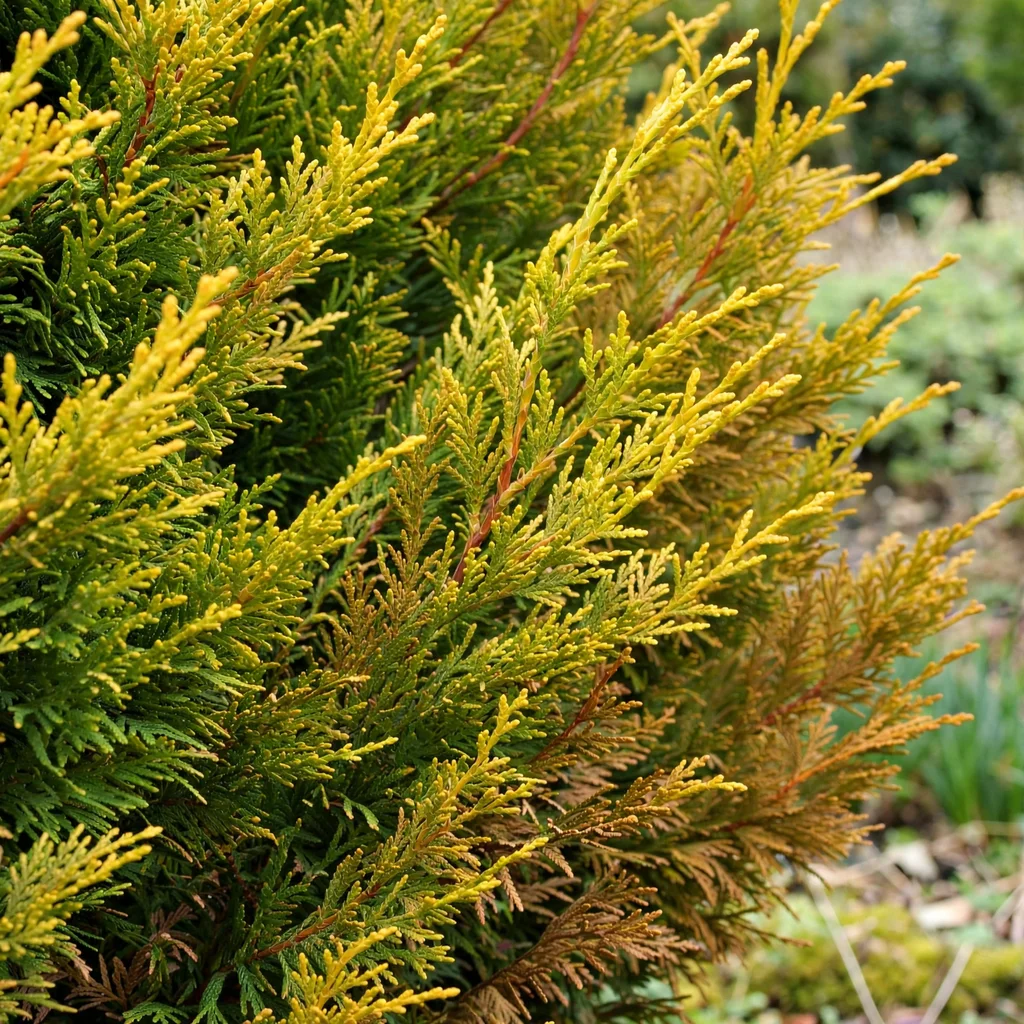
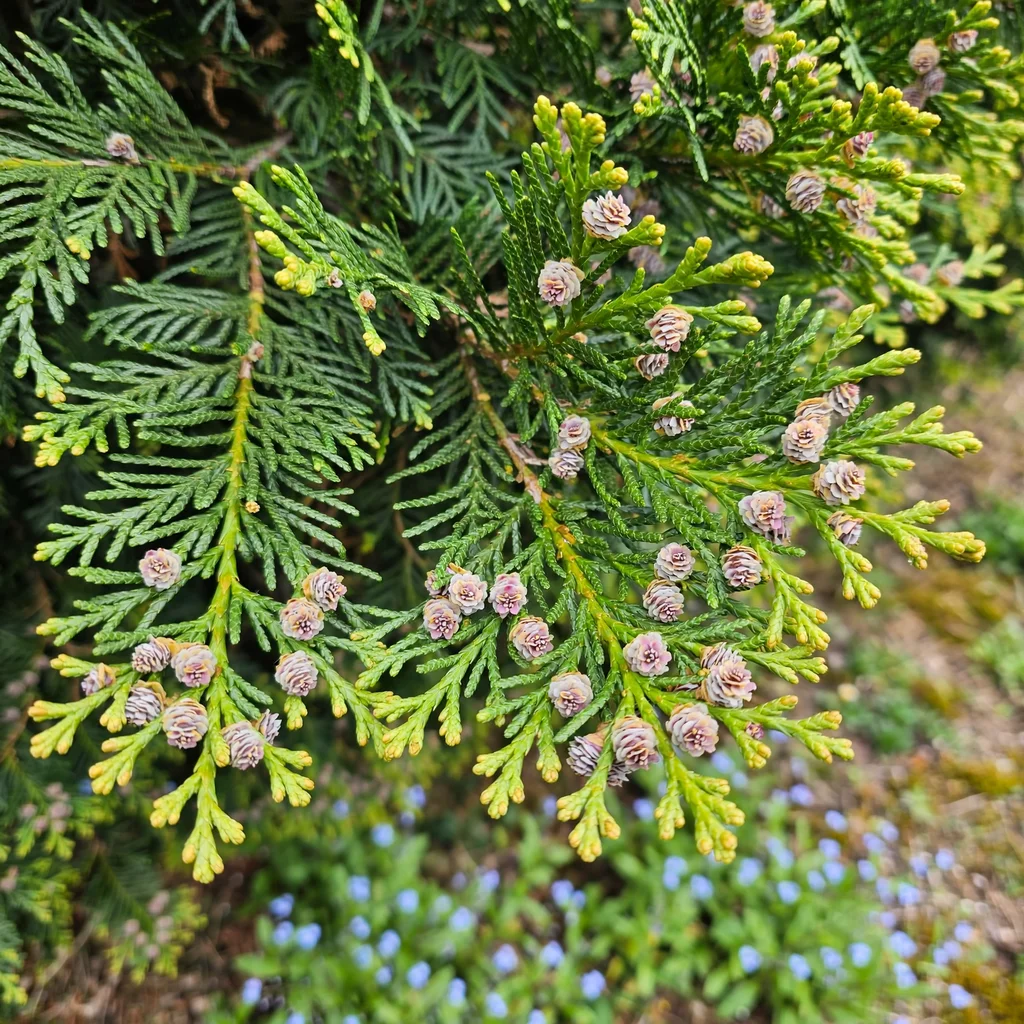
Cupressocyparis, the genus most gardeners know as leyland cypress. We track 4 varieties; the ones most used by real gardeners.
The 4 most-saved Cupressocyparis varieties
Track your Cupressocyparis in Sow
Save the Cupressocyparis you grow and get care reminders timed to your zone.
How to grow Cupressocyparis
Whats common across all Cupressocyparis varieties in our catalog — drawn from the care records of the 4 most-grown of them.
The Cupressocyparis year
- PruneMay, July and August100% of varieties
Shear the outer foliage to maintain density, avoiding cutting into old bare wood.
- FertilizeMarch and April100% of varieties
Apply a balanced, slow-release conifer fertilizer around the drip line.
- Check for PestsJune–August75% of varieties
Inspect branches for silken bagworm cases and hand-pick them immediately.
- PropagateAugust and September50% of varieties
Take semi-hardwood cuttings from semi-ripe current-season shoots.
- PlantOctober and November50% of varieties
Plant in fall to allow root establishment before winter.


Do
- Prune or shear the outer foliage one to two times per year in late spring and mid-summer to maintain shape and density.
- Provide at least 10 to 15 feet of space between plants when planting a screen to ensure adequate air circulation.
- Apply a balanced, slow-release conifer fertilizer annually in early spring.
- Water during dry periods 🌱
- Prune to maintain shape
Avoid
- Never prune back hard into old, brown, leafless wood, as the plant lacks dormant buds on old wood and will not regenerate.
- Do not plant in waterlogged, heavy clay, or chronically saturated soils.
- Avoid planting in regions combining extreme summer heat with high humidity where the plant struggles.
- Overwater to prevent root rot ❌
What goes wrong with Cupressocyparis
| Problem | What you'll see | What to do |
|---|---|---|
| Bagworms | Silken spindle-like bags hanging on branches, leading to rapid defoliation. | Hand-pick light infestations or apply Bacillus thuringiensis (Bt) or spinosad when larvae are small. |
| Aphids | Sticky residue and distorted growth | Use insecticidal soap or neem oil |
| Spider mites | Fine webbing on foliage, yellow stippling, and bronzing of the inner needles. | Apply strong water sprays to knock mites off foliage, or treat with miticides if infestations are severe. |
| Seiridium Canker | Sunken dark oval lesions on stems and branches causing branch dieback, flagging, and resin flow. | Prune out infected branches well below the canker, disinfect tools between cuts, and avoid drought stress. |
| Phytophthora Root Rot | Stunted growth, sparse yellowish-purple foliage, and root decay. | Improve soil drainage, avoid overwatering, and remove severely infected plants. |
| Needle Blight | Browning and shedding of needles starting on lower interior branches and moving outward. | Increase airflow by proper spacing and apply copper-based fungicides. |
Making more Cupressocyparis
Semi-hardwood cuttings
- Take 4- to 6-inch semi-hardwood cuttings from current season's growth in late summer or autumn.
- Remove the foliage from the bottom half of the cutting and wound the base of the stem slightly.
- Dip the wounded base in a rooting hormone powder or liquid.
- Insert the cutting into a well-drained medium of perlite and peat, keeping it humid and warm until roots form.
Cuttings
- Take semi-hardwood cuttings in late summer.
- Dip in rooting hormone.
- Plant in moist, well-drained soil.
- Keep soil moist for 6 weeks until roots develop.
Cupressocyparis questions
How many types of Cupressocyparis are there?
The Sow catalog tracks 4 distinct Cupressocyparis varieties. The most popular — ranked by 34 real gardeners — are shown first above.
What zones does Cupressocyparis grow in?
Across its varieties, Cupressocyparis covers USDA Zones 6–10. Individual varieties differ — each plant page lists its exact range, and Sow filters the catalog to your zone automatically.
When does Cupressocyparis bloom?
Most Cupressocyparis varieties bloom in late spring, spring. Staggering early, mid, and late varieties extends the genus's season in one bed.
Which Cupressocyparis should I choose?
Start from the most-saved varieties above — popularity across thousands of gardens is a strong signal of reliability — then filter by your zone and sun. In the Sow app you can preview any of them in a photo of your actual yard before you buy.