
The Story
Plant Bio
Viburnum x juddii is a hybrid deciduous shrub (V. carlesii x V. bitchiuense) known for its rounded habit and dull, dark green leaves. It is most famous for its intensely fragrant spring flowers.
This viburnum is prized for its large, snowball-like clusters of flowers that open from pink buds to waxy white, releasing a powerful, spicy-sweet fragrance. It also offers better disease resistance than its parent, V. carlesii.
Uses & Benefits:
Essentials
At a Glance
Plant Type
Shrub
Height
84"
Width
96"
Light
Full Sun, Partial Sun
Zones
4, 5, 6, 7, 8
Water
Medium
Humidity
Average
Lifespan
Long-lived deciduous shrub
Native To
Hybrid Origin
Toxicity
Berries mildly toxic if ingested
Bloom period
Mid-spring – Late spring
In flower about 2 months of the year
Planting
How to Grow
- Choose a site with full sun to part shade and well-drained soil.
- Dig a planting hole that is twice as wide as the root ball.
- Place the shrub in the hole, ensuring the crown is at soil level.
- Backfill with the excavated soil and water deeply.
- Water regularly during the first growing season to establish roots.
- Apply a layer of mulch to conserve moisture and deter weeds.
Pro Tip
Plant near a walkway or window to fully appreciate the intoxicating spring fragrance. Full sun yields the best flowering and fall color.
Keep It Thriving
Care Guide
Do
- Provide consistent moisture, especially in dry periods.
- Prune right after blooming to avoid cutting off next year's flower buds.
- Allow ample space for it to grow to its mature size.
- Rake up fallen leaves in autumn to minimize disease.
Don't
- Don't plant in poorly drained or waterlogged soils.
- Avoid pruning in late summer, fall, or winter.
- Don't plant too close to a building where air circulation is poor.
- Refrain from overhead watering to help prevent fungal diseases.
Seasonal Care Calendar
| Task | Jan | Feb | Mar | Apr | May | Jun | Jul | Aug | Sep | Oct | Nov | Dec |
|---|---|---|---|---|---|---|---|---|---|---|---|---|
| Fertilize | ||||||||||||
| Mulch | ||||||||||||
| Prune |
Watch Out For
Pests & Diseases
Common Pests
Common Diseases
In the Garden
Landscape Uses & Companions
Landscape Uses
Companion Plants
Multiply
Propagation Methods
Good to Know
Common Questions
Judd Viburnum questions
What zones can Judd Viburnum grow in?
Judd Viburnum is hardy in USDA Zones 4–8. Inside that range it survives winter in the ground; outside it, grow it as an annual or a container plant you protect.
Is Judd Viburnum deer resistant?
Yes — Judd Viburnum is rated deer-resistant. Deer typically pass it over, though extreme hunger can override any plant's defenses.
When does Judd Viburnum bloom?
Judd Viburnum typically blooms in mid-spring through late spring. Exact timing shifts a week or two with your zone — Sow's bloom calendar maps it to your garden.
Does Judd Viburnum need full sun?
Judd Viburnum does best in full sun to part shade. In hot climates, afternoon shade keeps blooms fresher longer.
Is Judd Viburnum drought tolerant?
Yes — once established (usually after the first full season), Judd Viburnum handles dry spells with minimal watering. Water deeply its first year to build the root system that makes that possible.
More Viburnum to compare
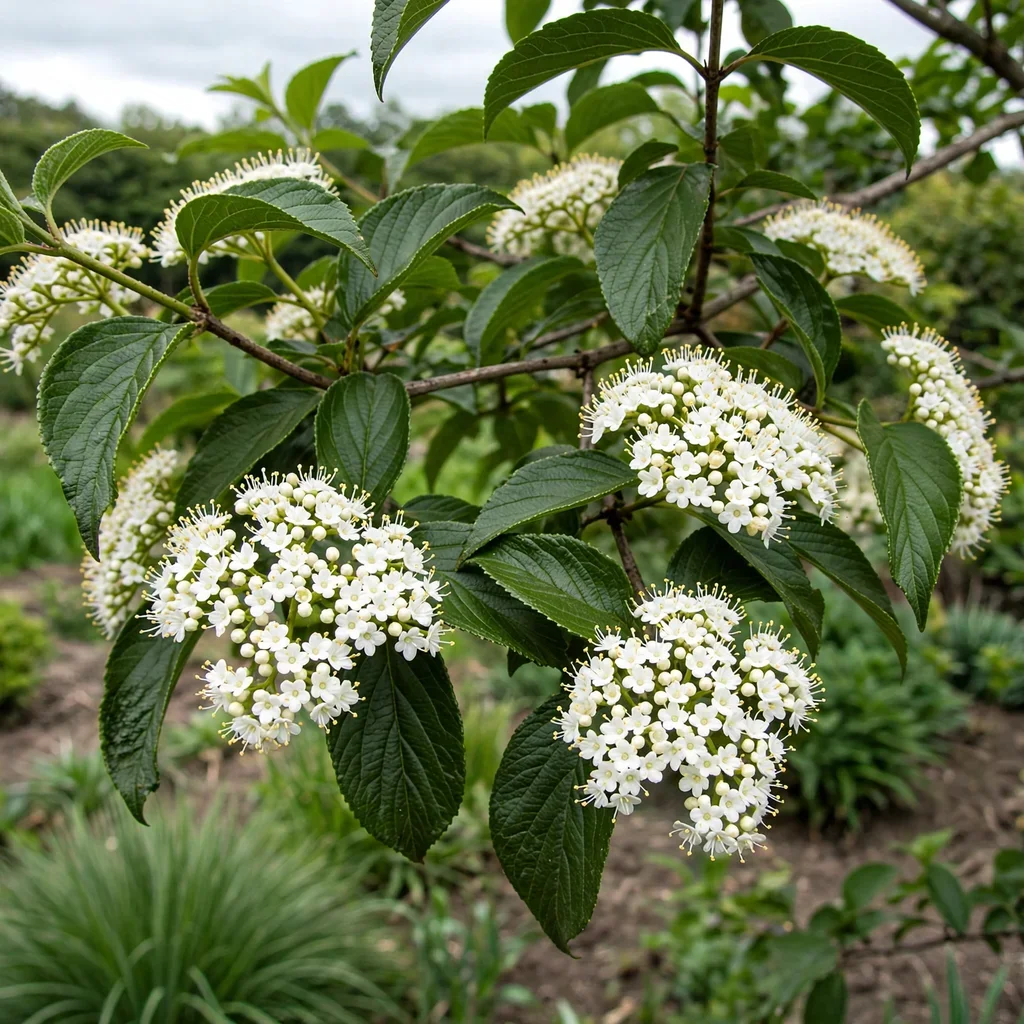
Nannyberry
Viburnum lentago
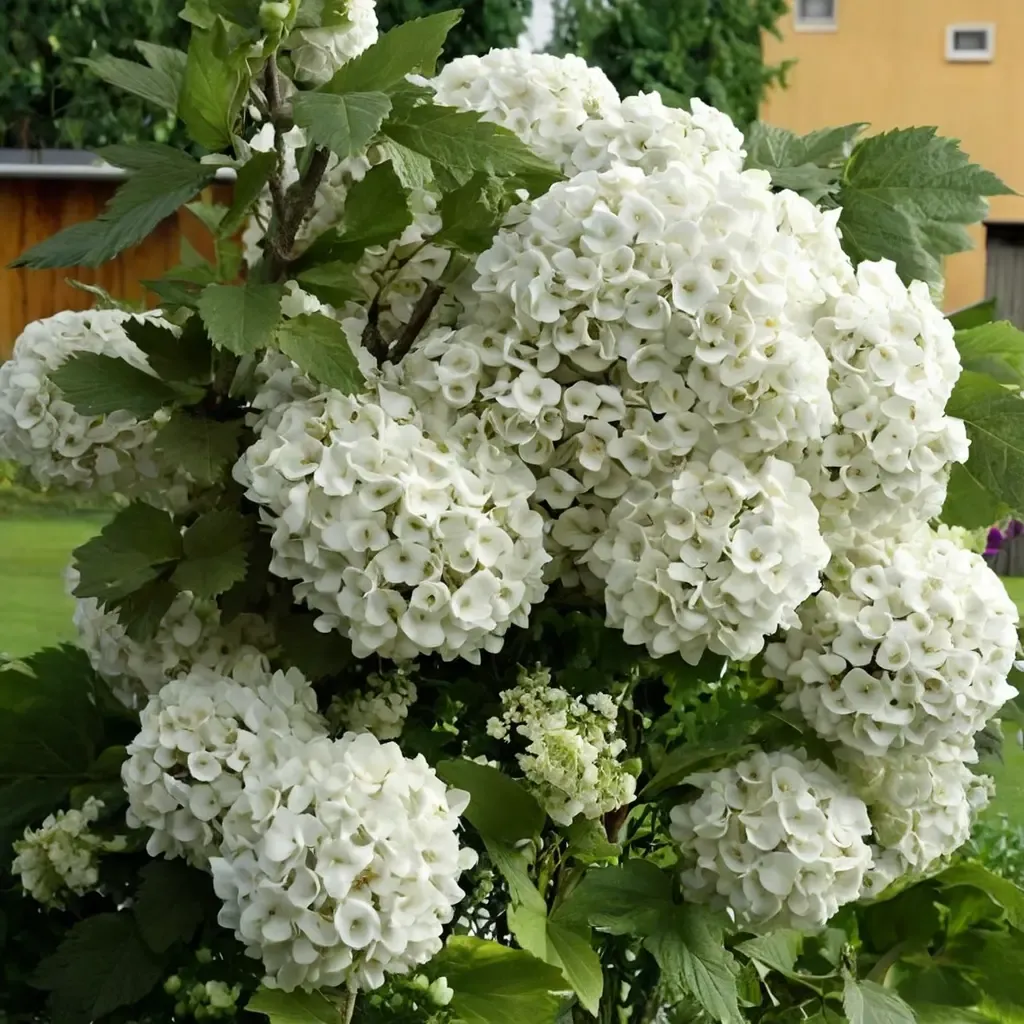
Snowball Viburnum
Viburnum opulus 'Sterile'
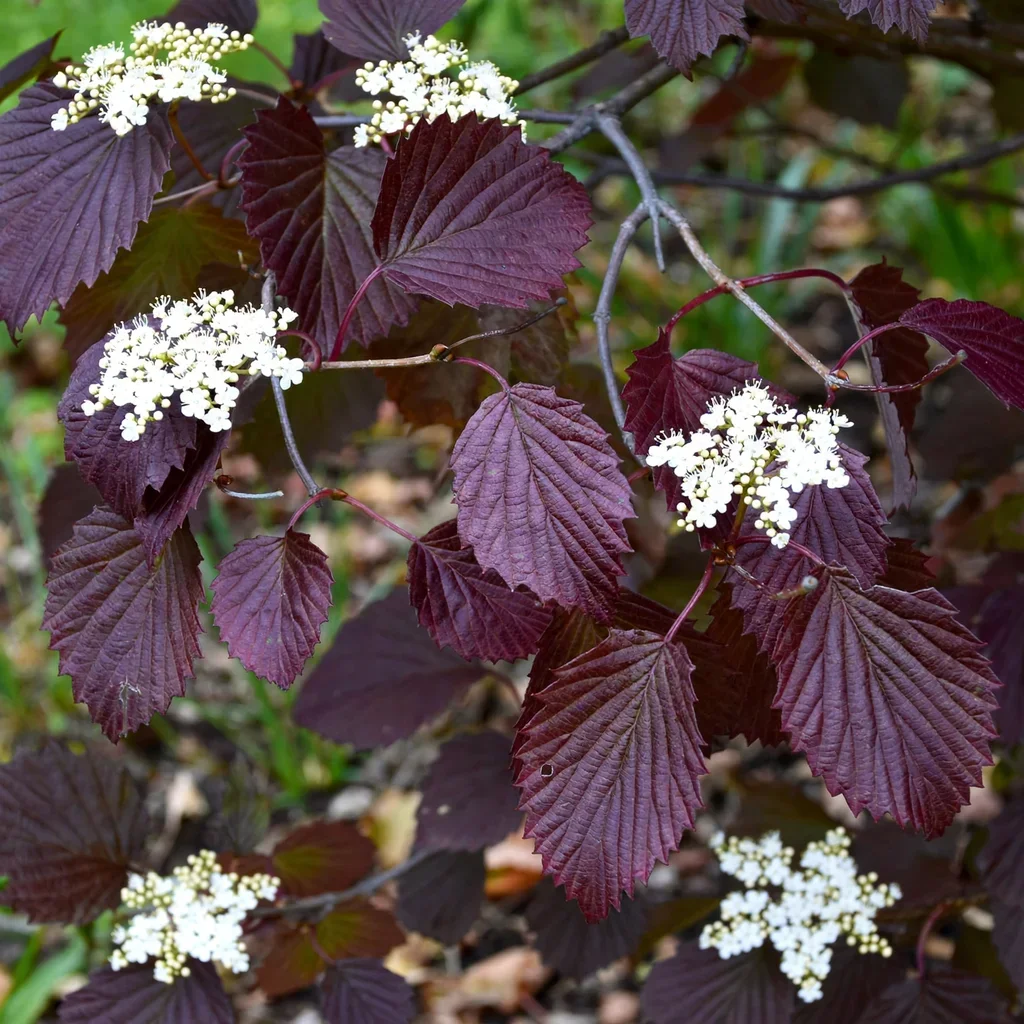
Autumn Jazz Arrowwood
Viburnum dentatum 'Autumn Jazz'
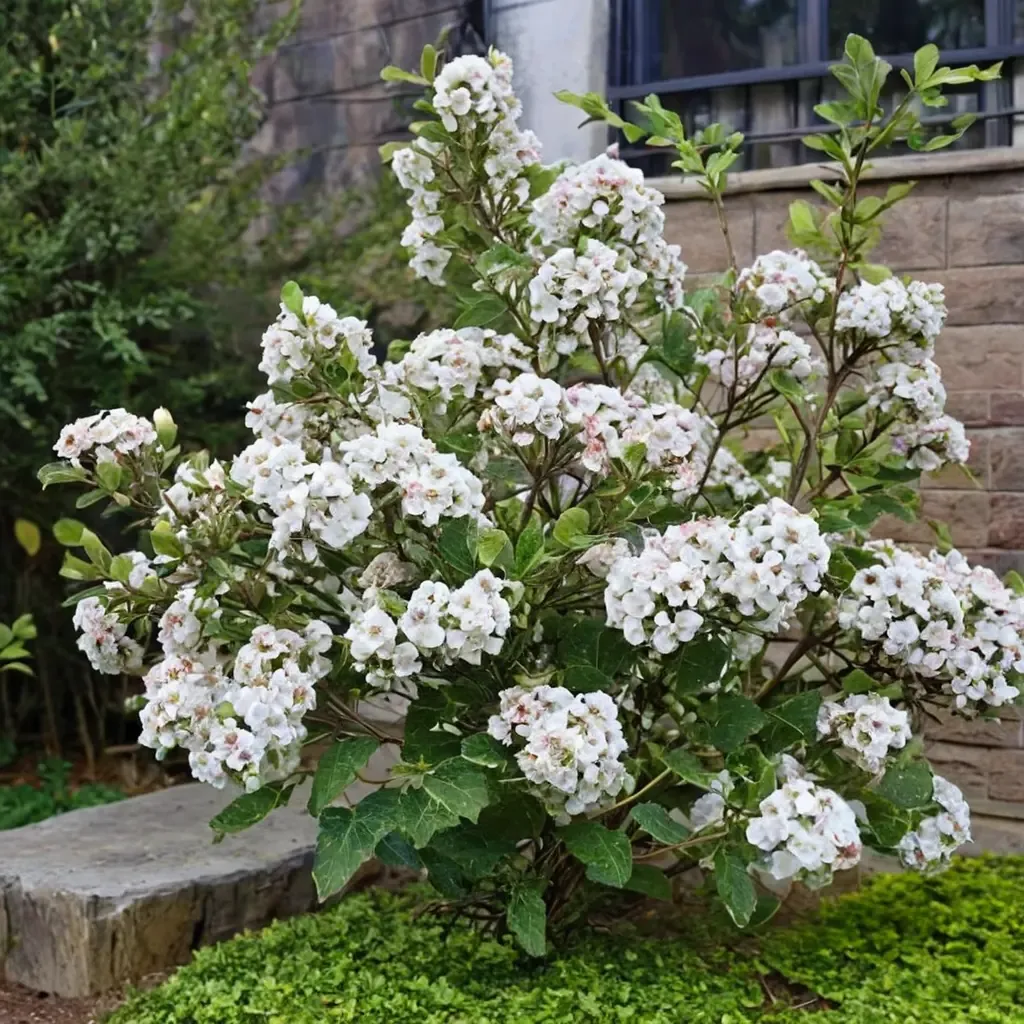
Korean spice viburnum
Viburnum carlesii
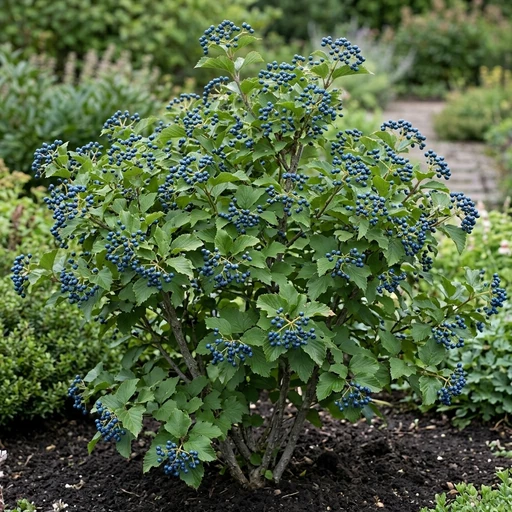
Blue Muffin Viburnum
Viburnum dentatum 'Christom'
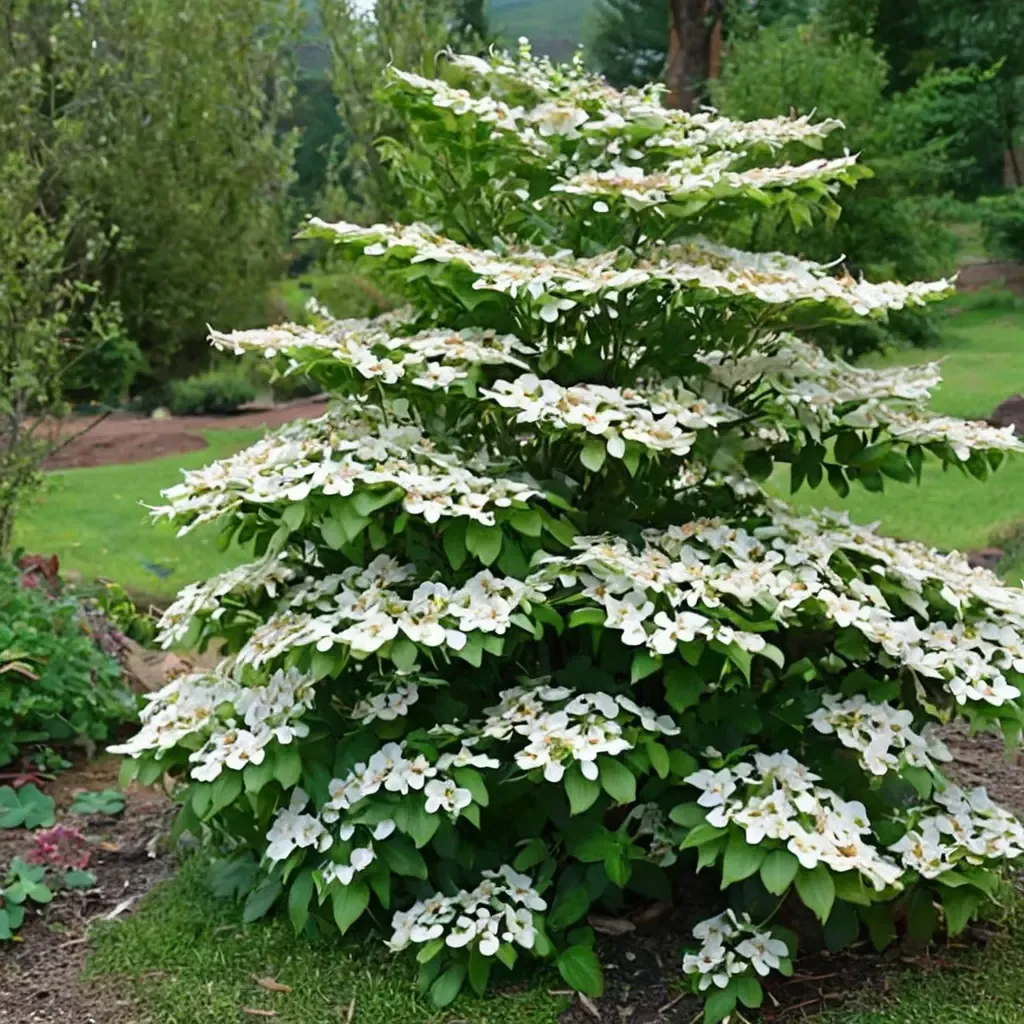
Mariesii Japanese Snowball
Viburnum plicatum 'Mariesii'
Keep exploring
Explore the genus
Hardy in your zone?
Grow Judd Viburnum with confidence
See it in a design of your actual yard, get zone-matched care reminders, and track it season by season in your garden journal.