The Story
Plant Bio
The genus Rosa comprises deciduous and evergreen woody shrubs and climbers native to the temperate regions of the Northern Hemisphere. These plants are characterized by their alternate, pinnate leaves, stems armed with sharp prickles, and insect-pollinated flowers that produce fleshy hips containing achenes.
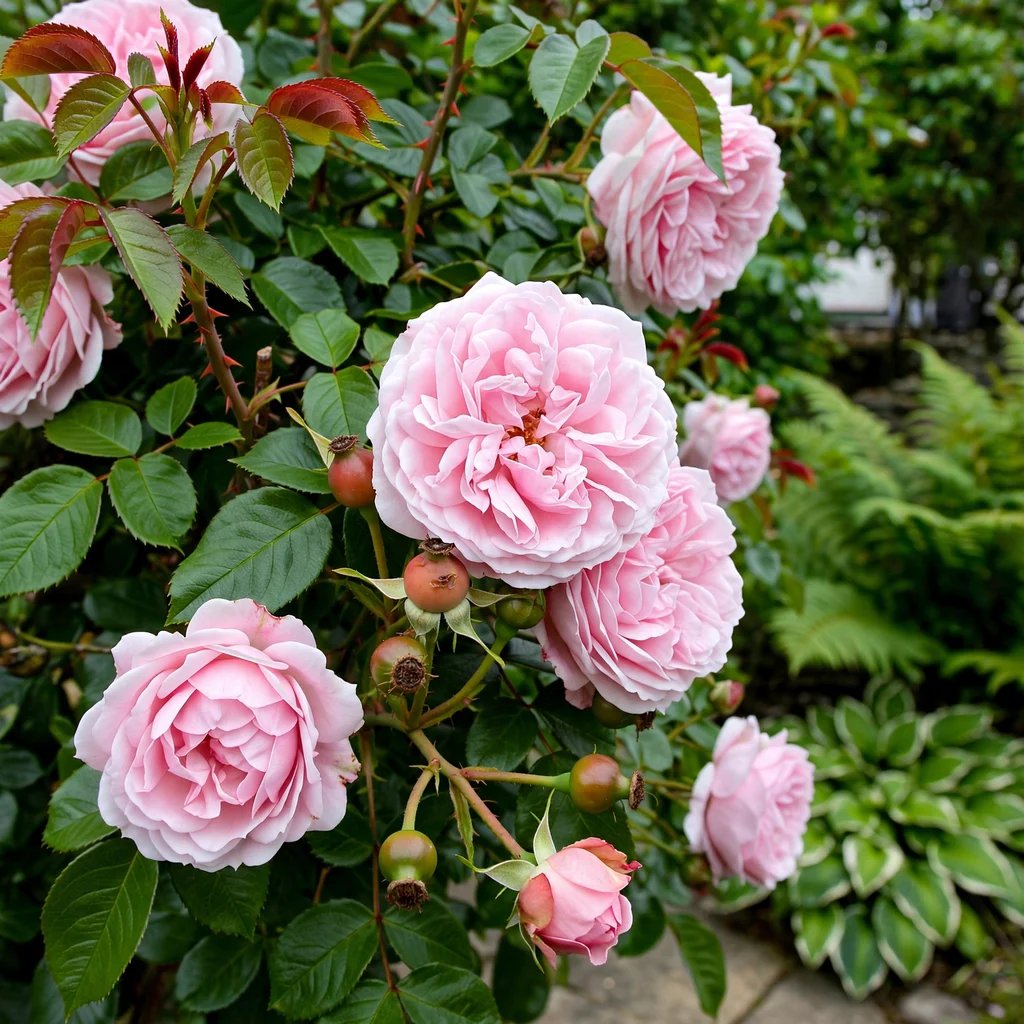
'Giardina' is a vigorous, repeat-blooming climbing cultivar distinguished by its large, quartered, old-fashioned rosette flowers in a pale porcelain pink. The blooms feature 70 to 80 petals, emit a sweet, fruity fragrance, and stand out against dense, glossy, deep green foliage that emerges with a reddish-bronze tint.
Uses & Benefits:
Essentials
At a Glance
Plant Type
Vine
Height
150"
Width
78"
Light
Full Sun, Partial Sun
Zones
5, 6, 7, 8, 9
Water
Medium
Humidity
Medium to High
Lifespan
Long-lived
Native To
Germany (cultivated origin)
Toxicity
Non-toxic
Bloom period
Late spring – Fall
In flower about 7 months of the year
Planting
How to Grow
- Select a planting site that receives at least six hours of direct sunlight daily and features rich, well-draining loam.
- Dig a hole twice as wide as the root ball, mixing organic compost into the backfill soil to improve moisture retention.
- Install a sturdy trellis, pillar, or fence support at planting time to accommodate the heavy, arching canes.
- Water deeply at the base of the plant immediately after planting, and maintain consistent moisture during the establishment period.
Pro Tip
Train the main structural canes horizontally or at an angle along your trellis or fence; this lateral positioning triggers the dormant buds along the length of the cane to produce abundant flowering side shoots rather than just vertical vegetative growth.
Keep It Thriving
Care Guide
Do
- Deadhead spent flower clusters regularly to encourage continuous repeat blooming throughout the season.
- Apply a balanced slow-release rose fertilizer in early spring and again after the primary summer flowering flush.
- Water at the soil level rather than overhead to keep the foliage dry and minimize fungal diseases.
Don't
- Do not prune aggressively into old, bare wood that lacks visible dormant buds, as this limits regrowth.
- Avoid planting in waterlogged soils or low-lying areas where standing water causes root rot.
- Do not leave fallen rose leaves around the base of the plant, as they harbor overwintering fungal spores.
Seasonal Care Calendar
| Task | Jan | Feb | Mar | Apr | May | Jun | Jul | Aug | Sep | Oct | Nov | Dec |
|---|---|---|---|---|---|---|---|---|---|---|---|---|
| Deadhead | ||||||||||||
| Fertilize | ||||||||||||
| Pest Check | ||||||||||||
| Prune | ||||||||||||
| Winter Prep |
Watch Out For
Pests & Diseases
Common Pests
Common Diseases
In the Garden
Landscape Uses & Companions
Landscape Uses
Companion Plants
Multiply
Propagation Methods
Good to Know
Common Questions
Giardina Climbing Rose questions
What zones can Giardina Climbing Rose grow in?
Giardina Climbing Rose is hardy in USDA Zones 5–9. Inside that range it survives winter in the ground; outside it, grow it as an annual or a container plant you protect.
Is Giardina Climbing Rose deer resistant?
Not reliably. Deer may browse Giardina Climbing Rose, especially tender spring growth — plan on repellents or fencing where pressure is high.
When does Giardina Climbing Rose bloom?
Giardina Climbing Rose typically blooms in late spring through fall. Exact timing shifts a week or two with your zone — Sow's bloom calendar maps it to your garden.
Does Giardina Climbing Rose need full sun?
Giardina Climbing Rose does best in full sun to part shade. In hot climates, afternoon shade keeps blooms fresher longer.
More Rosa to compare
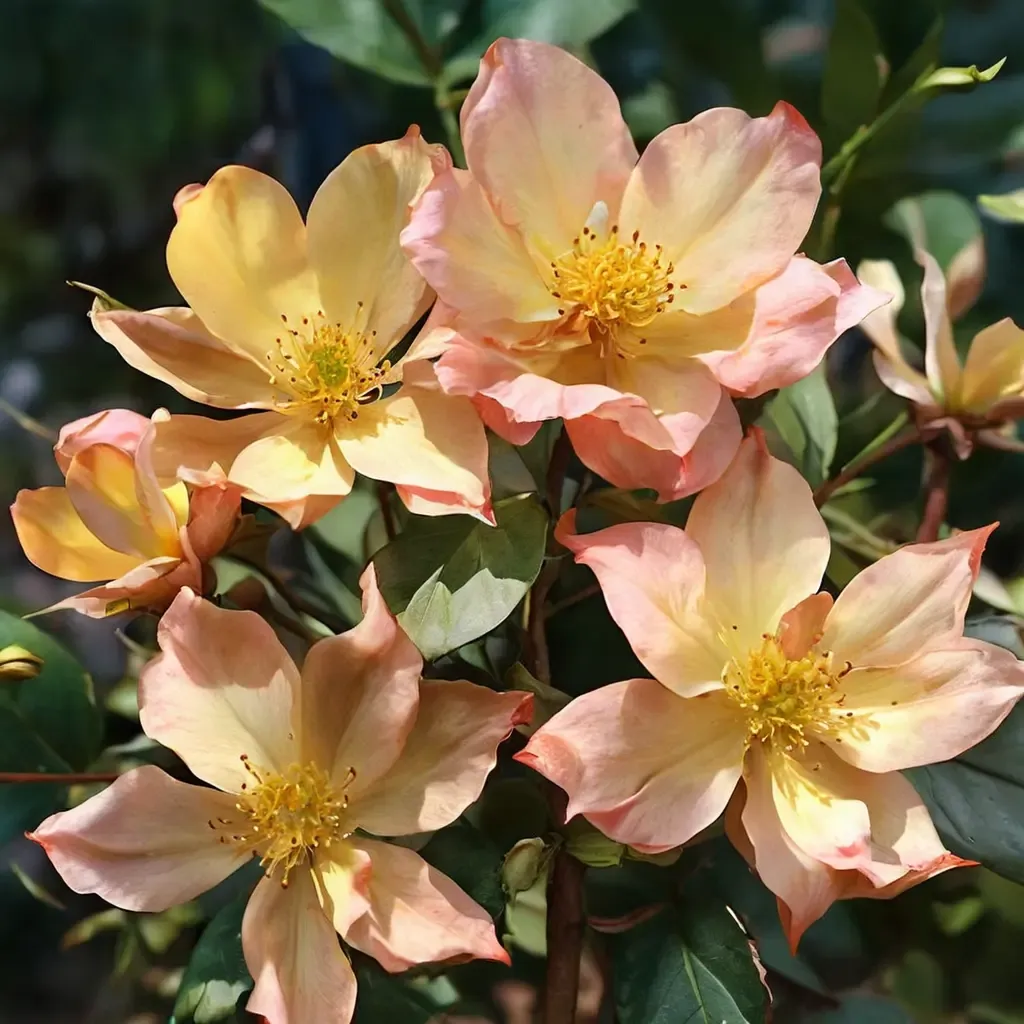
Flutterbye Rose
Rosa x hybrida 'Flutterbye'
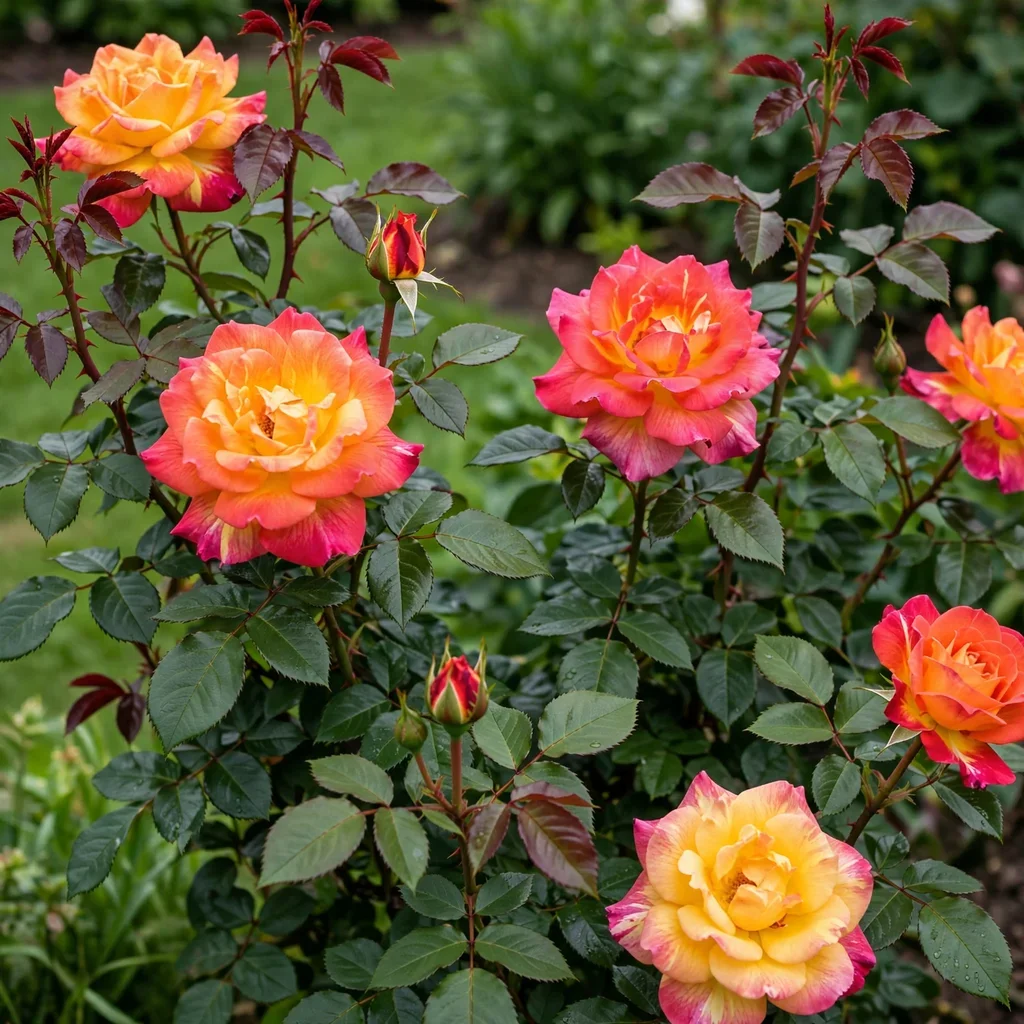
Joseph's Coat Rose
Rosa x hybrida 'Joseph's Coat'
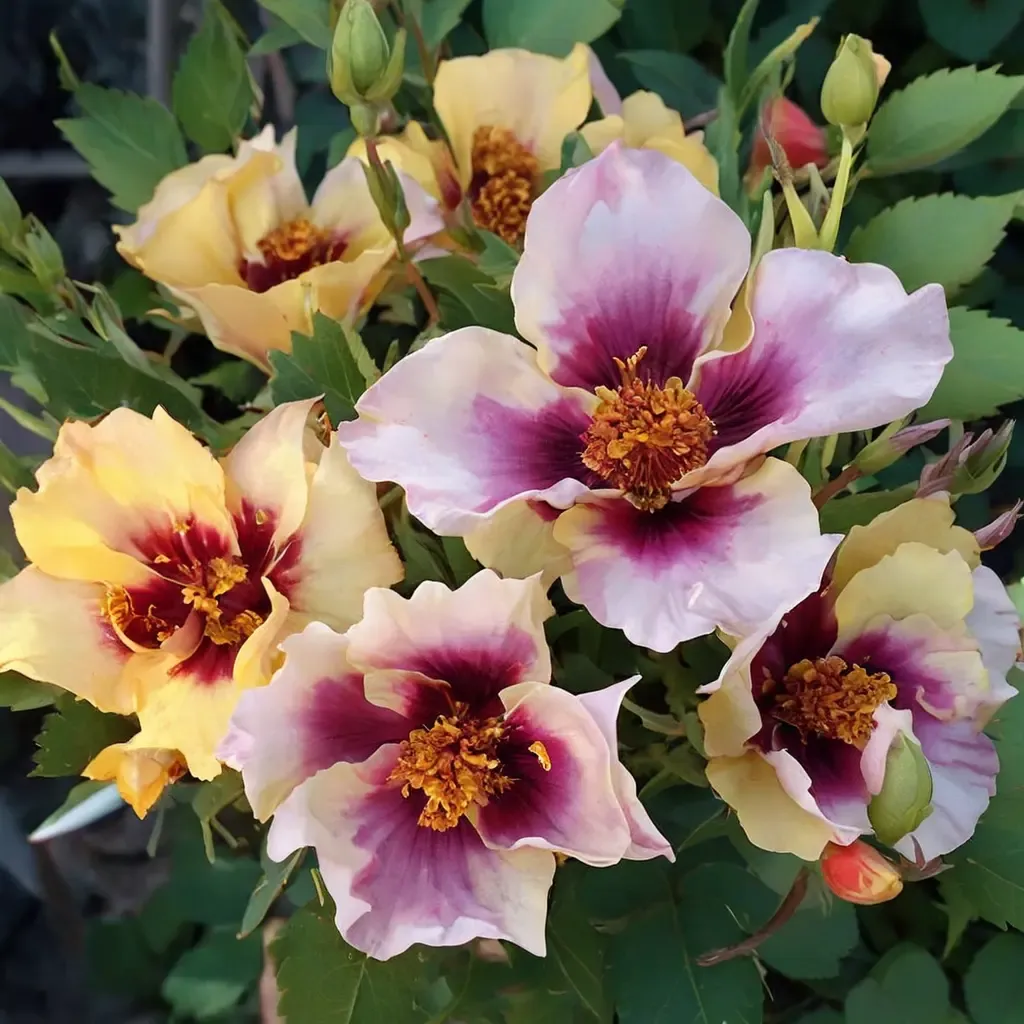
In Your Eyes Rose
Rosa x hybrida 'In Your Eyes'
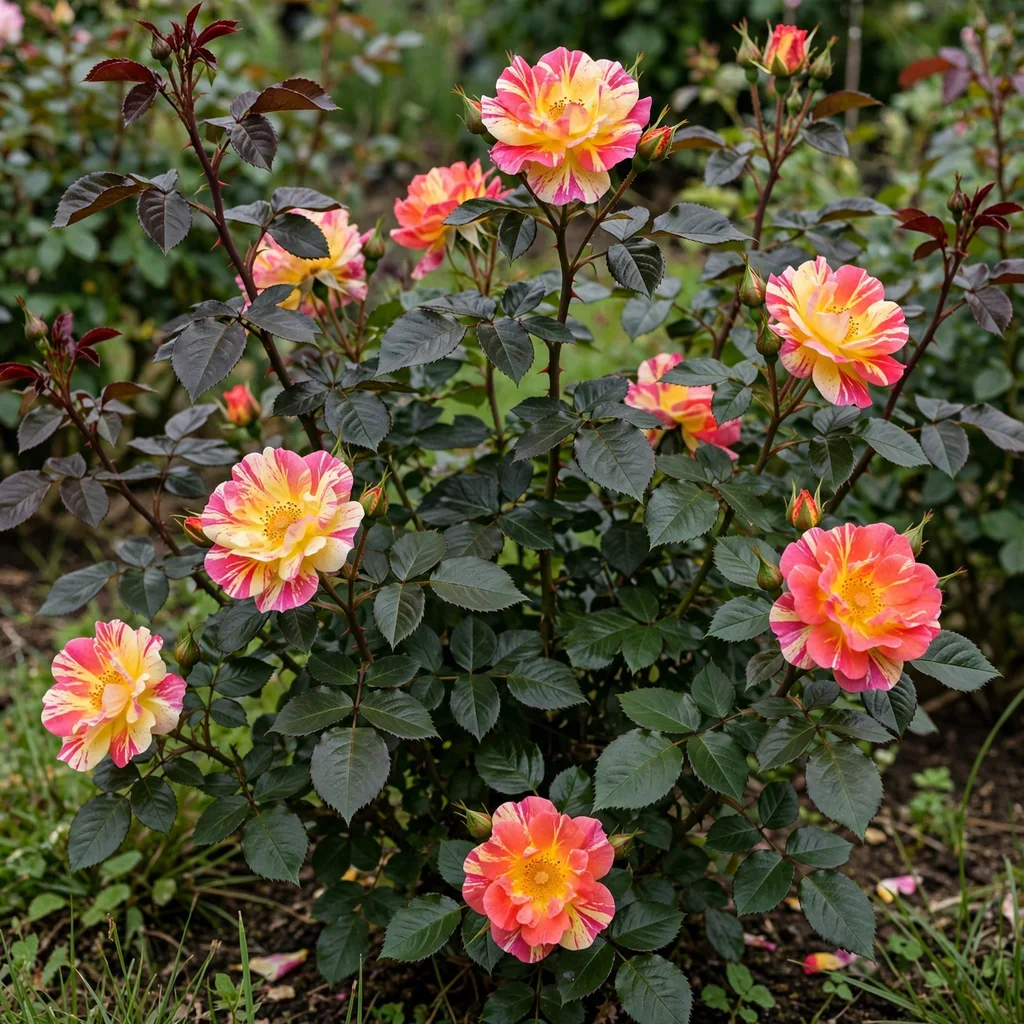
Rainbow Rose
Rosa x hybrida 'Rainbow'
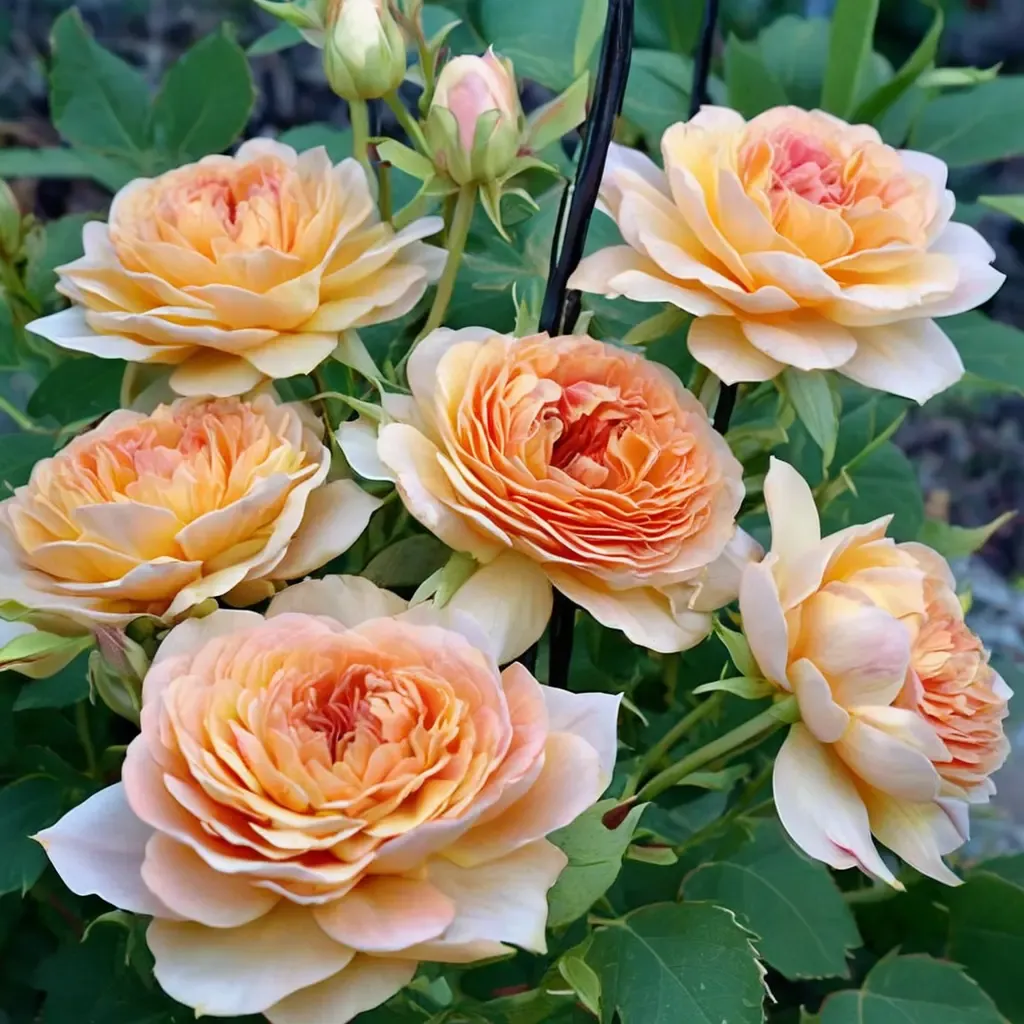
Fun in the Sun Rose
Rosa x hybrida 'Fun in the Sun'
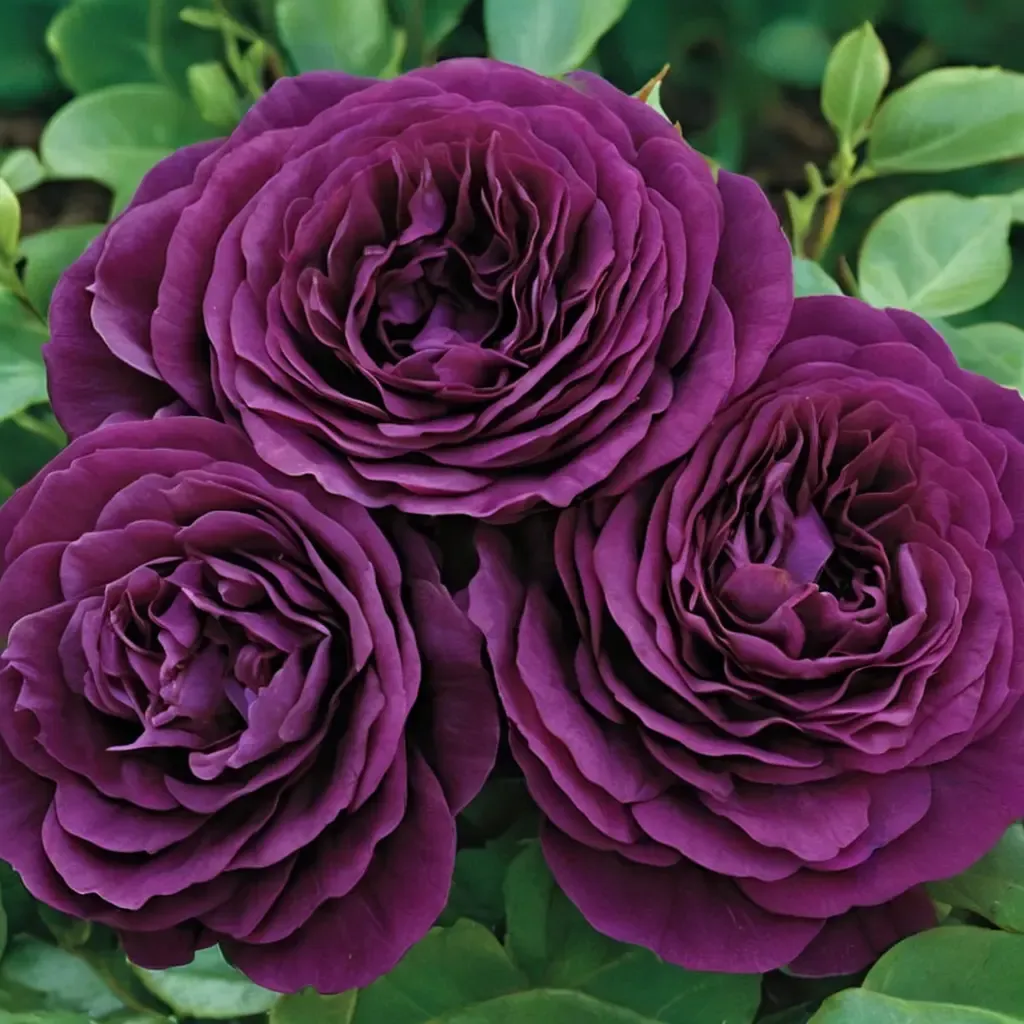
Twilight Zone Rose
Rosa x hybrida 'Twilight Zone'
Keep exploring
Explore the genus
Hardy in your zone?
Grow Giardina Climbing Rose with confidence
See it in a design of your actual yard, get zone-matched care reminders, and track it season by season in your garden journal.