The Story
Plant Bio
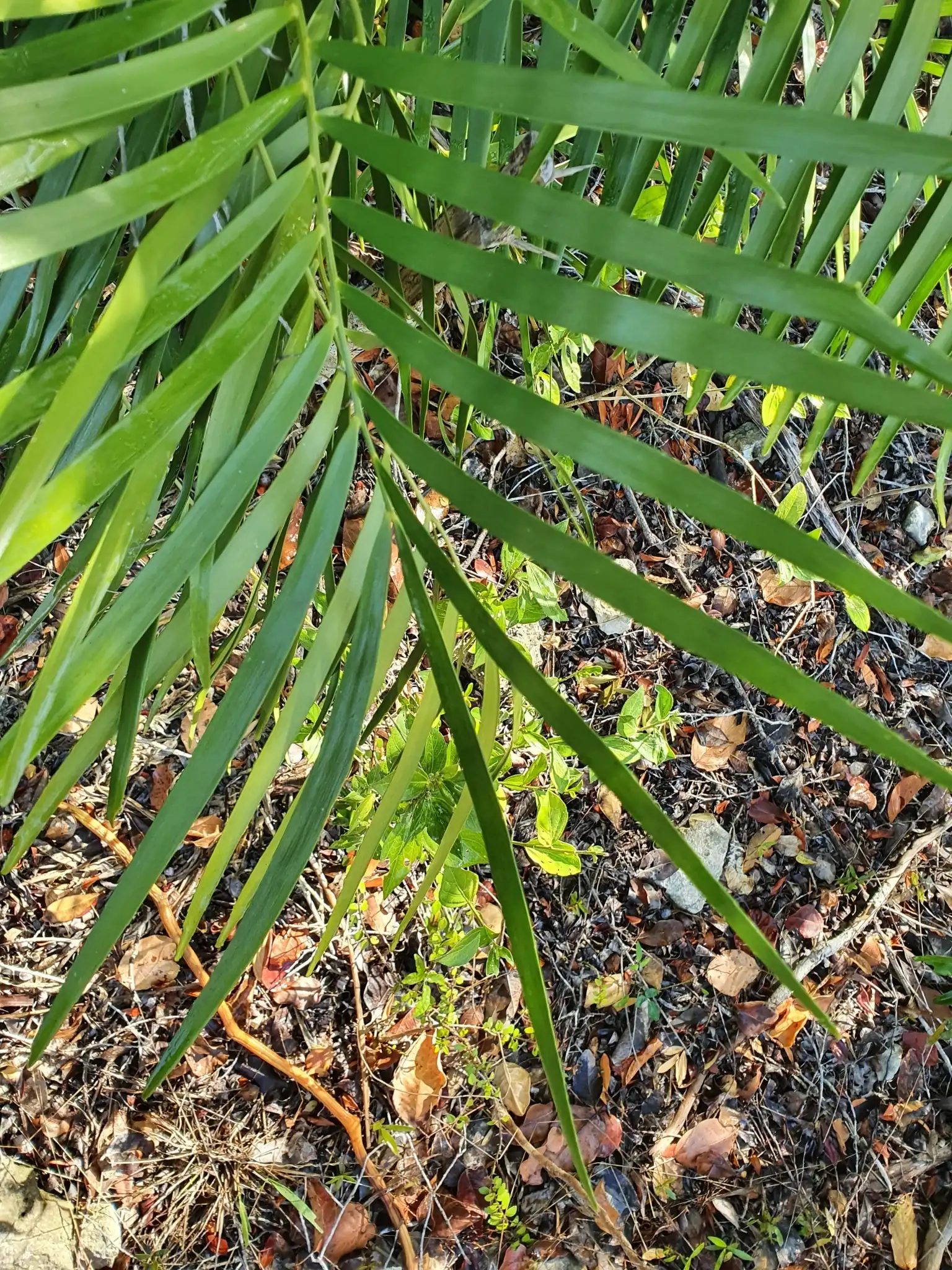
Zamia pumila, commonly called Coontie, is a cycad native to the southeastern United States and the Caribbean. It is a slow-growing, long-lived plant with a subterranean trunk and stiff, glossy, pinnate leaves, giving it a fern-like or palm-like appearance.
As the only cycad native to the continental United States (specifically Florida), it is a unique and historically significant plant. It is also the sole larval host plant for the rare Atala butterfly, making it ecologically vital for the butterfly's survival.
Uses & Benefits:
Essentials
At a Glance
Plant Type
Shrub
Height
30"
Width
36"
Light
Full Sun, Partial Sun
Zones
8, 9, 10
Water
Low
Humidity
Adaptable
Lifespan
Extremely long-lived
Native To
Southeastern US, Caribbean
Toxicity
All parts are highly toxic if ingested
Bloom period
Mid-summer
In flower about 1 month of the year
Planting
How to Grow
- Select a location with full sun or light shade and superb drainage.
- Amend the soil with sand or fine pine bark to improve aeration.
- Dig a hole slightly larger than the root ball.
- Plant the coontie so that the top of the caudex is slightly above soil level.
- Backfill with amended soil and water to settle.
- Water sparingly once established; it is extremely drought tolerant.
Pro Tip
Excellent drainage is non-negotiable; amend soil with sand or grit to mimic its native sandy habitat and prevent fatal root rot.
Keep It Thriving
Care Guide
Do
- Provide excellent drainage above all else.
- Plant with the top of the root crown slightly exposed.
- Allow the soil to dry out completely between waterings.
- Protect from hard freezes in the northern end of its range.
Don't
- Do not plant in heavy clay or poorly drained soil.
- Avoid overwatering, which will quickly lead to root rot.
- Don't bury the caudex (base) below the soil line.
- Avoid heavy fertilization, which is unnecessary and can harm the plant.
Seasonal Care Calendar
| Task | Jan | Feb | Mar | Apr | May | Jun | Jul | Aug | Sep | Oct | Nov | Dec |
|---|---|---|---|---|---|---|---|---|---|---|---|---|
| Fertilize | ||||||||||||
| Pest Check | ||||||||||||
| Plant |
Watch Out For
Pests & Diseases
Common Pests
Common Diseases
In the Garden
Landscape Uses & Companions
Landscape Uses
Multiply
Propagation Methods
Good to Know
Common Questions
Coontie Palm questions
What zones can Coontie Palm grow in?
Coontie Palm is hardy in USDA Zones 8–10. Inside that range it survives winter in the ground; outside it, grow it as an annual or a container plant you protect.
Is Coontie Palm deer resistant?
Yes — Coontie Palm is rated deer-resistant. Deer typically pass it over, though extreme hunger can override any plant's defenses.
When does Coontie Palm bloom?
Coontie Palm typically blooms in mid-summer through mid-summer. Exact timing shifts a week or two with your zone — Sow's bloom calendar maps it to your garden.
Does Coontie Palm need full sun?
Coontie Palm does best in full sun to part shade. In hot climates, afternoon shade keeps blooms fresher longer.
Is Coontie Palm drought tolerant?
Yes — once established (usually after the first full season), Coontie Palm handles dry spells with minimal watering. Water deeply its first year to build the root system that makes that possible.
More Zamia to compare
Keep exploring
Explore the genus
Hardy in your zone?
Grow Coontie Palm with confidence
See it in a design of your actual yard, get zone-matched care reminders, and track it season by season in your garden journal.