Also known as Coontie Palm · 95 saves
Zamia
Zamia, the genus most gardeners know as coontie palm. We track 4 varieties; the ones most used by real gardeners.
The 3 most-saved Zamia varieties
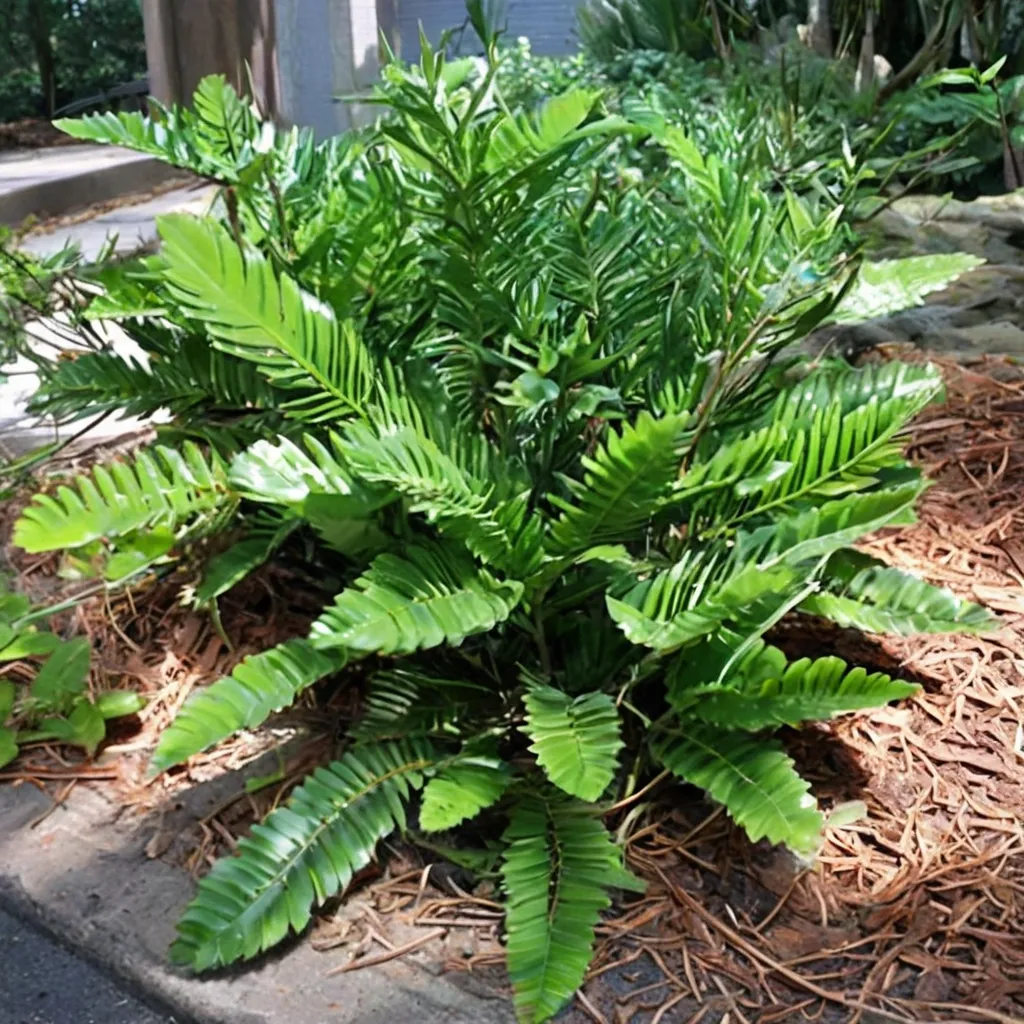
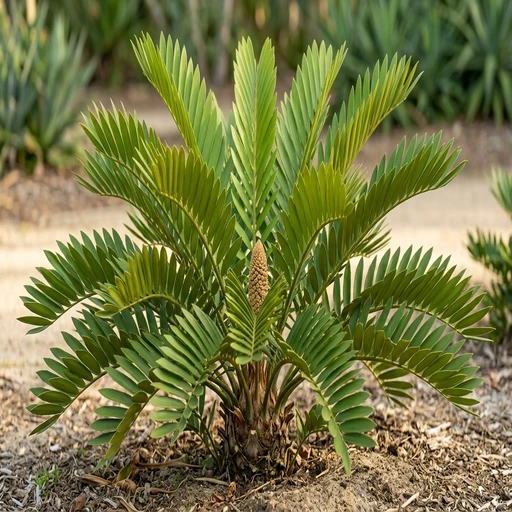
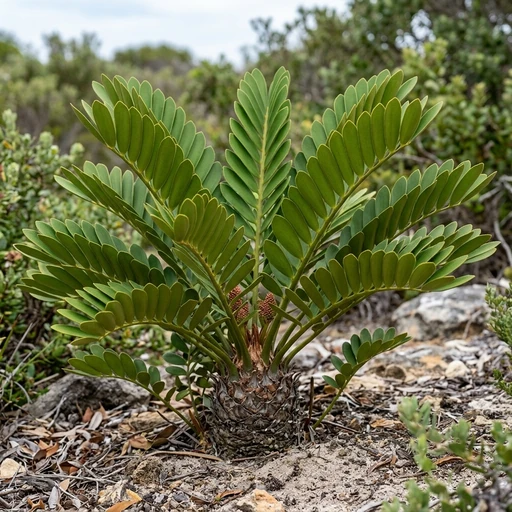
Browse all 4 Zamia varieties →
Species of Zamia
Each one is a parent of the varieties above.
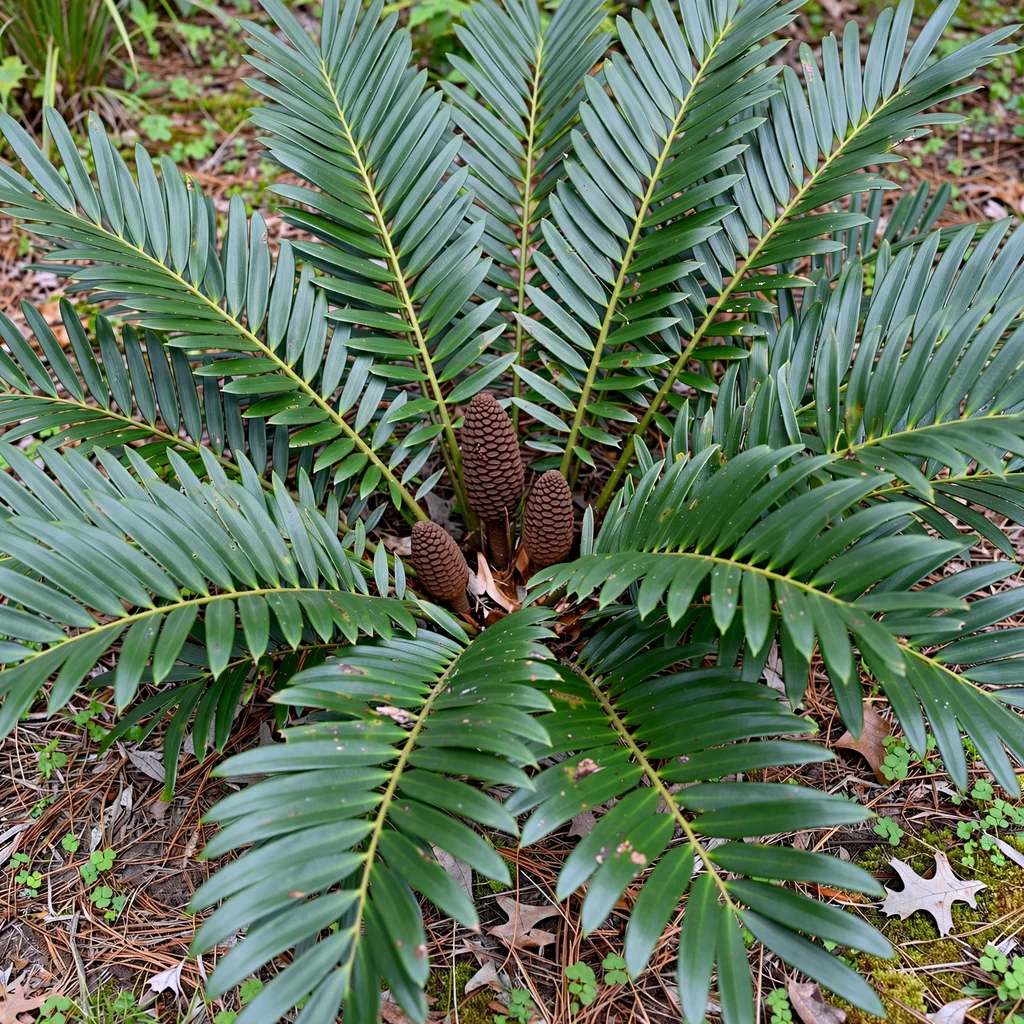
Track your Zamia in Sow
Save the Zamia you grow and get care reminders timed to your zone.
How to grow Zamia
Whats common across all Zamia varieties in our catalog — drawn from the care records of the 4 most-grown of them.
The Zamia year
- FertilizeApril, May and July100% of varieties
Apply a slow-release fertilizer formulated for palms or cycads.
- Check for PestsMay–September100% of varieties
Inspect fronds for scale insects, a common cycad pest.
- PlantApril and October50% of varieties
Plant in well-draining soil during spring or early fall.
- PruneMarch and April50% of varieties
Remove old or yellowing fronds at the base before new growth begins.


Do
- Water during dry periods 🌱
- Mulch to conserve moisture
- Prune dead or damaged fronds
- Provide excellent drainage above all else.
- Plant with the top of the root crown slightly exposed.
Avoid
- Do not plant in heavy clay or poorly drained soil.
- Avoid overwatering ❌
- Don’t expose to freezing temperatures
- Refrain from fertilizing excessively
What goes wrong with Zamia
| Problem | What you'll see | What to do |
|---|---|---|
| Scale insects | Sticky residue or yellowing foliage | Use insecticidal soap or neem oil |
| Mealybugs | White cottony spots on leaves | Apply horticultural oil or insecticidal soap |
| Cycad Aulacaspis Scale | White, waxy armor-like coatings on leaves, leading to yellowing and plant death. | Scrub off with a brush and soapy water. Apply horticultural oil or insecticidal soap. For severe cases, systemic insecticides may be required. |
| Cycad Scale | White, waxy insects covering leaves, causing yellow blotches and dieback. | Scrub off with soapy water. Apply horticultural oil or neem oil. Systemic insecticides are most effective. |
| Root Rot | Yellowing leaves, wilting, and a soft, rotting caudex at the soil line. | Prevention is key. Ensure perfect drainage. There is no cure once rot is established; discard the plant. |
| Root rot | Wilting and browning of foliage | Improve drainage and reduce watering |
| Root and stem rot | Wilting, yellowing fronds that easily pull away from a mushy, darkened underground stem. | Improve soil drainage immediately, reduce watering, and discard severely infected plants as chemical treatments are rarely effective. |
Making more Zamia
Seed
- Collect mature seeds in fall.
- Tuck seeds into moist soil in spring.
- Keep soil consistently moist for 6 weeks.
Zamia questions
How many types of Zamia are there?
The Sow catalog tracks 4 distinct Zamia varieties. The most popular — ranked by 95 real gardeners — are shown first above.
What zones does Zamia grow in?
Across its varieties, Zamia covers USDA Zones 8–10. Individual varieties differ — each plant page lists its exact range, and Sow filters the catalog to your zone automatically.
When does Zamia bloom?
Most Zamia varieties bloom in spring, summer, mid-summer, early summer. Staggering early, mid, and late varieties extends the genus's season in one bed.
Which Zamia should I choose?
Start from the most-saved varieties above — popularity across thousands of gardens is a strong signal of reliability — then filter by your zone and sun. In the Sow app you can preview any of them in a photo of your actual yard before you buy.