The Story
Plant Bio
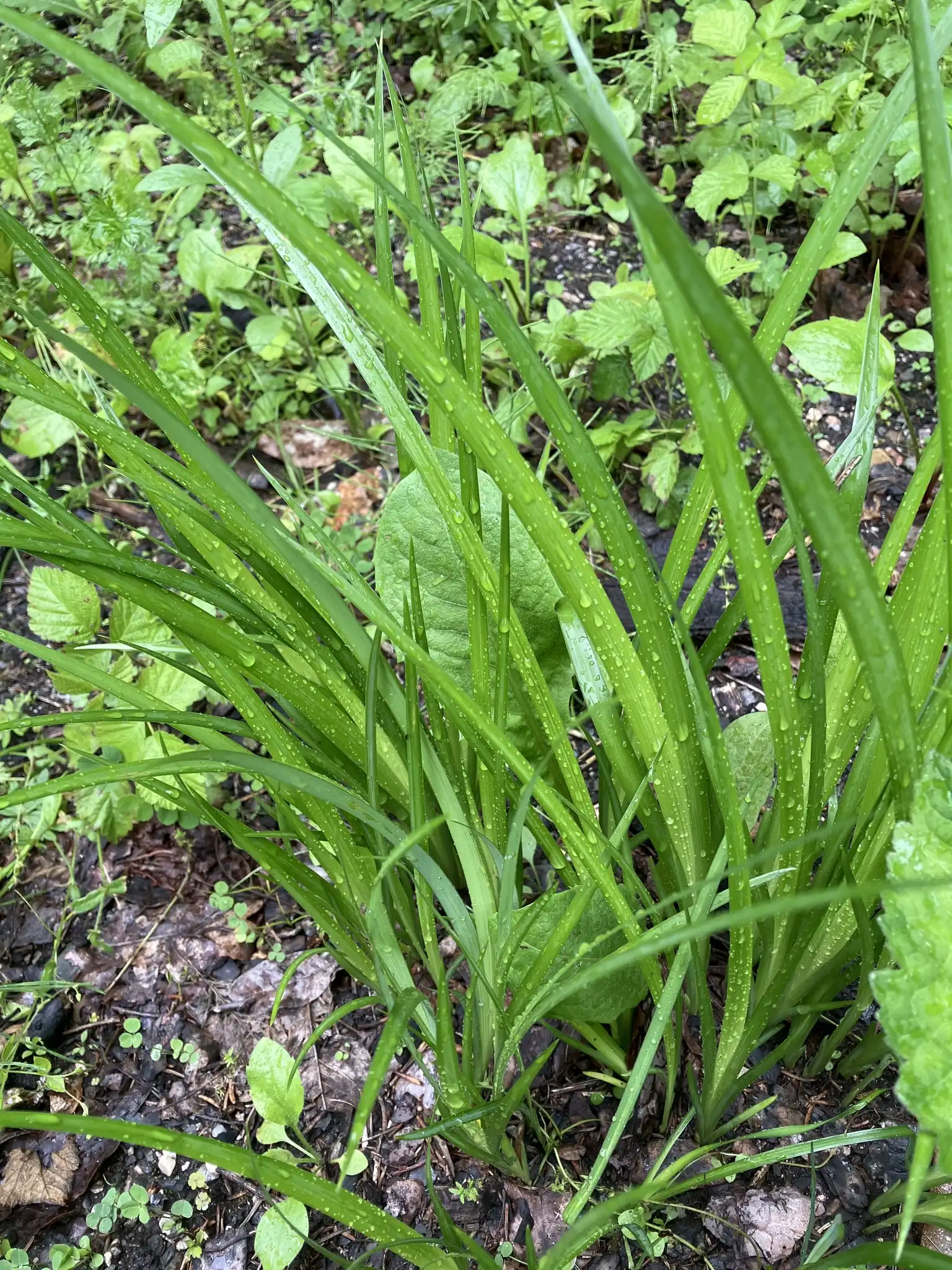
Iris graminea, commonly known as Grass Iris, is a perennial herbaceous plant characterized by slender, grass-like foliage and delicate, pale blue to violet flowers that resemble small iris blooms.
This species is notable for its fine, grass-like appearance and its fragrant flowers, which smell of ripe plums. The flowers are often hidden within the foliage.
Uses & Benefits:
Essentials
At a Glance
Plant Type
Perennial
Height
12"
Width
8"
Light
Full Sun, Partial Sun
Zones
4, 5, 6, 7, 8, 9
Water
Moderate
Humidity
Average
Lifespan
Perennial
Native To
Europe and Asia
Toxicity
Toxic if ingested, especially the rhizome
Bloom period
Early summer – Mid-summer
In flower about 2 months of the year
Planting
How to Grow
- Tuck rhizomes 1 inch deep in well-draining soil
- Water regularly during first growing season
- Mulch to retain moisture and suppress weeds
- Divide clumps every 3-4 years in early spring
- Place in partial shade for best foliage
- Remove spent flowers to encourage new blooms
Pro Tip
Ensure soil remains moist but well-drained for optimal growth.
Keep It Thriving
Care Guide
Do
- Water consistently during dry spells 💧
- Divide every 3-4 years to prevent overcrowding
- Remove dead foliage to promote healthy growth
Don't
- Avoid planting in waterlogged soil ❌
- Don’t fertilize with high nitrogen fertilizers
- Never let soil dry out completely
Seasonal Care Calendar
| Task | Jan | Feb | Mar | Apr | May | Jun | Jul | Aug | Sep | Oct | Nov | Dec |
|---|---|---|---|---|---|---|---|---|---|---|---|---|
| Divide | ||||||||||||
| Fertilize | ||||||||||||
| Spring Cleanup |
Watch Out For
Pests & Diseases
Common Pests
Common Diseases
In the Garden
Landscape Uses & Companions
Landscape Uses
Multiply
Propagation Methods
Good to Know
Common Questions
Grass-leaved Iris questions
What zones can Grass-leaved Iris grow in?
Grass-leaved Iris is hardy in USDA Zones 4–9. Inside that range it survives winter in the ground; outside it, grow it as an annual or a container plant you protect.
Is Grass-leaved Iris deer resistant?
Yes — Grass-leaved Iris is rated deer-resistant. Deer typically pass it over, though extreme hunger can override any plant's defenses.
When does Grass-leaved Iris bloom?
Grass-leaved Iris typically blooms in early summer through mid-summer. Exact timing shifts a week or two with your zone — Sow's bloom calendar maps it to your garden.
Does Grass-leaved Iris need full sun?
Grass-leaved Iris does best in full sun to part shade. In hot climates, afternoon shade keeps blooms fresher longer.
More Iris to compare
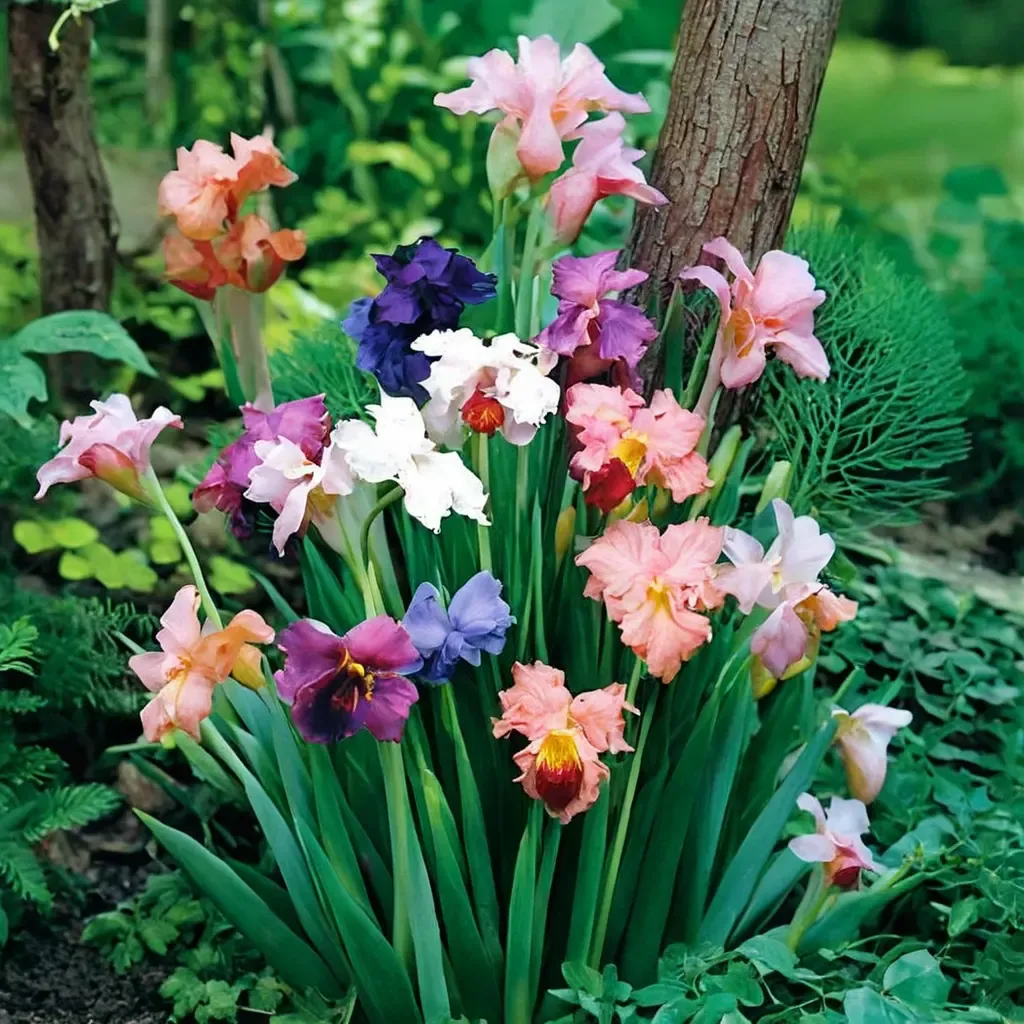
German Iris Bearded Iris
Iris x germanica 'Mix'
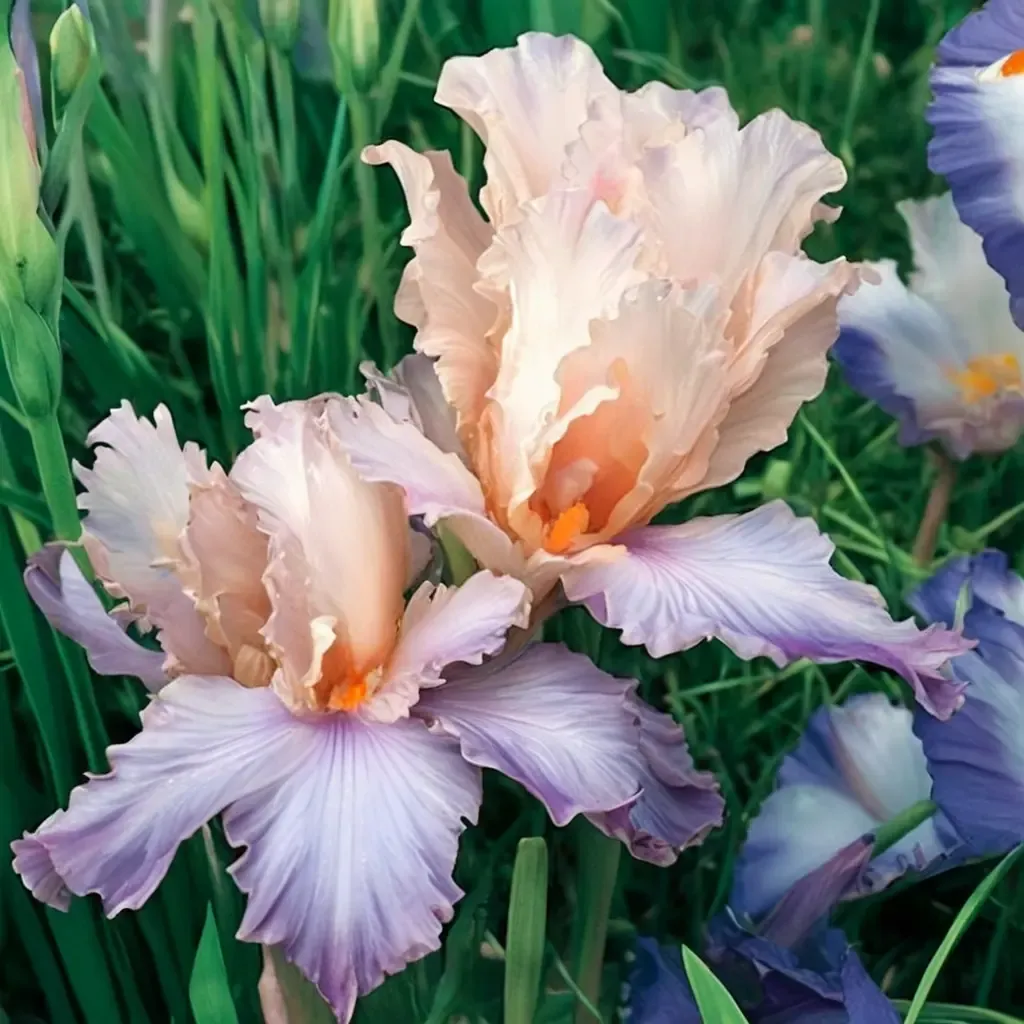
Celebration Song Iris
Iris tenuissima 'Celebration Song'
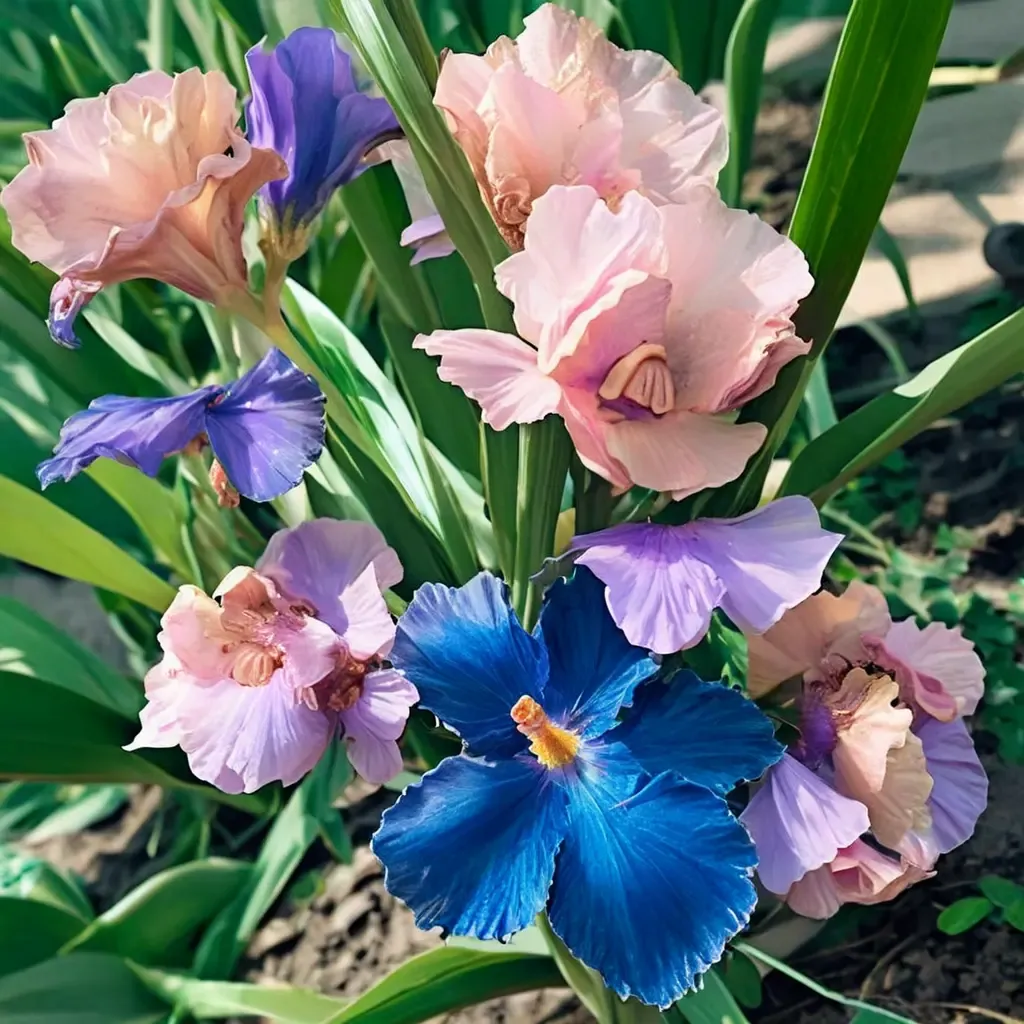
Poem of Ecstasy German Iris
Iris x germanica 'Poem Of Ecstasy'
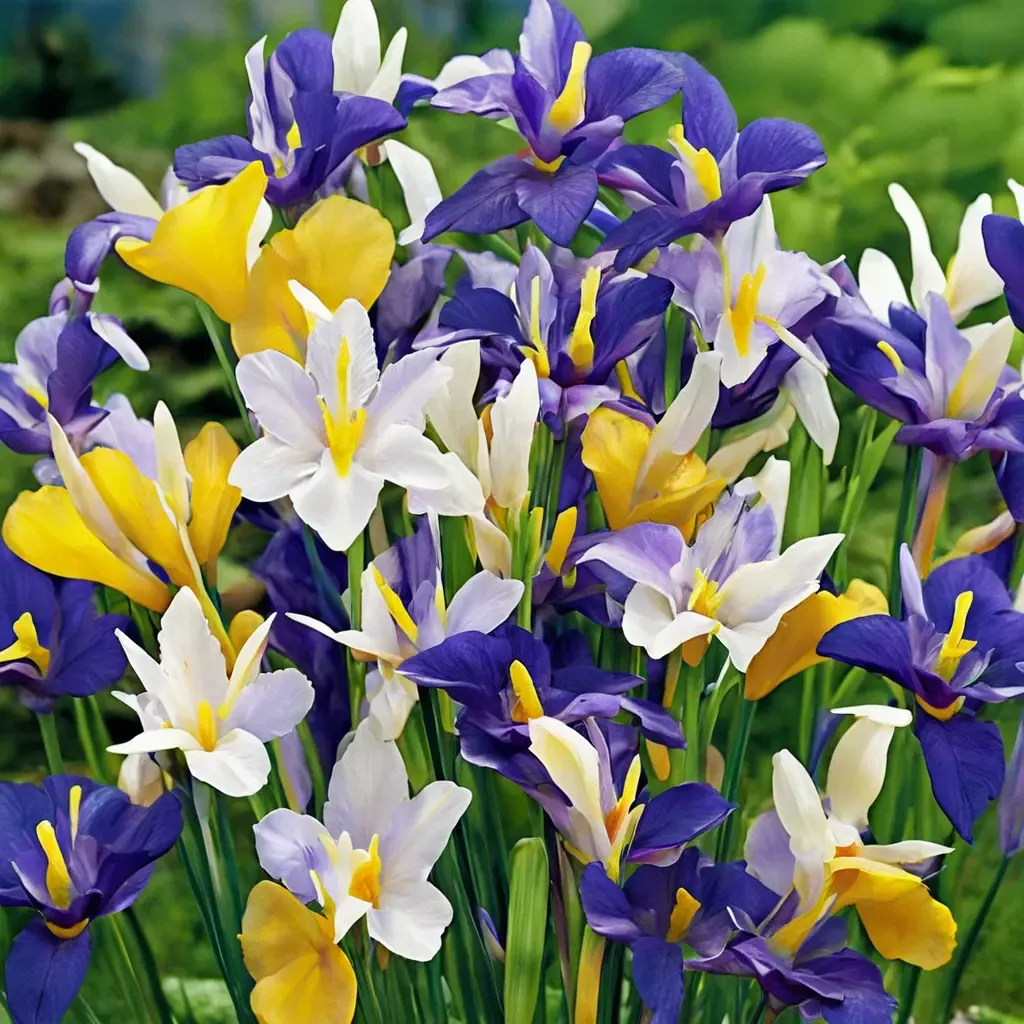
Dutch Iris Mix
Iris x hollandica 'Mix'
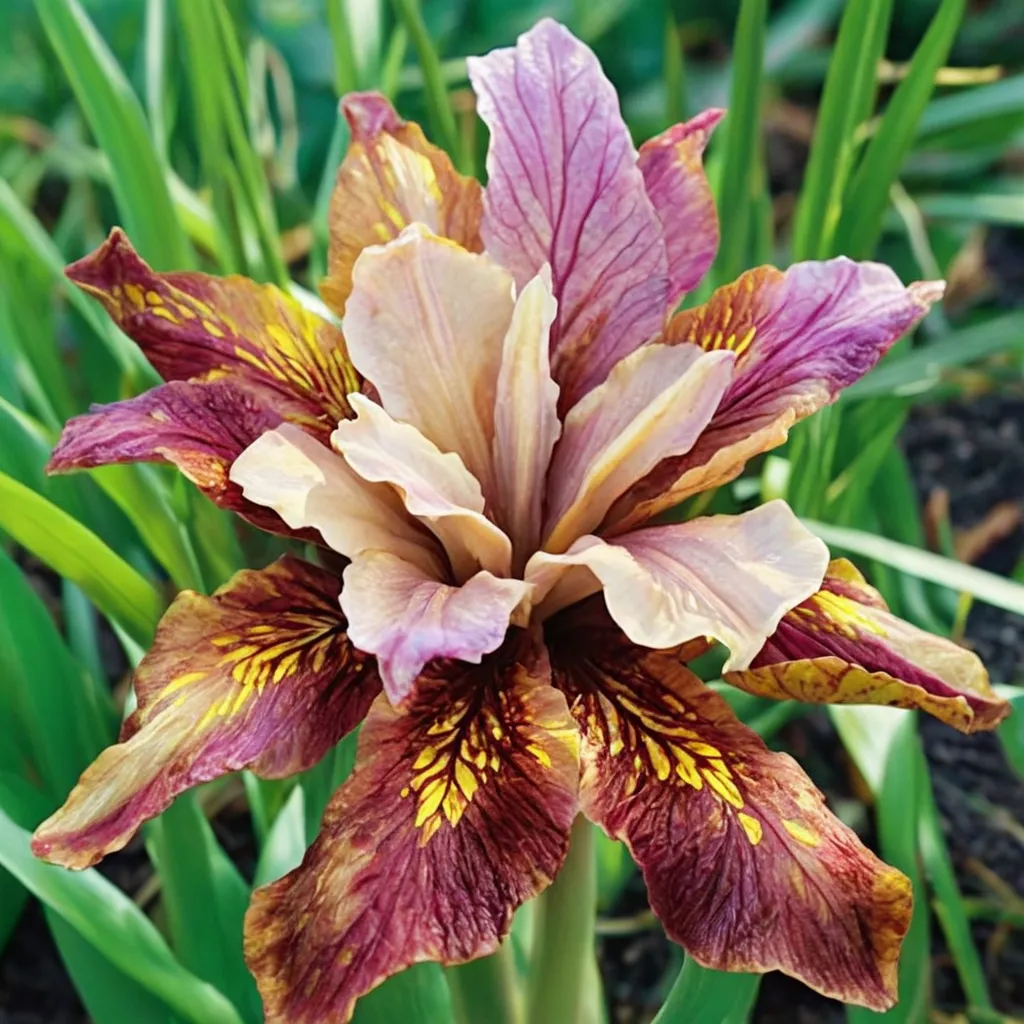
Siberian Iris 'Paprikash'
Iris x hybrida 'Paprikash'
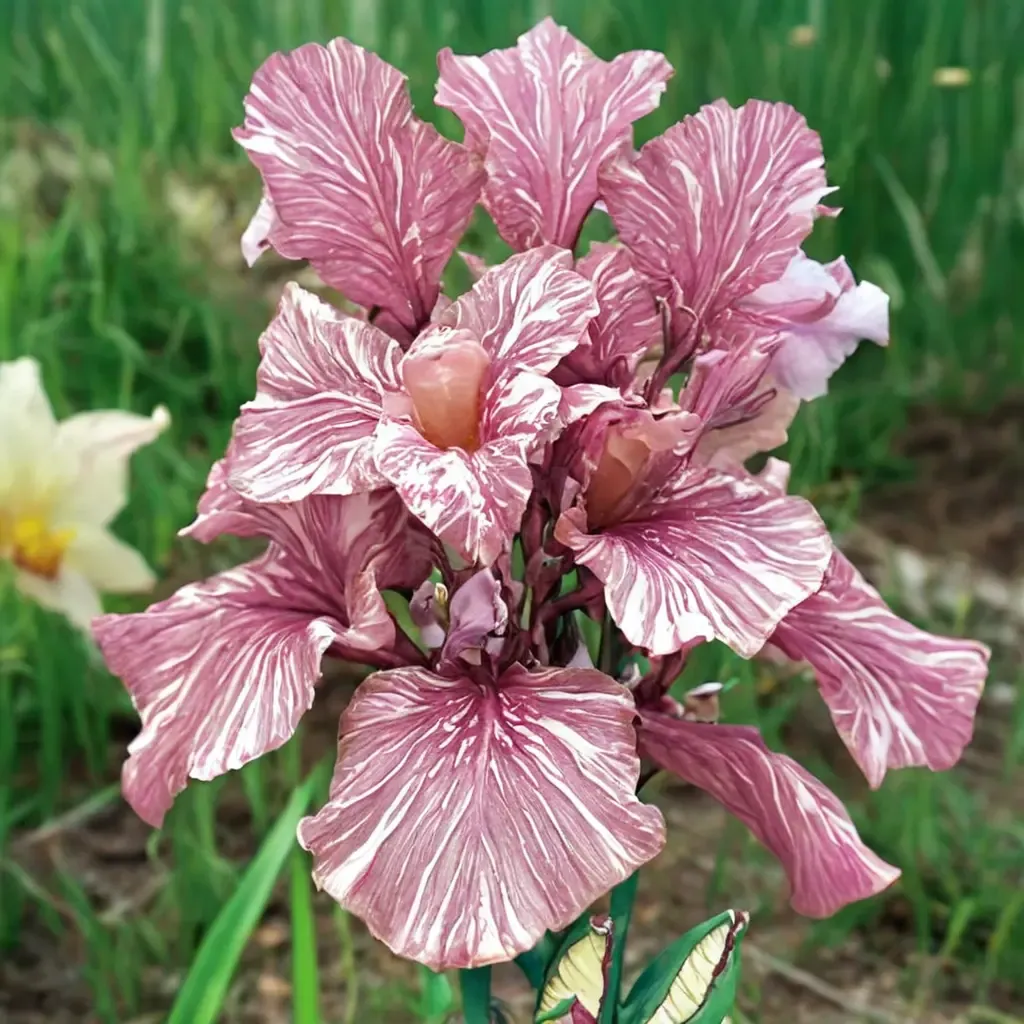
Baboon Bottom Bearded Iris
Iris x germanica 'Baboon Bottom Bearded'
Keep exploring
Explore the genus
Grow Grass-leaved Iris with confidence
See it in a design of your actual yard, get zone-matched care reminders, and track it season by season in your garden journal.