The Story
Plant Bio
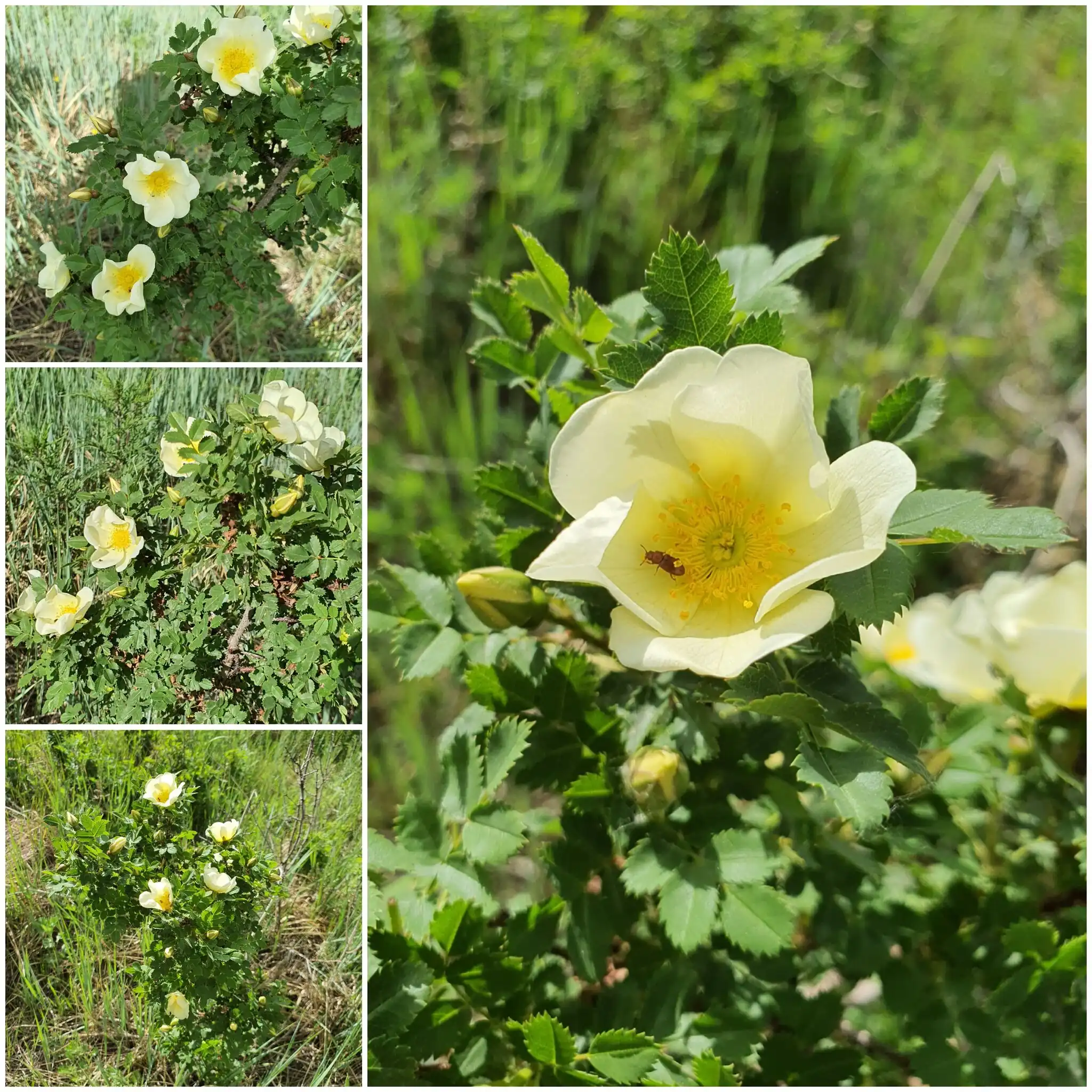
Rosa xanthina, the Manchu rose, is a deciduous, upright shrub native to East Asia that forms a dense, mounded thicket of gracefully arching canes. The branches are clothed in delicate, fern-like pinnate leaves and produce a profuse display of bright yellow, solitary flowers along the previous year's growth.
The species is distinguished by its exceptionally early bloom period and its fine-textured, bright green foliage that emerges before the flowers. Unlike modern hybrid roses, it maintains a naturally bushy, spreading form that requires minimal intervention to remain structured.
Uses & Benefits:
Essentials
At a Glance
Plant Type
Shrub
Height
118"
Width
118"
Light
Full Sun
Zones
5, 6, 7, 8, 9
Water
Moderate
Humidity
Moderate
Lifespan
Perennial
Native To
Asia
Toxicity
Non-toxic
Bloom period
Late spring – Early summer
In flower about 2 months of the year
Planting
How to Grow
- Select a planting site that receives at least six hours of direct daily sunlight to maximize flower production.
- Prepare the soil by incorporating organic matter to ensure a rich, loamy, or sandy texture with high drainage.
- Water regularly during the first growing season to establish a deep root system, maintaining moderate moisture thereafter.
- Apply a balanced, slow-release organic fertilizer or a layer of compost mulch in early spring as new growth begins.
Pro Tip
Prune only immediately after the spring flowering flush; cutting the canes back in late winter removes the dormant buds and eliminates all blooms for the coming season.
Keep It Thriving
Care Guide
Do
- Prune immediately after the late spring bloom finishes to preserve next year's flowering wood.
- Plant in well-drained soil to prevent root rot from stagnant moisture.
- Rake and destroy fallen leaves in autumn to minimize the carryover of fungal spores like black spot.
Don't
- Do not shear the shrub into a formal shape or cut hard into old, leafless wood.
- Do not apply heavy, high-nitrogen fertilizers late in the growing season.
- Do not use overhead irrigation, as wet foliage increases susceptibility to powdery mildew.
Seasonal Care Calendar
| Task | Jan | Feb | Mar | Apr | May | Jun | Jul | Aug | Sep | Oct | Nov | Dec |
|---|---|---|---|---|---|---|---|---|---|---|---|---|
| Pest Check | ||||||||||||
| Propagate | ||||||||||||
| Prune | ||||||||||||
| Spring Cleanup |
Watch Out For
Pests & Diseases
Common Pests
Common Diseases
In the Garden
Landscape Uses & Companions
Landscape Uses
Multiply
Propagation Methods
Good to Know
Common Questions
Manchu Rose questions
What zones can Manchu Rose grow in?
Manchu Rose is hardy in USDA Zones 5–9. Inside that range it survives winter in the ground; outside it, grow it as an annual or a container plant you protect.
Is Manchu Rose deer resistant?
Not reliably. Deer may browse Manchu Rose, especially tender spring growth — plan on repellents or fencing where pressure is high.
When does Manchu Rose bloom?
Manchu Rose typically blooms in late spring through early summer. Exact timing shifts a week or two with your zone — Sow's bloom calendar maps it to your garden.
Does Manchu Rose need full sun?
Manchu Rose does best in full sun (6+ hours).
Is Manchu Rose drought tolerant?
Yes — once established (usually after the first full season), Manchu Rose handles dry spells with minimal watering. Water deeply its first year to build the root system that makes that possible.
More Rosa to compare
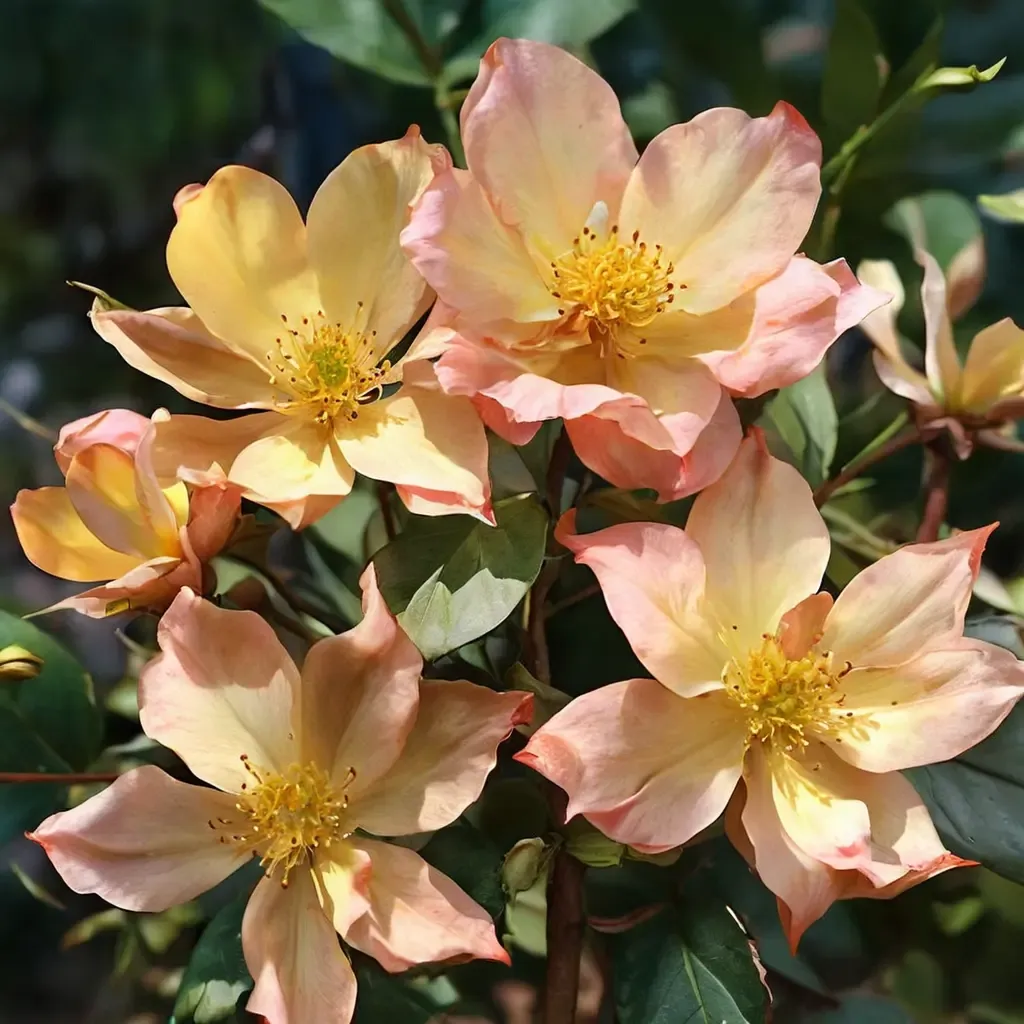
Flutterbye Rose
Rosa x hybrida 'Flutterbye'
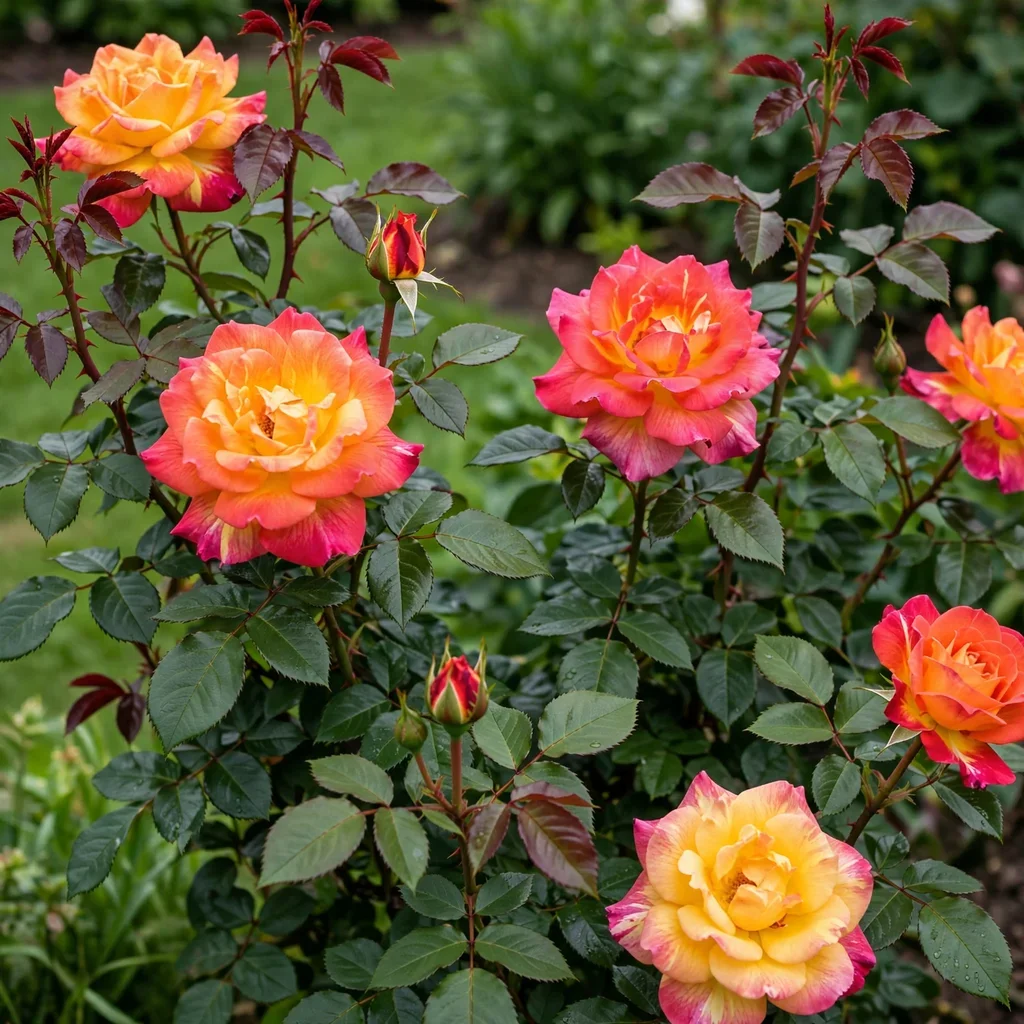
Joseph's Coat Rose
Rosa x hybrida 'Joseph's Coat'
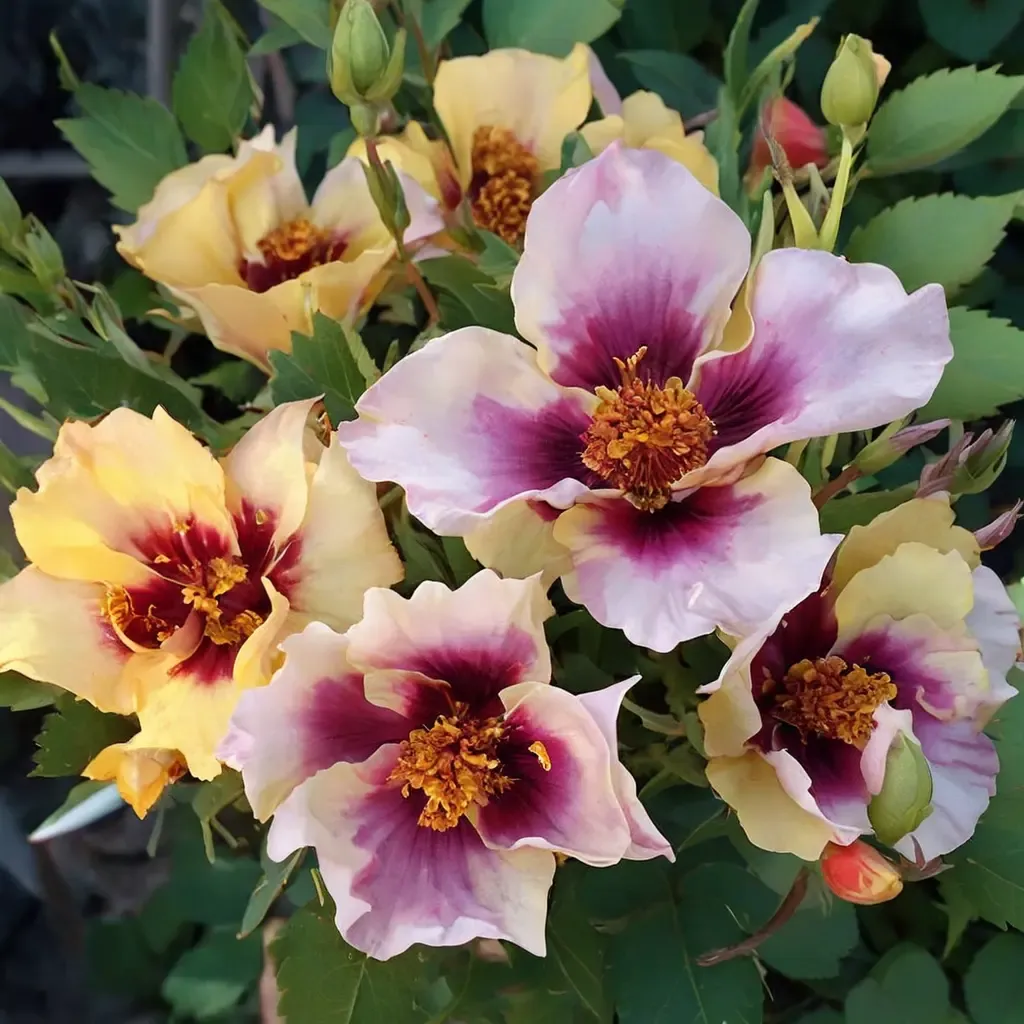
In Your Eyes Rose
Rosa x hybrida 'In Your Eyes'
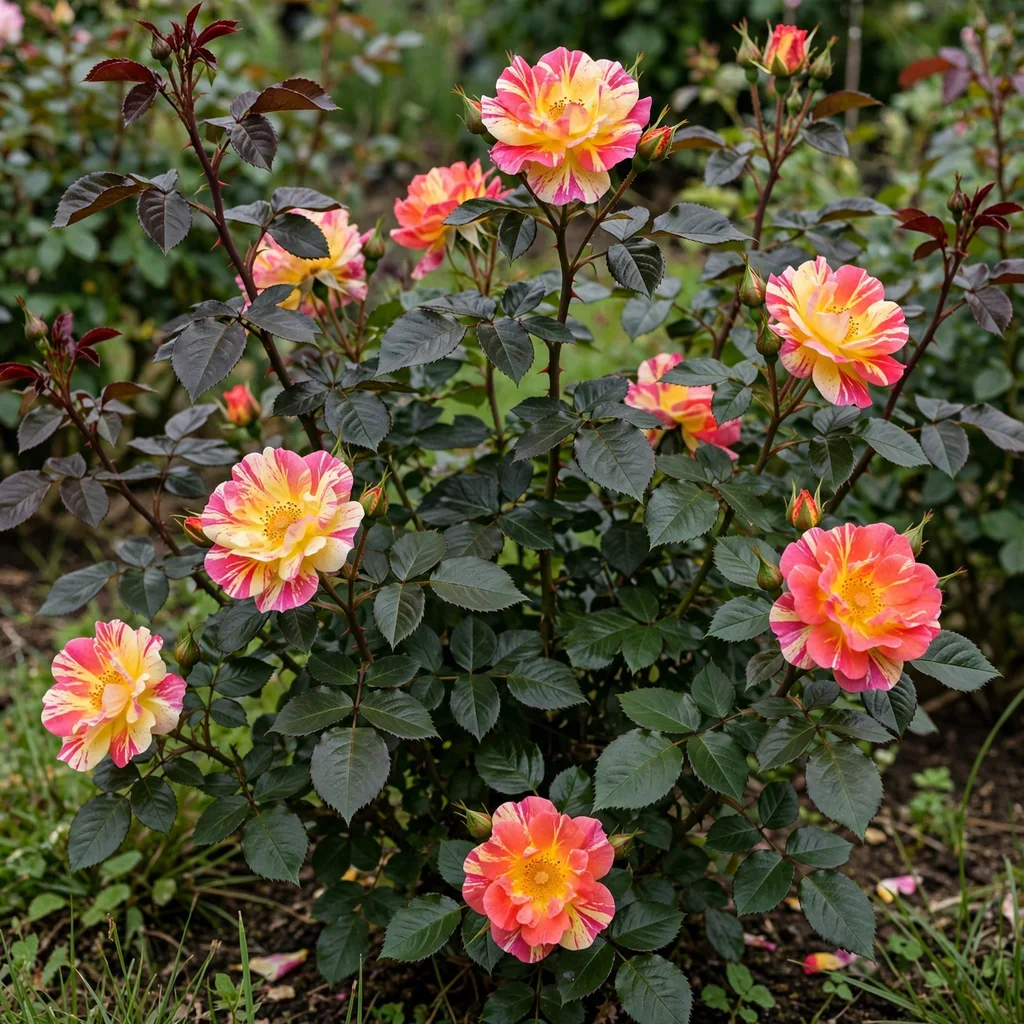
Rainbow Rose
Rosa x hybrida 'Rainbow'
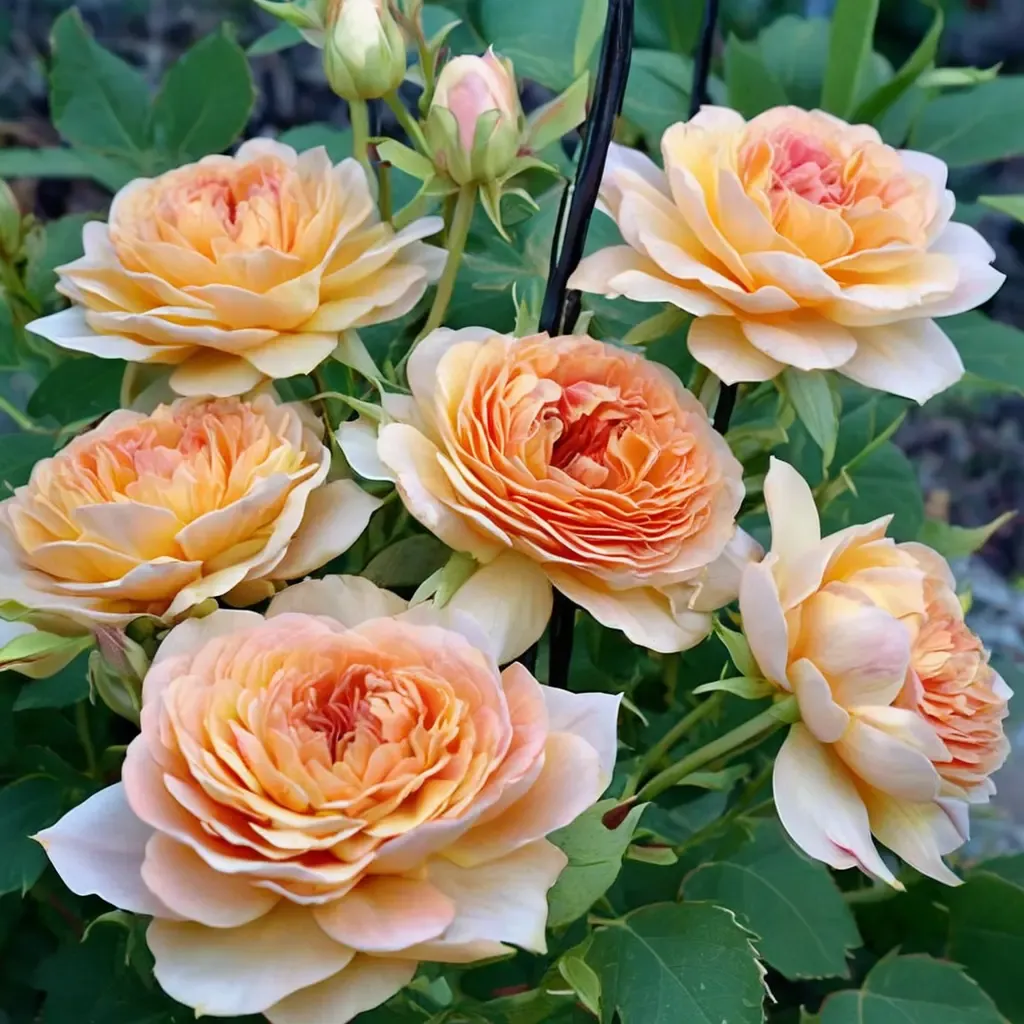
Fun in the Sun Rose
Rosa x hybrida 'Fun in the Sun'
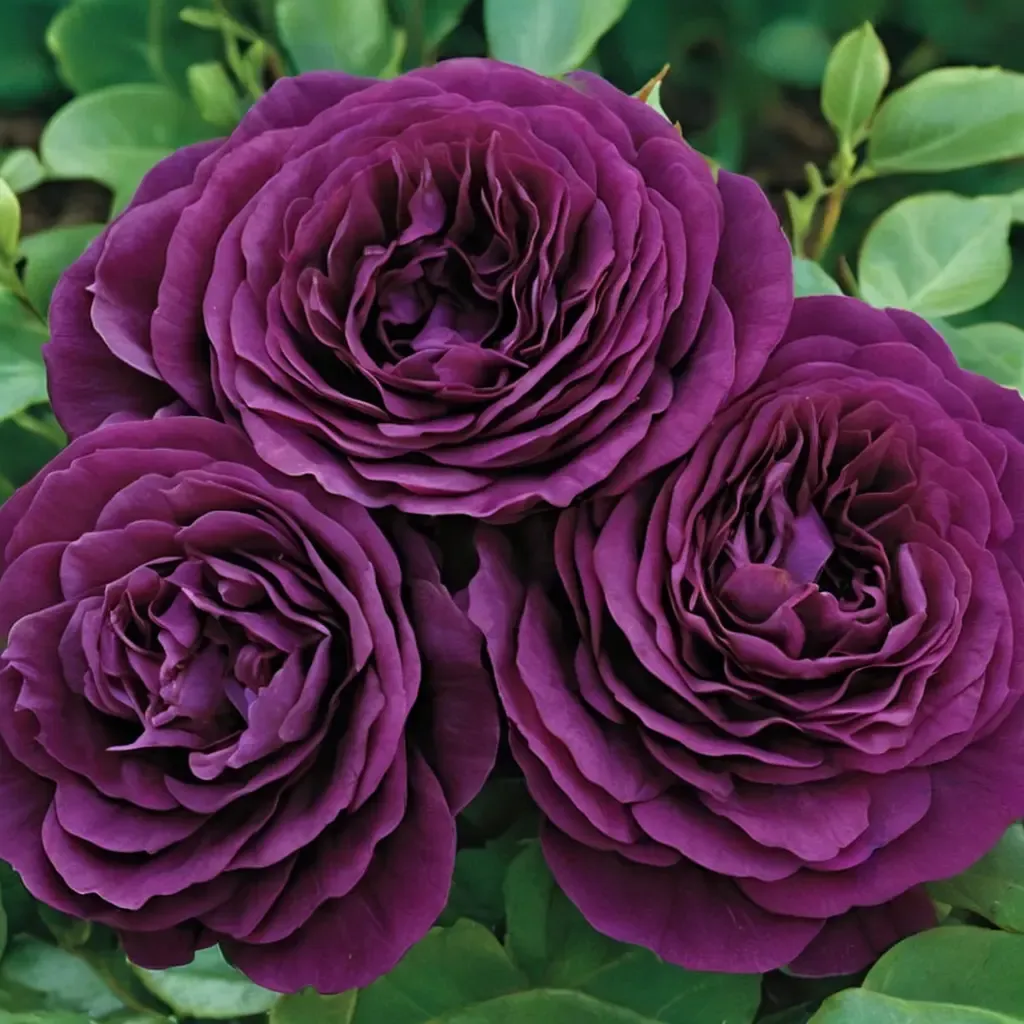
Twilight Zone Rose
Rosa x hybrida 'Twilight Zone'
Keep exploring
Explore the genus
Hardy in your zone?
Grow Manchu Rose with confidence
See it in a design of your actual yard, get zone-matched care reminders, and track it season by season in your garden journal.