
The Story
Plant Bio
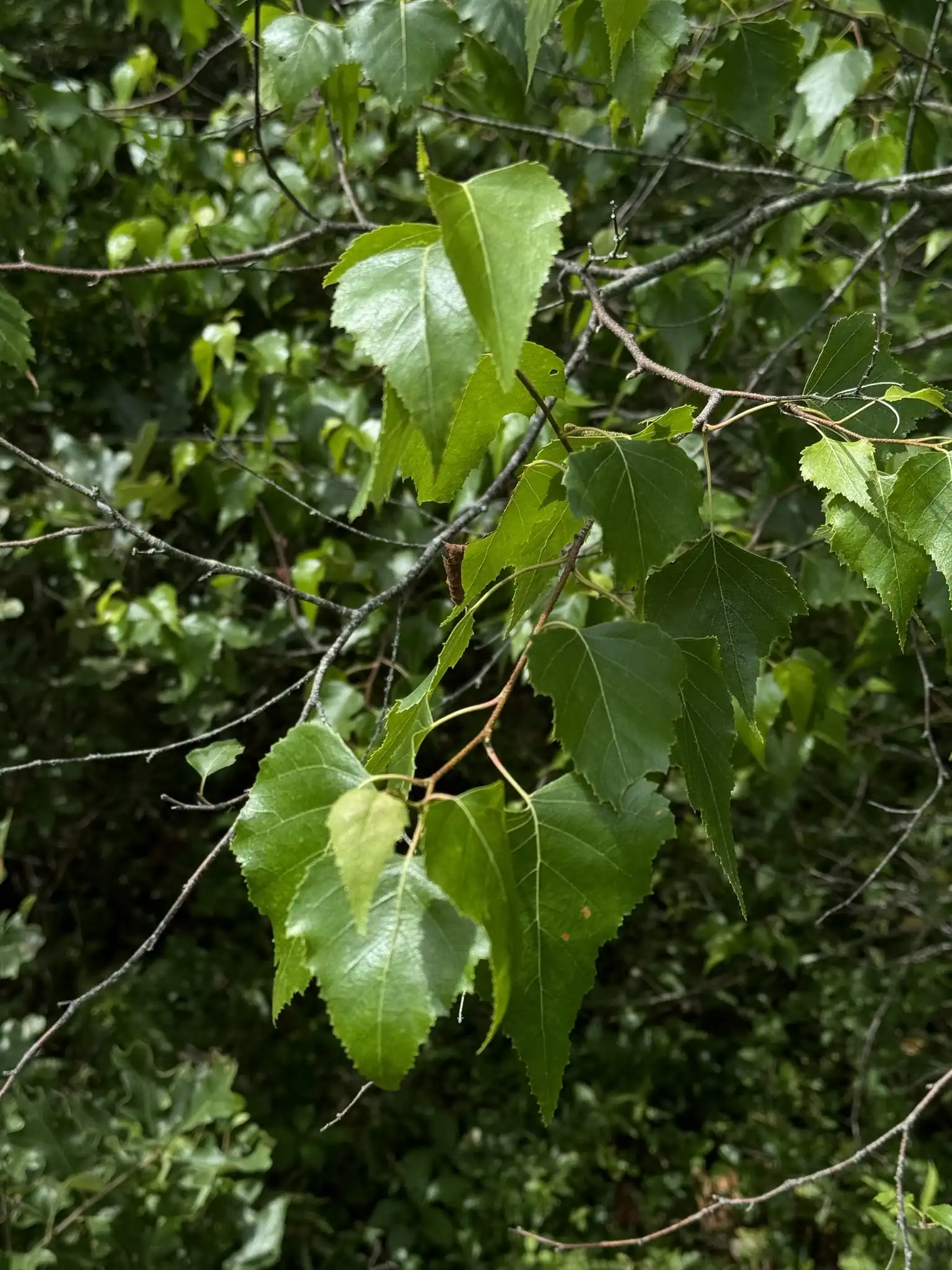
A small to medium-sized, fast-growing, short-lived deciduous tree native to eastern North America. It is known for its non-peeling, chalky to grayish-white bark and triangular, long-pointed leaves.
This species is particularly adapted to colonizing disturbed or poor soils, often growing in multi-stemmed clumps. Its bark does not exfoliate like many other birches, remaining a distinctive chalky white.
Uses & Benefits:
Essentials
At a Glance
Plant Type
Tree
Height
360"
Width
180"
Light
Full Sun, Partial Sun
Zones
4, 5, 6
Water
Medium to wet
Humidity
Moderate
Lifespan
Short-lived (30-50 years)
Native To
Eastern North America
Toxicity
Non-toxic
Planting
How to Grow
- Select a site with full sun to part shade and acidic soil.
- Dig a hole two to three times wider than the root ball.
- Place the tree so the top of the root ball is level with the soil.
- Backfill with the original soil, gently firming it around the roots.
- Water thoroughly after planting to settle the soil.
- Apply a 2-3 inch layer of mulch, avoiding the trunk.
Pro Tip
Plant in groups of three or five to create a natural-looking grove and highlight the beautiful white bark.
Keep It Thriving
Care Guide
Do
- Provide consistent moisture, especially during dry spells.
- Plant in a location with good air circulation to deter pests.
- Allow it to grow in its natural multi-stemmed form.
Don't
- Don't plant in alkaline or heavily compacted soils.
- Avoid heavy pruning, which can stress this short-lived tree.
- Don't plant near structures due to potential for ice storm damage.
Seasonal Care Calendar
| Task | Jan | Feb | Mar | Apr | May | Jun | Jul | Aug | Sep | Oct | Nov | Dec |
|---|---|---|---|---|---|---|---|---|---|---|---|---|
| Pest Check | ||||||||||||
| Prune |
Watch Out For
Pests & Diseases
Common Pests
Common Diseases
In the Garden
Landscape Uses & Companions
Landscape Uses
Multiply
Propagation Methods
Good to Know
Common Questions
Gray Birch questions
What zones can Gray Birch grow in?
Gray Birch is hardy in USDA Zones 4–6. Inside that range it survives winter in the ground; outside it, grow it as an annual or a container plant you protect.
Is Gray Birch deer resistant?
Yes — Gray Birch is rated deer-resistant. Deer typically pass it over, though extreme hunger can override any plant's defenses.
When does Gray Birch bloom?
Gray Birch typically blooms in mid-spring through late spring. Exact timing shifts a week or two with your zone — Sow's bloom calendar maps it to your garden.
Does Gray Birch need full sun?
Gray Birch does best in full sun to part shade. In hot climates, afternoon shade keeps blooms fresher longer.
Is Gray Birch drought tolerant?
Yes — once established (usually after the first full season), Gray Birch handles dry spells with minimal watering. Water deeply its first year to build the root system that makes that possible.
More Betula to compare
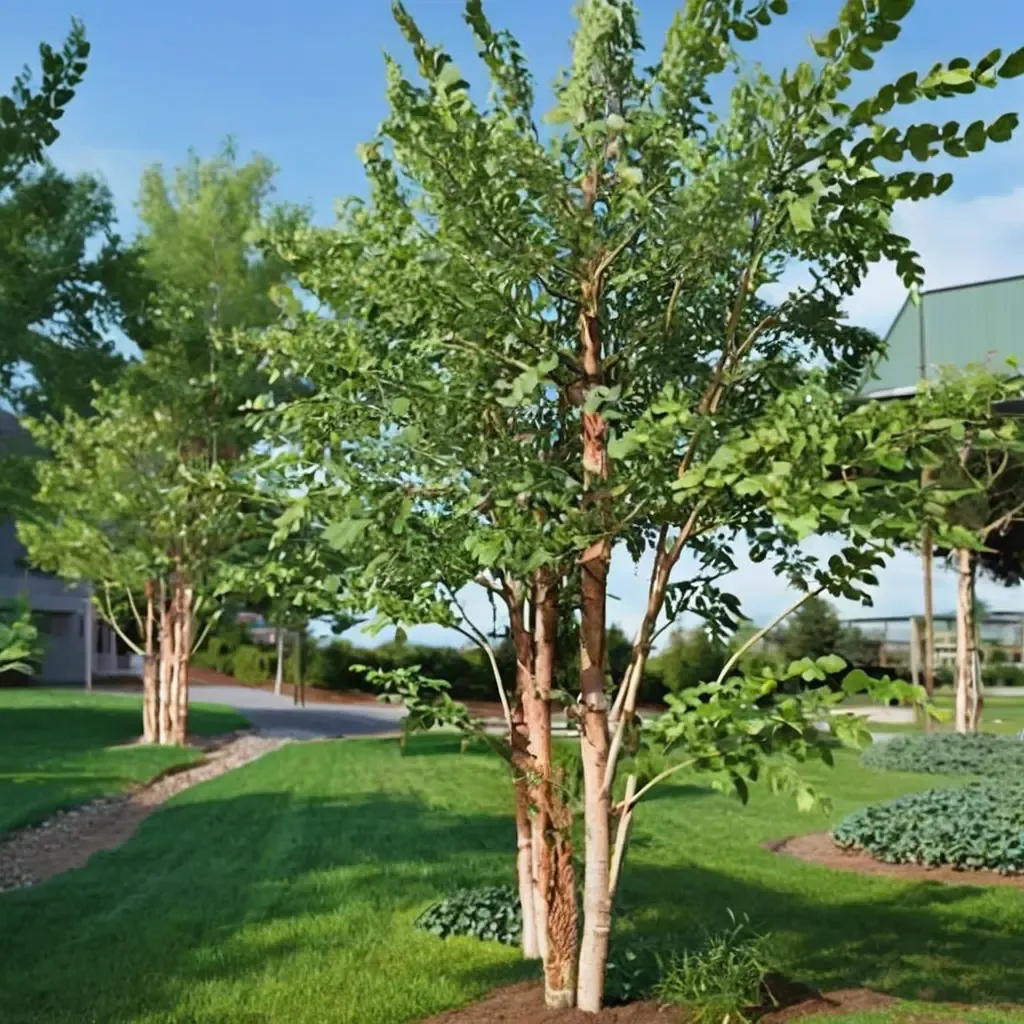
River Birch
Betula nigra
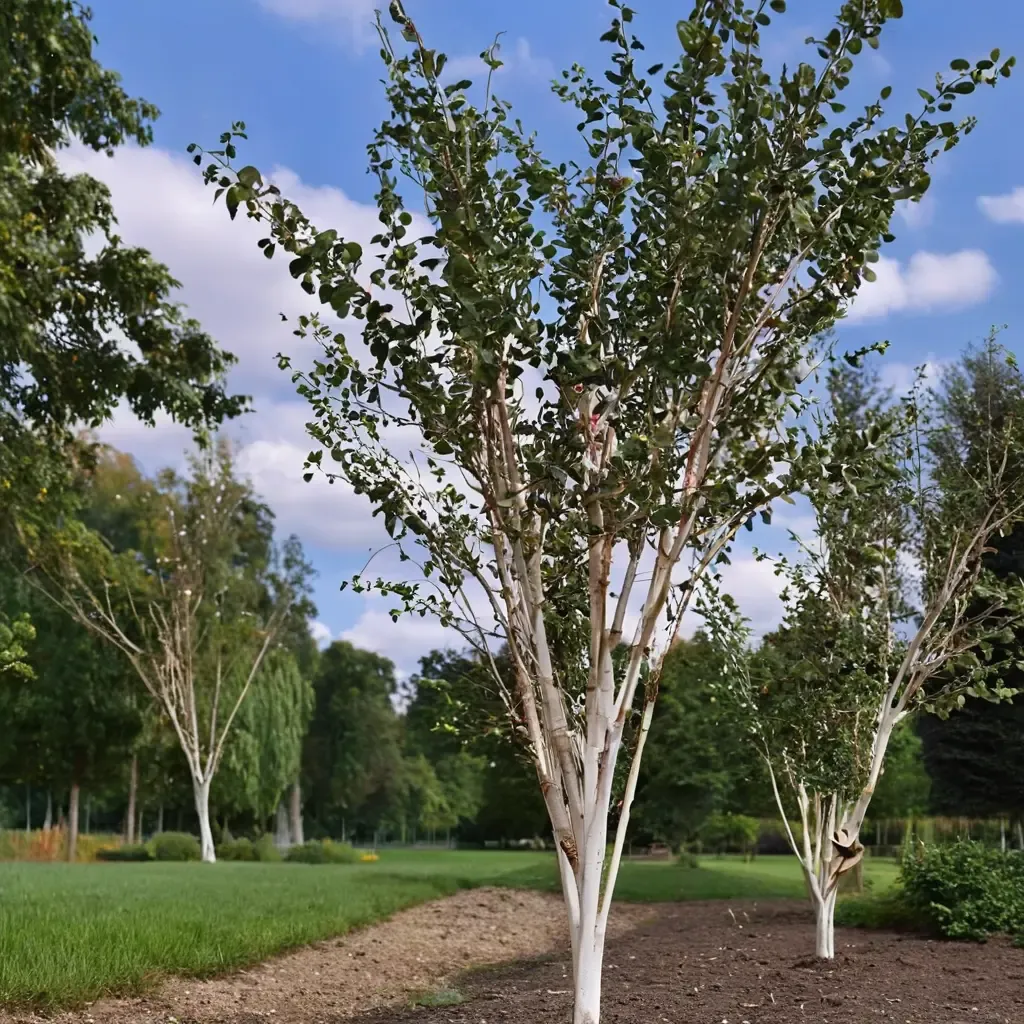
Himalayan Birch
Betula utilis
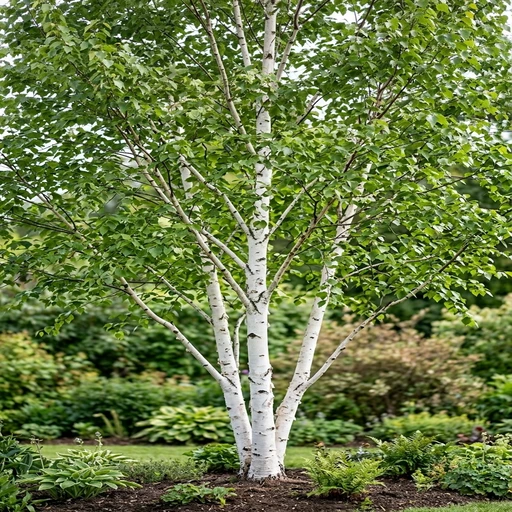
Paper Birch
Betula papyrifera
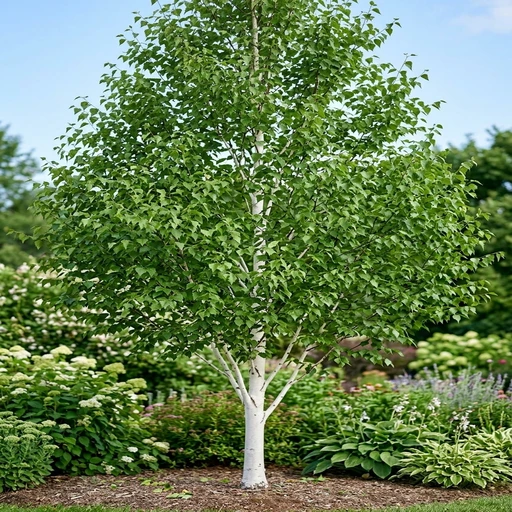
Whitespire Birch
Betula platyphylla 'Whitespire'
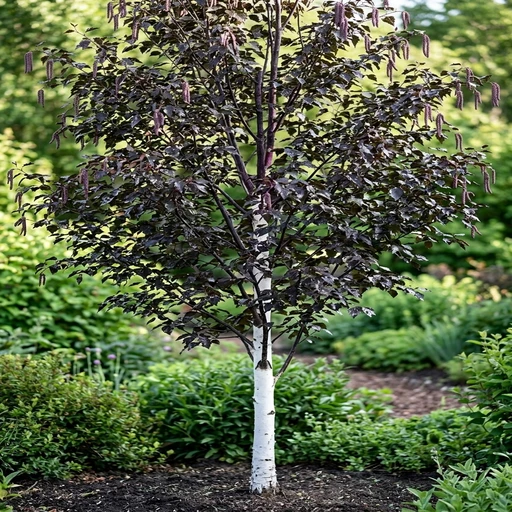
Birch
Betula x hybrida 'Royal Frost'
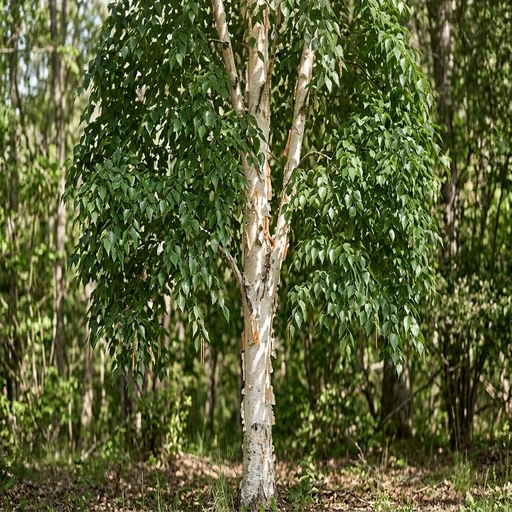
Renaissance Oasis Paper Birch
Betula papyrifera 'Oenci'
Keep exploring
Explore the genus
Hardy in your zone?
Grow Gray Birch with confidence
See it in a design of your actual yard, get zone-matched care reminders, and track it season by season in your garden journal.