
Species
 Betula platyphyllaJapanese White Birch
1 other cultivar

The Story
Plant Bio
Betula platyphylla, the Japanese White Birch, is a medium-sized deciduous tree prized for its brilliant white, non-exfoliating bark and graceful, pyramidal form. It features toothed, diamond-shaped green leaves that turn yellow in fall.
'Whitespire' was selected for its resistance to the bronze birch borer. It maintains a strong central leader and has chalk-white bark that does not peel. Note: 'Whitespire Senior' is the true borer-resistant variety.
Uses & Benefits:
Essentials
At a Glance
Plant Type
Tree
Height
360"
Width
240"
Light
Full Sun
Zones
4, 5, 6, 7
Water
Medium
Humidity
Prefers low to moderate
Lifespan
Short to medium
Native To
Siberia, Northern China, Japan
Toxicity
Non-toxic
Bloom period
Early spring – Mid-spring
In flower about 2 months of the year
Marketplace
Where to Buy
Shipping costs Year-round shipping Free shipping
Planting
How to Grow
- Select a site with full sun and acidic, well-drained soil.
- Ensure the root zone will remain cool, perhaps on a north-facing slope.
- Dig a wide, shallow hole, no deeper than the root ball.
- Plant the tree, keeping the root flare at or slightly above grade.
- Water thoroughly and apply a 3-4 inch layer of organic mulch.
- Keep consistently moist, especially during the first few years and dry spells.
Pro Tip
Plant in a location where the root zone is cool and shaded, but the canopy receives full sun, to mimic its natural habitat.
Keep It Thriving
Care Guide
Do
- Mulch heavily over the root zone to keep soil cool and moist.
- Water deeply during periods of drought.
- Plant in groups of three or five for a naturalistic look.
Don't
- Don't plant in hot, dry locations or heavy clay soil.
- Avoid pruning between May 1 and August 1 to prevent borer attraction.
- Don't fertilize mature trees unless a soil test indicates a deficiency.
Seasonal Care Calendar
| Task | Jan | Feb | Mar | Apr | May | Jun | Jul | Aug | Sep | Oct | Nov | Dec |
|---|---|---|---|---|---|---|---|---|---|---|---|---|
| Mulch | ||||||||||||
| Pest Check | ||||||||||||
| Plant | ||||||||||||
| Prune |
Watch Out For
Pests & Diseases
Common Pests
Common Diseases
In the Garden
Landscape Uses & Companions
Landscape Uses
Companion Plants
Multiply
Propagation Methods
Good to Know
Common Questions
Whitespire Birch questions
What zones can Whitespire Birch grow in?
Whitespire Birch is hardy in USDA Zones 4–7. Inside that range it survives winter in the ground; outside it, grow it as an annual or a container plant you protect.
Is Whitespire Birch deer resistant?
Yes — Whitespire Birch is rated deer-resistant. Deer typically pass it over, though extreme hunger can override any plant's defenses.
When does Whitespire Birch bloom?
Whitespire Birch typically blooms in early spring through mid-spring. Exact timing shifts a week or two with your zone — Sow's bloom calendar maps it to your garden.
Does Whitespire Birch need full sun?
Whitespire Birch does best in full sun (6+ hours).
More Betula to compare
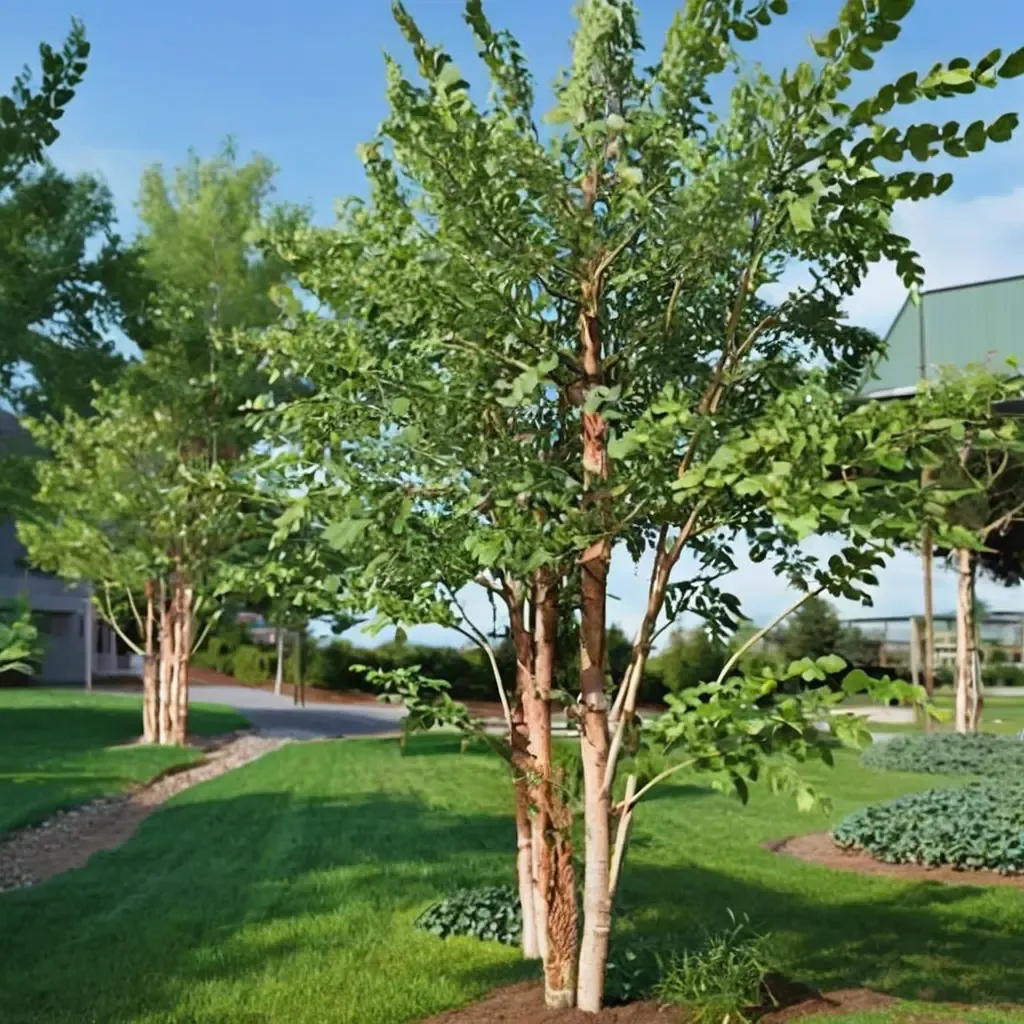
River Birch
Betula nigra
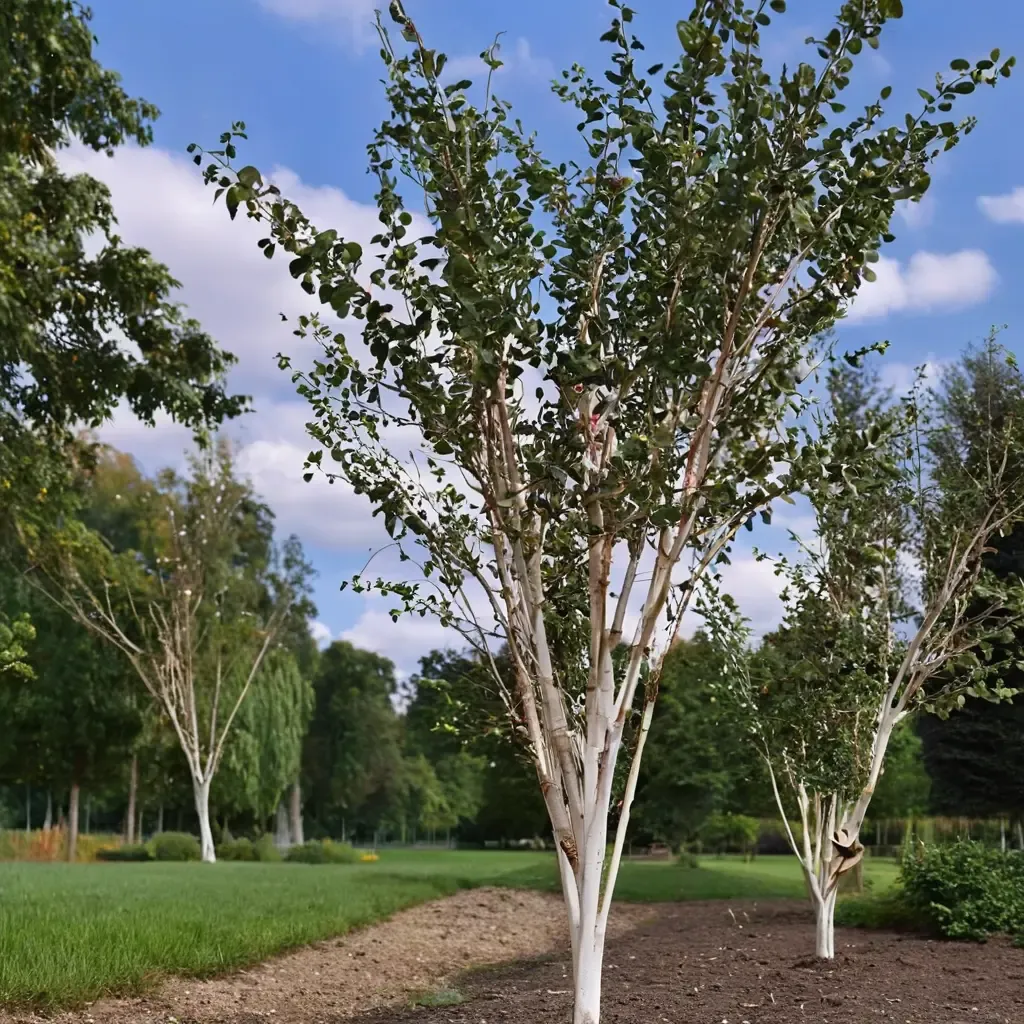
Himalayan Birch
Betula utilis
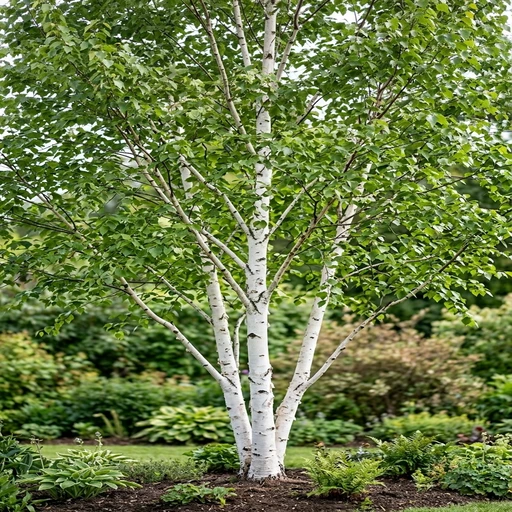
Paper Birch
Betula papyrifera
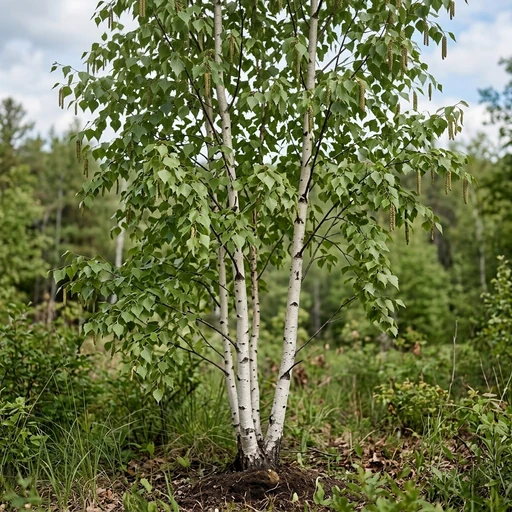
Gray Birch
Betula populifolia
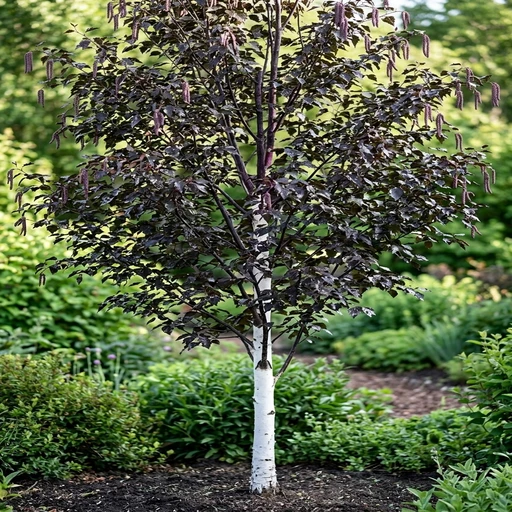
Birch
Betula x hybrida 'Royal Frost'
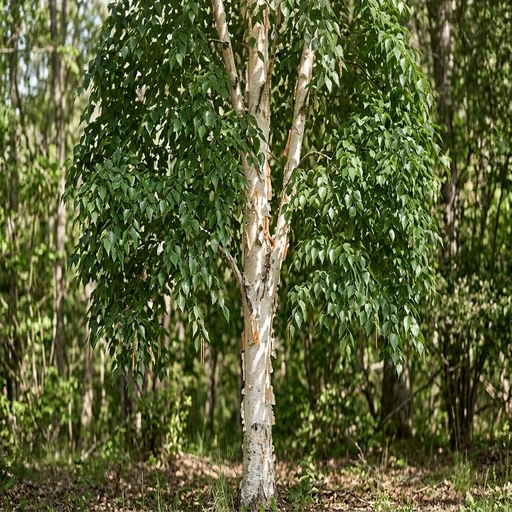
Renaissance Oasis Paper Birch
Betula papyrifera 'Oenci'
Keep exploring
Explore the genus
Hardy in your zone?
Grow Whitespire Birch with confidence
See it in a design of your actual yard, get zone-matched care reminders, and track it season by season in your garden journal.