The Story
Plant Bio
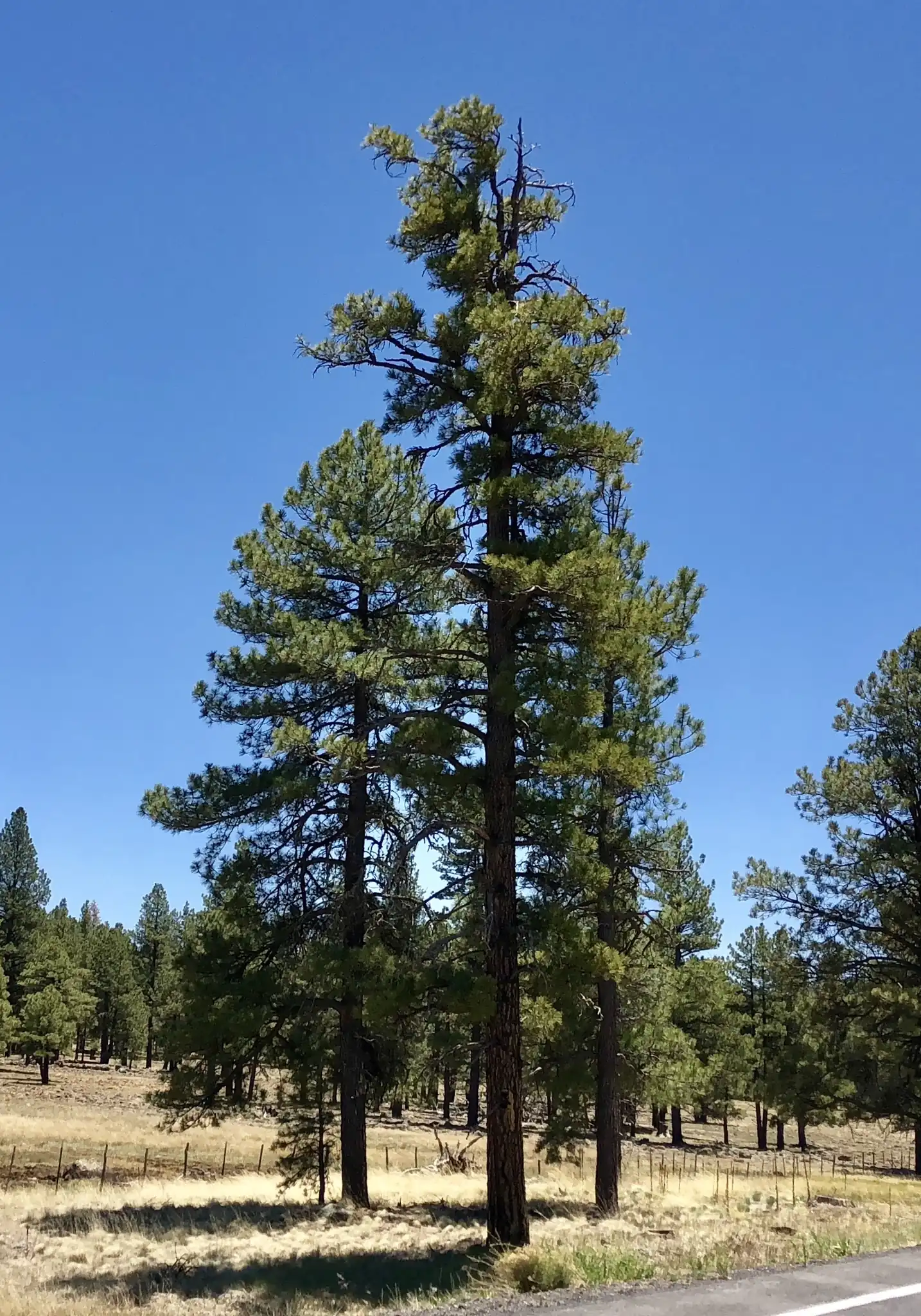
Pinus ponderosa is a large, long-lived coniferous evergreen tree, iconic in the American West. It is distinguished by its long needles in bundles of three and mature bark that is orange-brown and plated, smelling of vanilla or butterscotch when warmed by the sun.
As a keystone species, its primary distinction is its ecological role and majestic stature. Its thick, fire-resistant bark allows it to survive low-intensity ground fires, shaping the forest ecosystems where it dominates.
Uses & Benefits:
Essentials
At a Glance
Plant Type
Tree
Height
960"
Width
360"
Light
Full Sun
Zones
4, 5, 6, 7
Water
Low
Humidity
Low to Moderate
Lifespan
Very long-lived (300-600 years)
Native To
Western North America
Toxicity
Non-toxic, but needles can be harmful if ingested in large amounts by livestock
Bloom period
Mid-spring
In flower about 1 month of the year
Marketplace
Where to Buy
Shipping costs Year-round shipping Free shipping
Planting
How to Grow
- Select a site in full sun with deep, well-drained soil.
- Dig a hole two to three times the width of the root ball.
- Place the tree in the hole, ensuring the root flare is at or slightly above soil level.
- Backfill with the native soil, breaking up any large clumps.
- Water deeply after planting to settle the soil.
- Provide supplemental water for the first 1-2 years until established.
Pro Tip
Give it ample space to grow to its mature size; this is not a tree for a small residential lot. It thrives on neglect once established.
Keep It Thriving
Care Guide
Do
- Allow the soil to dry out between waterings once established.
- Provide plenty of room for both vertical and horizontal growth.
- Allow lower branches to remain on young trees to help trunk development.
- Appreciate its natural, open form; it does not require shearing.
Don't
- Do not plant in shady or poorly drained locations.
- Avoid planting in small, confined spaces or under power lines.
- Do not overwater; this tree is extremely drought tolerant.
- Avoid fertilizing; it is adapted to lean soils.
Seasonal Care Calendar
| Task | Jan | Feb | Mar | Apr | May | Jun | Jul | Aug | Sep | Oct | Nov | Dec |
|---|---|---|---|---|---|---|---|---|---|---|---|---|
| Plant | ||||||||||||
| Prune |
Watch Out For
Pests & Diseases
Common Pests
Common Diseases
In the Garden
Landscape Uses & Companions
Landscape Uses
Multiply
Propagation Methods
Good to Know
Common Questions
Ponderosa Pine questions
What zones can Ponderosa Pine grow in?
Ponderosa Pine is hardy in USDA Zones 4–7. Inside that range it survives winter in the ground; outside it, grow it as an annual or a container plant you protect.
Is Ponderosa Pine deer resistant?
Yes — Ponderosa Pine is rated deer-resistant. Deer typically pass it over, though extreme hunger can override any plant's defenses.
When does Ponderosa Pine bloom?
Ponderosa Pine typically blooms in mid-spring through mid-spring. Exact timing shifts a week or two with your zone — Sow's bloom calendar maps it to your garden.
Does Ponderosa Pine need full sun?
Ponderosa Pine does best in full sun (6+ hours).
Is Ponderosa Pine drought tolerant?
Yes — once established (usually after the first full season), Ponderosa Pine handles dry spells with minimal watering. Water deeply its first year to build the root system that makes that possible.
More Pinus to compare
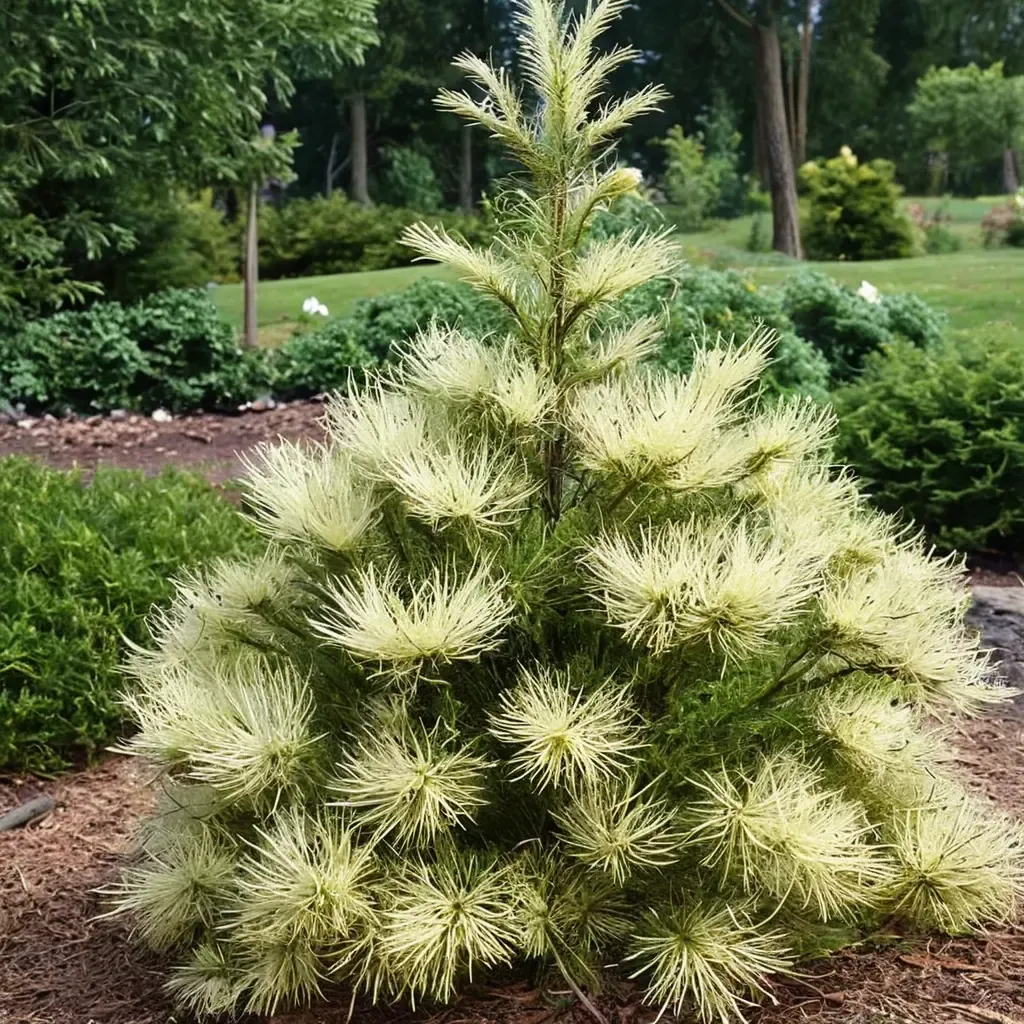
Golden Ghost Pine
Pinus densiflora 'Golden Ghost'
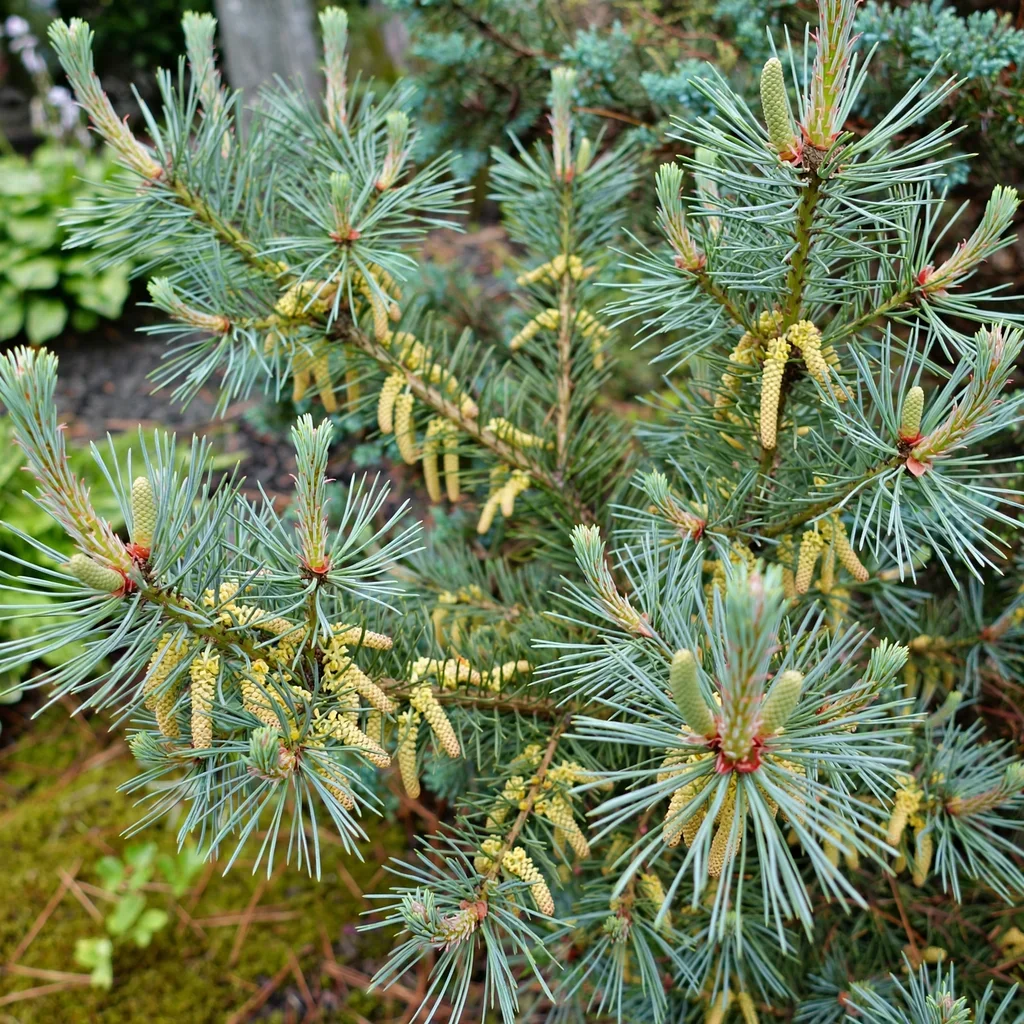
Eastern White Pine
Pinus strobus
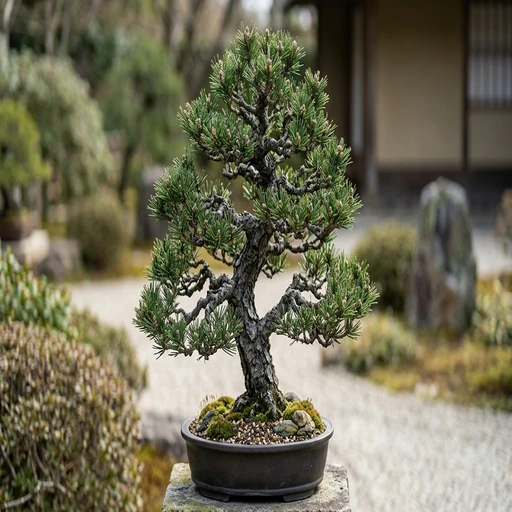
Thunderhead Japanese Black Pine
Pinus thunbergii 'Thunderhead'
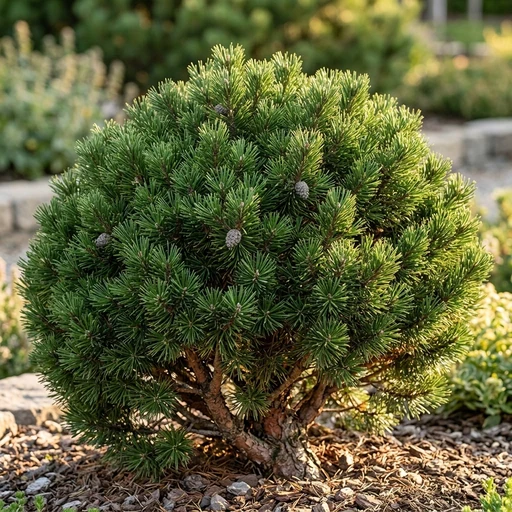
Slowmound Mugo Pine
Pinus mugo 'Slowmound'
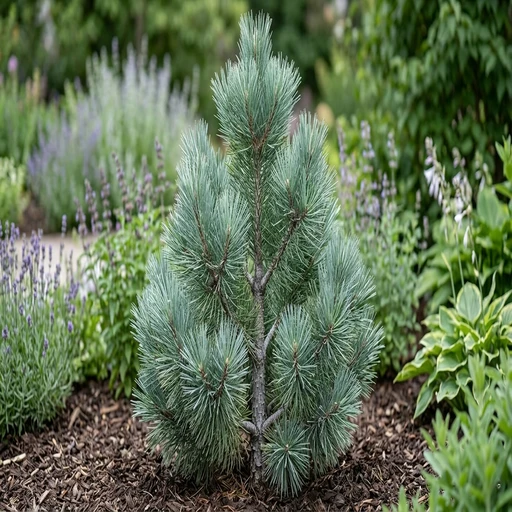
Vanderwolf's Pyramid Limber Pine
Pinus flexilis 'Vanderwolf'
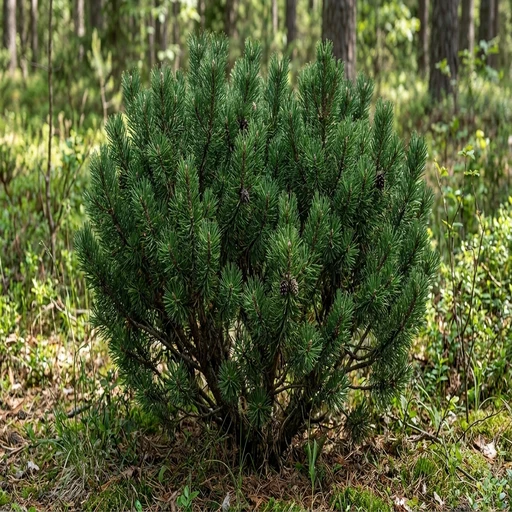
Mugo Pine
Pinus mugo
Keep exploring
Explore the genus
Hardy in your zone?
Grow Ponderosa Pine with confidence
See it in a design of your actual yard, get zone-matched care reminders, and track it season by season in your garden journal.