The Story
Plant Bio
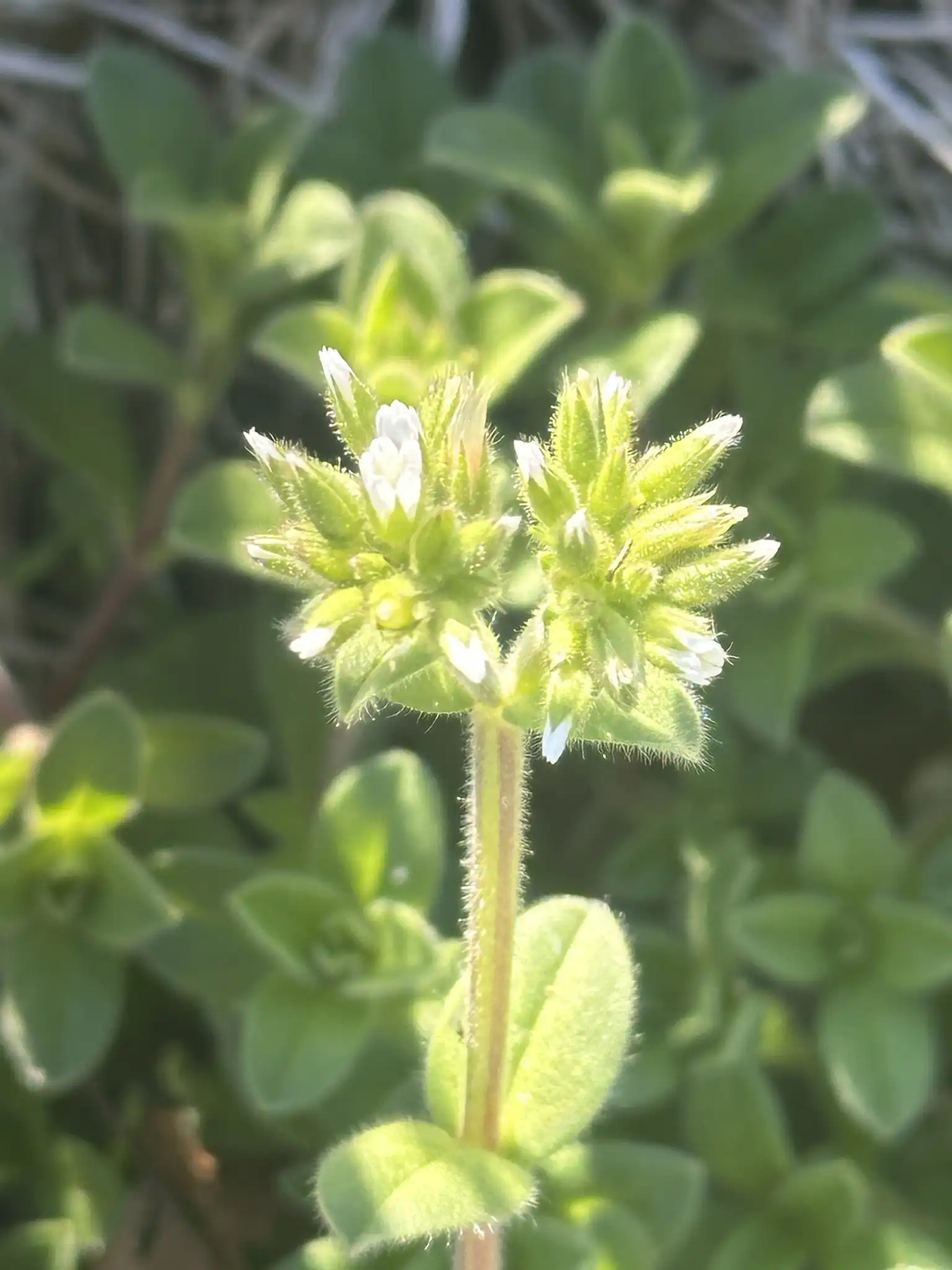
Cerastium glomeratum is a low-growing winter annual that forms loose or dense spreading mats in open, disturbed soils. The pale to medium green foliage features opposite, simple leaves covered in dense, sticky glandular hairs.
This species is distinguished by its highly congested, compact flower clusters and sepals with hairs that project past the petal tips. The tiny white flowers feature five notched petals that bloom from late winter through early summer.
Uses & Benefits:
Essentials
At a Glance
Plant Type
Annual
Height
18"
Width
12"
Light
Full Sun, Partial Sun
Zones
4, 5, 6, 7, 8, 9
Water
Low to Moderate
Humidity
Moderate to High
Lifespan
Annual
Native To
Eurasia
Toxicity
Non-toxic (hairs may cause mild skin irritation)
Bloom period
Late winter – Early summer
In flower about 5 months of the year
Planting
How to Grow
- Identify the sticky, hairy rosettes in late winter or early spring before flowering begins.
- Sever the shallow taproot just below the soil surface using a sharp hoe or hand tool.
- Bag and discard the uprooted plants immediately if flowers or seed capsules are present.
- Maintain a thick layer of organic mulch or dense turf cover to suppress future seed germination.
Pro Tip
Hand-pull or hoe plants in early spring before the green seed capsules mature to prevent the prolific seed bank from establishing in turf or garden beds.
Keep It Thriving
Care Guide
Do
- Identify the plant by its sticky, glandular hairs and congested flower clusters to avoid confusing it with common chickweed.
- Remove plants manually before the seed capsules mature and rupture.
Don't
- Do not compost mature plants with developed seed heads, as the seeds survive standard home composting temperatures.
- Do not allow bare, disturbed soil to remain uncovered in areas where this plant has seeded.
Seasonal Care Calendar
| Task | Jan | Feb | Mar | Apr | May | Jun | Jul | Aug | Sep | Oct | Nov | Dec |
|---|---|---|---|---|---|---|---|---|---|---|---|---|
| Pest Check | ||||||||||||
| Propagate | ||||||||||||
| Spring Cleanup |
Watch Out For
Pests & Diseases
Common Pests
Common Diseases
In the Garden
Landscape Uses & Companions
Landscape Uses
Multiply
Propagation Methods
Good to Know
Common Questions
Sticky Chickweed questions
What zones can Sticky Chickweed grow in?
Sticky Chickweed is hardy in USDA Zones 4–9. Inside that range it survives winter in the ground; outside it, grow it as an annual or a container plant you protect.
When does Sticky Chickweed bloom?
Sticky Chickweed typically blooms in late winter through early summer. Exact timing shifts a week or two with your zone — Sow's bloom calendar maps it to your garden.
Does Sticky Chickweed need full sun?
Sticky Chickweed does best in full sun to part shade. In hot climates, afternoon shade keeps blooms fresher longer.
More Cerastium to compare
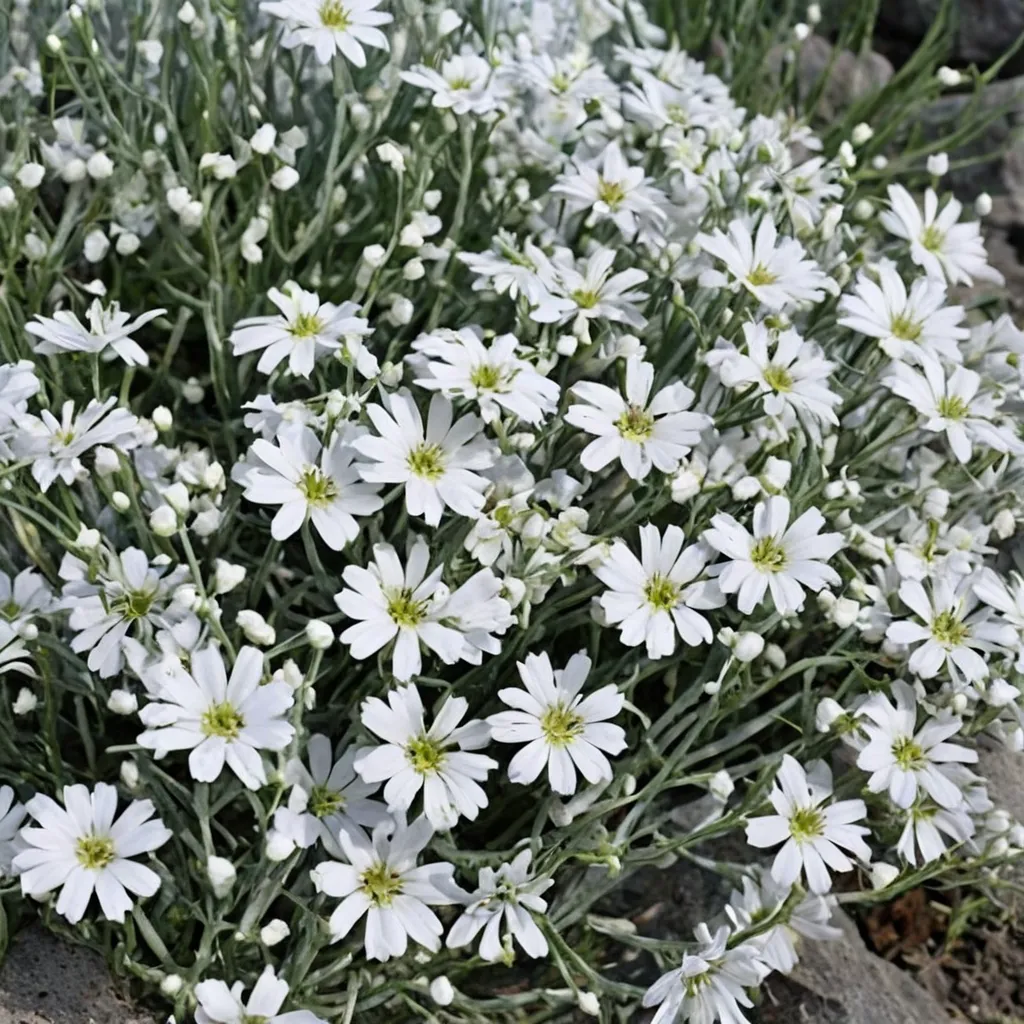
Silver Carpet Snow-in-Summer
Cerastium tomentosum 'Silver Carpet'
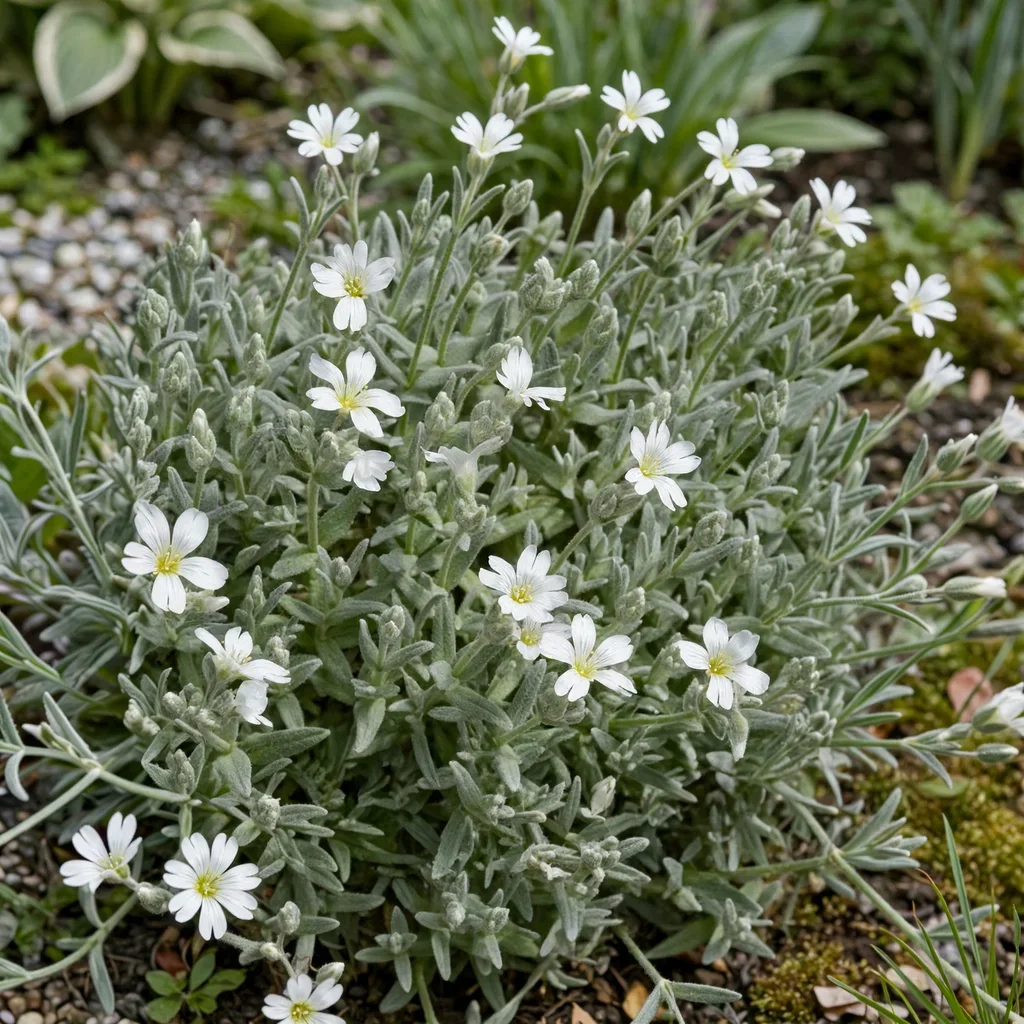
Snow-in-summer
Cerastium tomentosum
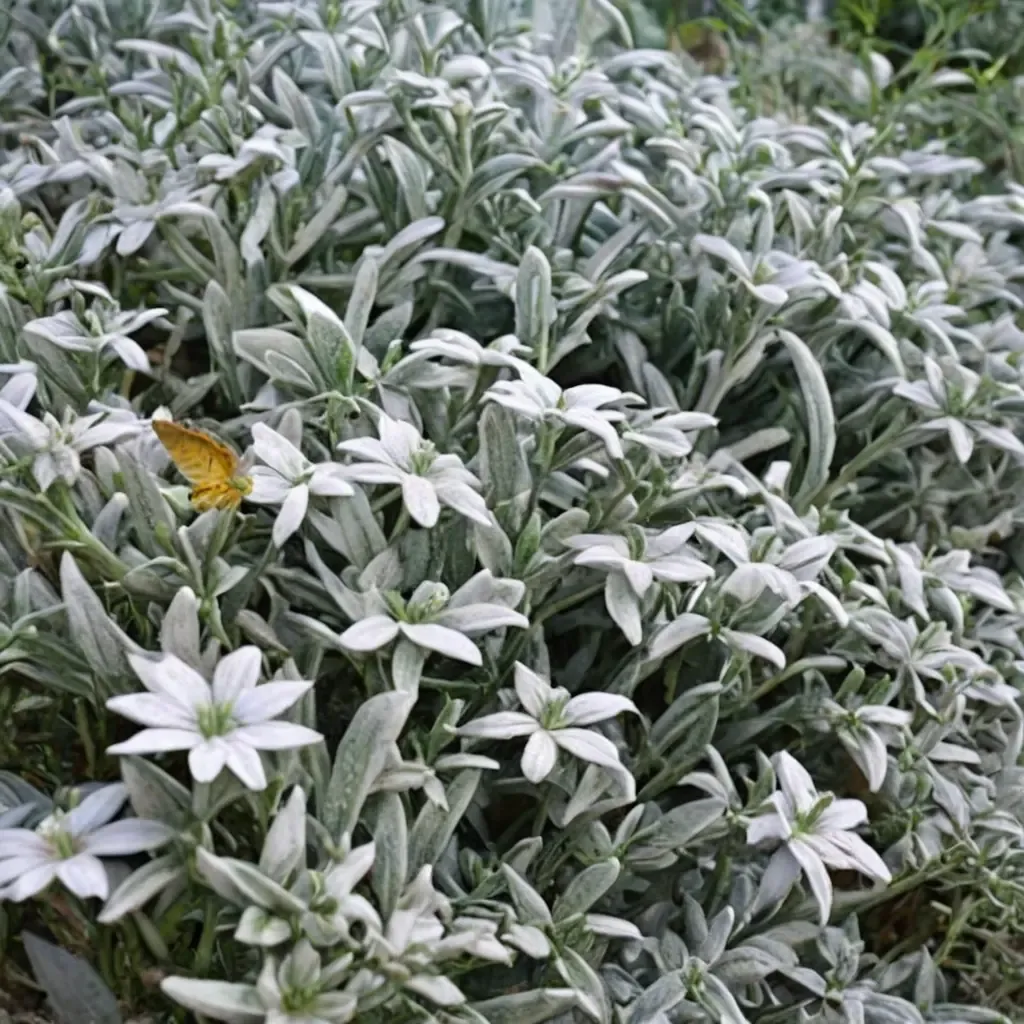
Greek Snow-in-Summer
Cerastium candidissimum
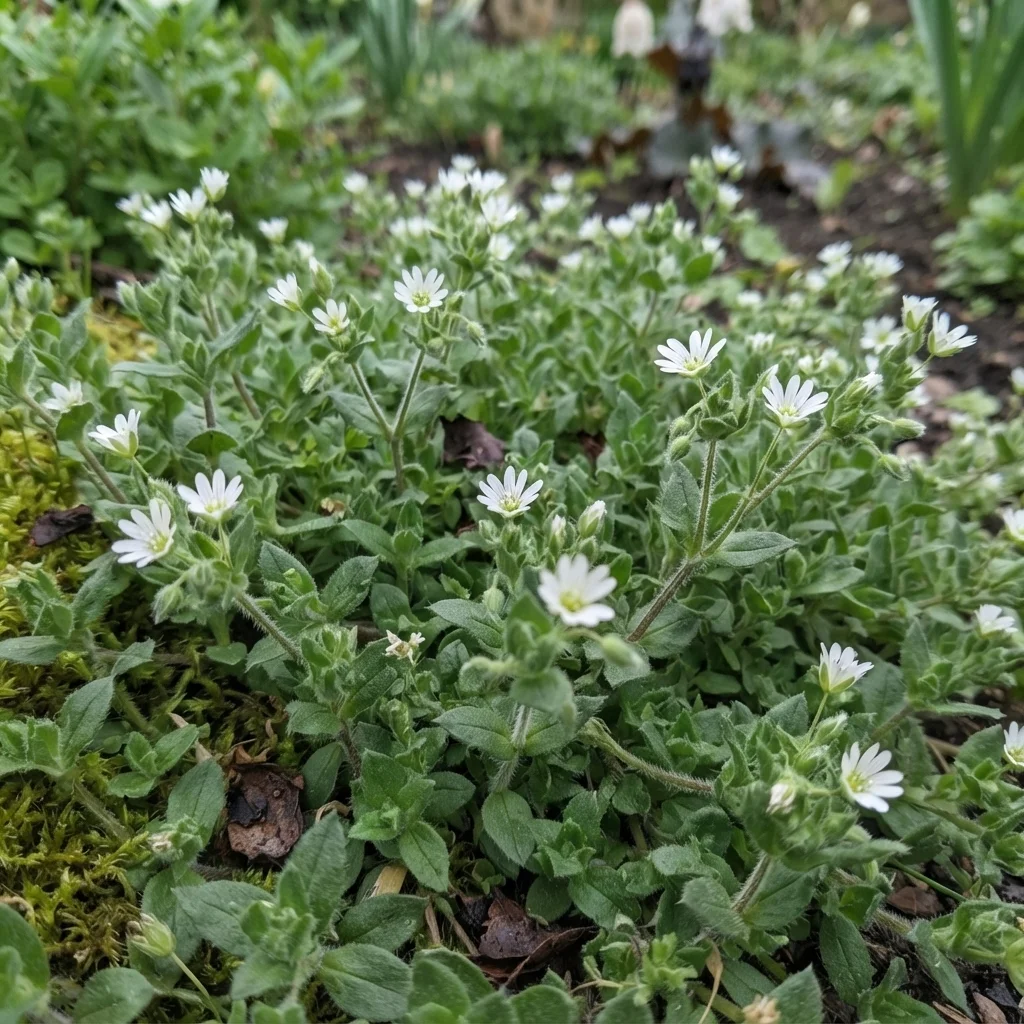
Common Mouse-Ear Chickweed
Cerastium fontanum
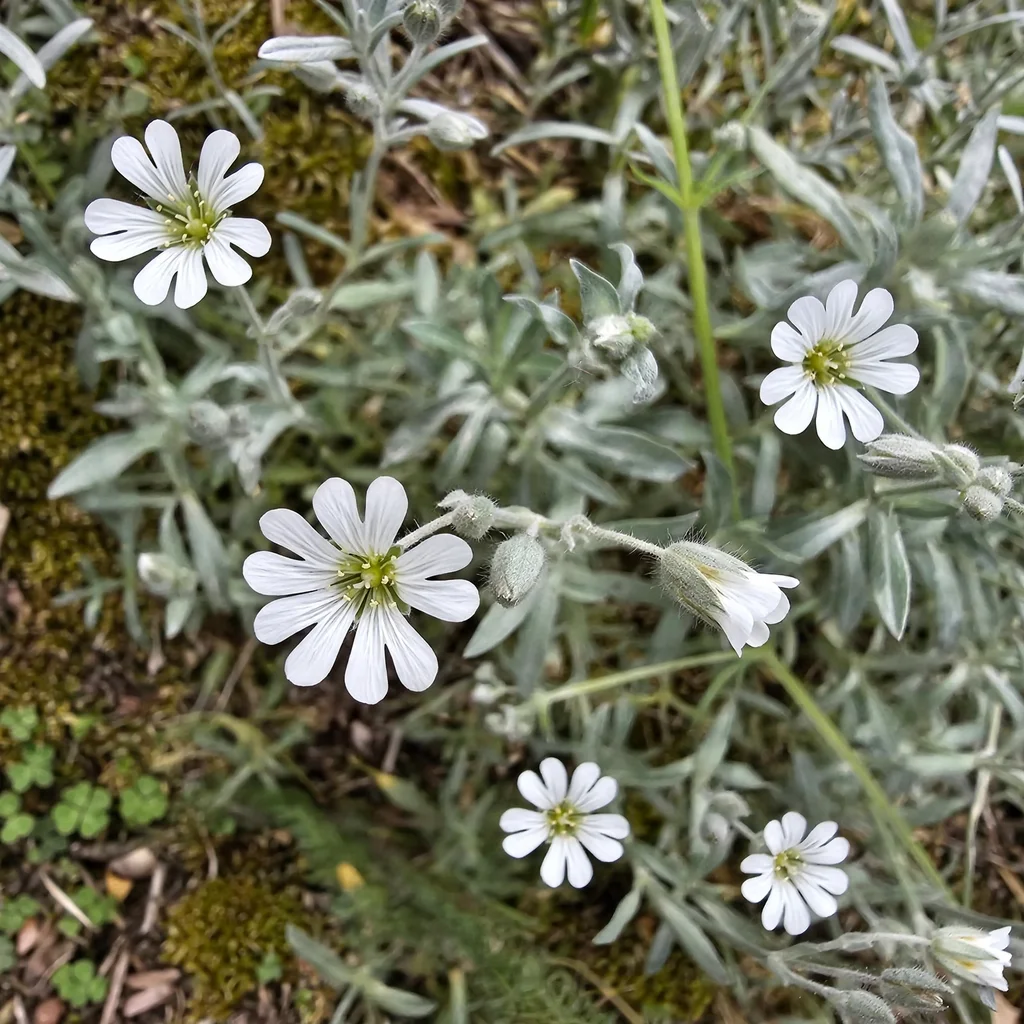
Field Chickweed
Cerastium arvense
Keep exploring
Explore the genus
Grow Sticky Chickweed with confidence
See it in a design of your actual yard, get zone-matched care reminders, and track it season by season in your garden journal.