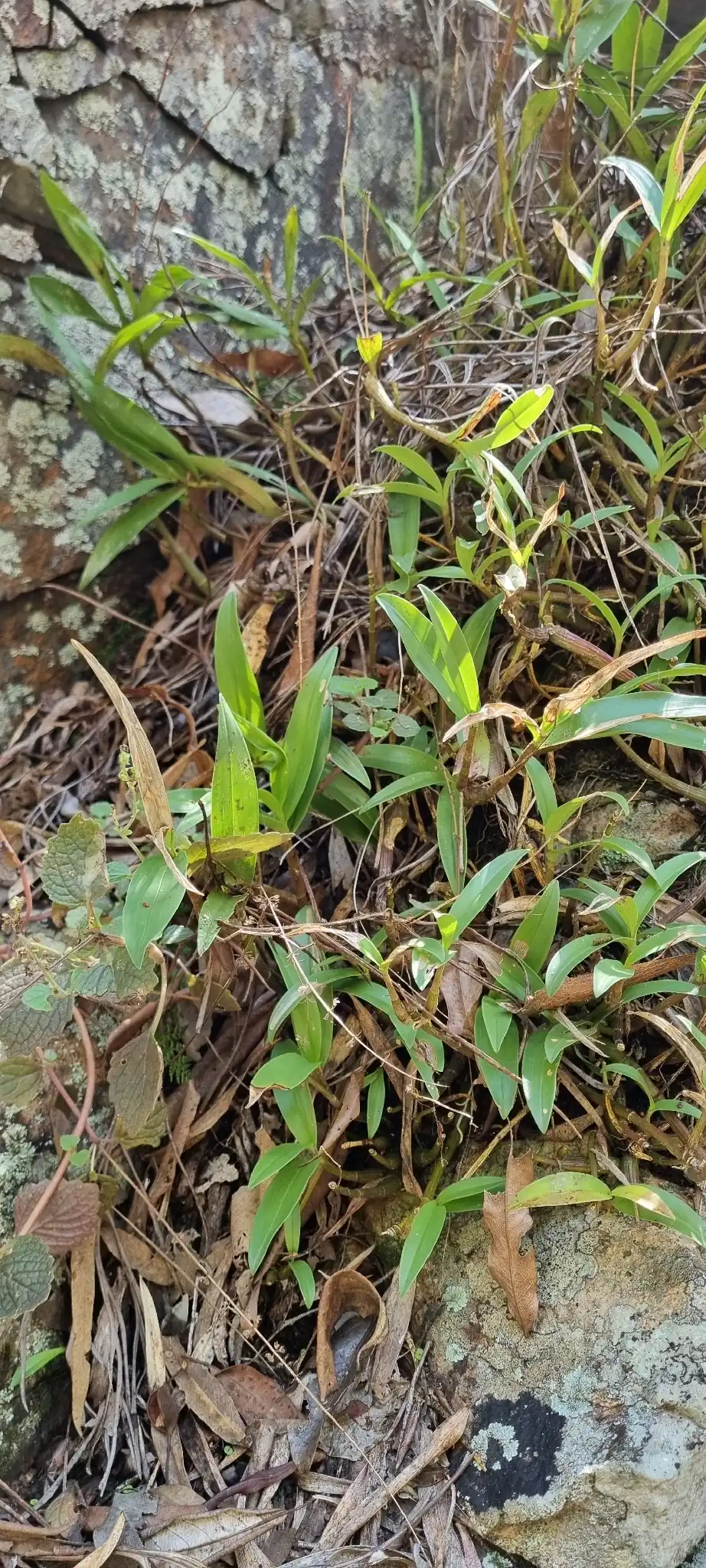
The Story
Plant Bio
Dendrobium kingianum, recently reclassified as Thelychiton kingianus, is a clump-forming, sympodial lithophytic perennial orchid native to eastern Australia. It features tightly clustered, cane-like pseudobulbs that swell at the base and bear two to seven thick, leathery, dark green leaves near the apex.
The fragrant flowers range from white and soft pink to deep purple, opening on short, upright terminal racemes during spring. Thick pseudobulbs store substantial water reserves, allowing the plant to withstand extended dry periods between waterings.
Uses & Benefits:
Essentials
At a Glance
Plant Type
Perennial
Height
12"
Width
20"
Light
Full Sun, Partial Sun
Zones
9, 10
Water
Low to moderate
Humidity
Moderate
Lifespan
Long-lived
Native To
Australia
Toxicity
Non-toxic
Bloom period
Spring
In flower about 3 months of the year
Planting
How to Grow
- Pot the orchid in a specialized, highly porous medium such as medium-grade pine bark mixed with charcoal and perlite, or mount it directly onto a porous rock slab.
- Position the plant in a location receiving bright, filtered light, providing up to seventy-five percent sun while shielding it from harsh midday summer rays.
- Water thoroughly during the active spring and summer growth phases, allowing the medium to dry out completely between applications.
- Initiate a cool, dry winter dormancy period by withholding fertilizer and significantly reducing water to stimulate spring flower spikes.
Pro Tip
Provide a distinct winter rest by reducing water and lowering temperatures to trigger heavy spring flowering; keeping the plant slightly root-bound in a tight container also encourages bud initiation.
Keep It Thriving
Care Guide
Do
- Water copiously during active summer growth, ensuring the medium drains instantly.
- Apply a highly diluted, balanced water-soluble fertilizer weekly during spring and summer.
- Keep the roots snug and slightly constricted in a small, well-draining pot.
Don't
- Never cut into old, leafless green or gray back-canes, as they store vital nutrients and water.
- Do not use standard potting soil or heavy organic mixes that retain stagnant moisture.
- Avoid watering during the winter rest period unless the pseudobulbs begin to shrivel severely.
Seasonal Care Calendar
| Task | Jan | Feb | Mar | Apr | May | Jun | Jul | Aug | Sep | Oct | Nov | Dec |
|---|---|---|---|---|---|---|---|---|---|---|---|---|
| Fertilize | ||||||||||||
| Pest Check | ||||||||||||
| Prune | ||||||||||||
| Winter Prep |
Watch Out For
Pests & Diseases
Common Pests
Common Diseases
In the Garden
Landscape Uses & Companions
Landscape Uses
Companion Plants
Multiply
Propagation Methods
Good to Know
Common Questions
Pink Rock Orchid questions
What zones can Pink Rock Orchid grow in?
Pink Rock Orchid is hardy in USDA Zones 9–10. Inside that range it survives winter in the ground; outside it, grow it as an annual or a container plant you protect.
When does Pink Rock Orchid bloom?
Pink Rock Orchid typically blooms in spring through spring. Exact timing shifts a week or two with your zone — Sow's bloom calendar maps it to your garden.
Does Pink Rock Orchid need full sun?
Pink Rock Orchid does best in full sun to part shade. In hot climates, afternoon shade keeps blooms fresher longer.
Is Pink Rock Orchid drought tolerant?
Yes — once established (usually after the first full season), Pink Rock Orchid handles dry spells with minimal watering. Water deeply its first year to build the root system that makes that possible.
More Dendrobium to compare
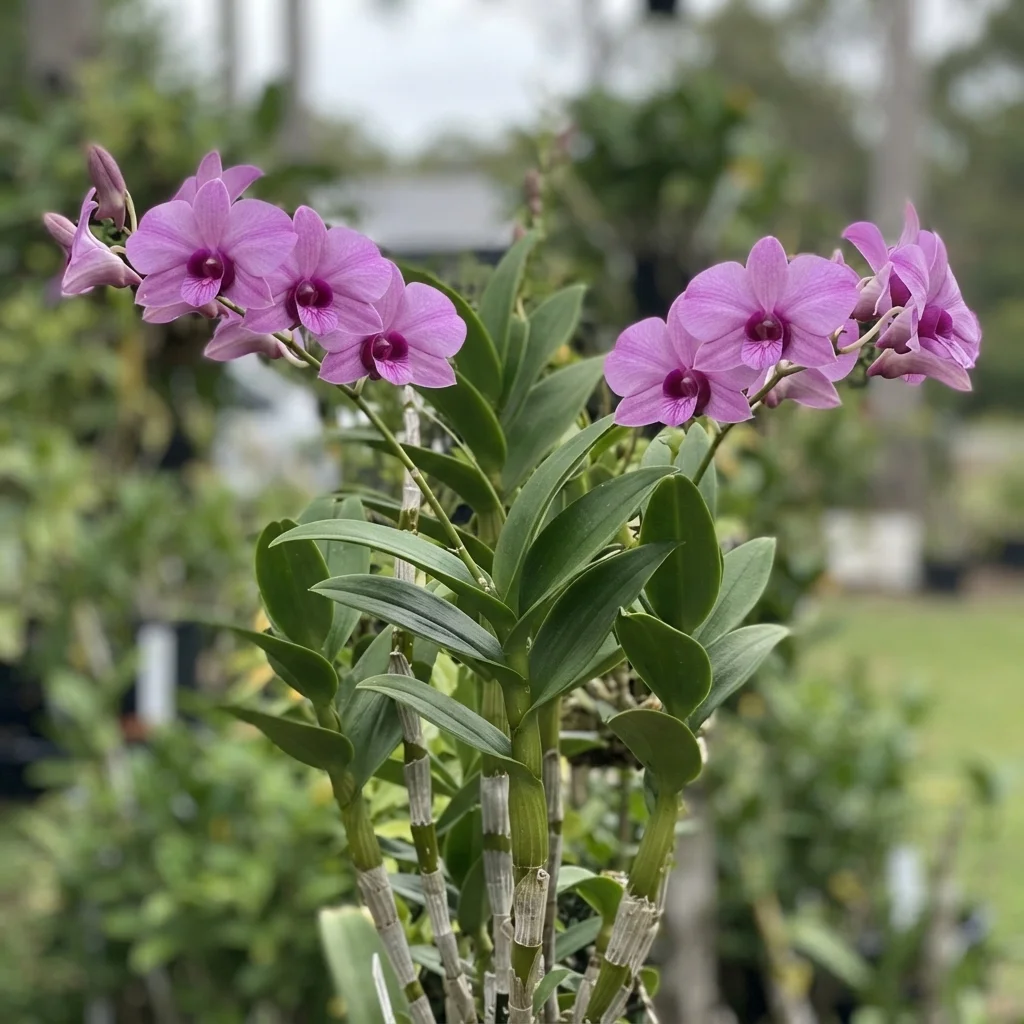
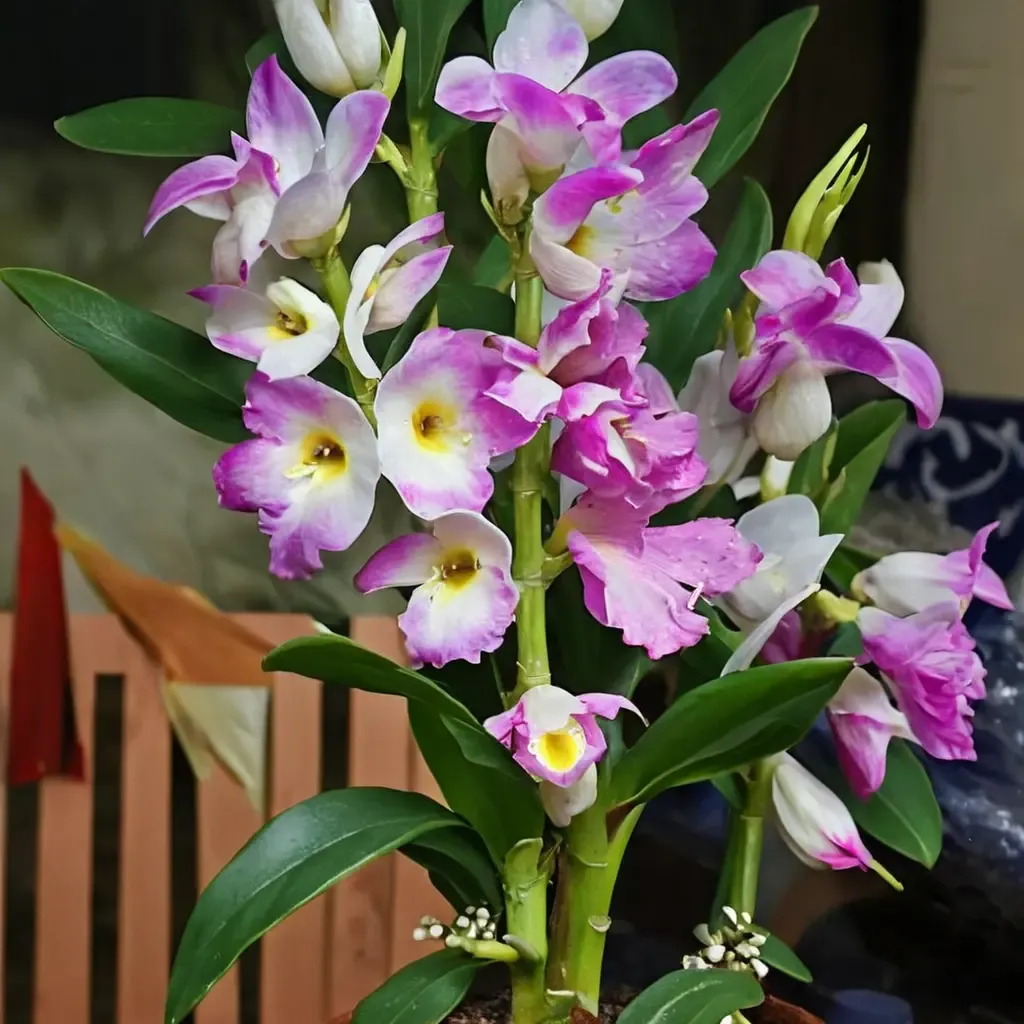
Keep exploring
Explore the genus
Hardy in your zone?
Grow Pink Rock Orchid with confidence
See it in a design of your actual yard, get zone-matched care reminders, and track it season by season in your garden journal.