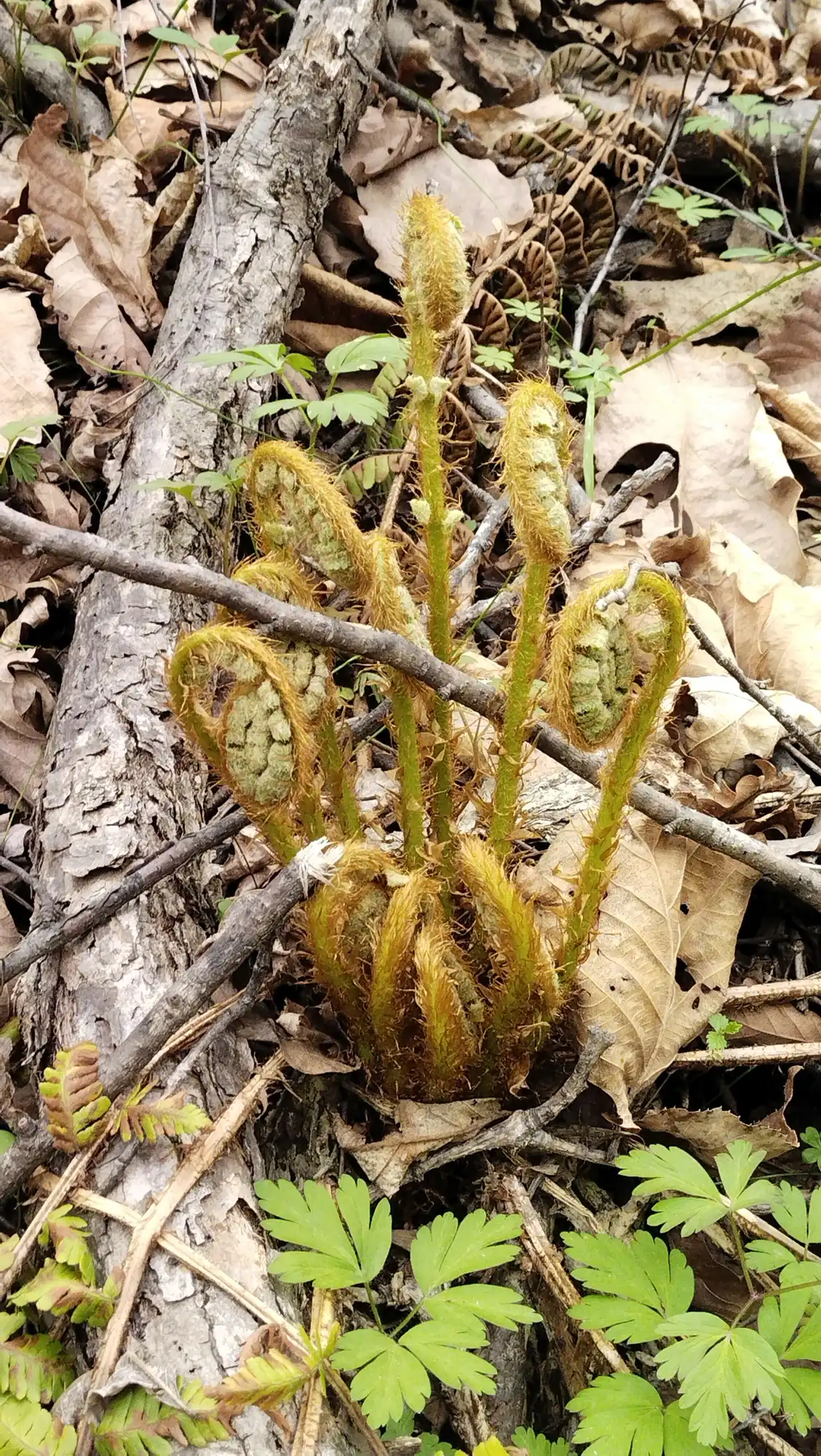
1 named cultivar
The Story
Plant Bio
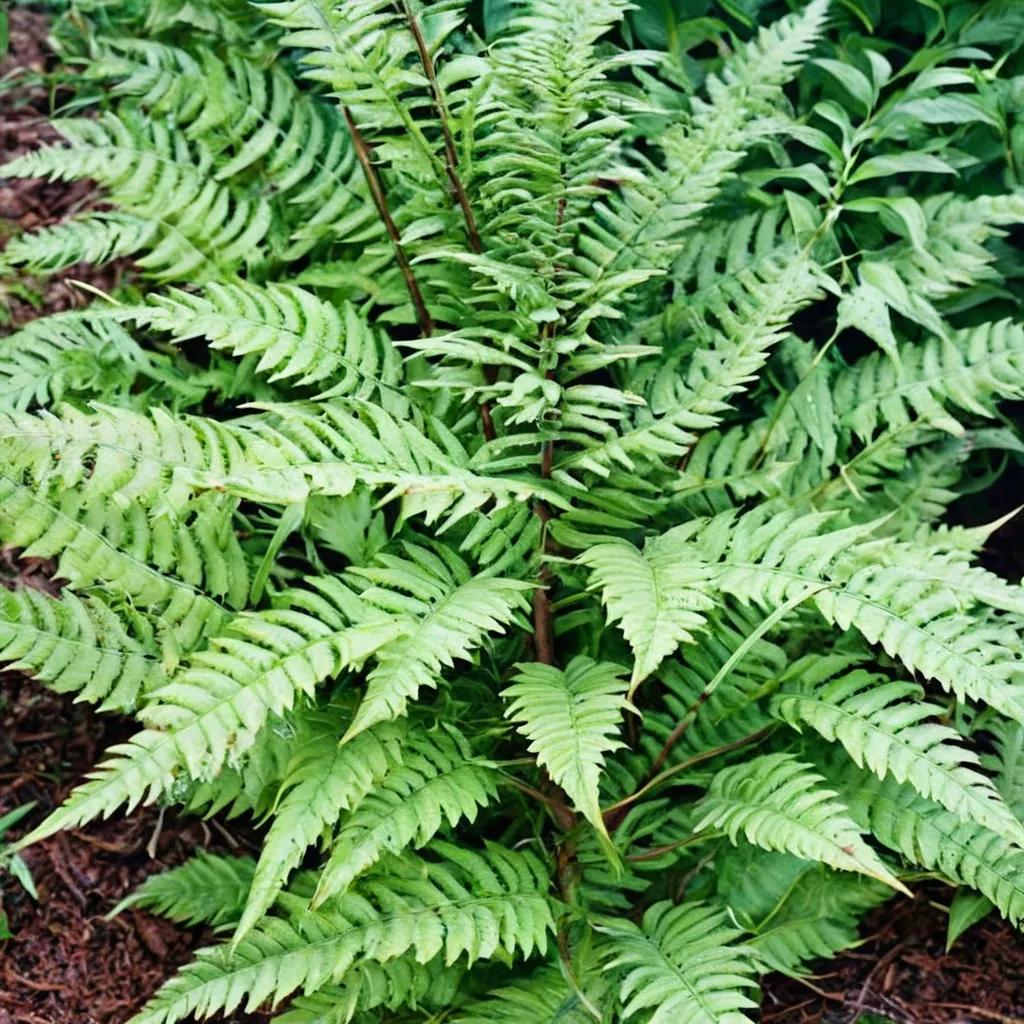
Dryopteris crassirhizoma, the thick-stemmed wood fern, is a semi-evergreen fern from wooded slopes in northeastern Asia, growing two to three and a half feet high and about two across. Fronds rise from a stout erect rootstock in a clean vase shape, opening pale and darkening through the season. It holds that form without support.
The vase habit is unusually tidy for a large fern and holds up into winter in mild gardens, which makes it useful as a specimen rather than as filler. Its fronds are large enough to be damaged by wind, so a sheltered position in shade matters more to the look of the plant than soil richness does.
Uses & Benefits:
Essentials
At a Glance
Plant Type
Fern
Height
30"
Width
24"
Light
Partial Sun, Shade
Zones
5, 6, 7, 8
Water
Medium
Humidity
Average to high
Lifespan
Perennial
Native To
Northeastern Asia
Toxicity
Non-toxic
Marketplace
Where to Buy
Shipping costs Year-round shipping Free shipping
Planting
How to Grow
- Plant in spring in part to full shade.
- Choose moist, humus-rich soil with plenty of organic matter.
- Site it out of strong wind to protect the fronds.
- Set the crown at soil level, never buried.
- Water through dry spells in the first seasons.
- Remove tired fronds at the base in late winter.
Pro Tip
Keep the crown proud of the soil; burying the stout rootstock is the usual cause of rot in this fern.
Keep It Thriving
Care Guide
Do
- Grow it in part to full shade 🌳
- Shelter it from strong wind 🌬️
- Enrich the soil with organic matter 🍂
- Cut tired fronds at the base in late winter ✂️
Don't
- Bury the crown when planting ❌
- Site it in an exposed, windy position ❌
- Let the soil dry out repeatedly ❌
Seasonal Care Calendar
| Task | Jan | Feb | Mar | Apr | May | Jun | Jul | Aug | Sep | Oct | Nov | Dec |
|---|---|---|---|---|---|---|---|---|---|---|---|---|
| Tidy |
Watch Out For
Pests & Diseases
Common Pests
Common Diseases
In the Garden
Landscape Uses & Companions
Landscape Uses
Companion Plants
Multiply
Propagation Methods
Good to Know
Common Questions
Fern questions
What zones can Fern grow in?
Fern is hardy in USDA Zones 5–8. Inside that range it survives winter in the ground; outside it, grow it as an annual or a container plant you protect.
Is Fern deer resistant?
Yes — Fern is rated deer-resistant. Deer typically pass it over, though extreme hunger can override any plant's defenses.
Does Fern need full sun?
Fern does best in part shade.
More Dryopteris to compare
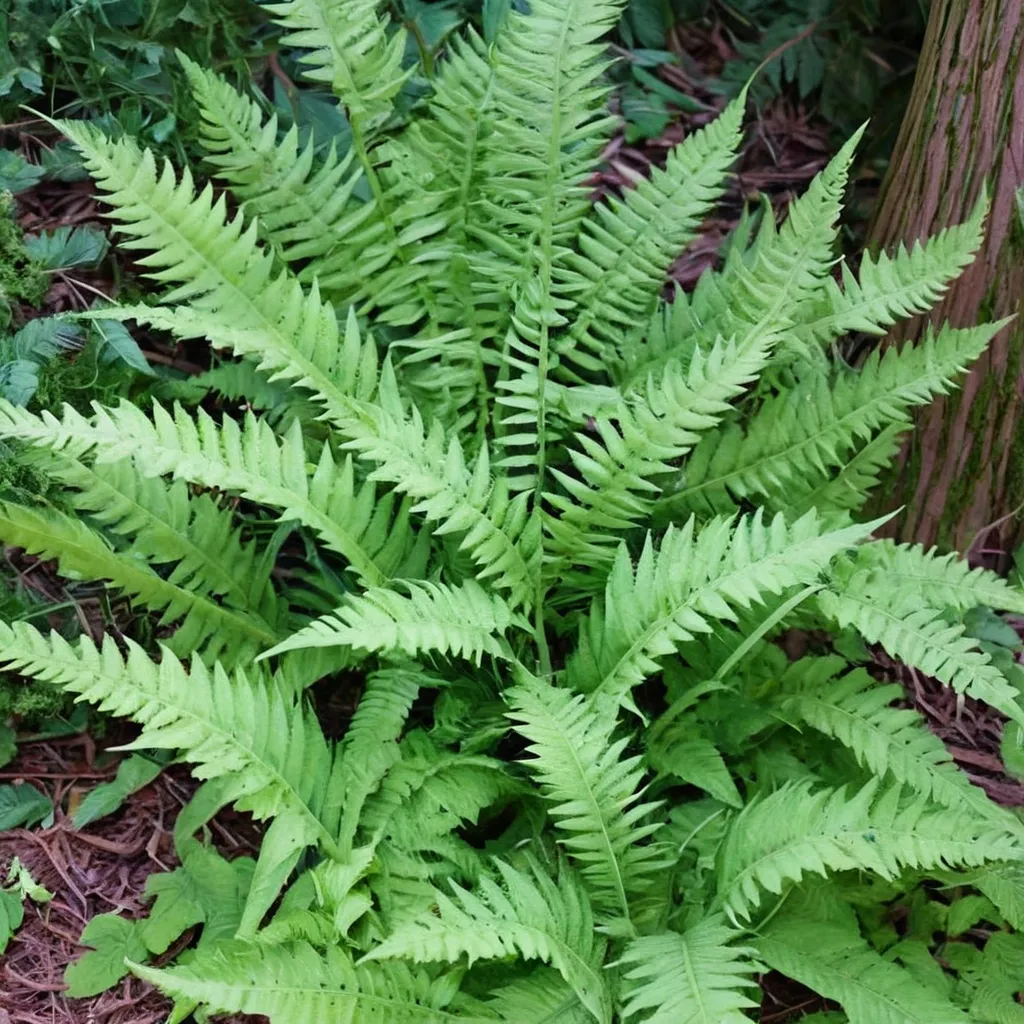
Log Fern
Dryopteris x separabilis
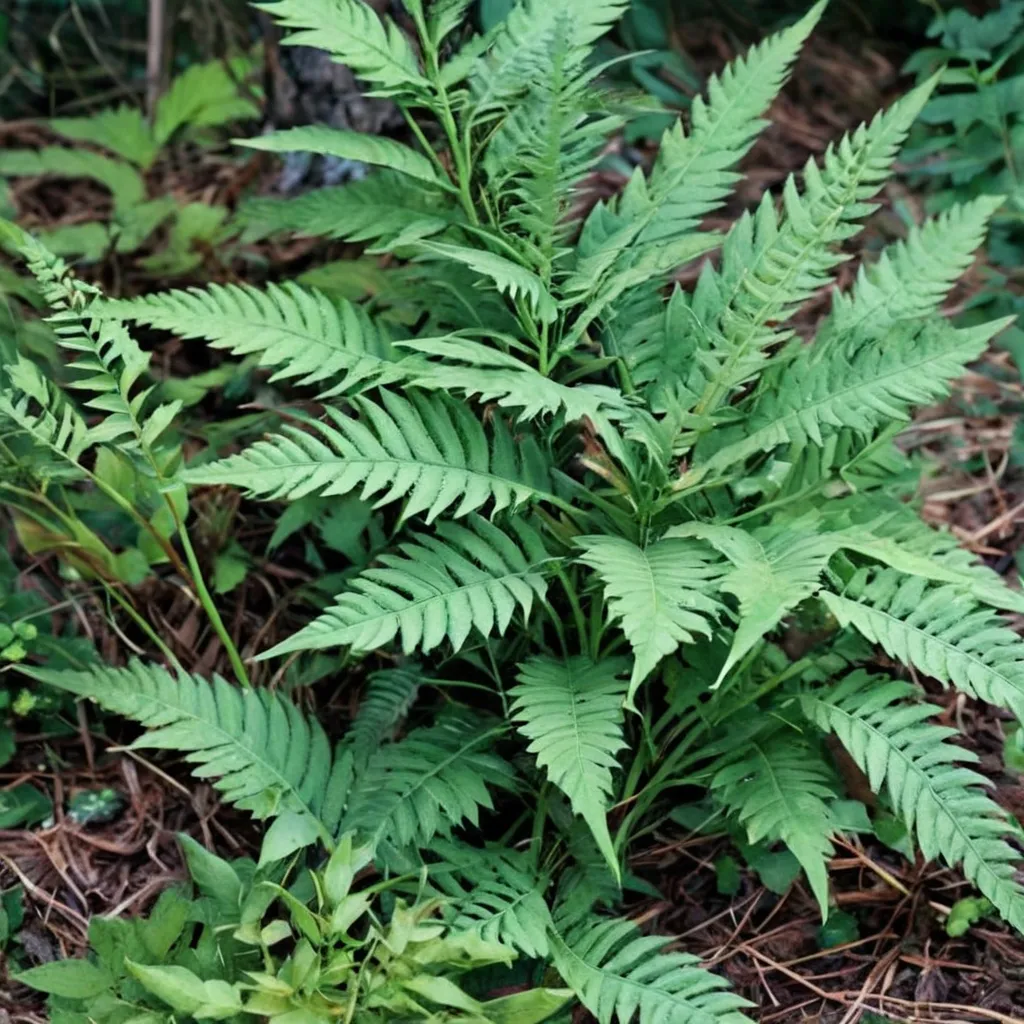
Shreveport Log Fern
Dryopteris x celsa 'Shreveport'
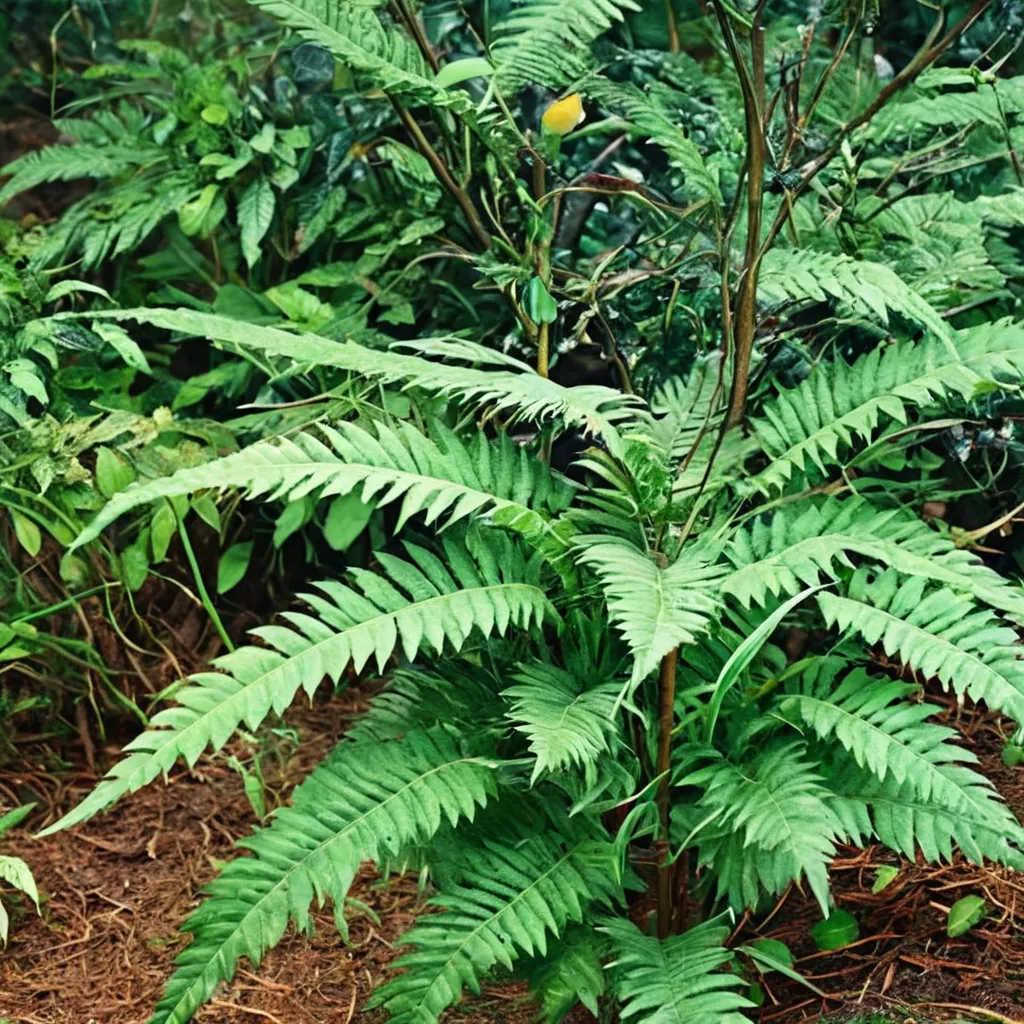
Wallich's Wood Fern
Dryopteris wallichiana 'Tucumanji'
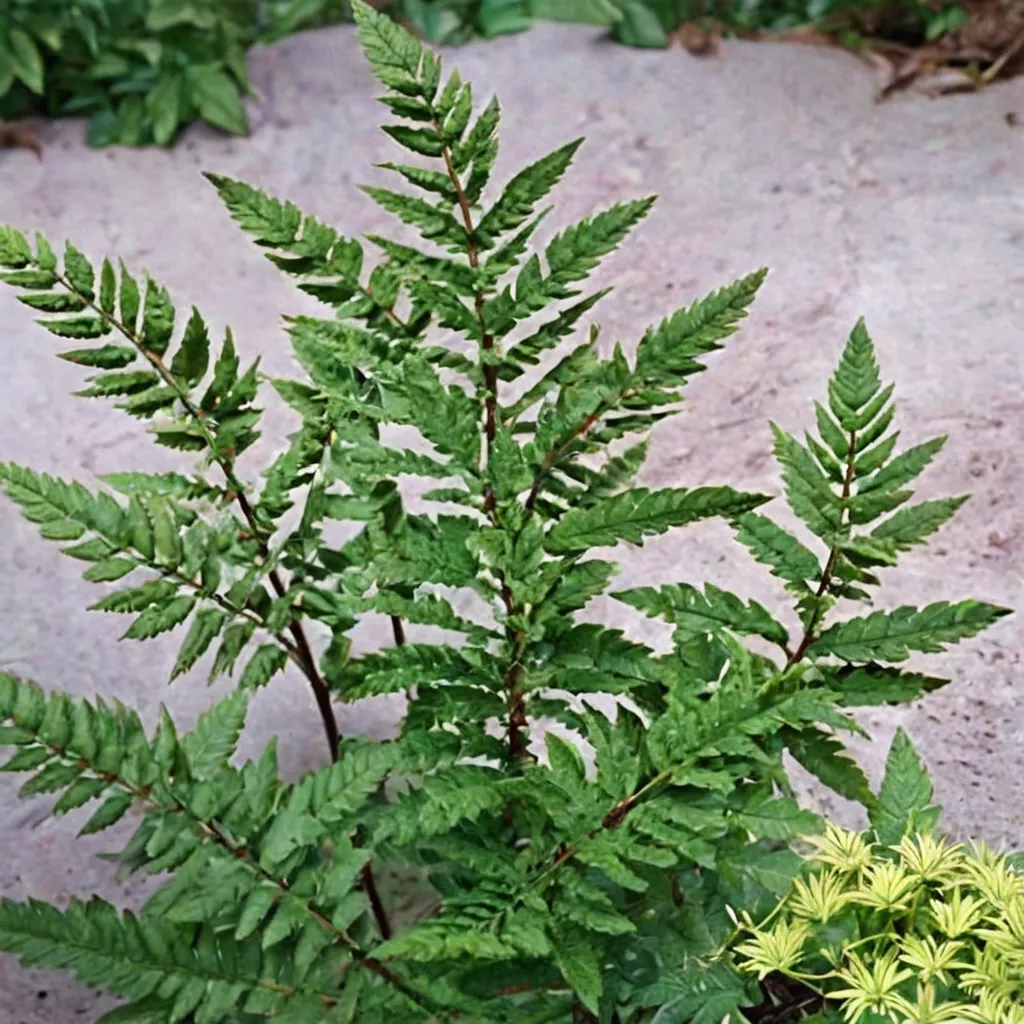
Broad Buckler-fern
Dryopteris dilatata 'Jimmy Dyce'
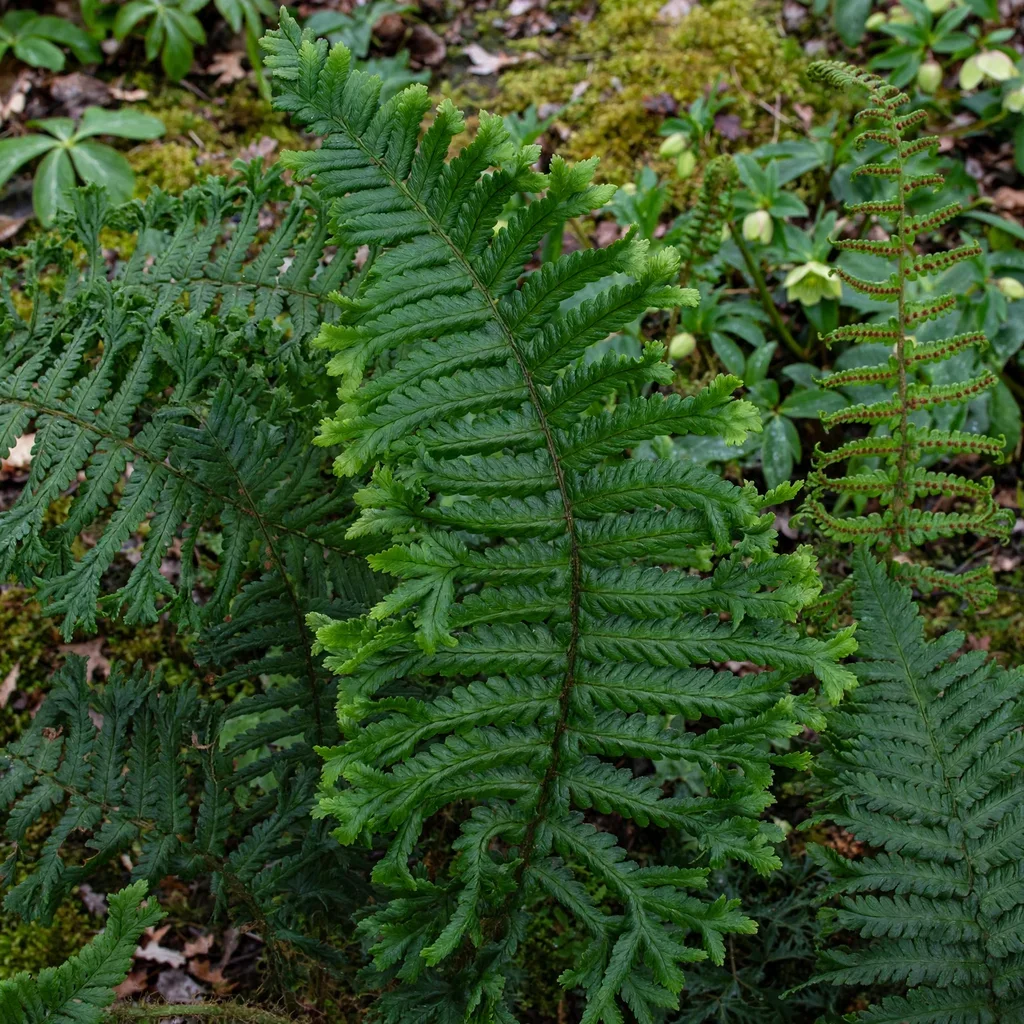
Western Wood Fern The King Fern
Dryopteris affinis 'The King'
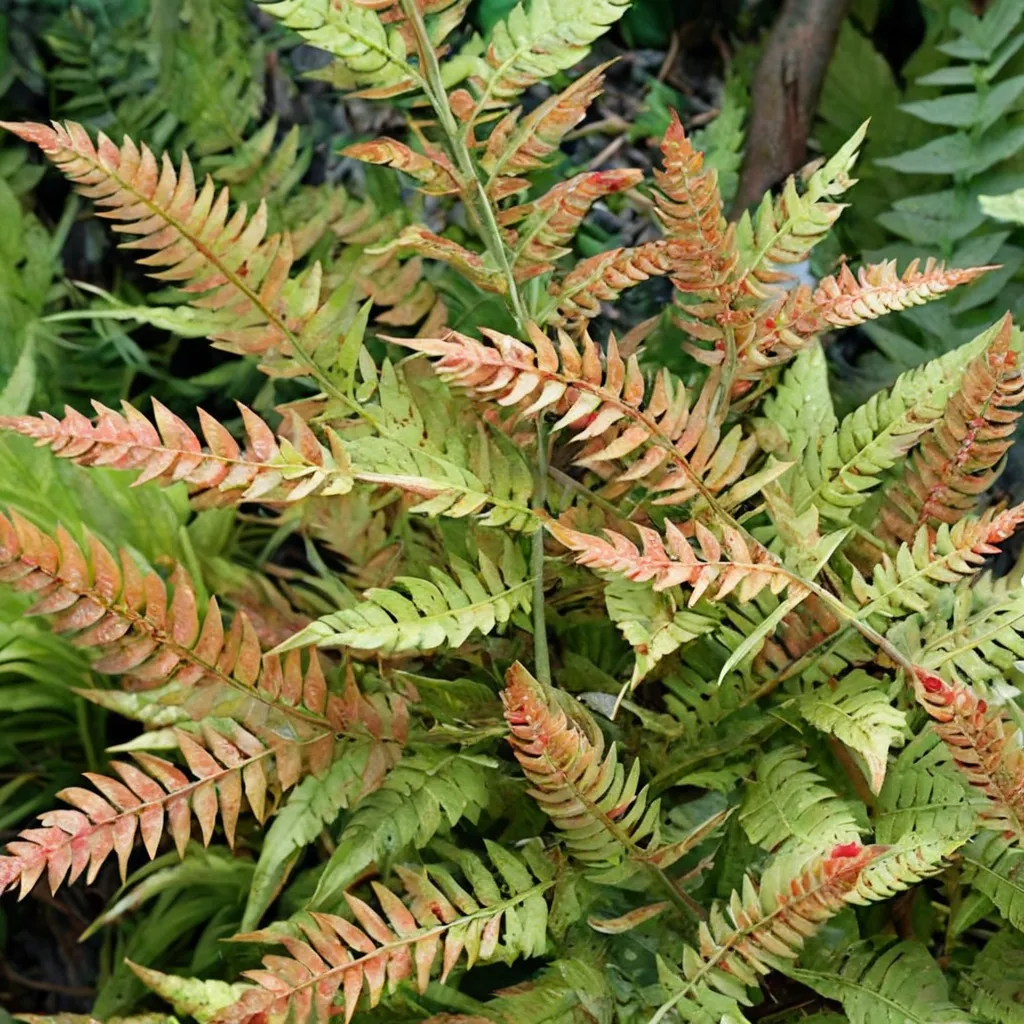
Autumn Fern
Dryopteris erythrosora
Keep exploring
Explore the genus
Hardy in your zone?
Grow Fern with confidence
See it in a design of your actual yard, get zone-matched care reminders, and track it season by season in your garden journal.