The Story
Plant Bio
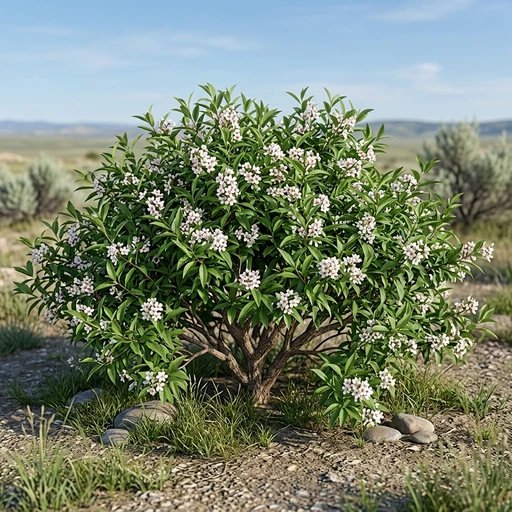
Western Sandcherry is a low-growing, spreading deciduous shrub native to the Great Plains and Rocky Mountains. It is known for its hardiness, drought tolerance, fragrant spring flowers, and edible summer fruit.
'Pawnee Buttes' is a superior selection chosen for its consistent, low, ground-hugging habit, making it an excellent woody groundcover. Its glossy green leaves turn to brilliant shades of red and purple in the fall, providing outstanding multi-season interest.
Uses & Benefits:
Essentials
At a Glance
Plant Type
Groundcover
Height
15"
Width
60"
Light
Full Sun
Zones
4, 5, 6, 7
Water
Low
Humidity
Low to moderate
Lifespan
Deciduous shrub, 15-20 years
Native To
North America (species)
Toxicity
Leaves, stems, and seeds contain cyanide and are toxic if ingested.
Bloom period
Mid-spring – Late spring
In flower about 2 months of the year
Planting
How to Grow
- Choose a location in full, direct sun.
- Ensure the soil is sandy or loamy and drains very quickly.
- Dig a hole slightly wider than the plant's container.
- Set the plant in the hole at the same level it was in the pot.
- Backfill with the native soil, do not add rich amendments.
- Water well at planting, then only when the soil is very dry.
Pro Tip
Avoid organic mulch piled around the crown and do not overwater; this plant thrives on neglect once established.
Keep It Thriving
Care Guide
Do
- Provide excellent drainage; amend heavy soils with sand or gravel.
- Give it plenty of sun to encourage the best flowering, fruiting, and fall color.
- Allow the soil to dry out completely between waterings.
Don't
- Do not plant in clay soil or low spots that collect water.
- Avoid fertilizing, as it prefers lean conditions.
- Do not plant in shade, where it will become sparse and weak.
Seasonal Care Calendar
| Task | Jan | Feb | Mar | Apr | May | Jun | Jul | Aug | Sep | Oct | Nov | Dec |
|---|---|---|---|---|---|---|---|---|---|---|---|---|
| Mulch | ||||||||||||
| Plant | ||||||||||||
| Prune |
Watch Out For
Pests & Diseases
Common Pests
Common Diseases
In the Garden
Landscape Uses & Companions
Landscape Uses
Multiply
Propagation Methods
Good to Know
Common Questions
Pawnee Buttes Western Sandcherry questions
What zones can Pawnee Buttes Western Sandcherry grow in?
Pawnee Buttes Western Sandcherry is hardy in USDA Zones 4–7. Inside that range it survives winter in the ground; outside it, grow it as an annual or a container plant you protect.
Is Pawnee Buttes Western Sandcherry deer resistant?
Yes — Pawnee Buttes Western Sandcherry is rated deer-resistant. Deer typically pass it over, though extreme hunger can override any plant's defenses.
When does Pawnee Buttes Western Sandcherry bloom?
Pawnee Buttes Western Sandcherry typically blooms in mid-spring through late spring. Exact timing shifts a week or two with your zone — Sow's bloom calendar maps it to your garden.
Does Pawnee Buttes Western Sandcherry need full sun?
Pawnee Buttes Western Sandcherry does best in full sun (6+ hours).
Is Pawnee Buttes Western Sandcherry drought tolerant?
Yes — once established (usually after the first full season), Pawnee Buttes Western Sandcherry handles dry spells with minimal watering. Water deeply its first year to build the root system that makes that possible.
More Prunus to compare
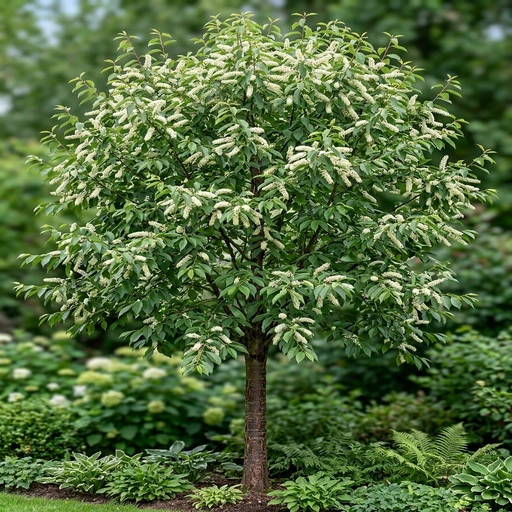
Black Cherry
Prunus serotina
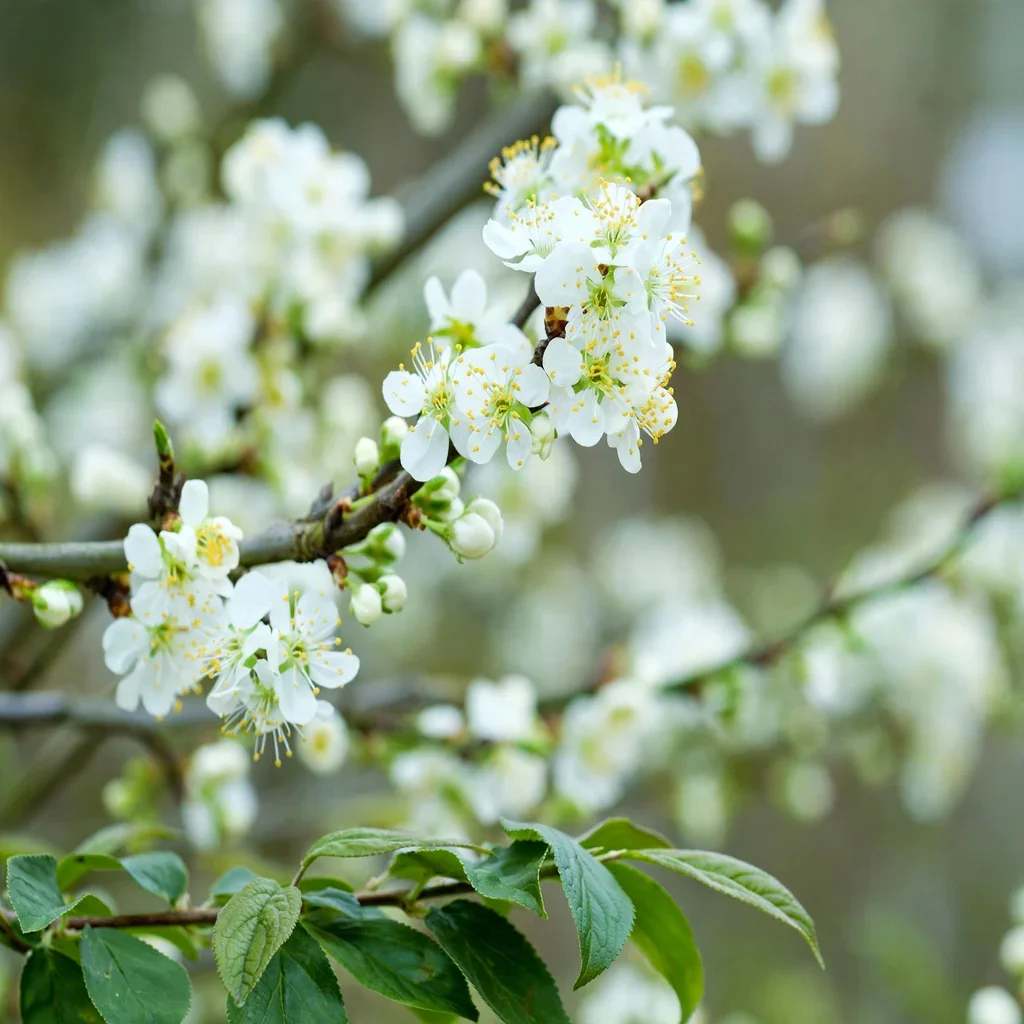
Sugar Plum
Prunus domestica 'Sugar Plum'
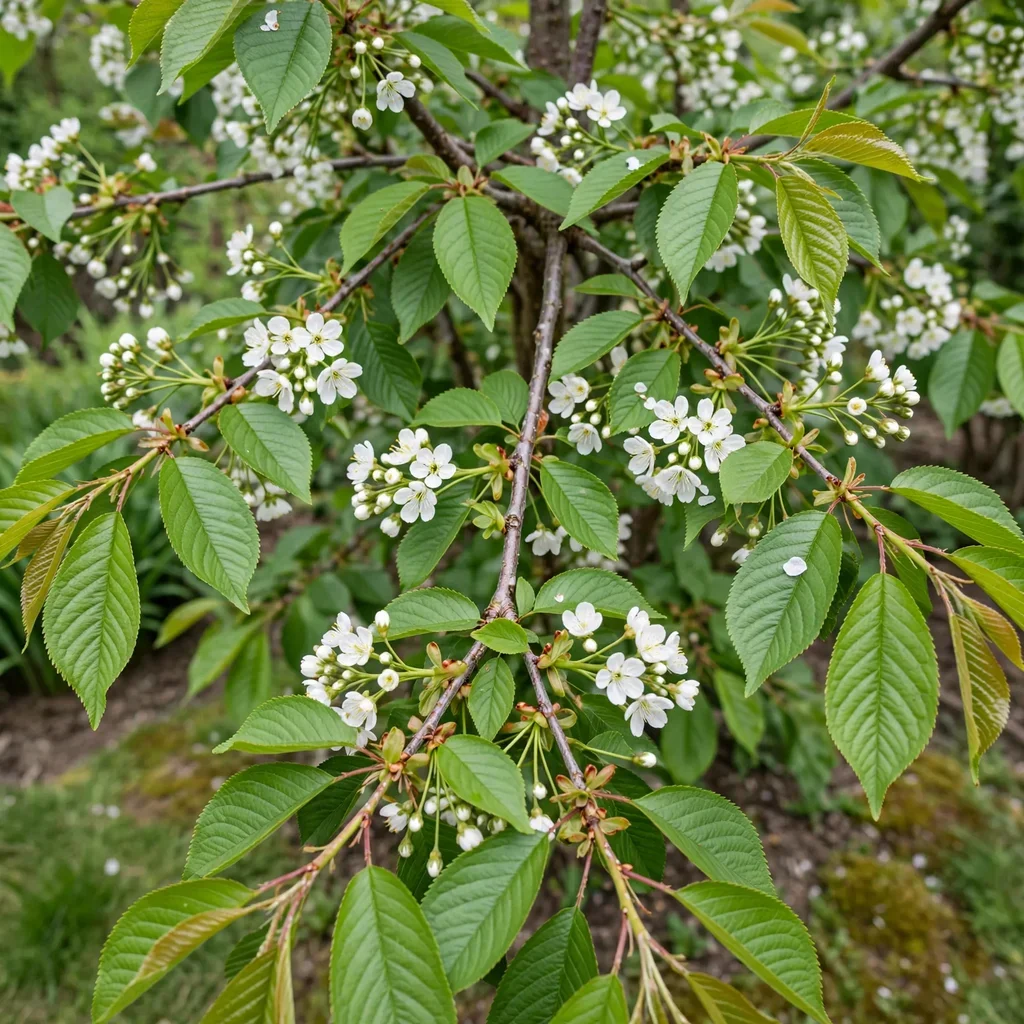
Sweet Cherry
Prunus avium 'Mix'
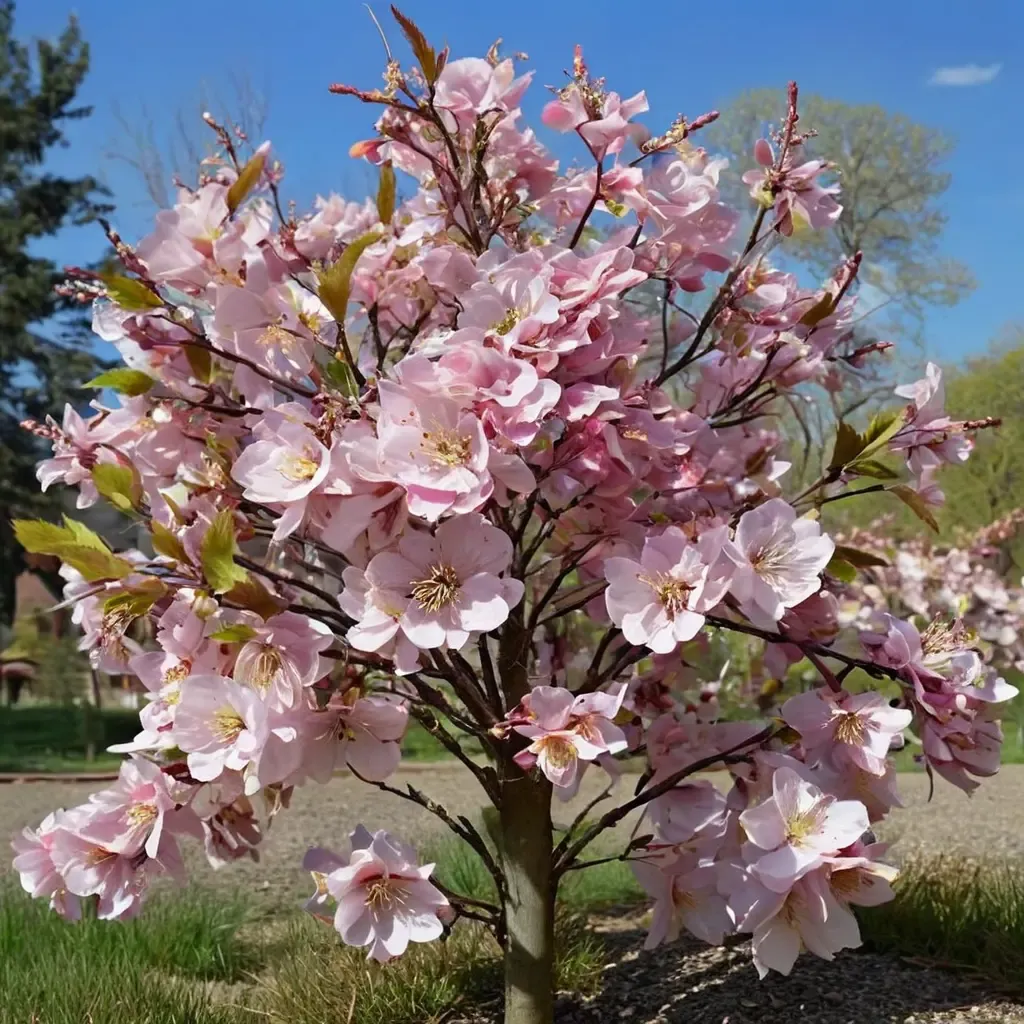
Japanese Flowering Cherry
Prunus serrulata
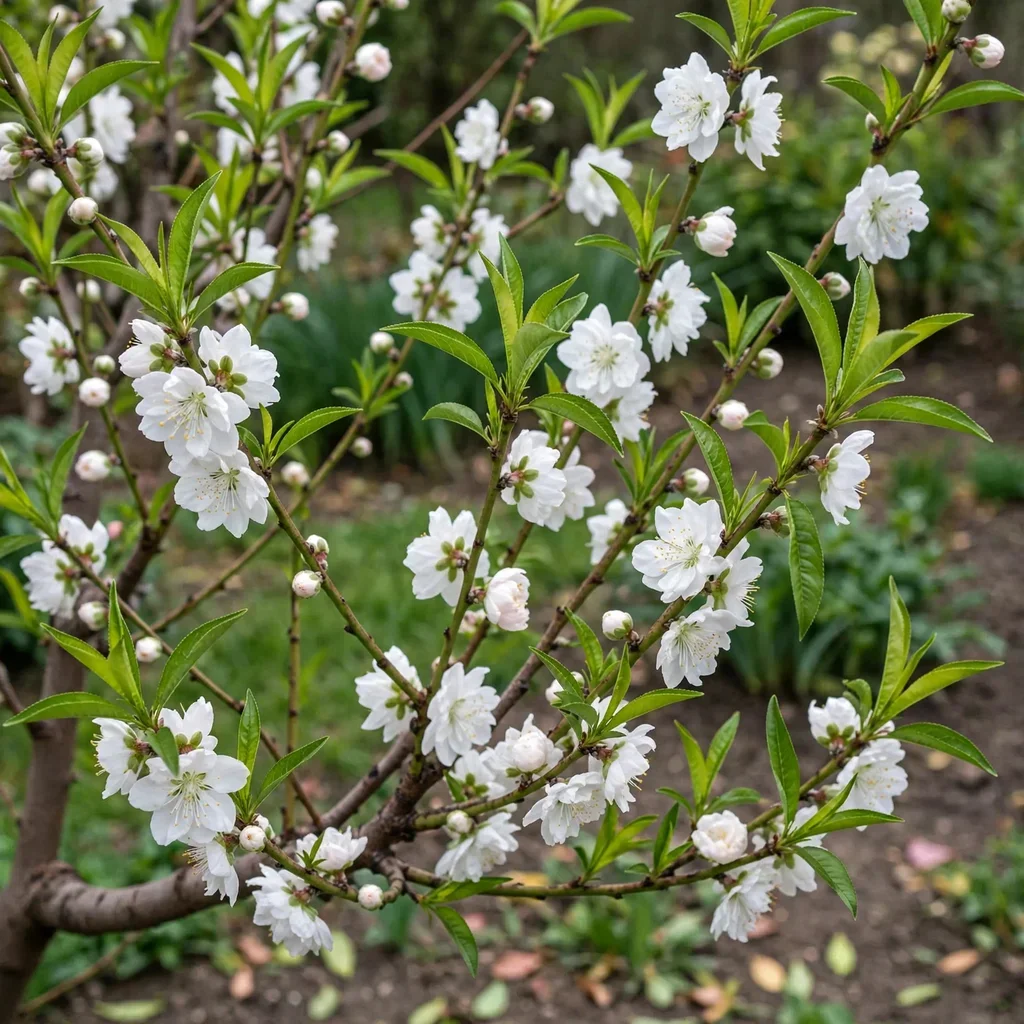
Feiching Tao White Peach
Prunus persica 'Feiching Tao White'
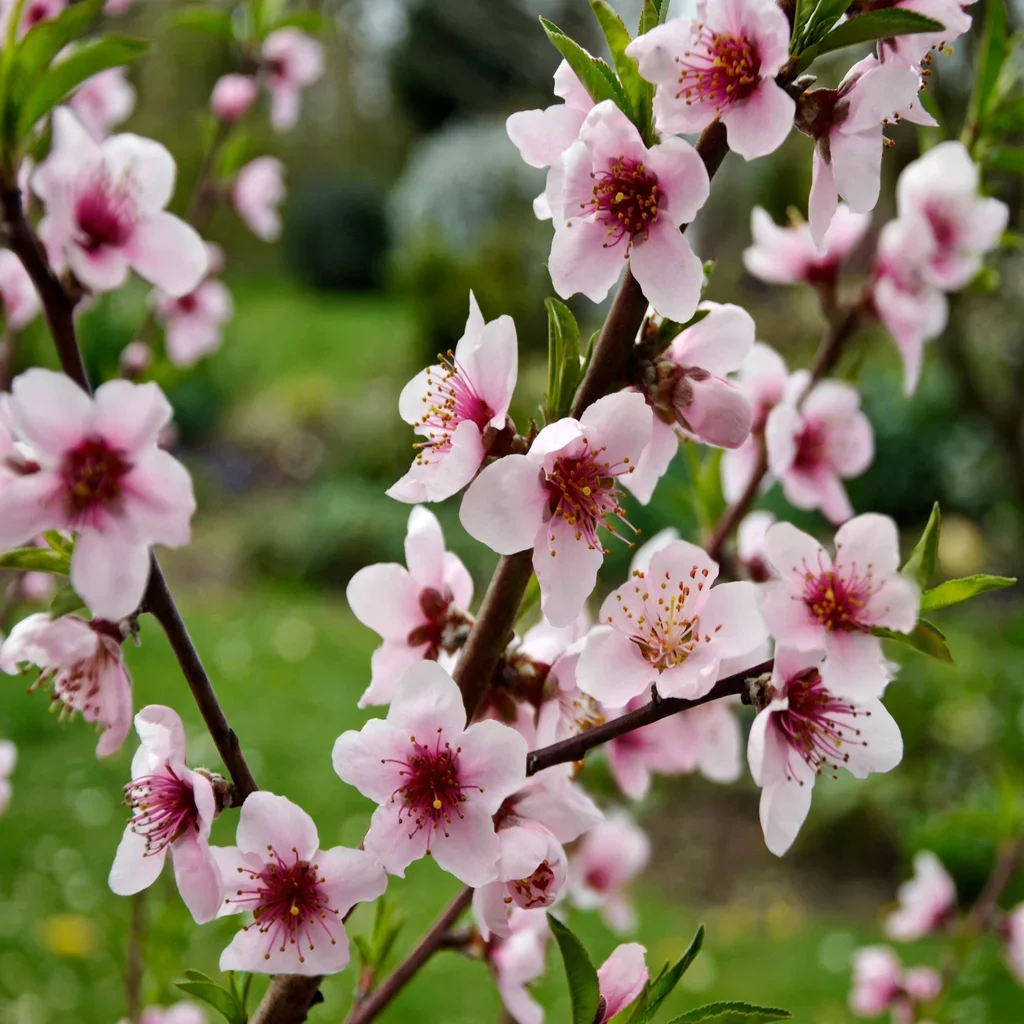
Hale Haven Peach
Prunus persica 'Hale Haven'
Keep exploring
Explore the genus
Hardy in your zone?
Grow Pawnee Buttes Western Sandcherry with confidence
See it in a design of your actual yard, get zone-matched care reminders, and track it season by season in your garden journal.