
Species
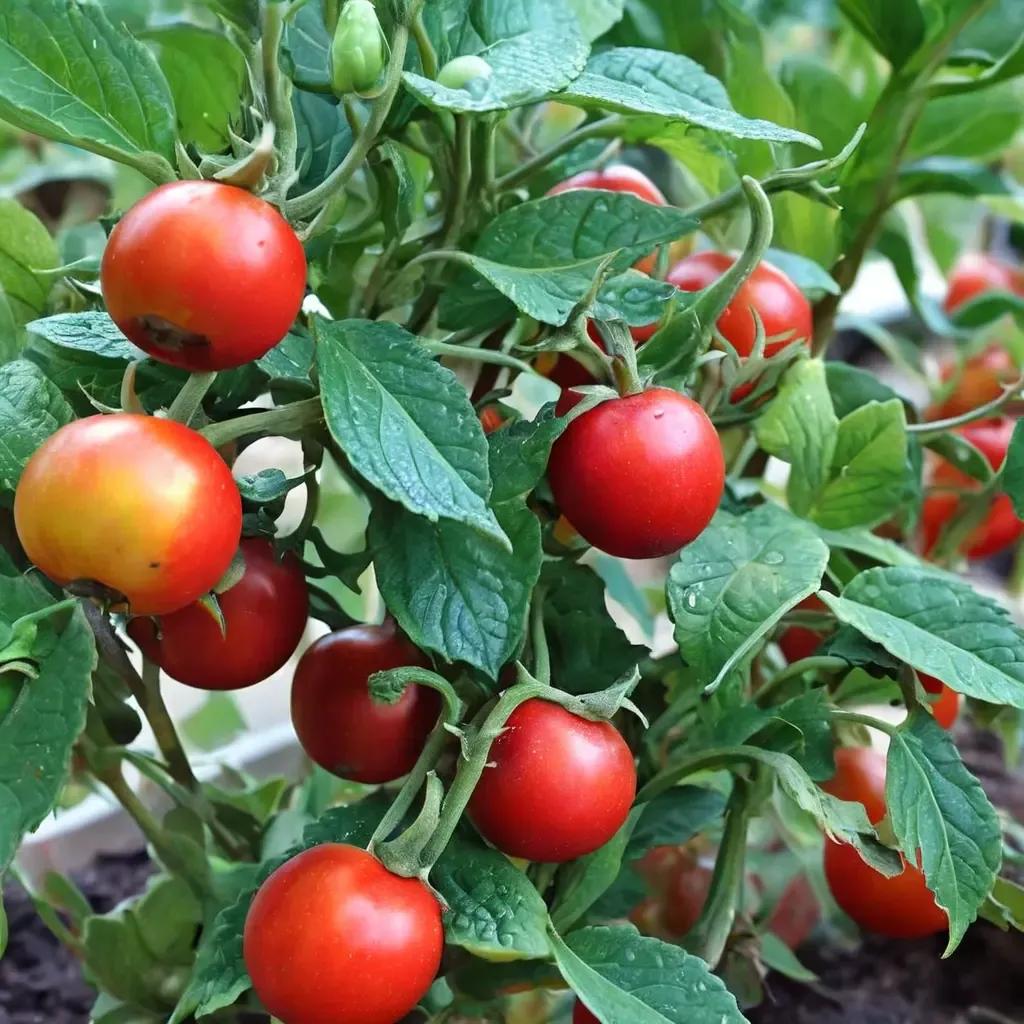 Solanum lycopersicumTomato
25 other cultivars
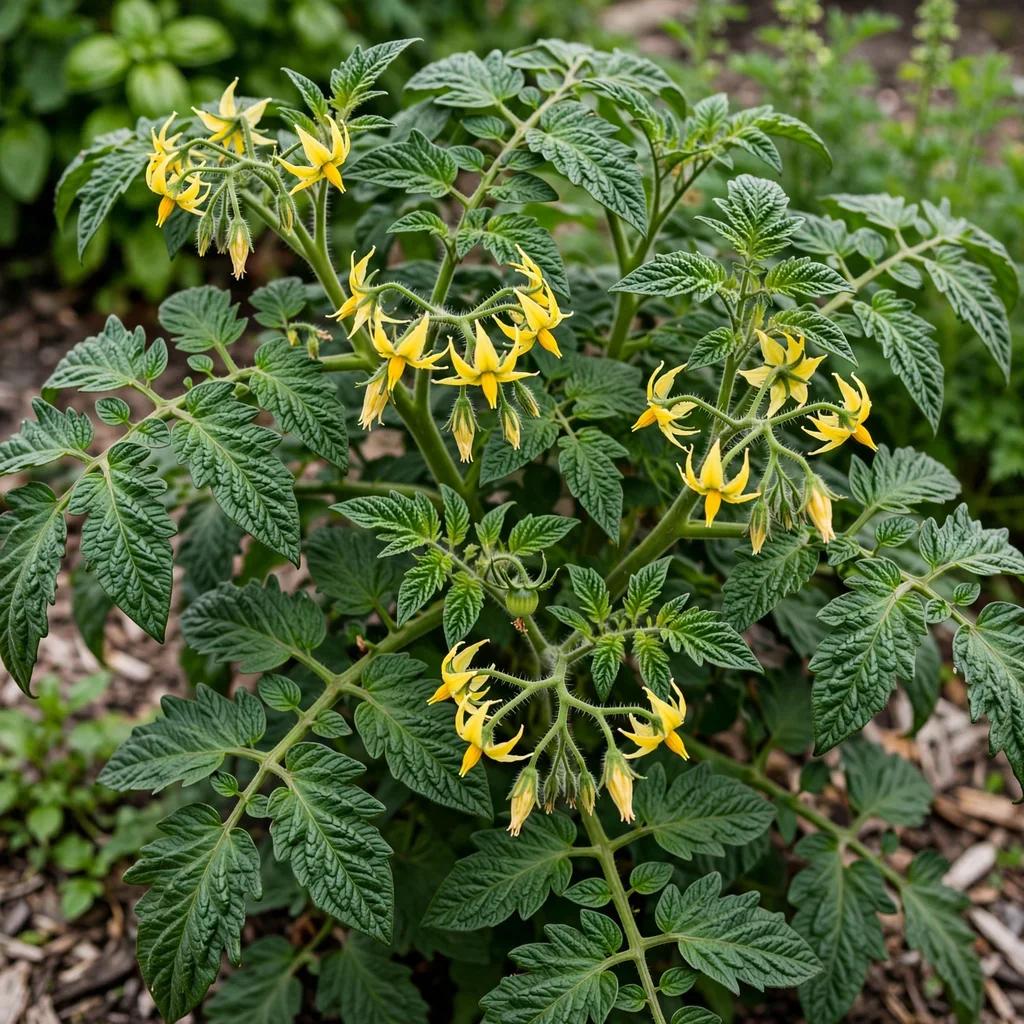 ‘Martino's Roma’Martino's Roma Tomato
 ‘Sweet’Sweet Tomato
 ‘Napa Rose’Napa Rose Tomato
 ‘Red Currant’Red Currant Tomato
 ‘Gold Medal’Gold Medal Tomato
 ‘Black and Brown Boar’Black and Brown Boar Tomato
 ‘Chocolate Cherry’Chocolate Cherry Tomato
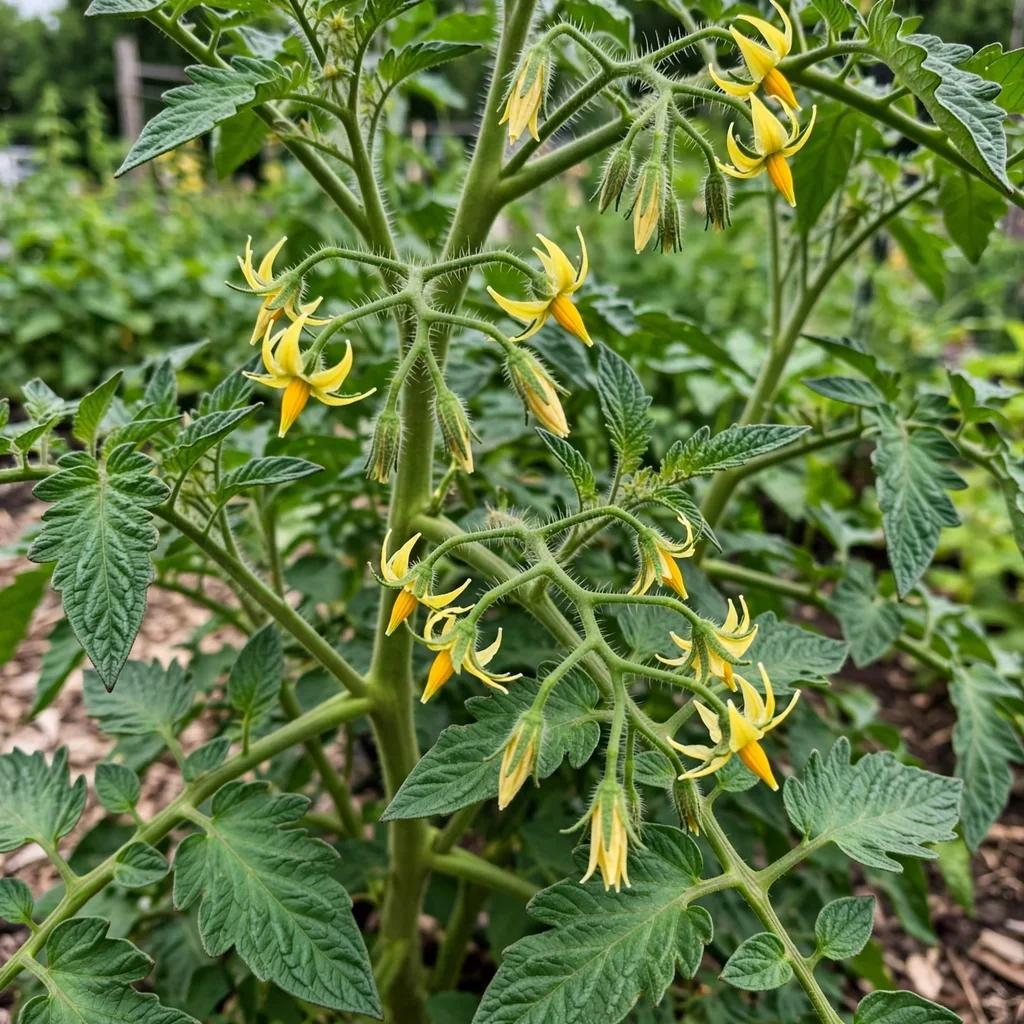 ‘Black Krim’Black Krim Tomato
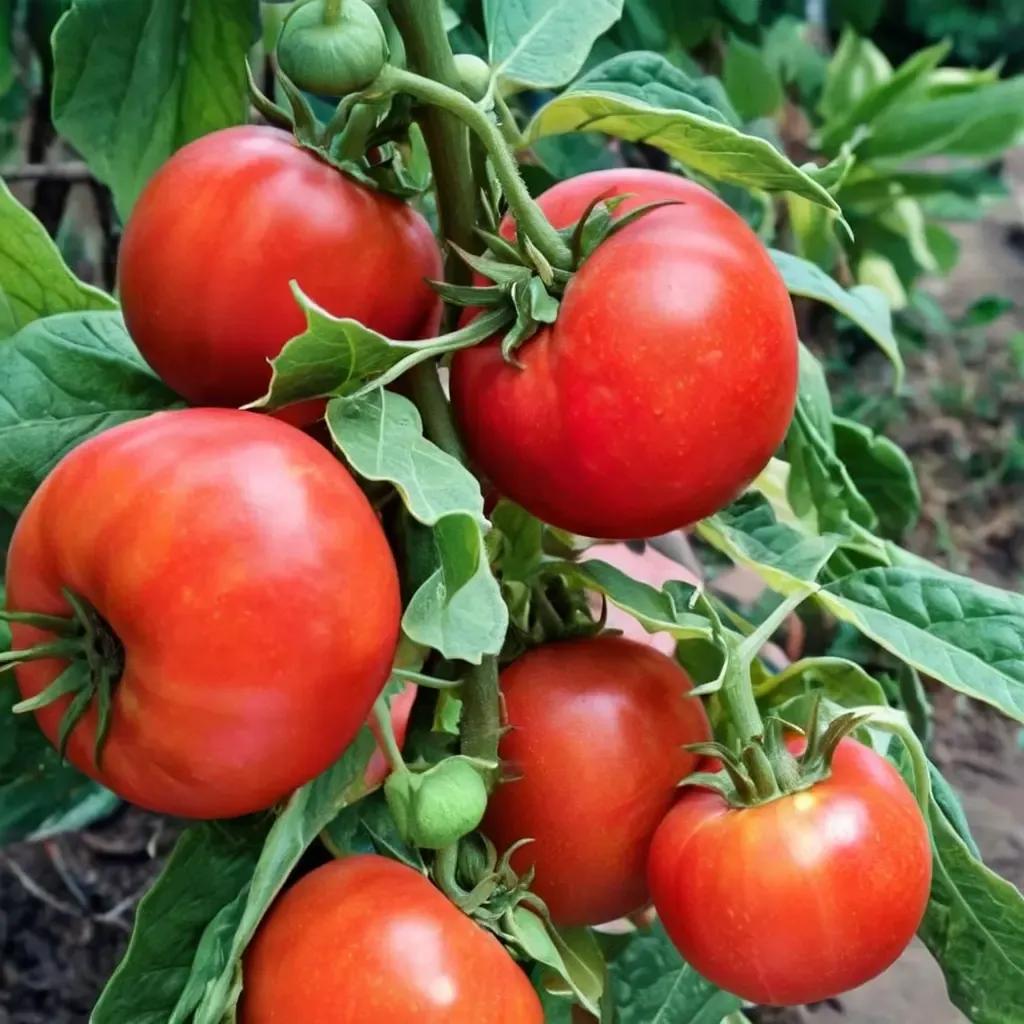 ‘New Girl’New Girl Tomato
 ‘Thessaloniki’Thessaloniki Tomato
 ‘Cherokee Purple’Cherokee Purple Tomato
 ‘Early Girl’Early Girl Tomato
 ‘San Marzano’San Marzano Tomato
 ‘Yellow Pear’Yellow Pear Tomato
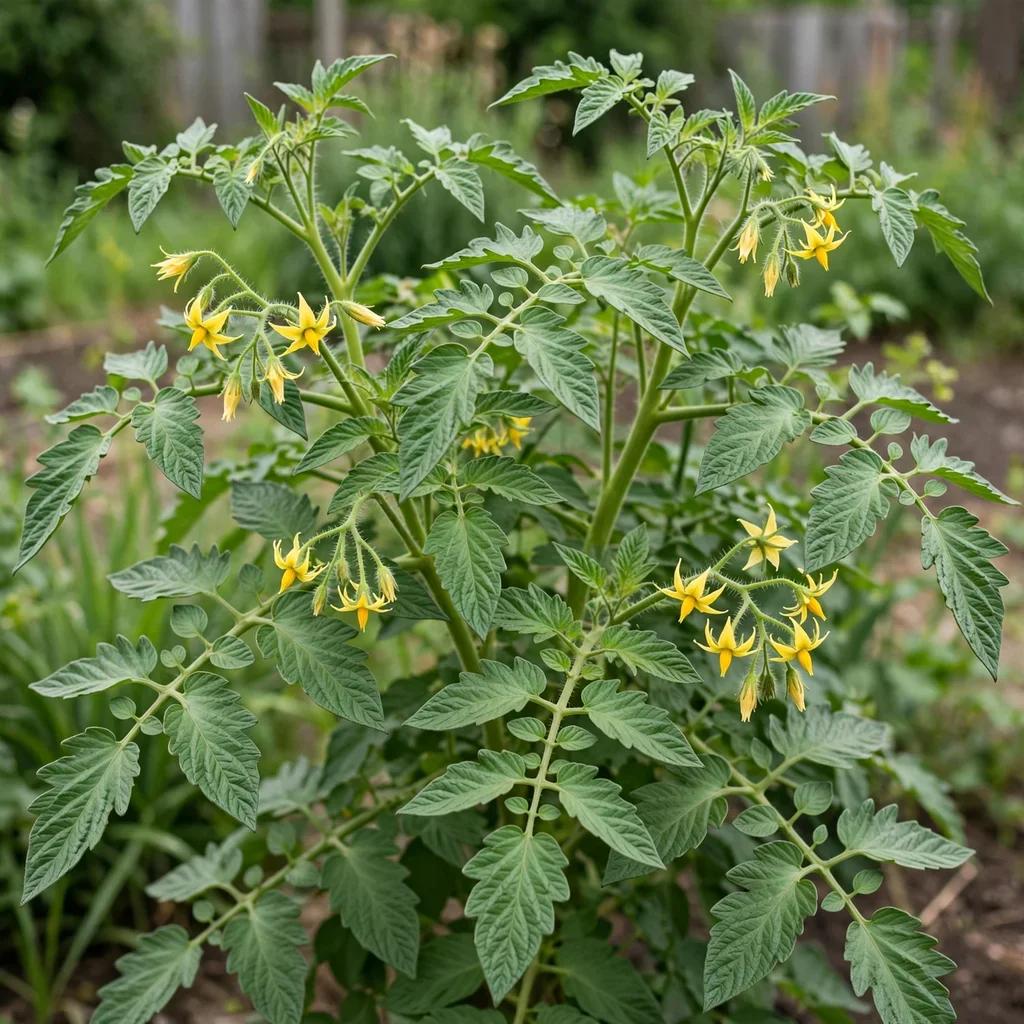 ‘AAA Sweet Solano’AAA Sweet Solano Tomato
 ‘Jelly Beans’Jelly Bean Tomato
 ‘Sun Gold’Sun Gold Tomato
 ‘Purple Bumble Bee’Purple Bumble Bee Tomato
 ‘Large Barred Boar’Large Barred Boar Tomato
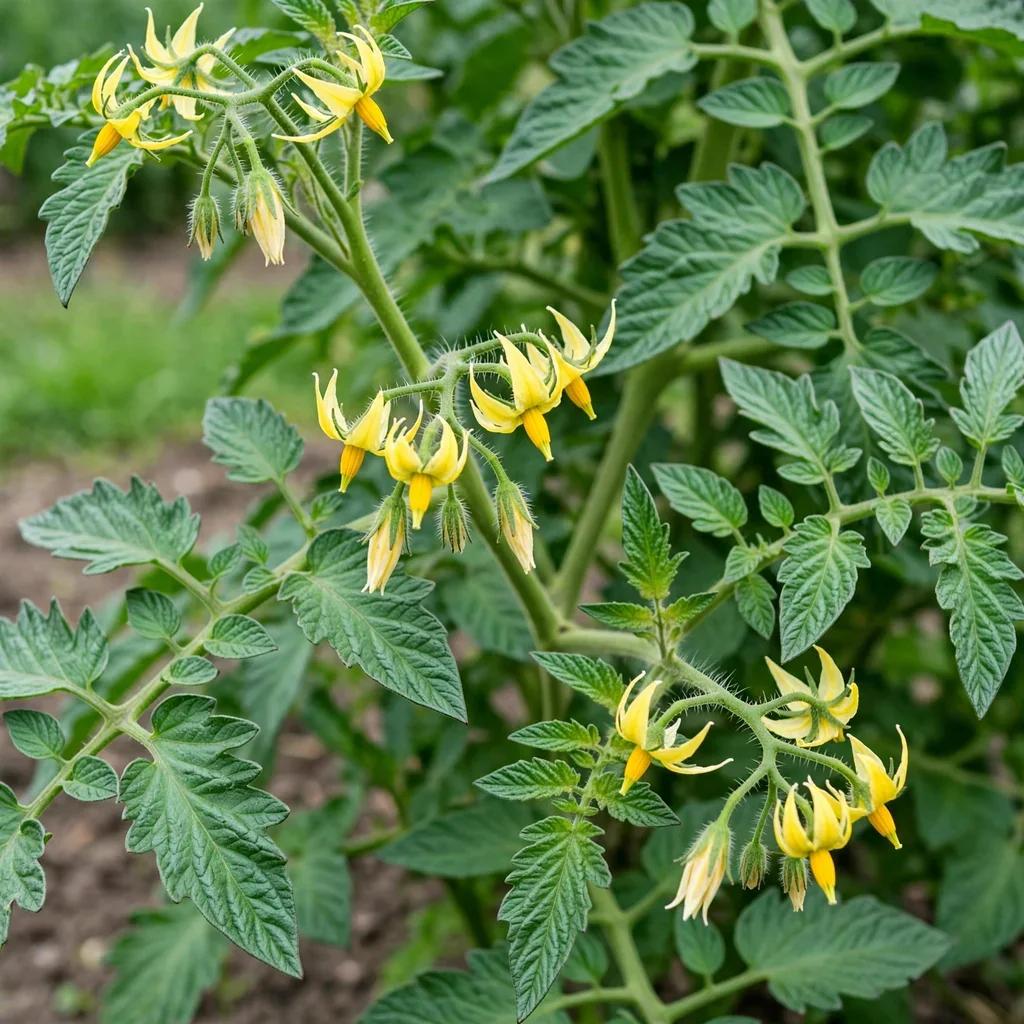 ‘Black Cherry’Black Cherry Tomato
 ‘Cascade Lava’Cascade Lava Tomato
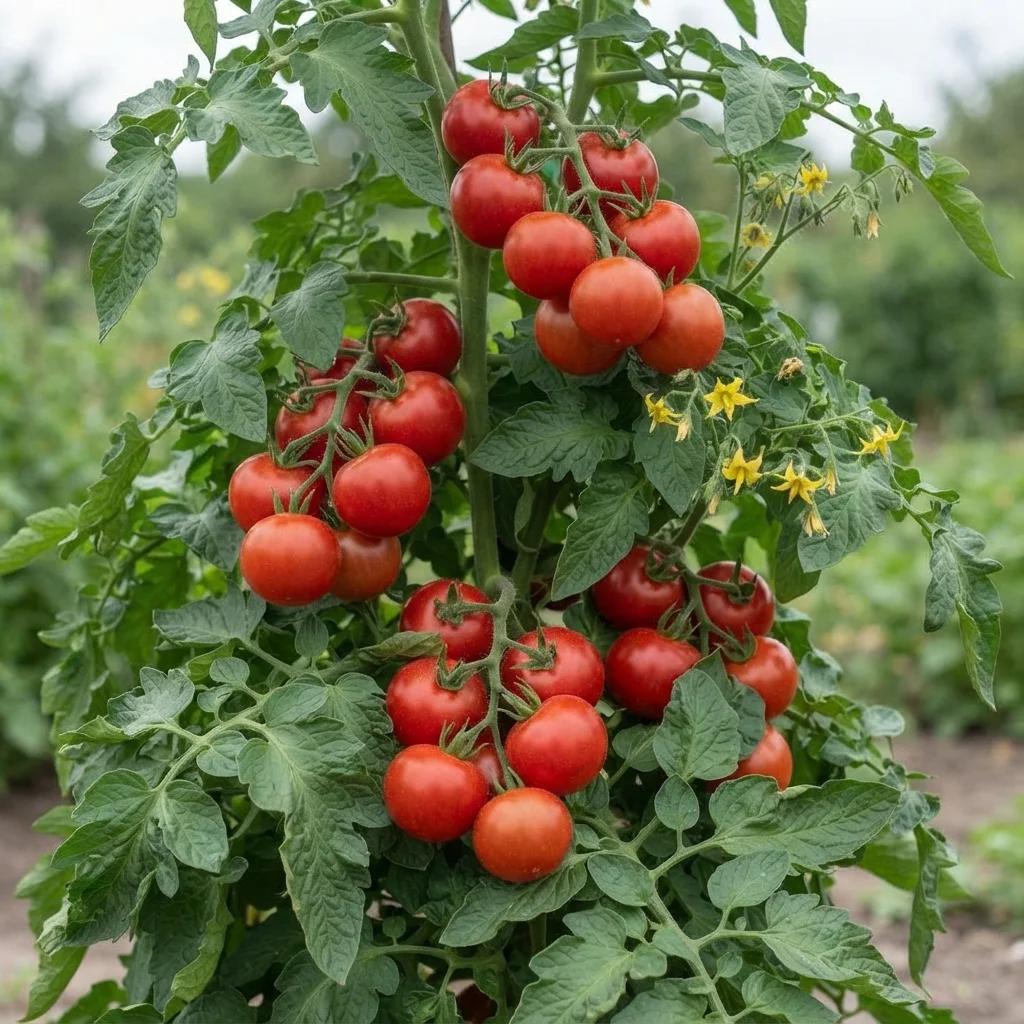 ‘Moneymaker’Tomato
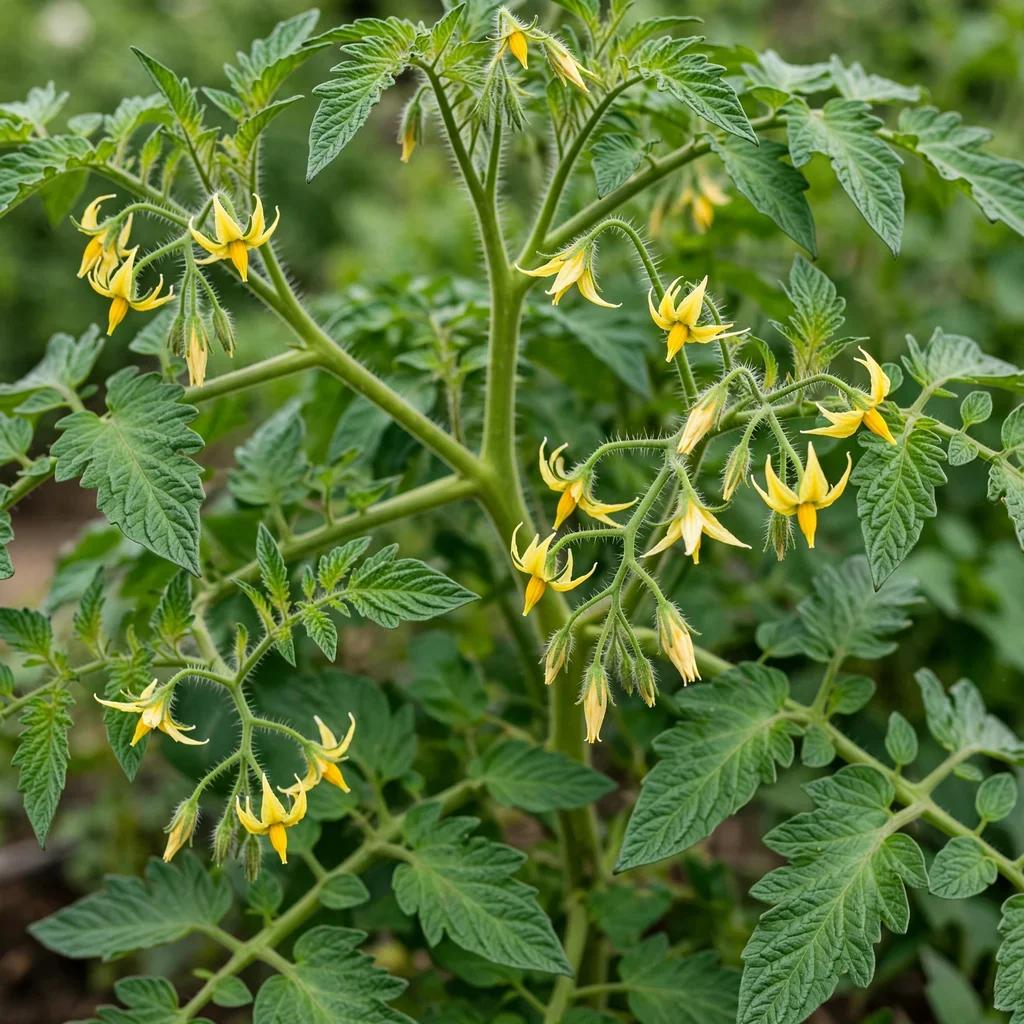 ‘Snow White’Snow White Tomato
 ‘Stupice’Stupice Tomato
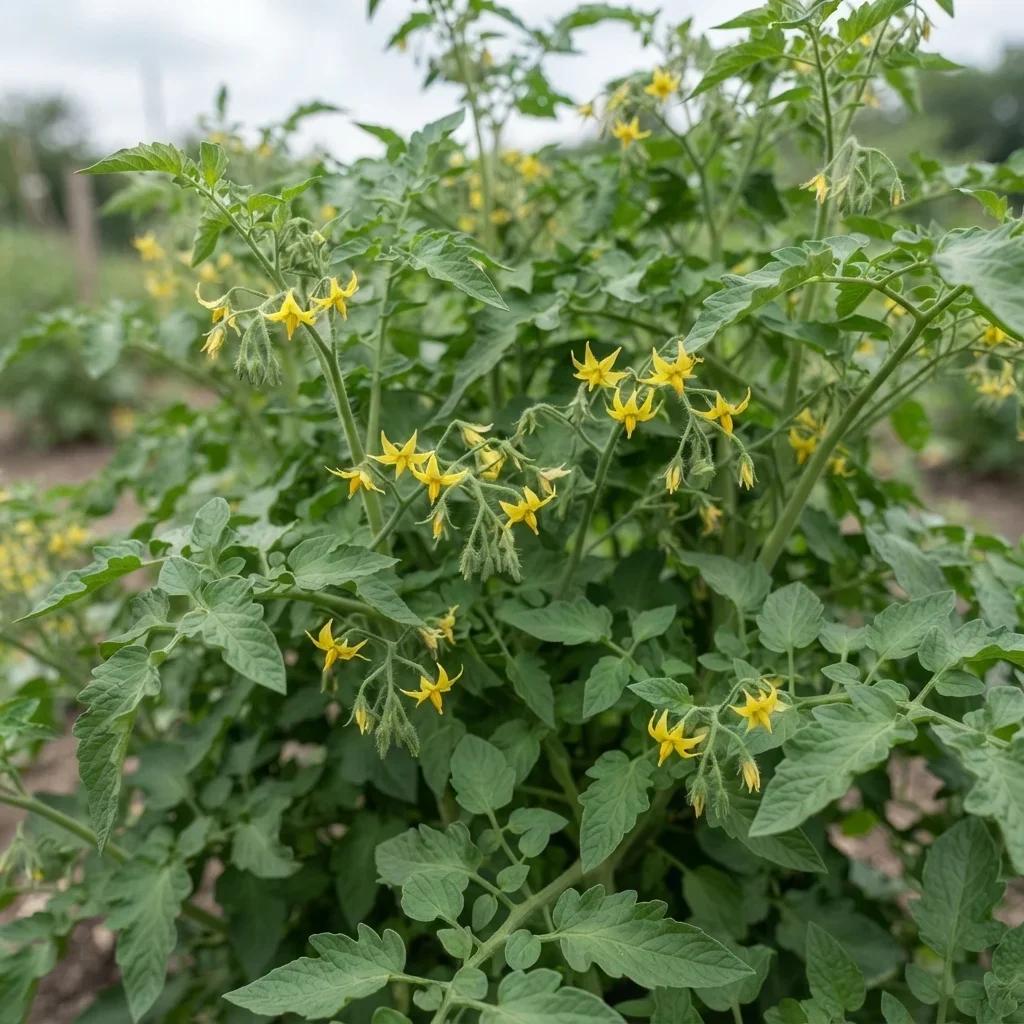 ‘Pink Berkeley Tie Dye’Pink Berkeley Tie Dye Tomato
The Story
Plant Bio
Solanum lycopersicum, the cultivated tomato, is a tender perennial typically grown as an annual. It produces yellow flowers that develop into fleshy, edible berries (fruits) in a wide range of shapes, sizes, and colors.
The fruit has a complex flavor profile and is often used in salads and as a snacking tomato.
Uses & Benefits:
Essentials
At a Glance
Plant Type
Fruit Vegetable
Height
72"
Width
24"
Light
Full Sun
Zones
5, 6, 7, 8, 9, 10
Water
Moderate
Humidity
Moderate
Lifespan
Annual
Native To
South America
Toxicity
Fruit is edible; leaves and stems are toxic.
Bloom period
Mid-summer – Late summer
In flower about 2 months of the year
Planting
How to Grow
- Select a sunny location; tomatoes thrive with at least 6 hours of direct sunlight.
- Plant seedlings or sow seeds indoors 6-8 weeks before the last frost date.
- Transplant outdoors after the danger of frost has passed, spacing plants 24-36 inches apart.
- Water deeply and regularly, keeping soil consistently moist but not waterlogged.
- Support plants with cages or stakes as they grow taller.
- Fertilize every 2-3 weeks with a balanced tomato fertilizer for optimal fruit production.
Pro Tip
Use organic compost to enrich soil and promote healthy, flavorful tomatoes.
Keep It Thriving
Care Guide
Do
- Tuck seedlings into well-draining soil 🌱
- Mist the plants during dry spells to maintain moisture
- Prune suckers to improve airflow and fruit quality
- Apply organic mulch to conserve moisture and suppress weeds
Don't
- Avoid overwatering which can lead to root rot ❌
- Don’t plant in shaded areas—lack of sunlight hampers fruiting
- Refrain from using excessive nitrogen fertilizer late in the season
- Don’t ignore pest signs—early detection is key
Seasonal Care Calendar
| Task | Jan | Feb | Mar | Apr | May | Jun | Jul | Aug | Sep | Oct | Nov | Dec |
|---|---|---|---|---|---|---|---|---|---|---|---|---|
| Fertilize | ||||||||||||
| Harvest | ||||||||||||
| Plant | ||||||||||||
| Prune | ||||||||||||
| Stake |
Watch Out For
Pests & Diseases
Common Pests
Common Diseases
In the Garden
Landscape Uses & Companions
Landscape Uses
Multiply
Propagation Methods
Good to Know
Common Questions
Atomic Grape Tomato questions
What zones can Atomic Grape Tomato grow in?
Atomic Grape Tomato is hardy in USDA Zones 5–10. Inside that range it survives winter in the ground; outside it, grow it as an annual or a container plant you protect.
Is Atomic Grape Tomato deer resistant?
Not reliably. Deer may browse Atomic Grape Tomato, especially tender spring growth — plan on repellents or fencing where pressure is high.
When does Atomic Grape Tomato bloom?
Atomic Grape Tomato typically blooms in mid-summer through late summer. Exact timing shifts a week or two with your zone — Sow's bloom calendar maps it to your garden.
Does Atomic Grape Tomato need full sun?
Atomic Grape Tomato does best in full sun (6+ hours).
More Solanum to compare
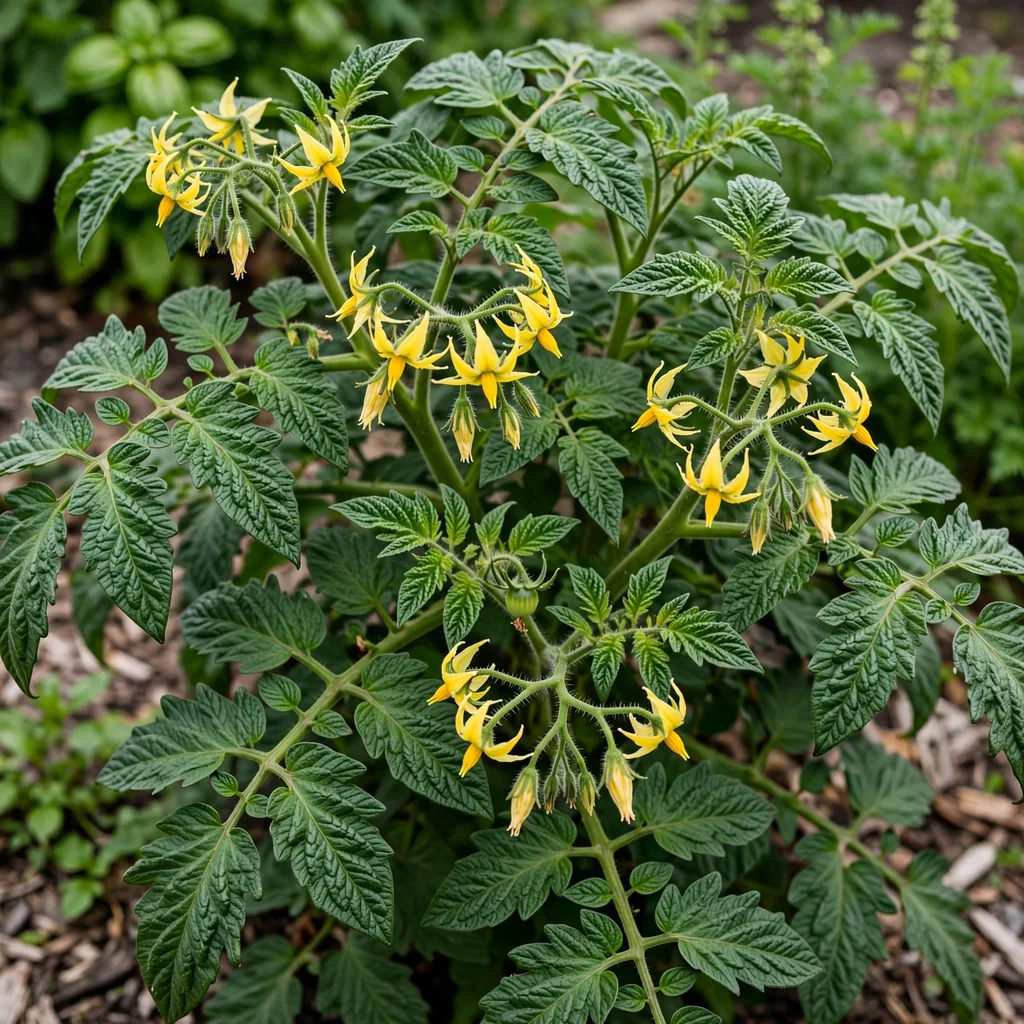
Martino's Roma Tomato
Solanum lycopersicum 'Martino's Roma'
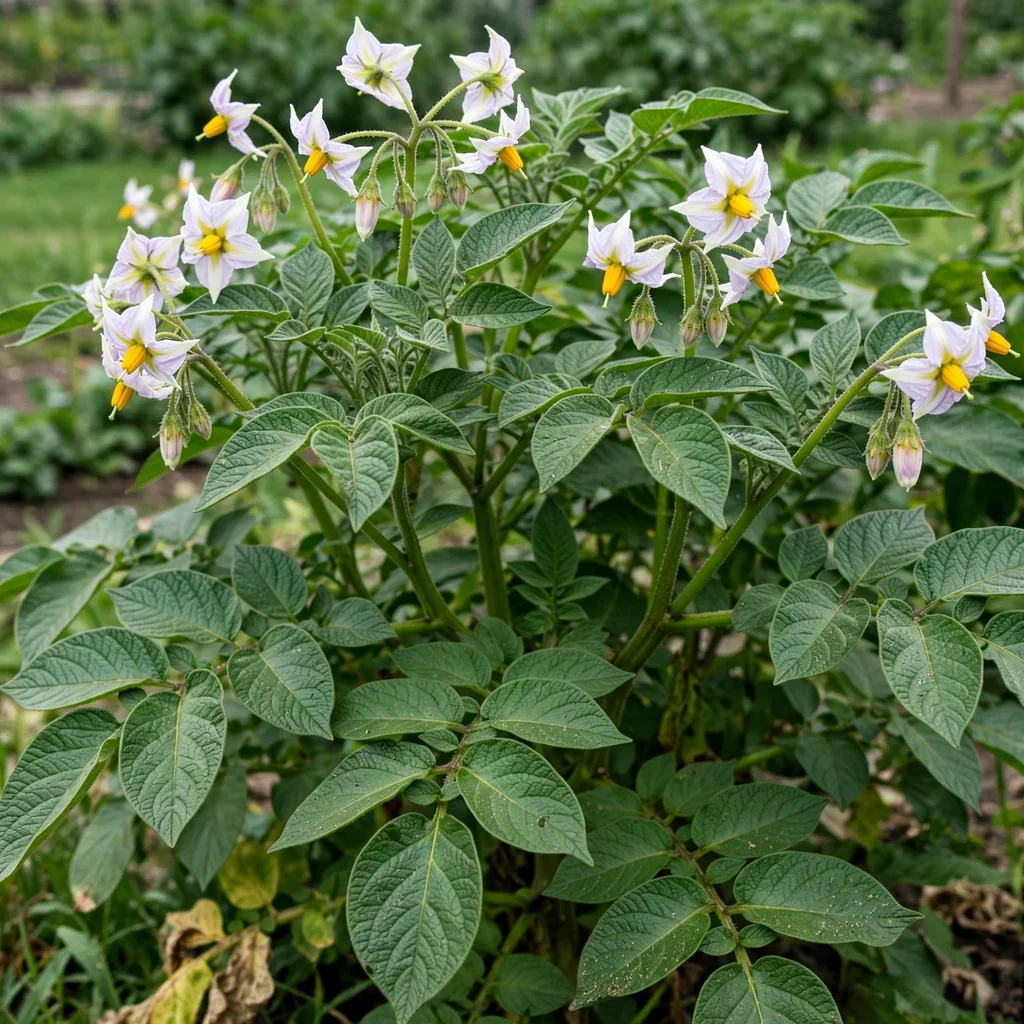
Yukon Gold Potato
Solanum tuberosum 'Yukon Gold'
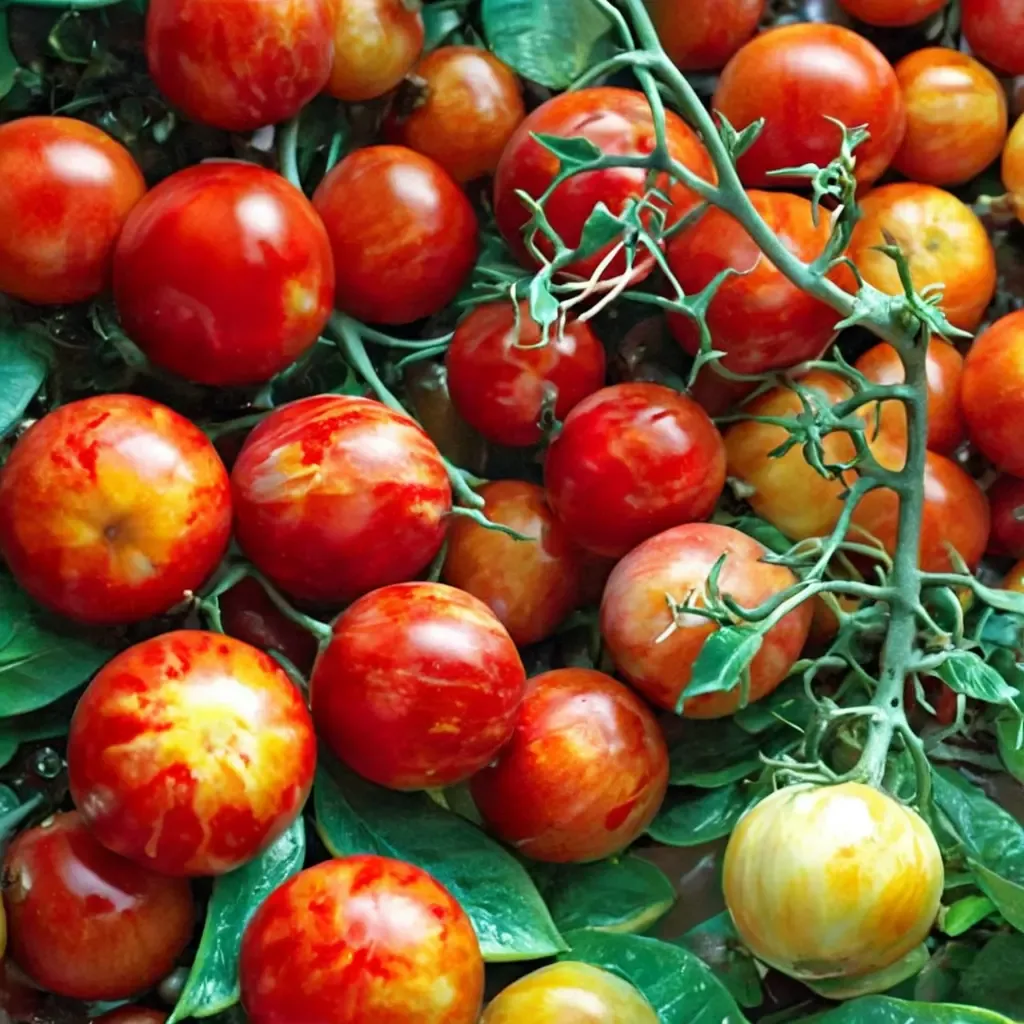
Sweet Tomato
Solanum lycopersicum 'Sweet'
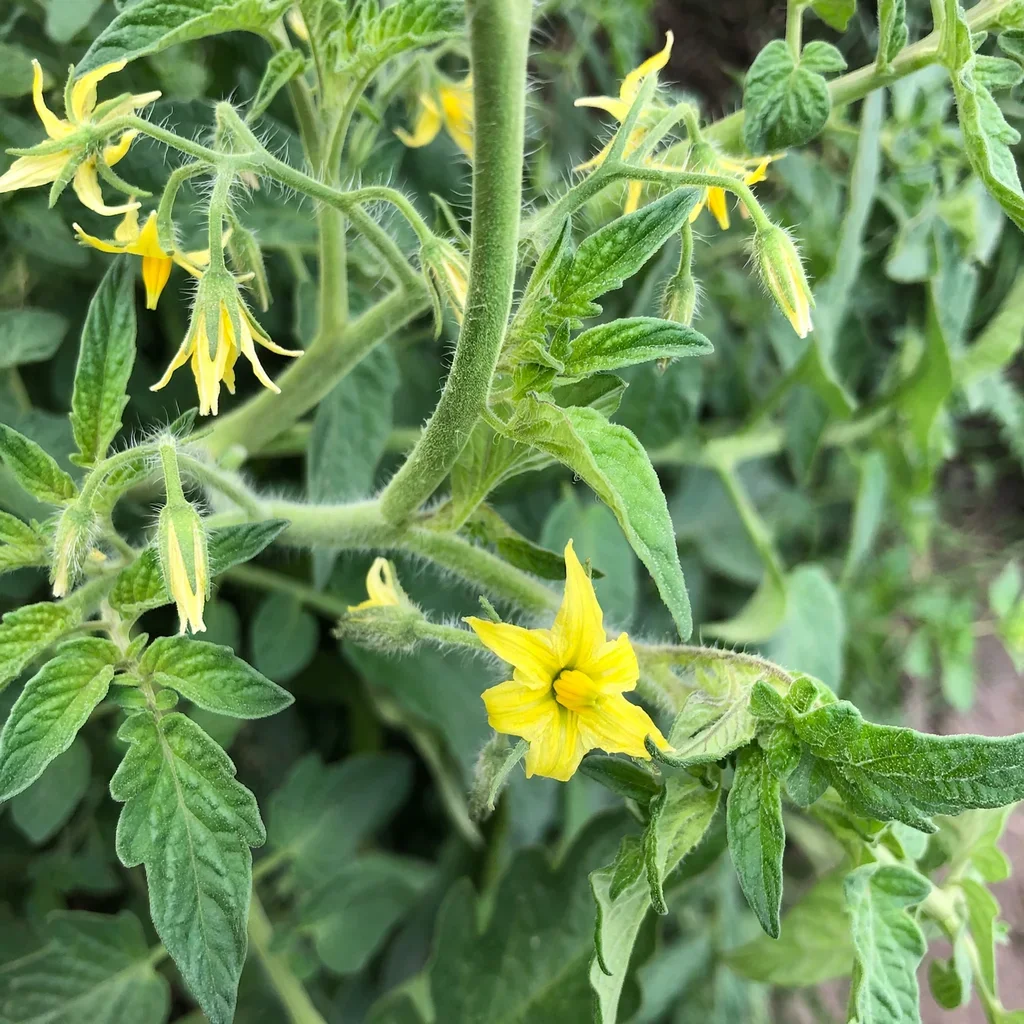
Napa Rose Tomato
Solanum lycopersicum 'Napa Rose'
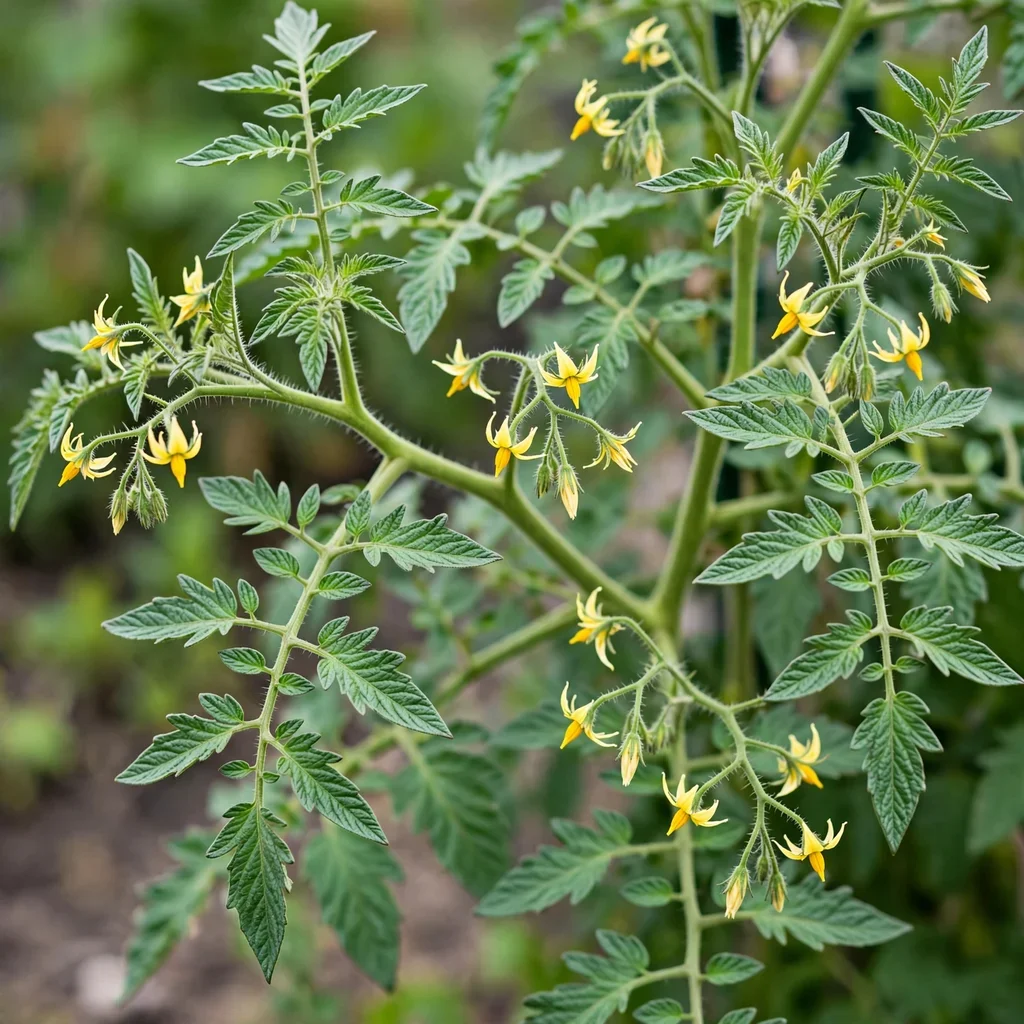
Red Currant Tomato
Solanum lycopersicum 'Red Currant'
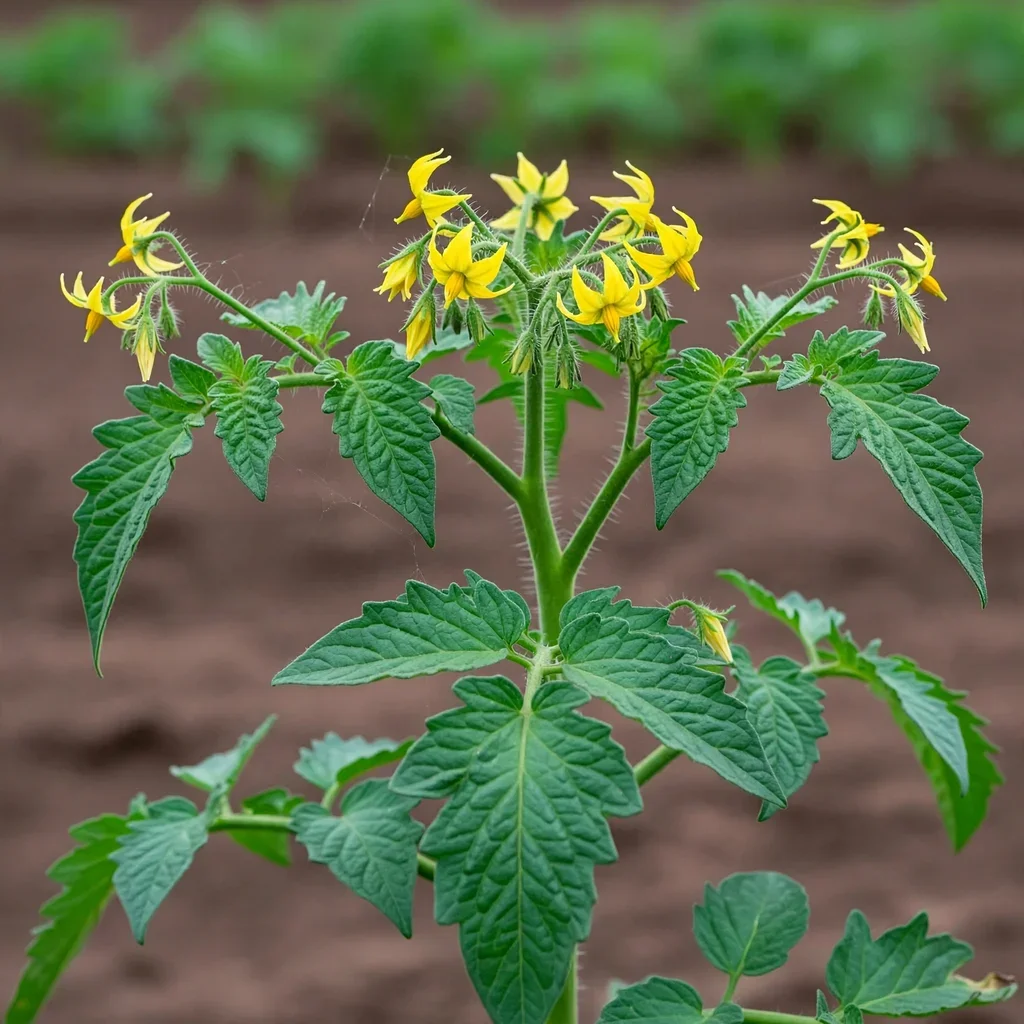
Gold Medal Tomato
Solanum lycopersicum 'Gold Medal'
Keep exploring
Explore the genus
Grow Atomic Grape Tomato with confidence
See it in a design of your actual yard, get zone-matched care reminders, and track it season by season in your garden journal.