The Story
Plant Bio
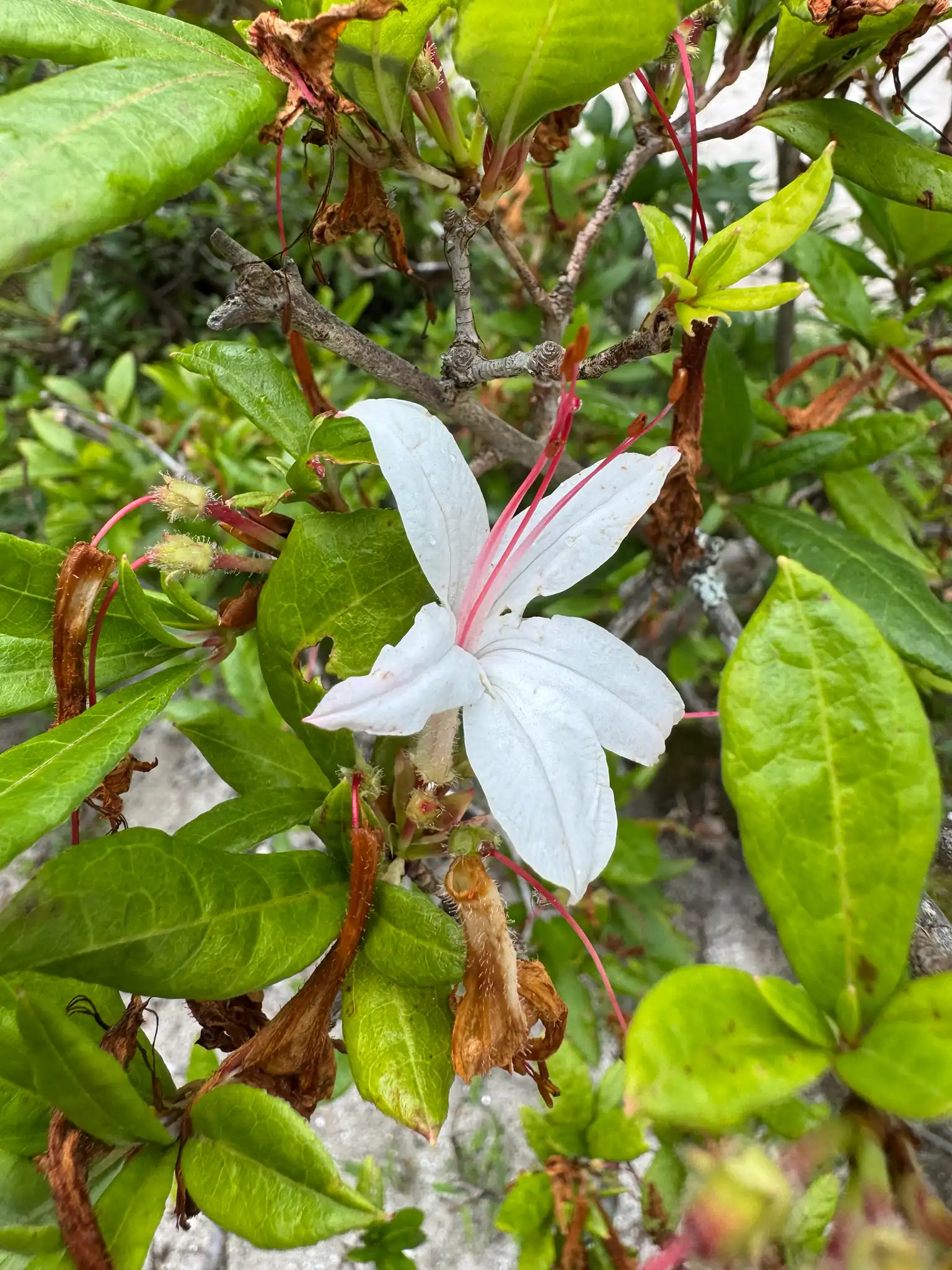
Rhododendron arborescens is a large, deciduous native azalea found in the Appalachian Mountains. It is celebrated for its intensely fragrant, white, trumpet-shaped flowers that bloom in early summer, later than most other azaleas.
Often called the 'Smooth Azalea' for its smooth, non-hairy leaves, its most outstanding feature is the powerful, sweet fragrance of its flowers, which can perfume an entire garden. The prominent red stamens and pistil create a striking contrast against the white petals.
Uses & Benefits:
Essentials
At a Glance
Plant Type
Shrub
Height
144"
Width
144"
Light
Partial Sun, Shade
Zones
4, 5, 6, 7
Water
Medium to wet
Humidity
Prefers moderate to high
Lifespan
50+ years
Native To
Eastern United States
Toxicity
All parts of the plant are highly toxic if ingested.
Bloom period
Early summer – Mid-summer
In flower about 2 months of the year
Planting
How to Grow
- Choose a site with dappled sunlight or morning sun and afternoon shade.
- Ensure the soil is acidic, rich in organic matter, and well-drained.
- Dig a shallow, wide hole and amend the backfill with compost.
- Plant the azalea high, with the top of the root ball above soil level.
- Water thoroughly and apply a 2-3 inch layer of acidic mulch.
- Keep the soil consistently moist, especially during the first few years.
Pro Tip
Plant it where its delightful fragrance can be enjoyed, such as near a patio, window, or garden path.
Keep It Thriving
Care Guide
Do
- Maintain a consistent layer of acidic mulch over the root zone.
- Provide regular water, especially in hot, dry weather.
- Plant in a location protected from harsh afternoon sun.
- Test soil pH and amend if it is not sufficiently acidic.
Don't
- Do not plant in heavy clay or poorly drained soil.
- Avoid cultivating or digging around the shallow roots.
- Don't let the root ball dry out completely.
- Never use lime or wood ash near azaleas as it raises soil pH.
Seasonal Care Calendar
| Task | Jan | Feb | Mar | Apr | May | Jun | Jul | Aug | Sep | Oct | Nov | Dec |
|---|---|---|---|---|---|---|---|---|---|---|---|---|
| Fertilize | ||||||||||||
| Mulch | ||||||||||||
| Plant | ||||||||||||
| Prune |
Watch Out For
Pests & Diseases
Common Pests
Common Diseases
In the Garden
Landscape Uses & Companions
Landscape Uses
Multiply
Propagation Methods
Good to Know
Common Questions
Sweet Azalea questions
What zones can Sweet Azalea grow in?
Sweet Azalea is hardy in USDA Zones 4–7. Inside that range it survives winter in the ground; outside it, grow it as an annual or a container plant you protect.
Is Sweet Azalea deer resistant?
Not reliably. Deer may browse Sweet Azalea, especially tender spring growth — plan on repellents or fencing where pressure is high.
When does Sweet Azalea bloom?
Sweet Azalea typically blooms in early summer through mid-summer. Exact timing shifts a week or two with your zone — Sow's bloom calendar maps it to your garden.
Does Sweet Azalea need full sun?
Sweet Azalea does best in part shade.
More Rhododendron to compare
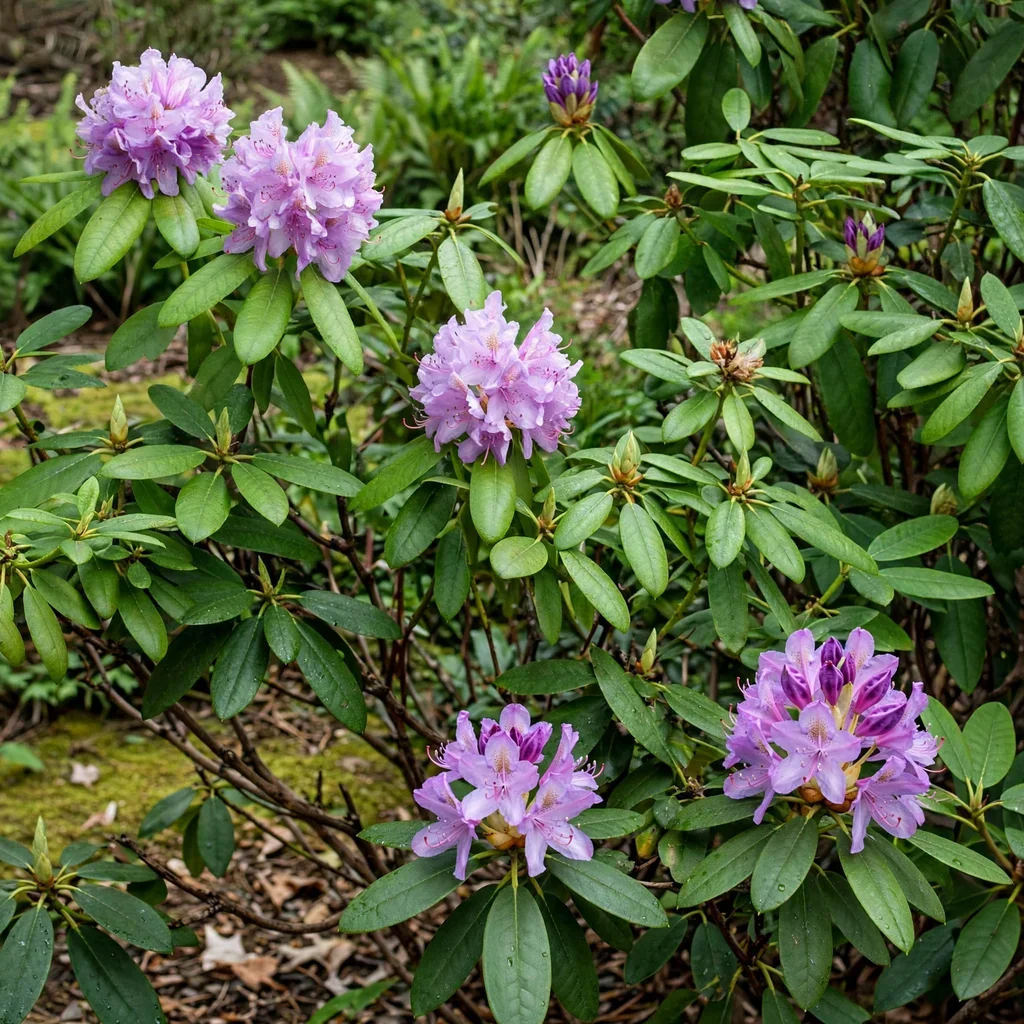
Catawba Rhododendron
Rhododendron catawbiense
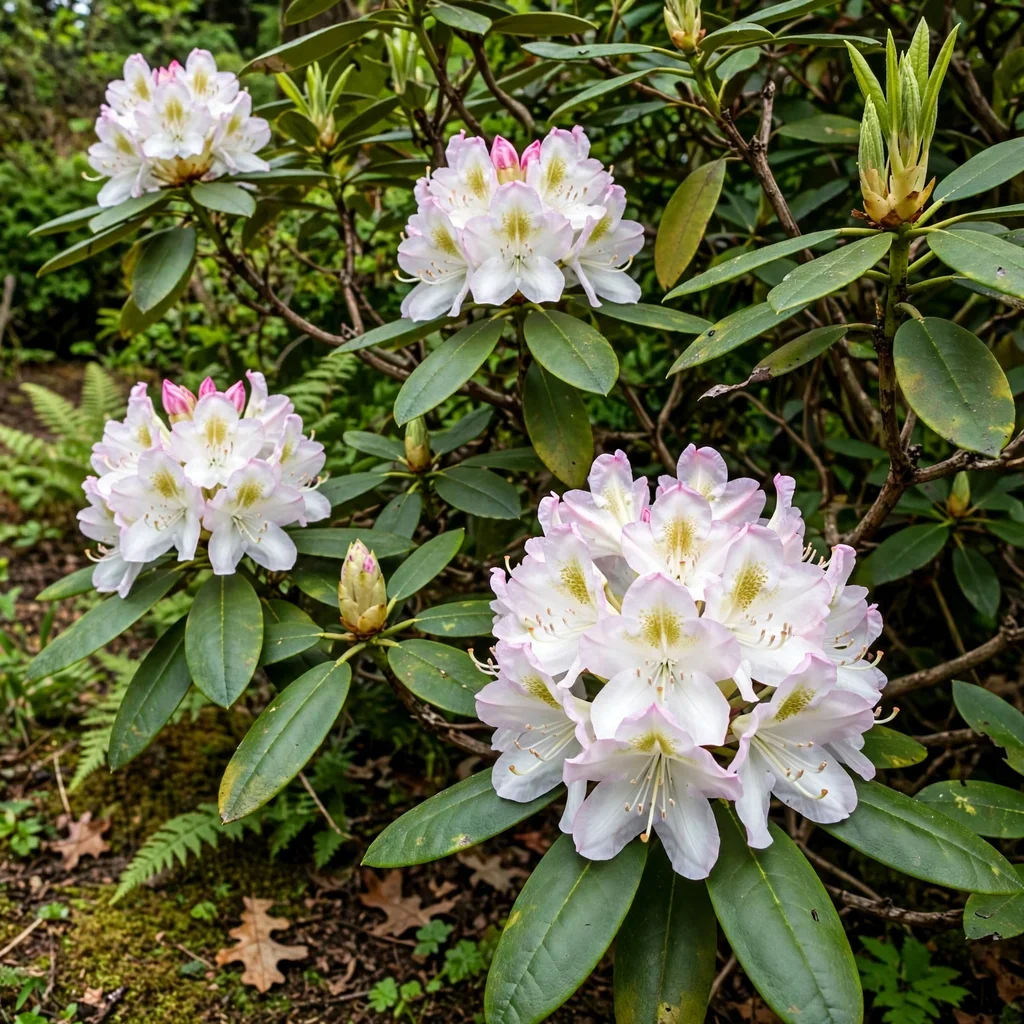
Great Laurel Rhododendron
Rhododendron maximum
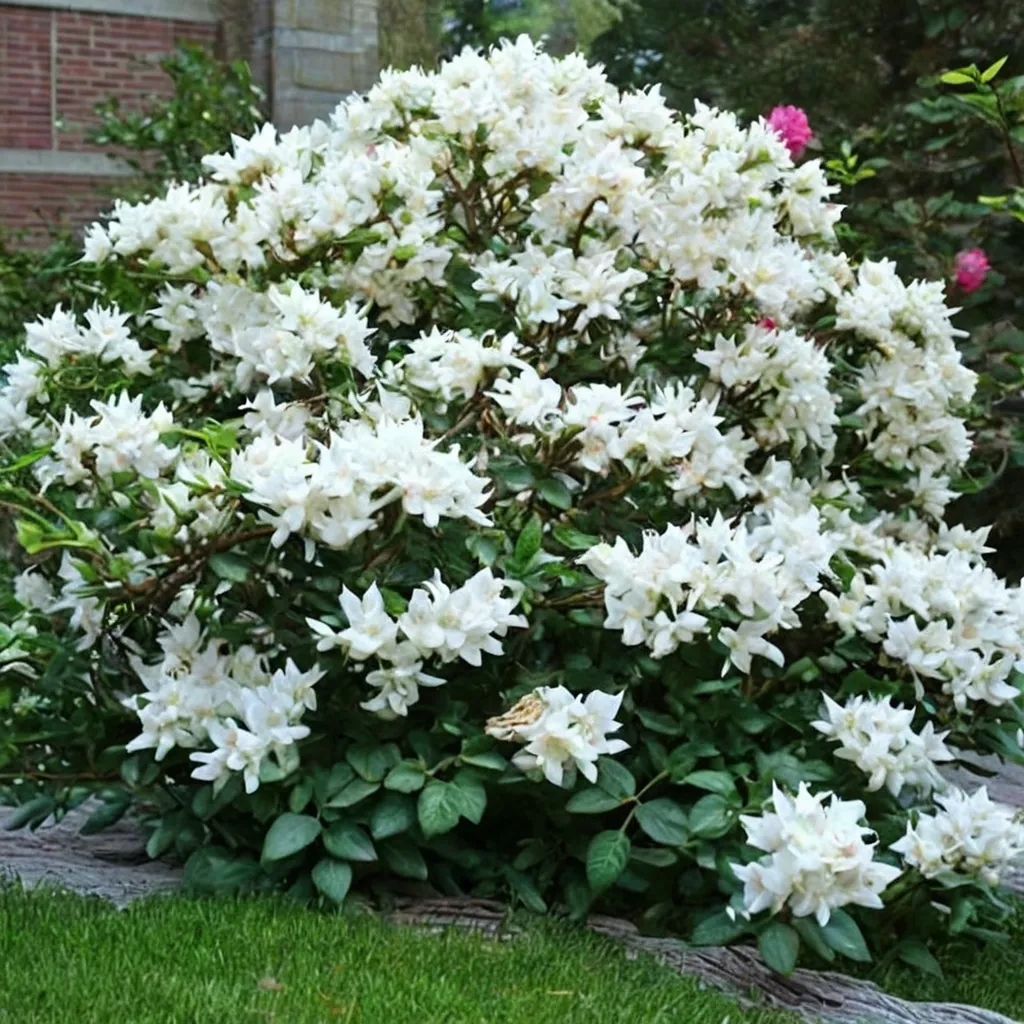
Double White Rhododendron
Rhododendron x hybrida 'Double White'
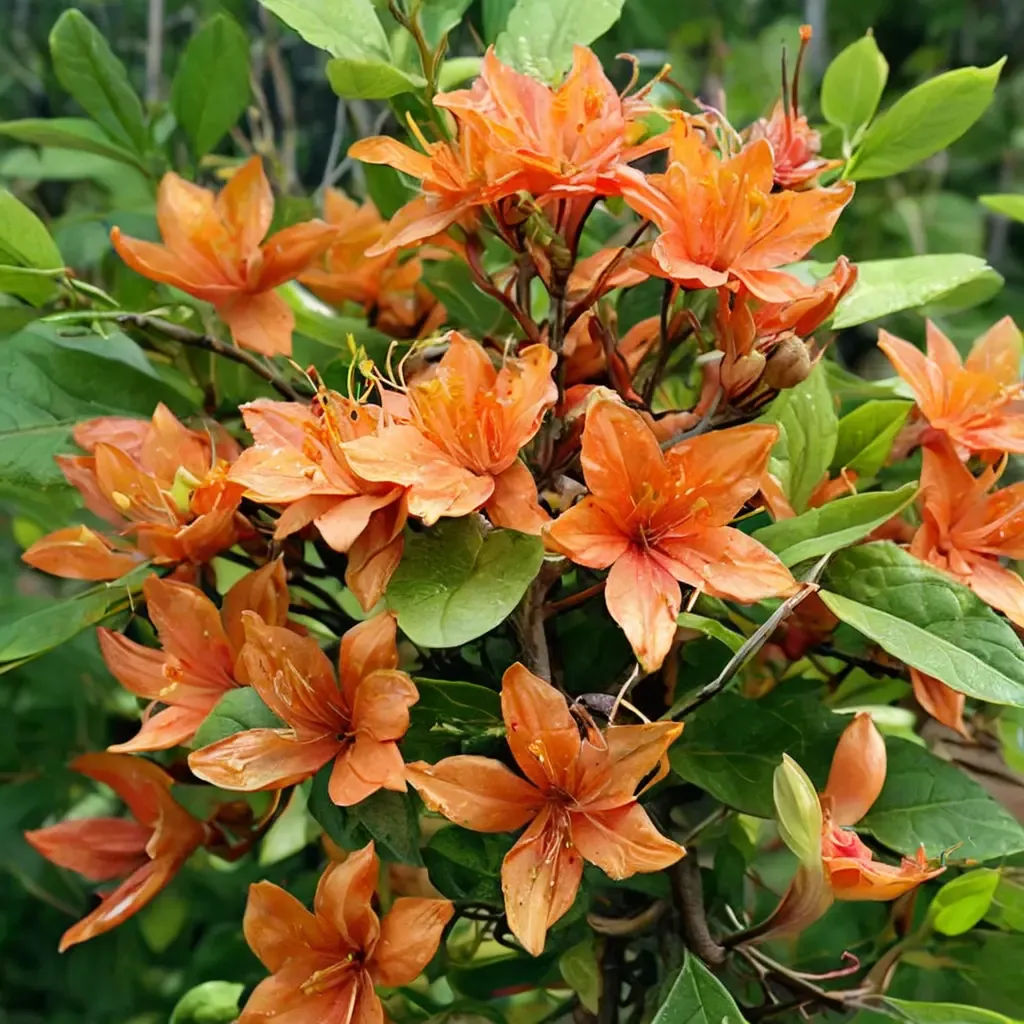
Flame Azalea
Rhododendron calendulaceum
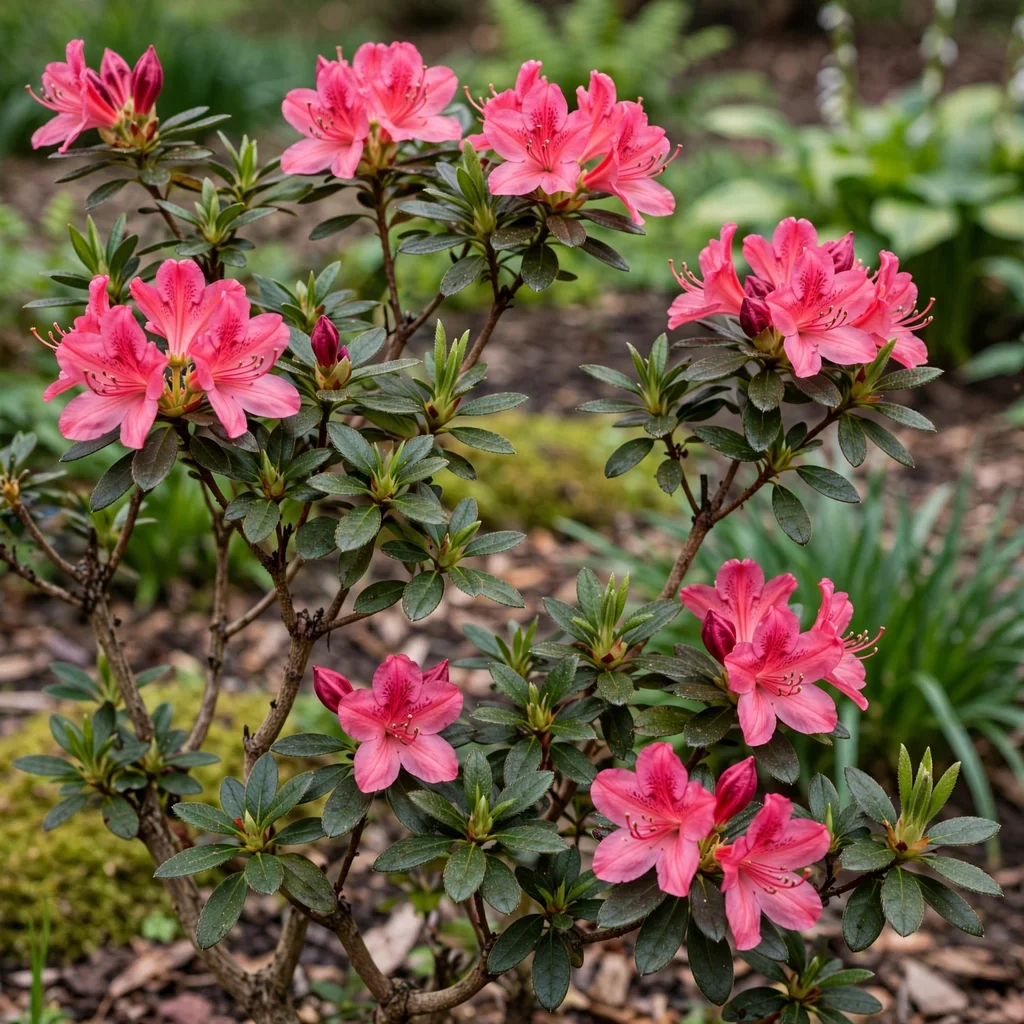
Bone Hardy Azalea
Rhododendron x hybrida 'Bone Hardy Azalea Sampler'
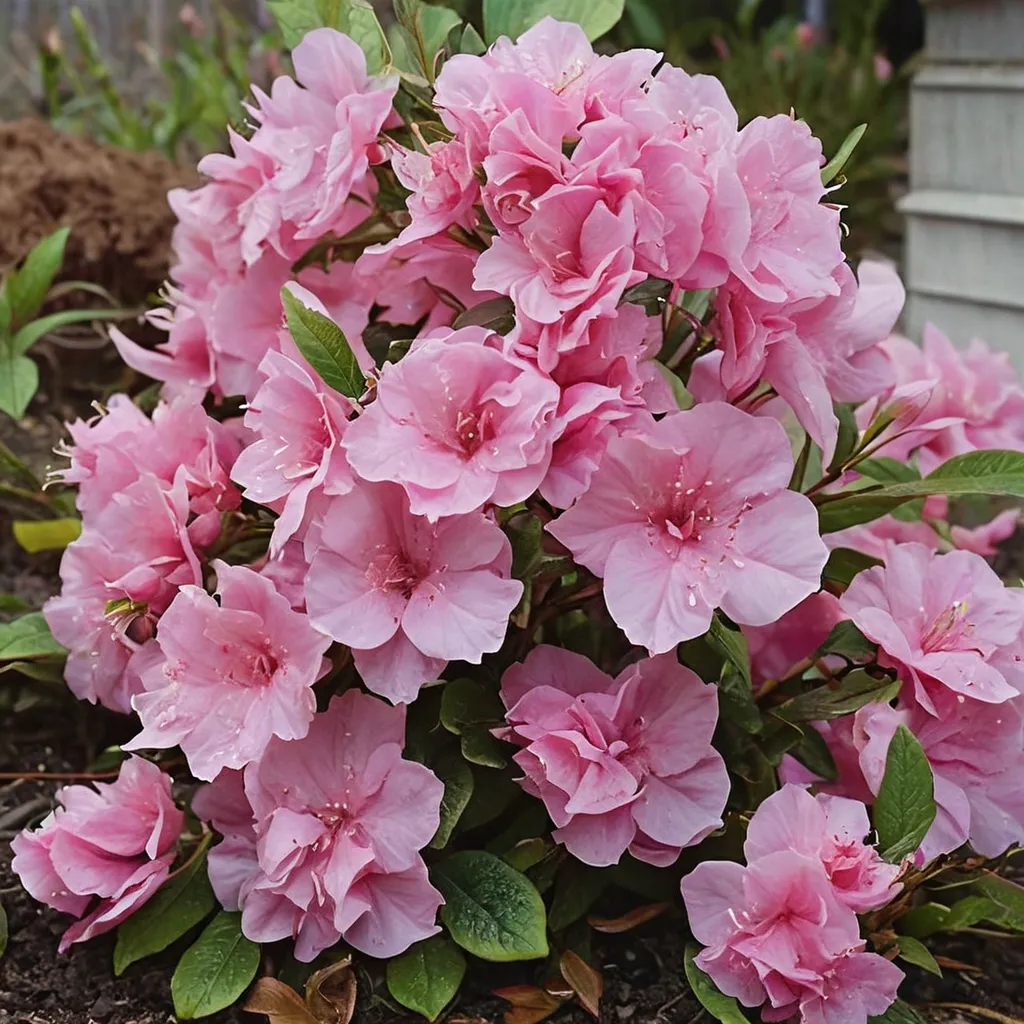
Rhododendron x hybrida Double Pink
Rhododendron x hybrida 'Double Pink'
Keep exploring
Explore the genus
Hardy in your zone?
Grow Sweet Azalea with confidence
See it in a design of your actual yard, get zone-matched care reminders, and track it season by season in your garden journal.