The Story
Plant Bio
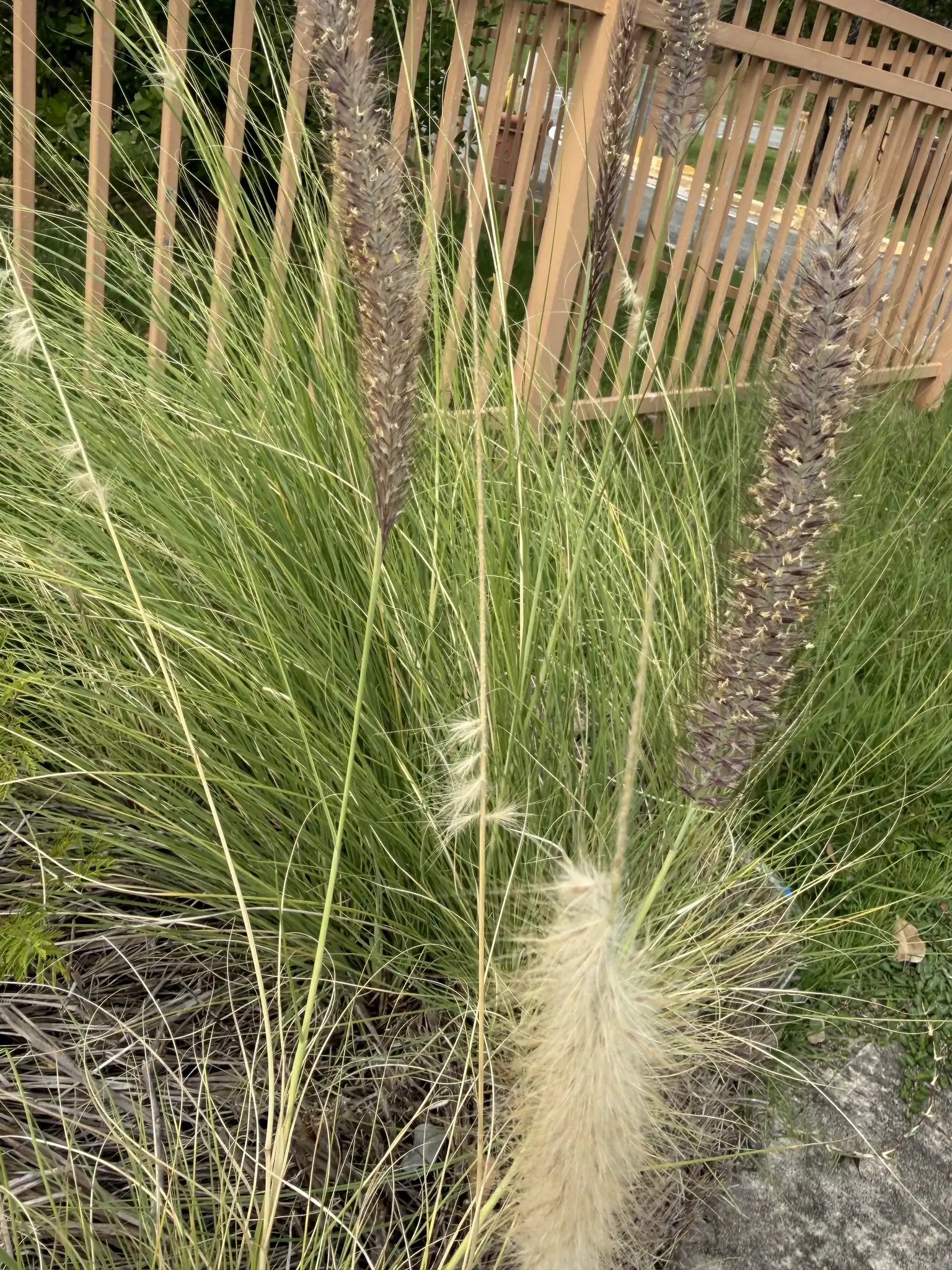
Cenchrus setaceus, known as fountain grass, is a densely tufted perennial bunchgrass native to Africa and the Middle East that forms an upright, arching mound of fine-textured foliage. The species produces feathery, bristly flower spikes in pink to purplish hues from summer through fall, which fade to a pale cream-buff as they mature.
While the wild species features green to gray-green leaves, popular cultivars like 'Rubrum' are grown for their deep burgundy-purple foliage that maintains its color throughout the growing season. The plant relies on wind pollination and produces abundant seeds, which allows it to naturalize readily and become invasive in warm, arid, or coastal regions.
Uses & Benefits:
Essentials
At a Glance
Plant Type
Grass
Height
40"
Width
48"
Light
Full Sun
Zones
8, 9, 10
Water
Low
Humidity
Low to Moderate
Lifespan
Perennial
Native To
Africa, Middle East
Toxicity
Non-toxic
Bloom period
Summer – Autumn
In flower about 6 months of the year
Planting
How to Grow
- Select a planting site that receives at least six hours of direct sunlight daily.
- Prepare well-drained soil, incorporating sand or gravel if planting in heavy or slow-draining areas.
- Dig a hole twice the width of the root ball and set the plant at the same depth it was in the container.
- Water thoroughly to settle the soil, then limit irrigation to dry spells once the root system is established.
Pro Tip
Cut the entire clump back to four to six inches above the ground in late winter before new shoots emerge, taking care not to cut into the old, woody center of the crown.
Keep It Thriving
Care Guide
Do
- Plant in full sun to ensure robust growth and upright form.
- Ensure excellent soil drainage to prevent root rot.
- Cut back the foliage annually in late winter to make room for fresh spring growth.
Don't
- Do not overwater or plant in low-lying areas where water collects.
- Do not cut into the old, woody base of the clump when pruning.
- Do not plant near wild or natural areas where seeds can escape and invade native ecosystems.
Seasonal Care Calendar
| Task | Jan | Feb | Mar | Apr | May | Jun | Jul | Aug | Sep | Oct | Nov | Dec |
|---|---|---|---|---|---|---|---|---|---|---|---|---|
| Divide | ||||||||||||
| Fertilize | ||||||||||||
| Pest Check | ||||||||||||
| Prune |
Watch Out For
Pests & Diseases
Common Pests
Common Diseases
In the Garden
Landscape Uses & Companions
Landscape Uses
Companion Plants
Multiply
Propagation Methods
Good to Know
Common Questions
Fountain Grass questions
What zones can Fountain Grass grow in?
Fountain Grass is hardy in USDA Zones 8–10. Inside that range it survives winter in the ground; outside it, grow it as an annual or a container plant you protect.
When does Fountain Grass bloom?
Fountain Grass typically blooms in summer through autumn. Exact timing shifts a week or two with your zone — Sow's bloom calendar maps it to your garden.
Does Fountain Grass need full sun?
Fountain Grass does best in full sun (6+ hours).
Is Fountain Grass drought tolerant?
Yes — once established (usually after the first full season), Fountain Grass handles dry spells with minimal watering. Water deeply its first year to build the root system that makes that possible.
More Cenchrus to compare
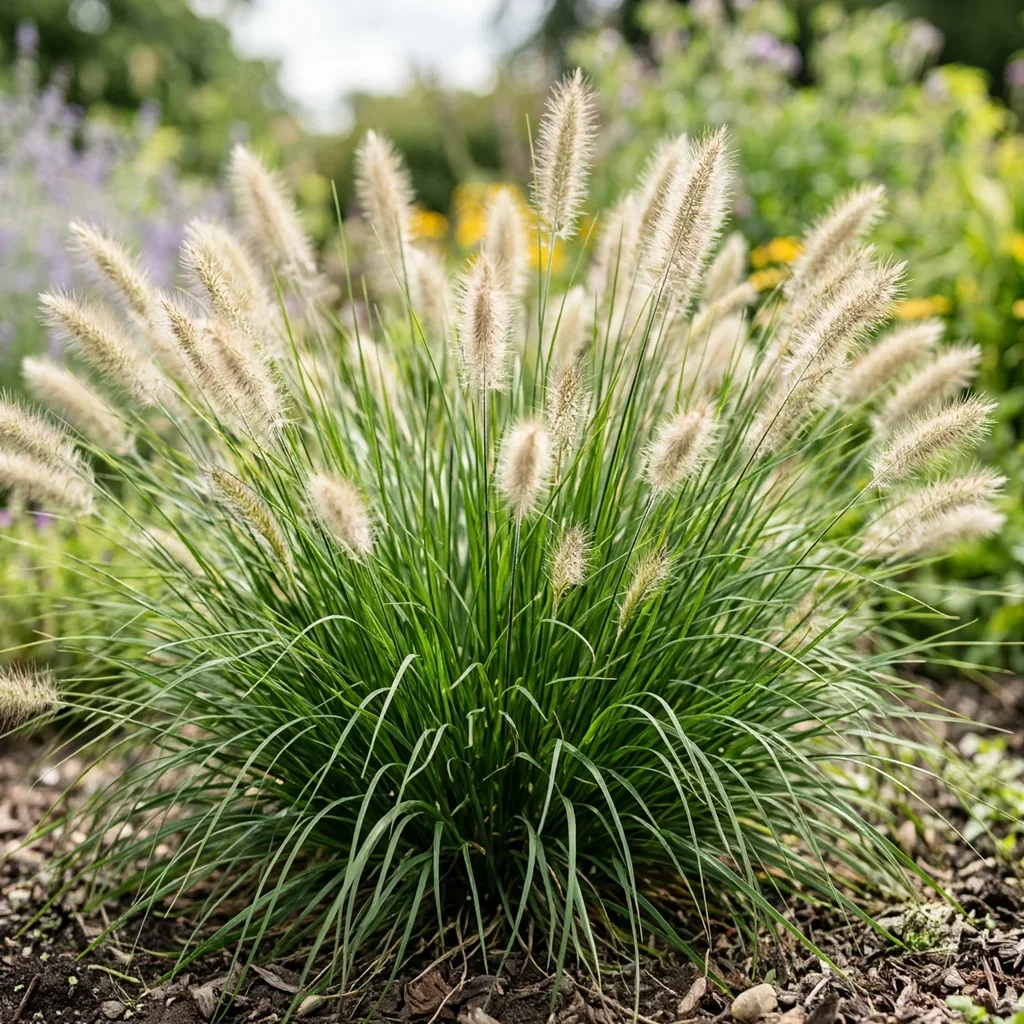
Little Bunny Dwarf Fountain Grass
Cenchrus alopecuroides 'Little Bunny'
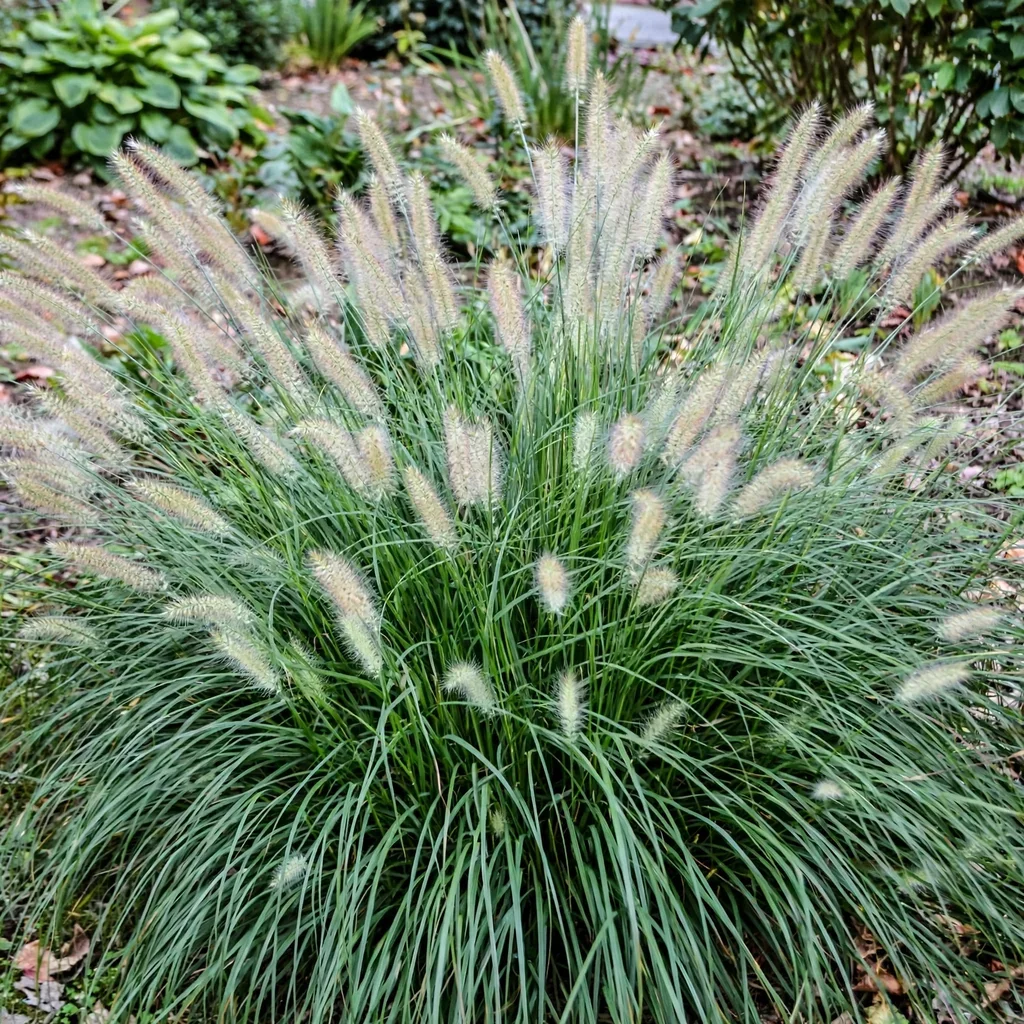
Hameln Dwarf Fountain Grass
Cenchrus alopecuroides 'Hameln'
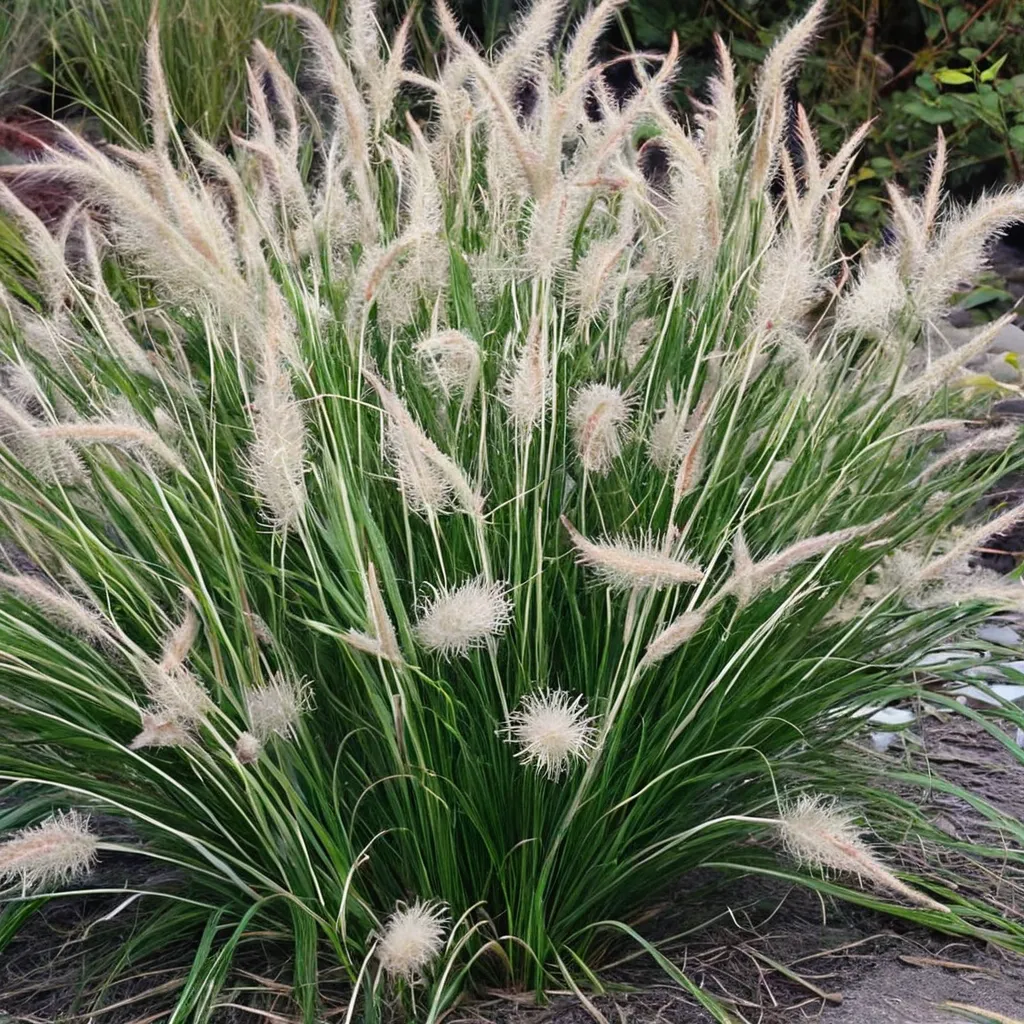
Dwarf Fountain Grass 'Piglet'
Cenchrus alopecuroides 'Piglet'
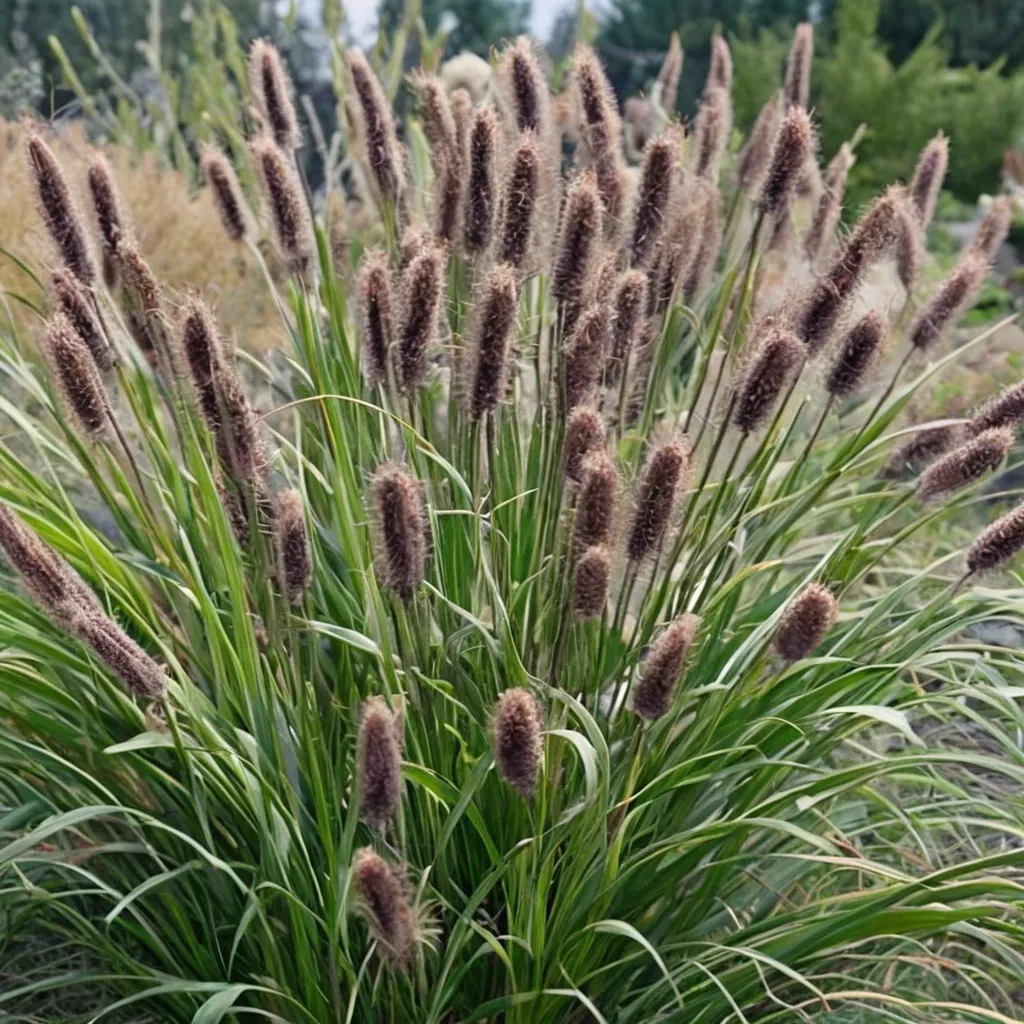
Ginger Love Fountain Grass
Cenchrus alopecuroides 'Ginger Love'
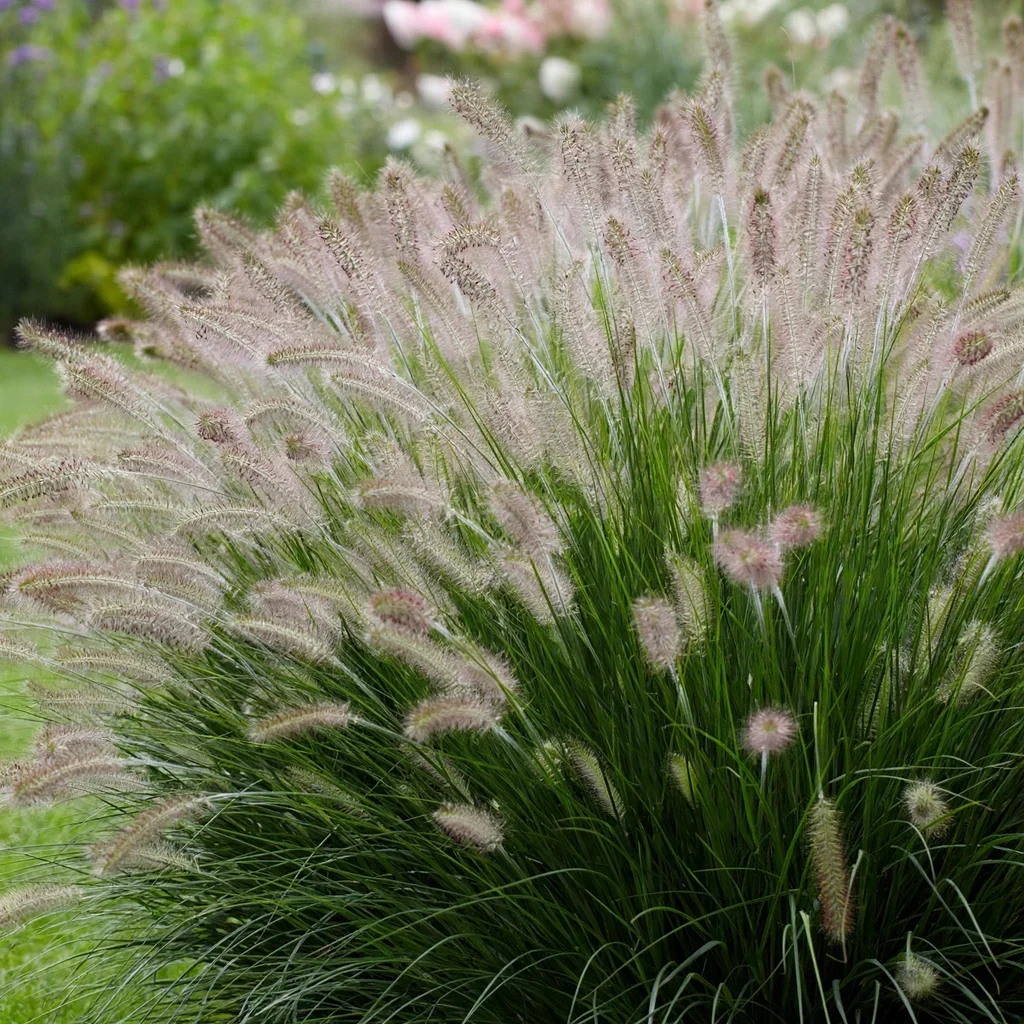
Fox Trot Fountain Grass
Cenchrus alopecuroides 'Fox Trot'
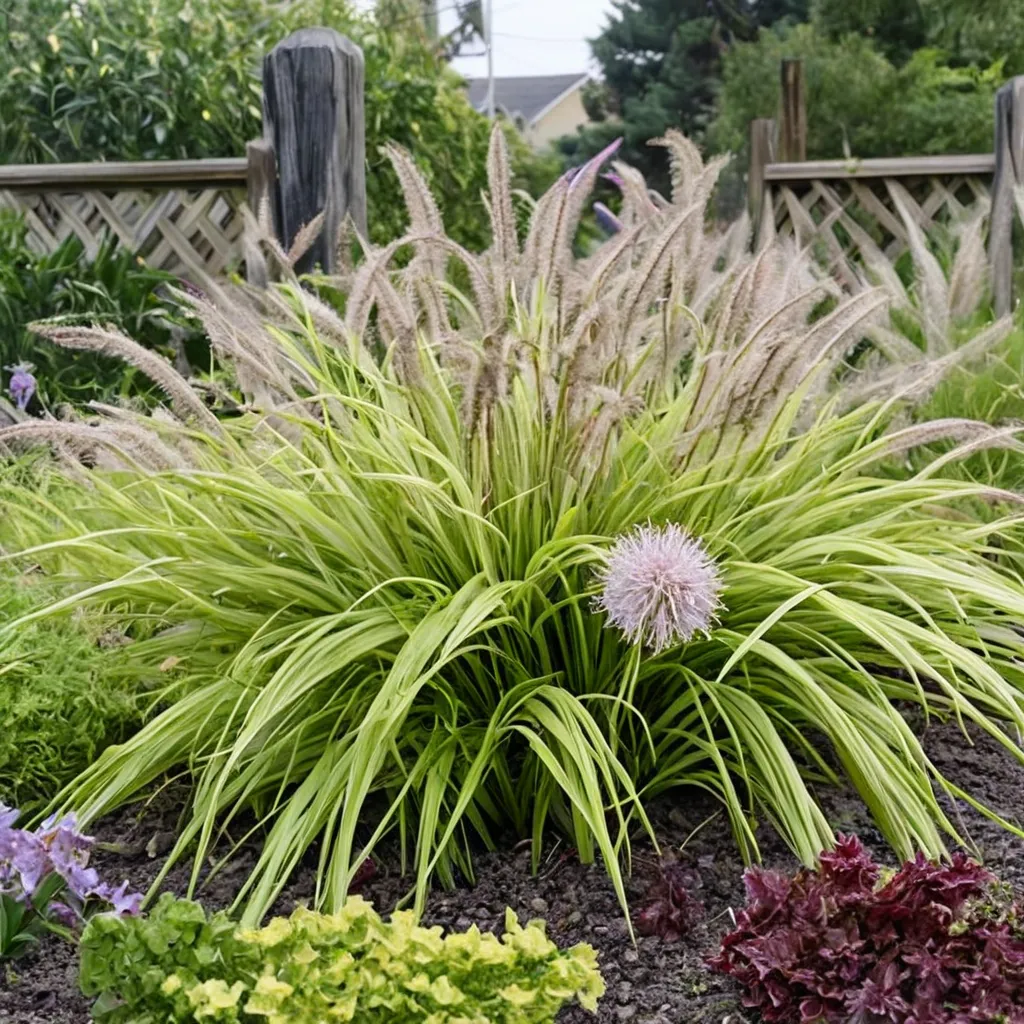
Foxtail Grass Lemon Squeeze
Cenchrus alopecuroides 'Lemon Squeeze'
Keep exploring
Explore the genus
Hardy in your zone?
Grow Fountain Grass with confidence
See it in a design of your actual yard, get zone-matched care reminders, and track it season by season in your garden journal.